*Submitted to the House Armed Services Committee on September 11, 2020 and received no response
Dear House Armed Services Committee:
I accidentally stumbled upon Fort Hood while conducting research on the non combat deaths of female service members overseas. Fort Hood, along with a few other big Army bases in the U.S., was the common denominator in non combat death overseas. I also learned there are countless numbers of non combat deaths of male service members as well. They shouldn’t have to face death as a way to escape their situation (whether they are a victim of crime and/or it’s a mental health emergency). This issue in and of itself is its own animal and the reason we need policy enacted immediately to create a “bug out” plan for those in danger (or mental health emergencies) in overseas locations, especially if the chain of command fails them. There is no 911 overseas. Why is it the military is not accountable to the American public with the outcome of the investigations of a U.S. service member’s death? They conveniently get to hide behind the non combat death label and because they don’t disclose why or how the service member died in most cases, we are not able to make informed consent as to whether we want to join an organization that appears to hide their misdeeds in an effort to protect the reputation of the institution. I was inspired to look into the other non combat deaths of women overseas after learning the military labeled the obvious rape and murder of LaVena Johnson as a suicide. My research found this isn’t an anomaly, this is a pattern.
After noticing the pattern of the same bases tied to the non combat deaths overseas, I decided to start researching crime in and around the bases in question. Crime knows no boundaries. I took a look at JBLM, Fort Bragg, Fort Hood, Fort Carson, Fort Campbell, JBER, Fort Wainwright, Camp Pendleton, etc. I not only discovered violent crime in and around the bases but I discovered suicide and homicide in garrison were significant issues as well. In late 2016, I noticed a large cluster of deaths at Fort Hood on the heels of learning about all the other violent crime, non combat death and suicide at Fort Hood since 9/11/2001. I was especially upset with the way Fort Hood handled the missing person case of Dakota Stump and how they treated his family. As a result of me taking an interest in the issues at Fort Hood, families of the fallen started contacting me. What I learned collectively was startling. Please keep in mind, each family didn’t know about my conversations with the other families as all this information is considered confidential unless they want to tell their loved ones story on my website: www.militaryjusticeforall.com
As a result of the intel I was getting from families of the fallen at Fort Hood, I decided I was going to start paying closer attention to what was going on at this base. It was by far the most problematic compared to any other base. But please understand Fort Hood is symbolic of the other bases; they all have these same problems. The Army is by far the worst offender concerning death and violent crime in the military. The patterns that emerged from the Fort Hood families included lack of interest in missing persons cases, mislabeling deaths, shoddy death investigations, reports and information from Army leadership that didn’t add up or make sense, evidence goes missing, computer devices and phones are erased, secretiveness, dismissiveness, misleading, and cover-up. When it comes to an untimely or dubious death, it’s hard to find a family who won’t stop fighting for their loved one until justice is served. No justice, no peace. We currently have a group of families at Fort Hood and elsewhere who want to file a class action lawsuit to get the suspicious deaths of their loved ones reopened so they can be investigated properly by independent investigators. The Army did not investigate each death as a homicide until ruled out, therefore the scene was not preserved for evidence collection; they quickly ruled the death a suicide and moved on. According to Stars and Stripes, in the last five years, we’ve lost 165 soldiers at Fort Hood and 70 of those deaths were deaths ruled suicide. I have not included all cases because a lot of families have not come forward to share their story publicly because they are heartbroken, traumatized, confused, and overwhelmed. This experience leaves the families feeling helpless. Even if the death was in fact a suicide, these families want answers, they want the truth, and they want an avenue to find the truth. I was so concerned with the number of deaths stateside at Fort Hood, I went to Washington D.C. in December 2017 to ask for help and it fell on deaf ears including the office of the chair of the House Armed Services Committee, Mac Thornberry.
“In the last five years, 165 soldiers assigned to Fort Hood have died, according to the Fort Hood Public Affairs Office, which regularly released information on soldiers’ death until a 2018 decision to stop the practice. The post was an outlier in this level of transparency.
In those years, seven soldiers died by homicide, while six died in a combat zone. The deaths of 70 soldiers were ruled suicides, and on- and off-base accidents resulted in the deaths of 60 soldiers.”
“Air Force veteran Jennifer Norris believes Fort Hood’s current situation has been years in the making.
For the past decade, Norris, a trained social worker with a master’s degree in public policy, has been tracking crimes committed by and against service members and advocating for reform. She posts her research on her website, Military Justice for All.
She first focused her research on several large military bases, but after noticing a trend of Fort Hood deaths, Norris narrowed her efforts to the Texas post.
‘I didn’t set up to go after Fort Hood at all. It’s a compilation of systematic issues,’ she said.
At the end of 2017, Norris used her own money to travel from her home in Maine to Washington to meet with lawmakers. By the time she got home, Norris said she thought everyone had moved on without intending to address the problems.
‘The other bases are nothing like Fort Hood is right now,’ she said. ‘I think the anomaly with Fort Hood is that its isolated and that it’s such an economic powerhouse in the community that it’s in everybody’s best interest to protect it so they can protect themselves.’”
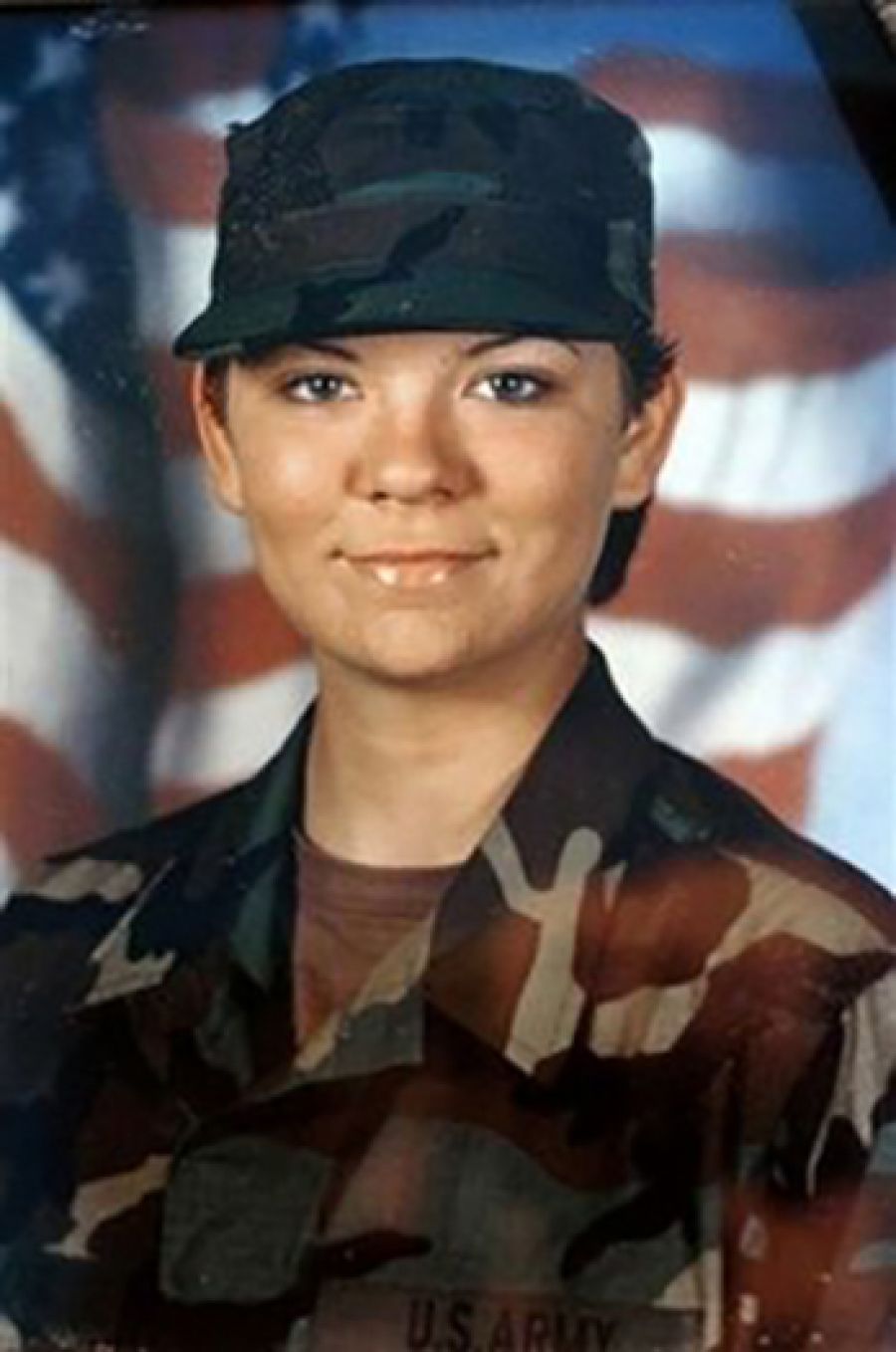
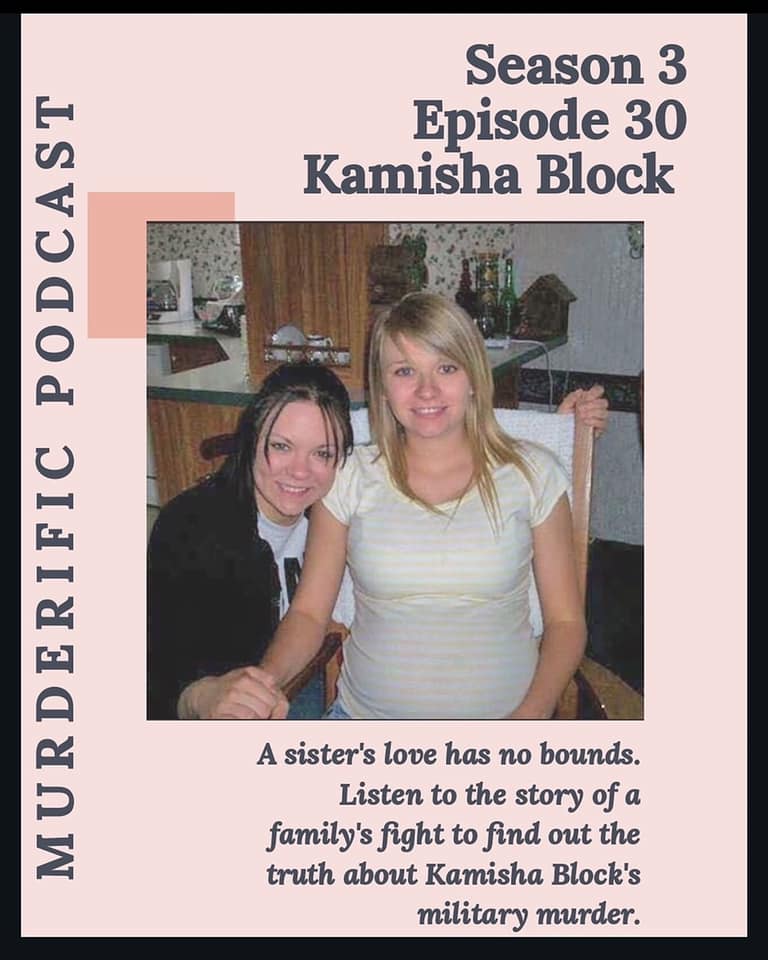
“In August 2007, [Fort Hood Army] Specialist Kamisha Block’s family was told that their 20-year-old daughter had died in Iraq as a result of friendly fire – one shot to the chest. The family was floored. They didn’t quite understand what that meant and they wanted answers. But Kamisha would give them a sign. When Kamisha’s mom, Jane, arrived at the funeral home to see her daughter one last time, she noticed a bullet sized hole on Kamisha’s head that had been covered with makeup. Her knees buckled as she thought – what have they done to my baby girl? And the answer she would get would never quench the Block’s family desire for real answers. Kamisha had been killed intentionally by another soldier – Staff Sergeant Paul Brandon Norris. Norris and Kamisha had been dating on and off for a few months and their relationship was against military regulations.” Listen to Episode 38 on the Military Murder Podcast website here.
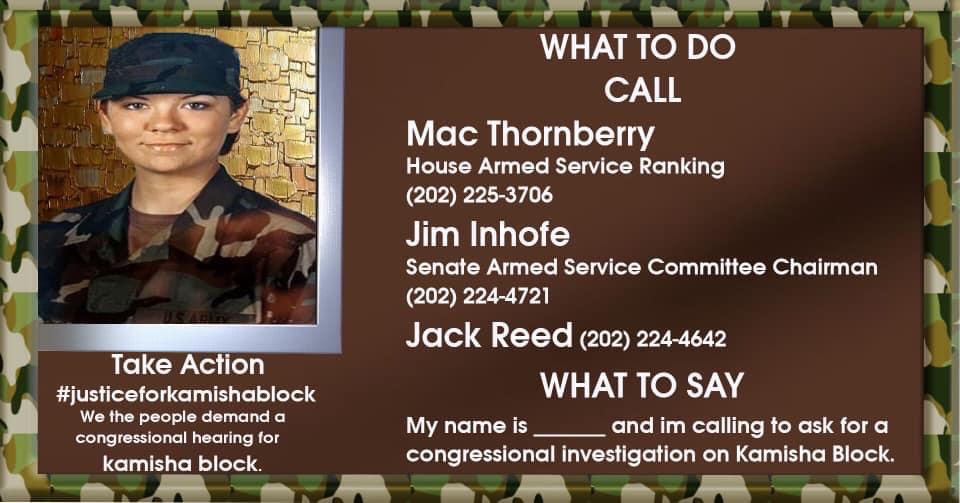
If you would like to help the family get a congressional hearing and investigation, please call the ranking members of the HASC and SASC. #JusticeforKamishaBlock
Goals and Questions from Kamisha Block’s Family:
1. Hearings to discuss service wide responses to dangerous situations, negligence, and preventable deaths
2. There’s a break down in continuity of ‘no contact orders.’ For example, may be enforced in US but not in Iraq, may be enforced in civilian jurisdiction but not on base, etc.
3. Discussion of how a victim of crime copes when they report and are ignored or they don’t report for fear of their lives, loss of career, retaliation.
4. Brandon Norris was in Kamisha’s enlisted chain of command and was able to manipulate the situation to keep Kamisha under his control. When the Chain of Command learned about the forbidden relationship, one of them should have been moved to address the situation.
5. When the homicide-suicide occurred in Iraq, military members were told not to talk to Kamisha Block’s family. Out of fear, they remained silent until they watched an Investigation Discovery episode outlining what happened in Iraq. Most are veterans now and as a result of time and conscience, they now are willing to come forward and testify at hearings.
6. The service members who were in Iraq are now suffering with what we would refer to as moral injury. They knew the truth, they were shocked the Army told Kamisha Block’s family she died by friendly fire. They were fearful of coming forward while still serving in the US Army.
7. Brandon Norris was problematic before being deployed to Iraq. His behavior was erratic, he was drinking, he very likely could have had PTSD due to prior deployments, and he should not have been sent back to Iraq. When the command found out about the forbidden relationship, they issued a no contact order, which is virtually useless when both parties are on the same small base. They sent Brandon Norris to Iraq knowing there was a no contact order. There were a number of red flags in Brandon’s history to warrant getting him evaluated and medically retiring him. Although PTSD isn’t an excuse for violence, the mental health breakdown that comes with that diagnosis will send someone into a downward spiral if not addressed. These are co-occuring issues. Prior problems with domestic violence and PTSD are a deadly combination if no intervention.
8. When they sent Brandon Norris back to Iraq, it made Kamisha even more fearful because she could not escape him, there was nowhere to turn and she was isolated. The expedited transfer policy needs to be expanded to include all victims of crime and those who are fearful of their lives and trapped in dangerous situations. Did Brandon manipulate fellow leaders to see things his way? Why didn’t they protect Kamisha from Brandon’s escalating violence?
9. Why was the no contact order ignored, why was Brandon not removed from Kamisha’s Chain of Command, why was Brandon sent to Iraq with Kamisha, why did the Army tell Kamisha’s family she died by friendly fire, why was the Chain of Command not held responsible for negligence, why did Kamisha feel like she had nowhere to turn, why were service members told to remain silent, why did it take this long to get Kamisha’s case reopened? Why was Kamisha Block’s case closed before any of the questions were answered? Why was it closed because there was “no evidence” to support one allegation?
10. Why was Kamisha’s computer wiped clean before it was returned to the family? Why was it returned to the family if it was considered evidence? Why would anyone wipe the computer clean when it was full of potential evidence that would help us understand the victimology of Kamisha and what was going on in her life at the time? Service members informed family they were asked to destroy all paperwork and personnel records before Army CID arrived to investigate. Why would anyone destroy evidence needed to evaluate and investigate a homicide-suicide? How can we prevent the Chain of Command from destroying evidence in the future?
11. The morning of the homicide-suicide, it is alleged that Brandon Norris was experiencing a mental health breakdown. Why was his gun not taken from him immediately if there were already concerns about his behavior, actions, and deteriorating mental health state. This is another example of how this tragedy could have been prevented had the Army intervened and sent him home. Again, he should have never been sent to Iraq on a deployment with Kamisha. The no contact order is impossible to enforce if both are in the same unit on the same base in Iraq. Kamisha clearly expressed fear of Brandon and wanted the no contact order enforced, they ignored it. Why? Did they need warm bodies in Iraq? Did Norris manipulate them? Did the chain of command not care about Kamisha’s safety?
12. Why was Brandon sent to Iraq instead of discharged? Why was he not held responsible for an illegal relationship with a subordinate? Why was his mental health and problematic behavior ignored? Why would the chain of command issue a no contact order that can’t be enforced when two service members are serving together in the same unit on the same base whether in the US or overseas? Had any of these things been addressed and investigated, it could have saved Kamisha’s life.
13. Was Brandon Norris taking any medication for his mental health issues? If so, what were the prescriptions and what are the side effects. It is alleged that Brandon was taking ambien to help with sleep in a war zone. If this is the case, what is the responsibility of the mental health professionals or other military doctors who prescribed this medication to him? What is the responsibility of the chain of command if they have knowledge of medications? Do the health professionals and chain of command discuss whether it is healthy for a service member to deploy while on said medications? Did the medications or the side effects of the medications contribute to a downward spiral? Did he abruptly stop taking the medications at any point? Why was his health and medication management not considered before he was sent to Iraq? This puts everyone in danger if the person is not taking medications as prescribed and/or not well.
14. Discussion of Feres Doctrine. This archaic, unconstitutional Supreme Court decision is preventing us from holding key players accountable. Lawsuits are a form of checks and balances in the system. How do we hold the military accountable if we can’t utilize one of the three forms of government to force positive change for all service members in the future? Wrongful death lawsuits help us find the answers we may not get in an investigation or if something was not investigated. Lawsuits are used to force change and prevent the same tragedies from happening over and over. This is not happening in the military as evidenced by years of failed reforms. Preventable deaths are a common occurrence and until we can hold them accountable, nothing is going to change. How do we begin the process of getting the Feres Doctrine overturned? If congressional members do not do their jobs and help family members learn the truth, where do we turn? How do we get a case reopened without re-traumatizing ourselves over and over. It took years for Kamisha’s family to get her homicide case reopened and one year before the Army closed it again. The family wants the chain of command held criminally responsible for what they know was a preventable death. What do families do if Congress doesn’t help them? What do families do if the media won’t help tell their story? What do families do when they want an independent investigation because they question the outcome of the Chain of Command and CID’s investigation?
15. Does the Chain of Command involved in the wrongful death of a soldier deserve to continue serving in the military? Why are they not held responsible for manslaughter or negligence? If their actions or inaction lead to the death of someone under their command, shouldn’t they be held responsible for that death as well? Shouldn’t they be held responsible for not taking care of Brandon or Kamisha when they had the chance? Why was Brandon’s escalating violence and problematic behavior ignored at Kamisha’s expense? How do we hold them accountable when they destroy evidence? How do we prevent them from destroying evidence and wiping computers and phones clean before giving them back to the family?
16. There are a number of female soldiers who have died under suspicious circumstances while deployed to Iraq, Afghanistan and other overseas locations. There were a cluster of deaths around the time Kamisha died as well. If you study each female service member’s story, it fits a pattern, a pattern recognized in Kamisha’s case as well. It reveals the continued repeated pattern of placing people in dangerous situations with potentially dangerous service members. We need an evaluation of all the non combat deaths overseas to find out what the root causes are in an effort to prevent these suspicious deaths and/or suicides from happening in the first place. Did the service member ask for help, report a crime, etc. before they died. We need to know how and why they died to help us create deployment policy that can be enforced in an effort to prevent a wrongful death. They need the expedited transfer policy expanded to capture all the dangerous situations not related to a sexual assault or rape. This can be used to save the service members life if they chain of command ignores them. The danger increases exponentially in a war-time environment one cannot escape.
17. Lastly what about the impact this has on the loved ones left behind? First off, the families should be compensated for the pain and suffering the military causes them when they question the cause of death ruling or they question what happened to their loved one who died under suspicious circumstances. We must address how the military treats families in these situations. Most don’t even know where to start. They don’t know how the military works. They don’t know the Commander is the central investigator and CID does what is asked of them. They don’t know how to FOIA records. They can’t make sense of records they do obtain because most of it is redacted or blacked out. No family should have to FOIA any records related to their loved ones death. This should be an automatic for them. The system is set up to make the family feel hopeless and give up, and that’s exactly what most do because the current system re-traumatizes them when they learn that no one will take responsibility for what happened under their watch or help them find the answers they deserve to have. They should not be expected to simply accept the military’s outcomes. In the civilian world, they have more access to the case and those involved and it is a proven fact a second set of eyes on a case can be the deciding factor in learning the truth. Military families don’t have this option. They should be assigned a victim advocate and or a special victims counsel like those provided to victims of sexual assault and rape. They should be treated with kindness, not ignored, transferred from person to person, and intimidated. The current system is reinforcing the trauma originally experienced from losing their loved one to a preventable death. This is unacceptable and causes irreversible harm. The truth is all that is wanted and it shouldn’t come at the expense of the family member’s health and wellness.
18. Lastly, what is the role of the FBI? Why is it that they can investigate a case in Nigeria involving folks pretending to be soldiers to scam people of money but they can’t investigate any of the suspicious deaths of female soldiers in Iraq, Afghanistan, etc. If you do the research and look at how many suspicious deaths of service members occurred overseas, you will see the pattern. Every family who loses a loved one to a non combat death overseas deserves answers and a full investigation of the circumstances if they believe they were murdered or pushed to suicide because they had no way out. We lost a lot of female soldiers to non combat death overseas but we also lost a lot of male service members too. Would the expansion of the expedited transfer policy save their life? Or are they still trapped because current policy dictates their commander make that decision. Why can’t we have a bug out plan for the service members who were ignored like Kamisha? Why can’t we provide them with a plan that safely helps them extricate themselves from a dangerous situation if the chain of command chooses to do nothing because they don’t care or don’t understand how violence escalates?
Questions from Retired U.S. Federal Special Agent:
1. Was SSG NORRIS still legally married to his “third” and last wife at the time the relationship between him and SPC BLOCK initiated at Ft. Hood, Texas…or…elsewhere?
2. If SSG NORRIS was still legally married at the time he and SPC BLOCK became sexually involved, the military offense of ADULTERY, as well as other possible military offenses, was applicable…and…that military crime must not have been permitted to occur without subsequent “mutually applicable” ADULTERY military legal action against both SSG NORRIS and SPC BLOCK!
3. At the time of his suicide, was SSG NORRIS divorced or still married to his last wife?
4. According to the U.S. Army, upon his death, who was officially designated as SSG NORRIS’ “immediate legal surviving relative”
5. Was there any company level chain of command knowledge of the SSG NORRIS-SPC BLOCK relationship at Ft. Hood, Texas, prior to their respective departures from that unit to the Basic NCO Course (BNOC) (SSG NORRIS) and Iraq (SPC BLOCK)?
6. Must ID and interview their family, close friends and company level chain of command back at Ft. Hood prior to the SSG NORRIS and SPC BLOCK respective departures, to attempt to determine any possible degree of knowledge about their “pre-departure” existing relationship, which is already somewhat detailed by an unidentified soldier in one of the case’s enclosed CID Sworn Statements.
7. Must clarify, as far back as possible…due to their respective different military ranks…and…probable age difference, where exactly did their relationship commence…at Ft. Hood, Texas…or…elsewhere before that…for example, at the U.S. Army Military Police School (USAMPS), Ft. Leonardwood, Missouri,…or…somewhere in-between…in order to determine for how long their Chains of Command permitted their, most likely UNLAWFUL or at least PROHIBITED, fraternization and personal romantic relationship to exist.
8. When did each of them, SSG NORRIS and SPC BLOCK, first arrive at their MP Company in Ft. Hood, Texas…and…from where?
9. Obtain copies all written U.S. Army Regulations and policies relative to FRATERNIZATION PROHIBITIONS and “SOCIAL DISTANCING” applicable to Non-Commissioned Officers (NCOs) (Rank of Corporal to Sergeant Major) and Enlisted Personnel (Rank of Private to SPC) applicable to both SSG NORRIS and
SPC BLOCK.
10. Obtain any and all possible evidence of where exactly did both SSG NORRIS and SPC BLOCK received official information concerning #9 above.
11. When American military personnel are discharged from any military duty, they are issued a DD Form 214, with extensive official individual military history pertaining to promotions, awards, tours of duty, type of discharge, etc. Need to determine what form is issued by the U.S. Armed Forces to the official legal survivors of dead military personnel, and obtain a copy of the ones issued to SSG NORRIS and SPC BLOCK to see what information they contain.
12. Obtain copies of their respective Death Certificates…what cause and/or manner of death is listed in each?
13. Who, from the U.S. Armed Forces, first officially notified BLOCK’s family of her death…when…where…how?
14. Exactly what was the BLOCK family initially told concerning the cause and/or manner of death of SPC BLOCK?
15. Was SPC BLOCK “posthumously” awarded a “Purple Heart” medal by the U.S. Army?
16. If SPC BLOCK was indeed awarded a “Purple Heart” medal, a copy of the corresponding “Citation” must be obtained, and its obviously FALSE content noted…as it is a medal officially authorized to be awarded ONLY for: “Being wounded or killed in any action against an enemy of the United States or as a result of an act of any such enemy or opposing armed forces…”
17. Did the official legal survivor of SSG NORRIS receive any government “Servicemembers’ Group Life Insurance (SGLI) payment in connection with any claim for his death by suicide?
18. The Chain of Command should have, upon receipt of the initial complaint against SSG NORRIS, made rapid administrative/personnel arrangements for the separation and transfer of SPC BLOCK or SSG NORRIS completely out of the area, to another overseas assignment or back to a base other than Ft. Hood,
Texas, and into a different MP Company, back in the Continental United States (CONUS)…not merely to transfer SPC BLOCK from SSG NORRIS’ squad to another squad…IN THE SAME PLATOON!
*THE FAILURE TO REMOVE SPC BLOCK AND SSG NORRIS FROM EACH OTHER IS THE MOST SERIOUS CHAIN OF COMMAND NEGLIGENT FAILURE WHICH LED TO THE MURDER OF SPC BLOCK! IF NOT FOR “A” THEREFORE NOT “B!”
19. There was also two(2) appearances or perceptions of possible CONFLICT OF INTEREST at the military law enforcement and criminal investigation level which took place at this crime scene:
a. “Off Duty” Military Police personnel, from SSG NORRIS’ and SPC BLOCK’s MP unit and MP platoon became overly involved at the crime scene, acting as if they were the first responding “On-Duty” MPs, which as far as I can tell they were NOT! At this time, I do NOT recall having read anything, in the E-mailed documents I have thus far received, which details anything about when or which “On-Duty” MPs or CID Agents arrived and took over complete and total control of the chaotic crime scene.
*FOR CLARIFICATION PURPOSES: Unless something has changed of which I am not aware, in the U.S. Army, Military Police personnel exist and perform under a “double supervision” system. They have an “OFF-DUTY” unit of assignment…as in their MP company…under the supervision of that company’s Chain of Command. And, as the need arises, they are basically provided to the “Provost Marshal” (Military Chief of Police) to be under his/her OPERATIONAL or “ON-DUTY” control.
b. In one of the Sworn Statements, it is revealed that one of the CID Special Agents at the crime scene was a former Military Police NCO at the same MP Company and possibly assigned to the same platoon as SSG NORRIS and SPC BLOCK, back in Ft. Hood, Texas. In that Sworn Statement, that MP witness also stated he had conversed with that CID Agent while in the vicinity of the SSG NORRIS and SPC BLOCK murder/suicide crime scene…and…that the agent had been one of his MP platoon leaders back at Ft. Hood, Texas…and…he had made a prior courtesy visit to that CID agent at the Camp Liberty CID Office, upon hearing that said NCO was now working there as a CID Agent. Obviously, based on this information, the CID Agent in question applied for the U.S. Army CID Program while he was assigned to that same MP Company back in Ft. Hood, Texas, before the unit was deployed to Iraq. That “SFC” ranked CID Special Agent should have informed his CID supervisor(s) he was formerly an NCO member of the MP Company where the SSG NORRIS and SPC BLOCK murder/suicide crime scene was located…and…should have been recused from any involvement in the case, ESPECIALLY IF HE PREVIOUSLY PERSONALLY KNEW OR SUPERVISED EITHER OR BOTH SSG NORRIS and SPC BLOCK FROM HIS ASSIGNMENT AT THE MP COMPANY BACK AT FT. HOOD!
20. Are MEDICS now organically attached to or assigned to MP units? I sensed some of the individuals involved at the crime scene, subsequent to the murder/suicide, were MP-connected MEDICS.
21. A Staff Sergeant counseling another Staff Sergeant about fraternization or anything else? That is strange to me…and…indicative of Chain of Command NEGLIGENCE in delegating this important preventive measure to an NCO of the same rank as the individual receiving the counseling! In my opinion, any and all counseling involving SSG NORRIS should have been done by a higher ranking NCO or a Commissioned Officer, not by his Platoon Sergeant OF EQUAL RANK. I feel such counseling should have been done by either the First Sergeant, Platoon Leader, Executive Officer or Company Commander.
22. Maybe, just maybe, I am just TOO OLD ARMY, but off-post squad parties at a squad leader’s off-post private home…and…drinking beers and going to off-post clubs with my squad leader?! Unheard of for me in my Army days…never happened! In my time there was strict “social separation” between Enlisted Soldiers, Non-Commissioned Officers (NCOs) and Commissioned Officers! Each rank category had their own SEPARATE on-post clubs…ENLISTED CLUB…NCO CLUB…and…OFFICERS CLUB. I’ve got a feeling that, at least in this particular MP company, there was a bit of too much socializing among the Enlisted soldiers and the NCOs…and this, as it does with Commissioned Officers also, is a pure social seed planting environment which blooms into prohibited FRATERNIZATION situations.
23. I suspect that SSG NORRIS came to a realization that he could get away with his fraternizing relationship with SPC BLOCK because he had gotten away with for so long, everyone was looking the other way and in denial…and…no one was really challenging him to not continue fraternizing with her!
24. My gut also tells me that SSG NORRIS’ anger streak was common knowledge around his MP Company, and most of his immediate supervisors and some in the Chain of Command, preferred NOT to confront him and hold him accountable for anything. THEY ROUTINELY GAVE HIM A PASS! And most soldiers were simply afraid and/or reluctant to report and complain about him.
25. I am in total agreement with all critique and comments previously provided about the CID Crime Lab apparent shortcomings.
*Most importantly…WHAT EXACTLY WAS IN THE CELL PHONES AND LAPTOPS! Must demand the transcripts and photos from each of those devices. What was the final legal disposition of those EVIDENCE ITEMS?!
YouTube Videos:
Spc. Kamisha Block, U.S. Army in Iraq (2007)
Vidor family of soldier Kamisha Block alleges cover-up after 2007 shooting in Iraq -12 News Now (February 12, 2019)
Families from across the U.S. held a rally outside Fort Hood demanding answers about the deaths of their loved ones who died while serving. -KCEN News (July 11, 2020)
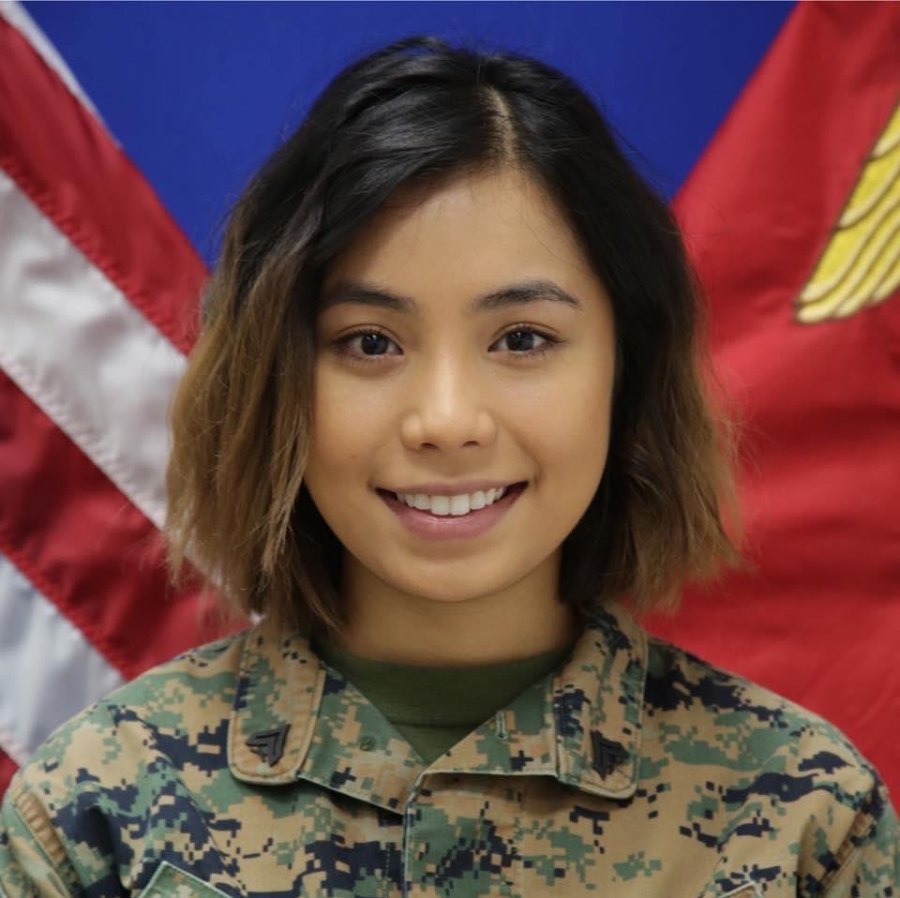
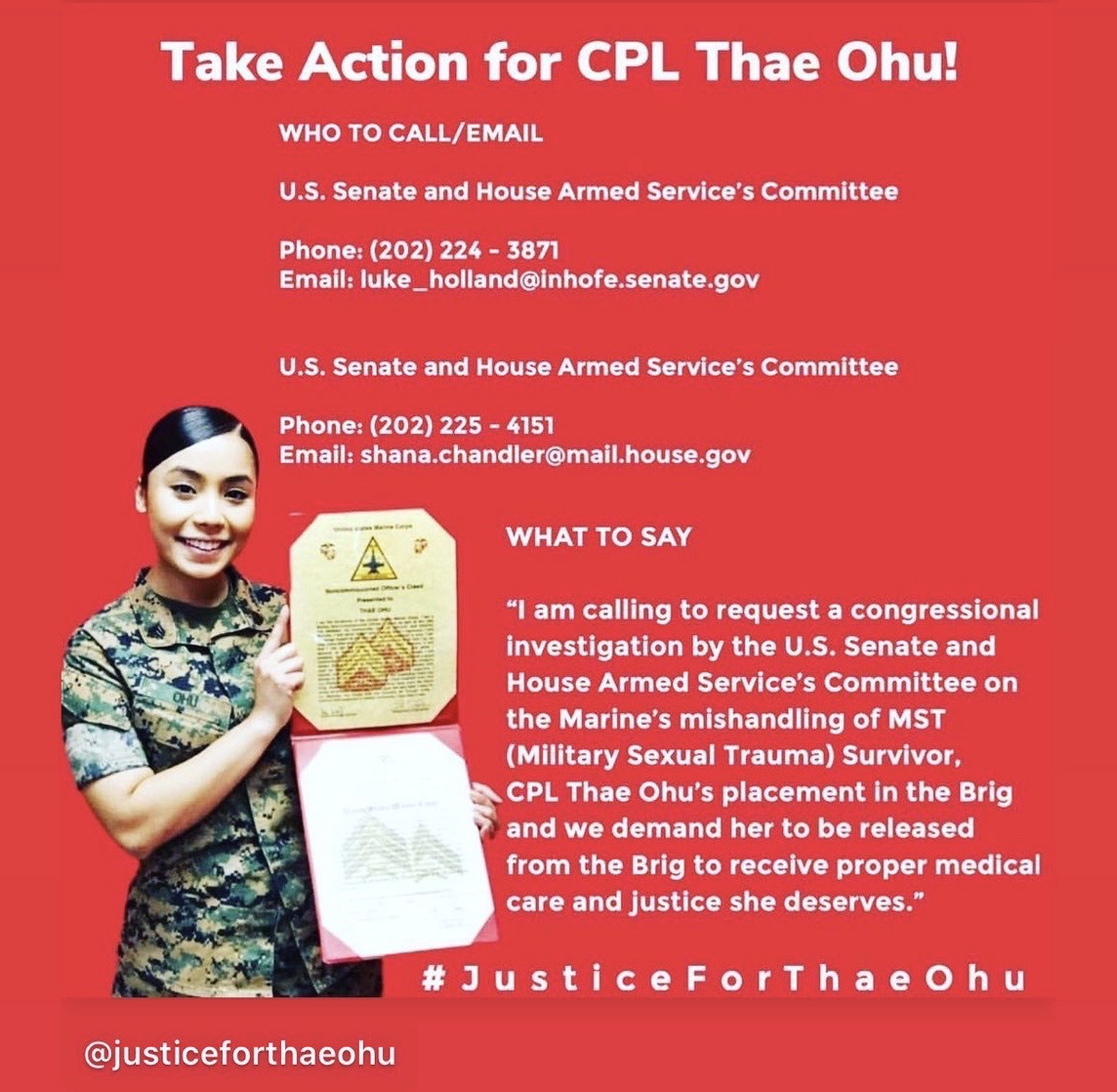
“In a letter to a U.S. senator in Arizona, [Thae] Ohu — a 26-year-old administrative specialist with the Marine Corps Intelligence Schools aboard Dam Neck Naval Base — said she’d been arrested for assault with a deadly weapon following a psychological break in April. In a separate letter, her boyfriend said he was the victim of the incident and that he believed the case should be dropped.”
“Ohu was seeking medical retirement earlier this year to get help for PTSD, but the Marines were seeking administrative separation, according to a memo from her defense attorney. That would cause her to lose medical benefits, the lawyer said.”
American Grit: “Thae is a proud Marine and courageous survivor of military sexual assault. For five years she has struggled with being a victim of sexual assault. Our family is devastated that the Marine Corps has chosen to place Thae in a military prison instead of giving her the medical treatment she so desperately needs. We are asking the Marine Corps simply to do the right thing: to immediately release Thae from jail, stop the unjust prosecution against her, and provide her with adequate mental health services. What she needs, and deserves, is treatment and support from a loving community of family and friends. We hope that the Marine Corps will honor its promise to protect victims of military sexual assault, like Thae, by standing by her when it matters the most. Questions related to the case should be directed to Thae’s civilian attorney, Mr. Gerald Healy, at gerry@mja.law.”
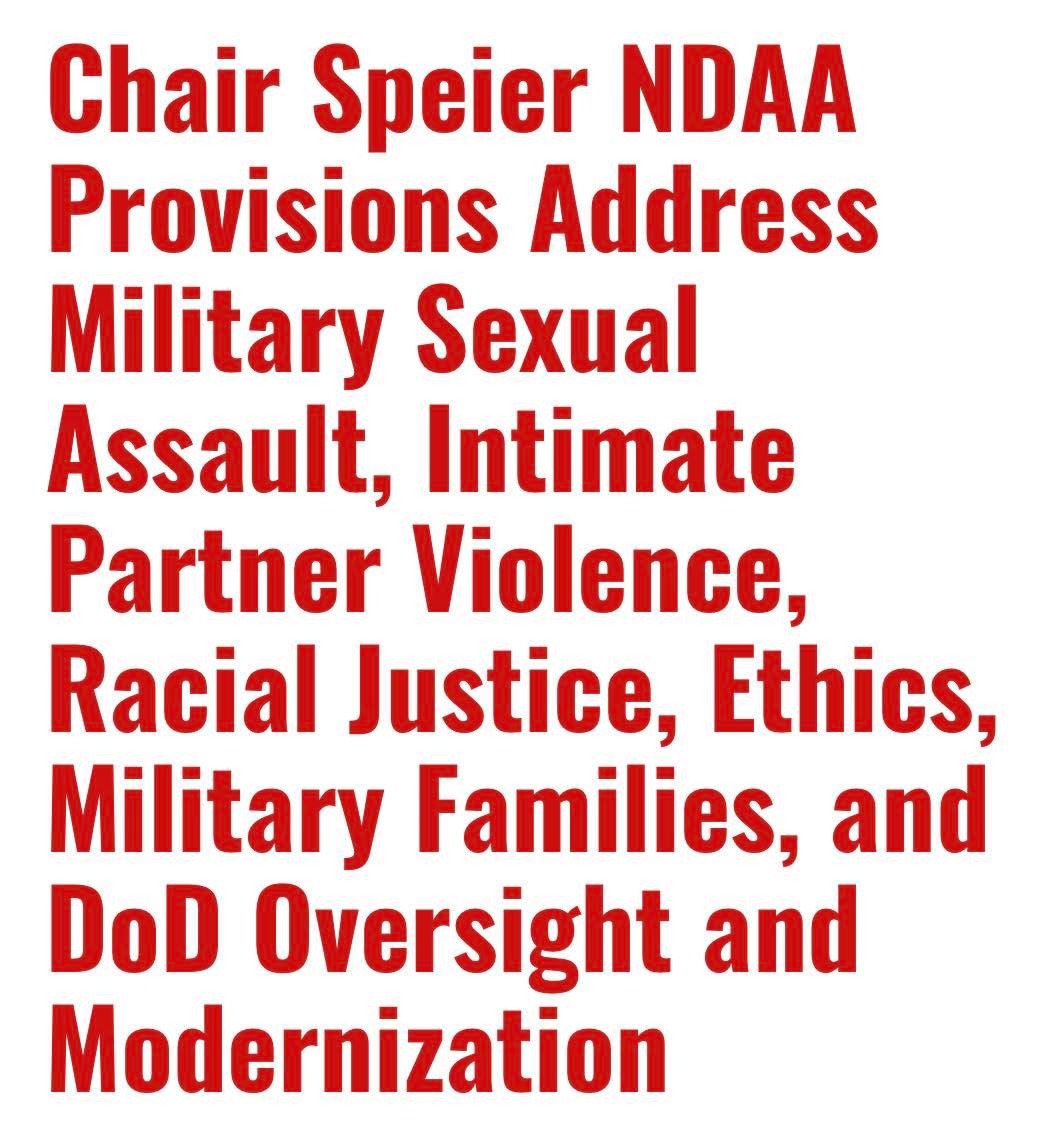
“Nearly two dozen major provisions offered by Congresswoman Jackie Speier (D-CA), Chair of the House Armed Services Military Personnel Subcommittee, were adopted during consideration of the annual defense policy bill by the Armed Services Committee this week.”
Authorize a System of Military Court Protective Orders: Allowing military judges and magistrates to issue court protective orders compliant with the Violence Against Women Act. The new judicial orders provide better protection and enforceability for servicemembers and family members experiencing intimate partner violence.
Initiate a Sexual Assault Prosecution Pilot Program at the Military Service Academies: A 4-year test of a new Chief Prosecutor would demonstrate whether assigning charging decisions for sexual assault and other special victims’ crimes to an independent expert outside of the chain of command would increase the willingness of survivors to report and the ability of the military justice system to hold perpetrators accountable.
Establish a Special Inspector General for Racial and Ethnic Disparities in the Armed Forces: A dedicated office to investigate underrepresentation of people of color among military officers and high-ranking enlisted servicemembers, racial disparities within the military justice system, and white supremacy among servicemembers.
Increase Representation of Women and People of Color in the Armed Services: The military would be required to establish specific goals to increase recruiting, accessions, and promotion of minorities and women, and to report to Congress on a plan to achieve these goals and their progress.
Address Bias by Anonymizing Candidates Before Military Promotion Boards: Redact all personally identifiable information, such as names and photographs, of servicemembers before promotion boards to remove the potential for conscious or unconscious bias.
Make Violent Extremism a Military Crime: A new article within the Uniform Code of Military Justice would bring greater consequences to servicemembers who perpetrate, plan, threaten, or conspire to commit violent acts with intent to intimidate or coerce a person or class of people, or the intent to impact government action or policy.
Track White Supremacy among Servicemembers: The military services would be required to improve tracking of white-supremacist and other extremist activity by servicemembers.
Establish a Military-Civilian Task Force on Domestic Violence: The task force would report to Congress with findings and recommendations to address intimate partner violence among servicemembers and military families, and DoD would be required to collect data on the prevalence of intimate partner violence.
Establish a Military-wide Safe-to-Report Policy: Clarify that servicemembers may report sexual assault without fear of being disciplined for related minor collateral misconduct such as drinking in the barracks.
Improve Coordination for Survivors of Sexual Trauma: Ensure a warm handoff for survivors when relocating between stations within the military or when separating from the military and transferring from service providers within DoD to resources within the Department of Veterans Affairs.
Improve Oversight of Military Sexual Assault Investigations: Require DoD toreport to Congress all military sexual assault investigations that remain open more than 6 months along with the reasons for the delay.
Improve Oversight of Next Generation Body Armor: Require DoD to report on barriers to fielding next generation body armor that will provide better, gender-specific protection for military servicemembers.
Expand Child Care Options for Military Families: Address waiting lists, establish competitive pay for providers in high-cost areas, provide housing priority for military spouses that operate Family Care Centers, and expand the Financial Assistance Program to pay for in-home child care, such as by a nanny or au pair. Additionally, it requires 24-hour child care be provided on bases where servicemembers are required to work night shifts.
Improve Oversight of the Next Generation Interceptor Missile Defense Program: Require an independent cost estimate and two successful flight tests before buying.
Transparency of Contractor Ownership: Expand reporting requirements to identify the beneficial owner of contractors.
Strengthen Whistleblower Protections: Clarify that nondisclosure agreements do not prevent employees of government contractors and subcontractors from filing a whistleblower complaint.
Examine Equal Employment Opportunity: Require the Department of Defense to report on ways to improve the EEO process for DoD civilians.
Enact the Elijah Cummings Federal Employee Anti-Discrimination Act: Strengthen EEO protections and increase accountability for federal employees who are found to be responsible for discrimination.
Authorize Incentive Pay for Programming Proficiency: Develop a system to track coding language aptitude and proficiency by military servicemembers and DoD civilians and offer financial incentives for needed programming skills.
Investigate Suicide at Remote Military Installations: Require a Comptroller General report covering unique challenges of preventing suicide by military servicemembers and military family members at remote bases outside of the contiguous United States.
Examine Access to Contraception and Family Planning Education. Require DoD to issue a report on barriers experienced by servicemembers in accessing contraception and the status of implementation of new DoD requirements on reproductive health care, such as ensuring access to contraception for the full length of deployment.
“U.S. Sens. Kirsten Gillibrand (D-N.Y.), Chuck Grassley (R-Iowa) and I recently announced that we will offer the bipartisan Military Justice Improvement Act as an amendment to this year’s National Defense Authorization Act. The Military Justice Improvement Act would professionalize how the military prosecutes serious crimes by moving the decision over whether to prosecute them to independent, trained, professional military prosecutors.
Despite years of Congressional reforms, thousands of service members are raped and sexually assaulted every year. In many of those cases, the assailant is someone in the survivor’s own chain of command. Only a small fraction of the perpetrators are ever held accountable for their violent crimes. Last year, the Department of Defense announced a record number of sexual assaults reported by or against service members, and yet, less than 10 percent of cases considered for command action ever proceeded to trial. Worse yet, despite repeated efforts to stamp out the scourge of retaliation against military sexual assault survivors, the most recent Pentagon survey found that 64 percent of survivors say they have experienced some form of retaliation for reporting the crime. That figure is statistically unchanged from 2016.”
The bill named in Caserta’s honor would create “Brandon Act” reporting, making it easier for service members to seek mental health care anonymously
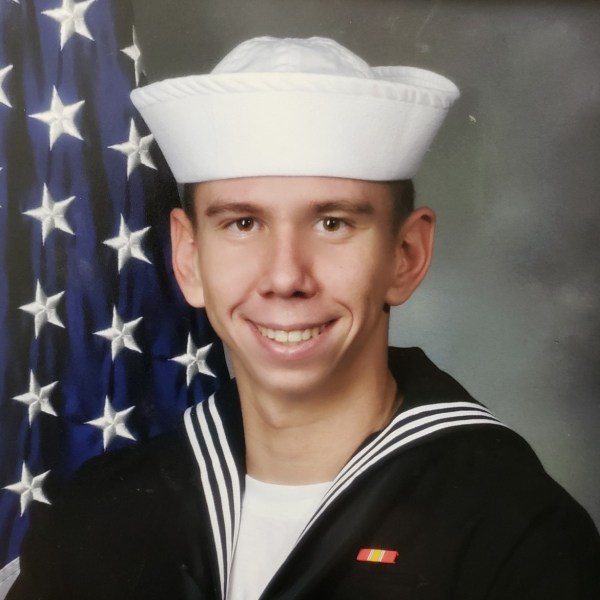
PO3 Brandon Caserta, U.S. Navy
WASHINGTON — Today, Representative Seth Moulton (D-MA) and Teri and Patrick Caserta, parents of fallen United States Navy Petty Officer Third Class Brandon Caserta, announced the introduction of The Brandon Act.
The bill would allow service members to anonymously report and seek mental health treatment by using a safe word like “Brandon Act.” It is designed to protect service members who experience mental health emergencies that result from hazing, bullying, or any other issue. It would allow them to seek help anonymously and, if necessary, outside of the chain of command. The bill’s introduction comes on the second anniversary of Brandon Caserta’s death from suicide, which he said was prompted by bullying and hazing within his unit.
“Brandon had a smile that made everyone want to smile. He was a very charismatic and upbeat young man. He made everyone’s day better no matter what they were going through. Brandon has always helped everyone he could. The Brandon Act would do this for his fellow service members in his death,” Teri and Patrick Caserta said, “Brandon did not die in vain and his legacy for helping others will continue long after his death when The Brandon Act is passed.”
Rep. Seth Moulton said: “Brandon tragically lost his life because he wasn’t able to get support for his mental health—something we should provide every American, especially every American hero in uniform. This bill will ensure our service members can get help and have no fear of retaliation for doing so, as it’s the right thing to do. Although we’ll never get Brandon back, his legacy will be the lives of many more great Americans he saves through this bill, and I’m proud of his parents who have fought so hard to tell his story and make this change.”
Brandon Caserta died by suicide on June 25, 2018 on the flight line at Naval Air Station Norfolk, Virginia. After his death, his parents and friends discovered six notes in which Brandon attributed his suicide to persistent hazing and bullying from some members and leaders of his Navy helicopter squadron.
The Brandon Act expands the existing law that regulates how service members are referred for mental health evaluations, in order to provide a confidential channel for service members to self-report mental health issues. The process would protect the anonymity of service members, similar to the restricted reporting option that protects victims of sexual assault.
Moulton made expanding mental health care and breaking the stigma around seeking help a top priority since disclosing last year that he is managing post traumatic stress from his service in Iraq as a United States Marine. In addition to The Brandon Act, Moulton has secured mandatory mental health check ups for service members who saw combat within 21 days of leaving the battlefield in the FY20 National Defense Authorization Act.
He also co-introduced, with fellow veteran Rep. Chris Stewart (R-UT), the National Suicide Hotline Designation Act, which would make 9-8-8 the national number for mental health emergencies. The bill has passed in the Senate, and is one step away from a vote on the House floor. Yesterday, the FCC announced that it would issue a final rule on the designation of 9-8-8 as the national suicide prevention hotline in mid-July.
A copy of The Brandon Act is available for download here.
A legislative summary for The Brandon Act is available for download here.
Read more from the original source on Rep. Seth Moulton’s website here.
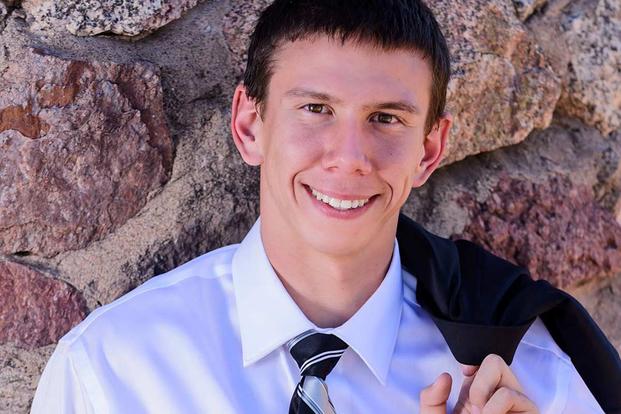
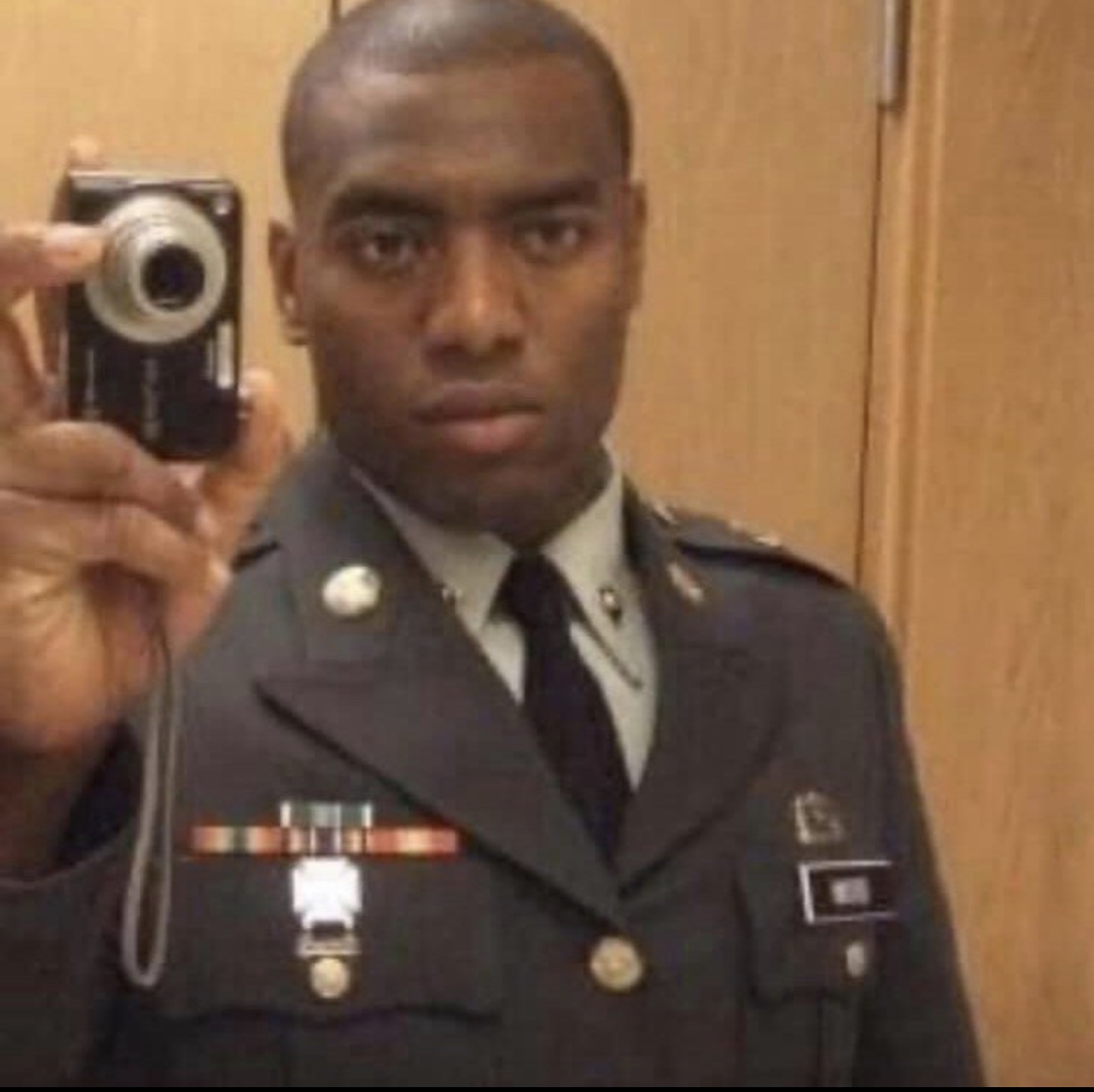
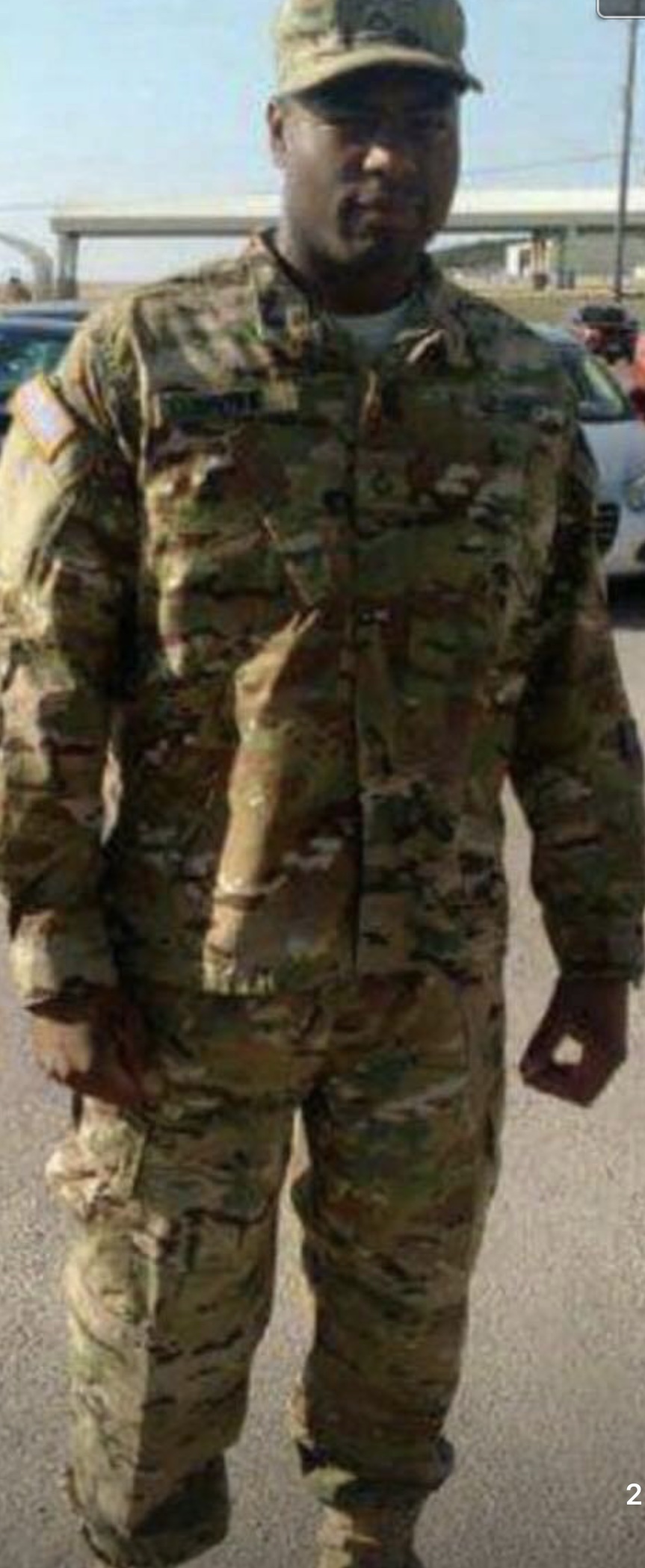
Army veteran Brandon Brown 34, of Harker Heights, Texas, formerly of Shelbyville, Tennessee was found unresponsive on March 20, 2020 in his Harker Heights, Texas home. The Harker Heights Police Department’s cause of death ruling was suicide (self-inflicted gunshot wound). Brandon was preceded in death by his brother, Cameron Matthew Murray. He is survived by his parents and six siblings. According to family, Brandon was honorably discharged from the U.S. Army in 2013 and his last place of duty was at Fort Hood, Texas. Brandon was diagnosed with Post Traumatic Stress Disorder and Depression; he sought care from the Department of Veterans Affairs.
The family feels uneasy about the entire situation and rightfully wants answers and justice for their loved one. Why would the local police department refuse entry in a “crime scene” when the death was ruled suicide? Why was the family not allowed to make an identification? Why did it take so long for them to receive Brandon’s body? Why was the Justice of the Peace pressuring the family to agree with the suicide ruling? Why pressure the family to cremate their loved one when it’s entirely up to them to make that decision. Help us hold the Harker Heights Police Department accountable and elevate the family’s voices so they can get Justice for Brandon Brown.
The circumstances surrounding the death of Brandon Brown are described in the below testimony by family:
On March 20, 2020 my brother, Brandon Brown, was found deceased in his home in Harker Heights, Texas. My mother received two phone calls before the detective called, one phone call she received was informing her the police gained access to the house, and then the other was a female telling my mother “She needed to get a pen and paper and write down this phone number. It’s not good but you have to hear it.” Then she went on to say, “It’s bad but not that bad.” Leaving us with false hope that Brandon was okay. Once the detective called my mother he informed her Brandon was found his home deceased and it was an apparent suicide. No one had heard from Brandon since around March 11, 2020. Family members called asking the Harker Heights Police Department to do a welfare check numerous times and we had the Veterans Affairs on the phone expressing the importance to get into his house due to Brandon having PTSD and depression. In the police report the detective wrote,” … there was no indication anything was wrong…”
On March 21, 2020 we arrived in Harker Heights, Texas at Brandon’s residence and there were two vehicles in the driveway. Two of my siblings got out of the vehicle to see who was at Brandon’s house and a man answered the door and quickly pulled the door up to his neck when my siblings stated who they were. He told them and my mother they could not come in because it was an active crime scene. As they were walking back from the house, another vehicle pulled up and a female got out with an attitude, and told my mother the man in the house was correct, it’s an active crime scene, he was the only one allowed in the house. (She was also on the phone with a person I choose not to identify at the moment.) The police were called and we got back into the vehicle to wait for them to arrive. While we were waiting both the male and female were on the porch laughing, pointing at the car, and going in and out of Brandon’s house. Neither of these individuals know any of us in the vehicle but gave statements to the police on March 20, 2020 saying we were “wretched” and “… it could get ugly.” The other individual stated “she was familiar with the family and was actually on the phone with her brother…”
It took exactly a month for them to release Brandon’s body so we could bring him back to Tennessee. They did not allow my mother or Brandon’s father to identify his body. The Justice of the Peace even tried to pressure my mother into say she believed Brandon died by suicide. They were pushing for cremation telling us his skin was falling off the bone.
We, the Brown family, need your help to find out what really took place with our loved one. We have reasonable doubt that foul play has taken place with our loved one. We do not believe the Harker Heights Police Department’s investigation was thorough or efficient in their findings.
“In August of 2007, Kamisha Block was killed by friendly fire while serving in Iraq – or that was what her family was told. Her family uncovered several lies by the U.S. Army and ultimately learned that Kamisha was murdered. Why did the military lie to the Block family? This is a story about domestic abuse, murder, a military cover-up, and the relentless pursuit of justice by the Block family.” –Kamisha Block, Murderific True Crime Podcast (December 8, 2019)









 MILITARY JUSTICE FOR ALL