A photographer who was on “The Dating Game” became one of the nation’s deadliest serial killers. Eight years after “48 Hours”‘ first report, new victims emerge. Correspondent Peter Van Sant has the latest Saturday, Feb. 17 at 10/9c on CBS.
Rodney Alcala was born in San Antonio, Texas in 1943. His father abandoned the family when he was young. At 17, Alcala enlisted in the Army but there were problems, allegations of sexual misconduct, a nervous breakdown…the Army discharged him. “The military realized in 1963 that they had him, that he was a sexual deviant.” -Stefano Braccini, Former Cold Case Detective, NYPD (48 Hours)
Melissa Holland was certain that her high school boyfriend, Michael Overstreet, was the man she’d always dreamed of. But only after they were married did she begin to realize that her determination to live happily ever after had put her in mortal danger. -First Love, Forever Evil, Evil Lives Here (S3,E6)
Editor’s note: With a cable subscription, you can download the free ID Go app and watch Investigation Discovery programming at your convenience. And for those who do not have cable, you can watch “unlocked” episodes on the ID Go app including the latest premieres. For those who prefer commercial free programming during your binge session, Prime Video has an ID channel: ‘True Crime Files by Investigation Discovery” available for $3.99 a month. It’s a compilation of older seasons but totally worth the cost if you are a true crime addict. Download the ID Go app or purchase ID True Crime Files & binge away.
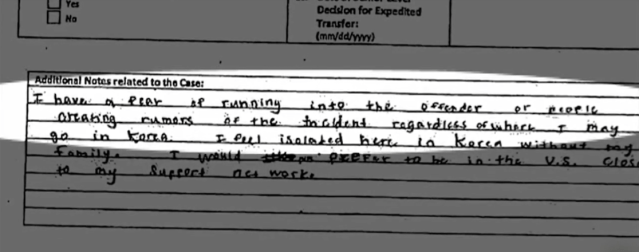
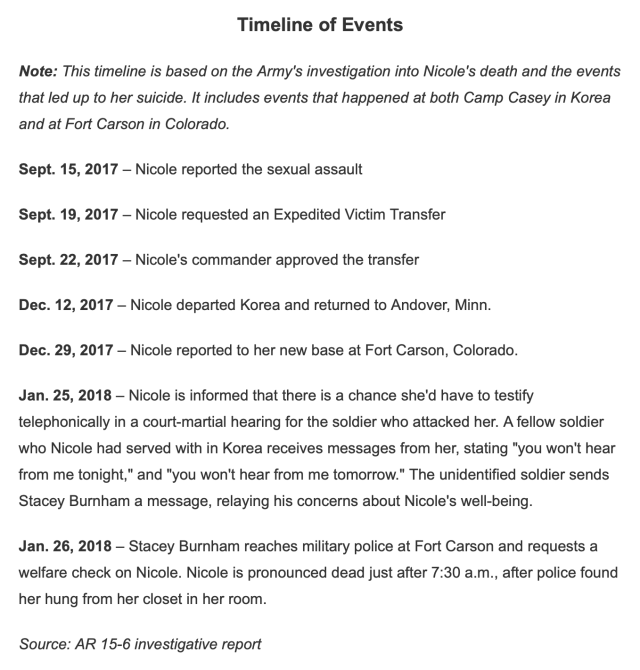
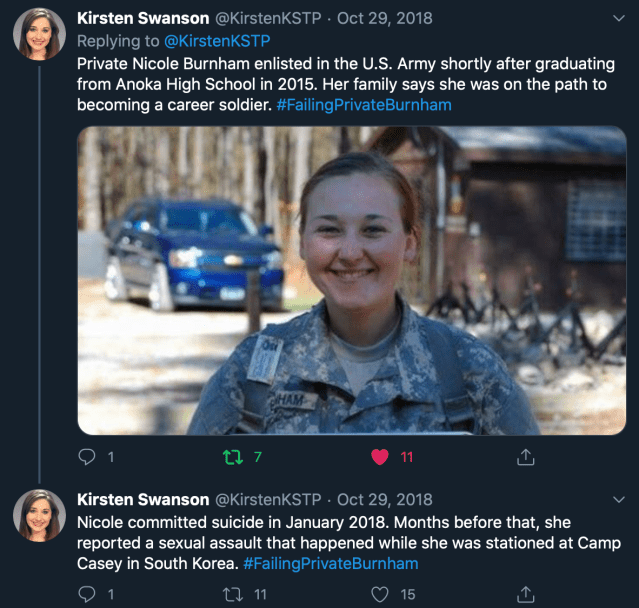
Army Pvt. Nicole Burnham reported a sexual assault at Camp Casey in Korea on September 15, 2017. Four days later, she requested an expedited victim’s transfer (EVT) asking for reassignment back to the United States. Nicole’s Commander approved the request a few days later but it would be 82 days before the transfer occurred. In the meantime, Nicole Burnham shared the same barracks with her attacker. And there was no evidence to suggest the Army even addressed the fact that Nicole shared the same barracks as her attacker until an incident occurred three weeks later when he allegedly jumped out in front of her in an attempt to scare her. It was at this time, the Commander separated the two and put them in different barracks. In the weeks that followed, Nicole suffered verbal harassment and cyberbullying from within the ranks. She received comments from soldiers and their wives over social media calling her a “slut” and “deserving of rape.” Investigators claimed Nicole did not report the harassment to the Chain of Command but in a sworn statement a fellow soldier said most of the leadership was aware of the harassment yet turned a blind eye.
Nicole Burnham Justification for Expedited Transfer (photo: KSTP-TV)
In October 2017, a tearful Nicole told her supervisor she couldn’t “take it” anymore and the supervisor believed she was eluding to suicidal ideation. She was referred to the Officer in Charge (OIC) who then handed her off to the Chaplain for counseling. But according to the A.R. 15-6 investigation, it doesn’t appear leadership in the Chain of Command was aware of what the supervisor believed was suicidal ideation. Nicole reported a sexual assault on September 15, 2017 and experienced three months of retaliation before Army leadership finally transferred her on December 12, 2017. In addition, KSTP reports Army leadership at Camp Casey failed to inform Fort Carson that Nicole was a victim of sexual assault (and harassment, bullying, & cyberbullying). Nicole should have been offered mental health care and compassion. Don Christiansen of Protect Our Defenders said in a statement that the Chain of Command was without a doubt responsible for the failures in Nicole’s case that ultimately lead to her ending her life. Nicole’s death triggered two investigations, one into the allegation of sexual assault that allegedly included Nicole being attacked by multiple men at Camp Casey and the other into the cyberbullying. Of course, the Army declined to comment until the investigation was completed. According to the family, Nicole’s main attacker was courtmartialed and agreed to a plea deal that forced him to leave the Army with a less than honorable discharge. The outcome of the cyberbullying investigation of military personnel and military spouses is unknown.
“It’s inconceivable that they let her languish in Korea. After all these failures, we had this tragic ending to her life.” -Don Christiansen, Protect Our Defenders (January 13, 2020)
Editor’s Note: The military wives who lived on a federal base overseas do not fall under the jurisdiction of the military Chain of Command. Civilians living on base fall under the federal jurisdiction of the FBI who at this point are reluctant to investigate anything but murder. The federal government uses a crisis oriented approach with military personnel and crimes on military bases as opposed to a homicide prevention approach. And in the case of reservations, there has been no justice for missing and murdered Native Americans.
AR 15-6 Timeline of Events for Nicole Burnham (Source: KSTP-TV)
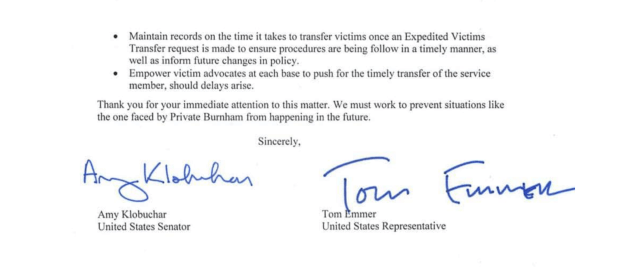
As a result of Nicole’s tragic and untimely death and the KSTP-TV investigation, Senator Amy Klobuchar and Representative Tom Emmer of Minnesota pushed the Army to take action and make changes to the expedited victims transfer policy. The pair asked the Army to track the time it takes to transfer victims of sex assault to another military base, citing the ‘unfortunate delays’ in the transfer of Pvt. Nicole Burnham. In response, the Secretary of the Army directed staff to update policies regarding the treatment of victims of sexual assault who request an off-base transfer. He asked that the Army update policies to mirror the timelines in the Department of Defense (DoD) policy. According to Secretary of Defense Mark Esper, DoD policy states an EVT should occur within 30 days and Esper said the Army’s policies will now reflect that timeline. Nicole’s mother, Stacey Burnham, said 30 days is too long. She also said, “I cannot imagine being a victim, having your EVT approved but knowing you may still be there for another 30 days.” Stacey Burnham has called for more significant changes in the wake of her daughter’s death suggesting the timeline should be condensed even further. She runs a public Facebook page called Pooters Peeps in honor of her daughter.
Letter from Amy Klobuchar & Tom Emmer to the Secretary of the Army (photo: KSTP-TV)
Sources: KSTP-TV, Senator Amy Klobuchar, and Stacey Burnham
In the News:
A 21-year-old Fort Carson soldier who died after being found unresponsive on post last Friday was honored with a dignified transfer. -KOAA 5 (February 2, 2018)
Retweet on Twitter in honor of Pvt. Nicole Burnham.
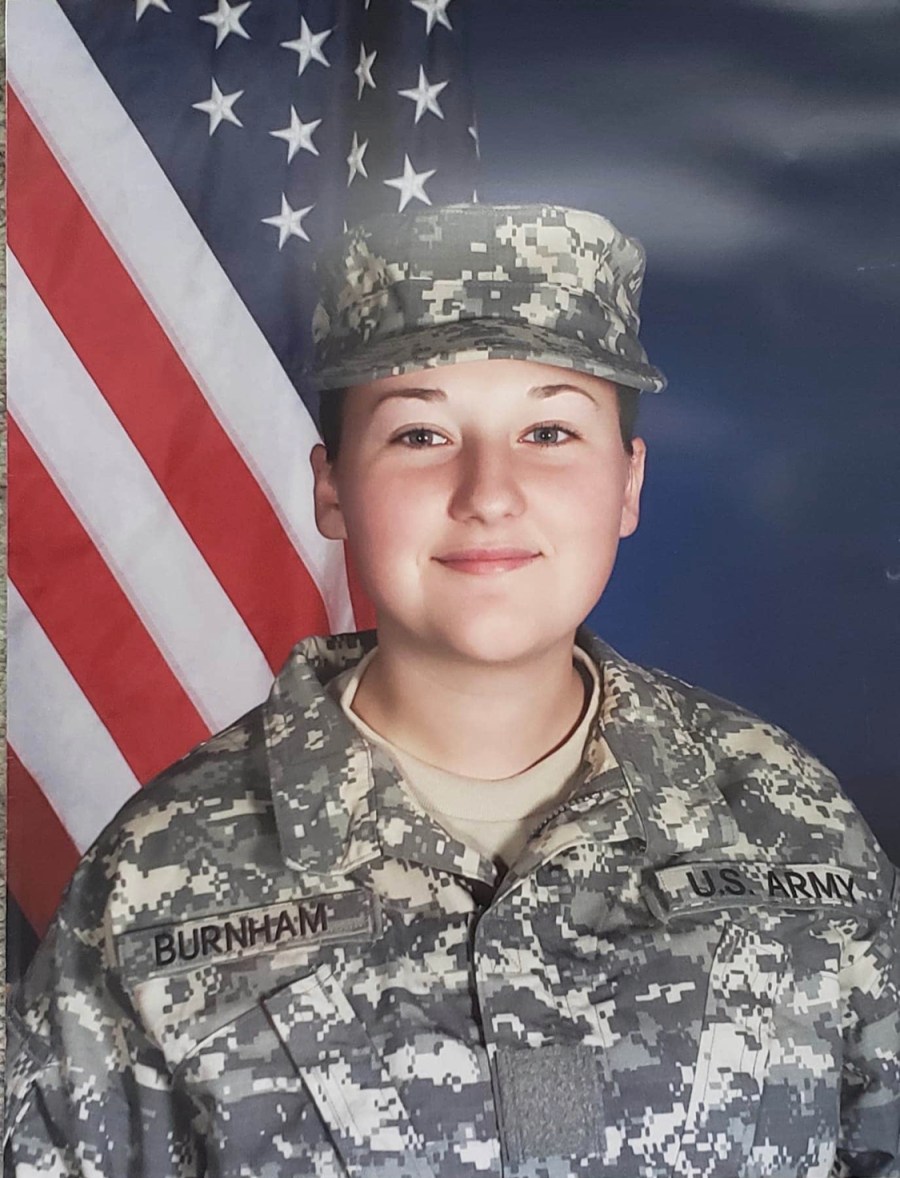
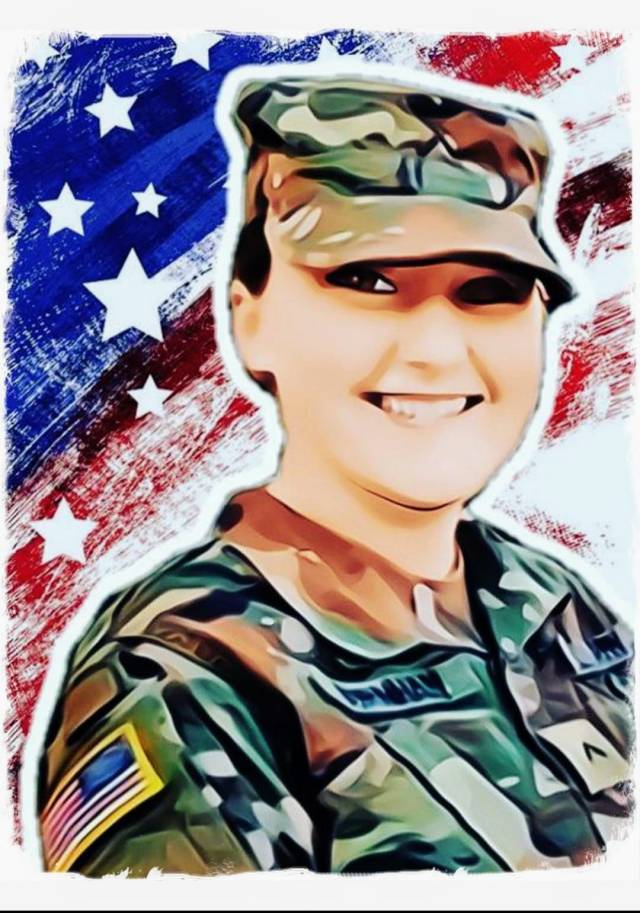
Photos of Nicole Burnham:
Nicole Burnham (photo: Pooters Peeps)Pvt. Nicole Burnham, U.S. Army (Image: Alex Wentz)
We hear a lot about #weinstein and the latest, but Jennifer Norris, who served in the US Air Force, has been talking about sexual assault for years. And in the military, reporting rape means endangering yourself. Watch this brave woman speak here https://t.co/1ipeI3SWP6pic.twitter.com/TAjiVjmdDS
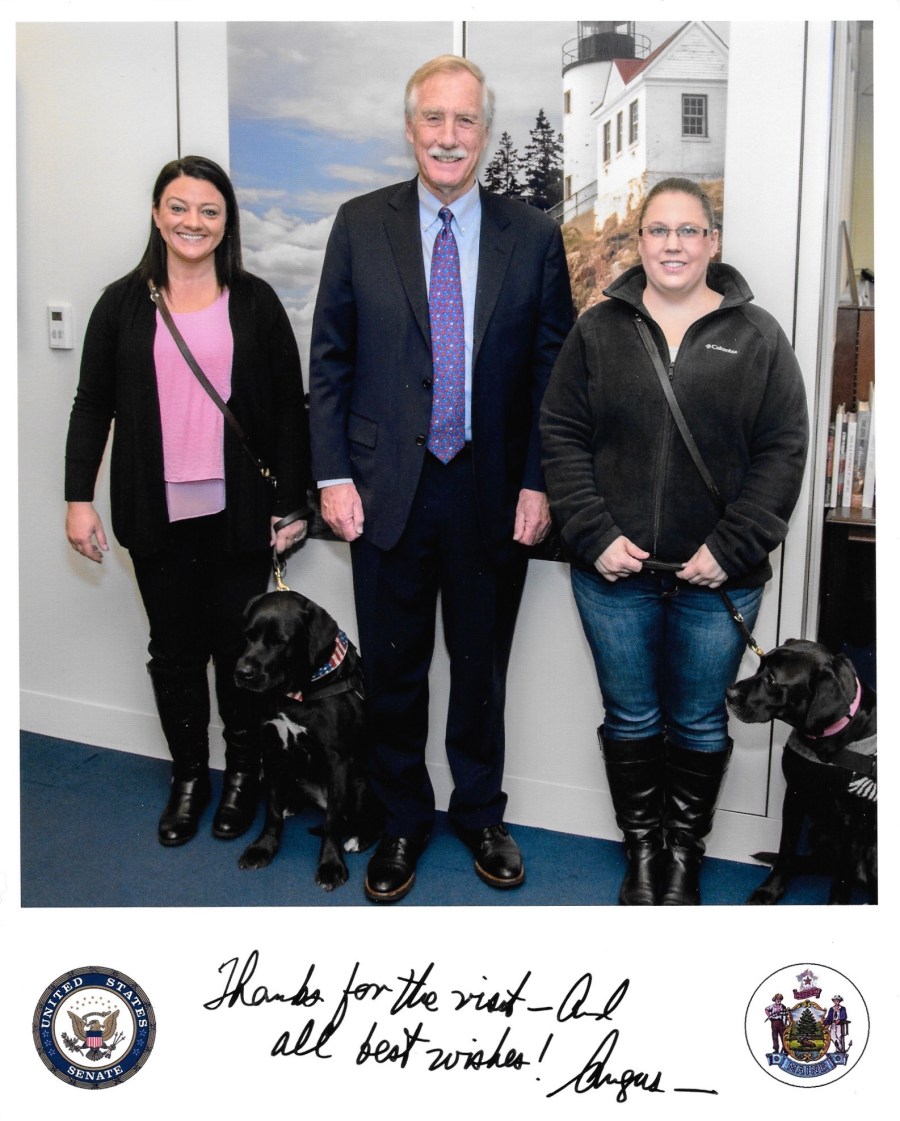
Jennifer Norris, USAF Retired (medical), Onyx, Senator Angus King (Maine), Stephanie Brewer, USMC Retired (medical), and Chinook | December 13, 2017
Military justice policy analyst Jennifer Norris was invited to speak in the Gold Room at the Rayburn House Office Building in Washington D.C. on December 12, 2017. The veterans organization she accompanied provided her with fifteen minutes to present and she chose to speak about the current troubling status of the Fort Hood Army post near Killeen, Texas. She also shared the stories of four Fort Hood soldiers. Marine veteran Stephanie Brewer was in attendance and assisted Jennifer with the presentation of the material. Stephanie created a powerpoint presentation to help the audience see these soldier’s faces and remind them that they matter and their families love them. After the presentation, they visited Senator John McCain’s office (Chair, Senate Armed Services Committee), Representative Mac Thornberry’s Office (Chair, House Armed Services Committee), Senator Ted Cruz’s Office (supports the Military Justice Improvement Act), Senator Susan Collin’s Office (supports the MJIA), and finally Senator Angus King’s Office (who has consistently voted against the MJIA). While attending a constituent’s coffee event at Senator King’s office, these veterans inquired about the status of the retaliation laws promised by Senator Claire McCaskill’s office. The response:
I wanted to follow up on our meeting yesterday by forwarding some information about efforts to prevent retaliation against servicemembers who report crimes.
The first important step is gathering data on retaliation so that leadership can best figure out how to address the issue. The DOD includes statistics on retaliation in its annual reports on sexual assault and reporting. They recently changed the way that they gather the data so that they can get a more accurate picture of which servicemembers experience the type of behavior that qualifies legally as retaliation under the UCMJ. As I mentioned yesterday, the data doesn’t go back very far- the DOD has only been collecting this information for a year. As the database grows, so will the DOD’s understanding of the real scope and nature of the problem. This should help target solutions.
A number of lawmakers are really committed to addressing this problem, as well. Senator McCaskill from Missouri introduced a bill last year that aimed to prevent military retaliation. Senator King cosponsored the bill. A summary is available here.
The bill didn’t move out of committee, so Senator McCaskill or another member might try to reintroduce it later. Another possibility is that next year’s National Defense Authorization Act (NDAA) could include similar language.
-Senator Angus King’s Office
These veterans were successful at setting up times to meet with defense fellows at Thornberry, Collins, and King’s offices. They also stopped into Senator McCain’s office to get the scheduling contact information for him because he consistently does not get back to one. They gave the same Fort Hood presentation to the defense fellows as the one they gave in the Gold Room except this time they had more time to discuss each individual. If it was up to these veterans, they would sit there all day and talk about every single soldier because all their lives matter. Overall, they report the active duty fellows they met with were receptive. They illustrated that the common theme with the four soldiers discussed is involvement in the military justice system in one way or another. The following presentation helps you get an understanding of the issues at bases nationwide by telling you the stories of four Fort Hood soldiers and their experiences in the last couple of years. All had mental health issues and three are dead. The other soldier is in federal prison for eighteen months for a threatening phone call he made to Fort Hood. This incident occurred after he was exonerated of a crime and released from a military prison yet stonewalled and dismissed when he asked about his backpay.
This slideshow requires JavaScript.
Presentation on the Current Status of the Armed Forces at Fort Hood
Last time I was in DC in September 2016, I provided my Senator with military policy recommendations that would benefit families who doubt a cause of death ruling. I highlighted a need for compassionate care for families, independent investigations, and cold case squads in the Army and the Air Force, much like the NCIS Cold Case Squad. Sadly it appears the military has a history of ruling what looks like a homicide as a suicide. One of the most publicized examples is that of Pfc. LaVena Johnson. The Army ruled LaVena’s death a suicide but an independent autopsy revealed she was raped and murdered. To this day, the Army will not cooperate with the family of LaVena Johnson who has begged them to find their daughter’s killer. The alarming stateside death rate at Fort Hood alone only strengthens the resolve to continue asking for mental health and criminal justice reform in the military.
“Simple enough answer, between incompetent leaders, the drugs, the gang bangers, poor units, ghetto neighborhoods, poor quality soldiers, and just being in Texas, this place is where souls go to die… Hood kills you on the inside. The outside follows shortly afterwards..” -Anonymous
Fact: In the last two years, more soldiers at Fort Hood died stateside than overseas. The six non combat deaths that occurred overseas were insider attacks (4) and death ruled suicide by the Army CID (2). The following numbers are the specifics at Fort Hood in Texas since January 2016.
As of August 2017, 9,300 soldiers from Fort Hood were currently deployed across the globe, this is more than a 1/4 of the 35,000 troops stationed there
Average age of death is 28 years old
Average 1.5 suspected suicides per month since January 2016
6 overseas deaths to include 4 insider attacks and 2 suicides
67 stateside deaths to include 34 alleged suicides (13 soldiers had no known deployments; 21 soldiers had deployed to Korea, Iraq, or Afghanistan)
01/05/16: Jonathan ‘Mike’ Gilotti, 33, US Army Veteran (gunshot wound, Alabama; Charleston Wells, 16, Ahmad Johnson, 18, Darrian Bryant, 16, and De’Ron Lucas, 19, charged with murder; Wells found not guilty); 04/17/17: Justin Lewis, 19, US Army (shot & killed near vacant lot in neighborhood near post in Killeen, Texas;unsolved homicide); 05/05/17: Travis Granger, 29, US Army Veteran (gunshot wound, 27 year old Keith Marinnie charged with murder)
A Fort Hood soldier spoke candidly about what they say the reality of living on the Texas military base is like. (2014) –CNN
05/09/16: Ellsworth Raup, 33, US Army (rear ended a van in Killeen, Texas); 06/05/16: Antino Glass, 34, US Army (struck livestock on Fort Hood); 08/01/16: Logan Rainwater, 24, US Army (SUV turned in front of him in Killeen); 09/09/16: Stacy Hardy, 20, US Army (slammed into minivan, eluding Killeen PD); 03/26/17: Jonathan Garcia, 29, US Army (single-vehicle motorcycle crash, for reasons unclear, bike lost control on curve, veered off road, & struck cable barrier); 07/03/17: Anthony Lovell, 40, US Army (single-vehicle motorcycle crash, failed to negotiate a turn, left the roadway, went airborne into creek in Killeen); 07/14/17: James Smith, 24, US Army (single-vehicle motorcycle crash, lost control of bike on I-35 in Temple)
4 died in automobile accidents
03/06/16: Sean Van Der Wal, 25, US Army (fatal auto collision with truck on I-35; driver & Fort Hood soldier Timothy Corder charged with intoxication manslaughter); 06/11/16: Dougal Mitchell, 32, US Army (driving the wrong way on State Highway 195, vehicle collided with another driven by Mikeshia Ruiz, 23, who died at scene); 11/03/16: Dakota Stump, 19, US Army (missing for 3 weeks, fatal auto accident on post that occurred night he went missing, family wants missing ‘Warrior Alert’ law); 01/07/17: Barron Von Reichelt, 24, US Army (died from injuries suffered in an automobile crash on South Range Road at Fort Hood)
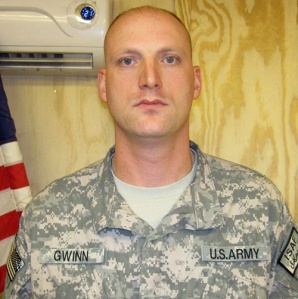
10/12/17: Alva Gwinn, 39, US Army (accused of sex crime; command directed ‘wellness check’ initiated 1 month before trial; shot at by police but died of self inflicted gunshot wound after high speed car chase)
Fort Hood Army Master Sergeant Alva ‘Joe’ Gwinn, 39, died of an apparent self-inflicted gunshot wound on October 12, 2017 near the Williamson-Bell County line in Texas. Although the exact set of circumstances that led to MSG Gwinn taking his own life are unknown, the media reported that MSG Gwinn took his own life during an exchange of gunfire after leading the Killeen Police Department (KPD) on a high speed chase. Prior to the incident, a concerned family member contacted the Fort Hood chain of command to report that Joe was experiencing a mental health breakdown and may be suicidal. The command contacted the military police who then asked the Killeen Police Department to do a ‘welfare check’ on MSG Gwinn. According to the KPD, MSG Gwinn was located in his car but took off when approached; they said MSG Gwinn then led police on a high speed car chase. According to reports, Alva fled on foot after pulling over, there was an exchange of gunfire with the KPD, and MSG Gwinn ended his life with a self-inflicted gunshot wound to the head. An officer involved shooting investigation was launched because gunfire was exchanged. Joe left behind two sons from a previous marriage and a wife and family who loved him very much. He is missed dearly.
On March 21, 2018, the media reported that a “Bell County Grand Jury reviewed the completed investigation done by the Texas Rangers and decided no indictment should be returned to the deputy in connection with the events leading to the death of a Fort Hood soldier.” MSG Gwinn’s home of record was listed as Richwood, West Virginia. MSG Gwinn served in the Army National Guard from 1996-1999 and then enlisted in the active-duty Army in September 1999 as a combat engineer. At the time of his death, MSG Gwinn was assigned to the 20th Engineer Battalion, 36th Engineer Brigade at Fort Hood since April 2012. MSG Gwinn served in the military for over twenty years and was eligible for retirement. When the media reported on the death of MSG Gwinn, they also mentioned a sexual assault accusation lodged against him in June 2016. They reported MSG Gwinn was scheduled to go to court in November 2017 as if they were implying there was a connection between the suicide and the court date scheduled the following month. One media source reported MSG Gwinn was a highly decorated combat veteran who was known for being a perfectionist and respected by his peers. MSG Gwinn deployed to Iraq and Afghanistan a total of five times while he served with the U.S. Army.
Areas of Concern:
On October 12, 2017, family informed the chain of command that MSG Gwinn was experiencing a mental health breakdown & may be suicidal; at the request of the chain of command, the military police asked the Killeen Police Department to do a ‘welfare check’ on MSG Gwinn; according to the KPD, they located MSG Gwinn in his car but he took off when approached and then led them on a high speed car chase that ended with an exchange of gunfire and MSG Gwinn taking his own life
How can we prevent a ‘welfare check’ from turning into an officer involved shooting, suicide by cop or suicide? Why was the high speed car chase necessary?
According to media reports, in June 2016, MSG Gwinn was arrested, indicted and charged by civilian authorities with “aggravated sexual assault” of a 12-year-old girl in 2012; the accusations surfaced in the midst of a child support and child custody case; MSG Gwinn maintained his innocence but a potential trial loomed and his military career and child visitation rights were on hold; Joe loved his family
The accusations negatively impacted MSG Gwinn’s military career and ability to spend time with his two sons; this in turn negatively impacted his mental health; the stress of the child custody case & accusations took their toll; up until this point, MSG Gwinn had a stellar military career and had never been accused of any crimes
According to local media, Alva was facing a trial in November 2017 and they made a loose connection between a pending trial date and MSG Gwinn’s suicide
What prompted the media to mire MSG Gwinn’s memory with an accusation when they reported on his death? Is that fair when the accused can’t defend themselves?
Whether guilty or innocent, this is a tragic end for a man accused of a crime
What does the Army do with the accused who are awaiting criminal trial?
Is Fort Hood responsible for the mental health of those accused of crimes?
What is the military’s policy on child visitation when a military member is accused of a crime against a child other than their own?
Fort Hood Army soldier Thomas Chestnut, 28, was freed from a Kansas military prison on December 23, 2016 after an appellate court overturned a guilty verdict on December 14, 2016. The Army Court of Criminal Appeals overturned the conviction finding evidence in the case as “factually insufficient.” The case stems from an accusation by a third party of a sexual assault of a man in August 2012 at Fort Sam Houston near San Antonio, Texas. Chestnut was charged and found guilty by a military jury on one count of sexual assault and found not guilty of one specification of assault consummated by a battery. Chestnut testified that the encounter with the other soldier was consensual and the third party was trying to deflect attention from himself. Chestnut was sentenced on July 2, 2014 to three years in prison at Fort Leavenworth, a reduction in rank to private, and forfeiture of all pay. After Thomas Chestnut was exonerated, he was entitled to back pay and an honorable discharge from the military when he completed his time in service. Thomas was honorably discharged from the Army in January 2017 but had not yet been able to get his back pay. Thomas shared his thoughts on his wrongful conviction and his two and a half year imprisonment in mostly solitary confinement for a crime he didn’t commit.
“How could I respect the authority of such a corrupt system and such a corrupt institution? Not after what they did to me, to us, as I am not alone in this you see. Hundreds of my fellow veterans have also been falsely accused and forced into prison. Obviously, the military leadership lacks the maturity and ethics to handle sexual assault cases in a balanced adult way. They should not have authority in these matters.” via Save Our Heroes
Thomas Chestnut spent 2 1/2 years in prison where he was placed in solitary confinement and allegedly abused by prison guards. Thomas admits the prejudiced military justice system, corruption, and prison experience traumatized him. He most likely suffers from a form of institutional abuse. In December 2016, the appeals court overturned his conviction, he was cleared of all charges, released from prison, and promised back pay. Thomas stated: “I have nothing. No place of my own, no car, and little money. The Army has no plan for someone with a case overturned, so I’ve been more or less thrown out on the street.” Thomas Chestnut most likely has Post Traumatic Stress Disorder after the betrayal by the military justice system and the abuse he endured in prison marked as a man who rapes other men. In February 2017, Chestnut attempted to get his back pay from the Army as he had nothing, no job, no place to live, no means to take care of himself. The Army didn’t help him or give him the answers he deserved when it came to his backpay.
At this point, Thomas most likely had a post traumatic stress meltdown simply from having to deal with the same institution that wrongfully convicted him of a crime. After he didn’t get the answers he deserved regarding his back pay, he got angry and threatened to harm individuals at Fort Hood. As a result, Chestnut was arrested by FBI agents and charged with making threats to kill individuals at Fort Hood. Thomas has been in federal custody ever since he made the threats and now the life that he may have had a second chance at was taken away from him again. Obviously, Thomas shouldn’t have threatened to kill individuals at Ft Hood but the backpay issue and the fact he has PTSD should have been a mitigating factor in this case. For example, the state of destitution he was in and his legitimate need for money to sustain and take care of himself most likely triggered his post traumatic stress symptoms. He was desperate and the Army’s indifference and stonewalling most likely caused an already emotionally fragile man to disassociate and lash out. If he was within the state’s jurisdiction, chances are he would have access to a veteran’s court that would fight to give him another chance. Instead, Thomas Chestnut is in federal prison for 18 months for one threatening phone call.
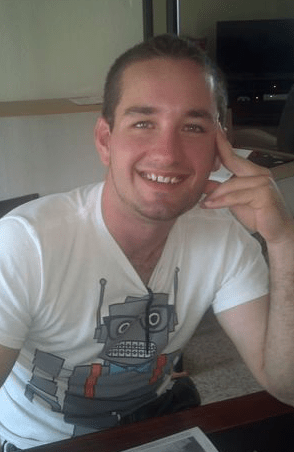
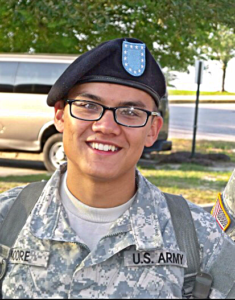
Spc. Zachary Moore, 23, of Virginia Beach, Virginia, was found unresponsive August 1, 2017 in his barracks room at Camp Hovey in South Korea. Spc. Moore was transported to St. Mary’s Hospital and pronounced deceased on August 2, 2017. Spc. Moore entered active-duty military service in March 2014 as a signal support systems specialist. He was assigned to the 9th Cavalry Regiment, 2nd Armored Brigade Combat Team, 1st Cavalry Division at Fort Hood in Texas since July 2016. The circumstances surrounding the incident were investigated by the U.S. Army Criminal Investigation Division (CID) and the cause of death was ruled a suicide.
Was Zachary Moore’s Death Preventable?
In May 2017, Fort Hood announced they were deploying 3,500 troops to South Korea over the summer. Twenty-three (23) year old Zachary Moore was one of the soldiers deployed to South Korea. With full knowledge of Zachary’s recent mental health issues, the Chain of Command gave him a mental health waiver against his will, and most likely against medical advice, so they could deploy him to South Korea.
In October 2016, Zachary had a mental health breakdown and went Absent without Leave (AWOL). After a successful intervention, Zachary was found and returned to the custody of his Chain of Command at Fort Hood. Zachary’s command then sent him to an emergency room where he was hospitalized and prescribed medication. After Zachary was discharged from the hospital, he continued to seek treatment for mental health issues. Six months later, Zachary was given a mental health waiver by his command to deploy to South Korea.
About a month after Zachary arrived at Camp Hovey in South Korea, his depression medication was changed. As a matter of fact, his depression medication was changed the day before he was found unresponsive in his barracks room. Zachary attempted to kill himself on August 1st, less than 24 hours after the medication change. It was Zachary who called his Command for help as there is no 911 on the base in South Korea. He was found unresponsive and finally transported to the hospital about 1 ½ to 2 hours later. He was admitted to the Intensive Care Unit, listed as critical then stable, yet passed away on August 2, 2017.
Why did Zachary Moore go AWOL?
The Chain of Command contacted Jeanette to report Zachary hadn’t been seen since October 18, 2016. They also informed her they were not actively looking for him but would file AWOL status on October 20th. When asked if they filed a missing persons report, Jeanette claims they told her they did but she says she was lead to believe Zachary trashed his room, took his things, and left willingly. She immediately flew to Texas from Florida to find him.
Jeanette contacted the Killeen Police Department as soon as she got to Fort Hood and the local law enforcement found Zachary the same day she arrived. Over the phone, the Command told Jeanette they filed a missing persons report but she learned from the Killeen Police Department that they never did. The Killeen PD noticed recent activity on Facebook so they pinged Zach’s cell phone & found that he was in a remote area of a local state park.
Zachary attempted to flee initially but after negotiations, he surrendered and was returned to the police station where his mom was waiting. Jeanette could tell Zachary was mentally broken and he admitted to her that he wanted to hurt himself. The Killeen PD found Zachary and he had a knife in his possession. Zachary was returned to the custody of his Chain of Command at Fort Hood. Shortly after Zachary informed his mom that his superiors told him to tell her to leave town and stop interfering.
Jeanette reports that Zachary never had any mental health issues prior to this and suspected that Zachary was “singled out by his command and harassed.”
Areas of Concern in Zachary Moore’s Case:
Zachary revealed he was harassed by his Chain of Command. For example, his leave papers to visit family before deploying were denied; he was denied permission to see the Fort Hood Inspector General officer; he was harassed during training exercises; he was given exhausting extra duties; and was accused of taking a radio which was later found on a military officer’s desk. Why was he denied the opportunity to speak to the IG officer?
Zachary was accused of trashing his room and taking his belongings when he went AWOL. Jeanette believes the circumstances surrounding the vandalism of his room and the theft of his property could be evidence of harassment.
During mental health treatment, Zachary was facing the consequences of going AWOL; Zachary was accused of trashing his own room; and Zachary was accused of stealing a secure radio? What are the additional mental health impacts of the way the Chain of Command uses the military justice system?
The circumstances of the mental health waiver and the justifications for sending Zachary to South Korea while he was undergoing treatment for mental health issues and medication management should be investigated.
The effects of the medication change in South Korea should be investigated. Is Command aware that some medications can cause serious negative reactions? (Some depression medication causes suicidal ideation.) Who monitors serious medication changes in deployed locations? Is it safe to deploy soldiers in the early phases of medication management for mental health issues?
Finally, the delay in the Command’s response to Zachary’s call for help in South Korea should be investigated. Why did it take so long to respond to Zachary and why did it take so long to get Zachary to the hospital? Did anyone attempt to administer help while waiting for the ambulance?
If the Command was the cause of the mental health break, where was Zachary supposed to turn? How do we hold the Chain of Command accountable? How do we prevent the Chain of Command from retaliating and using the military justice system or non judicial punishment as a weapon? What was the role of the Commander? What was the role of the Fort Hood Inspector General? How can we prevent a young soldier from feeling like the only way out of their situation is AWOL or suicide? How could we have prevented Zachary’s death?
Soldiers have come forward, given their stories to the family and have offered to testify about what Zachary was put through which may explain why he died. Were these soldiers questioned?
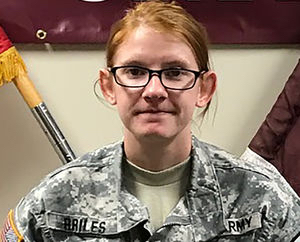
Army Private Paige Fontenot Briles, 21, was found unresponsive in her vehicle at Fort Hood housing in Texas on Christmas eve, December 24, 2016. Private Fontenot Briles is from Kaplin, Louisiana and joined the Army in February 2015. Pvt. Fontenot Briles was assigned to Fort Hood as a wheeled vehicle mechanic. She deployed to Kuwait shortly after completing Advanced Individual Training (AIT). She returned stateside early in December 2015 after she was injured in the line of duty. In November 2016, she was assigned to the Warrior Transition Unit at Carl R. Darnall Army Medical Center. Pvt. Fontenot Briles was going to be discharged from the Army in February 2017 and had plans to attend dental hygienist school. Family report that Pvt. Fontenot Briles cause of death was determined a homicide by the Army but the Bell County coroner’s office made a suicide determination. The Army Criminal Investigation Division (CID) ruled the cause of death as suicide.
Background:
Paige joined the U.S. Army in February 2015 & was permanently assigned to Fort Hood as a wheeled vehicle mechanic after Advanced Individual Training (AIT). Paige shared with her family that she was raped by her recruiter before she went to Fort Jackson for basic training but she did not report the incident. Shortly after arriving to Fort Hood, Paige was deployed to Kuwait in October 2015. Although she returned home early in December 2015 after being found unresponsive under a vehicle. She was injured in the line of duty and the only thing she shared with her family was that she “saw things no one should ever have to see.”
Paige met and married another soldier she hadn’t known that long in January 2016 upon her return home from Kuwait. According to Army CID, they learned that the marriage was contractual and the two did in fact share a home up until recently. When Paige met her husband, she had already experienced multiple traumas from the rape and her experience in Kuwait; she was vulnerable. After a few months of marriage, Paige got pregnant but her “husband” did not want a child and convinced her to get an abortion in August 2016. It was at this point, Paige had a mental health breakdown and was hospitalized for 28 days. She was eventually transferred to the Warrior Transition Unit (WTU) in November 2016.
The WTU allowed Paige to escape the unhealthy arrangement she was trapped in with her contractual husband and she was starting to feel better after being free of him for a couple months. Family reports that Paige decided to get out of the military, move back in with her sister and parents, and pursue an education as a dental hygienist. Paige was expected to discharge in February 2017. Paige put in leave to go home for Christmas in December 2016 but it was denied. Paige took a picture of herself on SnapChat and sent it to her contacts on Christmas Eve. She wrote “here’s to another Christmas alone.” And the Army wants us to believe that 30 minutes later, Paige would be dead by her own hand.
On the night in question, Paige drove to a friend’s house on post. She was house sitting for them while they were out of town. About an hour later, Paige was found unresponsive in the driver’s seat in her vehicle in the parking lot outside her friend’s home. She had been stabbed. Initially the Army investigated the death as a homicide but in December 2017, the family was informed that the cause of death was ruled a suicide. Less than two years in the Army and Paige was gone. She told her parents she was raped, she saw things in Kuwait no one should ever see, and that she was in an unhealthy relationship with a man she was trying to escape. Paige had been through hell in her short time in the Army but she had hope. She knew she was returning to Louisiana to a loving family and a sister who was her best friend. She didn’t feel so trapped that suicide was the only way out.
Paige had a second chance at life in just a couple months when she was going to be discharged. Paige’s parents want their daughter’s case investigated as a homicide. They provided the Army CID with a person of interest. They had interaction and negative experiences with the person of interest. They shared their first hand interactions (witness testimony) and their concerns with CID but felt their experiences and observations were dismissed. They know their daughter was not suicidal because she was due to get out of the Army in February 2017 and she had plans. When questioned if the Army CID ever investigated the person of interest, Paige’s family responded with “the Army CID never investigated any persons of interest.” As a matter of fact, the Army discharged the soldier these parents suspected was the person of interest.
What happens when the Army discharges a soldier who may be a person of interest? They in effect give up jurisdiction of the soldier once they become a civilian unless they are retired. The soldier who was considered a ‘person of interest’ by the family was discharged for disciplinary reasons. Enter across state line jurisdictional issues and the Federal Bureau of Investigation who appears to want to steer clear of cases on military bases. The parents report that initially Paige’s stabbing death was investigated as a homicide yet in the end, despite the autopsy, forensics, suspicious circumstances in her life, and the parents testimony, Paige’s death was ruled a suicide by the Army CID. Once a death is ruled a suicide, the investigation is over and the US Army never has to investigate again.
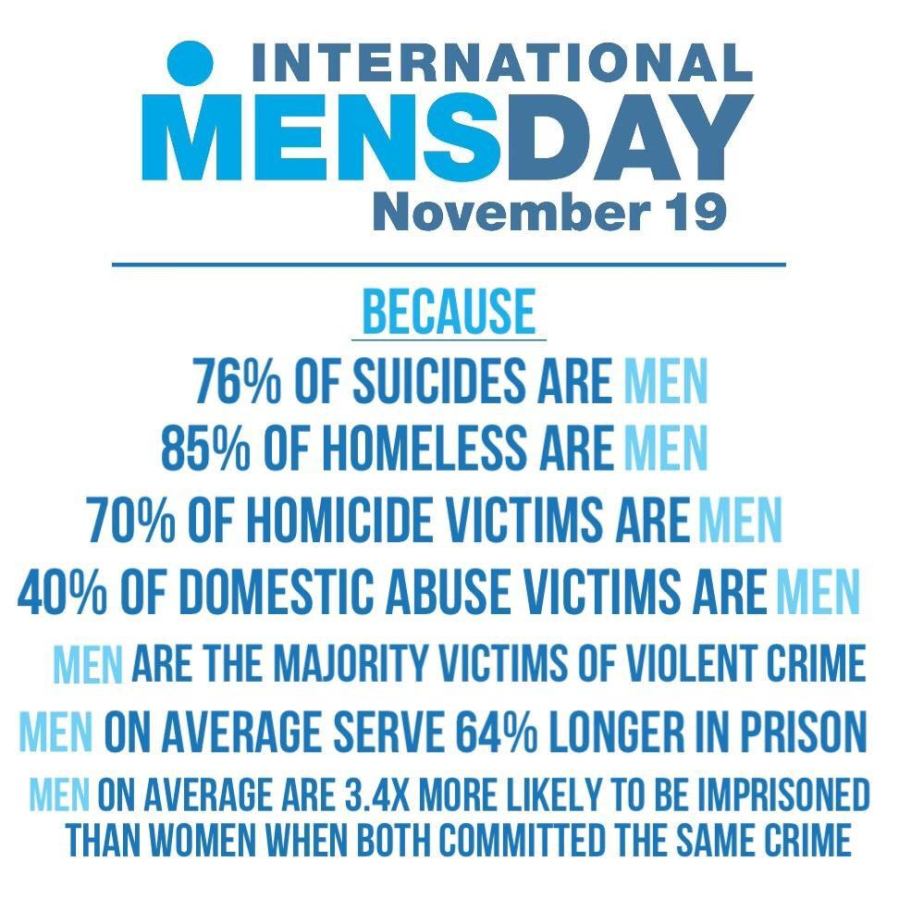
This post was inspired by International Men’s Day and a quest to find the truth on the internet. Are men in the US the majority of the victims of crimes?
This research was inspired by the above graphic. My initial research so far for the military backs these numbers so I feel that it is fair to say more men in the military are victims of crimes than women. We have more military men than women so that only makes sense. By the numbers we have roughly 85% males and 15% females. We know more military men have died by suicide or “non combat death” while in service than military women. We know male veterans make up the majority of the homeless mostly due to mental health and substance abuse issues. We don’t know the percentage of men in the military who have been murdered versus the number of female service members. But we do know that the research so far reveals more men are murdered than military women while serving. The number that may throw this off is how many military men are murdering their spouses and significant others and/or members of their family. So more research has to be done.
The Department of Defense hasn’t included the military spouses in the data thus far nor have they included civilians who have been victims of crime by military members. But we know they exist because we try to track all victims of crime perpetrated by a military member on this website in an effort to honor them. Today we featured 30 cases of domestic abuse that led to the homicide of a female spouse or soldier. We have concerns about domestic violence in general especially since we learned that upwards of 40% of males are victims of domestic violence in the United States. We believe it. Since the majority of members in the military are males, we have found multiple cases of men getting targeted by mostly female civilians and then abused and murdered for their benefits and life insurance. In some cases they reported the domestic violence but in most cases they don’t. Why are men less likely to report when they are a victim of domestic violence? Are they being threatened? For example, “I will ruin your career” comes to mind. This is something that needs to be explored further.
Our new concern is that military men are being falsely accused of sex crimes in an effort to make divorce go in the spouses favor or they have been exploited by a service member looking for a new assignment, to get out of a financial obligation, to get an early retirement, and also the Department of Veterans Affairs financial monthly benefits, about $3,000 a month for someone who is 100% disabled. Although sexual assault isn’t specifically mentioned in the above graphic, we also know that the majority of military men are victims of sexual assault and rape but are the least likely to report. We’ve also learned that about a 1/3 of female victims of crime in the military report and 60% of those females report they experienced both perceived personal and professional retaliation as a result of that report, in a lot of cases the report eventually ends the career. And this may be why so many victims of sexual harassment, sexual assault, and rape in the military do not report, specifically men. The military career is an investment that most of us don’t want meddled with.
The military career is our retirement plan, it’s a financial asset. We don’t want to risk losing our careers in the long run because we know a report of a crime or a diagnosis of Post Traumatic Stress Disorder will make us “unfit for service.”
Our number one goal was to find out if more males are victims of violent crime than females, not that it matters because all people are important. But if you try to find the statistics out there, you will find that they are buried by media reports of how many women are murdered by intimate partner violence, pregnant women are especially at risk. Whereas males are more likely to be the victim of a crime perpetrated by a stranger. Make sure and check out The Red Pill trailer below to find out why Men’s Rights Advocates are fighting for their fellow males. Women do it all the time and there’s no reason they can’t either but they are getting judged, villianized, and demonized for their very important and necessary work. It’s time to step it up for men who die by homicide and suicide; and it’s time we teach them it’s okay to reach out for help whether they have combat PTSD or were a victim of crime.
Broad studies have revealed certain trends within crime and victimization patterns. Adolescents are most likely to be victimized. Men become crime victims more often than women do, and blacks experience more crime than other racial groups. –National Institute of Justice
More men are murdered than women, mostly gun violence
Men are more likely to be murdered by a stranger than a women
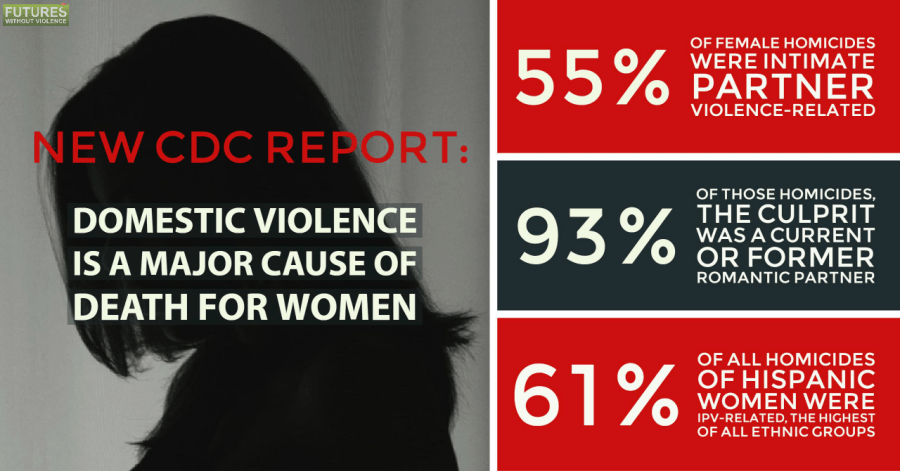
Women are more likely to be murdered by an intimate partner
Pregnant women are at most risk of homicide by an intimate partner
More men than women are raped and sexually assaulted in the military
More men than women in the US are raped if you include prisons
Men make up 40% of domestic violence cases in the US








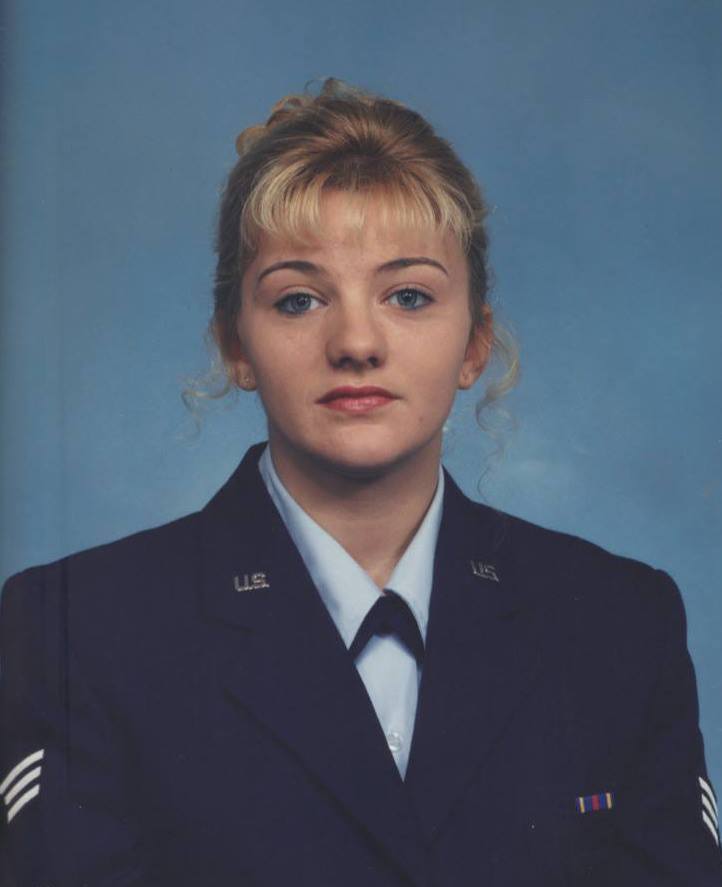


 The WTU allowed Paige to escape the unhealthy arrangement she was trapped in with her contractual husband and she was starting to feel better after being free of him for a couple months. Family reports that Paige decided to get out of the military, move back in with her sister and parents, and pursue an education as a dental hygienist. Paige was expected to discharge in February 2017. Paige put in leave to go home for Christmas in December 2016 but it was denied. Paige took a picture of herself on SnapChat and sent it to her contacts on Christmas Eve. She wrote “here’s to another Christmas alone.” And the Army wants us to believe that 30 minutes later, Paige would be dead by her own hand.

 MILITARY JUSTICE FOR ALL