
Top Ten Problems with the National Guard Recruiting Assistance Program (G-RAP) Investigations

the-constitution-was-written-very-precisely-to-restrain-the-power-and-force-of-government-and-to-protect-the-liberties-of-each-and-every-one-of-us-ron-paul-2

Guest post submitted by:

Doug O’Connell
O’Connell & Associates, PLLC Doug@DougOConnell.com

Attorney Doug O’Connell has represented former Recruiting Assistants for the past two years in both criminal and civil matters. A former state and federal prosecutor, Doug is also a Special Forces Colonel in the Texas Army National Guard. In addition to his own practice, Doug is Of Counsel to Fluet, Huber + Hoang law firm.

The G-RAP accusations and investigations have now lingered for over five years. At least 90,430 (1) National Guard Soldiers (88% of all G-RAP participants) have been subjected to investigations as part of a massive dragnet to recover bonuses (2). 125 Soldiers have been prosecuted in Federal or State Courts; at least 2633 Soldiers remain under investigation (3). While a handful of unscrupulous participants took advantage of the ever-changing rules of this contractor-run program, those cases were adjudicated years ago. What the Army CID is now doing is nothing more than pursuing anyone whose G-RAP tenure spanned the years with the most rules’ changes in an effort to prove up the Army’s exaggerated fraud estimate.

It’s hard to pick the Top 10 issues with G-RAP. The items below represent issues apparent in almost every case. This list omits, but hardly overlooks, such things as inappropriate command pressure to participate in G-RAP, forcing accused Soldiers to undergo DNA collection (4), active surveillance of National Guard Soldiers by Army CID (5), coercion to make reimbursements to the Army (6) in lieu of punishment and other notable violations of Soldier’s rights.

1 Letter to Representative Mike Coffman from Daniel M. Quinn, Chief of Staff, USACIC.
2 The U.S. Army and U.S. Department of Justice consistently refers to G-RAP payments as bonuses in sworn testimony, official documents and court filings. The payments were paid by a contractor directly to the Soldier and IRS form 1099 was issued to every participant. Payments were not processed by DFAS and did not appear on a LES. Finally, Congress did not authorize a bonus related to this program. Nevertheless, Government officials consistently refer to G-RAP payments as bonuses, perhaps wishing it were true so that legal recoupment would be possible.
3 Per letter to Rep Coffman.
4 Collected by a cheek swab without a warrant in violation of the 4th Amendment.
5 Related to an allegation of fraud which if true occurred years prior.
6 Possibly an illegal augmentation of appropriations in violation of the Miscellaneous Receipts statute, 31 USC §3302.

1. GUILT BY ALGORITHM.

Auditors, instead of seasoned law enforcement professionals, launched the G-RAP investigations. Rather than using any type of proper legal standard like probable cause, the Army Audit Agency assembled lists of Soldiers branded “high risk” by the auditors. The definition for “High Risk” was listed as “an inability to follow the rules.” Because the rules changed 60 times in seven years, almost everyone who successfully participated in G-RAP became a target. Soldiers connected to the “high risk” Soldiers were in turn investigated. This self-perpetuating, system of guilt by association crushes any notion of justice and the rule of law. Years later, many of these Soldiers still are under the cloud of a CID investigation and are being forced to defend (at great financial and emotional cost) their names and careers.

2. COMPULSORY INTERROGATIONS.

Federal CID agents lack any authority to compel National Guard Soldiers (or veterans) to submit to interrogations. Unfortunately, neither CID nor most Guard Soldiers and veterans understand that they cannot be forced to appear or answer questions from Army-dispatched agents. CID agents repeatedly violate this bright line legal standard. Worse yet, some Guard Commanders aren’t sufficiently knowledgeable about the law to protect their Soldiers. Once confronted with apparent military authority, many individuals, honestly believing they did nothing wrong, provide answers, later cherry picked and twisted to supposedly show guilt. The unfortunate individual is left having to prove he or she didn’t say something or that the statement was taken out of context.

3. INVESTIGATORS WITH A PERSONAL FINANCIAL INCENTIVE.

The CID Investigators pursuing G-RAP allegations include Army Reserve CID Agents voluntarily on active duty orders. At a minimum, the perception exists that the Reserve Agents have a financial incentive to perpetuate the investigations. The longer the investigations continue, the longer these agents remain employed. Further compounding this problem is the very logical assumption that few agents would volunteer for active duty if it meant a pay cut from their civilian employment.

4. VIOLATIONS OF THE POSSE COMITATUS ACT.

National Guard Soldiers not mobilized into federal service, are like any other civilian citizen under the law. The Posse Comitatus Act prohibits federal military personnel from investigating and enforcing the law. Yet, that is exactly what is happening. The PCA is a federal criminal offense punishable by a term in prison. In the G-RAP investigations, federal military agents are investigating allegations of criminal violations by Guard Soldiers, who are the same as civilians under the law (7). This is a clear violation of the PCA. Unfortunately, this flawed law requires the same prosecutors who are prosecuting Soldiers to levy charges against the same agents investigating the cases they prosecute.

7 See Perprich vs. Department of Defense, 496 U.S. 334 (1990).

5. TRAMPLING THE STATUTE OF LIMITATIONS.

In our system of justice, a statue of limitations exists to limit the Government’s ability to bring charges so remote that the defendant can’t reasonably mount an effective defense. In G-RAP cases, the Government is circumventing the statue of limitations with a World War II era tolling statute. Most applicable criminal offenses have a 5 year statute of limitations. Since G-RAP ended in 2012 the statute of limitations has long expired in most cases. However, in G-RAP investigations and prosecutions the Government is relying on the Wartime Suspension of Limitations Act (8) to continue to bring criminal cases. First enacted in 1948, the WSLA is designed to protect the Country from fraud during times of war. This law likely made sense during World War II, the Korea and Vietnam conflicts. However, the nature of warfare has changed. The current war against terrorism and global extremist groups will continue indefinitely. Relying on the outdated WSLA during today’s conflicts effectively terminates the deeply rooted equitable concept of a statue of limitations.

8 18 USC §3287

6. SPENDING $40 MILLION -TO COLLECT $3 MILLION.

Our Government has spent at least an estimated $40 million dollars (9) to investigate Soldiers. The ensuing recoupment actions and prosecutions have recovered, at most $3 million dollars (10). Army CID agents have repeatedly conducted full field investigations to determine if a Soldier’s single $2,000.00 bonus was righteous (11). In an era of constrained defense spending with persistent and emerging global terrorist threats, this massive boondoggle sets a new record for fraud, waste and abuse. The CID agents’ limited time and resources would be much better spent working to prevent the next Fort Hood terrorist attack.

9 This is a conservative estimate which includes the personnel cost associated with bringing the USAR agents onto duty status.
10 This figure is also an estimate based on all federal cases reported in the Pacer.gov system and media reports from around the country.
11 At least one National Guard officer is currently under indictment for a single G-RAP recruitment.

7. INACCURATE TESTIMONY TO CONGRESS & POLITICAL PRESSURE

The entire G-RAP controversy is based on inaccurate and irresponsible testimony to Congress. During Senate hearings chaired by Senator Claire McCaskill (12), Army General Officers testified that the total G-RAP fraud could be as high as $99 million (13). This estimate was wildly inaccurate (14). To date, the Government has only collected $3 million in fraudulent payments. Senator McCaskill immediately branded these Soldiers as criminals despite their Constitutional right to be presumed innocent (15). Many have speculated that the hearings and estimates of widespread fraud were designed to embarrass the National Guard during budget battles. Others suggest that it was an attempt to appease this powerful member of the Senate Armed Services Committee and self styled “accountability advocate.” Still others contend that the hearings were an attempt to shift focus from sexual assaults in the military. Whatever the reason, the McCaskill hearing set off a chain of events abrogating the presumption of innocence justice toward service members and veterans.

12 United States Senate Hearing: Fraud and Abuse in Army Recruiting Contracts, February 4, 2014.
13 Id.
14 It appears that this testimony has never been revised, amended or updated to correct the record.
15 Id.

8. AT LEAST 60 CHANGES TO THE “RULES.”

In the eyes of CID, violations of the program “rules,” indicates intentional fraud worthy of criminal investigation. However, the G-RAP “rules” changed at least 60 times during the life of the program (16). Understanding the “rules” of G-RAP at any given point in time requires a detailed analysis based on a significant review of multiple documents (17). In the vast majority of cases, if the Soldier violated the “rules,” it is more likely due to confusion rather than a deliberate desire to cheat the system. With unrelenting intensity, CID doesn’t investigate an alleged crime; they gather slanted “evidence” to prove that a crime was committed. CID, in fact, has been responsible for elevating an inability to follow the rules of a program run by a private contractor to the level of a crime. One example: at various times full time members of the National Guard were authorized to participate in G-RAP, at other times they were ineligible. If a Soldier entered G-RAP when full time members were allowed, but submitted data for payment months later when full time members were not allowed, that Soldier is investigated for fraud.

16 See Agent’s Investigation Report, CID Special Agent Julie Thurlow, November 22, 2013.
17 National Guard Bureau changed the rules via a contract change order sent to Docupak.

9. “SPHERE OF INFLUENCE” AND OTHER VAGUE GUIDANCE.

Soldiers participating in G-RAP received instruction to recruit from their “sphere of influence.” This term was never defined. It’s unclear if the intent of this language was to limit recruitment to pre-existing relationships. Regardless of NGB’s intent, the Soldiers received a very different message. For example, once hired by Docupak, Soldiers were provided marketing items such as t-shirts with the message “ask me about the National Guard.” None of the marketing items provided would have been necessary to recruit people already known to the Soldier. Now, these same Soldiers are investigated and some prosecuted for recruiting outside their sphere of influence. Likewise, Soldiers were told that they “shouldn’t” wear their uniform when conducting recruiting activities. If this were truly a prohibited action worthy of investigation, the “rule” would have been written as “you are prohibited from wearing your uniform.”

10. “I DON’T REMEMBER = GUILTY.”

When CID agents track down and contact recruits many years after their enlistment into the National Guard, most don’t remember the details of their interaction with the recruiting assistant. To the CID agents, this means the RA committed misconduct. The alternative explanation is unfathomable to the agents: the recruit, 7 years later, just doesn’t remember. This is especially problematic since Government prosecutors use this lack of memory to charge the Soldier with Aggravated Identity Theft (18), a charge that carries a mandatory minimum term of prison sentence of two years.

18 18 USC § 1028A.

“EXTRA CREDIT:” CID KNEW ABOUT ALLEGED FRAUD FOR FIVE YEARS BEFORE TAKING ACTION.

On May 22, 2007, five years before G-RAP was shut down, Agents from Army CID, Air Force OSI, and Defense Criminal Investigative Service (DCIS) met with Docupak to discuss potential fraud in the program (19). A representative of the United States Department of Justice (20) was also in attendance. The agents specifically instructed Docupak not to notify the State Adjutant Generals, National Guard Bureau, or the contracting officer regarding alleged fraud. This effectively cut off any ability to clarify confusing rules and or enhance fraud prevention measures. Importantly, it also prevented Governors and Adjutants General to execute their Constitutional duty of regulating their National Guard force and apply appropriate discipline (21). Likewise, notification the responsible contracting officer at NGB would have triggered remedial action. Instead, the CID sat on this information for five years, causing a relatively minor amount of confusion to escalate into what we have now – another major bonus scandal ensnaring thousands of junior Soldiers facing accusations.

19 2014 Inspector General Report, page 40, paragraph g, and footnote 142.
20 Presumably a licensed attorney.
21 The Governor’s and TAG’s Constitutional authority to regulate and discipline Guard members included the full time recruiting force in each state, some of whom were suspected of misconduct. These Soldiers operate under the exclusive military jurisdiction of the relevant State Military Code of Justice.

CONCLUSION

Few Soldiers have the financial resources to mount a proper defense to federal criminal charges. Faced with the possibility of prison time, many take a plea bargain to avoid the risk of prison, financial ruin or deepening emotional trauma to themselves and their families. Even if the accused Soldiers are not prosecuted, the collateral consequences seem never ending. The investigation will continue to haunt them for years to come. Security clearances will be revoked or suspended, and the Government will initiate proceedings to “debar” the Soldier from future employment as a government contractor. Eventually, the case file will be forwarded to the State National Guard headquarters for military justice or administrative action. The range of administrative sanctions includes separation boards, official reprimands and being required to rebut CID’s flawed conclusions to a promotion review board. The administrative flag on their personnel file will continue until all military administrative actions are complete (22). Finally, many of these same Soldiers, never prosecuted in a court of law will have a federal criminal history created as a result of being investigated, “titled” and “founded” by CID.

22 A “flag” prevents any favorable action including re-enlisting, awards, and promotions. The flag does not prevent orders to deploy overseas (again). Flags as a result of G-RAP investigations have been in place for four or more years at this point.
Wrongful Conviction: Fort Hood Army Soldier Thomas Chestnut’s Guilty Verdict was Overturned by the US Army Court of Criminal Appeals (2016)

Screen Shot 2017-12-22 at 3.50.35 PM
Thomas Chestnut, US Army

Fort Hood Army soldier Thomas Chestnut, 28, was freed from a Kansas military prison on December 23, 2016 after an appellate court overturned a guilty verdict on December 14, 2016. The Army Court of Criminal Appeals overturned the conviction finding evidence in the case as “factually insufficient.” The case stems from an accusation by a third party of a sexual assault of a man in August 2012 at Fort Sam Houston near San Antonio, Texas. Chestnut was charged and found guilty by a military jury on one count of sexual assault and found not guilty of one specification of assault consummated by a battery. Chestnut testified that the encounter with the other soldier was consensual and the third party was trying to deflect attention from himself. Chestnut was sentenced on July 2, 2014 to three years in prison at Fort Leavenworth, a reduction in rank to private, and forfeiture of all pay. After Thomas Chestnut was exonerated, he was entitled to back pay and an honorable discharge from the military when he completed his time in service. Thomas was honorably discharged from the Army in January 2017 but had not yet been able to get his back pay. Thomas shared his thoughts on his wrongful conviction and his two and a half year imprisonment in mostly solitary confinement for a crime he didn’t commit.

“How could I respect the authority of such a corrupt system and such a corrupt institution? Not after what they did to me, to us, as I am not alone in this you see. Hundreds of my fellow veterans have also been falsely accused and forced into prison. Obviously, the military leadership lacks the maturity and ethics to handle sexual assault cases in a balanced adult way. They should not have authority in these matters.” via Save Our Heroes

Thomas Chestnut spent 2 1/2 years in prison where he was placed in solitary confinement and allegedly abused by prison guards. Thomas admits the prejudiced military justice system, corruption, and prison experience traumatized him. He most likely suffers from a form of institutional abuse. In December 2016, the appeals court overturned his conviction, he was cleared of all charges, released from prison, and promised back pay. Thomas stated: “I have nothing. No place of my own, no car, and little money. The Army has no plan for someone with a case overturned, so I’ve been more or less thrown out on the street.” Thomas Chestnut most likely has Post Traumatic Stress Disorder after the betrayal by the military justice system and the abuse he endured in prison marked as a man who rapes other men. In February 2017, Chestnut attempted to get his back pay from the Army as he had nothing, no job, no place to live, no means to take care of himself. The Army didn’t help him or give him the answers he deserved when it came to his backpay.

At this point, Thomas most likely had a post traumatic stress meltdown simply from having to deal with the same institution that wrongfully convicted him of a crime. After he didn’t get the answers he deserved regarding his back pay, he got angry and threatened to harm individuals at Fort Hood. As a result, Chestnut was arrested by FBI agents and charged with making threats to kill individuals at Fort Hood. Thomas has been in federal custody ever since he made the threats and now the life that he may have had a second chance at was taken away from him again. Obviously, Thomas shouldn’t have threatened to kill individuals at Ft Hood but the backpay issue and the fact he has PTSD should have been a mitigating factor in this case. For example, the state of destitution he was in and his legitimate need for money to sustain and take care of himself most likely triggered his post traumatic stress symptoms. He was desperate and the Army’s indifference and stonewalling most likely caused an already emotionally fragile man to disassociate and lash out. If he was within the state’s jurisdiction, chances are he would have access to a veteran’s court that would fight to give him another chance. Instead, Thomas Chestnut is in federal prison for 18 months for one threatening phone call.

Related Links:
Could Dripping Springs soldier go free after sex assault conviction?
UNITED STATES, Appellee v. Private First Class THOMAS A. CHESTNUT United States Army, Appellant (12/14/16)
Army court: Fort Hood soldier cleared in 2014 sexual assault case
Exonerated Fort Hood soldier gets an honorable discharge
A Soldier’s Story of Survival after Being Falsely Accused of Sexual Assault in the U.S. Army
FBI arrests ex-Fort Hood soldier after threats against officials
Former soldier threatened to kill at Fort Hood, prosecutors say
Feds: Dripping Springs man threatened mass shooting at Fort Hood
Dripping Springs man threatened mass shooting at Fort Hood, feds say
Ex-Soldier Accused of Threatening Fort Hood Shooting Rampage
Man accused of Ft Hood threats appears before federal magistrate
Jury reaches verdict in Thomas Chestnut trial
Federal Jury Convicts Dripping Springs Man of Making Threats to Kill Individuals on Fort Hood
Ex-soldier convicted of threatening Fort Hood rampage
Former soldier convicted in threats against Fort Hood
Federal jury convicts Dripping Springs man of making death threats at the post
Dripping Springs soldier gets 18 months in prison for mass shooting threats
Ex-Soldier Gets 18 Months for Threatening Fort Hood Rampage
Ex-soldier gets 18 months for threatening Fort Hood rampage
73 Fort Hood Soldiers Died Since January 2016: 4 Insider Attacks & 2 Suicides Overseas; 67 Stateside Deaths Including 34 Alleged Suicides & 1 Unsolved Homicide
Army Soldiers at Fort Hood in Texas Are Dying at Alarming Rates Stateside
Violent Crime, Suicide, and Non Combat Death at Fort Hood, Texas (US Army)
Washington DC Veteran’s Presentation on the Current Status of the Armed Forces at Fort Hood in Texas (2017)
Killeen Calling in Feds to Combat Crime
Gangs in the US Army Documentary
Seeking Justice with Change Your POV

Violent Crime, Suicide, and Non Combat Death at Fort Hood, Texas (US Army)

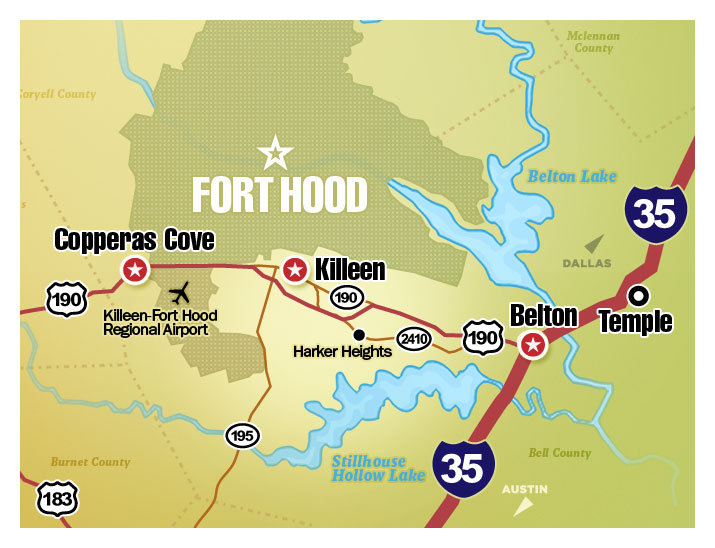
Fort Hood is a U.S. military post located in Killeen, Texas. The post is named after Confederate General John Bell Hood. It is located halfway between Austin and Waco, about 60 miles (100 km) from each, within the U.S. state of Texas. -Wikipedia

*Research not complete and includes combat deaths.

2018:
Mark Boner, Indiana Army NG: ‘It’s unclear at this time what led to his death’
Javion Sullivan, US Army: Non-combat related incident, Iraq

2017:
David Ananou, US Army: Death by apparent drowning at Belton Lake
Christie Anderson, US Army: Found dead at off-post residence
Randal Anderson, US Army: Died of gunshot wound off-post
Angel BenitezQuinones, US Army: Found unresponsive on post
Jon Bullard, US Army: Found dead at off post home in Temple
Sean Callahan, US Army: Passed away unexpectedly in Iowa
Sameer Chalise, US Army: Died due to injuries while swimming
Jonathon Charlot, US Army: Victim of Hate Crime, Vandalizing
Sean Devoy, US Army: Died in fall during helicopter hoist training
Jonathan Garcia, US Army: Fatal motorcycle accident
Michael Garcia, US Army: Died in vehicle training Incident
Travis Granger, US Army Veteran: Gunshot wound, death ruled homicide
Alva Gwinn, US Army: Shot self during high pursuit with police after accused of sex crimes
John Hatfield, US Army: Died of a gunshot wound off-post in Killeen
Steven Hines, US Army: CID Agent found dead behind building
Justin Lewis, US Army: Shot to death in Killeen, unsolved homicide
Anthony Lovell, US Army: Death ruled fatal motorcycle accident
Deangelo Mathis, US Army: Found unresponsive in Georgia
Zachary Moore, US Army: found unresponsive in barracks room, Korea
Andre Nance US Army: Found dead on post at Fort Rucker, Alabama
Brian Odiorne, US Army: Non Combat Death Ruled Suicide by CID
Justen Ogden, US Army: Found unresponsive at on post home
Zackary Partin, US Army: Found dead at on-post residence
James Smith, US Army: Fatal motorcycle accident off post
Devon Tucker, US Army: Found dead at off post home in Copperas Cove
Barron Von Reichelt, US Army: Died in fatal auto accident on post
Alex Taylor, US Army: Found dead at place of duty on post
Luke Toomey, US Army: Found unresponsive at off-post residence, Copperas Cove
Derrick Walker, US Army: Died of a long-term illness
Daniel Wildeman, US Army: Found dead on post in barracks
Kai Yancey, US Army: Died after complications from short illness

2016:
Bradley Acker, US Army: Death was self-inflicted at off-post residence
Calvin Aguilar, US Army: Found Dead off post in Copperas Cove
Anthony Antell Jr, USMC Vet: Victim of Homicide
Christine Armstrong, US Army: Died in Floodwaters Training Accident
Douglas Bailey, US Army: Found dead at off post residence
Brandon Banner, US Army: Died in Floodwaters Training Accident
Nathan Berg, US Army: Died of gunshot wound off post
Ricci Bradden, US Army: Homicide of USMC veteran
Paige Fontenot Briles, US Army: Found dead in vehicle at post housing
Allan Brown, US Army: Died in suicide bombing, Afghanistan
Wanya Bruns, US Army: Died of gunshot wound off post
Thomas Chestnut, US Army: 2014 sexual assault conviction overturned
Miguel Colonvazquez, US Army: Died in Floodwaters Training Accident
Timothy Corder, Civilian: Charged with Intoxication Manslaughter of Soldier
Isaac Deleon, US Army: Died in Floodwaters Training Accident
Zachery Fuller, US Army: Died in Floodwaters Training Accident
Eddy Gates, US Army: Died in Floodwaters Training Accident
Jonathan ‘Mike Gilotti, US Army Veteran: Homicide, Alabama
Antino Glass, US Army: Died from motorcycle accident on post
Bernardino Guevara Jr., US Army: Died of gunshot wound on post
Stacy Hardy, US Army: Died from motorcycle crash while eluding police
Andrew Hunt, US Army: Found dead at on-post residence
Tyler Iubelt, US Army: Died in suicide bombing on secure base in Afghanistan
Korey James, US Army: Found Dead at Off Post Residence
Tysheena James, US Army: Died in Floodwaters Training Accident
Alexander Johnson, US Army: Found Dead at BLORA on Post
Steven Lewis, US Army: Died of self-inflicted wound off post
Dougal Mitchell, US Army: Fatal automobile accident off post
Daniel Monibe, US Army: Died of illness off post
Marcus Nelson, US Army: Died while in custody at local jail
Kevin Paulino, US Army: Self inflicted gunshot wound, Indiana
John Perry, US Army: Died in suicide bombing on secure base in Afghanistan
Andrew Poznick, US Army: Found dead in off-post residence in Pennsylvania
Logan Rainwater, US Army: Fatal motorcycle accident off post
Ellsworth Raup, US Army: Fatal motorcycle accident off post
Brian Reed, US Army: Found dead of gunshot wound at off-post residence
Douglas Riney, US Army: Killed by lone gunman in Afghanistan Army uniform
Devin Schuette, US Army: Found dead inside vehicle at BLORA on post
Dion Servant, US Army: Found dead in barracks on post
Duane Shaw, US Army: Found dead at off-post residence
John Stobbe, US Army: Found dead at off post residence
Dakota Stump, US Army: Died as a result of a vehicle accident on post
Yingming Sun, US Army: Died in Floodwaters Training Accident
Sean Van Der Wal, US Army: Intoxicated soldier killed him in vehicle crash
Troy Wayman, US Army: Officer found dead off post
Mitchell Winey, US Army: Died in Floodwaters Training Accident

2015:
Victor Badilloalvarez, US Army: Died in physical altercation, Florida
Elvis Bingham, US Army: Gunshot wound at off-post residence
Casey Chapman, US Army: Found dead at a training area on post
Toby Childers, US Army: Died in Black Hawk Training Crash
Cecelia Cole, US Army: Gunshot wound at off-post residence
Stephen Cooley, US Army: Died in Black Hawk Training Crash
Robert Jones Jr., US Army: Died in Drowning Accident near Post
Kevin Lewis, US Army: Self-inflicted gunshot wound off post
Dillon Mitchell, US Army: Gunshot wound at on-post residence
Jason Smith, US Army: Died in Black Hawk Training Crash
Robert Snear, US Army: Found dead in barracks on post
Kendrick Sneed, US Army: Found dead in off-post residence
Michael Tharp, US Army: Died in Black Hawk Training Crash
Brian Wilkerson, US Army: Found dead in on-post residence
Gene Brandes, US Army: Found dead in barracks

2014:
Leila Ezzeddine, US Army Dependent: Homicide Victim
Rouhad Ezzeddine, US Army Spouse: Murder-Suicide on Post
Zeinab Ezzeddine, US Army Dependent: Homicide Victim
Danny Ferguson, US Army: Homicide Victim on Post
Donnell Hamilton, US Army: Died from Illness, Afghanistan
Triston Johnson, US Army: Gunshot wound off post
Carlos Lazaney-Rodriguez, US Army: Homicide Victim on Post
Ivan Lopez, US Army: Homicide, Attempted Homicide, Suicide
Wyatt Martin, US Army: Enemy Attacked Vehicle with IED, Afghanistan
Ramon Morris, US Army: Enemy Attacked Vehicle with IED, Afghanistan
Christopher Mulalley, US Army: Non Combat Related Incident, Afghanistan
Timothy Owens, US Army: Homicide Victim on Post
Gage Schellin, US Army: Gunshot wound at off post residence

2013:
Lisa Salzman, US Army: Found dead in barracks on post
Jose Suarez, US Army: Found dead in barracks on post
Jason Togi, US Army: Enemy attacked vehicle with IED, Afghanistan

2012:
Kevin Hardin, US Army Veteran: Found dead in his home, medical

2011:
Michael Bailey II, US Army: Death Ruled Suicide, Family Believes Murder
Michael Reese, US Army: Homicide, Sentenced to Life in Prison
Justin Richardson, US Army: Homicide Victim

2010:
Jesse Franklin, US Army Spouse: Homicide Victim
Michael Franklin, US Army: Murder-Suicide on Post
Kemper Jones, US Army: Found dead in off post residence
Alexis Maldonado, US Army: Insurgents attacked unit, Afghanistan

2009:
Michael Cahill, US Army: Nidal Hasan Homicide Victim
L. Eduardo Caraveo, US Army: Nidal Hasan Homicide Victim
Justin DeCrow, US Army: Nidal Hasan Homicide Victim
Joseph Fortin, US Army: Enemy forces attacked vehicle with IED, Iraq
John Gaffaney, US Army: Nidal Hasan Homicide Victim
Frederick Greene, US Army: Nidal Hasan Homicide Victim
Nidal Hasan, US Army: Homicide, Terrorism, Sentenced to Death
Matthew Hastings, US Army: Non-combat related incident, Iraq
Jason Hunt, US Army: Nidal Hasan Homicide Victim
Amy Krueger, US Army: Nidal Hasan Homicide Victim
Aaron Nemelka, US Army: Nidal Hasan Homicide Victim
Michael Pearson, US Army: Nidal Hasan Homicide Victim
Johnny Polk, US Army: Vehicle struck by an anti-tank grenade, Iraq
Jeffrey Reed, US Army: Vehicle struck by anti-tank grenade, Iraq
Russell Seager, US Army: Nidal Hasan Homicide Victim
Francheska Velez, US Army: Nidal Hasan Homicide Victim
Jaunita Warman, US Army: Nidal Hasan Homicide Victim
Kham Xiong, US Army: Nidal Hasan Homicide Victim

2008:
David Badie, US Army: Vehicle encountered IED, Afghanistan
Seteria Brown, US Army: Non-combat related incident, Afghanistan
Justin Buxbaum, US Army: Non-combat related incident, Afghanistan
David Cooper, US Army: Dismounted patrol came under fire, Iraq
Jair De Jesus Garcia, US Army: Vehicle encountered IED, Afghanistan
Michael Girdano, US Army: Vehicle encountered IED, Afghanistan
Charles Leonard, Jr., US Army: vehicle struck by rocket propelled grenade, Iraq
Bryan Lounsbury, US Army: Fatal automobile accident off post
John Mattox, US Army: Non-Combat Related Incident, Afghanistan
Andre Mitchell, US Army: Fatal Vehicle Accident, Iraq
Keisha Morgan, US Army: Non Combat Related Causes, Iraq
William Mulvihill, US Army: Vehicle encountered IED, Afghanistan
David Paquet, US Army: Undetermined Causes on Patrol, Afghanistan
Kristopher Rodgers, US Army:  IED detonated near vehicle, Afghanistan

2007:
Kamisha Block, US Army: Homicide Victim, Iraq
Edward Cardenas, US Army: Died of wounds from IED, Iraq
Donald Gower, US Army: Homicide, Sentenced to Life
Marisol Heredia, US Army: Non combat related injury, Iraq
Christine Ndururi, US Army: Non combat related illness, Kuwait
Paul Norris, US Army: Homicide-Suicide, Iraq
Princess Samuels, US Army: Indirect fire from enemy, Iraq
Lawrence Sprader, US Army: Negligent Training Death
Omar Torres, US Army: Died of wounds from IED, Iraq
Zandra Walker, US Army: Indirect fire from enemy, Iraq
Donald Young, US Army: Died of wounds from IED, Iraq

2006:
Christopher Blaney, US Army: Non combat related incident, Iraq
Marcus Cain, US Army: Died when vehicle-borne IED detonated nearby, Iraq
Jeannette Dunn, US Army: Non combat related injury, Iraq
David Gordon, US Army: Died when IED detonated near vehicle, Iraq
Cesar Granados, US Army: Died when IED detonated near vehicle, Iraq
Jennifer Hartman, US Army: Died when vehicle-borne IED detonated nearby, Iraq
Moises Jazmin, US Army: Died when IED detonated near vehicle, Iraq
Qixing Lee, US Army: Died when IED detonated near vehicle, Iraq
James Lyons, US Army: Died during combat operations, Iraq
Russell Makowski, US Army: Died when IED detonated during combat ops, Iraq
Luis Montes, US Army: Died when IED detonated near vehicle, Iraq
Shaun Novak, US Army: Died when IED detonated near vehicle, Iraq
Henry Paul, US Army: Died from injuries when vehicle rolled over, Iraq
Emily Perez, US Army: Died when IED detonated near vehicle, Iraq
Tina Priest, US Army: Non combat related incident, Iraq
Jared Raymond, US Army: Died when IED detonated near vehicle, Iraq
Edward Reynolds Jr, US Army: Died from injuries when vehicle rolled over, Iraq
Windell Simmons, US Army: Died when IED detonated near vehicle, Iraq
Tristan Smith, US Army: Died when IED detonated near vehicle, Iraq
Clint Williams, US Army: Died when IED detonated near vehicle, Iraq

2004:
Erin Edwards, US Army: Homicide Victim
William Edwards, US Army: Homicide, Suicide
Tommy Gray, US Army: Caught between 2 motor pool vehicles, Iraq
Melissa Hobart, US Army: Undetermined Cause, Collapsed on guard duty
David Potter, US Army: Non combat related injuries, Iraq

2003:
Matthew Bush, US Army: Soldier tried to wake up but wasn’t breathing, Iraq
David Williams, US Army: Downed Apache Aircraft, POW, Rescued by USMC
Ronald Young, Jr., US Army: Downed Apache Aircraft, POW, Rescued by USMC

1998:
Gary Prokop, US Army: Homicide Victim

1988:
Christopher Fay, US Army: Robbery & Homicide Victim
Howard Harrison, Civilian: Attempted Robbery
Dwight Loving, US Army: Robbery & Homicide, Death Sentence Commuted
Bobby Sharbino, US Army Retired: Robbery & Homicide Victim

Related Links:
DOD Releases Final Fort Hood Review (2010)
Army Soldiers at Fort Hood in Texas Are Dying at Alarming Rates Stateside
August: Department of Defense Casualties Report (2007)
August: Department of Defense Casualties Report (2008)
August: Department of Defense Casualties Report (2009)
Non Combat Deaths of Female Soldiers in the US Military (Iraq)
Non Combat Deaths of Female Soldiers in the US Military (Afghanistan)
Non Combat Deaths of Female Soldiers in the US Military (Other Areas)
U.S. Apache pilots taken prisoner
Marines rescue seven U.S. prisoners of war
Former POWs Tell Their Story | 60 Minutes

Army Infantryman Sgt. 1st Class Grant Shanaman of Fort Bragg, North Carolina Found Dead in Off Post Residence (2016)

screen-shot-2016-11-23-at-11-05-56-am
Sgt. 1st Class Grant Shanaman, US Army

Sgt. 1st Class Grant Shanaman, 38, US Army, of Media, Pennsylvania was found dead in his Fayetteville, North Carolina home on November 16th, 2016. Sgt. 1st Class Shanaman enlisted in the Army in 1998 (18 years) and served 10 combat deployments in Iraq and Afghanistan. Sgt. 1st Class Shanaman was a highly decorated infantryman assigned to the Headquarters and Headquarters Company, 2nd Brigade Combat Team, 82nd Airborne Division at Fort Bragg. The Army reports that civilian law enforcement are investigating the incident. Sgt. 1st Class Shanaman is one of three US Army soldiers who died stateside on November 16, 2016. Pvt. Kevin Paulino of Fort Hood and Pfc. David Winchester of Fort Bragg also died in garrison. Pfc. Winchester was found dead in his barracks at Fort Bragg and the Army Criminal Investigation Division (CID) is investigating that incident.

Related Links:
Obituary: Grant Shanaman
82nd Airborne paratrooper dies at home in North Carolina
Fort Bragg soldier who deployed 10 times dies in off-post residence
Fort Bragg paratrooper who served in Iraq, Afghanistan dies off-post, officials say
Fayetteville police investigating death of Fort Bragg soldier
Valor Fights releases statement on passing of Grant Shanaman
Security enterprise builds partnership with Liberian Army
DVIDS: SGT Richard Cole vs. SFC Grant Shanaman
Ranger Wins MCoE Pistol Title

Army Sgt. John Perry Died of Injuries Sustained from Suicide Bomber at Post-Veterans Day Fun Run on Secure Base in Bagram, Afghanistan (2016)

screen-shot-2016-11-22-at-5-49-46-pm
Sgt. John Perry, US Army

Army Sgt. John Perry, 30, died of injuries sustained from an improvised explosive device in Bagram, Afghanistan on November 12, 2016. Sgt. Perry was supporting Operation Freedom’s Sentinel on behalf of the Headquarters and Headquarters Company, 1st Special Troops Battalion, 1st Sustainment Brigade, 1st Cavalry Division at Fort Hood, Texas. Army soldier Pfc. Tyler Iubelt, 20, also died in the attack that occurred as people were gathering at the airfield for a post-Veterans Day fun run. Reports indicate that a Taliban suicide bomber was dressed as a laborer and blew himself up killing Sgt. Perry, Pfc. Iubelt, and two civilians.

Related Links:
DoD Identifies Army Casualties
Stockton soldier dies in blast
Soldier killed in Afghanistan went to high school in Chico
Soldier from Perry County, Illinois killed in Afghanistan
Stockton soldier one of two killed in Afghanistan
Stockton soldier killed in suicide bomber blast at U.S. base in Afghanistan
Family and friends mourn loss of local soldier
Friends Mourn Stockton Soldier Killed in Afghanistan
Two Fort Hood Soldiers Killed In Afghanistan
Two U.S. soldiers killed in Afghanistan, one from Illinois
1st Cav Soldiers Among 4 Americans Killed in Afghanistan
Unprecedented: Taliban Kills Two U.S. Soldiers in Heavily Fortified Afghan Base
Two U.S. soldiers killed by an IED at Bagram Airbase in Afghanistan during Veterans Day ‘fun run’
Scott AFB honors fallen U.S. soldier as remains return home to Illinois
Fallen Soldier from Stockton Honored for Heroism
Stockton ceremony honors local soldier killed in Afghanistan
Father of fallen soldier says plane passengers booed family
Family of slain Fort Hood soldier booed on flight as they traveled to get his remains
Gold Star family exiting plane to meet soldier’s remains is booed by first class passengers
Gold Star father urges compassion after airplane passengers boo family
Vets travel to Sacramento to meet father of soldier killed overseas
NCO killed in Afghanistan posthumously promoted, awarded Bronze Star
Jonathan Lubecky: Honoring Sergeant John W. Perry
Support the Perry Family

Army Pfc. Tyler Iubelt Died of Injuries Sustained from Suicide Bomber at Post-Veterans Day Fun Run on Secure Base in Bagram, Afghanistan (2016)

screen-shot-2016-11-21-at-11-34-50-pm
Pfc. Tyler Iubelt, US Army

Army Pfc. Tyler Iubelt, 20, died of injuries sustained from an improvised explosive device in Bagram, Afghanistan on November 12, 2016. Pfc. Iubelt was supporting Operation Freedom’s Sentinel on behalf of the Headquarters and Headquarters Company, 1st Special Troops Battalion, 1st Sustainment Brigade, 1st Cavalry Division at Fort Hood, Texas. Army soldier Sgt. John Perry, 30, also died in the attack that occurred as people were gathering at the airfield for a post-Veterans Day fun run. Reports indicate that a Taliban suicide bomber was dressed as a laborer and blew himself up killing Pfc. Iubelt, Sgt. Perry, and two civilians.

Related Links:
Obituary: PFC Tyler Ray Iubelt
DoD Identifies Army Casualties
Tamaroa soldier killed in Afghanistan
Two Fort Hood Soldiers Killed In Afghanistan
Two U.S. soldiers killed in Afghanistan, one from Illinois
1st Cav Soldiers Among 4 Americans Killed in Afghanistan
Unprecedented: Taliban Kills Two U.S. Soldiers in Heavily Fortified Afghan Base
Two U.S. soldiers killed by an IED at Bagram Airbase in Afghanistan during Veterans Day ‘fun run’
Perry County soldier serving in Afghanistan among 4 killed in suicide bombing
Family, friends remember soldier from Tamaroa, IL killed in Afghanistan
Community remembers fallen soldier Tyler Iubelt
Local soldier killed in Afghanistan blast remembered by hometown
Fallen soldier returns home for the final time
Fallen Tamaroa, Ill soldier returns home today
Thousands of flags honor Heartland fallen soldier
Southern Illinoisans pay respects as body of Tamaroa soldier killed in Afghanistan comes home
Funeral services set for fallen southern Illinois soldier
Funeral services set for fallen Southern Illinois soldier
Funeral services set in Du Quoin for fallen Illinois soldier
Vice President Biden honors fallen Southern Illinois soldier after his return to U.S.
Solemn ceremony
Honoring Private First Class Tyler R. Iubelt
Hero’s Homecoming: Pfc. Tyler Iubelt


U.S. Army Pfc. Tyler Iubelt is celebrated during the return of his body to Southern Illinois from Afghanistan. Iubelt was killed when a suicide bomber targeted a November 2016 Veteran’s Day celebration in Afghanistan; he was one of four poeple killed in that attack. -The Southern Illinoisan

Army Specialist Ronald Murray Jr. Died of a Non-Combat Related Incident in Kuwait Supporting Operation Inherent Resolve (2016)

US Army
Specialist Ronald Murray, Jr., US Army

Army Specialist Ronald Murray, Jr., 23, died of a non combat related injury in Kuwait on November 10, 2016. Specialist Murray was supporting Operation Inherent Resolve on behalf of the 4th Battalion, 1st Field Artillery Regiment, 3rd Armored Brigade Combat Team, 1st Armored Division in Fort Bliss, Texas. Specialist Murray worked in fire support and died in a vehicle accident. He is from Bowie, Maryland and joined the Army in January 2015.

Related Links:
DoD Identifies Army Casualty
Soldier from Bowie killed in Kuwait
Soldier stationed at Fort Bliss dies in Kuwait
Soldier From Bowie, Maryland, Dies in Kuwait
Fort Bliss soldier dies in Kuwait
Fort Bliss soldier dies in Kuwait in noncombat incident

US Army Spouse Catherine Blauvelt Allegedly Murdered by Estranged Husband and Active Duty Recruiter John Blauvelt in South Carolina (2016)

screen-shot-2017-02-12-at-8-46-19-pm
Catherine Blauvelt, US Army Spouse

Army spouse Catherine Blauvelt was allegedly murdered by her estranged husband & active duty recruiter John Blauvelt on October 26, 2016 in South Carolina. John Blauvelt fled the state shortly after the homicide with a teenager who has since been found safe. Blauvelt is considered armed and dangerous and is a fugitive on the run wanted by the US Marshals Service.

Related Links:
Body of 22-year-old woman found in abandoned house
SC woman found in abandoned cellar killed by knife, coroner says
Mother of slain Simpsonville woman releases statement
Police say accused wife-killer threatened wife months ago
Reward Offered for Armed and Dangerous Fugitive: Army Recruiter John Blauvelt Wanted for Allegedly Murdering Estranged Wife in South Carolina (2016)

Violent Crime, Suicide & Non Combat Death at Fort Campbell, Kentucky (US Army)

ky_tn_fort_campbell_300x450

*This research is not complete and includes combat deaths.

Fort Campbell is a United States Army installation located astride the Kentucky-Tennessee border between Hopkinsville, Kentucky, and Clarksville, Tennessee. Fort Campbell is home to the 101st Airborne Division and the 160th Special Operations Aviation Regiment. The fort is named in honor of Union Army Brigadier General William Bowen Campbell, the last Whig Governor of Tennessee. -Wikipedia

2017:

Dillon Baldridge, US Army: Died in Apparent Insider Attack, Afghanistan
William Bays, US Army: Died in Apparent Insider Attack, Afghanistan
Isiah Booker, US Army: Non Combat Related Incident, Jordan
Eric Houck, US Army: Died in Apparent Insider Attack, Afghanistan

2016:

Dhaifal Ali, US Army: Death Ruled Accidental Drowning
Seth Brabant, US Army Veteran: Homicide Victim
Jeffrey Cooper, US Army: Non Combat Death, Vehicle Rollover, Kuwait
MarStratton Gordon, US Army: Homicide Victim
Kyle Heade, US Army: Charged with Theft/Attempted Homicide
Zachary James-Earl Ponder, US Army: Charged with Homicide
Matthew Lewellen, US Army: Ambushed at Military Base in Jordan
Shadow McClaine, US Army: Body Missing, Homicide
Kevin McEnroe, US Army: Ambushed at Military Base in Jordan
James Moriarty, US Army: Ambushed at Military Base in Jordan
Marcus Rogers, US Army: Failing to Follow Military Orders
Deashawn Thomas, US Army: Homicide/Suicide
Katelyn Thomas, US Army Spouse: Homicide Victim

2015:

Zackery Alexander, US Army: Charged with Homicide
Joseph Bankston, US Army Dependent: Homicide Victim
John Dawson, US Army: Attacked by Small Arms Fire, Afghanistan
Liperial Easterling, US Army: Homicide Victim
Terrence Harwell, US Army: Homicide Victim
Cornell Hurley Jr, US Army: Homicide
Kevin Rodriguez, US Army: Preventable Training Accident Death
Chelcee Sine-Garza, US Army: Attempted Homicide Victim
Annely Turner, US Army Spouse: Attempted Homicide
Malcolm Turner, US Army: Attempted Homicide
David Wi, US Army: Charged with Homicide

2014:

Christian Martin, US Army (2014): Wrongfully convicted SoH Board Member

2012:

Robbie Knight, US Army: Homicide
Frederic Moses, US Army: Homicide Victim
Jeremy Priddy, Civilian: Homicide Victim
Nery Ruiz, US Army: Sexual Abuse/Sodomy of Child
Benjamin Schweitzer, US Army: Reckless Homicide

2011:

Michael Korolevich, US Army: Homicide
Kathleen McGee, US Army Spouse: Homicide Victim

2010:

Linzi Jenks, US Army Spouse: Homicide Victim
Robert Jenks III, US Army: Homicide

2009:

Ashley Barnes, US Army: Homicide Victim
Khaleefa Lambert, US Army: Homicide

2008:

Ryan Baumann, US Army: Vehicle encountered IED, Afghanistan
Tracy Birkman, US Army: Non Combat Death, Iraq
Donald Carwile, US Army: Vehicle struck IED, ambushed, Afghanistan
Jennifer Cole, US Army: Negligent Homicide, Iraq
Paul Conlon, Jr., US Army: Vehicle struck IED, ambushed, Afghanistan

2007:

Alicia Birchett, US Army: Non-Combat Related Vehicle Accident, Iraq
Brent Burke, US Army: Homicide
Tracy Burke, US Army Spouse: Homicide Victim
Karen Comer, US Army Family: Homicide Victim

2006:

Steven Green, US Army: Rape/Homicide of Iraqi Civilian

2005:

LaVena Johnson, US Army: Death Ruled Suicide, Iraq

2003:

Hasan Akbar, US Army: Homicide, Death Sentence
Alyssa Peterson, US Army: Non-combat weapons discharge, Iraq

1999:

Barry Winchell, US Army: Homicide Victim

1996:

Laura Cecere, US Army: Homicide Victim
Max Roybal, US Army Spouse: Acquitted of Homicide

1994:

David Housler Jr, US Army: Homicide Conviction Overturned

Related Links:
Non Combat Deaths of Female Soldiers in the US Military (Iraq)
Non Combat Deaths of Female Soldiers in the US Military (Afghanistan)
Non Combat Deaths of Female Soldiers in the US Military (Other Areas)

Fort Hood Army Spc. Bradley Acker Found Dead at Off-Post Residence in Copperas Cove; CCPD Reported Cause of Death Self-Inflicted (October 7, 2016)

57fe43f255d82-image
Spc. Bradley Acker, U.S. Army

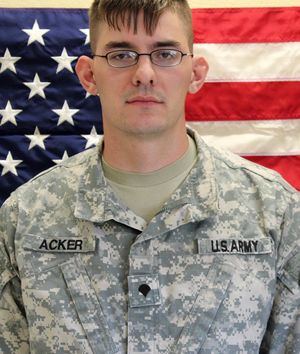
Fort Hood Army Spc. Bradley Acker, 25, was found dead at his off-post residence in Copperas Cove, Texas on October 7, 2016. Spc. Acker’s home of record is listed as Canandaigua, New York and he joined the Army in October 2010. Spc. Acker was reclassified as an aircraft power plant repairer and was assigned to 1st Air Cavalry Brigade, 1st Cavalry Division at Fort Hood in 2014. The Copperas Cove Police Department ruled the cause of death was self-inflicted.

Related Links:
Spc. Bradley Michael Acker, 1st Cavalry Division
Army identifies Fort Hood soldier found dead in his home
Fort Hood Soldier found unresponsive, identified
Fort Hood Soldier found dead in home identified
Fort Hood: Soldier found dead in residence identified
Fort Hood officials ID soldier found dead in Cove
Soldier Found Dead At Fort Hood, 13th Body Found Since September
Violent Crime, Suicide, and Non Combat Death at Fort Hood, Texas
Army Soldiers at Fort Hood in Texas Are Dying at Alarming Rates Stateside (January 1, 2016 to Present)