Who Killed Jane Doe? Premiered ‘A Girl Has No Name’ on Investigation Discovery: Jovita Collazo & Michael Eugene Richardson (January 30, 2018)


Apple Valley in California’s Mojave Desert is the perfect place to hide a secret. When the body of an unidentified Jane Doe is discovered there in 1994, it takes almost two decades to bring a twisted tale of love, jealousy, and a horrible crime to light. -Who Killed Jane Doe, Investigation Discovery

MJFA Link:
Navy Spouse Jovita Collazo Disappeared from San Diego, California; 23 Years Later Found Murdered; Michael Richardson Convicted, Life Sentence (April 30, 1992)

Editor’s note: With a cable subscription, you can download the free ID Go app and watch all of the Investigation Discovery programming at your convenience. And for those who do not have cable, you can watch “unlocked” episodes on the ID Go app including the latest premieres. Download the ID Go app and binge away. For those who prefer commercial free programming during your binge session, Prime Video has an ID channel: ‘True Crime Files by Investigation Discovery” available for $2.99 a month. It’s a compilation of older seasons but totally worth the cost if you are a true crime addict.


A startling development in the case of Jovita Collazo, the Southern California Filipina who went missing in 1992. -TFCBalitangAmerica

Related Links:
DNA hit solves 1992 murder-mystery
Remains of Jovita Collazo Found After 23 Years
Remains Identified as National City Woman Missing Since 1992
Human remains identified as missing woman last seen in 1992
Remains found in California in 1994 ID’d as missing Filipina
Bones found over 2 decades ago identified as missing Pinay
Bones found over 2 decades ago identified as missing Pinay 2
Skeletal remains of missing Pinay found after 23 years
Body of Calif. woman identified two decades later
Body of woman who vanished in 1992 found in desert
Body of missing Filipina in Calif. identified over two decades later
Slain Body of Jovita Collazo Found Decades Ago in a Desert Grave IDd in CA
Man accused of killing wife and mother-in-law charged with murdering girlfriend
New charges against husband accused of double slaying
Cab Driver Attacked by Murder Suspect Michael Eugene Richardson Tells His Story
Man stands trial for three murders
Richardson to Stand Trial for 3 Murders and Statutory Rape of Niece, Judge Rules
Preliminary hearing begins for man accused in three murders
Testimony Begins for Poway Businessman Accused of Killing Wife
Niece Testifies In Hearing For Man Charged With 3 Murders
Man admits killing wife, her mother
Chula Vista Man Admits to Killing 3 Women
Admitting 3 murders means life sentence
Former Poway Business Owner Pleads Guilty to 3 Murders
Man pleads guilty to three murders, including wife and mother-in-law
San Diego man gets 6 life terms for triple murders
Bones found over 2 decades ago identified as missing Pinay
“A Girl Has No Name” | Who Killed Jane Doe? | Investigation Discovery

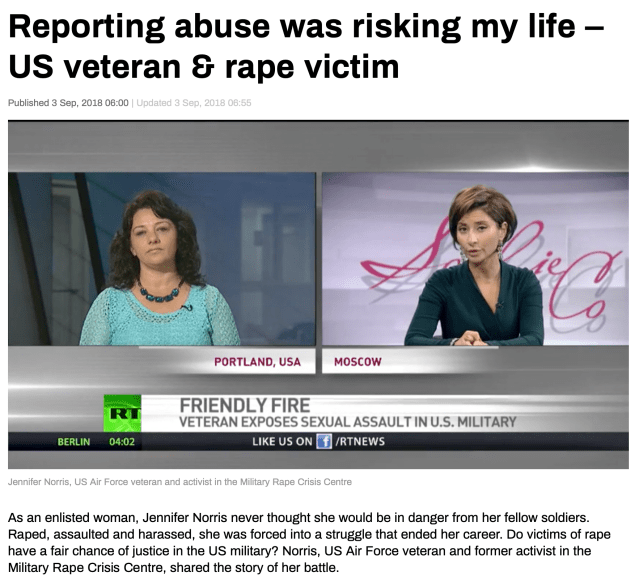
Reporting abuse was risking my life – US veteran & rape victim | Sophie and Co | RT (January 12, 2018)

Reporting abuse was risking my life – US veteran & rape victim

Correction: Jennifer Norris is not an advocate for MRCC. She left the organization in March 2014.

We hear a lot about #weinstein and the latest, but Jennifer Norris, who served in the US Air Force, has been talking about sexual assault for years. And in the military, reporting rape means endangering yourself. Watch this brave woman speak here https://t.co/1ipeI3SWP6 pic.twitter.com/TAjiVjmdDS — SophieCo (@SophieCo_RT) January 12, 2018

As an enlisted woman, Jennifer Norris never thought she would be in danger from her fellow soldiers. Raped, assaulted and harassed, she was forced into a struggle that ended her career. Do victims of rape have a fair chance of justice in the US military? Norris, US Air Force veteran and former activist in the Military Rape Crisis Centre, shared the story of her battle.

Sophie Shevardnadze: Jennifer Norris, retired U.S. Air Force veteran, former activist in the Military Rape Crisis Centre, who herself had firsthand experience of sexual assault in the military, thank you for joining us on this programme. I want to start right away, the first time this happened, you were drugged by your recruiter – did he trick you into having sex with him? Do you have any recollections of how the incident happened?

Jennifer Norris: When I look back on this incident I realise that I was actually tricked by this man into going to the party to begin with. He had told me that there was a new recruit party for other recruits. I was excited to go and meet them because they would understand exactly how I felt. So he had ill intentions from the gitgo. When I got there there were no new recruits, I was the only one.

SS: How many times were you subjected to sexual assault or abuse? Was it just one case?

JN: It started with that one case and I thought that maybe it would be over after that, that I was just unlucky at the wrong place at the wrong time, so I pushed forward. But, unfortunately, as I entered the military service it happened again and again, and again within the first two years of service. 

SS: Tell me this – why didn’t you report it straight away, after that first time?

JN: I didn’t report the first time because I hadn’t even gone to basic training yet and I didn’t really know what to say. I didn’t even know where to go: if I was supposed to go to a commander in the military, if I was supposed to go to the police department. I was completely clueless as to what sexual assault, rape and harassment were at that time. So I just tried to soldier on, move on with the career that I was looking for doing for at least twenty years.     

SS: So what happened after you were assaulted? What did you feel? Was it guilt? Was it shame, uncertainty? 

JN: It used to be shame because I used to feel like an idiot for going to this person’s party. But after years of counseling and working with rape victims’ advocates I learnt that predators operate in much the same way: they are very manipulative and they will set you up for an attack or they will take advantage of an opportunity. So now I realise it was a calculated crime but it took me years to realise that.  

SS: So for those who haven’t faced this kind of ordeal, but danger is always there, tell us how these manipulators actually trick their victims into it? How do they lure you in?  

JN: I think, they do what you would call ‘grooming’, they make you believe that they are trustworthy and that they are going to take care of you, and it almost seems that it is too good to be true. When you are naive, you don’t necessarily realise that not everybody is speaking at face value. So as an 18-year-old or even a 24-year-old it’s easy to fall prey to the niceties because you don’t know that there’s evil lurking behind it. And I think that’s the real danger of this kind of people and how they operate is that they are able to get to us based on the trust that’s been established. In the military we are depending on each other in every way, especially in trust.   

SS: So how old were you when that happened? Like, eighteen?

JN: No, I was actually 24. I had already graduated from college, as a social worker I worked in the field for a couple of years. As a case manager I worked on a suicide crisis hotline, then I decided I wanted to go and get my master’s degree and the military offered the GI Bill that could help me accomplish those goals. So that’s the No.1 reason why I joined aside from being patriotic and wanting to give back and being involved in something that was bigger than myself. I was completely clueless as to what was in store.    

SS: Ok. One woman who went through a similar ordeal – Air Force Sergeant Marti Ribeiro said, “The military has a way of making females believe they brought this upon themselves.” Did you feel that as well? 

JN: Yes.

SS: Did you blame yourself for what happened?

JN: I did for the longest time especially with the recruiters incident. If I knew as soon as I walked through that door that there was danger but it was too late to turn back… That particular incident taught me a lot of how to take care of myself in the future. Unfortunately, if you are working for someone who’s assaulting you you can’t escape them. So now I don’t have shame or blame or any of that stuff any more as far as what I did. All I did is go to work in uniform and these people took advantage of their power and opportunity. That’s what we’re trying to change, it’s taking more seriously if someone does in fact abuse their power in that kind of setting.

SS: I’m trying to figure out the psychological aspect of it – how did the military structure make you feel guilty about what had happened and not the other way round? 

JN: I understand. So, given the way that you report currently in the military is not that you go to a police office to report a crime. You are supposed to report it to your commander. In my particular case and in a lot of soldiers’ cases the commander also has a relationship with the perpetrator and he may have known the perpetrator way longer than he knows you. So what it does it creates an atmosphere of intimidation that when you see your commander hanging out with the guy who assaulted you, then you feel like “Oh, wow, he’s not going to take me seriously, it looks like they both are really good friends”. And then when you do go ahead and do a report the first thing the defense attorney start looking into is whether or not you did this, you did that, how did you conduct yourself. They immediately go into that you shouldn’t have been in this place, if you hadn’t that wouldn’t have happened. They could have done that to me too. But it’s not our fault that we thought we were attending what we were supposed to be.        

SS: Jennifer, I’m thinking, there are also other women in the military, they are compassionate  creatures, you could have shared your story with them, they certainly would have understand what you went through, especially if this happens all the time. Maybe there were other women alongside you who were actually subjected to sexual assaults – did you share your story with any of your female peers?

JN: What I’ve learnt is that, first of all, I was one of very few women in my squadron. There may have been, if we were lucky, three of them and one of them is administration personnel, and maybe there was another one in another shop. But I was the only female working for satellite communications in combat communications. So, no, I didn’t have other females that I could turn to and say “hey, this has happened to me”. As the matter of fact, I didn’t want anyone to know that this had happened to me because I didn’t want to be judged. Unfortunately, it appears that once people learn that you’ve reported a sexual assault or may have been involved in an incident they become scared of you instead of being scared of the perpetrator. They think that you are going to be hypersensitive too if they swear or if they say something, you know, offensive when in fact it’s not going to be that way at all. So there’s a culture of fear built up in the military. And I think that’s why they want to automatically blame it on a woman because if she goes away the problem goes away and they can get back to work as normal. 

SS: Human Rights Watch reports a very dire picture of what happens to the victims of sexual assault. They say that these people are being “spat on, deprived of food, assailed with obscenities, threatened with ‘friendly fire’ during deployment…discharged for misconduct”. Is it true? Is it really that dangerous to come forward?

JN: It is. In some cases it just depends on your situation. If you are isolated you are in a way more danger than, say, other people would be on some big base that has security forces in a JAG office. But if you are in some place like the Azores or some other random location across the world all you have is the people that are with you. Then yes, you could be in grave danger if in fact someone harms you and threatens you and says that if you say anything they will kill you. It happens, I’ve researched this. We have had non-combats deaths occur overseas that include homicide and unsolved cases that nobody is talking about. That’s what we are trying to tell people is…

SS: Did you get any threats? Were you threatened?

JN: Yes, not only was I threatened, but I was physically beaten after I reported by one of the perpetrators’ friends. The entire squadron turned on me. I was automatically the liar. Even though they didn’t know the circumstances and even though we did have proof and we were able to move forward with two of the four cases the other people in the squadron didn’t know what happened and they believed the perpetrator who was able to tell them the story while I was at some other squadron waiting for the case to go through.

Reporting abuse was risking my life – US veteran & rape victim

SS: But see, for me it’s just mind-bogglingthat you were standing there harassed, assaulted in the open with other people standing by and not interfering. How come no one interfered? Why didn’t troops come forward for a fellow soldier? 

JN: Well, I did have a couple of people that had my back along the way. But it felt more like it was a culture of fear, like, nobody dared to stand up to those who were higher-ranking if they were the ones that were doing the harm because they were afraid it would have backlash on their career. Now I don’t have respect for those people who didn’t stand by and take a stand and support the ones who were actually being harmed. But along the way there were some silent people that came up to me and said that this person had done this to them, that that person had done that to them etc. So people would open up along the way but they wouldn’t take it as far as I did and actually report. Although I must say it was because of the senior master sergeant that I finally confided in. He’s the one that finally convinced me to report the four individuals to the commander. 

SS: Iraq veteran Chantelle Henneberry says she was less scared of enemy fire than the men she served with. She recalls she would drink less water to avoid going to the bathroom in the night, she was so terrified of being harassed – why do women even join the army despite hearing all these horrific stories?

JN: I think that it boils down to that people don’t think it would happen to them. And that’s just typical of society, you don’t think that bad things are going to happen to you. I had the same mentality before I joined too. So they want to follow their dreams and they want to do what they want to do and some of us dream of being in the military, retire, do great things and move women forward. So I think that’s normal, that’s ok.

SS: The United Nations is speaking out about the problem of sexual assault in the U.S military, saying it needs to ‘ensure effective prosecution of offenders’. Is this going to make any difference?

JN: Absolutely. Right now, the prosecution rate for sexual assault is less than 10% compared to the civilian world which is at least 40%. That’s what we are trying to say – if people are raped or assaulted and then report we would like these cases to be taken seriously. Right now, like I spoke to you earlier, you have to report the crime to your commander. They are not legal professionals, they are no Special Victims Unit. They do not understand how these things work. And what we want is to be able to report to a police department or a law enforcement professional, someone who understands how these people are working and cannot be manipulated by them. 

SS: For years, activists and lawmakers in the United States have tried to change this protocol – but leaders in the military are against bringing civilians into bases to investigate alleged assaults – why are they against it? And why are they winning this debate?

JN: Because they are able to protect their institutions if they are able to keep everything in house, and that’s exactly what they do. They want to stamp it out before it gets out to the public whereas we want this out in the public so that people know who these offenders are and can be on alert. They don’t just offend people in the military, they offend people in our communities as well – their wives, their children… So it’s not just a military issue, it’s a societal issue and I think, it would be way more effective if everyone reported to a police department where all the crime data was kept in one place.

SS: Do you think completely removing sexual assault cases from the military chain of command would actually solve the problem?

JN: I think standardizing the justice process in general to have it synced with the civilian society, meaning data basis connected, whether it’s the civilians that try the perpetrator or it’s the military that tries the perpetrator… Everyone should be talking so that we can connect the dots on who’s doing what where because it makes it a little bit more complicated with the military personnel who can transfer all over the country and to different parts of the world. We need all the data collection to be put into a system so we can actually track what these people have done through the course of time and be able to move forward with cases that may win as opposed to he-said, she-said incident. 

SS: So, Jennifer, I’m thinking, maybe there should be more women in the U.S. military? If there were more women in high-ranking positions being able to kick butt especially to the men who are potential assaulters? What do you think? Should there be more women in the U.S. military?

JN: That would be ideal. Although we have to take into account that over a half of victims in the military, actually 53% of them are males. So this is not a female issue necessarily. We are at higher risk because we’re seen as a weaker sex. But predators do not discriminate: they are harming both men and women in the military. A lot of media have been trying to cover the issue but we have just not been able to get the footing with it, but people need to know that over half of the victims are men in the military. 

SS: There are crazy numbers: according to HRW, only 5 percent of sexual assault cases in the U.S. military lead to convictions of the perpetrators. What happened to the man who assaulted you? Was he punished?

JN: Yes. The recruiter skipped town after I threatened to report him to the commander, unfortunately. So we couldn’t do anything with that case. The technical instructor that assaulted me in Keesler, Mississippi – we had no jurisdiction over because he was active-duty and I was considered National Guard. And the other two were both National Guard members who worked with me, and we were able to move forward with cases. But by the time it went up the chain of command it got minimized from sexual assault to sexual harassment they both retired with full benefits after 20 years of service. 

SS: The Pentagon keeps saying that programs are implemented, changes are being made, and the problem is being solved – is it all a lie?

JN: I don’t think it’s all a lie, but I definitely think they sway the media to see things in a certain way. For example, although the numbers may have gone down from 26 thousand to roughly 19 thousand in the last couple of years and they’re bragging about a 30% increase in the reporting it means nothing. And what the civilian world doesn’t understand is that in the military you can report a crime under two different guises: either restricted or unrestricted. If it’s restricted that means that nobody is supposed to know about it including your commander so you can go forward and get some help. If it’s unrestricted then it turns into a full-blown investigation if, in fact, your commander agrees to move forward with the case which is another sticking point. So people need to realise that although the reporting has gone up it’s been restricted reporting which is not helping us catch these criminals. They are still not being reported. You might get some help but they are still moving along in their careers assaulting other people while the latest victim is just getting help. 

SS: You now work with those who went through the same as you did – are you seeing more cases of women speaking out, has the situation gotten better?

JN: I think awareness has definitely gotten better around the issue. There’s way more talk within the military and outside in the veteran community to address getting help after someone has been traumatized by an incident like this. So that has definitely improved. I actually benefited greatly from programmes that have come up as a result of our advocacy with military sexual assaults. So for that I’m thankful. As far as the military justice system and policy goes it’s the same thing it has always been – nothing has changed whatsoever. As far as the court issue we’ve been trying to address which is taking the commander out of the decision-making process as far as you can move forward with the case. We just want law enforcement professionals, detectives and investigators to deal with these cases, not a commander who’s great at war but has absolutely no idea how the legal process works and what sexual assault is. I shouldn’t have reported it to my boss.

SS: What do you do for the victims, how are you helping them?

JN: What I do is I empower them. When I did worked as an advocate I actually would help them deal with their cases as they were moving along in the process and I noticed the same patterns over and over. What I do now (and it was actually hard to do it before we could change things) is focus on helping them to heal despite not being able to get justice, trying to find a place of faith and comfort in yourself to know that you didn’t do anything wrong. It’s just the system that isn’t working well and it needs to be changed, and there’s nothing we can do about it right now except to take care of ourselves and hope for the best in the future. 

SS: You mentioned earlier that it’s not just men-women problem and that 51% percent of those assaulted being men. I’ve read a recent survey by the American Psychological Association that says the number of men facing sexual assault in the military is 15 times higher than reported by the Pentagon. That would mean up to 210 thousand men are assaulted in one year. Is that number correct? Is it a right calculation? And do you help men as well? 

JN: Yes, whoever needs help and comes to me – I will assist them as best as I can. That actual study from the American Psychological Association was retracted. They used not a very good way to determine those numbers. It wasn’t correct so it was retracted. It’s not actually that high. But it doesn’t really matter. It’s still high enough that it should be a concern. The actual number that I shared with you is that roughly 53% of victims of military sexual assault are males. It’s not a female soldier issue, it’s a predator issue and that’s what we’re trying to tell people. 

SS: Jennifer, thank you so much for sharing this story with us. Thank you so much for empowering women who want to do the same thing that you did. Thank you so much for being so brave and outspoken. And I hope that you’ll win over Pentagon. 

JN: Thank you.

Related Links:

Marine Vet & Civilian Contractor Kenneth Gadson Found Guilty of the Rape & Murder of Rina Shimabukuro; Sentenced to Life in Japanese Prison (December 1, 2017)

Screen Shot 2016-08-04 at 6.43.13 PM
Kenneth Gadson, USMC Veteran

On May 19, 2016, Marine Corps veteran, Kenneth Gadson, was arrested for the rape and murder of Rina Shimabukuro, 20, a Japanese citizen he chose at random. Gadson was working as a military contractor in Japan and used his wife’s Japanese family name Shinzato. Gadson admitted to the rape and murder of Rina on April 28, 2016 but claimed it was not premeditated. Gadson’s attorney requested that jurisdiction of the case be changed to the Tokyo District Court to ensure a fair trial for his client as the crimes sparked outrage in Okinawa resulting in protests and demands that the US military leave Japan. Gadson was tried for the rape and murder of Rina in a Japanese courtroom and found guilty of rape and murder on December 1, 2017. As punishment, Gadson was sentenced to life with hard labor in a Japanese prison. Gadson appealed the guilty verdict but that appeal was denied.

Related Links:
Former Marine is prime suspect in murder of Okinawa woman
Ex-marine now prime suspect in Japan rape-murder
Okinawa suspect married to local woman; couple have infant
Former U.S. Marine arrested in Okinawa over murder case
U.S. military contractor arrested after Japanese woman’s body found, sparking outrage on Okinawa
Ex-U.S. vet’s arrest in Okinawa woman’s death stirs outrage
Ex-U.S. Marine charged in 20-year-old woman’s rape, murder
U.S. Contractor Kenneth Shinzato Charged in Okinawa Murder
Former Marine charged with murder, rape in Okinawa woman’s death
US military worker on Okinawa is arrested on suspicion of killing Japanese woman, 20, just days before Obama is due to visit Hiroshima
Outrage in Japan as U.S. Marine veteran arrested in connection with death of woman on Okinawa
Massive rally to protest ex-Marine’s arrest in killing of Okinawa woman
Thousands to call for US troops’ exit from Okinawa
Abe Voices Outrage After Former U.S. Marine Is Arrested in Okinawa Killing
Japan ‘outraged’ after US airbase worker arrested in murder case
Okinawa base imposes curfew on US troops after woman’s death
4th of July canceled after ex-marine’s rape & murder of Japanese woman
US military lifts some restrictions on sailors in Japan
The Suitcase Murder Tearing the U.S. and Japan Apart
Trying to find U.S.-Japanese harmony amid the discord of a death in Okinawa
Defense attorney says Okinawa confession made in a daze
Defendant in Okinawa slaying seeks change of venue
US Military Worker Wants His Murder Trial Moved off Okinawa
Shinzato’s murder trial must be held in Okinawa: Supreme Court
Former Kadena worker reveals gruesome details of Okinawan woman’s death
Former U.S. Marine charged with raping, killing Japanese woman says he heard voices in his head and fantasized about kidnapping
Gadson pleads not guilty to Okinawan woman’s murder, but admits other charges
Base worker sentenced to life with hard labor for slaying of Okinawan woman
Retired US Marine sentenced to life in Japan for rape-murder of Okinawa woman
Okinawan murder victim’s family to seek compensation from US government
Appeal denied for ex-base worker convicted of Okinawan woman’s slaying
Okinawa has been eager to expel U.S. troops. A murder-suicide is pouring fuel on those flames.

Are More Male’s Victims of Violent Crime in the United States Than Females?

fbiJ4e0
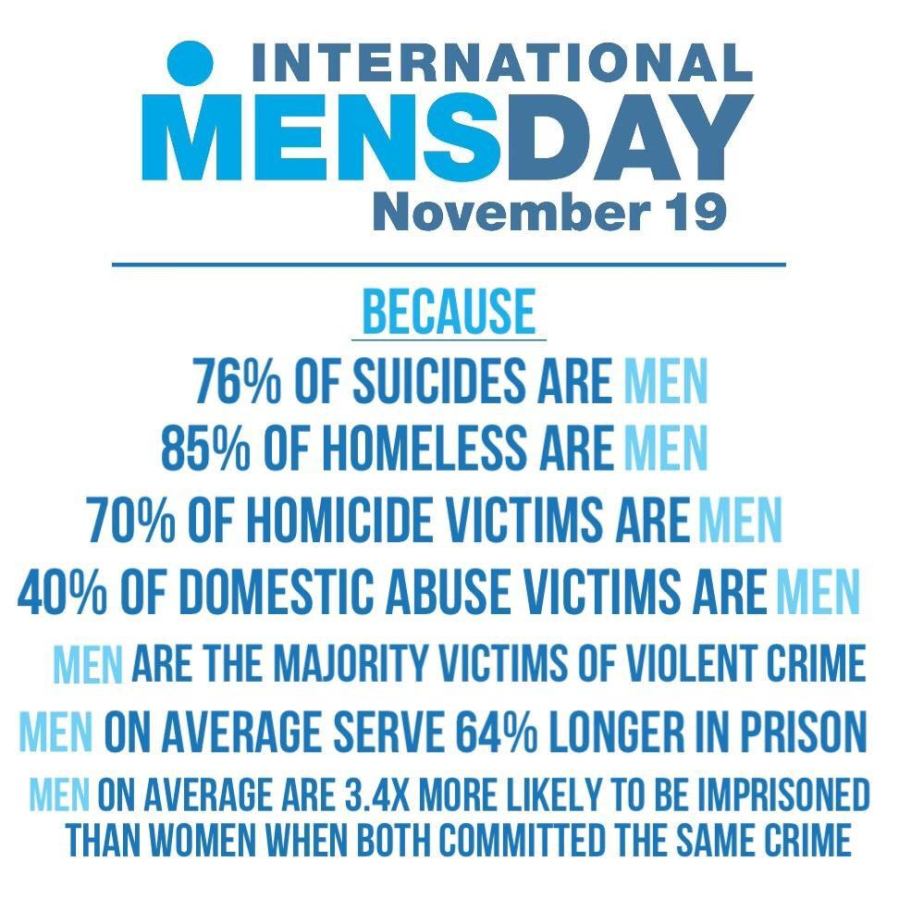
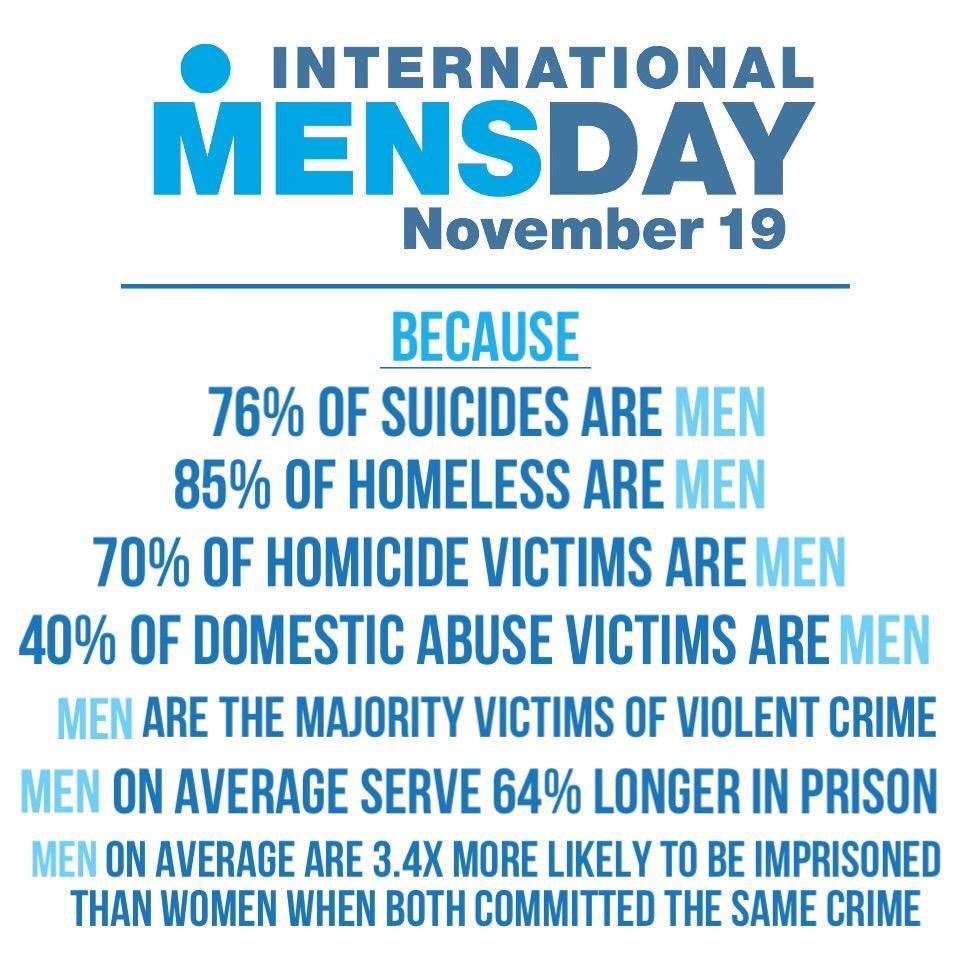
This post was inspired by International Men’s Day and a quest to find the truth on the internet. Are men in the US the majority of the victims of crimes?

This research was inspired by the above graphic. My initial research so far for the military backs these numbers so I feel that it is fair to say more men in the military are victims of crimes than women. We have more military men than women so that only makes sense. By the numbers we have roughly 85% males and 15% females. We know more military men have died by suicide or “non combat death” while in service than military women. We know male veterans make up the majority of the homeless mostly due to mental health and substance abuse issues. We don’t know the percentage of men in the military who have been murdered versus the number of female service members. But we do know that the research so far reveals more men are murdered than military women while serving. The number that may throw this off is how many military men are murdering their spouses and significant others and/or members of their family. So more research has to be done.

The Department of Defense hasn’t included the military spouses in the data thus far nor have they included civilians who have been victims of crime by military members. But we know they exist because we try to track all victims of crime perpetrated by a military member on this website in an effort to honor them. Today we featured 30 cases of domestic abuse that led to the homicide of a female spouse or soldier. We have concerns about domestic violence in general especially since we learned that upwards of 40% of males are victims of domestic violence in the United States. We believe it. Since the majority of members in the military are males, we have found multiple cases of men getting targeted by mostly female civilians and then abused and murdered for their benefits and life insurance. In some cases they reported the domestic violence but in most cases they don’t. Why are men less likely to report when they are a victim of domestic violence? Are they being threatened? For example, “I will ruin your career” comes to mind. This is something that needs to be explored further.

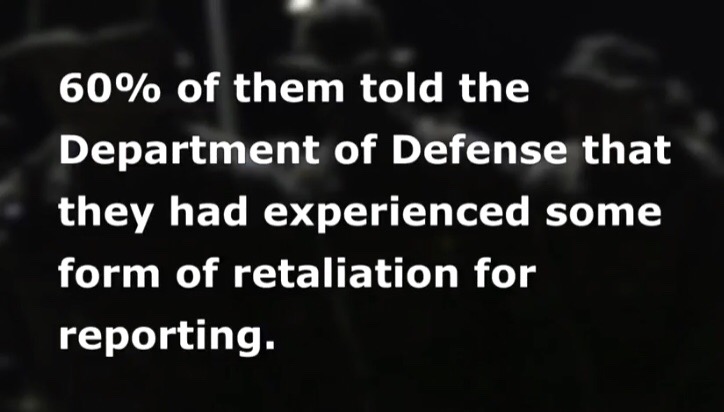
Our new concern is that military men are being falsely accused of sex crimes in an effort to make divorce go in the spouses favor or they have been exploited by a service member looking for a new assignment, to get out of a financial obligation, to get an early retirement, and also the Department of Veterans Affairs financial monthly benefits, about $3,000 a month for someone who is 100% disabled. Although sexual assault isn’t specifically mentioned in the above graphic, we also know that the majority of military men are victims of sexual assault and rape but are the least likely to report. We’ve also learned that about a 1/3 of female victims of crime in the military report and 60% of those females report they experienced both perceived personal and professional retaliation as a result of that report, in a lot of cases the report eventually ends the career. And this may be why so many victims of sexual harassment, sexual assault, and rape in the military do not report, specifically men. The military career is an investment that most of us don’t want meddled with.

The military career is our retirement plan, it’s a financial asset. We don’t want to risk losing our careers in the long run because we know a report of a crime or a diagnosis of Post Traumatic Stress Disorder will make us “unfit for service.”

Our number one goal was to find out if more males are victims of violent crime than females, not that it matters because all people are important. But if you try to find the statistics out there, you will find that they are buried by media reports of how many women are murdered by intimate partner violence, pregnant women are especially at risk. Whereas males are more likely to be the victim of a crime perpetrated by a stranger. Make sure and check out The Red Pill trailer below to find out why Men’s Rights Advocates are fighting for their fellow males. Women do it all the time and there’s no reason they can’t either but they are getting judged, villianized, and demonized for their very important and necessary work. It’s time to step it up for men who die by homicide and suicide; and it’s time we teach them it’s okay to reach out for help whether they have combat PTSD or were a victim of crime.

Broad studies have revealed certain trends within crime and victimization patterns. Adolescents are most likely to be victimized. Men become crime victims more often than women do, and blacks experience more crime than other racial groups. –National Institute of Justice

  • More men are murdered than women, mostly gun violence
  • Men are more likely to be murdered by a stranger than a women
  • Women are more likely to be murdered by an intimate partner
  • Pregnant women are at most risk of homicide by an intimate partner
  • More men than women are raped and sexually assaulted in the military
  • More men than women in the US are raped if you include prisons
  • Men make up 40% of domestic violence cases in the US
  • Adolescents leading cause of death is homicide
  • More men commit suicide than women
  • More men commit crime than women
  • Women rape, abuse, bully, and kill

2009:
Who is Most Likely to be a Crime Victim?

2010:
More than 40% of domestic violence victims are male, report reveals

2011:
Most likely to be a homicide victim?

2012:
CDC Study: More Men than Women Victims of Partner Abuse
Why Are Men More Likely To Be Homeless?

2013:
Gun Suicides Outnumber Gun Homicides
Victims of sex assaults in military are mostly men
More men are raped in the US than women, figures on prison assaults reveal
Men, Young Adults Make Up Majority of Gun Homicide Victims
NYPD stats: 70% of shooting suspects in first half of 2013 were black
A competition of suffering: Male vs. female rape
Is homelessness a men’s issue?

2014:
Criminals, Victims and the Black Men Left Behind
Serial Killer Myth #3: They Are All Men
Serial Killer Myth No. 5: All Victims Are Female
The Surprising Truth About Women and Violence
Our attitude to violence against men is out of date
Alcohol linked to more homicides in US than any other substance
When Men Are Raped
Woman As Aggressor: The Unspoken Truth Of Domestic Violence
Only one percent of male military victims report sexual assault
Phoenix-area murder stats: Most victims young men

2015:
An Unbelievable Story of Rape
White Females Are Rarely Murder Victims or Perpetrators
Most Victims Are Men: 5 Realities Of Rape In The Military
The Number of Male Domestic Abuse Victims Is Shockingly High — So Why Don’t We Hear About Them?
SNAPSHOT: Male Victims of Violent Crime
Criminal sentencing: Do women get off easy?
Baltimore records deadliest month in more than 40 years

2016:
The Understudied Female Sexual Predator
Yes, Male Victims of Domestic Violence Exist & It’s Time to Talk About It
Male hazing most common type of sexual assault, expert reveals
When No One Calls it Rape: Addressing Sexual Violence Against Men & Boys
Gun crime victimizes men the most—which is also why it’s so hard to stop
Murders by Women Differ from Those by Men, Study Says
Chicago: 75% of Murdered Are Black, 71% of Murderers Are Black
Sexual Victimization by Women Is More Common Than Previously Known
Why are we shocked when women commit violent crimes?
Military Sexual Assault Victims Discharged After Filing Complaints
Victims and Victimization – National Institute of Justice
Why Are There More Homeless Men Than Women?
7 Statistics You Need To Know About Black-On-Black Crime
Killings in Compton have tripled this year, rattling nerves and testing a key anti-crime initiative
More than 60 shot in Chicago over July 4th weekend
Chicago surpasses 600 homicides in 2016 and is on pace to have its deadliest year in two decades
Homicides in Charlotte rise to a 6-year high

2017:
The Alienating Parent – A Voice for Men
African Americans Are Eight Times More Likely to Be Victims of Homicide Than Whites, Says CDC
CDC: Half Of All Female Homicide Victims Are Killed By Intimate Partners
After Weinstein: The Fallout for 34 Men Accused of Sexual Misconduct, From Lewd Texts to Rape
Conyers steps down from House Judiciary Committee amid sex harassment claims
Military wife, model sexually assaulted by senator while on USO tour
Lindsay Menz, Sen. Al Franken Accuser: 5 Fast Facts You Need to Know
Al Franken, under pressure to resign, vows to ‘learn from my mistakes’
Roy Moore Feeding Frenzy Displays A Society Murdering Due Process
Inside the First Men-Only Domestic Violence Shelter in Texas
Male victims of domestic violence are being failed by the system
A panic is not an answer: We’re at imminent risk of turning this #metoo moment into a frenzied rush to blame all men
Poor people are more likely to be victims of violent crimes, says report
What Domestic Violence Against Men Looks Like
Violence and Homicide Among Youth
Las Vegas Valley homicides keep pace with 2016 numbers
America’s murder rate is rising at its fastest pace since the early 1970s
71 people have died in homicides this year in OKC
Fort Worth responds to spike in crime: ‘We needed to do something, so we moved quickly’
Homicides Down in DC; Some Nearby Counties See Notable Increase
Police identify victim, suspect in Charlotte’s 56th homicide of 2017
In Baton Rouge, We’re Dealing With A Hurricane Of Murders

In the News:
I didn’t Know – Angry Staff Officer
Navy Grounds Whidbey Crew After Lewd Skywriting Incident
A Teen Vogue writer said she didn’t feel bad about sacrificing “innocent men” and got what she deserved
Hugs Are Rape And Compliments Molest Me: How #MeToo Became A Toxic Feminist Movement
Lena Dunham’s Rape Virtue-Signaling Comes Back To Haunt Her
International Men’s Day: FIVE Female Killers who Murdered Soldiers, Veterans and Spouses
30 Domestic Abuse Cases in the Military That Ended in the Murder of Female Partners
A List of Soldiers Targeted & Murdered for the Servicemen’s Group Life Insurance Benefits (SGLI)
Meeting The Enemy: A feminist comes to terms with the men’s rights movement
You Can Get PTSD From Staying In An Emotionally Abusive Relationship
Leading Causes of Injury Deaths by Age Group Highlighting Violence-Related Injury Deaths, United States – 2015

How do we stop the retaliation from happening so victims of crimes in the military feel safe to report?

Even if you do go forward with a case and it’s adjudicated in your favor, it’s the retaliation that kicks our ass and de-rails our careers. Why is this happening? If you wonder why some who have been assaulted have severe PTSD, it’s the retaliation compounding the original trauma. And if you don’t report and try and soldier on, it catches up with you anyways in the form of behavioral issues and suicidal ideation. How do we stop the retaliation in the military from happening so victims of crimes feel safe to report?

Related Links:
Home Base Veteran Story: Jennifer & Lee Norris
Personal Story and Testimony of TSgt. Jennifer Norris, US Air Force Retired, Before the House Armed Services Committee in Washington DC (2013)
Military Policy and Legislation Considerations for the Investigations of Non Combat Death, Homicide, and Suicide of US Service Members
Massachusetts School of Law Interviews Veteran Jennifer Norris About Violent Crime in the Military & Post Traumatic Stress Disorder
What Happens When a Rape is Reported in the Military?

Military Justice Improvement Act Targets Sex Assault (Nov. 17, 2017)

The Generation Why Podcast Featured the Suspicious Death of Army Pfc. LaVena Johnson in Balad, Iraq: Was It Suicide or Murder? (November 19, 2017)

Generation Why Podcast
The Generation Why Podcast

“Death of LaVena Johnson. July 19, 2005. Balad, Iraq. Nineteen years of age and recently deployed to Iraq, LaVena Johnson had everything going for her. A great education, determination, goals, and a great family. In letters and calls to home, she seemed quite candid about conditions there, both the good and the bad, but was also looking forward to being home for Christmas. On July 19th, though, a grim discovery was made. LaVena was found in a contractor’s tent, dead from an apparent gunshot wound to her head. An aerosol can was used to burn printed emails from a recent boyfriend. The Army ruled her death a suicide. Upset over the recent breakup with her boyfriend she must have hit her breaking point. The first autopsy didn’t really find anything to question this as a suicide. The Johnson family had her exhumed and two additional autopsies would make some startling discoveries. LaVena Johnson had suffered a broken nose, loose teeth, a black eye, and chemical burns on her genitals just to name a few. The Johnson family never believed that LaVena would take her own life and despite the questions surrounding her death, no one seems to want to go beyond saying that this case is ‘inconclusive’. Join us for a difficult discussion of losing a loved one under mysterious circumstances, not getting answers from investigators, and the possible reasons for why LaVena Johnson died back in 2005 in Iraq.” –Death of LaVena Johnson, The Generation Why Podcast (November 19, 2017)

Related Links:
The Generation Why Podcast (website)
The Generation Why Podcast (Facebook)
The Generation Why Podcast (Twitter)
Death of LaVena Johnson | The Generation Why Podcast (website)
Death of LaVena Johnson | The Generation Why Podcast | Stitcher
Death of LaVena Johnson | The Generation Why Podcast | RadioPublic
Death of LaVena Johnson | The Generation Why Podcast | PlayerFM
Death of LaVena Johnson | The Generation Why Podcast | PodBean
Death of LaVena Johnson | The Generation Why Podcast | TopPodcast
Death of LaVena Johnson | The Generation Why Podcast | Poddmap
Army Pfc. LaVena Johnson Died of Non Combat Related Injuries in Iraq; Death Ruled Suicide But Independent Autopsy Revealed Rape & Murder (July 19, 2005)
‘The Silent Truth’ Documentary: The Rape, Murder & Military Cover-Up of Army Pfc. LaVena Johnson in Iraq (July 1, 2014)
Crime Junkie Podcast Featured the Suspicious Deaths of LaVena Johnson & Tina Priest in ‘Conspiracy: Women in the US Military’ (October 22, 2018)
Military Policy and Legislation Considerations for the Investigations of Non Combat Death, Homicide, and Suicide of US Service Members
15 Active Duty Cases That Beg for Prevention Efforts, Military Justice Reform, and the End of the Feres Doctrine
Six Intriguing True Crime Podcasts Spotlighting Active Duty Military Suicide, Missing, and Murder Cases
15 Movies & Documentaries That Expose the Broken Military Justice System
Non Combat Deaths of Female Service Members in the U.S. Military (Iraq)
The Death of LaVena Johnson (Unsolved Mysteries)
10 Unsolved Military Cases

Death’s Door Podcast Featured the Case of Military Death Row Inmate Army MSG Timothy Hennis (September 14, 2017)

Death's Door Podcast
Death’s Door Podcast

“Timothy Hennis was sentenced to death for the murders of Katie Eastburn and her two daughters, Erin and Kara Eastburn. Katie was a military wife who lived on the Fort Bragg base with her husband and three daughters. This case takes a look at how important it is to follow investigatory protocol and how double jeopardy is actually interpreted in the legal system in a case that spans over two decades. Tune in to find out how this case unfolds, and where it stands today.” –The Case of Timothy Hennis, Death’s Door Podcast (September 14, 2017)

Related Links:
Three Trials for Murder
The Double Jeopardy Case Of Tim Hennis
Death’s Door Podcast (website)
Death’s Door Podcast (Facebook)
Death’s Door Podcast (Twitter)
The Case of Timothy Hennis | Death’s Door Podcast | Stitcher
The Case of Timothy Hennis | Death’s Door Podcast | PlayerFM
Air Force Spouse Kathryn Eastburn & Daughters Cara & Erin Found Murdered in Fayetteville, NC Home; Youngest Toddler Jana Discovered Unharmed (May 9, 1985)
A Military Jury Delivered a Guilty Verdict in a Death Penalty Trial to Retired Army MSG Timothy Hennis for the Triple Murders of Kathryn, Cara & Erin Eastburn (April 8, 2010)
In 3rd Trial, Retired Army MSG Timothy Hennis Sentenced to Death by Military Court Martial for the Murders of Kathryn, Cara & Erin Eastburn in NC (April 15, 2010)
Unusual Suspects Premiered ‘Mother’s Day Murders’ on ID: Timothy Hennis on Military Death Row for Murders of Kathryn, Cara & Erin Eastburn (October 8, 2012)
Military Murder Podcast Premiered First Three Episodes on Veteran’s Day: Stephen Schap, Russell Williams, and Timothy Hennis (November 11, 2019)
Seven Intriguing True Crime Podcasts Spotlighting Active Duty Military Suicide, Missing, and Murder Cases
Four U.S. Service Members on Military Death Row at Fort Leavenworth, Kansas; Army Private John Bennett was Last Military Execution by Hanging in 1961
Tim Hennis murder trials surround double jeopardy issue
Resuming federal executions unlikely to affect military death row

Violent Crime, Non Combat Death, and Suicide at Camp Pendleton, California (US Marine Corps)

USMC

*Research not complete and includes combat deaths.

2017:

Laurel Chasmar, US Marine Corps Veteran: Died in murder-suicide, New Jersey
John Deshaies, Canadian Citizen: Suspect in homicide of Marine & GF in Belize
Drew DeVoursney, US Marine Corps Veteran: Homicide victim in Belize, unsolved
Cody Haley, US Marine Corps: Died after tree fell on him during physical training
Francesca Matus, Civilian: Homicide victim in Belize, unsolved

2016:

Oscar Aguilar, Civilian: Accused of homicide of US Marine, awaiting trial
Esau Rios, Civilian: Accused of homicide of US Marine, awaiting trial
Carlos Segovia, US Marine Corps: Homicide victim in Los Angeles
Ricky Valente, Civilian: Accused of accessory after the fact, homicide of US Marine, awaiting trial

2015:

Sergio Medina, US Marine Corps Veteran: Robbery & physical assault, 6 years
Leonardo Ortiz, US Marine Corps Veteran: Robbery & physical assault, 3 years
Rodrigo Sanchez, US Marine Corps Veteran: Robbery & physical assault, 3 years
Dominic Schraft, US Marine Corps: Found dead with gunshot wound on base

2014:

Erin Corwin, US Marine Corps Spouse: Pregnant, Homicide Victim
Emilio Harvey, Civilian: Homicide victim, child
Christopher Lee, US Marine Corps: Homicide of Erin Corwin, Sentenced to Life
Stanford Morocho, US Marine Corps Veteran: Homicide, sentenced to 15 yrs to life
Sean Neal, US Marine Corps: Non-combat related incident, Iraq

2013:

Alvin Bulaoro, US Army Reserve: Homicide victim
Kevin Coset, US Marine Corps: Accused of homicide, awaiting trial
Karen Lange, Civilian: Attempted murder by AWOL Pendleton Marine
Mathew Marsh, US Marine Corps: Training accident, EOD explosion on base
Gregory Mullins, US Marine Corps: Training accident, EOD explosion on base
David Oppelt, US Army Spouse: Suspected of homicide, under investigation
Imelda Oppelt, US Army Guard Reserve: Homicide victim, death by hanging
Miguel Ortiz, US Marine Corps: Training accident, EOD explosion on base
Eric Summers, US Marine Corps: Training accident, EOD explosion on base

2012:

Clayton Beauchamp, US Navy: Unit attacked with IED, Afghanistan
John Berry, Civilian: Homicide victim of deceased Marine veteran Itzcoatl Ocampo
Amyjane Brandhagen, Civilian: Homicide victim of AWOL Pendleton Marine
Lukah Chang (Danny Wu), US Marine Corps: AWOL, homicide, sentenced to 35 yrs
Ryan Jeschke, US Marine Corps: Died conducting combat ops, Afghanistan
Brittany Killgore, US Marine Corps Spouse: Rape & homicide victim
Matthew Manoukian, US Marine Corps: Died conducting combat ops, Afghanistan
Sky Mote, US Marine Corps: Died conducting combat ops, Afghanistan
Louis Perez, US Marine Corps: Rape & homicide, sentenced to life
Camella Steedley, US Marine Corps: Died supporting combat operations, Afghanistan

2011:

Mario Arias, US Marine Corps: Homicide victim, beat to death in barracks
Yvonne Baldelli, Civilian: Domestic violence & homicide victim in Panama
Brian Brimager, US Marine Corps Retired: Homicide, Panama, 26 yrs in prison
Raquel Estrada, Civilian: Homicide victim of dead Marine vet Itzcoatl Ocampo
Darren Evans, US Marine Corps: Homicide on base, sentenced to life
Adan Gonzales Jr, US Marine Corps: Died conducting combat ops, Afghanistan
Juan Herrera, Civilian: Homicide victim of dead Marine vet Itzcoatl Ocampo
James McGillivray, Civilian: Homicide victim of dead Marine vet Itzcoatl Ocampo
Lloyd Middaugh, Civilian: Homicide victim of dead Marine vet Itzcoatl Ocampo
Itzcoatl Ocampo, US Marine Corps Veteran: Accused of 6 homicides, died in prison
Joshua Robinson, US Marine Corps: Died conducting combat ops, Afghanistan
Paulus Smit, Civilian: Homicide victim of dead Marine vet Itzcoatl Ocampo

2010:

Christopher Boyd, US Marine Corps: Died supporting combat operations, Afghanistan
Max Donahue, US Marine Corps: Died supporting combat operations, Afghanistan
Daniel Fedder, US Marine Corps: Died supporting combat operations, Afghanistan
Floyd Holley, US Marine Corps: Died supporting combat operations, Afghanistan
Kevin Oratowski, US Marine Corps: Died supporting combat operations, Afghanistan
Ronald Rodriguez, US Marine Corps: Died supporting combat operations, Afghanistan
Jose Saenz III, US Marine Corps: Died supporting combat operations, Afghanistan

2009:

Donald Hogan, US Marine Corps: Died conducting combat operations, Afghanistan

2008:

Kevin Cox, US Marine Corps: 2 homicides, sentenced to life, no parole
Stacy Dryden, US Marine Corps: Non-hostile incident, homicide, Iraq
Michael Heflin, Civilian: Beating & stabbing victim, survived
Emrys John, US Marine Corps: 2 homicides, sentenced to death
Summer Lang, US Marine Corps Spouse: Rape, torture, & kidnapping victim
Robert McClain, US Marine Corps Veteran: Rape & kidnapping, sentenced to life
Adam McKiski, US Marine Corps: Died conducting combat operations, Iraq
Tyrone Miller, US Marine Corps: 2 homicides, sentenced to life, no parole
Jan Pietrzak, US Marine Corps: Homicide victim
Quiana Pietrzak, US Marine Corps Spouse: Rape & homicide victim
Kesuan Sykes, US Marine Corps: 2 homicides, sentenced to death
Stewart Trejo, US Marine Corps: Died conducting combat operations, Iraq

2007:

Jon Bonnell Jr., US Marine Corps: Died conducting combat operations, Iraq
Matthew Medlicott, US Marine Corps: Died conducting combat operations, Iraq
Rogelio Ramirez, US Marine Corps: Died conducting combat operations, Iraq
John Tanner, US Marine Corps: Died conducting combat operations, Iraq
Michael Tayaotao, US Marine Corps: Died conducting combat operations, Iraq
Cristian Vasquez, US Marine Corps: Died conducting combat operations, Iraq

2006:

Lawrence Hutchins III, US Marine Corps: Kidnapping, murder of Iraqi civilian

2005: 

Frank Wuterich, US Marine Corps: Accused of role in killing 24 unarmed Iraqis

2004:

Ryan Weemer, US Marine Corps: Acquitted in homicide of unarmed Iraqi detainee

1996:

Cassandra Corum, Civilian: Homicide victim of Marine Andrew Urdiales, IL
Thomas Heffner, US Marine Corps: Attempted homicide victim
Lynn Huber, Civilian: Homicide victim of Marine Andrew Urdiales, IL
Daniel Kidd, US Marine Corps: Homicide victim
Jessie Quintanilla, US Marine Corps: Homicide, sentenced to life
Laura Uylaki, Civilian: Homicide victim of Marine Andrew Urdiales, IL

1993:

Kenneth Cook, US Marine Corps: Homicide of infant child, sentenced to life
Tiffani Cook, US Marine Corps Dependent: Homicide victim
Denise Maney, Civilian: Homicide victim of Marine Andrew Urdiales, CA

1992:

Marilyn Allen, Civilian: Homicide victim, cold case, solved
Jennifer Asbenson, Civilian: Rape & abduction by Marine Andrew Urdiales, CA
Roosevelt Gipson, US Marine Corps: Manslaughter, sentenced to 11 yrs in prison

1991:

Lindell Mitchell, US Marine Corps: Homicide victim, cold case, solved

1989:

Tammie Erwin, Civilian: Homicide victim of Marine Andrew Urdiales, CA

1988:

Julie McGhee, Civilian: Homicide victim of Marine Andrew Urdiales, CA
Mary Ann Wells, Civilian: Homicide victim of Marine Andrew Urdiales, CA

1986:

Robbin Brandley, Civilian: Homicide victim of Marine Andrew Urdiales, CA
Andrew Urdiales, US Marine Corps: Homicide of 8 women, sentenced to death

1985:

Kathleen Allen, Civilian: Missing, homicide victim
Lonnie Bond, Civilian: Missing, homicide victim
Michael Carroll, Civilian: Missing, homicide victim
Jeff Gerald, Civilian: Missing, homicide victim
Brenda O’Connor, Civilian: Missing, homicide victim
Cliff Peranteau, Civilian: Missing, homicide victim
Robert Scott Stapley: Missing, homicide victim

1984:

Richard Carrazza, Civilian: Attempted homicide victim
Paul Cosner, Civilian: Missing, homicide victim
Deborah Dubs, Civilian: Missing, homicide victim
Harvey Dubs, Civilian: Missing, homicide victim
Sean Dubs, Civilian: Missing child, homicide victim
Donald Giulietti, Civilian: Homicide victim

1983:

Charles Gunnar, Civilian: Missing, homicide victim

1982:

Charles Ng, US Marine Corps Veteran: Multiple rapes & 12 homicides, sentenced to death
Donald Lake, US Army Veteran: Missing, homicide victim
Leonard Lake, US Marine Corps Veteran: Multiple rapes & homicide, committed suicide

1980:

Eugene Brunelle, US Marine Corps: Homicide victim
Roy Garcia, US Marine Corps: Homicide of Marine, sentenced to 20 yrs to life

Related Links:
Seven Marines, Navy corpsman charged with murder in Iraqi civilian’s death

Web of Lies Premiered ‘People You May Know’ on Investigation Discovery: Convicted Rapist Uses Fake Profile to Catfish Lorianna Parker on Social Media (February 7, 2017)

Single mom Lorianna Parker is excited when she meets popular good-looking Corey Davis online, and filled with hope as their friendship blossoms. But when she goes to meet him in the flesh, her dream date turns into a living nightmare. -People You May Know, Web of Lies (S4,E1)

Editor’s note: With a cable subscription, you can download the free ID Go app and watch all of the Investigation Discovery programming at your convenience. And for those who do not have cable, you can watch “unlocked” episodes on the ID Go app including the latest premieres. Download the ID Go app and binge away. For those who prefer commercial free programming during your binge session, Prime Video has an ID channel: ‘True Crime Files by Investigation Discovery” available for $2.99 a month. It’s a compilation of older seasons but totally worth the cost if you are a true crime addict.

Related Links:
People You May Know | Web of Lies | Investigation Discovery (S4,E1)
People You May Know | Web of Lies | Investigation Discovery (website)
People You May Know | Web of Lies | Investigation Discovery (Amazon)
Ashley Pullen Sentenced to Life in Prison in Oklahoma for Multiple Rapes with Narcotic Agent; Dishonorably Discharged from the Army for Sexual Assault (February 5, 2015)

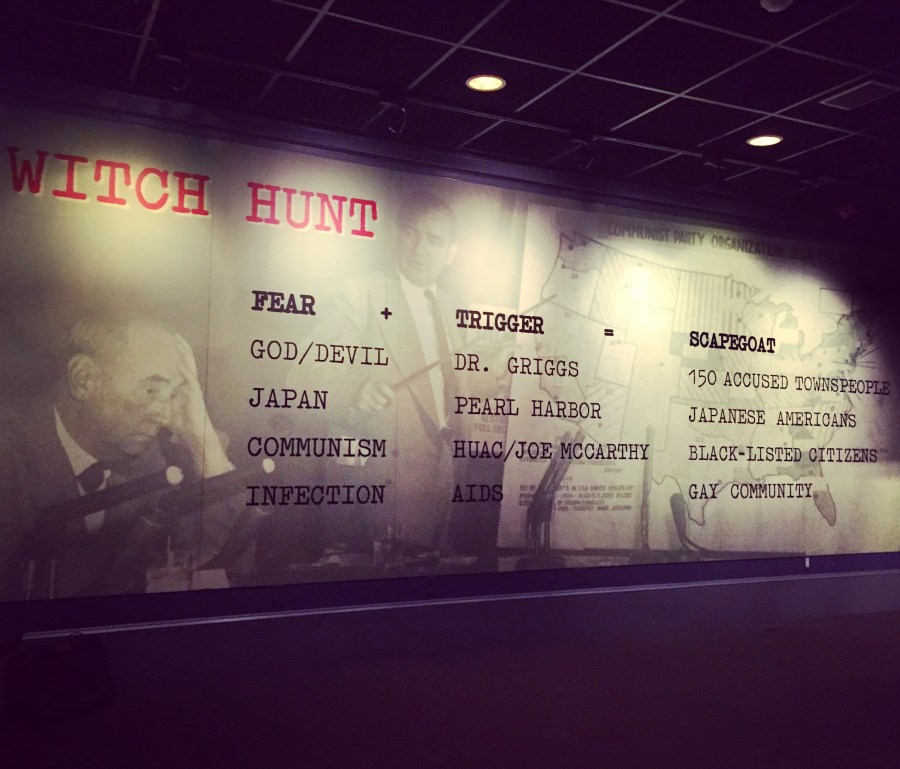
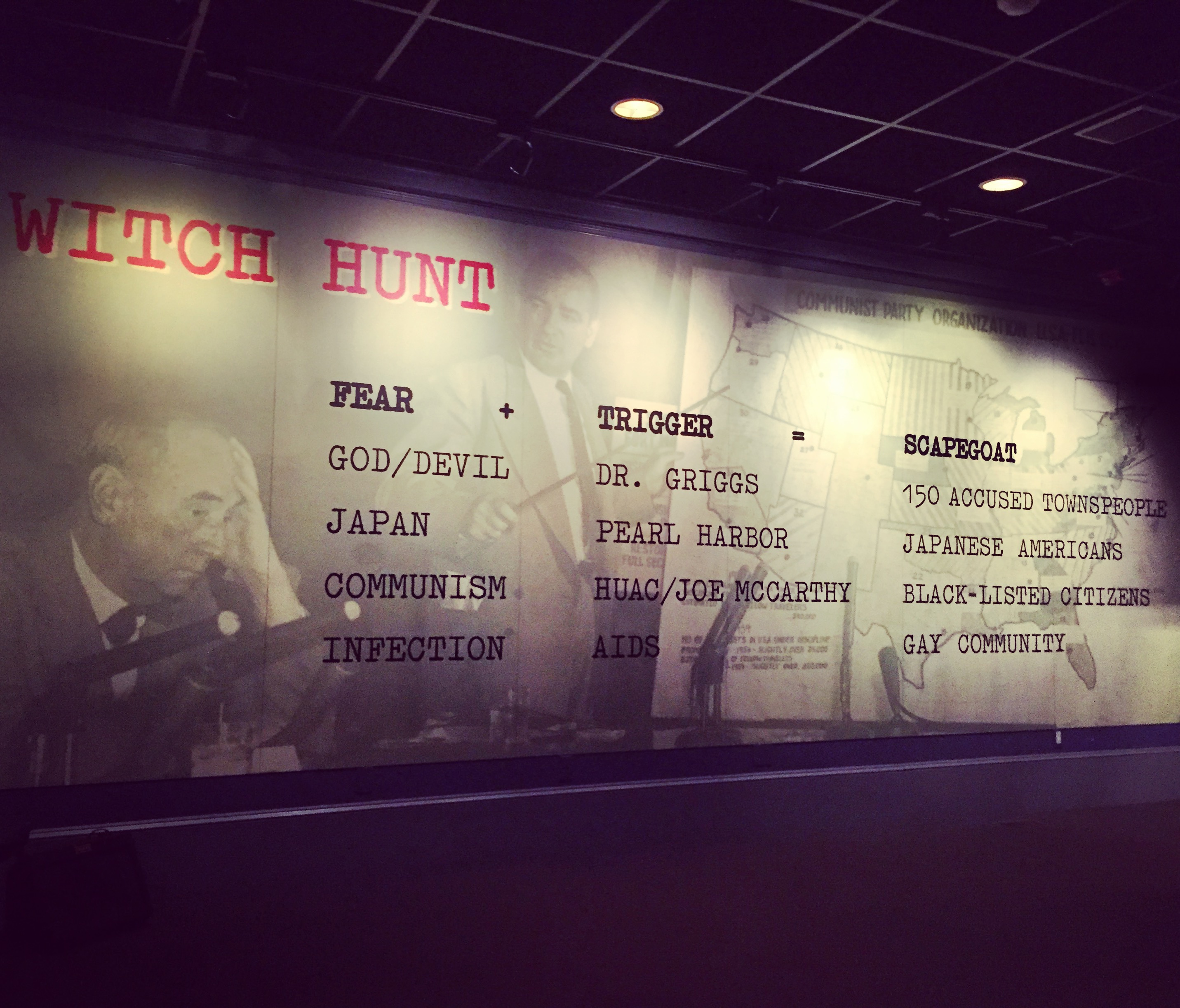
Sexual Assault is the Latest Witch Hunt in America’s History: Guilt By Accusation and Public Shaming is the New Norm, and It’s Wrong

img_7219
History of  Witch Hunts in America, located at the Salem Witch Museum, Massachusetts

Society has a tendency to respond in a crisis oriented fashion to a moral panic. After “The Invisible War” gaslighted America, all women soldiers were victims and all male soldiers were predators. This has been a repeated cycle after every sexual assault scandal. The media narratives reflect this and continue to perpetuate the myths typically choosing a blonde white female as the ‘victim’. But that’s not how it works in real life and male victims of crime in the military set both the filmmakers and the media straight. The momentum died off so they created another film about college sexual assault and tried again creating a female versus male division. No one really knows the statistics at the college campuses but in the military, the majority of victims of sexual assault and homicide are men. We care about the men just as much as we care about the women. We care about facts and evidence and have learned that the devil is in the details.

Learn more:
Rape Culture is a ‘Panic Where Paranoia, Censorship, and False Accusations Flourish’
A Complete List of the 35 Basic Military Training Instructors Court Martialed in the Lackland Air Force Base Sex Scandal
Minnesota football rape case emblematic of campus witch-hunt culture
Rape Culture in the West is as Real as ‘Witchcraft in Salem’
A Brief History of the Salem Witch Trials
Defending Sexual Assault Cases Animation


In this video, a former D.A. (now criminal defense lawyer) explains the law of rape, penalties and sentencing, and common legal strategies to fight the case. Each year, countless innocent people get wrongfully arrested for rape and sexual assault. Sometimes there was a genuine misunderstanding between the accuser and the accused as to the issue of consent. Other times, the alleged victim makes up false allegations out of anger, jealousy or spite towards the accused. A conviction for Penal Code 261 can bring years, sometimes life in prison. It’s important in these situations to have an attorney and defense investigator who can scrutinize the background of the accuser and expose a fabricated story for what it it.