15 Movies and Documentaries That Expose the Broken Military Justice System

A Few Good Men (Sony Pictures):

Lt. Daniel Kaffee (Tom Cruise) is a military lawyer defending two U.S. Marines charged with killing a fellow Marine at the Guantanamo Bay Naval Base in Cuba. Although Kaffee is known for seeking plea bargains, a fellow lawyer, Lt. Cdr. JoAnne Galloway (Demi Moore), convinces him that the accused marines were most likely carrying out an order from a commanding officer. Kaffee takes a risk by calling Col. Nathan R. Jessep (Jack Nicholson) to the stand in an effort to uncover the conspiracy. -A Few Good Men, Sony Pictures Entertainment (December 9, 1992)

About | A Few Good Men | Sony Pictures Entertainment (Drama)

Soldier’s Girl (Showtime):

New Army recruit Barry Winchell is assigned to a base in Tennessee. One night out to a local bar hosting a drag show. Calpernia Addams an in-transition transsexual drag queen, fascinates Barry, and they strike up a relationship. -Soldier’s Girl, Showtime (January 20, 2003)

Showtime Entertainment Released ‘Soldier’s Girl’: Based on the True Story of the Murder of Fort Campbell Army Pfc. Barry Winchell

In the Valley of Elah (Warner Bros):

“In the Valley of Elah” tells the story of a war veteran (Tommy Lee Jones), his wife (Susan Sarandon) and the search for their son, a soldier who recently returned from Iraq but has mysteriously gone missing, and the police detective (Charlize Theron) who helps in the investigation. -Warner Bros. (September 14, 2007)

Warner Bros. Premiered ‘In the Valley of Elah’: Based on the True Story of the Murder of Fort Benning Army Spc. Richard T. Davis

The Tillman Story (The Weinstein Company):

Pat Tillman never thought of himself as a hero. His choice to leave a multimillion-dollar football contract and join the military wasn’t done for any reason other than he felt it was the right thing to do. The fact that the military manipulated his tragic death in the line of duty into a propaganda tool is unfathomable and thoroughly explored in Amir Bar-Lev’s riveting and enraging documentary. -The Tillman Story (August 20, 2010)

The NFL, the MilItary, and the Hijacking of Pat Tillman’s Story

The Wounded Platoon (Frontline PBS):

The Wounded Platoon
Since the Iraq War began, soldier arrests in the city of Colorado Springs have tripled. FRONTLINE tells the dark tale of the men of 3rd Platoon, Charlie Company, 1st battalion of the 506th infantry, and how the war followed them home. It is a story of heroism, grief, vicious combat, depression, drugs, alcohol and brutal murder; an investigation into the Army’s mental health services; and a powerful portrait of what multiple tours and post-traumatic stress are doing to a generation of young American soldiers. –The Wounded Platoon (May 18, 2010)

Frontline PBS: The Wounded Platoon Documentary [Full Episode]

On the Dark Side of Al Doura (Maverick Media):

U.S. Army Ranger John Needham, who was awarded two purple hearts and three medals for heroism, wrote to military authorities in 2007 reporting war crimes that he witnessed being committed by his own command and fellow soldiers in Al Doura, Iraq. His charges were supported by atrocity photos which, in the public interest, are now released in this video. John paid a terrible price for his opposition to these acts. His story is tragic. –On the Dark Side in Al Doura (2011)

On the Dark Side in Al Doura (Iraq): Documentary Gives You an Inside Look at Toxic Leadership in the U.S. Army

The Invisible War (Cinedigm):

The Invisible War is a groundbreaking investigative documentary about one of our country’s most shameful and best kept secrets: the epidemic of rape within our US military. Today, a female soldier in Iraq and Afghanistan is more likely to be raped by a fellow soldier than killed by enemy fire with the number of assaults in the last decade alone in the hundreds of thousands. -The Invisible War (June 22, 2012)

Military Rape Documentary Funded and Distributed by “Serial Predator” and Hollywood Movie Executive Harvey Weinstein

Women of War Documentary (Sundance Films):

Military Sexual Trauma or M.S.T. has been a fixture in the military for as long as human war has existed, and is still quite prevalent even in today’s modern military. This feature length documentary uncovers the origins and offers solutions to M.S.T. -Women of War Documentary (February 4, 2013)

Women of War Documentary, Phil Valentine [Full Episode]

The Frozen Ground (Grindstone):

“The Frozen Ground” is inspired by the incredible true story that follows Alaskan State Trooper Jack Halcombe (Nicolas Cage) as he sets out to end the murderous rampage of Robert Hansen (John Cusack), a serial killer who has gone unnoticed for 13 years. As the bodies of street girls start to pile up in Anchorage, fear strikes a chord with the public. -The Frozen Ground (August 23, 2013)

Serial Killer & Army Reserve Veteran Robert C. Hansen Died of Natural Causes While Serving Out a Life Sentence in Alaska State Prison

The Silent Truth (Midtown Films):

Ninety-four US military women in the military have died in Iraq or during Operation Iraqi Freedom (OIF). ‘The Silent Truth’ tells the story of one of these women, PFC LaVena Lynn Johnson, who was found dead on Balad Air Force Base in Iraq. The army claimed she shot herself with her own M16 rifle, but forensic evidence, obtained by the Johnson family through the Freedom of Information Act, brings the army’s findings into question. The Army refuses to re-open LaVena Johnson’s case, leaving the family in limbo. ‘The Silent Truth’ follows the Johnson’s pursuit of justice and truth for their daughter. -The Silent Truth Documentary (July 1, 2014)

‘The Silent Truth’ Documentary: The Rape, Murder & Military Cover-Up of Army Pfc. LaVena Johnson in Iraq

The Kill Team (PBS Independent Lens):

The Kill Team looks at the devastating moral tensions that tear at soldiers’ psyches through the lens of one highly personal and emotional story. Private Adam Winfield was a 21-year-old soldier in Afghanistan when he attempted with the help of his father to alert the military to heinous war crimes his platoon was committing. But Winfield’s pleas went unheeded. Left on his own and with threats to his life, Private Winfield was himself drawn into the moral abyss, forced to make a split-second decision that would change his life forever. -The Kill Team, (July 25, 2014)

The PBS Documentary ‘The Kill Team’ Reveals How the Military Justice System Operates in Response to Media Scandals

Gangs in the U.S. Army (A&E Television):

Sworn to protect us from every enemy, foreign and domestic, and every day the majority of soldiers do just that ! yet some units are being compromised and turn into street gangs. An FBI report recently showed an increased gang activity within US soldiers. -Gangs in the U.S. Army Documentary (2017)

Gangs in the Military: Armed and Dangerous Forces

The Kill Team (A24):

When a young US soldier in Afghanistan witnesses other recruits killing civilians under the direction of a sadistic sergeant, he begins to fear that the men he’s serving with might be the ones to kill him. -The Kill Team (October 25, 2019)

‘The Kill Team’ Movie Released: Based on the True Story of Army Whistleblower Adam Winfield

Leavenworth (STARZ):

Academy Award-winning filmmaker Steven Soderbergh and executive producers Paul Pawlowski and David Check tell the story of First Lieutenant Clint Lorance. Watch the Official Trailer for the upcoming STARZ Original Docuseries, Leavenworth, premiering October 20 on the STARZ App. (August 28, 2019)

STARZ Premiered ‘Leavenworth’: Docu-Series Examines Army 1st Lieutenant Clint Lorance Afghanistan ‘War Crimes’ Case

Ready for War (Showtime):

Andrew Renzi sheds light on the lives of three of the estimated thousands of immigrants who volunteer for service in the American military, yet find themselves deported from the US once their tours of duty are over. -Ready for War, Showtime (November 22, 2019)

The ultimate threat for deported U.S. veterans? Drug cartels, new documentary says

Crimelines True Crime Podcast Featured the Military Murder of Army Spc. Kamisha Block in Baghdad, Iraq (October 20, 2019)

Crimelines Podcast
Crimelines True Crime Podcast

TWITTER: Shonta Block @ShontaBlock
FACEBOOK: Corruption without justice in the military
JUSTICE: Reasons why the Block family want congressional hearings
PETITION: Justice for Kamisha Block commanding officers are not above the law.
SENATORS: Contact your two Senators here (top left has drop down for state)
REPRESENTATIVE: Contact your Representative here (enter zip code)
SASC/HASC MEMBERS: Click here to contact the SASC/HASC members
OTHER CASES: 15 Active Duty Cases That Beg for Prevention Efforts, Military Justice Reform, and the End of the Feres Doctrine

“In 2007, Kamisha Block was one of a nearly 900 soldiers killed in Iraq. But Kamisha was not killed in combat. Her family was told Kamisha’s death was an accident; she was a casualty of friendly fire. But Kamisha’s death was much darker than that and has forced us to ask: could it have been prevented?” –Kamisha Block, Crimelines True Crime Podcast (October 20, 2019)

UPDATE: Army reopens case of 2007 murder-suicide that was originally called ‘friendly fire’ (Stars and Stripes, April 19, 2019)

Related Links:
DoD Identifies Army Casualties
Crimelines True Crime Podcast (website)
Crimelines True Crime Podcast (Facebook)
Crimelines True Crime Podcast (Twitter)
Kamisha Block | Crimelines True Crime Podcast | Website
Kamisha Block | Crimelines True Crime Podcast | Stitcher
Kamisha Block | Crimelines True Crime Podcast | Player FM
Kamisha Block | Crimelines True Crime Podcast | Podtail
Kamisha Block | Crimelines True Crime Podcast | Luminary
Kamisha Block | Crimelines True Crime Podcast | Podbean
Kamisha Block | Crimelines True Crime Podcast | Spotify
Kamisha Block | Crimelines True Crime Podcast | Facebook Post
Army Staff Sgt. Paul Norris Fatally Shot Spc. Kamisha Block in Murder-Suicide in Iraq; Family Requests Congressional Hearings & Investigation of Military Leadership (2007)
Forbidden, Dying for Love Premiered ‘Love is a Battlefield’ on Investigation Discovery: Army Spc. Kamisha Block Died in Murder-Suicide in Iraq (March 13, 2018)
Love is a Battlefield | Forbidden: Dying for Love | Investigation Discovery (S3, E1)
Love is a Battlefield | Forbidden: Dying for Love | Investigation Discovery (website)
Love is a Battlefield | Forbidden: Dying for Love | Investigation Discovery (Amazon)
Forbidden, Dying for Love: Six Active-Duty Military Homicide Cases Featured on Investigation Discovery
Non Combat Deaths of Female Service Members in the U.S. Military (Iraq)

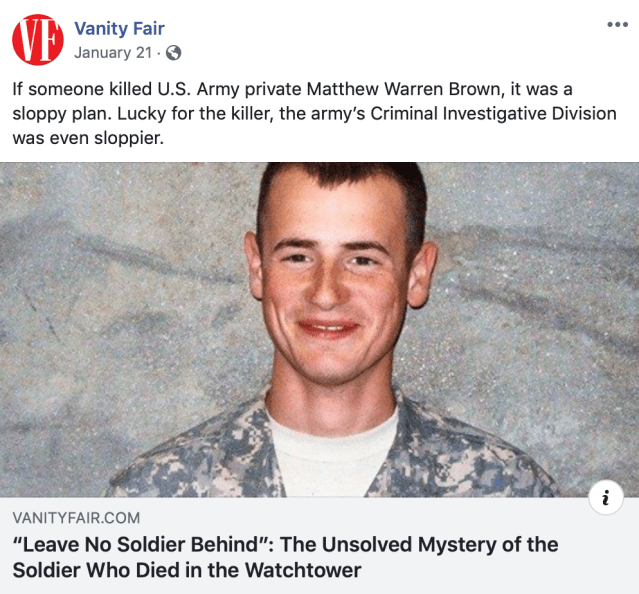
“Leave No Soldier Behind”: The Unsolved Mystery of the Soldier Who Died in the Watchtower | Vanity Fair (January 8, 2019)

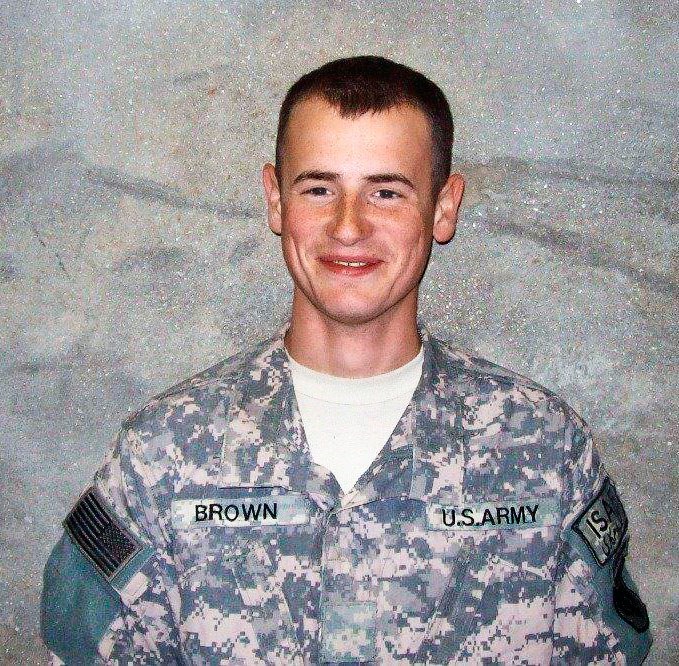
Matthew Brown Army.png
Matthew Warren Brown, U.S. Army (via Vanity Fair Facebook)

Is the Army botching its investigations into noncombatant deaths?

I. The Gun Tower

“On the morning of May 11, 2008, a U.S. Army private second class named Matthew Warren Brown died of a single gunshot wound to the head while manning a watchtower at a forward operating base in Afghanistan. Brown was 20 years old. He was a skinny, all-American kid, a bit aimless but affable and unassuming. He was a good guy. You could see it in his face. At his funeral back home in Pennsylvania, some 200 people showed up. In the aftermath of Brown’s death, army investigators created files about the circumstances. The bullet that killed him was fired from his own weapon, an M4 carbine. He was working the six A.M. shift, alone in the watchtower by the fortified main gate to the base. The tower was known as the Gun Tower. It was made of concrete, and looked medieval when viewed from the outside. It was three stories tall. On the second and third floors it had openings covered with two-piece Plexiglas windows, some of which had broken off and been left lying in shards on the floors.” Read more from Vanity Fair here.

Related Links:

Pvt Matthew Warren Brown | Find A Grave
DoD Identifies Army Casualty: Pvt. Matthew W. Brown
Army Pvt. Matthew W. Brown | Honor the Fallen
Fort Bragg Soldier dies in Afghanistan
Soldier from Fort Bragg dies in Afghanistan
Fort Bragg soldier dies from injuries in Afghanistan
Zelienople soldier killed in Afghanistan, father says
Soldier from Zelienople killed in Afghanistan
Zelienople soldier who died in Afghanistan buried today
“Leave No Soldier Behind”: The Unsolved Mystery of the Soldier Who Died in the Watchtower | Vanity Fair
Family of soldier found dead in Afghanistan in 2008 says he did not commit suicide as claimed
Family of soldier who was found dead in Afghanistan watchtower in 2008 says he did not commit suicide, as the military claims, and had told them he feared he would be killed over his role in a drug ring that was being run on-base by a ‘thug’ sergeant
Army Pvt. Matthew Brown Died As a Result of a Non-Combat Related Incident in Afghanistan; Death Ruled Suicide But Family Alleges Murder in Vanity Fair Publication (May 11, 2008)

Top 10 on Military Justice for All in 2018 (December 31, 2018)

Forensic Files

10. Air Force Sgt. Joseph Snodgrass Hired Hitmen to Kill Wife at Clark AFB in Philippines for $400,000 Life Insurance Payout; Sentenced to Life in Prison (February 26, 1991) #ForensicFiles

Homicide Hunter

9. Army Veteran Brandin Penza Stabbed 74 Times in Colorado Springs Parking Lot by Stranger; Kevin Gooley Sentenced to 32 Years in Prison (September 23, 1994) #HomicideHunter

Forbidden Dying for Love

8. Navy Master Chief John Bench Murdered Son & Attempted to Murder Wife & Daughter in Japan, Then Killed Self in Motorcycle Crash (August 30, 2009) #ForbiddenDyingforLove

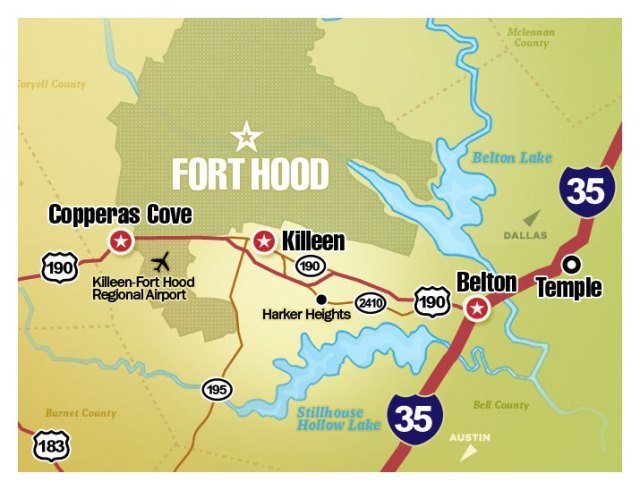
ft-hood

7. Army Soldiers at Fort Hood in Texas Are Dying at Alarming Rates Stateside (February 13, 2017) #NeverForget #HonorThem

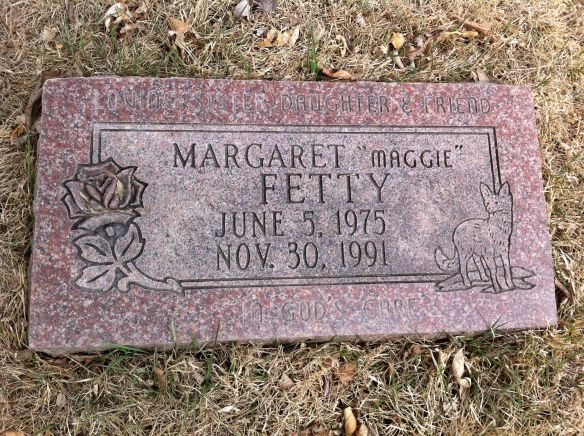
Maggie Fetty

6. Army Spouse Melinda Stewart, Army Sgt. Daniel Stewart, Jill Yousaf & Army Soldier James Catlin Conspired and Murdered Homeless Colorado Teen Maggie Fetty (November 30, 1991) #HomicideHunter

A Stranger in My Home

5. Air Force Retiree Philip Inhofer Murdered by Nevada Escort for Money and 1975 Mercedes Convertible; Michelle Cummiskey Sentenced to 25 Years to Life (March 7, 1991) #AStrangerinMyHome

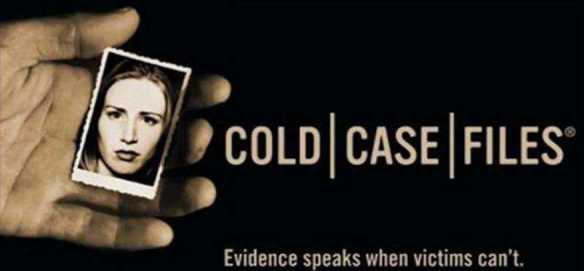
cold case

4. Army Pvt. Paige Fontenot Briles Found Unresponsive in Vehicle at Fort Hood Housing in Texas; Initially CID Investigated as Homicide But Later Ruled Suicide (December 24, 2016) #ColdCaseJustice

Forbidden Dying for Love 2

3. Army Staff Sgt. Paul Norris Fatally Shot Army Spc. Kamisha Block in Iraq After She Ended a Forbidden Relationship, Then Ended His Own Life (August 16, 2007) #ForbiddenDyingforLove

We Wil Never Forget

2. Fort Hood Army Spc. Zachary Moore Found Unresponsive in Barracks on Deployment to Camp Hovey, South Korea; CID Ruled Suicide (August 2, 2017) #NeverForget #HonorThem

And THANK YOU for making the MJFA Home Page our #1 for #Top10onMJFA with 85,945-4

1. Military Justice for All Home Page #ThankYou #HappyNewYear2019

Related Links:
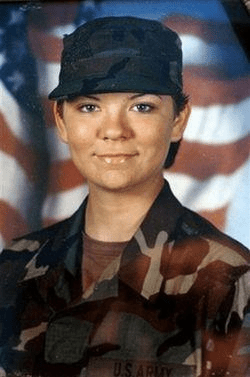
Top 10 Posts on Military Justice for All in 2017

Crime Junkie Podcast Featured the Suspicious Deaths of LaVena Johnson & Tina Priest in ‘Conspiracy: Women in the US Military’ (October 22, 2018)

Crime Junkie Podcast

“In 2010, statistics came out that 120 female U.S. soldiers stationed in Iraq had died. Half of those deaths were reported to be non-combat related. 30 those non-combat related deaths were ruled suicides, but there is evidence to suggest many of them may have actually been murders. In this episode, we dive into the case of LaVena Johnson and other women of the U.S. military who died very suspicious deaths during Operation Iraqi Freedom.” –Conspiracy: Women in the US Military, Crime Junkie Podcast (10/22/18)

Related Links:
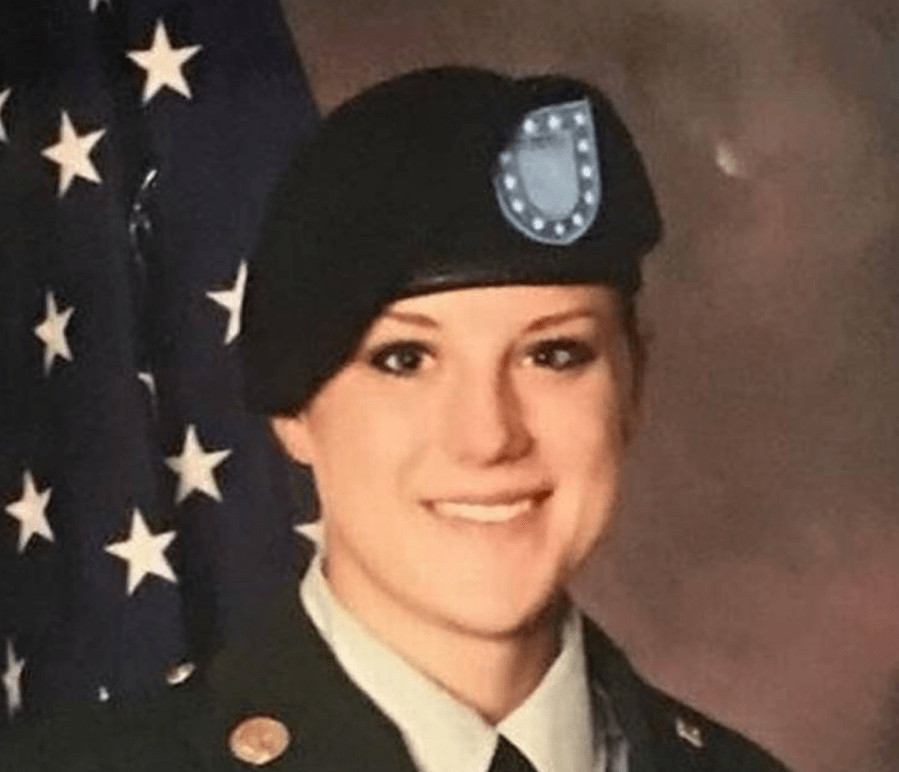
10 Unsolved Military Cases
Crime Junkie Podcast (website)
Crime Junkie Podcast (Facebook)
Crime Junkie Podcast (Twitter)
Conspiracy: Women in the US Military | Crime Junkie Podcast (website)
Conspiracy: Women in the US Military | Crime Junkie Podcast (stitcher)
Conspiracy: Women in the US Military | Crime Junkie Podcast (Bullhorn)
Conspiracy: Women in the US Military | Crime Junkie Podcast (Podbay)
Conspiracy: Women in the US Military | Crime Junkie Podcast (Player FM)
Conspiracy: Women in the US Military | Crime Junkie Podcast (Poddmap)
Conspiracy: Women in the US Military | Crime Junkie Podcast (RadioPublic)
Non Combat Deaths of Female Service Members in the U.S. Military (Iraq)
Army Soldiers at Fort Hood in Texas Are Dying at Alarming Rates Stateside
Army Pfc. LaVena Johnson Died of Non Combat Related Injuries in Iraq; Death Ruled Suicide But Independent Autopsy Revealed Rape & Murder (July 19, 2005)
Army Pfc. Tina Priest Died From a Non-Combat Related Incident in Iraq; Death Ruled Suicide But Family Suspects Rape & Murder (March 1, 2006)
‘The Silent Truth’ Documentary: The Rape, Murder & Military Cover-Up of Army Pfc. LaVena Johnson in Iraq (July 1, 2014)
The Strange & Unexplained: ‘The Biggest Suspicious Unsolved Military Mysteries’
15 Active Duty Cases That Beg for Prevention Efforts, Military Justice Reform, and the End of the Feres Doctrine
15 Movies & Documentaries That Expose the Broken Military Justice System
Military Policy and Legislation Considerations for the Investigations of Non Combat Death, Homicide, and Suicide of US Service Members

A Month in Review: In the News on Military Justice for All (May 2018)

May 2018

Missing:
Family pleads for missing soldier battling PTSD to come home
Vets group calls for ‘CAMO Alert’
What really happened to Middlebrook’s Sgt. Gene Shultz?
Missing: Michael VanZandt (Hermosa Beach Police Department – 310-318-0308)
Missing in Hermosa Beach: What happened to Mike VanZandt?
He Left to Go to the Bathroom and Never Came Back: Where is Michael Vanzandt?
Missing: Trevor Nichols (US Army), New York
Soldier receives orders to Fort Riley, goes AWOL
Disappeared: Air Force Veteran Michael Vanzandt Vanishes During a Night Out with Friends in Hermosa Beach, California (March 5, 2016)
Jean-Marc Faubert has been missing since the early morning of Friday, May 25th

Cold Cases:
Georgia Marine’s murder in Belize remains unsolved one year later
No arrests made 3 years after soldier’s murder
New Hampshire unsolved case file: David and Deborah Carreau
Warwick murder case still unsolved, reward offered 5 years later
Cold Case: Army Spc. Darlene Krashoc Sexually Assaulted, Murdered, and Dumped in Parking Lot in Colorado Springs; CID Offers $10,000 Reward (1987)

Fugitives:
Reward Offered for Armed & Dangerous Fugitive: Army Recruiter John Blauvelt Wanted for Allegedly Murdering Estranged Wife in South Carolina (2017)

Petitions:
Presidential Pardon Petition | Free Lt. Clint Lorance
Fire Iron River, Michigan City Manager David Thayer For Firing Police Chief Laura Frizzo!

Continue reading “A Month in Review: In the News on Military Justice for All (May 2018)”

A Month in Review: In the News on Military Justice for All (April 2018)

April 2018

Missing:
Patrick F. Carnes, Nevada (2011) | Missing Veterans
Mother Joins Search for Navy Officer Son Who Vanished on Way to Submarine Based in Connecticut
Federal agencies get involved with search for missing Martinsville man

Cold Cases:
Air Force Col. Philip Shue Died in an Apparent Car Accident, But Autopsy Revealed Much More; Texas Judge Ruled Cause of Death as Homicide (April 16, 2003)
Unsolved Homicide: Fort Hood Army Pvt. Justin Lewis Shot & Killed Near Vacant Lot in Neighborhood in Killeen, Texas (April 17, 2017)

Reward Offered:
$11K offered in hunt for Marine accused of killing detective’s daughter
Former Marine wanted for murder believed to be in Mexico, manhunt underway
Authorities ask for public’s help in locating ex-Marine fugitive

Petitions:
Advocate for review and reform of injustice in the Military

Announcements:
Veterans legal clinic scheduled in Killeen
Save Our Heroes Sends Letter of Concern to Joint Regional Correctional Facility Leavenworth, Re Violation of the United Nations Human Rights Commission

Legislation:
This Gunnery Sergeant’s job destroyed his body to the point of retirement
Diagnosed With Leukemia, This Officer Was One Year From Retirement

Continue reading “A Month in Review: In the News on Military Justice for All (April 2018)”

Forbidden, Dying for Love Premiered ‘Love is a Battlefield’ on Investigation Discovery: Army Spc. Kamisha Block Died in Murder-Suicide in Iraq (March 13, 2018)

ID Go: A young Army recruit enlists with dreams of serving her country. What she doesn’t expect is to find love with a commanding officer in her platoon. The two battle to keep their forbidden affair secret but can they defeat the enemy within? -Love is a Battlefield, Forbidden: Dying for Love (S3, E1)

The family reports the following Stars and Stripes article is the most accurate rendition of the circumstances surrounding the death of Army Spc. Kamisha Block in Iraq: Army reopens case of 2007 murder-suicide that was originally called ‘friendly fire’ (April 19, 2019)

Editor’s note: With a cable subscription, you can download the free ID Go app and watch Investigation Discovery programming at your convenience. And for those who do not have cable, you can watch “unlocked” episodes on the ID Go app including the latest premieres. For those who prefer commercial free programming during your binge session, Prime Video has an ID channel: ‘True Crime Files by Investigation Discovery” available for $3.99 a month. It’s a compilation of older seasons but totally worth the cost if you are a true crime addict. Download the ID Go app or purchase ID True Crime Files & binge away.

Related Links:
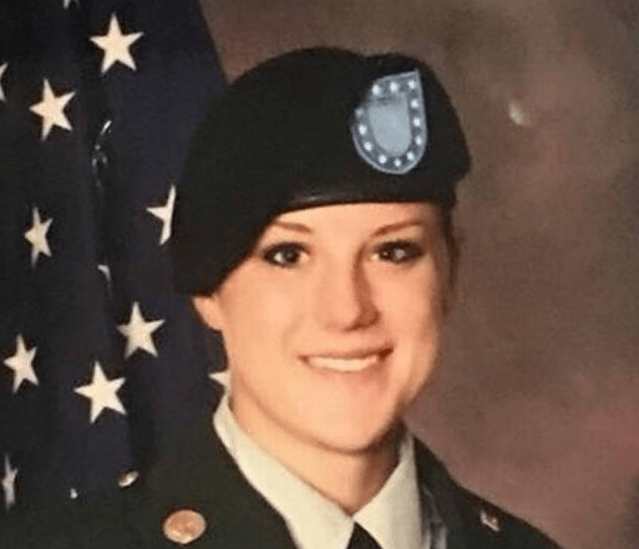
Love is a Battlefield | Forbidden: Dying for Love | Investigation Discovery (S3, E1)
Love is a Battlefield | Forbidden: Dying for Love | Investigation Discovery (website)
Love is a Battlefield | Forbidden: Dying for Love | Investigation Discovery (Amazon)
Army Staff Sgt. Paul Norris Fatally Shot Army Spc. Kamisha Block in Iraq After She Ended a Forbidden Relationship, Then Ended His Own Life (August 16, 2007)
Non Combat Deaths of Female Service Members in the U.S. Military (Iraq)
Forbidden, Dying for Love: Six Active-Duty Military Homicide Cases Featured on Investigation Discovery

Army Reservist Sgt. Christina Shoenecker Died of a Non-Combat Related Incident in Baghdad, Iraq (February 19, 2018)

Christina Schoenecker
Sgt. Christina Schoenecker, U.S. Army Reserve

Army Reservist Sgt. Christina Schoenecker, 26, died of a non-combat related incident on February 19, 2018 in Baghdad, Iraq. Sgt. Schoenecker was supporting Operation Inherent Resolve on behalf of the 89th Sustainment Brigade, 451st Expeditionary Sustainment Command in Wichita, Kansas. Sgt. Schoenecker’s home of record is listed as Arlington, Kansas. According to Honor the Fallen at Military Times, Sgt. Schoenecker enlisted in the military in May 2009 and served as a human resources specialist. At the time of the press release, the incident was under investigation which is typical with any non combat death but an official cause of death has not been determined or publicized by authorities. The site Popular Military shared that a source close to them in Iraq in an unofficial report believed it was a suicide. This could not be confirmed in other media reports.

In the News:

The body of U.S. Army Sergeant Christina Marie Schoenecker is escorted from the Hutchinson Airport to Elliot Mortuary by the Patriot Guard, Hutchinson Police and the Hutchinson Fire Departments. SGT Schoenecker died February 19, 2018, from a non-combat related incident, in Baghdad, Iraq at the age of 26. She will be buried in her hometown of Arlington, Kansas, Monday, March 5, 2018. -The Hutchinson News (March 2, 2018)

U.S. Army Sergeant Christina Marie Schoenecker was buried at Arlington Cemetery, Arlington, Kansas on Monday, March 5, 2018. SGT Schoenecker died February 19, 2018, from a non-combat related incident, in Baghdad, Iraq at the age of 26. -The Hutchinson News (March 5, 2018)

Related Links:

DoD Identifies Army Casualty
Honor the Fallen: Sgt. Christina M. Schoenecker, U.S. Army Reserve
Christina Marie “Tina” Schoenecker | 1992 – 2018 | Obituary
Kansas soldier dies in Iraq
Kansas soldier dies in non-combat incident in Iraq
Female soldier dies in accident in Iraq
US soldier dies in non-combat incident in Baghdad
SGT Schoenecker’s body returns home
Army Sgt. Christina M. Schoenecker honored in dignified transfer Feb. 22
Army identifies soldier killed in noncombat incident in Baghdad
Army Identifies Sergeant Who Died While Deployed Supporting ISIS Fight
Kansas soldier dies in non-combat incident while supporting ISIS fight in Iraq
U.S. Army sergeant dies in Iraq, unofficial report suggests it was suicide
Mystery surrounds ‘non combat’ death of female soldier battling ISIS in Iraq as her body is returned home and Department of Defence announce an investigation
IGTNT: “She will be sorely missed” | Daily Kos
Funeral held for KS soldier who died last month in Iraq
Family and friends celebrate the life of Christina Schoenecker
Family, friends gather to honor fallen Arlington soldier
SGT Christina Marie Schoenecker’s burial service
Latest U.S. military deaths in Afghanistan, Iraq
On Memorial Day: Three stories to remember the soldiers we have lost
CJTF-OIR reflects on significant military gains, fighting ISIS in 2018
Non Combat Deaths of Female Service Members in the U.S. Military (Iraq)
Military Policy and Legislation Considerations for the Investigations of Non Combat Death, Homicide, and Suicide of US Service Members

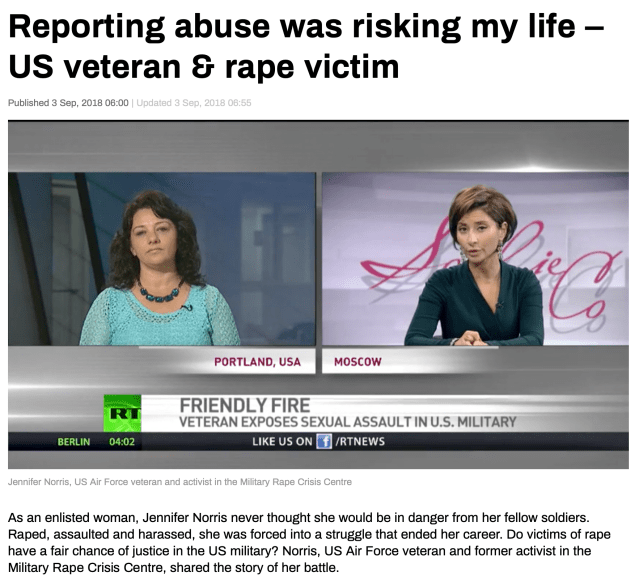
Reporting abuse was risking my life – US veteran & rape victim | Sophie and Co | RT (January 12, 2018)

Reporting abuse was risking my life – US veteran & rape victim

Correction: Jennifer Norris is not an advocate for MRCC. She left the organization in March 2014.

We hear a lot about #weinstein and the latest, but Jennifer Norris, who served in the US Air Force, has been talking about sexual assault for years. And in the military, reporting rape means endangering yourself. Watch this brave woman speak here https://t.co/1ipeI3SWP6 pic.twitter.com/TAjiVjmdDS — SophieCo (@SophieCo_RT) January 12, 2018

As an enlisted woman, Jennifer Norris never thought she would be in danger from her fellow soldiers. Raped, assaulted and harassed, she was forced into a struggle that ended her career. Do victims of rape have a fair chance of justice in the US military? Norris, US Air Force veteran and former activist in the Military Rape Crisis Centre, shared the story of her battle.

Sophie Shevardnadze: Jennifer Norris, retired U.S. Air Force veteran, former activist in the Military Rape Crisis Centre, who herself had firsthand experience of sexual assault in the military, thank you for joining us on this programme. I want to start right away, the first time this happened, you were drugged by your recruiter – did he trick you into having sex with him? Do you have any recollections of how the incident happened?

Jennifer Norris: When I look back on this incident I realise that I was actually tricked by this man into going to the party to begin with. He had told me that there was a new recruit party for other recruits. I was excited to go and meet them because they would understand exactly how I felt. So he had ill intentions from the gitgo. When I got there there were no new recruits, I was the only one.

SS: How many times were you subjected to sexual assault or abuse? Was it just one case?

JN: It started with that one case and I thought that maybe it would be over after that, that I was just unlucky at the wrong place at the wrong time, so I pushed forward. But, unfortunately, as I entered the military service it happened again and again, and again within the first two years of service. 

SS: Tell me this – why didn’t you report it straight away, after that first time?

JN: I didn’t report the first time because I hadn’t even gone to basic training yet and I didn’t really know what to say. I didn’t even know where to go: if I was supposed to go to a commander in the military, if I was supposed to go to the police department. I was completely clueless as to what sexual assault, rape and harassment were at that time. So I just tried to soldier on, move on with the career that I was looking for doing for at least twenty years.     

SS: So what happened after you were assaulted? What did you feel? Was it guilt? Was it shame, uncertainty? 

JN: It used to be shame because I used to feel like an idiot for going to this person’s party. But after years of counseling and working with rape victims’ advocates I learnt that predators operate in much the same way: they are very manipulative and they will set you up for an attack or they will take advantage of an opportunity. So now I realise it was a calculated crime but it took me years to realise that.  

SS: So for those who haven’t faced this kind of ordeal, but danger is always there, tell us how these manipulators actually trick their victims into it? How do they lure you in?  

JN: I think, they do what you would call ‘grooming’, they make you believe that they are trustworthy and that they are going to take care of you, and it almost seems that it is too good to be true. When you are naive, you don’t necessarily realise that not everybody is speaking at face value. So as an 18-year-old or even a 24-year-old it’s easy to fall prey to the niceties because you don’t know that there’s evil lurking behind it. And I think that’s the real danger of this kind of people and how they operate is that they are able to get to us based on the trust that’s been established. In the military we are depending on each other in every way, especially in trust.   

SS: So how old were you when that happened? Like, eighteen?

JN: No, I was actually 24. I had already graduated from college, as a social worker I worked in the field for a couple of years. As a case manager I worked on a suicide crisis hotline, then I decided I wanted to go and get my master’s degree and the military offered the GI Bill that could help me accomplish those goals. So that’s the No.1 reason why I joined aside from being patriotic and wanting to give back and being involved in something that was bigger than myself. I was completely clueless as to what was in store.    

SS: Ok. One woman who went through a similar ordeal – Air Force Sergeant Marti Ribeiro said, “The military has a way of making females believe they brought this upon themselves.” Did you feel that as well? 

JN: Yes.

SS: Did you blame yourself for what happened?

JN: I did for the longest time especially with the recruiters incident. If I knew as soon as I walked through that door that there was danger but it was too late to turn back… That particular incident taught me a lot of how to take care of myself in the future. Unfortunately, if you are working for someone who’s assaulting you you can’t escape them. So now I don’t have shame or blame or any of that stuff any more as far as what I did. All I did is go to work in uniform and these people took advantage of their power and opportunity. That’s what we’re trying to change, it’s taking more seriously if someone does in fact abuse their power in that kind of setting.

SS: I’m trying to figure out the psychological aspect of it – how did the military structure make you feel guilty about what had happened and not the other way round? 

JN: I understand. So, given the way that you report currently in the military is not that you go to a police office to report a crime. You are supposed to report it to your commander. In my particular case and in a lot of soldiers’ cases the commander also has a relationship with the perpetrator and he may have known the perpetrator way longer than he knows you. So what it does it creates an atmosphere of intimidation that when you see your commander hanging out with the guy who assaulted you, then you feel like “Oh, wow, he’s not going to take me seriously, it looks like they both are really good friends”. And then when you do go ahead and do a report the first thing the defense attorney start looking into is whether or not you did this, you did that, how did you conduct yourself. They immediately go into that you shouldn’t have been in this place, if you hadn’t that wouldn’t have happened. They could have done that to me too. But it’s not our fault that we thought we were attending what we were supposed to be.        

SS: Jennifer, I’m thinking, there are also other women in the military, they are compassionate  creatures, you could have shared your story with them, they certainly would have understand what you went through, especially if this happens all the time. Maybe there were other women alongside you who were actually subjected to sexual assaults – did you share your story with any of your female peers?

JN: What I’ve learnt is that, first of all, I was one of very few women in my squadron. There may have been, if we were lucky, three of them and one of them is administration personnel, and maybe there was another one in another shop. But I was the only female working for satellite communications in combat communications. So, no, I didn’t have other females that I could turn to and say “hey, this has happened to me”. As the matter of fact, I didn’t want anyone to know that this had happened to me because I didn’t want to be judged. Unfortunately, it appears that once people learn that you’ve reported a sexual assault or may have been involved in an incident they become scared of you instead of being scared of the perpetrator. They think that you are going to be hypersensitive too if they swear or if they say something, you know, offensive when in fact it’s not going to be that way at all. So there’s a culture of fear built up in the military. And I think that’s why they want to automatically blame it on a woman because if she goes away the problem goes away and they can get back to work as normal. 

SS: Human Rights Watch reports a very dire picture of what happens to the victims of sexual assault. They say that these people are being “spat on, deprived of food, assailed with obscenities, threatened with ‘friendly fire’ during deployment…discharged for misconduct”. Is it true? Is it really that dangerous to come forward?

JN: It is. In some cases it just depends on your situation. If you are isolated you are in a way more danger than, say, other people would be on some big base that has security forces in a JAG office. But if you are in some place like the Azores or some other random location across the world all you have is the people that are with you. Then yes, you could be in grave danger if in fact someone harms you and threatens you and says that if you say anything they will kill you. It happens, I’ve researched this. We have had non-combats deaths occur overseas that include homicide and unsolved cases that nobody is talking about. That’s what we are trying to tell people is…

SS: Did you get any threats? Were you threatened?

JN: Yes, not only was I threatened, but I was physically beaten after I reported by one of the perpetrators’ friends. The entire squadron turned on me. I was automatically the liar. Even though they didn’t know the circumstances and even though we did have proof and we were able to move forward with two of the four cases the other people in the squadron didn’t know what happened and they believed the perpetrator who was able to tell them the story while I was at some other squadron waiting for the case to go through.

Reporting abuse was risking my life – US veteran & rape victim

SS: But see, for me it’s just mind-bogglingthat you were standing there harassed, assaulted in the open with other people standing by and not interfering. How come no one interfered? Why didn’t troops come forward for a fellow soldier? 

JN: Well, I did have a couple of people that had my back along the way. But it felt more like it was a culture of fear, like, nobody dared to stand up to those who were higher-ranking if they were the ones that were doing the harm because they were afraid it would have backlash on their career. Now I don’t have respect for those people who didn’t stand by and take a stand and support the ones who were actually being harmed. But along the way there were some silent people that came up to me and said that this person had done this to them, that that person had done that to them etc. So people would open up along the way but they wouldn’t take it as far as I did and actually report. Although I must say it was because of the senior master sergeant that I finally confided in. He’s the one that finally convinced me to report the four individuals to the commander. 

SS: Iraq veteran Chantelle Henneberry says she was less scared of enemy fire than the men she served with. She recalls she would drink less water to avoid going to the bathroom in the night, she was so terrified of being harassed – why do women even join the army despite hearing all these horrific stories?

JN: I think that it boils down to that people don’t think it would happen to them. And that’s just typical of society, you don’t think that bad things are going to happen to you. I had the same mentality before I joined too. So they want to follow their dreams and they want to do what they want to do and some of us dream of being in the military, retire, do great things and move women forward. So I think that’s normal, that’s ok.

SS: The United Nations is speaking out about the problem of sexual assault in the U.S military, saying it needs to ‘ensure effective prosecution of offenders’. Is this going to make any difference?

JN: Absolutely. Right now, the prosecution rate for sexual assault is less than 10% compared to the civilian world which is at least 40%. That’s what we are trying to say – if people are raped or assaulted and then report we would like these cases to be taken seriously. Right now, like I spoke to you earlier, you have to report the crime to your commander. They are not legal professionals, they are no Special Victims Unit. They do not understand how these things work. And what we want is to be able to report to a police department or a law enforcement professional, someone who understands how these people are working and cannot be manipulated by them. 

SS: For years, activists and lawmakers in the United States have tried to change this protocol – but leaders in the military are against bringing civilians into bases to investigate alleged assaults – why are they against it? And why are they winning this debate?

JN: Because they are able to protect their institutions if they are able to keep everything in house, and that’s exactly what they do. They want to stamp it out before it gets out to the public whereas we want this out in the public so that people know who these offenders are and can be on alert. They don’t just offend people in the military, they offend people in our communities as well – their wives, their children… So it’s not just a military issue, it’s a societal issue and I think, it would be way more effective if everyone reported to a police department where all the crime data was kept in one place.

SS: Do you think completely removing sexual assault cases from the military chain of command would actually solve the problem?

JN: I think standardizing the justice process in general to have it synced with the civilian society, meaning data basis connected, whether it’s the civilians that try the perpetrator or it’s the military that tries the perpetrator… Everyone should be talking so that we can connect the dots on who’s doing what where because it makes it a little bit more complicated with the military personnel who can transfer all over the country and to different parts of the world. We need all the data collection to be put into a system so we can actually track what these people have done through the course of time and be able to move forward with cases that may win as opposed to he-said, she-said incident. 

SS: So, Jennifer, I’m thinking, maybe there should be more women in the U.S. military? If there were more women in high-ranking positions being able to kick butt especially to the men who are potential assaulters? What do you think? Should there be more women in the U.S. military?

JN: That would be ideal. Although we have to take into account that over a half of victims in the military, actually 53% of them are males. So this is not a female issue necessarily. We are at higher risk because we’re seen as a weaker sex. But predators do not discriminate: they are harming both men and women in the military. A lot of media have been trying to cover the issue but we have just not been able to get the footing with it, but people need to know that over half of the victims are men in the military. 

SS: There are crazy numbers: according to HRW, only 5 percent of sexual assault cases in the U.S. military lead to convictions of the perpetrators. What happened to the man who assaulted you? Was he punished?

JN: Yes. The recruiter skipped town after I threatened to report him to the commander, unfortunately. So we couldn’t do anything with that case. The technical instructor that assaulted me in Keesler, Mississippi – we had no jurisdiction over because he was active-duty and I was considered National Guard. And the other two were both National Guard members who worked with me, and we were able to move forward with cases. But by the time it went up the chain of command it got minimized from sexual assault to sexual harassment they both retired with full benefits after 20 years of service. 

SS: The Pentagon keeps saying that programs are implemented, changes are being made, and the problem is being solved – is it all a lie?

JN: I don’t think it’s all a lie, but I definitely think they sway the media to see things in a certain way. For example, although the numbers may have gone down from 26 thousand to roughly 19 thousand in the last couple of years and they’re bragging about a 30% increase in the reporting it means nothing. And what the civilian world doesn’t understand is that in the military you can report a crime under two different guises: either restricted or unrestricted. If it’s restricted that means that nobody is supposed to know about it including your commander so you can go forward and get some help. If it’s unrestricted then it turns into a full-blown investigation if, in fact, your commander agrees to move forward with the case which is another sticking point. So people need to realise that although the reporting has gone up it’s been restricted reporting which is not helping us catch these criminals. They are still not being reported. You might get some help but they are still moving along in their careers assaulting other people while the latest victim is just getting help. 

SS: You now work with those who went through the same as you did – are you seeing more cases of women speaking out, has the situation gotten better?

JN: I think awareness has definitely gotten better around the issue. There’s way more talk within the military and outside in the veteran community to address getting help after someone has been traumatized by an incident like this. So that has definitely improved. I actually benefited greatly from programmes that have come up as a result of our advocacy with military sexual assaults. So for that I’m thankful. As far as the military justice system and policy goes it’s the same thing it has always been – nothing has changed whatsoever. As far as the court issue we’ve been trying to address which is taking the commander out of the decision-making process as far as you can move forward with the case. We just want law enforcement professionals, detectives and investigators to deal with these cases, not a commander who’s great at war but has absolutely no idea how the legal process works and what sexual assault is. I shouldn’t have reported it to my boss.

SS: What do you do for the victims, how are you helping them?

JN: What I do is I empower them. When I did worked as an advocate I actually would help them deal with their cases as they were moving along in the process and I noticed the same patterns over and over. What I do now (and it was actually hard to do it before we could change things) is focus on helping them to heal despite not being able to get justice, trying to find a place of faith and comfort in yourself to know that you didn’t do anything wrong. It’s just the system that isn’t working well and it needs to be changed, and there’s nothing we can do about it right now except to take care of ourselves and hope for the best in the future. 

SS: You mentioned earlier that it’s not just men-women problem and that 51% percent of those assaulted being men. I’ve read a recent survey by the American Psychological Association that says the number of men facing sexual assault in the military is 15 times higher than reported by the Pentagon. That would mean up to 210 thousand men are assaulted in one year. Is that number correct? Is it a right calculation? And do you help men as well? 

JN: Yes, whoever needs help and comes to me – I will assist them as best as I can. That actual study from the American Psychological Association was retracted. They used not a very good way to determine those numbers. It wasn’t correct so it was retracted. It’s not actually that high. But it doesn’t really matter. It’s still high enough that it should be a concern. The actual number that I shared with you is that roughly 53% of victims of military sexual assault are males. It’s not a female soldier issue, it’s a predator issue and that’s what we’re trying to tell people. 

SS: Jennifer, thank you so much for sharing this story with us. Thank you so much for empowering women who want to do the same thing that you did. Thank you so much for being so brave and outspoken. And I hope that you’ll win over Pentagon. 

JN: Thank you.

Related Links: