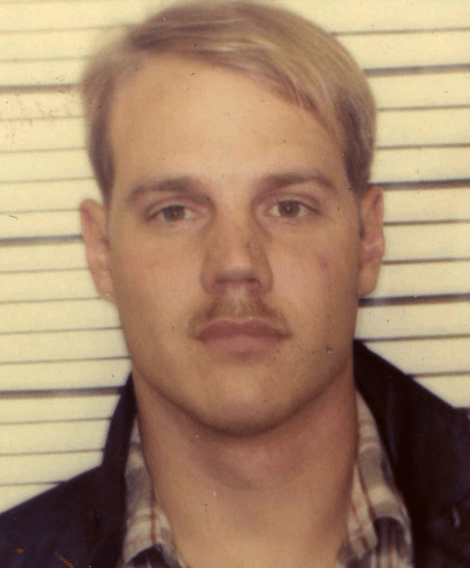
The Military Murder Podcast dropped their first three episodes on Veteran’s Day. The podcasts featured the homicide cases of Army Sgt. Stephen Schap, Canadian RAF Colonel Russell Williams, and Army MSG Timothy Hennis (currently on military death row with three other servicemembers). The Military Murder Podcast is the first of it’s kind and we are pleased that a true crime podcaster chose this particular subject. MJFA tracks homicide committed by active duty service members, their families, and veterans. It’s our belief if they are capable of murder, they are also capable of rape, sexual assault, domestic violence, physical assault, animal abuse, and other felony crimes. It is our hope that the military will track these red flag crimes in a more efficient manner with civilian authorities so we can prevent the homicide from occurring and warn civilians of the dangers that lurk when a service member is discharged instead of prosecuted. Check out the Military Murder Podcast on your favorite podcast app. We love the Stitcher app because we can organize all our favorite podcasts in one place. And the Military Murder Podcast is definitely one of our favorites.
“In 1985 Katie Eastburn and two of her daughters were brutally murdered while her husband was away. It would take over 20 years and three trials before their killer would be brought to justice.” –Crime Junkie Podcast
Listen to “Murdered: The Eastburn Family” on Crime Junkie Podcast here.
“Timothy Hennis was sentenced to death for the murders of Katie Eastburn and her two daughters, Erin and Kara Eastburn. Katie was a military wife who lived on the Fort Bragg base with her husband and three daughters. This case takes a look at how important it is to follow investigatory protocol and how double jeopardy is actually interpreted in the legal system in a case that spans over two decades. Tune in to find out how this case unfolds, and where it stands today.” –The Case of Timothy Hennis, Death’s Door Podcast (September 14, 2017)
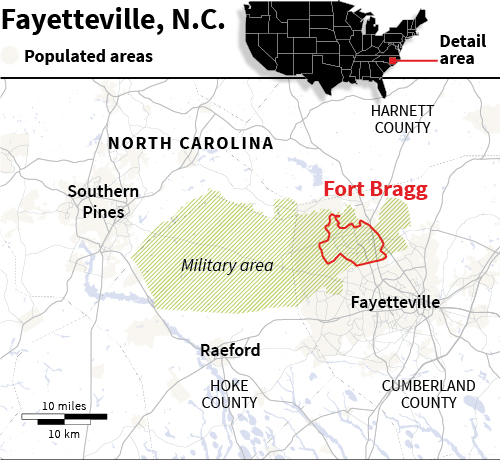
Fort Bragg equips, trains, rapidly deploys, and sustains full spectrum forces supporting Combatant Commanders from a Community of Excellence where Soldiers, Families and Civilians thrive.
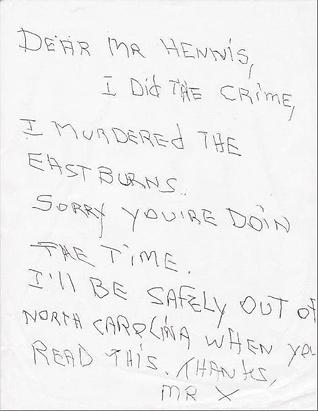
While on death row, Tim Hennis received an anonymous letter confessing to the murders. The note didn’t produce any leads. -CNN (July 17, 2014)
The star witness in Tim Hennis’ trial had doubts about whether Hennis committed the murders. -CNN (July 17, 2014)
A man tried three times for his life but is he a killer? Find out! Death Row Stories. -CNN (September 5, 2014)
The brutal murder of a U.S. Army wife and her two young daughters. One year later, a mountain of circumstantial evidence sent U.S. Army sergeant Timothy Hennis to death row for the crime, but the case later took a unique turn in legal history. -Timothy Hennis, Death Row Stories (S1,E7)
Victims:
Kathryn Eastburn, Cara Eastburn, and Erin Eastburn
Editor’s note: With a cable subscription, you can download the free ID Go app and watch Investigation Discovery programming at your convenience. And for those who do not have cable, you can watch “unlocked” episodes on the ID Go app including the latest premieres. For those who prefer commercial free programming during your binge session, Prime Video has an ID channel: ‘True Crime Files by Investigation Discovery” available for $3.99 a month. It’s a compilation of older seasons but totally worth the cost if you are a true crime addict. Download the ID Go app or purchase ID True Crime Files & binge away.
In 1985, a young military officer’s wife and two of her three little girls were viciously murdered in their Fayetteville, North Carolina home. Kathryn Eastburn was also raped. The crime occurred six miles from the location of where Jeffrey MacDonald was accused of killing his wife and two children on the base at Fort Bragg. Army sergeant Timothy Hennis became a suspect from the beginning because a day or so earlier, he bought the Eastburn’s family dog. In a background check, they found that he had 3 convictions for writing bad checks and a witness identified him as the same person leaving the Eastburn home during the time in question. Eventually he was charged and found guilty of the murders of Kathryn, Cara, and Erin Eastburn; he was sentenced to death by the civilian authorities in North Carolina. But he appealed, was granted a new trial and at his second death penalty trial, he was found not guilty.
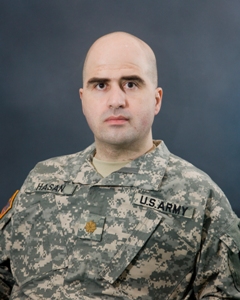
After his acquittal, he joined the Army again for two more tours, worked his way up to E-8, and retired as a MSG from Fort Lewis, Washington. Twenty years later, DNA evidence from a vaginal swab taken from Kathryn Eastburn linked Hennis to the crimes. Civilian prosecutors could not charge Hennis due to double jeopardy; but the US military did claiming they have federal jurisdiction because Hennis is a retiree. As a result, he was ordered back into service due to his retirement status. Hennis tried to claim consensual sex which contradicted original testimony. In 2010, a military jury found him guilty of three counts of murder and he was sentenced to death again. Hennis sits on death row at Fort Leavenworth with three other service members: Ronald Gray, Hasan Akbar, and Nidal Hasan.
In 1985, a young military wife and two of her three little girls are viciously murdered in their home. In a twisted case filled with unusual suspects, the man who gets convicted goes free. But nothing is what it seems. -Discovery ID
3 People on Death Row Who May Be Innocent | Criminally Listed
A man tried three times for his life but is he a killer? Find out! Death Row Stories.
While on death row, Tim Hennis received an anonymous letter confessing to the murders. The note didn’t produce any leads. -Death Row Stories
The star witness in Tim Hennis’ trial had doubts about whether Hennis committed the murders. -Death Row Stories
Timothy Hennis Double Jeopardy | Death Row Stories | CNN
Air Force spouse Kathryn Eastburn was found brutally raped and murdered on May 9, 1985 in her Fayetteville, North Carolina home. Two of her three children, Cara and Erin, were also murdered in the same vicious way. All three were stabbed and their throats were slashed. Kathryn and her three children were home alone while Gary Eastburn was on temporary duty at Maxwell Air Force Base in Alabama. The youngest daughter Jana was found dehydrated but otherwise unharmed. The crime occurred six miles from the location of where Jeffrey MacDonald was accused of killing his wife and two children at Fort Bragg. Army Sergeant Timothy Hennis was a suspect from the beginning because he had visited the Eastburn home a couple days earlier to buy the family dog.
Kathryn placed a dog for sale ad in the local post paper. Investigators sent out a press release looking for the person who bought the dog. In the meantime, a neighbor reported seeing someone leaving the Eastburn residence at the time in question. The neighbor provided details for a composite drawing; the suspect drove a white Chevy Chevette. At the urging of his wife, Hennis contacted the police station and investigators were stunned at how much he looked like the composite drawing. He also drove a white Chevy Chevette. In a background check, they found that Hennis had three convictions for writing bad checks. This was significant because the perpetrator stole Kathryn’s ATM card and used it on one occasion. Another witness identified Hennis as the person who used the ATM at the time in question.
In 1986, the State of North Carolina tried Hennis for the triple murders. Hennis was found guilty and sentenced to death. But he appealed and was found not guilty in the second death penalty trial. After his ‘exoneration’ Hennis was the subject of a book and an ABC made for television movie “Innocent Victims”. Meanwhile, against lawyers advice, Hennis enlisted in the Army again for two more tours, worked his way up to E-8, and retired as a MSG outside of Fort Lewis, Washington. Cold case investigators took a second look at the cold case and because of the advances in DNA technology, they retrieved a vaginal swab from the rape kit test and submitted it to the lab. DNA evidence linked Timothy Hennis to Kathryn Eastburn.The State of North Carolina prosecutors could not charge Hennis a third time because he was found ‘not guilty’ of the triple homicides in the second death penalty trial.
The Double Jeopardy Clause of the Fifth Amendment to the United States Constitution provides: “[N]or shall any person be subject for the same offence to be twice put in jeopardy of life or limb…” [wikipedia]. The civilians couldn’t try him in State court but the Army could because of federal jurisdiction; Hennis was an Army retiree therefore still under their jurisdiction. As a result, Hennis was activated and order to report to Fort Bragg for his third death penalty trial. The defense attempted to justify the DNA match to consensual sex but it contradicted his original testimony. The defense also called into question the ethics of the lab who made the DNA match. A military jury found Timothy Hennis guilty of three counts of murder and sentenced him to death. He awaits his execution date at Fort Leavenworth in Kansas.
Source: Unusual Suspects ‘Mother’s Day Murders’
In 1985, a young military wife and two of her three little girls are viciously murdered in their home. In a twisted case filled with unusual suspects, the man who gets convicted goes free. But nothing is what it seems. -Discovery ID
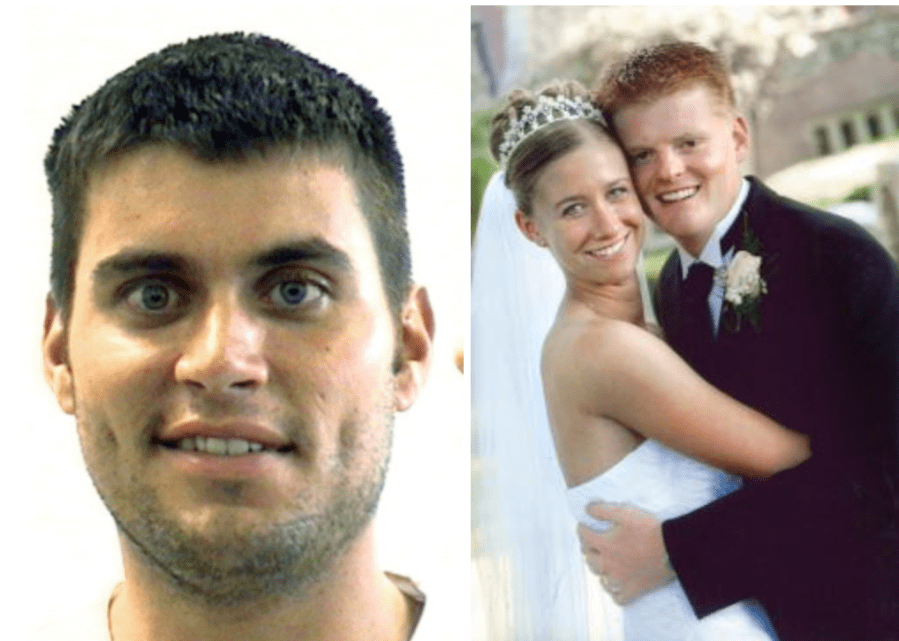
Air Force SrA Andrew Witt murdered Airman Andy Schliepsiek and his wife Jamie at Robins Air Force Base in Georgia on July 5, 2004. According to reports, Andrew Witt made a ‘pass’ at Andy’s wife Jamie at a July 4th cookout. When Andy confronted Witt about the inappropriate sexual advance, he informed him that he would not only report the assault to their Commander but also that he was sleeping with an officer on base. This was motive enough for Andrew Witt to drive back on base and stab them to death in the early morning hours of July 5th. Another airman Jason King was also stabbed in the back as he was attempting to flee the scene. On October 5, 2005, Andrew Witt was found guilty of first degree murder and sentenced to the death penalty by a military court on October 13, 2005. After an appeal, the death sentence was overturned in 2013. In early 2016, the death sentence for Andrew Witt was reinstated. On July 19, 2016, the highest military appeals court ruled in favor of a new sentencing hearing for Andrew Witt. In July 2018, a military panel re-sentenced Andrew Witt to life in prison without parole. Witt also received a dishonorable discharge from the Air Force as part of his sentence. At one point, Witt was the only Air Force service member on military death row at Leavenworth in Kansas. He was joined by four other Army soldiers: Timothy Hennis, Ronald Gray, Hasan Akbar, Nidal Hasan. (Army soldier Dwight Loving‘s death sentence was commuted by President Barack Obama in 2017).