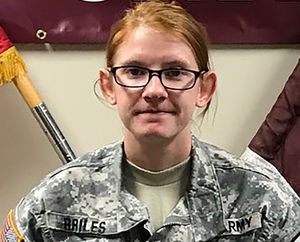
Army Private Paige Fontenot Briles, 21, was found unresponsive in her vehicle at Fort Hood housing in Texas on Christmas eve, December 24, 2016. Private Fontenot Briles is from Kaplin, Louisiana and joined the Army in February 2015. Pvt. Fontenot Briles was assigned to Fort Hood as a wheeled vehicle mechanic. She deployed to Kuwait shortly after completing Advanced Individual Training (AIT). She returned stateside early in December 2015 after she was injured in the line of duty. In November 2016, she was assigned to the Warrior Transition Unit at Carl R. Darnall Army Medical Center. Pvt. Fontenot Briles was going to be discharged from the Army in February 2017 and had plans to attend dental hygienist school. Family report that Pvt. Fontenot Briles cause of death was determined a homicide by the Army but the Bell County coroner’s office made a suicide determination. The Army Criminal Investigation Division (CID) ruled the cause of death as suicide.
*************************************************
Background:
Paige joined the U.S. Army in February 2015 & was permanently assigned to Fort Hood as a wheeled vehicle mechanic after Advanced Individual Training (AIT). Paige shared with her family that she was raped by her recruiter before she went to Fort Jackson for basic training but she did not report the incident. Shortly after arriving to Fort Hood, Paige was deployed to Kuwait in October 2015. Although she returned home early in December 2015 after being found unresponsive under a vehicle. She was injured in the line of duty and the only thing she shared with her family was that she “saw things no one should ever have to see.”
Paige met and married another soldier she hadn’t known that long in January 2016 upon her return home from Kuwait. According to Army CID, they learned that the marriage was contractual and the two did in fact share a home up until recently. When Paige met her husband, she had already experienced multiple traumas from the rape and her experience in Kuwait; she was vulnerable. After a few months of marriage, Paige got pregnant but her “husband” did not want a child and convinced her to get an abortion in August 2016. It was at this point, Paige had a mental health breakdown and was hospitalized for 28 days. She was eventually transferred to the Warrior Transition Unit (WTU) in November 2016.
The WTU allowed Paige to escape the unhealthy arrangement she was trapped in with her contractual husband and she was starting to feel better after being free of him for a couple months. Family reports that Paige decided to get out of the military, move back in with her sister and parents, and pursue an education as a dental hygienist. Paige was expected to discharge in February 2017. Paige put in leave to go home for Christmas in December 2016 but it was denied. Paige took a picture of herself on SnapChat and sent it to her contacts on Christmas Eve. She wrote “here’s to another Christmas alone.” And the Army wants us to believe that 30 minutes later, Paige would be dead by her own hand.
On the night in question, Paige drove to a friend’s house on post. She was house sitting for them while they were out of town. About an hour later, Paige was found unresponsive in the driver’s seat in her vehicle in the parking lot outside her friend’s home. She had been stabbed. Initially the Army investigated the death as a homicide but in December 2017, the family was informed that the cause of death was ruled a suicide. Less than two years in the Army and Paige was gone. She told her parents she was raped, she saw things in Kuwait no one should ever see, and that she was in an unhealthy relationship with a man she was trying to escape. Paige had been through hell in her short time in the Army but she had hope. She knew she was returning to Louisiana to a loving family and a sister who was her best friend. She didn’t feel so trapped that suicide was the only way out.
Paige had a second chance at life in just a couple months when she was going to be discharged. Paige’s parents want their daughter’s case investigated as a homicide. They provided the Army CID with a person of interest. They had interaction and negative experiences with the person of interest. They shared their first hand interactions (witness testimony) and their concerns with CID but felt their experiences and observations were dismissed. They know their daughter was not suicidal because she was due to get out of the Army in February 2017 and she had plans. When questioned if the Army CID ever investigated the person of interest, Paige’s family responded with “the Army CID never investigated any persons of interest.” As a matter of fact, the Army discharged the soldier these parents suspected was the person of interest.
What happens when the Army discharges a soldier who may be a person of interest? They in effect give up jurisdiction of the soldier once they become a civilian unless they are retired. The soldier who was considered a ‘person of interest’ by the family was discharged for disciplinary reasons. Enter across state line jurisdictional issues and the Federal Bureau of Investigation who appears to want to steer clear of cases on military bases. The parents report that initially Paige’s stabbing death was investigated as a homicide yet in the end, despite the autopsy, forensics, suspicious circumstances in her life, and the parents testimony, Paige’s death was ruled a suicide by the Army CID. Once a death is ruled a suicide, the investigation is over and the US Army never has to investigate again.
Fort Hood Army soldier Thomas Chestnut, 28, was freed from a Kansas military prison on December 23, 2016 after an appellate court overturned a guilty verdict on December 14, 2016. The Army Court of Criminal Appeals overturned the conviction finding evidence in the case as “factually insufficient.” The case stems from an accusation by a third party of a sexual assault of a man in August 2012 at Fort Sam Houston near San Antonio, Texas. Chestnut was charged and found guilty by a military jury on one count of sexual assault and found not guilty of one specification of assault consummated by a battery. Chestnut testified that the encounter with the other soldier was consensual and the third party was trying to deflect attention from himself. Chestnut was sentenced on July 2, 2014 to three years in prison at Fort Leavenworth, a reduction in rank to private, and forfeiture of all pay. After Thomas Chestnut was exonerated, he was entitled to back pay and an honorable discharge from the military when he completed his time in service. Thomas was honorably discharged from the Army in January 2017 but had not yet been able to get his back pay. Thomas shared his thoughts on his wrongful conviction and his two and a half year imprisonment in mostly solitary confinement for a crime he didn’t commit.
“How could I respect the authority of such a corrupt system and such a corrupt institution? Not after what they did to me, to us, as I am not alone in this you see. Hundreds of my fellow veterans have also been falsely accused and forced into prison. Obviously, the military leadership lacks the maturity and ethics to handle sexual assault cases in a balanced adult way. They should not have authority in these matters.” via Save Our Heroes
Thomas Chestnut spent 2 1/2 years in prison where he was placed in solitary confinement and allegedly abused by prison guards. Thomas admits the prejudiced military justice system, corruption, and prison experience traumatized him. He most likely suffers from a form of institutional abuse. In December 2016, the appeals court overturned his conviction, he was cleared of all charges, released from prison, and promised back pay. Thomas stated: “I have nothing. No place of my own, no car, and little money. The Army has no plan for someone with a case overturned, so I’ve been more or less thrown out on the street.” Thomas Chestnut most likely has Post Traumatic Stress Disorder after the betrayal by the military justice system and the abuse he endured in prison marked as a man who rapes other men. In February 2017, Chestnut attempted to get his back pay from the Army as he had nothing, no job, no place to live, no means to take care of himself. The Army didn’t help him or give him the answers he deserved when it came to his backpay.
At this point, Thomas most likely had a post traumatic stress meltdown simply from having to deal with the same institution that wrongfully convicted him of a crime. After he didn’t get the answers he deserved regarding his back pay, he got angry and threatened to harm individuals at Fort Hood. As a result, Chestnut was arrested by FBI agents and charged with making threats to kill individuals at Fort Hood. Thomas has been in federal custody ever since he made the threats and now the life that he may have had a second chance at was taken away from him again. Obviously, Thomas shouldn’t have threatened to kill individuals at Ft Hood but the backpay issue and the fact he has PTSD should have been a mitigating factor in this case. For example, the state of destitution he was in and his legitimate need for money to sustain and take care of himself most likely triggered his post traumatic stress symptoms. He was desperate and the Army’s indifference and stonewalling most likely caused an already emotionally fragile man to disassociate and lash out. If he was within the state’s jurisdiction, chances are he would have access to a veteran’s court that would fight to give him another chance. Instead, Thomas Chestnut is in federal prison for 18 months for one threatening phone call.
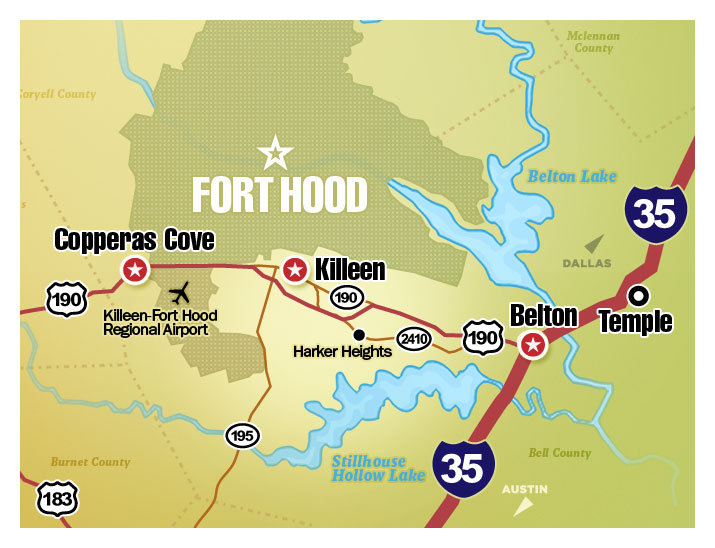
Fort Hood is a U.S. military post located in Killeen, Texas. The post is named after Confederate General John Bell Hood. It is located halfway between Austin and Waco, about 60 miles (100 km) from each, within the U.S. state of Texas. -Wikipedia
*Research not complete and includes combat deaths.
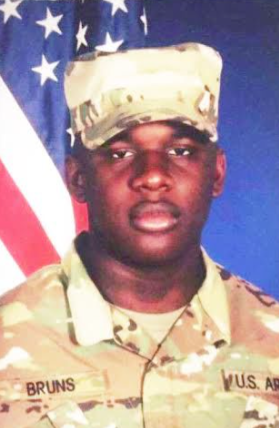
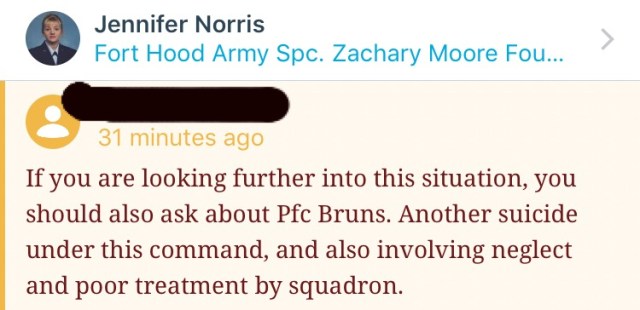
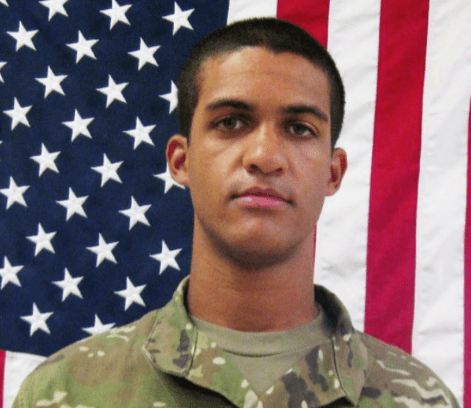
Army soldier Pvt. Wanya Bruns, 20, died from a self-inflicted gunshot wound in Killeen, Texas on November 26, 2016. Pvt. Bruns’ home of record is listed as Bellwood, Illinois and he joined the Army in February 2016. Pvt. Bruns was a cavalry scout assigned to the 2nd Brigade Combat Team, 1st Cavalry Division at Fort Hood in Texas. At the time of the report, the Killeen Police Department investigated the circumstances of Bruns’ death and their findings indicated the gunshot wound was self-inflicted. In effect, Pvt. Bruns committed suicide nine months after joining the Army; five months after getting to Fort Hood. The following comment on MJFA under Spc. Zachary Moore’s story begs the question: Why Are Army Soldiers at Fort Hood Dying at Alarming Rates Stateside?
Fort Hood Army Pvt. Kevin Paulino, 24, died of a gunshot wound in Peru, Indiana on November 16, 2016. Pvt. Paulino’s home of record is listed as Bronx, New York and he entered military service in May 2016. He was an infantryman assigned to the 2nd Squadron, 3rd Cavalry Regiment, 1st Cavalry Division at Fort Hood, Texas. According to the Killeen Daily Herald, civilian police confirmed Pvt. Paulino’s cause of death was a self-inflicted gunshot wound.
Army Sgt. John Perry, 30, died of injuries sustained from an improvised explosive device in Bagram, Afghanistan on November 12, 2016. Sgt. Perry was supporting Operation Freedom’s Sentinel on behalf of the Headquarters and Headquarters Company, 1st Special Troops Battalion, 1st Sustainment Brigade, 1st Cavalry Division at Fort Hood, Texas. Army soldier Pfc. Tyler Iubelt, 20, also died in the attack that occurred as people were gathering at the airfield for a post-Veterans Day fun run. Reports indicate that a Taliban suicide bomber was dressed as a laborer and blew himself up killing Sgt. Perry, Pfc. Iubelt, and two civilians.
Army Pfc. Tyler Iubelt, 20, died of injuries sustained from an improvised explosive device in Bagram, Afghanistan on November 12, 2016. Pfc. Iubelt was supporting Operation Freedom’s Sentinel on behalf of the Headquarters and Headquarters Company, 1st Special Troops Battalion, 1st Sustainment Brigade, 1st Cavalry Division at Fort Hood, Texas. Army soldier Sgt. John Perry, 30, also died in the attack that occurred as people were gathering at the airfield for a post-Veterans Day fun run. Reports indicate that a Taliban suicide bomber was dressed as a laborer and blew himself up killing Pfc. Iubelt, Sgt. Perry, and two civilians.
U.S. Army Pfc. Tyler Iubelt is celebrated during the return of his body to Southern Illinois from Afghanistan. Iubelt was killed when a suicide bomber targeted a November 2016 Veteran’s Day celebration in Afghanistan; he was one of four poeple killed in that attack. -The Southern Illinoisan
Army Specialist Ronald Murray, Jr., 23, died of a non combat related injury in Kuwait on November 10, 2016. Specialist Murray was supporting Operation Inherent Resolve on behalf of the 4th Battalion, 1st Field Artillery Regiment, 3rd Armored Brigade Combat Team, 1st Armored Division in Fort Bliss, Texas. Specialist Murray worked in fire support and died in a vehicle accident. He is from Bowie, Maryland and joined the Army in January 2015.
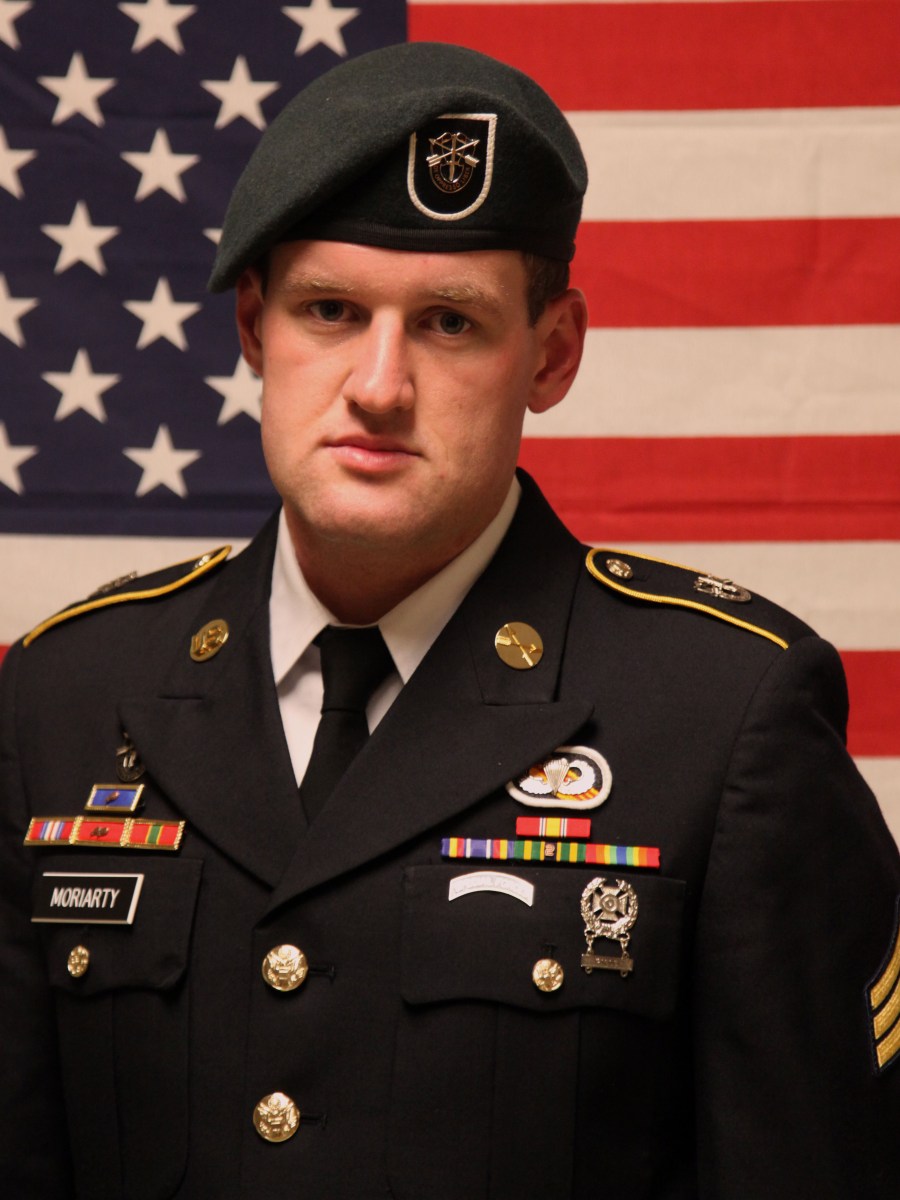
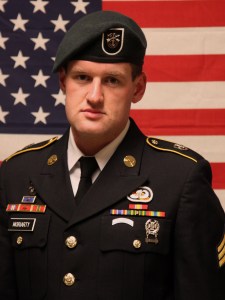
Army Staff Sgt. James Moriarty, 27, of Kerrville, Texas died of wounds sustained when his team’s convoy came under fire entering a military base in Jafr, Jordan on November 4, 2016. Staff Sgt. Moriarty was on a training mission in Jordan on behalf of the 5th Special Forces Group (Airborne) at Fort Campbell, Kentucky. Green Beret’s Staff Sgt. Kevin McEnroe and Staff Sgt. Matthew Lewellen also lost their lives in the deadly attack. The Department of Defense reports that the incident is under investigation. Initial reports indicate that Jordan accused US Army soldiers of sparking the incident but the US disputes those allegations and stated the attacks appear to be deliberate.
In the News:
Newly released video shows a deadly shooting in which a Jordanian solider killed 3 U.S. Army Green Berets who were serving as military trainers in Jordan. CBSN’s Anne Marie-Green has the story. -CBS News (July 25, 2017)
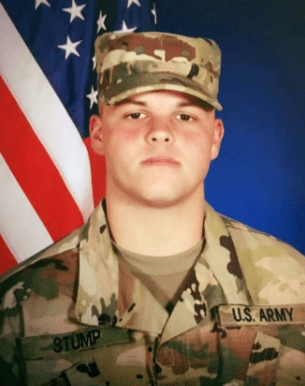
Pvt. Dakota Stump, 19, US Army, went missing from Fort Hood, Texas on October 10, 2016. The family confirmed Dakota was found dead on November 3rd, 2016 on the base. Military officials said Stump’s remains were found next to his flipped-over vehicle 100 yards from the roadway on Fort Hood. An investigator told Dakota’s mother Patrice Wise that his car had rolled multiple times and he was ejected but the crash scene wasn’t visible from the road. Patrice claimed Army officials said they searched the area but because his phone pinged off a cell phone tower in Indiana they thought he was Absent Without Leave (AWOL). Patrice’s response: ‘He was laying in the woods, and nobody would go look.’ Patrice has since started a petition to pass Dakota’s Law which would create a ‘Warrior Alert’ when soldiers go missing. Learn more here:
We need to change Standard Operating Procedures on how Law Enforcement and Military handle situations when our Veterans and Active Duty Members go missing. Which will in turn allow not only Law Enforcement and Military Officials the tools to better locate these individuals, but will help the families and any veterans organizations to assist as well. –Dakota’s Law Petition

 The WTU allowed Paige to escape the unhealthy arrangement she was trapped in with her contractual husband and she was starting to feel better after being free of him for a couple months. Family reports that Paige decided to get out of the military, move back in with her sister and parents, and pursue an education as a dental hygienist. Paige was expected to discharge in February 2017. Paige put in leave to go home for Christmas in December 2016 but it was denied. Paige took a picture of herself on SnapChat and sent it to her contacts on Christmas Eve. She wrote “here’s to another Christmas alone.” And the Army wants us to believe that 30 minutes later, Paige would be dead by her own hand.



 MILITARY JUSTICE FOR ALL