Army Private Paige Fontenot Briles, 21, was found unresponsive in her vehicle at Fort Hood housing in Texas on Christmas eve, December 24, 2016. Private Fontenot Briles is from Kaplin, Louisiana and joined the Army in February 2015. Pvt. Fontenot Briles was assigned to Fort Hood as a wheeled vehicle mechanic. She deployed to Kuwait shortly after completing Advanced Individual Training (AIT). She returned stateside early in December 2015 after she was injured in the line of duty. In November 2016, she was assigned to the Warrior Transition Unit at Carl R. Darnall Army Medical Center. Pvt. Fontenot Briles was going to be discharged from the Army in February 2017 and had plans to attend dental hygienist school. Family report that Pvt. Fontenot Briles cause of death was determined a homicide by the Army but the Bell County coroner’s office made a suicide determination. The Army Criminal Investigation Division (CID) ruled the cause of death as suicide.
*************************************************
Background:
Paige joined the U.S. Army in February 2015 & was permanently assigned to Fort Hood as a wheeled vehicle mechanic after Advanced Individual Training (AIT). Paige shared with her family that she was raped by her recruiter before she went to Fort Jackson for basic training but she did not report the incident. Shortly after arriving to Fort Hood, Paige was deployed to Kuwait in October 2015. Although she returned home early in December 2015 after being found unresponsive under a vehicle. She was injured in the line of duty and the only thing she shared with her family was that she “saw things no one should ever have to see.”
Paige met and married another soldier she hadn’t known that long in January 2016 upon her return home from Kuwait. According to Army CID, they learned that the marriage was contractual and the two did in fact share a home up until recently. When Paige met her husband, she had already experienced multiple traumas from the rape and her experience in Kuwait; she was vulnerable. After a few months of marriage, Paige got pregnant but her “husband” did not want a child and convinced her to get an abortion in August 2016. It was at this point, Paige had a mental health breakdown and was hospitalized for 28 days. She was eventually transferred to the Warrior Transition Unit (WTU) in November 2016.
The WTU allowed Paige to escape the unhealthy arrangement she was trapped in with her contractual husband and she was starting to feel better after being free of him for a couple months. Family reports that Paige decided to get out of the military, move back in with her sister and parents, and pursue an education as a dental hygienist. Paige was expected to discharge in February 2017. Paige put in leave to go home for Christmas in December 2016 but it was denied. Paige took a picture of herself on SnapChat and sent it to her contacts on Christmas Eve. She wrote “here’s to another Christmas alone.” And the Army wants us to believe that 30 minutes later, Paige would be dead by her own hand.
On the night in question, Paige drove to a friend’s house on post. She was house sitting for them while they were out of town. About an hour later, Paige was found unresponsive in the driver’s seat in her vehicle in the parking lot outside her friend’s home. She had been stabbed. Initially the Army investigated the death as a homicide but in December 2017, the family was informed that the cause of death was ruled a suicide. Less than two years in the Army and Paige was gone. She told her parents she was raped, she saw things in Kuwait no one should ever see, and that she was in an unhealthy relationship with a man she was trying to escape. Paige had been through hell in her short time in the Army but she had hope. She knew she was returning to Louisiana to a loving family and a sister who was her best friend. She didn’t feel so trapped that suicide was the only way out.
Paige had a second chance at life in just a couple months when she was going to be discharged. Paige’s parents want their daughter’s case investigated as a homicide. They provided the Army CID with a person of interest. They had interaction and negative experiences with the person of interest. They shared their first hand interactions (witness testimony) and their concerns with CID but felt their experiences and observations were dismissed. They know their daughter was not suicidal because she was due to get out of the Army in February 2017 and she had plans. When questioned if the Army CID ever investigated the person of interest, Paige’s family responded with “the Army CID never investigated any persons of interest.” As a matter of fact, the Army discharged the soldier these parents suspected was the person of interest.
What happens when the Army discharges a soldier who may be a person of interest? They in effect give up jurisdiction of the soldier once they become a civilian unless they are retired. The soldier who was considered a ‘person of interest’ by the family was discharged for disciplinary reasons. Enter across state line jurisdictional issues and the Federal Bureau of Investigation who appears to want to steer clear of cases on military bases. The parents report that initially Paige’s stabbing death was investigated as a homicide yet in the end, despite the autopsy, forensics, suspicious circumstances in her life, and the parents testimony, Paige’s death was ruled a suicide by the Army CID. Once a death is ruled a suicide, the investigation is over and the US Army never has to investigate again.
Fort Hood is a U.S. military post located in Killeen, Texas. The post is named after Confederate General John Bell Hood. It is located halfway between Austin and Waco, about 60 miles (100 km) from each, within the U.S. state of Texas. -Wikipedia
*Research not complete and includes combat deaths.
Family of Katherine Morris wants Dept. of Justice to investigate death. -WMAR-2 News (August 10, 2015)
Army Spouse Katherine Morris Found Dead in Car Near Mall; Cause of Death Initially Ruled Suicide But Further Investigation Suggests Homicide Motivated by Insurance Fraud (May 6, 2012): https://wp.me/p3XTUi-5ve
Sgt. Okan Cetinbag, 24, of Morton Grove, Illinois died on February 11, 2014 from gunshot injuries sustained on February 7th at his home on Joint Base Elmendorf-Richardson in Alaska. Sgt. Cetinbag was an infantryman with Company B, 1st Battalion, 501st Infantry Regiment. He joined the Army in January 2013, attended basic and airborne training at Fort Benning, Georgia and arrived in Alaska in June 2013. He served with the U.S. Marine Corps, including a combat tour in Afghanistan in 2010, before joining the Army. The Army reported they were investigating the case but did not appear to be cooperating with the mother of Sgt. Cetinbag who has been questioning what happened to her son. Media reports indicate that Sgt. Cetinbag was one of four servicemen from JBER found dead this month: SrA Katrina Jackson on February 15; and SSgt. Darian Miller on February 18; and SSgt. Samuel Davis on February 23.
Sgt. Okan Cetinbag was shot in the face at his home on an Alaska Army base. There were six colleagues in the house that day, plus Okan’s wife and young daughter. His mother believes they know what happened and are not telling authorities. -WGN News
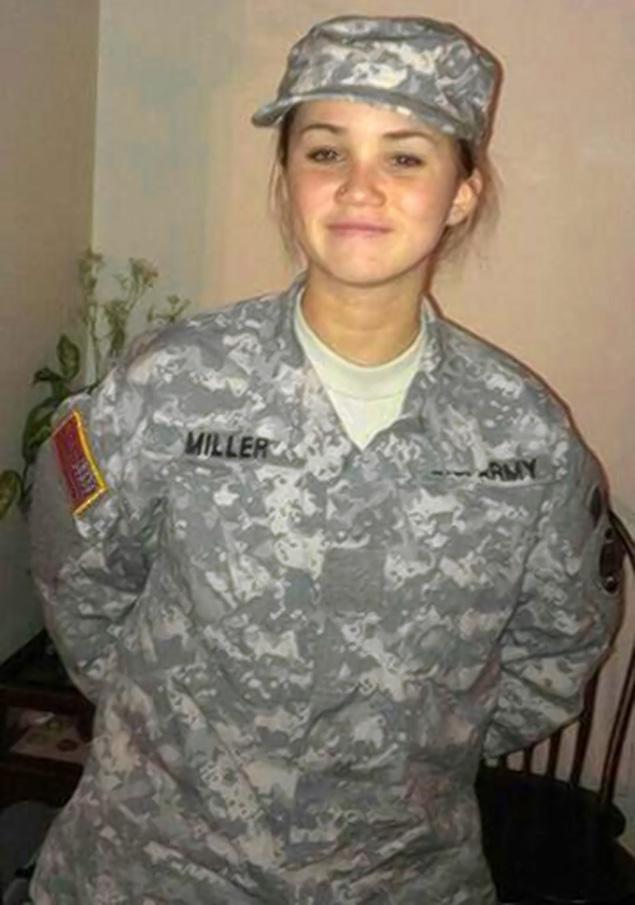
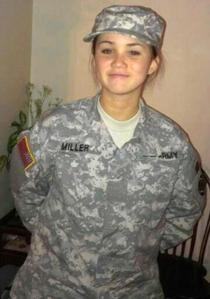
The story of 17 year old Michelle Miller was featured on Forbidden: Dying for Love on Investigation Discovery. U.S. Army Reserve recruiter Adam Arndt, 31, enlisted the Rockville, Maryland high school senior in the Army Reserve Future Soldier’s Program. Michelle enlisted in part to help pay her tuition for Arizona State University. Unfortunately, in what appeared to be a downward spiral triggered by an ongoing military investigation, he took her with him. Because both Adam and Michelle were in the military, Army investigators concluded the investigation. In the end, they would add insult to injury and imply this was a ‘couple’ that wanted to die together in a double suicide despite background, testimony, and physical evidence to the contrary. Michelle’s father believes the Army changed the facts to fit their agenda.
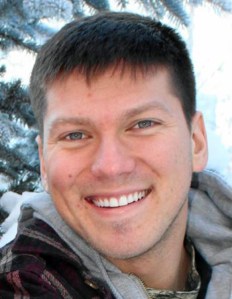
According to her father Kevin Miller, Michelle left her Rockville, Maryland home at around 9:15 p.m. on April 8, 2013 after receiving a text message from someone in her reservist platoon about Staff Sgt. Adam Arndt. Michelle rushed out of her house believing that Arndt was suicidal and told her family she had to help a friend. Her father asked her to send the exact address, but he only received one vague message from her. He called the police and they arrived shortly before 9 a.m. the next day. When they were unable to make contact with anyone inside the house, they forced their way in and found Michelle Miller and Adam Arndt dead in the bathroom tub from what appeared initially to be a murder-suicide. Kevin Miller knows his daughter did not want to commit suicide because she simply had too much going for her.
Investigation Discovery:
ID Go: When high school senior Michelle Miller joins the Future Soldiers program, she sees it as the first step to realizing her dream of enlisting in the Army. But a forbidden affair with her recruiter risks her career in the Army, and her future itself. -The Sergeant & the Schoolgirl, Forbidden: Dying for Love (S2, E1)
Editor’s note: With a cable subscription, you can download the free ID Go app and watch all of the Investigation Discovery programming at your convenience. And for those who do not have cable, you can watch “unlocked” episodes on the ID Go app including the latest premieres. Download the ID Go app and binge away. For those who prefer commercial free programming during your binge session, Prime Video has an ID channel: ‘True Crime Files by Investigation Discovery” available for $2.99 a month. It’s a compilation of older seasons but totally worth the cost if you are a true crime addict.
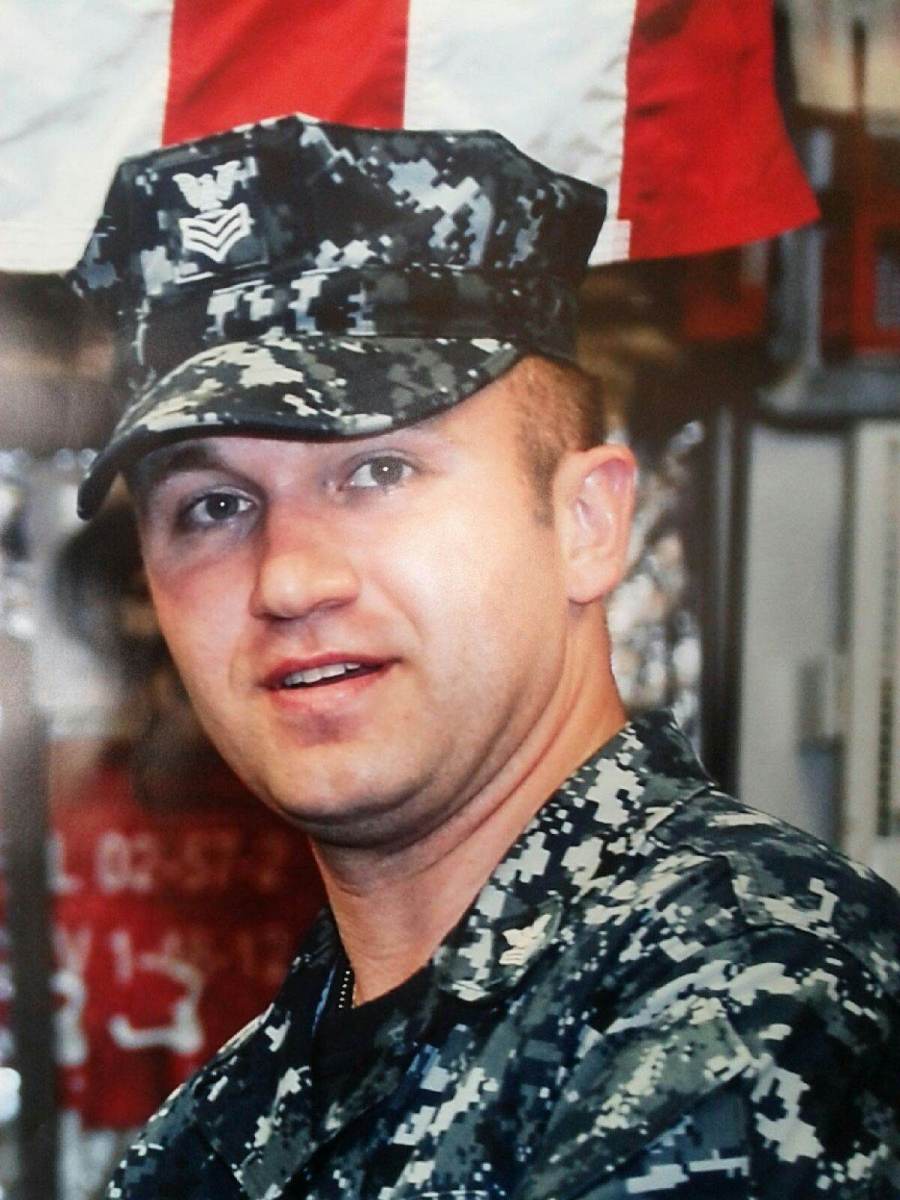
Navy CPO John Keith Bemis, 30, was found fatally shot in his Spring Valley, California residence on August 7, 2012. Keith enlisted in the U.S. Navy in 2000 and was an air conditioning and refrigeration mechanic assigned to the U.S.S. Independence docked in San Diego, California. Although the exact time of death is unknown, Keith was found dead on Tuesday morning, August 7th, by Navy co-workers and the Sheriff’s Department. Keith was found in his bedroom lying on his back in full uniform wearing a motorcycle helmet with a single intraoral gunshot wound. Keith’s death was quickly ruled a suicide but Keith’s parents, Tony and Sue Bemis, who never believed Keith died by suicide, want Keith’s death to be reopened and investigated as a homicide. They have conducted their own investigation and have determined the evidence simply doesn’t add up. Keith was a happy and healthy young man with a stellar military career; he was a suicide prevention advocate for the Navy; there were no medical or mental health issues or stressors noted in Keith’s naval medical records; and he did not leave a note. The San Diego County Sheriff’s Department (Lemon Grove) were tasked with investigating and documenting the incident and the San Diego County Medical Examiner’s office conducted an autopsy. Photos were taken at the scene and at autopsy.
Tony and Sue Bemis elicited the help of the Armed Forces Medical Examiner (AFME) because they wanted a second autopsy conducted. Now both the San Diego County Medical Examiner and the AFME had ruled the cause of death suicide. After the family received a copy of the autopsy reports and photos, they began to notice upon closer examination that there were words like “gay” and “fag” written on Keith’s body. They found other oddities like numbers and words written on Keith’s body and on items in the bedroom where he was found. They found markings consistent with writing on the back of Keith’s neck. They observed two bullet holes in the ceiling; only one bullet was recovered. And were surprised by the damage caused to the motorcycle helmet where the bullet that killed their son apparently exited. They learned Keith was last seen on August 6 around 9 p.m. and suspect Keith was met with foul play shortly after returning home. Neighbors told the family he parked his truck in handicap parking (which he normally would not do) upon returning home. Neighbors also reported hearing a loud thud. After the family examined the evidence known to them (and to police), they found enough compelling evidence to warrant concern. Keith didn’t have any of the associated risk factors with suicide. But Keith did have a recent break up with a woman he had dated off and on for three years.
Keith met his ex-girlfriend in Tijuana and the relationship dynamics and reasons why they broke up are unknown. Those who interacted with Keith prior to his death did not observe any depression associated with the break-up. In the days following the break-up Keith celebrated an upcoming promotion on Sunday August 5, 2012; he spoke with family during a party at his condominium. He had recently purchased some new t-shirts and none of his electronic communications prior to the incident indicated any kind of unusual behavior. Unfortunately, Keith’s computer was of no use; the hard drive was wiped. Some mystery could have been alleviated with gun shot residue (GSR) testing of Keith’s hands but this testing was not conducted by either the San Diego County or Armed Forces medical examiners. The family tested Keith’s three guns for forensic evidence (including the gun allegedly used to take his own life) and no blood, blowback, or remains were found on any of Keith’s guns. The family wants homicide investigators to explore the various motives and theories because they know Keith didn’t die by his own hand. They can’t have peace until there is justice for their son. And none of us are safe if we turn the other way and ignore what quite possibly could be a homicide. Keith was concerned about a missing key to his place. Was a known offender able to gain access with the missing key? Nothing appeared to be stolen from Keith’s residence. Was it a personal crime?
If Keith’s death was a homicide, then a killer roams free. And because of this, we need to make death and missing persons investigations a priority. Every death investigation should be a homicide investigation initially until evidence proves otherwise. And we should always use gun shot residue testing to confirm suicide by gun. We should conduct a victimology, interview family and friends, and look at the totality of the evidence before making premature determinations that control the future of an investigation. The interviews, electronic records, and necessary forensic testing speak for the victim. We should take a look at all the possible theories. Some theories in this case include but are not limited to: ex-girlfriend angry Keith broke off with her, feels rejected, wants revenge; mistaken identity, intruder meant to target roommate; the missing house key was used to enter residence, intruder known; roommate was in Navy, maybe Keith suspected illegal activity and co-workers wanted him to remain silent; was this a national security incident or an act of terrorism? Tony and Sue Bemis created a website in Keith’s name. They are determined to find out what happened to their son because the evidence collected doesn’t support a suicide ruling. Take a look at the evidence for yourself and make your own determination. The more eyes on the case, the better. Please sign the petition, follow Death of Navy CPO John Keith Bemis on Facebook, and for tips, please contact Tony and Sue by e-mail.
CPO John “Keith” Bemis’ death was declared a suicide in August 2012, but the evidence doesn’t add up and his parents need your help. -Unsolved Mysteries (February 27, 2015)
San Diego County Sheriff’s Department Report (August 7, 2012):
San Diego County Sheriff’s Department Report (Download PDF)
Armed Forces Medical Examiner’s Report (August 17, 2012):
Armed Forces Medical Examiner’s Report (Download PDF)
San Diego County Medical Examiner’s Report (September 28, 2012):
San Diego County Medical Examiner’s Report (Download PDF)
Able Legal Investigations Summary Report (January 12, 2014):
Able Legal Investigations Summary Report (Download PDF)
Ryan Forensic DNA Consulting Report (September 2, 2014):
Ryan Forensic DNA Consulting Report (Download PDF)
DNA Diagnostics Center Forensic Report (October 27, 2017):
DNA Diagnostics Center Forensic Report (Download PDF)
Katherine Morris, 22, was found dead in her car near the Arundel Mills Mall in Maryland on May 6, 2012. Katherine was a University of Maryland student and married to Army spouse, Isaac Goodwin, who was stationed at Fort Bragg in North Carolina. According to a website dedicated to Katherine Morris, she died from carbon monoxide poisoning from charcoal grills lit in her car. Katherine’s family questioned the ruling of suicide by the Army and the Anne Arundel County police department immediately and were eventually successful at getting some retired civilian detectives to look into their suspicions of homicide motivated by life insurance fraud. Interestingly, Anne Arundel County police department also had jurisdiction of the homicide investigation of Army soldier Karlyn Ramirez, who was murdered in 2015. Karlyn’s husband Maliek Kearney and his new girlfriend Doris Delgado face federal murder charges. Karlyn’s homicide is similar in motive to the theories Katherine’s family has about her suspicious death. Karlyn and Katherine both appear to have been targeted and became the victims of domestic violence and/or life insurance fraud. The true motivation behind the Karlyn Ramirez and Katherine Morris deaths is unknown at this time but given how many homicides occur in the military with the common motive of domestic violence and/or life insurance, the Katherine Morris case deserves a second look.
Three families have asked for similar law changes for victims of domestic violence in the military since 2011. Representative Bruce Braley introduced the Holley Lynn James Act on behalf of Fort Bragg Lt. Holley Wimunc who was murdered by her Marine husband John Wimunc in 2008. The bill was advocating for the removal of the Commander and the Chain of Command from the investigation and adjudication of felony crimes like domestic violence because of their inexperience with the modus operandi of offenders. Unfortunately the bill was never even considered and this bill may have had the power to prevent what happened to Katherine Morris, Michelle Miller, and Karlyn Ramirez. Michelle Miller’s family believes she was targeted by an Army recruiter at her Rockville, Maryland high school and became the victim of domestic violence and homicide, despite the Army’s ruling of a double suicide. As a result, Michelle’s family is advocating for Michelle’s Law, which is an effort to encourage Congress to pass a law that would try military abuse and murder cases in civilian court. Katherine’s family is currently advocating for the Katherine Morris Military Spouse Protection Act. All of these law proposals ask that the Chain of Command be removed from the investigation and adjudication of felony crimes because of their inexperience at handling these complex cases. Similar bills have also been introduced to Congress to include the Sexual Assault Training, Oversight, and Prevention Act and the Military Justice Improvement Act. The military needs experienced investigators to get to the bottom of the truth in an effort to prevent crime and save lives.
In the News:
Family of Katherine Morris wants Dept. of Justice to investigate death. -WMAR-2 News (August 10, 2015)
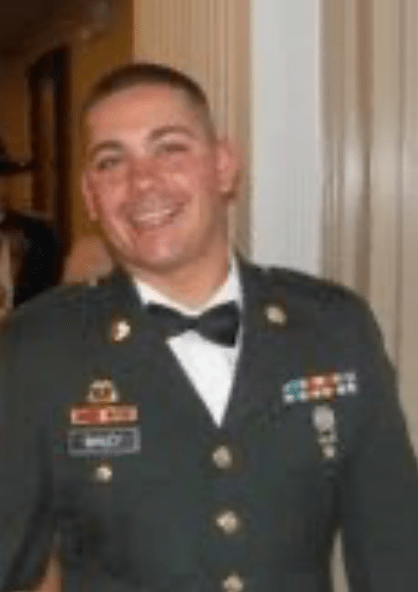
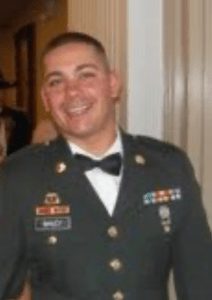
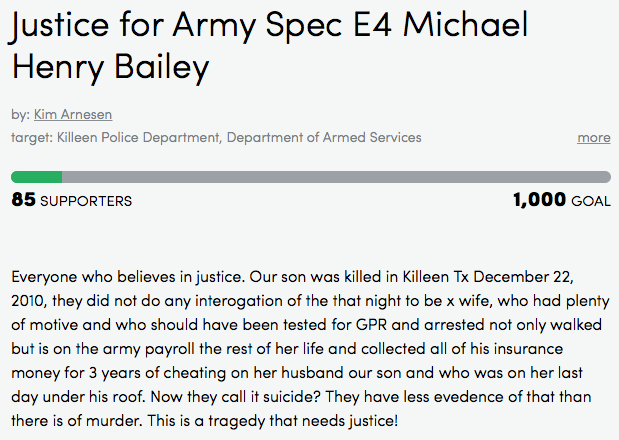
Army Spc. Michael Henry Bailey II, 26, died on December 29, 2011 from injuries sustained from a gunshot wound on December 23, 2011. He was assigned to 4th Squadron, 9th Cavalry Regiment, 2nd Brigade Combat Team, 1st Cavalry Division, in Fort Hood, Texas. Spc. Bailey deployed in support of Operation Iraqi Freedom from May 2011 to November 2011. At the time of the Army press release, the incident was under investigation. According to a family petition, they believe that there was more evidence supporting murder then suicide. They asked the Army and the Killeen Police Department to investigate the circumstances further as they believe that someone close to Spc. Bailey’s life had motive (life insurance) and this person was allegedly present at the location on the day of the shooting.
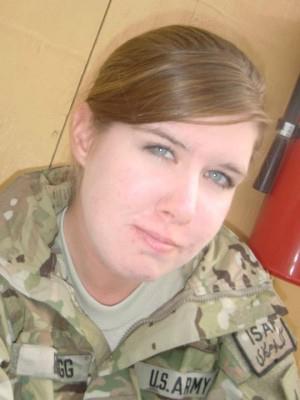
Army Specialist Mikayla Bragg died of a non combat death in Khowst province, Afghanistan on December 21, 2011. Spc. Bragg was supporting Operation Enduring Freedom on behalf of the 201st Brigade Support Battalion, 3rd Brigade Combat Team, 1st Infantry Division in Fort Knox, Kentucky. The Army ruled that Spc. Bragg’s cause of death was suicide. After an investigation it was revealed that commanders at Fort Knox failed to properly track Spc. Bragg as a “high-risk” soldier who could potentially hurt herself or others before she was cleared to deploy to Afghanistan. The Army investigators also made three recommendations in the report.
Mental-health providers stateside should share more information about high-risk soldiers with mental-health providers in war zones. Camp Salerno’s behavioral-health officer said she had been unable to get mental-health records for Bragg because of privacy laws.
Commanders should develop better procedures to ensure personnel data is not lost while transferring soldiers between units.
No soldier, regardless of gender, should be stationed in a guard tower alone.
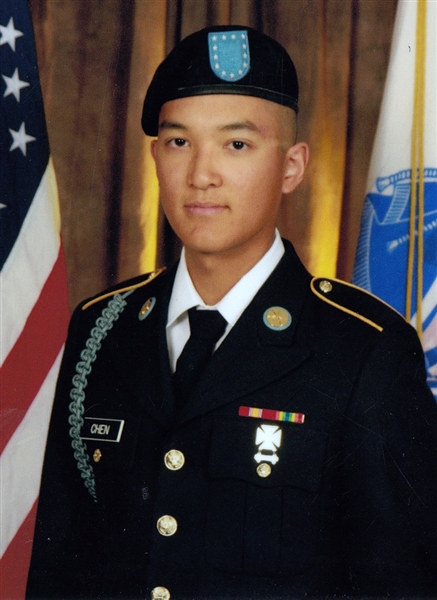
Pvt. Danny Chen, 19, US Army, died of a non combat-related incident in Kandahar province, Afghanistan on October 3, 2011. Pvt Chen was supporting Operation Enduring Freedom on behalf of the 3rd Battalion, 21st Infantry Regiment, 1st Stryker Brigade Combat Team, 25th Infantry Division in Fort Wainwright, Alaska.

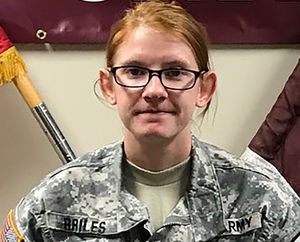
 The WTU allowed Paige to escape the unhealthy arrangement she was trapped in with her contractual husband and she was starting to feel better after being free of him for a couple months. Family reports that Paige decided to get out of the military, move back in with her sister and parents, and pursue an education as a dental hygienist. Paige was expected to discharge in February 2017. Paige put in leave to go home for Christmas in December 2016 but it was denied. Paige took a picture of herself on SnapChat and sent it to her contacts on Christmas Eve. She wrote “here’s to another Christmas alone.” And the Army wants us to believe that 30 minutes later, Paige would be dead by her own hand.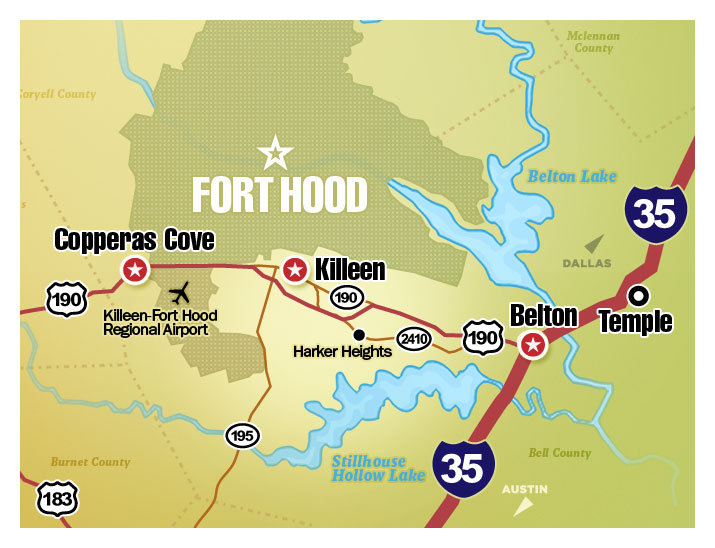





 MILITARY JUSTICE FOR ALL