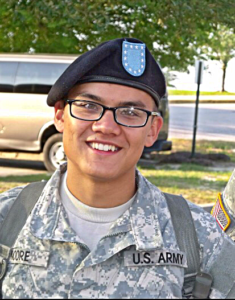
Fort Hood Army Spc. Zachary Moore Died by Suicide While on Deployment to Camp Hovey, South Korea; Delay in Medical Care Contributed to Death (August 2, 2017)

SPC-Moore-235x300
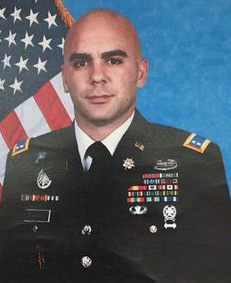
Spc. Zachary Moore, US Army

Spc. Zachary Moore, 23, of Virginia Beach, Virginia, was found unresponsive August 1, 2017 in his barracks room at Camp Hovey in South Korea. Spc. Moore was transported to St. Mary’s Hospital and pronounced deceased on August 2, 2017. Spc. Moore entered active-duty military service in March 2014 as a signal support systems specialist. He was assigned to the 9th Cavalry Regiment, 2nd Armored Brigade Combat Team, 1st Cavalry Division at Fort Hood in Texas since July 2016. The circumstances surrounding the incident were investigated by the U.S. Army Criminal Investigation Division (CID) and the cause of death was ruled a suicide.

*****************************************

Was Zachary Moore’s Death Preventable?

In May 2017, Fort Hood announced they were deploying 3,500 troops to South Korea over the summer. Twenty-three (23) year old Zachary Moore was one of the soldiers deployed to South Korea. With full knowledge of Zachary’s recent mental health issues, the Chain of Command gave him a mental health waiver against his will, and most likely against medical advice, so they could deploy him to South Korea.

In October 2016, Zachary had a mental health breakdown and went Absent without Leave (AWOL). After a successful intervention, Zachary was found and returned to the custody of his Chain of Command at Fort Hood. Zachary’s command then sent him to an emergency room where he was hospitalized and prescribed medication. After Zachary was discharged from the hospital, he continued to seek treatment for mental health issues. Six months later, Zachary was given a mental health waiver by his command to deploy to South Korea.

About a month after Zachary arrived at Camp Hovey in South Korea, his depression medication was changed. As a matter of fact, his depression medication was changed the day before he was found unresponsive in his barracks room. Zachary attempted to kill himself on August 1st, less than 24 hours after the medication change. It was Zachary who called his Command for help as there is no 911 on the base in South Korea. He was found unresponsive and finally transported to the hospital about 1 ½ to 2 hours later. He was admitted to the Intensive Care Unit, listed as critical then stable, yet passed away on August 2, 2017.

Why did Zachary Moore go AWOL?

The Chain of Command contacted Jeanette to report Zachary hadn’t been seen since October 18, 2016. They also informed her they were not actively looking for him but would file AWOL status on October 20th. When asked if they filed a missing persons report, Jeanette claims they told her they did but she says she was lead to believe Zachary trashed his room, took his things, and left willingly. She immediately flew to Texas from Florida to find him.

Jeanette contacted the Killeen Police Department as soon as she got to Fort Hood and the local law enforcement found Zachary the same day she arrived. Over the phone, the Command told Jeanette they filed a missing persons report but she learned from the Killeen Police Department that they never did. The Killeen PD noticed recent activity on Facebook so they pinged Zach’s cell phone & found that he was in a remote area of a local state park.

Zachary attempted to flee initially but after negotiations, he surrendered and was returned to the police station where his mom was waiting. Jeanette could tell Zachary was mentally broken and he admitted to her that he wanted to hurt himself.  The Killeen PD found Zachary and he had a knife in his possession. Zachary was returned to the custody of his Chain of Command at Fort Hood. Shortly after Zachary informed his mom that his superiors told him to tell her to leave town and stop interfering.

Jeanette reports that Zachary never had any mental health issues prior to this and suspected that Zachary was “singled out by his command and harassed.”

Areas of Concern in Zachary Moore’s Case:

  • Zachary revealed he was harassed by his Chain of Command. For example, his leave papers to visit family before deploying were denied; he was denied permission to see the Fort Hood Inspector General officer; he was harassed during training exercises; he was given exhausting extra duties; and was accused of taking a radio which was later found on a military officer’s desk. Why was he denied the opportunity to speak to the IG officer?
  • Zachary was accused of trashing his room and taking his belongings when he went AWOL. Jeanette believes the circumstances surrounding the vandalism of his room and the theft of his property could be evidence of harassment.
  • During mental health treatment, Zachary was facing the consequences of going AWOL; Zachary was accused of trashing his own room; and Zachary was accused of stealing a secure radio? What are the additional mental health impacts of the way the Chain of Command uses the military justice system?
  • The circumstances of the mental health waiver and the justifications for sending Zachary to South Korea while he was undergoing treatment for mental health issues and medication management should be investigated.
  • The effects of the medication change in South Korea should be investigated. Is Command aware that some medications can cause serious negative reactions? (Some depression medication causes suicidal ideation.) Who monitors serious medication changes in deployed locations? Is it safe to deploy soldiers in the early phases of medication management for mental health issues?
  • Finally, the delay in the Command’s response to Zachary’s call for help in South Korea should be investigated. Why did it take so long to respond to Zachary and why did it take so long to get Zachary to the hospital? Did anyone attempt to administer help while waiting for the ambulance?
  • If the Command was the cause of the mental health break, where was Zachary supposed to turn? How do we hold the Chain of Command accountable? How do we prevent the Chain of Command from retaliating and using the military justice system or non judicial punishment as a weapon? What was the role of the Commander? What was the role of the Fort Hood Inspector General? How can we prevent a young soldier from feeling like the only way out of their situation is AWOL or suicide? How could we have prevented Zachary’s death?
  • Soldiers have come forward, given their stories to the family and have offered to testify about what Zachary was put through which may explain why he died. Were these soldiers questioned?

Source: Jeanette Nazario (Zachary Moore’s mom)

Related Links:
U.S. Army SPC Zachary Moore Funeral – 8/11/17
Death of a Fort Hood Soldier – Spc. Zachary Charles Moore
Spc. Zachary Moore, 1st Cavalry Division
Fort Hood soldier dies in South Korea
Fort Hood soldier dies in Korea
Fort Hood: Soldier found dead in barracks in South Korea identified
Soldier from VB dies after being found unresponsive in South Korea barrack
Virginia Beach soldier dies in South Korea
Army Soldiers at Fort Hood in Texas Are Dying at Alarming Rates Stateside
Violent Crime, Suicide, and Non Combat Death at Fort Hood, Texas (US Army)
Military Policy and Legislation Considerations for the Investigations of Non Combat Death, Homicide, and Suicide of US Service Members
Washington DC Veteran’s Presentation on the Current Status of the Armed Forces at Fort Hood in Texas (2017)
Soldier deaths in South Korea put spotlight on US military suicide crisis
On This Day: Seven Sailors Died After the U.S. Navy Destroyer USS Fitzgerald Collided with the Container Ship ACX Crystal Off the Coast of Japan (June 17, 2017)

Shingo Douglass
Shingo Douglass, 25, U.S. Navy
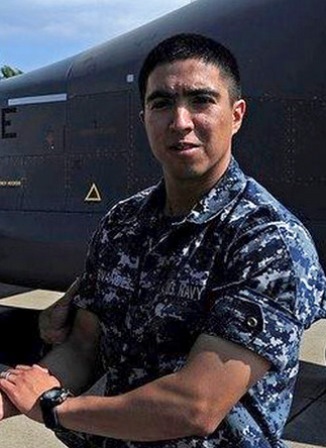
Noe Hernandez
Noe Hernandez, 26, U.S. Navy
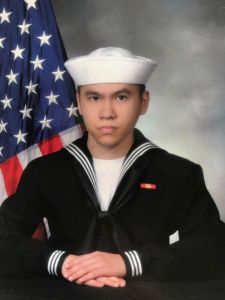
Ngoc Truong Huynh
Ngoc T. Truong Huynh, 25, U.S. Navy
Xavier Martin
Xavier Martin, 24, U.S. Navy
Gary Rehm Jr
Gary Rehm Jr., 37, U.S. Navy
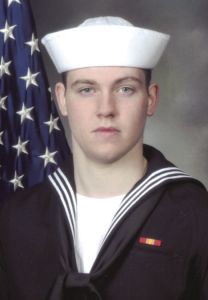
Dakota Rigsby
Dakota Rigsby, 19, U.S. Navy
Carlos Victor Sibayan
Carlos Victor Sibayan, 23, U.S. Navy

ProPublica:
Part I: Death and Valor on an American Warship Doomed by its Own Navy
Part II: Years of Warnings, Then Death & Disaster: How the Navy Failed Its Sailors
In Navy Disasters, Neglect, Mistakes, and 17 Lost Sailors (Snapshot of Sailors)
How We Investigated the Navy’s Twin Disasters in the Pacific
Senate Committee Grills Navy Official Over 2017 Collisions, Seeking Data to Prove Conditions Have Changed
Exclusive: Footage of USS Fitzgerald After Collision w/ ACX Crystal (YouTube)
ProPublica Published ‘Death and Valor on an American Warship Doomed by Its Own Navy’ (February 6, 2019)

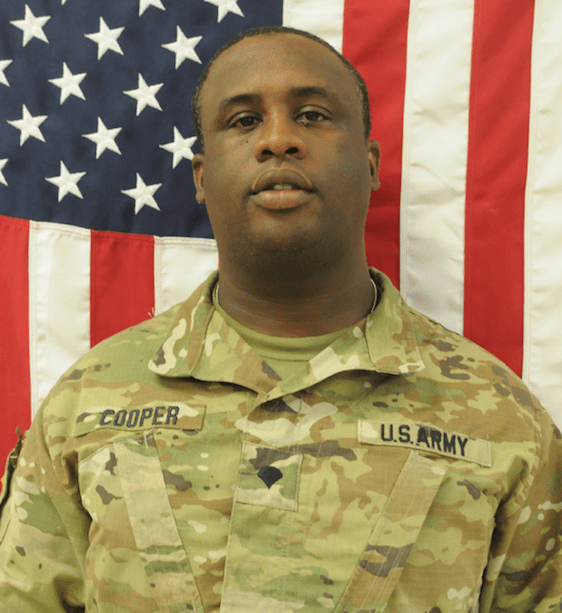
Army Spc. Darius Cooper Swept Away in Floodwater Crossing at Fort Hood; Body Never Recovered, Military Board Ruled Deceased 2 Months Later (April 11, 2017)

Darius Cooper
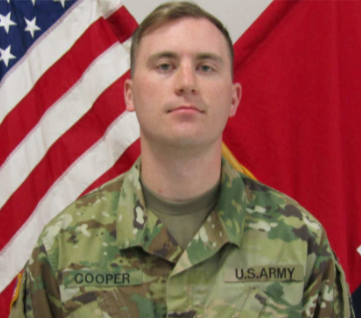
Spc. Darius Cooper, U.S. Army

On June 16, 2017, Fort Hood published a press release indicating the Fort Hood Fire and Rescue teams were unsuccessful in locating Army Spc. Darius Cooper, who was swept away in flooding waters at Clear Creek near Turkey Run Road on Fort Hood just before 6 a.m. on April 11, 2017. The press release informed the public that the Army appointed a board of inquiry (per Army Regulation 638-8, Army Casualty Program, and Department of Defense Instruction 2310.05, Accounting for Missing Persons) to conduct a status determination and ruled that Spc. Cooper was deceased, his official date of death was April 11, 2017. Spc. Cooper, 40, listed San Antonio, Texas as his home of record and he entered active-duty service in June 2008 as a culinary specialist. At the time of his death, Spc. Cooper was assigned to the 2nd Squadron, 3rd Cavalry Regiment at Fort Hood in Texas since June 2016. Spc. Cooper deployed overseas in support of Operation Iraqi Freedom and Operation Enduring Freedom. As of 2019, Spc. Cooper’s body has not been located, therefore he is still missing despite the status of determination ruling.

“More than 800 individuals were involved in the search, including emergency responders from Texas Task Force One boat and dog teams, U.S. Army Corps of Engineers, U.S. Army Criminal Investigation Command, Texas Game Warden’s lake search teams, Morgan’s Point Resort Police Department dive and sonar search teams, Fort Hood’s Crisis Response Battalion ground search teams, and 1st Air Cavalry Brigade helicopter assets who aided in the search.” -Fort Hood Press Center (June 16, 2017)

Timeline of Events:

April 11, 2017

Emergency crews respond to vehicles caught in high water (Fort Hood Press Center)
UPDATE 1: All Fort Hood low-water crossings, Old Georgetown Road remain closed (Fort Hood Press Center)
UPDATE 2: Driver’s vehicle recovered without driver inside (Fort Hood Press Center)

April 12, 2017

UPDATE 3: Texas’ Task Force One joins the search for missing person in Clear Creek (Fort Hood Press Center)
UPDATE 4: Updated photos and Broll of the April 12 ongoing search efforts (Fort Hood Press Center)

April 13, 2017

UPDATE 5: Search and rescue teams increased their effort to find the missing individual April 13, as water levels reduced allowing teams access to more locations. (Fort Hood Press Center)
UPDATE 6: Search team officials conduct media engagement (Fort Hood Press Center)

April 19, 2017

UPDATE 7: Deliberate search continues for missing individual (Fort Hood Press Center)

May 11, 2017

UPDATE 8: Deliberate search continues for missing Soldier (Fort Hood Press Center)

June 15, 2017

Soldier swept away at Fort Hood crossing declared dead (KWTX)
Ft. Hood declares missing soldier swept away in floodwaters dead (KXAN)
Fort Hood soldier missing since April declared dead by Army (WFAA)
Fort Hood calls off search, releases name of soldier who died in April 11 flash flood (Killeen Daily Herald)
Fort Hood soldier lost during April floods determined deceased (Statesman)
Fort Hood declares missing soldier deceased, release identity (CBS Austin)
Army: Fort Hood soldier determined dead after being swept away by flood waters (Army Times)

June 16, 2017

UPDATE 9: Fort Hood Soldier lost in April 11 flash flood determined deceased (Fort Hood Press Center)
Fort Hood Officials Declare Missing Soldier Dead (CBS DFW)
Soldier Swept Away By Flood Waters Pronounced Dead (KTEM)

Related Links:
SPC Darius Cooper, Afghanistan (DVIDS)
Army Soldiers at Fort Hood in Texas Are Dying at Alarming Rates Stateside (2019)
The Fort Hood Fallen on Facebook

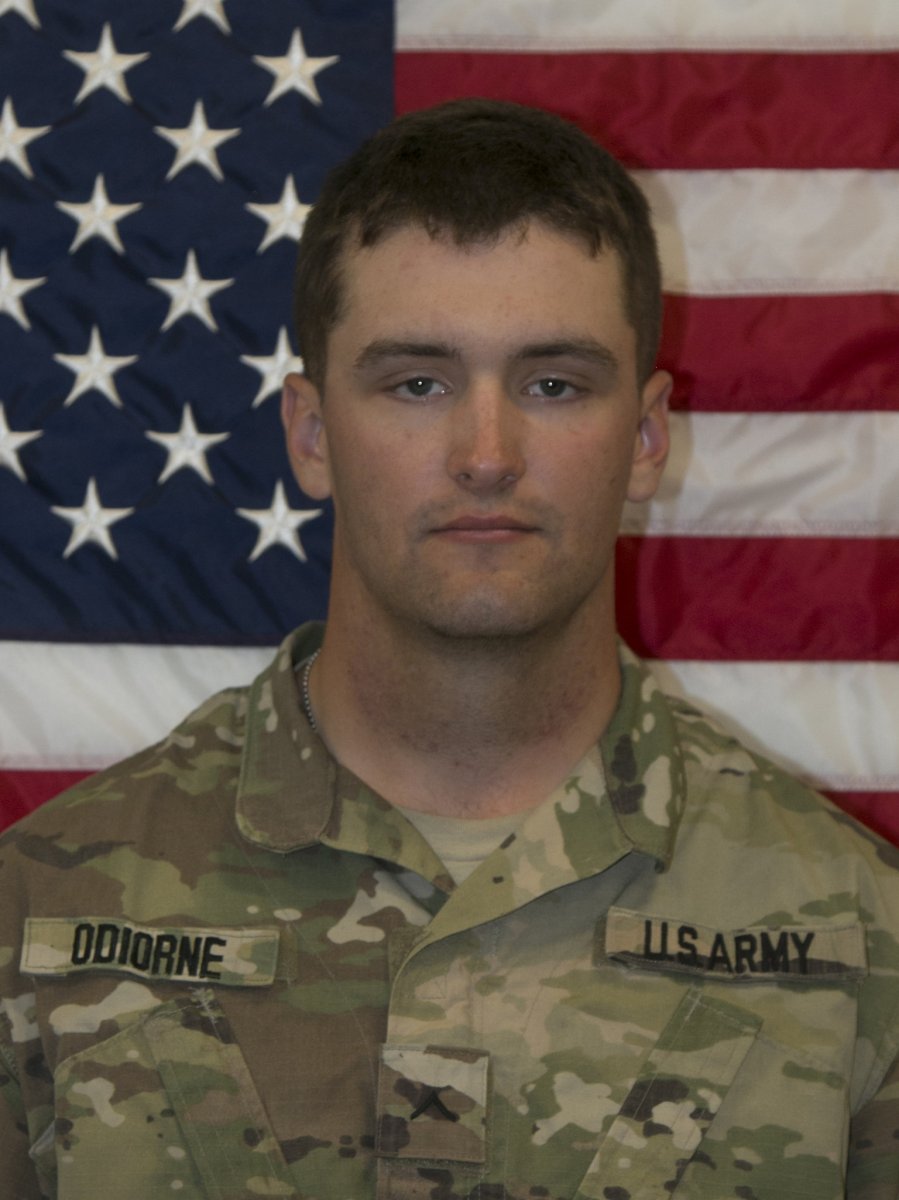
Fort Hood Army Pfc. Brian Odiorne Died from a Non-Combat Related Incident in Al Anbar Province, Iraq; CID Ruled Death Suicide (February 20, 2017)

odiornejpg-accc6757c7e80211
Pfc. Brian Odiorne, US Army

Army Pfc. Brian Odiorne, 21, died from a non-combat related incident in Al Anbar Province, Iraq on February 20, 2017. Pfc. Odiorne’s home of record is listed as Ware, Massachusetts and he joined the Army in October 2015. Pfc. Odiorne was a cannon crewmember supporting Operation Inherent Resolve and was assigned to the 2nd Battalion, 82nd Field Artillery Regiment, 3rd Brigade Combat Team, 1st Cavalry Division at Fort Hood, Texas. After an investigation was concluded, the Army Criminal Investigation Division (CID) ruled the death a suicide.

Related Links:
Pfc. Brian P. Odiorne
DoD Identifies Army Casualty
Death of a Fort Hood Soldier
Obituary: Pfc. Brian P. Odiorne
Fort Hood soldier dies in Iraq
Fort Hood Soldier from Massachusetts Dies in Iraq
Fort Hood soldier from Massachusetts dies in Iraq
Soldier who died in noncombat incident in Iraq identified
Pfc. Brian Odiorne, a Ware native, dies in Iraq
Brian Odiorne, soldier from Ware, dies in Iraq
Ware, Mass. Soldier Dies In Iraq In ‘Non-Combat’ Incident
Baker to family of Ware soldier: “I’m calling you as a dad”
Family, friends mourn death in Iraq of Army Pfc. Brian Odiorne of Ware
Ware selectmen request moment of silence to honor Army Pfc. Brian Odiorne, who died in Iraq
Body of PFC Brian Odiorne returned to western Massachusetts
Bishop Rozanski delivers homily at funeral of Brian Odiorne
US Army Pfc. Brian Patrick Odiorne laid to rest in Ware
Army Investigating After Soldier From Ware Dies In Iraq
Death of Mass. soldier in Iraq under investigation
Why are flags lowered today? March 4, 2017
Fort Hood soldier’s death in Iraq ruled a suicide
Why Have So Many Fort Hood Army Soldiers Died Stateside in the Last Year?
Violent Crime, Suicide, and Non Combat Death at Fort Hood, Texas

Featured

Military Policy and Legislation Considerations for the Investigations of Non Combat Death, Homicide, and Suicide of US Service Members

screen-shot-2016-12-01-at-5-57-14-pm

Objective: Provide support to families who have lost loved ones to non combat death, homicide, and suicide. Prevent non combat death, homicide and suicide by providing an expedited transfer option to whistleblowers and those who feel like their lives may be in danger.

This is a small sample of the many soldiers that have died of non combat deaths, homicide, and suicide. It was hard for me to choose which ones to feature. Given the amount of families who have questioned a ruling of suicide while their loved one was serving in the US military, it’s fair to say that some suicide rulings should have a second look to determine if a homicide was ruled out. It’s important to note that if the cause of death is determined to be suicide, then the military never has to investigate again.

UPDATE: Moulton Introduces Brandon Act to Change DoD Mental Health Policy, Pay Tribute to Fallen Navy Sailor Brandon Caserta (June 25, 2020) *this could be the pathway to the request for an expedited transfer, their lives are more important than anything

Navy Sailor Brandon Caserta Died by Suicide at Naval Station Norfolk in 2018; Family Pushing for Suicide Prevention Legislation ‘The Brandon Act’ Focusing on Hazing & Bullying (2020)

Fort Hood Army Staff Sgt. Paul Norris Fatally Shot Spc. Kamisha Block in Murder-Suicide in Iraq in 2007; Family Requests Congressional Hearings & Investigation of Military Leadership (2020)

Washington D.C. Veteran’s Presentation on the Current Status of Forces at Fort Hood in Texas (December 12, 2017)

15 Active Duty Cases That Beg for Prevention Efforts, Military Justice Reform, and the End of the Feres Doctrine

Continue reading “Military Policy and Legislation Considerations for the Investigations of Non Combat Death, Homicide, and Suicide of US Service Members”

Violent Crime, Non Combat Death & Suicide at United States Military Bases

large

*Research not complete.

My experiences as a victim of crime in the United States military inspired me to do the work I do today as a military justice policy analyst. Not only did I witness first hand how a predator operates but I witnessed multiple predator types in real time while serving my country. If these people committed these acts of crimes at work in the civilian world, they would have been in jail or I would have been rich after taking my employer to civil court. Well maybe not because the deck is stacked against the accuser but we do in fact have a civilian justice system that allows us to hold others accountable, while it simultaneously protects the due process rights of the accused. This cannot be said of the military justice system. There is no guarantee a military Commander will do anything with a crime report let alone process the felony crime effectively. We do not want a justice system where one man or woman decides whether to do nothing, give a non judicial punishment for a felony crime, or railroad the accused or accuser. We do want a justice system where we can hold our employer accountable without roadblocks from the Pentagon, Congress, and the Feres Doctrine. We cannot effectively tackle the violent crime issue in the military until the victims of crimes, like sexual assault and domestic violence, feel safe enough to report. Crime victims have expressed that they do not want to report crimes to a Commander for fear of retaliation. The Department of Defense admitted that of those of who did report the crime, 62% perceived that they faced retaliation. If service members felt safe enough to report, it could help us prevent homicide, suicide, and non combat death.

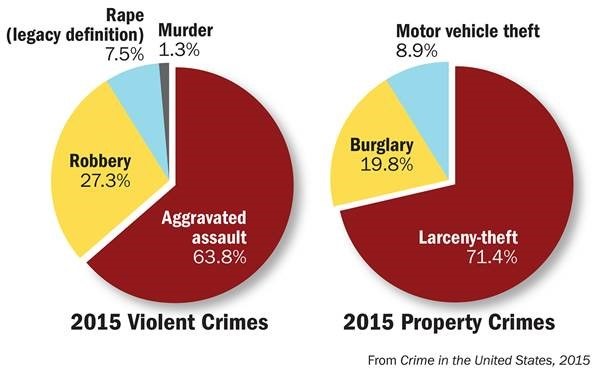
If we think about violent crime committed by military personnel compared to violent crime statistics in the United States (reference above graph), at first glance it appears the military has a homicide ‘issue’ among the ranks. Please see the below links for a sample of crime on some of the U.S. military bases. All military bases worldwide will eventually be included in this research. And the research for sexual assault, rape, domestic violence, and physical assault specifically has not been conducted yet either. Because the research is far from being complete, it is too early to make any assumptions so I will put the data in one place and let you come to your own conclusions. But if military crime mirrors civilian crime statistics, one can deduce that if the military has a lot of homicide, there is even more rape. Currently the number one concern in the military is a Commander’s ability to give a non judicial punishment for a felony crime. A Commander can bypass the courts martial process simply by punishing and/or discharging the accused with a preponderance of the evidence. This does nothing to protect our military personnel and the civilians who live near our bases in America and worldwide. Predators do not discriminate. They are just as likely to harm civilians as they are military personnel. They know their rights and they know that jurisdiction issues and lack of communication among law enforcement agencies will help prolong getting caught. We need to be one step ahead.

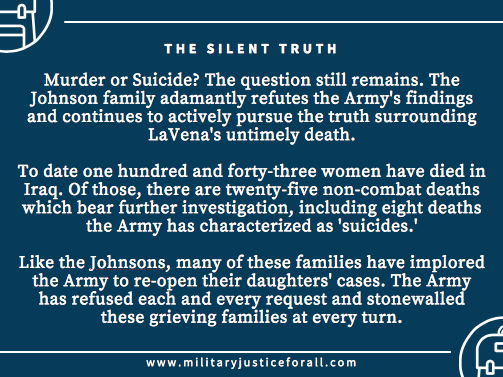
We can’t get real violent crime numbers for the military bases unless we include those who died of non combat deaths while they were deployed. Veterans Noonie Fortin and Ann Wright inspired me to initially look into the non combat deaths of female soldiers overseas because they observed the unusually high number of female soldiers who died of non combat deaths during the wars in Iraq and Afghanistan. Their chief concern was that although the military labels a non combat death as a suicide, there are suspicions that some female soldiers were murdered, like LaVena Johnson, Amy Tirador, and Ciara Durkin. I did the research on every single female soldier who died from non combat deaths overseas and their concerns are valid. My research on non combat deaths in Iraq alone revealed that roughly 30% of female soldiers died as a result of homicide, suicide, and other unknown causes. I am working on collecting the data for male soldiers who died from non combat related injuries in Iraq, Afghanistan, and other areas. I started with 2010 so we can get the most recent cases but I will go back to September 11, 2001 in the next phase of data collection. The first male soldier non combat death case I found in 2010 was an unsolved homicide. His name was SSG Anton Phillips and he was stabbed to death in Afghanistan. Further research in this area has uncovered that non combat deaths of male soldiers are just as prevalent.

Learn more:
The US Military Recruited Violent Felons to Support the War Efforts
Non Combat Deaths of Female Soldiers in the US Military (Afghanistan)
Non Combat Deaths of Female Soldiers in the US Military (Iraq)
Non Combat Deaths of Female Soldiers in the US Military (Other Areas)
Violent Crime, Non Combat Death & Suicide at Fort Bragg, North Carolina (US Army)
Violent Crime, Non Combat Death & Suicide at Fort Campbell, Kentucky (US Army)
Violent Crime, Non Combat Death & Suicide at Fort Carson, Colorado (US Army)
Violent Crime, Non Combat Death & Suicide at Joint Base Lewis-McChord, Washington
Violent Crime, Non Combat Death & Suicide at Joint Base San Antonio-Fort Sam Houston, Texas
Violent Crime at Fort Wainwright, Alaska (US Army)
Violent Crime at Joint Base Elmendorf-Richardson, Alaska
A List of Soldiers Targeted & Murdered for the Servicemen’s Group Life Insurance Benefits
Rep Nikki Tsongas & Rep Mike Turner Host Educational Caucus: Improving Treatment Resources for Male Survivors of Military Sexual Trauma
An Open Letter to the Senate and House of Representatives in Support of the Military Justice Improvement Act
Letter of Support for Save Our Heroes in Our Shared Quest for Military Justice Reform & Constitutional Rights

Violent Crime, Suicide & Non Combat Death at Fort Campbell, Kentucky (US Army)

ky_tn_fort_campbell_300x450

*This research is not complete and includes combat deaths.

Fort Campbell is a United States Army installation located astride the Kentucky-Tennessee border between Hopkinsville, Kentucky, and Clarksville, Tennessee. Fort Campbell is home to the 101st Airborne Division and the 160th Special Operations Aviation Regiment. The fort is named in honor of Union Army Brigadier General William Bowen Campbell, the last Whig Governor of Tennessee. -Wikipedia

2017:

Dillon Baldridge, US Army: Died in Apparent Insider Attack, Afghanistan
William Bays, US Army: Died in Apparent Insider Attack, Afghanistan
Isiah Booker, US Army: Non Combat Related Incident, Jordan
Eric Houck, US Army: Died in Apparent Insider Attack, Afghanistan

2016:

Dhaifal Ali, US Army: Death Ruled Accidental Drowning
Seth Brabant, US Army Veteran: Homicide Victim
Jeffrey Cooper, US Army: Non Combat Death, Vehicle Rollover, Kuwait
MarStratton Gordon, US Army: Homicide Victim
Kyle Heade, US Army: Charged with Theft/Attempted Homicide
Zachary James-Earl Ponder, US Army: Charged with Homicide
Matthew Lewellen, US Army: Ambushed at Military Base in Jordan
Shadow McClaine, US Army: Body Missing, Homicide
Kevin McEnroe, US Army: Ambushed at Military Base in Jordan
James Moriarty, US Army: Ambushed at Military Base in Jordan
Marcus Rogers, US Army: Failing to Follow Military Orders
Deashawn Thomas, US Army: Homicide/Suicide
Katelyn Thomas, US Army Spouse: Homicide Victim

2015:

Zackery Alexander, US Army: Charged with Homicide
Joseph Bankston, US Army Dependent: Homicide Victim
John Dawson, US Army: Attacked by Small Arms Fire, Afghanistan
Liperial Easterling, US Army: Homicide Victim
Terrence Harwell, US Army: Homicide Victim
Cornell Hurley Jr, US Army: Homicide
Kevin Rodriguez, US Army: Preventable Training Accident Death
Chelcee Sine-Garza, US Army: Attempted Homicide Victim
Annely Turner, US Army Spouse: Attempted Homicide
Malcolm Turner, US Army: Attempted Homicide
David Wi, US Army: Charged with Homicide

2014:

Christian Martin, US Army (2014): Wrongfully convicted SoH Board Member

2012:

Robbie Knight, US Army: Homicide
Frederic Moses, US Army: Homicide Victim
Jeremy Priddy, Civilian: Homicide Victim
Nery Ruiz, US Army: Sexual Abuse/Sodomy of Child
Benjamin Schweitzer, US Army: Reckless Homicide

2011:

Michael Korolevich, US Army: Homicide
Kathleen McGee, US Army Spouse: Homicide Victim

2010:

Linzi Jenks, US Army Spouse: Homicide Victim
Robert Jenks III, US Army: Homicide

2009:

Ashley Barnes, US Army: Homicide Victim
Khaleefa Lambert, US Army: Homicide

2008:

Ryan Baumann, US Army: Vehicle encountered IED, Afghanistan
Tracy Birkman, US Army: Non Combat Death, Iraq
Donald Carwile, US Army: Vehicle struck IED, ambushed, Afghanistan
Jennifer Cole, US Army: Negligent Homicide, Iraq
Paul Conlon, Jr., US Army: Vehicle struck IED, ambushed, Afghanistan

2007:

Alicia Birchett, US Army: Non-Combat Related Vehicle Accident, Iraq
Brent Burke, US Army: Homicide
Tracy Burke, US Army Spouse: Homicide Victim
Karen Comer, US Army Family: Homicide Victim

2006:

Steven Green, US Army: Rape/Homicide of Iraqi Civilian

2005:

LaVena Johnson, US Army: Death Ruled Suicide, Iraq

2003:

Hasan Akbar, US Army: Homicide, Death Sentence
Alyssa Peterson, US Army: Non-combat weapons discharge, Iraq

1999:

Barry Winchell, US Army: Homicide Victim

1996:

Laura Cecere, US Army: Homicide Victim
Max Roybal, US Army Spouse: Acquitted of Homicide

1994:

David Housler Jr, US Army: Homicide Conviction Overturned

Related Links:
Non Combat Deaths of Female Soldiers in the US Military (Iraq)
Non Combat Deaths of Female Soldiers in the US Military (Afghanistan)
Non Combat Deaths of Female Soldiers in the US Military (Other Areas)

Cassie Jaye’s ‘The Red Pill’ Movie Premiered in New York City (2016)

The Red Pill, A Cassie Jaye Documentary

About the Film: When feminist filmmaker Cassie Jaye sets out to document the mysterious and polarizing world of the Men’s Rights Movement, she begins to question her own beliefs. Jaye had only heard about the Men’s Rights Movement as being a misogynist hate-group aiming to turn back the clock on women’s rights, but when she spends a year filming the leaders and followers within the movement, she learns the various ways men are disadvantaged and discriminated against. The Red Pill challenges the audience to pull back the veil, question societal norms, and expose themselves to an alternate perspective on gender equality, power and privilege.

Learn more about Cassie Jaye & The Red Pill Movie here.

Related Links:
“The Red Pill” Premiere NYC 10/7/2016
The Red Pill – A Cassie Jaye Documentary
The Red Pill” documentary extended sneak preview
A List of Soldiers Targeted & Murdered for Military Survivor and Life Insurance Benefits (2016)
Violent Crime, Non Combat Death & Suicide at United States Military Bases (2016)
Are More Male’s Victims of Violent Crime in the US than Females? (2017)
August: U.S. Department of Defense Casualties Report from September 11, 2001 to Present (2017)
September: U.S. Department of Defense Casualties Report from September 11, 2001 to Present (2017)
78 Fort Hood Soldiers Died Since January 2016: 7 Overseas Deaths, 3 Non Combat; 71 Stateside Deaths, 37 ‘Suicides’, 1 Unsolved Homicide (2018)
MJFA Honors Cassie Jaye, Director of The Red Pill Movie, on International Women’s Day (2018)

September: U.S. Department of Defense Casualties Report (2016)

FullSizeRender-2 copy
BM Devon Faulkner, US Navy

Sept. 22, 2016 DoD Identifies Navy Casualty: Devon Faulkner, 24, NCD, Mediterranean Sea, USS Wasp

screen-shot-2016-10-19-at-11-37-15-am
WO Travis Tamayo, US Army

Sept. 18, 2016 DoD Identifies Army Casualty: Travis Tamayo, 32, NCD, United Arab Emirates, Fort Gordon, Georgia

screen-shot-2016-09-12-at-9-52-51-am
1st Lt. Jeffrey Cooper, US Army

Sept. 11, 2016 DoD Identifies Army Casualty: Jeffrey Cooper, 25, NCD, Kuwait, Fort Campbell, Kentucky

August: U.S. Department of Defense Casualties Report (August 31, 2016)

xl_deptofdefenselogo

Aug. 24, 2016: DoD Identifies Army Casualty: Matthew Thompson, 28, Afghanistan, Joint Base Lewis-McChord, Washington

Aug. 14, 2016: DoD Identifies Army Casualty: Christopher Wilbur, 36, NCD, Afghanistan, Fort Carson, Colorado

Aug. 6, 2016: DOD Identifies Air Force Casualty: Flando Jackson, 45, NCD, Qatar, Washington Air National Guard

Related Links:
August: Department of Defense Casualties Report (2002)
August: Department of Defense Casualties Report (2003)
August: Department of Defense Casualties Report (2004)
August: Department of Defense Casualties Report (2005)
August: Department of Defense Casualties Report (2006)
August: Department of Defense Casualties Report (2007)
August: Department of Defense Casualties Report (2008)
August: Department of Defense Casualties Report (2009)
August: Department of Defense Casualties Report (2010)
August: Department of Defense Casualties Report (2011)
August: Department of Defense Casualties Report (2012)
August: Department of Defense Casualties Report (2013)
August: Department of Defense Casualties Report (2014)
August: Department of Defense Casualties Report (2015)
August: Department of Defense Casualties Report (2017)
Non Combat Deaths of Female Soldiers in the US Military (Iraq)
Non Combat Deaths of Female Soldiers in the US Military (Afghanistan)
Non Combat Deaths of Female Soldiers in the US Military (Other Areas)