Who Killed Jane Doe? Premiered ‘The Tent Girl’ on Investigation Discovery: Barbara ‘Bobbie’ Hackmann & George ‘Earl’ Taylor (January 23, 2018)


A woman’s body is found in a tent bag in the Kentucky woods. A thousand miles away, a family searches for a missing mother of three. Both cases go unsolved for decades, until a man’s obsession and a family’s determination converge, uncovering the truth. -Who Killed Jane Doe?, Investigation Discovery

Who Killed Jane Doe? featured the story of ‘The Tent Girl’ on Investigation Discovery in January 2018. On May 17, 1968, a man walking in the woods in Georgetown, Kentucky discovered a body wrapped in a tent. He reported the finding to authorities who determined that the body was that of a female she didn’t have a nam. This Jane Doe was dubbed ‘The Tent Girl’ in the media because the authorities attempted to find out who she was. She had been murdered and they wanted to find her family. The Tent Girl was buried in a local cemetery in an attempt to honor this girl who didn’t have a name. ‘Who Killed Jane Doe?’ began the episode by explaining that in the early sixties, Barbara Ann ‘Bobbie’ Hackmann of Lexington, Kentucky met George ‘Earl’ Taylor when she was a teenager. He was a single father from Florida who claimed his wife left him to be with another man and he needed a babysitter. Bobbie babysat Earl’s daughter Bonnie while he worked for the Carnival.

Although Earl Taylor was five years older than Bobbie Hackmann, the pair fell in love and decided to get married. Because Earl worked for the Carnival, they moved constantly but in 1964 they settled for an apartment in Miami, Florida. Bobbie and Earl had children of their own and Bobbie’s sister moved to Florida to be closer to her. Then one day, Bobbie told her sister she needed to leave town quickly and asked her for some money. Bobbie told her sister the FBI (Federal Bureau of Investigation) was in town and they were looking for Earl because he went Absent without Leave (AWOL) from the military; Earl did not want to go back in. She told her sister they were moving to Texas. Nobody ever heard from Bobbie Taylor again. When Bobbie’s sister finally caught up with Earl, Bobbie wasn’t with him and he told her that she ran off with another man. Once again Earl’s significant other left their children and ran off with another man. Earl would not tell Bobbie’s sister where Bobbie’s kids were. Bobbie’s family filed an official missing person’s report.

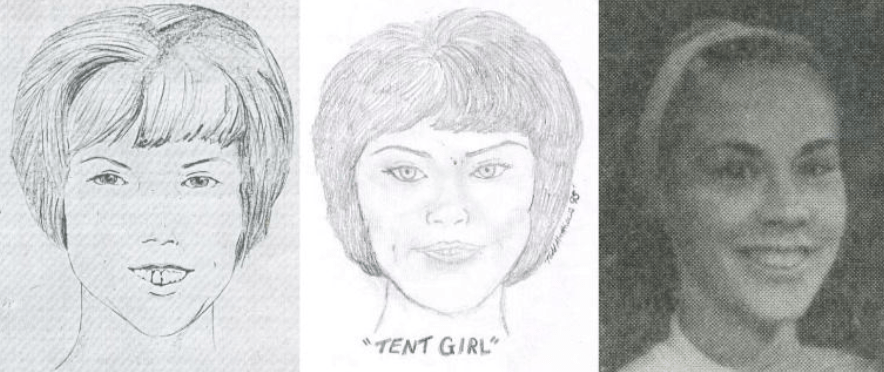
Todd Matthews and Bobbie’s family were both obsessed with finding the same person but they didn’t know it. Todd was looking for the identity of a Jane Doe dubbed ‘The Tent Girl’ and Bobbie’s family was obsessed with finding their missing family member Bobbie Taylor. With the invent of the internet, it helped both Bobbie’s family and Todd Matthews get in touch with one another to compare notes. Todd e-mailed Bobbie’s family to tell them about ‘The Tent Girl’ because he believed the Jane Doe in Kentucky was the missing girl Bobbie Hackmann Taylor. Bobbie’s family contacted the police in Kentucky to find out if their Jane Doe was Bobbie. The authorities found enough similarities between the composite drawing and the real photos that they exhumed The Tent Girl’s remains. After DNA testing, The Tent Girl was indeed a match to Barbara Hackmann. The family finally found their missing Bobbie. Bobbie’s children were relieved to know their mother didn’t walk away from them but devastated that she was found and had been murdered.

Earl’s daughter Bonnie described a night on December 6, 1967 where she was awakened by a struggle in Bobbie and Earl’s bedroom. But, she didn’t want to get in trouble so she fell back asleep. When seven year old Bonnie woke up in the morning, Bobbie was gone. The family suspects that Earl murdered Bobbie and then disposed of her body in the woods. He most likely used tents from the Carnivals he worked at to wrap her body. When Bonnie asked Earl where Bobbie was, she never got an answer from him. When Bonnie returned home from school that same day, Earl had packed up the car and informed the children they were moving. When Bonnie asked about Bobbie again, Earl said “she’ll catch up with us later.” Bonnie said this was the last time she saw or heard from Bobbie. When Bobbie was finally identified via DNA in 1998, authorities couldn’t question Earl because he died of cancer 10 years earlier. Bobbie’s family decided to leave Bobbie in the same plot because she had been part of that community for over thirty years. They cared about ‘The Tent Girl’ and the case is still an open investigation.

Editor’s note: With a cable subscription, you can download the free ID Go app and watch all of the Investigation Discovery programming at your convenience. And for those who do not have cable, you can watch “unlocked” episodes on the ID Go app including the latest premieres. Download the ID Go app and binge away. For those who prefer commercial free programming during your binge session, Prime Video has an ID channel: ‘True Crime Files by Investigation Discovery” available for $2.99 a month. It’s a compilation of older seasons but totally worth the cost if you are a true crime addict.


The Tent Girl


Tent Girl | 18 News


The Eerie Case Of Barbara Ann Hackmann Taylor (Jane Doe Identified After 30 Years) -CreepyNews


TENT GIRL documentary

Related Links:
Barbara Ann “Tent Girl” Hackmann
The Story of Tent Girl | CBS News
‘Tent girl’ homicide victim identified through DNA test
Doe Network Works Worldwide to Solve Missing Persons Cases
Web Helps ID John and Jane Does | WIRED
Doe Network Searches for Missing Persons
‘Tent Girl’ and the start of the Doe Network
Tent Girl: Monster, mystery, mother?
Amateurs solve mysteries of the unnamed dead
‘Doe Network’ restores names to the missing dead
Warm hearts, Cold cases | Daily Democrat News
Long Time Gone: Modern tools, hope for old cases
‘Information detective’ tries to restore names to the missing
Todd Matthews of The DOE Network & NamUs.Gov
It all started with the “Tent Girl” – Todd Matthew’s Story
Accent: unsolved cases-unexplained deaths
‘Tent Girl’ 2 sketches and actual photograph after she was ID’d
Full Disclosure: Database solves cold-case mysteries
“The Skeleton Crew”: How a motley band of amateurs solves cold cases online
Solving the Unsolved: True Crime 2014
Identifying the nameless | The Republic
Solving ‘Tent Girl’ Case, Factory Worker Turns Missing Persons Expert
Volunteers are solving the tragic puzzle of the missing and dead
Left for dead: How America fails the missing and unidentified
NAMUS: A tool everyone should use | Missing Persons of America
Murder Mystery: Lives Lost & Found
10 Victims Who Went Unidentified for Years
A Body in Kentucky: The 30-Year-Long Mystery of “Tent Girl”
Bones, teeth recovered in exhumation. Will they lead to identity?
One Man’s Obsessive Quest to Identify a 96-Year-Old Dead Body
Who Are You? NamUs helps law enforcement identify the unidentifiable
‘Tent Girl’ to be focus of TV documentary in February
‘Tent Girl’ documentary to air Tuesday
Investigation Discovery To Feature Kentucky ‘Tent Girl’ Case
Story of Tent Girl Barbara ‘Bobbie’ Ann Taylor spotlighted on ID
Naming the Nameless: The Internet Tries to Identify John and Jane Does
Podcast 55: Barfly & Tent Girl | The Little Podcast of Horrors
The 30-Year-Long Mystery of “Tent Girl”

Books:
Someone’s Daughter: In Search of Justice for Jane Doe By Silvia Pettem
The Skeleton Crew: How Amateur Sleuths Are Solving America’s Coldest Cases By Deborah Halber

Video Links:
The Tent Girl
Tent Girl | 18 News
The Eerie Case Of Barbara Ann Hackmann Taylor (Jane Doe Identified After 30 Years)
Who Killed Jane Doe #204 – ” The Tent Girl” (Vimeo)
Who Killed Jane Doe? | Investigation Discovery (Amazon)
Who Killed Jane Doe? | Investigation Discovery
About the Show | Who Killed Jane Doe? | Investigation Discovery
The Tent Girl | Who Killed Jane Doe? | Investigation Discovery (website)
The Tent Girl | Who Killed Jane Doe? | Investigation Discovery (YouTube)

Reporting abuse was risking my life – US veteran & rape victim | Sophie and Co | RT (January 12, 2018)

Reporting abuse was risking my life – US veteran & rape victim

Correction: Jennifer Norris is not an advocate for MRCC. She left the organization in March 2014.

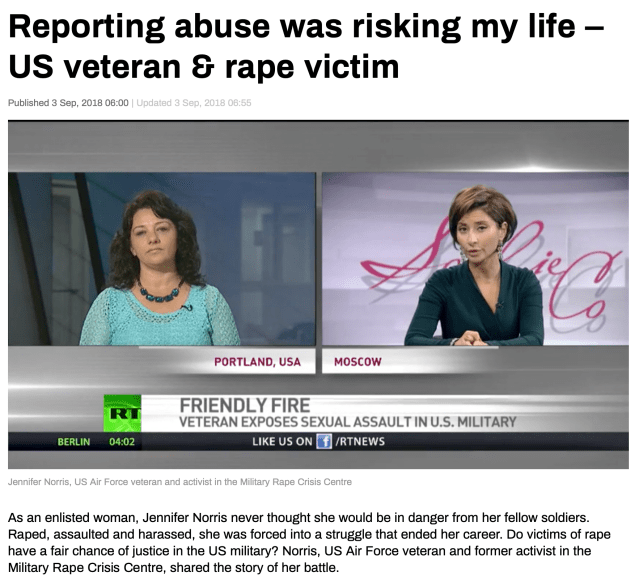
We hear a lot about #weinstein and the latest, but Jennifer Norris, who served in the US Air Force, has been talking about sexual assault for years. And in the military, reporting rape means endangering yourself. Watch this brave woman speak here https://t.co/1ipeI3SWP6 pic.twitter.com/TAjiVjmdDS — SophieCo (@SophieCo_RT) January 12, 2018

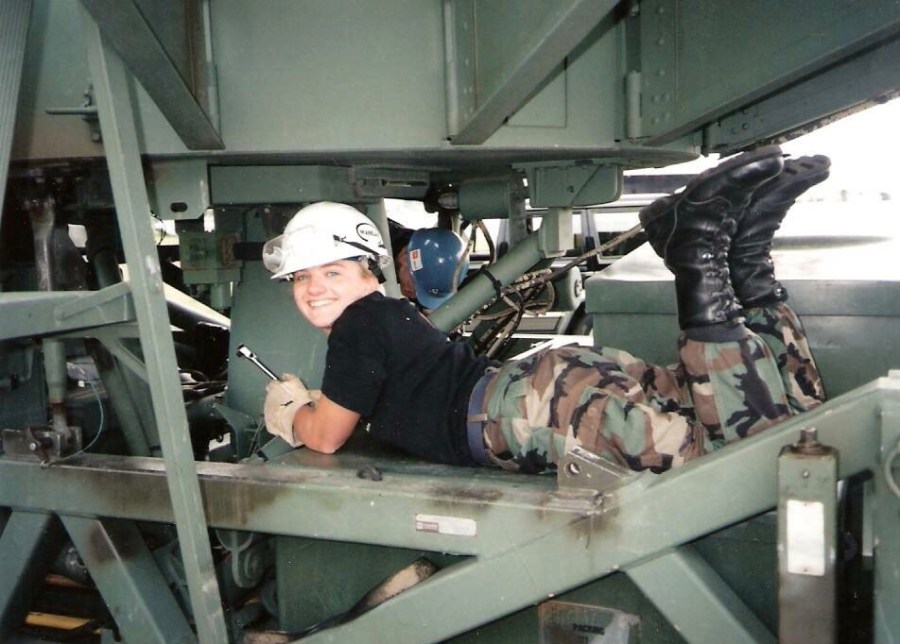
As an enlisted woman, Jennifer Norris never thought she would be in danger from her fellow soldiers. Raped, assaulted and harassed, she was forced into a struggle that ended her career. Do victims of rape have a fair chance of justice in the US military? Norris, US Air Force veteran and former activist in the Military Rape Crisis Centre, shared the story of her battle.

Sophie Shevardnadze: Jennifer Norris, retired U.S. Air Force veteran, former activist in the Military Rape Crisis Centre, who herself had firsthand experience of sexual assault in the military, thank you for joining us on this programme. I want to start right away, the first time this happened, you were drugged by your recruiter – did he trick you into having sex with him? Do you have any recollections of how the incident happened?

Jennifer Norris: When I look back on this incident I realise that I was actually tricked by this man into going to the party to begin with. He had told me that there was a new recruit party for other recruits. I was excited to go and meet them because they would understand exactly how I felt. So he had ill intentions from the gitgo. When I got there there were no new recruits, I was the only one.

SS: How many times were you subjected to sexual assault or abuse? Was it just one case?

JN: It started with that one case and I thought that maybe it would be over after that, that I was just unlucky at the wrong place at the wrong time, so I pushed forward. But, unfortunately, as I entered the military service it happened again and again, and again within the first two years of service. 

SS: Tell me this – why didn’t you report it straight away, after that first time?

JN: I didn’t report the first time because I hadn’t even gone to basic training yet and I didn’t really know what to say. I didn’t even know where to go: if I was supposed to go to a commander in the military, if I was supposed to go to the police department. I was completely clueless as to what sexual assault, rape and harassment were at that time. So I just tried to soldier on, move on with the career that I was looking for doing for at least twenty years.     

SS: So what happened after you were assaulted? What did you feel? Was it guilt? Was it shame, uncertainty? 

JN: It used to be shame because I used to feel like an idiot for going to this person’s party. But after years of counseling and working with rape victims’ advocates I learnt that predators operate in much the same way: they are very manipulative and they will set you up for an attack or they will take advantage of an opportunity. So now I realise it was a calculated crime but it took me years to realise that.  

SS: So for those who haven’t faced this kind of ordeal, but danger is always there, tell us how these manipulators actually trick their victims into it? How do they lure you in?  

JN: I think, they do what you would call ‘grooming’, they make you believe that they are trustworthy and that they are going to take care of you, and it almost seems that it is too good to be true. When you are naive, you don’t necessarily realise that not everybody is speaking at face value. So as an 18-year-old or even a 24-year-old it’s easy to fall prey to the niceties because you don’t know that there’s evil lurking behind it. And I think that’s the real danger of this kind of people and how they operate is that they are able to get to us based on the trust that’s been established. In the military we are depending on each other in every way, especially in trust.   

SS: So how old were you when that happened? Like, eighteen?

JN: No, I was actually 24. I had already graduated from college, as a social worker I worked in the field for a couple of years. As a case manager I worked on a suicide crisis hotline, then I decided I wanted to go and get my master’s degree and the military offered the GI Bill that could help me accomplish those goals. So that’s the No.1 reason why I joined aside from being patriotic and wanting to give back and being involved in something that was bigger than myself. I was completely clueless as to what was in store.    

SS: Ok. One woman who went through a similar ordeal – Air Force Sergeant Marti Ribeiro said, “The military has a way of making females believe they brought this upon themselves.” Did you feel that as well? 

JN: Yes.

SS: Did you blame yourself for what happened?

JN: I did for the longest time especially with the recruiters incident. If I knew as soon as I walked through that door that there was danger but it was too late to turn back… That particular incident taught me a lot of how to take care of myself in the future. Unfortunately, if you are working for someone who’s assaulting you you can’t escape them. So now I don’t have shame or blame or any of that stuff any more as far as what I did. All I did is go to work in uniform and these people took advantage of their power and opportunity. That’s what we’re trying to change, it’s taking more seriously if someone does in fact abuse their power in that kind of setting.

SS: I’m trying to figure out the psychological aspect of it – how did the military structure make you feel guilty about what had happened and not the other way round? 

JN: I understand. So, given the way that you report currently in the military is not that you go to a police office to report a crime. You are supposed to report it to your commander. In my particular case and in a lot of soldiers’ cases the commander also has a relationship with the perpetrator and he may have known the perpetrator way longer than he knows you. So what it does it creates an atmosphere of intimidation that when you see your commander hanging out with the guy who assaulted you, then you feel like “Oh, wow, he’s not going to take me seriously, it looks like they both are really good friends”. And then when you do go ahead and do a report the first thing the defense attorney start looking into is whether or not you did this, you did that, how did you conduct yourself. They immediately go into that you shouldn’t have been in this place, if you hadn’t that wouldn’t have happened. They could have done that to me too. But it’s not our fault that we thought we were attending what we were supposed to be.        

SS: Jennifer, I’m thinking, there are also other women in the military, they are compassionate  creatures, you could have shared your story with them, they certainly would have understand what you went through, especially if this happens all the time. Maybe there were other women alongside you who were actually subjected to sexual assaults – did you share your story with any of your female peers?

JN: What I’ve learnt is that, first of all, I was one of very few women in my squadron. There may have been, if we were lucky, three of them and one of them is administration personnel, and maybe there was another one in another shop. But I was the only female working for satellite communications in combat communications. So, no, I didn’t have other females that I could turn to and say “hey, this has happened to me”. As the matter of fact, I didn’t want anyone to know that this had happened to me because I didn’t want to be judged. Unfortunately, it appears that once people learn that you’ve reported a sexual assault or may have been involved in an incident they become scared of you instead of being scared of the perpetrator. They think that you are going to be hypersensitive too if they swear or if they say something, you know, offensive when in fact it’s not going to be that way at all. So there’s a culture of fear built up in the military. And I think that’s why they want to automatically blame it on a woman because if she goes away the problem goes away and they can get back to work as normal. 

SS: Human Rights Watch reports a very dire picture of what happens to the victims of sexual assault. They say that these people are being “spat on, deprived of food, assailed with obscenities, threatened with ‘friendly fire’ during deployment…discharged for misconduct”. Is it true? Is it really that dangerous to come forward?

JN: It is. In some cases it just depends on your situation. If you are isolated you are in a way more danger than, say, other people would be on some big base that has security forces in a JAG office. But if you are in some place like the Azores or some other random location across the world all you have is the people that are with you. Then yes, you could be in grave danger if in fact someone harms you and threatens you and says that if you say anything they will kill you. It happens, I’ve researched this. We have had non-combats deaths occur overseas that include homicide and unsolved cases that nobody is talking about. That’s what we are trying to tell people is…

SS: Did you get any threats? Were you threatened?

JN: Yes, not only was I threatened, but I was physically beaten after I reported by one of the perpetrators’ friends. The entire squadron turned on me. I was automatically the liar. Even though they didn’t know the circumstances and even though we did have proof and we were able to move forward with two of the four cases the other people in the squadron didn’t know what happened and they believed the perpetrator who was able to tell them the story while I was at some other squadron waiting for the case to go through.

Reporting abuse was risking my life – US veteran & rape victim

SS: But see, for me it’s just mind-bogglingthat you were standing there harassed, assaulted in the open with other people standing by and not interfering. How come no one interfered? Why didn’t troops come forward for a fellow soldier? 

JN: Well, I did have a couple of people that had my back along the way. But it felt more like it was a culture of fear, like, nobody dared to stand up to those who were higher-ranking if they were the ones that were doing the harm because they were afraid it would have backlash on their career. Now I don’t have respect for those people who didn’t stand by and take a stand and support the ones who were actually being harmed. But along the way there were some silent people that came up to me and said that this person had done this to them, that that person had done that to them etc. So people would open up along the way but they wouldn’t take it as far as I did and actually report. Although I must say it was because of the senior master sergeant that I finally confided in. He’s the one that finally convinced me to report the four individuals to the commander. 

SS: Iraq veteran Chantelle Henneberry says she was less scared of enemy fire than the men she served with. She recalls she would drink less water to avoid going to the bathroom in the night, she was so terrified of being harassed – why do women even join the army despite hearing all these horrific stories?

JN: I think that it boils down to that people don’t think it would happen to them. And that’s just typical of society, you don’t think that bad things are going to happen to you. I had the same mentality before I joined too. So they want to follow their dreams and they want to do what they want to do and some of us dream of being in the military, retire, do great things and move women forward. So I think that’s normal, that’s ok.

SS: The United Nations is speaking out about the problem of sexual assault in the U.S military, saying it needs to ‘ensure effective prosecution of offenders’. Is this going to make any difference?

JN: Absolutely. Right now, the prosecution rate for sexual assault is less than 10% compared to the civilian world which is at least 40%. That’s what we are trying to say – if people are raped or assaulted and then report we would like these cases to be taken seriously. Right now, like I spoke to you earlier, you have to report the crime to your commander. They are not legal professionals, they are no Special Victims Unit. They do not understand how these things work. And what we want is to be able to report to a police department or a law enforcement professional, someone who understands how these people are working and cannot be manipulated by them. 

SS: For years, activists and lawmakers in the United States have tried to change this protocol – but leaders in the military are against bringing civilians into bases to investigate alleged assaults – why are they against it? And why are they winning this debate?

JN: Because they are able to protect their institutions if they are able to keep everything in house, and that’s exactly what they do. They want to stamp it out before it gets out to the public whereas we want this out in the public so that people know who these offenders are and can be on alert. They don’t just offend people in the military, they offend people in our communities as well – their wives, their children… So it’s not just a military issue, it’s a societal issue and I think, it would be way more effective if everyone reported to a police department where all the crime data was kept in one place.

SS: Do you think completely removing sexual assault cases from the military chain of command would actually solve the problem?

JN: I think standardizing the justice process in general to have it synced with the civilian society, meaning data basis connected, whether it’s the civilians that try the perpetrator or it’s the military that tries the perpetrator… Everyone should be talking so that we can connect the dots on who’s doing what where because it makes it a little bit more complicated with the military personnel who can transfer all over the country and to different parts of the world. We need all the data collection to be put into a system so we can actually track what these people have done through the course of time and be able to move forward with cases that may win as opposed to he-said, she-said incident. 

SS: So, Jennifer, I’m thinking, maybe there should be more women in the U.S. military? If there were more women in high-ranking positions being able to kick butt especially to the men who are potential assaulters? What do you think? Should there be more women in the U.S. military?

JN: That would be ideal. Although we have to take into account that over a half of victims in the military, actually 53% of them are males. So this is not a female issue necessarily. We are at higher risk because we’re seen as a weaker sex. But predators do not discriminate: they are harming both men and women in the military. A lot of media have been trying to cover the issue but we have just not been able to get the footing with it, but people need to know that over half of the victims are men in the military. 

SS: There are crazy numbers: according to HRW, only 5 percent of sexual assault cases in the U.S. military lead to convictions of the perpetrators. What happened to the man who assaulted you? Was he punished?

JN: Yes. The recruiter skipped town after I threatened to report him to the commander, unfortunately. So we couldn’t do anything with that case. The technical instructor that assaulted me in Keesler, Mississippi – we had no jurisdiction over because he was active-duty and I was considered National Guard. And the other two were both National Guard members who worked with me, and we were able to move forward with cases. But by the time it went up the chain of command it got minimized from sexual assault to sexual harassment they both retired with full benefits after 20 years of service. 

SS: The Pentagon keeps saying that programs are implemented, changes are being made, and the problem is being solved – is it all a lie?

JN: I don’t think it’s all a lie, but I definitely think they sway the media to see things in a certain way. For example, although the numbers may have gone down from 26 thousand to roughly 19 thousand in the last couple of years and they’re bragging about a 30% increase in the reporting it means nothing. And what the civilian world doesn’t understand is that in the military you can report a crime under two different guises: either restricted or unrestricted. If it’s restricted that means that nobody is supposed to know about it including your commander so you can go forward and get some help. If it’s unrestricted then it turns into a full-blown investigation if, in fact, your commander agrees to move forward with the case which is another sticking point. So people need to realise that although the reporting has gone up it’s been restricted reporting which is not helping us catch these criminals. They are still not being reported. You might get some help but they are still moving along in their careers assaulting other people while the latest victim is just getting help. 

SS: You now work with those who went through the same as you did – are you seeing more cases of women speaking out, has the situation gotten better?

JN: I think awareness has definitely gotten better around the issue. There’s way more talk within the military and outside in the veteran community to address getting help after someone has been traumatized by an incident like this. So that has definitely improved. I actually benefited greatly from programmes that have come up as a result of our advocacy with military sexual assaults. So for that I’m thankful. As far as the military justice system and policy goes it’s the same thing it has always been – nothing has changed whatsoever. As far as the court issue we’ve been trying to address which is taking the commander out of the decision-making process as far as you can move forward with the case. We just want law enforcement professionals, detectives and investigators to deal with these cases, not a commander who’s great at war but has absolutely no idea how the legal process works and what sexual assault is. I shouldn’t have reported it to my boss.

SS: What do you do for the victims, how are you helping them?

JN: What I do is I empower them. When I did worked as an advocate I actually would help them deal with their cases as they were moving along in the process and I noticed the same patterns over and over. What I do now (and it was actually hard to do it before we could change things) is focus on helping them to heal despite not being able to get justice, trying to find a place of faith and comfort in yourself to know that you didn’t do anything wrong. It’s just the system that isn’t working well and it needs to be changed, and there’s nothing we can do about it right now except to take care of ourselves and hope for the best in the future. 

SS: You mentioned earlier that it’s not just men-women problem and that 51% percent of those assaulted being men. I’ve read a recent survey by the American Psychological Association that says the number of men facing sexual assault in the military is 15 times higher than reported by the Pentagon. That would mean up to 210 thousand men are assaulted in one year. Is that number correct? Is it a right calculation? And do you help men as well? 

JN: Yes, whoever needs help and comes to me – I will assist them as best as I can. That actual study from the American Psychological Association was retracted. They used not a very good way to determine those numbers. It wasn’t correct so it was retracted. It’s not actually that high. But it doesn’t really matter. It’s still high enough that it should be a concern. The actual number that I shared with you is that roughly 53% of victims of military sexual assault are males. It’s not a female soldier issue, it’s a predator issue and that’s what we’re trying to tell people. 

SS: Jennifer, thank you so much for sharing this story with us. Thank you so much for empowering women who want to do the same thing that you did. Thank you so much for being so brave and outspoken. And I hope that you’ll win over Pentagon. 

JN: Thank you.

Related Links:

A Month in Review: In the News on Military Justice for All (December 2017)

January 2018 copy

Missing:
Conversation with Fred Murray – Part 1
Marine recruiting office closed, sealed amid search for missing recruit
Robert Lee Boddie, Sr. | Fox 5 Atlanta
Special agent’s disappearance doesn’t make sense
Disappeared: Disabled Army Veteran Joseph Weber IV Missing Since 11/24/14

Cold Cases:
10 Unsolved Military Cases
Cold Case: SSG Anton Phillips, US Army, Found Stabbed to Death at FOB Mehtar Lam, Afghanistan; CID Offering $25,000 Reward for Information (2009)
Unsolved Homicide: Fort Hood Army Pvt. Justin Lewis Shot & Killed Near Vacant Lot in Neighborhood in Killeen, Texas (2017)

*************************************************

ACTIVE DUTY

Stateside Deaths:
Fort Riley NCO Kevin Johnson found dead at his home
Authorities investigate after airman found dead at Altus Air Force Base
Mountain Home Air Force Base identifies Airman found dead
Air Force investigating death of airman found in dorm
Heslam: Christmas event held in honor of ‘role model’ fallen soldier
Soldier home for holidays died saving lives in Bronx inferno
Army National Guardsman rescued others before dying in NYC fire

Overseas Deaths:
I Am Nathan
DoD Identifies Army Casualty: David Brabander, 24
DoD Identifies Army Casualty: Avadon Chaves, 20
Report: American Soldier Found Dead In Niger Fought To The Death, Was Never Captured
‘This is not closure’: Navy families want answers on McCain, Fitzgerald deaths
Why is the DOD Obscuring the Cause of Death of Thomas J. Boyle, Jr.?
Fort Bliss Soldier Dies in Non-Combat Incident in Iraq
Turlock soldier dies in Iraq
DoD Identifies Soldier Killed In Iraq
Troops Who Died Defending our Freedom (2017)

Homicide Cases:
Couple killed in murder-suicide identified
Marine found not guilty in teen’s death
Man charged in 2004 murder of Army captain
Sailor From USS Nimitz Involved in Apparent Murder-Suicide
Raleigh police investigate the shooting death of local soldier
Soldier’s death in Killeen weighs heavy on friend 8 months later
Police arrest second suspect in Tacoma WA. killing of Westchester soldier Da’Quan Foster
Savannah man indicted for murder in 2004 soldier’s slaying
Husband confesses to hiding wife’s body in drum of acid
Timberville Man Pleads to Missing Woman’s Death
After 15 years, father finds peace in knowing truth about his murdered daughter
Camp Pendleton Marine killed in off-base fight

Sex Crimes Cases:
Military Court Case Uncovers Marine Sex Escapades At Air Station Miramar
Airman sentenced for on-base Christmas party sex crime involving subordinate
Sexual Assault in Military Isn’t Going Away as a Problem
Alaska Supreme Court: State wrong to deny records request

Other Crime Cases:
Sarah Palin’s Son Track Charged with Beating his Father, Called Cops “Peasants”
Ex-Marine recruit accused of planning Christmas attack was inspired by ISIS, FBI says
New York man accused of fabricating decorated Green Beret military career
SF Terror Plot Suspect Served at Marine Corps Base Camp Pendleton: Records
3 Army Vets Set Free After 25 Years In Prison For Crime They Say They Didn’t Commit
Burglary suspects caught stealing from father of fallen veteran
Sarah Palin’s Son, Track, Arrested on Domestic Violence Charges Again

Military Explosives:

Wrongly Convicted:
Former Soldiers Get Bail in Murder Case After 25 Years in Prison
3 Army Vets Set Free After 25 Years In Prison For Crime They Say They Didn’t Commit

*************************************************

NATIONAL GUARD

Administrative:
National Guardsmen awaiting pay months after hurricanes

*************************************************

VETERANS

Deaths:

Homicide Cases:
Double homicide tops 2017 crime stories
The Stacks: The Searing Story of How Murder Stalked a Tiny New York Town
Man Charged in Killings of 2 Girls Is Found Hanged in Cell
Suspected Remains of Army Captain and Her Dog Found in Shallow Grave Following Her Ex’s Arrest
Missing army vet found dead in shallow grave next to her dog
Army veteran charged with killing man over drugs near Baldwin Park
Madera police ask Christmas Day murder suspect to turn himself in, seek public’s help
Police say suspect who killed man on Christmas day is armed and dangerous
Suspected of Christmas Day murder, he was caught by police at a veterans hospital

Veterans Affairs Issues:
“Operation Deep Dive” to Examine Veteran Suicide Causes and Factors
V.A. Issues New Medical Marijuana Policy For Military Veterans
VA knowingly hired doctors with past malpractice claims, discipline for poor care
White House VA Hotline Now Fully Staffed and Operational Around the Clock to Serve Nation’s Veterans
Agency adds new positions to help Maine veterans transition from jail
Congress approves emergency funding for VA Choice, prevents delays of veterans’ care
79-year-old veteran who lived in the NJ woods for a decade has come home
VA Doctors Are Now Cleared To Talk About Medical Marijuana With Patients
Trump Signs Bill Opening VA To More Investigations
There’s something missing from research on veteran suicides
Buchanan Backs Bill to Study Painkillers’ Roll in Vet Suicides
Veteran still fighting…for medical care for those who served
Trying To Upgrade Your Discharge? The VA Has An App For That Now
Having Trouble With The VA? You Might Consider Calling Congress
Man threatening to jump from Vincent Thomas Bridge finally comes down
Veteran’s Stolen Dog Located On Christmas Eve
Utah couple’s relentless pursuit to end veteran suicide: ‘If it’s not us — then who?’
Volusia man arrested, accused of running fake veterans charity, authorities say
Woman wants service error on father’s gravestone fixed
Fort Gibson Veteran’s Service Dog Denied Access On Plane
VA Harassment Victims Share Their Stories

*************************************************

Mental Health:
5 Things Everyone Gets Wrong About Anxiety
Is More CBD Better? The Science Behind CBD Dosing for Anxiety and Other Conditions
Why Don’t We See Men’s Pain? | Tom Golden #RPRF
10 Symptoms of PTSD Everyone Should Know
Army Reserve unit reaffirms values through speaker’s story
Depression among veterans can escalate during holiday season
‘It’s hard having someone deployed’ at Christmas
The day I rescued my human from herself
New in 2018: New mental health programs seek to ease strain on airmen, families
Some survivors are offered help, some deal alone with pain of military suicide

*************************************************

MILITARY JUSTICE REFORM

Felony Crime:
Killeen Calling in Feds to Combat Crime
Air Force Academy unveils plan to rebuild scandal-ridden sexual assault office
She was late just once to her job at Hill Air Force Base. So when the 75-year-old didn’t show up last week, her co-workers began to worry.
Shuttle bus driver charged with killing colleague at former Walter Reed says he was defending himself

International Incidents:
Okinawa assault victim’s family sues former Marines convicted in 2008 attack
Marine Corps Blames Human Error For Helicopter Window That Fell Near Crowded Elementary School
Okinawa governor wants all US aircraft grounded after window fell near schoolchildren
British police confirm incident at RAF Mildenhall not terrorist-related; lockdown lifted
Shots fired in ‘disturbance’ at UK base used by US Air Force
South Koreans complain about stray rounds, noise from live-fire range

Accountability:
FBI investigates after 70-year-old widow duped out of $225K
Army general’s promotion pulled after calling congressional staffer ‘sweetheart’
Naval Officer Who Lost Job Over Anti-War Sentiments, Hate Group Activity Reinstated
Marine Three-Star Admonished in Fallout from Colonel’s Child-Abuse Case
Federal judge to rule on admissibility of statements in Fort Gordon bid-rigging conspiracy
Ex-Marine commandant guilty of unlawful command influence in infamous urine desecration case

Other Injustices:
How Peter Mims spent a week hiding in a warship’s engine room
Deported ex-Marine wins case to return to US from Mexico
Marines Crack Down On ‘Cruel, Abusive’ Hazing At Camp Pendleton
Transgender troops can enlist, over Trump’s demand for a ban
Mold at Al Udeid Air Base Was Preventable: IG Report
Green card holders can join the Army Reserve again — after a wait

Military Policy:
#AlToo?
Investigations
#MeToo run amok
I Didn’t Know | Angry Staff Officer
I, Too, Am Thinking About Me, Too
Meet the Women Worried About #MeToo
Senator Al Franken’s Resignation
Franken Urged to Reverse his Resignation
Prominent lawyer sought donor cash for two Trump accusers
House member offices paid $342k in settlements over 4 years
Drawing a Line on Sexual Harassment
Cities Sue DoD over Gun-Check System Failures
Cities sue Defense Dept. over gun-check system failures
The Air Force Is Terrible At Reporting Its Criminals. The Other Branches Are Even Worse
U.S. Air Force unveils criminal reporting reforms in wake of Texas shooting
Unwinding bureaucracy: Start of 2018 to see major Pentagon reform
FULL LIST: Democratic Lawmakers Call for Al Franken to Resign
Trent Franks: 5 Fast Facts You Need to Know
Convicted Man Asks For Court-Ordered Marine Service
Dear #MeToo, I’d like to introduce you to #MikePenceRules
Rolling Stone Settles Last Remaining Lawsuit Over UVA Rape Story
Lawsuit: Oberlin College sexual assault hearing process rigged, 100% conviction rate
Criminologist and FBI to Journalists: Stop Naming Mass Murderers
IG: Mishandling of sexual harassment complaints at Justice Department a ‘systemic’ problem
The US Military Has Always Been A Social Experiment
New in 2018: Services to focus on excess training, education requirements
Pentagon Leaders Looking to Make a Culture Shift Within the Military
Fifth of Fort Hood soldiers begin new year overseas
In 2018, Let’s Fight for Due Process
Propensity Evidence on Appeal

*************************************************

MILITARY JUSTICE FOR ALL:

Publications:
Military Rape Documentary Funded and Distributed by Serial Predator and Hollywood Movie Executive Harvey Weinstein
Washington DC Veteran’s Presentation on the Current Status of the Armed Forces at Fort Hood in Texas (2017)
Dishonorably Discharged Army Veteran Robert Cox is a Person of Interest in the Disappearance of ‘The Springfield Three’ (June 7, 1992)
Keana Barnes Shot & Killed Air Force Sgt. Perry ‘P.J.’ Jennings in Louisiana; Sentenced to 25 Years in Prison for 2 Homicides (2003)
Iraq Army Veteran Jonathan ‘Mike’ Gilotti Gunned Down in Front of Home in Alabama; 4 Individuals Charged with Murder, 1 Found Not Guilty (2016)
Fort Hood Army Spc. Zachary Moore Found Unresponsive in Barracks on Deployment to Camp Hovey, South Korea; CID Ruled Suicide (2017)
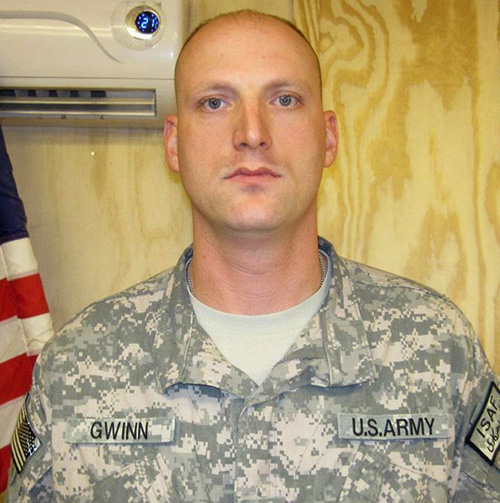
Fort Hood Army MSG Alva ‘Joe’ Gwinn Lead Police on High Speed Car Chase After Wellness Check Initiated; Died of Self-Inflicted Gunshot Wound (2017)

On This Day:
Navy Wife Dina Kichler Raped & Murdered in Mayport, Florida by John Brewer Shortly After her Husband Deployed for Six Months on USS Forestall (December 3, 1990)
US Marine Lindell Mitchell Murdered in Home on Christmas Day; Kimberly Andrews Sentenced to 26 Years to Life in Prison (December 25, 1991)
Adrianne Jones Murdered by Air Force Academy Cadet David Graham and Naval Academy Cadet Diane Zamora; Motive Was Jealousy (December 4, 1995)
Leeds, England Police Officer Ian Broadhurst Gunned Down by Dishonorably Discharged Marine and Fugitive David Bieber During Routine Traffic Stop (December 26, 2003)
Navy Vet Peggy Thomas & Jim Huden Murdered Russel Douglas of Washington; Both Convicted, Huden Sentenced to 80 Years & Thomas Got 4 Years in Prison (December 26, 2003)
Former Air Force Reservist Michelle Theer Convicted of First Degree Murder of Husband Marty Theer for the Insurance Policy; Sentenced to Life in Prison, No Parole (December 3, 2004)
Navy Reservist Paul Berkley Murdered by Wife Monique in North Carolina while Home on Leave from Middle East, SGLI was the Motive (December 18, 2005)
Sandra Grant, 23, US Navy, Died of Natural Causes While Aboard the USS Eisenhower in Support of Operation Iraqi Freedom (December 31, 2006)
Marine LCpl Maria Lauterbach and Unborn Child were Murdered; Fellow Marine Cesar Laurean Found Guilty of First Degree Murder, Sentenced to Life in Prison (December 15, 2007)
SSG Anton Phillips, US Army, Found Stabbed to Death at FOB Mehtar Lam, Afghanistan; CID Offering $25,000 Reward for Information (December 31, 2009)
Navy Lt CDR Fred Trayers Stabbed to Death in California by Wife Jennifer Who was Angered by Infidelity with Fellow Navy Doctor (December 4, 2010)
Vietnam Veteran Francis Patrick Fleming, US Navy, Targeted & Stabbed to Death By Brenda Nicholas & Charles Jungbluth for $60,000 Coin Collection (December 8, 2011)
Spc Mikayla Bragg Died of a Non Combat Death in Afghanistan, Army Ruled Suicide & Report Calls for Continuity of Healthcare in Deployed Locations (December 21, 2011)
Fort Hood Army Soldier Michael Bailey II Allegedly Committed Suicide, Family Petitions Military and Killeen PD to Investigate Death as Murder (December 29, 2011)
Air Force Captain William DuBois Died When F-16 Aircraft Crashed in Jordan; USAF Accident Investigation Board Ruled Rapid Descent Caused Crash (December 1, 2014)
Wrongful Conviction: Fort Hood Army Soldier Thomas Chestnut’s Guilty Verdict was Overturned by the US Army Court of Criminal Appeals (December 14, 2016)
Army Pvt. Paige Fontenot Briles Found Unresponsive in Vehicle at Fort Hood Housing in Texas; Initially CID Investigated as Homicide But Later Ruled Suicide (December 24, 2016)
Army Veteran Fernando Duarte Fatally Shot in Florida Casino Parking Lot, Prosecutors Drop Murder Charges Against Two Men who Proved Self Defense (December 25, 2016)

*************************************************

ARTS & ENTERTAINMENT

Featured in Television Episode, Movie, Documentary, Theatre:
Sneak peek: Murder by Design | 48 Hours
The Final Fall – Part 1 | Village of the Damned (Investigation Discovery)
Murder and dismemberment of cheerleaders Jennifer Bolduc and Sarah Hajney on Village of the Damned
Leading True-Crime Network Investigation Discovery Lifts The Veil On Mysterious Tragedies In A Small Town, ‘Village Of The Damned’
5 Things to Know About the Jeffrey MacDonald Case | Investigation Discovery
Final Vision | Investigation Discovery (Jeffrey MacDonald, US Army)
Duty, Honor And Murder | Diane Zamora Case | Crime Documentary
Nat Geo’s Iraq War Series: Gritty, Authentic, And Army-Approved
Body of War Documentary | The Real News
Filmmakers Phil Donahue and Ellen Spiro Premiere the ‘Body of War’ Documentary Featuring Anti-War Activist & Disabled Army Vet Tomas Young (2007)
The Perfect Suspect (Investigation Discovery | GI Gone: Lisa Gaudenzi, US Army (1)
The Perfect Suspect (Investigation Discovery | GI Gone: Lisa Gaudenzi, US Army (2)
The 15:17 to Paris | Clint Eastwood (1)
The 15:17 to Paris | Clint Eastwood (2)

*************************************************

MISCELLANEOUS:
The Top 10 Military Stories of 2017
We Asked You For The Biggest Military Stories Of 2017. Here Are The Top 21
Soldiers Honored for Saving Lives After Afghan Suicide Bombing
Veteran Helps Bring Ex-Iraq Military Interpreter, Family to US
2 Fort Carson brigades tapped for Afghanistan deployment
They went to lunch at the Ki-Be market and ended up foiling a murder plot
Jesse Ventura Takes His Last Shots At ‘American Liar’ Chris Kyle As He Drops Lawsuit
JBLM soldier jumped from pickup truck to help rescue passengers in train crash
Iraq War Veteran Reveals ‘Hostage’-Like Sexual Relationship With Disgraced NBC Host Matt Lauer
Ohio teens charged with murder after sandbag thrown from bridge hits car, kills passenger

Related Links:
A Month in Review: In the News on Military Justice for All (November 2017)
A Month in Review: In the News on Military Justice for All (December 2017)
A Month in Review: In the News on Military Justice for All (January 2018)
A Month in Review: In the News on Military Justice for All (February 2018)
A Month in Review: In the News on Military Justice for All (March 2018)

The Vanished Podcast Featured the Mysterious Missing Persons Case of Army Pvt. Dakota Lee Stump at Fort Hood in Texas (December 15, 2017)

The Vanished Podcast

“On October 10, 2016, 19- year-old Army Pvt. Dakota Stump disappeared from Fort Hood. Army officials believed that Dakota had just taken off but his family believed that was not something Dakota would do. He had always been very responsible. What followed was a bizarre set of circumstances that has left his family with more questions than answers.” –Dakota Lee Stump, The Vanished Podcast (December 15, 2017)

Related Links:
Justice for Dakota (Facebook)
The Vanished Podcast (website)
The Vanished Podcast (Twitter)
The Vanished Podcast (Facebook)
Dakota Lee Stump | The Vanished Podcast (website)
Dakota Lee Stump | The Vanished Podcast (iheartradio)
Dakota Lee Stump | The Vanished Podcast (Podtail)
Dakota Lee Stump | The Vanished Podcast (Player FM)
Dakota Lee Stump | The Vanished Podcast (Podbean)
Dakota Lee Stump | The Vanished Podcast (Stitcher)
Fort Hood Army Pvt. Dakota Stump Found Dead on Post Three Weeks After Vehicle Accident; Family Wants Missing ‘Warrior Alert’ Law (November 3, 2016)
Washington D.C. Veteran’s Presentation on the Current Status of the Armed Forces at Fort Hood in Texas (December 12, 2017)
Army Soldiers at Fort Hood in Texas Are Dying at Alarming Rates Stateside (January 1, 2016 to Present)
15 Active Duty Cases That Beg for Prevention Efforts, Military Justice Reform, and the End of the Feres Doctrine
Violent Crime, Suicide, and Non Combat Death at Fort Hood, Texas (US Army)

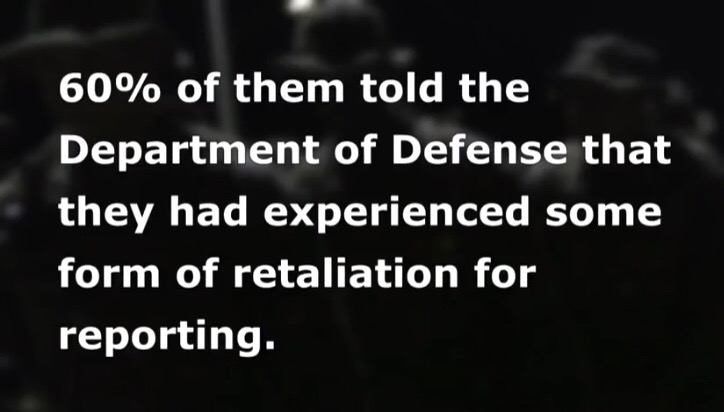
How do we stop the retaliation from happening so victims of crimes in the military feel safe to report?

Even if you do go forward with a case and it’s adjudicated in your favor, it’s the retaliation that kicks our ass and de-rails our careers. Why is this happening? If you wonder why some who have been assaulted have severe PTSD, it’s the retaliation compounding the original trauma. And if you don’t report and try and soldier on, it catches up with you anyways in the form of behavioral issues and suicidal ideation. How do we stop the retaliation in the military from happening so victims of crimes feel safe to report?

Related Links:
Home Base Veteran Story: Jennifer & Lee Norris
Personal Story and Testimony of TSgt. Jennifer Norris, US Air Force Retired, Before the House Armed Services Committee in Washington DC (2013)
Military Policy and Legislation Considerations for the Investigations of Non Combat Death, Homicide, and Suicide of US Service Members
Massachusetts School of Law Interviews Veteran Jennifer Norris About Violent Crime in the Military & Post Traumatic Stress Disorder
What Happens When a Rape is Reported in the Military?

Military Justice Improvement Act Targets Sex Assault (Nov. 17, 2017)

The Generation Why Podcast Featured the Suspicious Death of Army Pfc. LaVena Johnson in Balad, Iraq: Was It Suicide or Murder? (November 19, 2017)

Generation Why Podcast
The Generation Why Podcast

“Death of LaVena Johnson. July 19, 2005. Balad, Iraq. Nineteen years of age and recently deployed to Iraq, LaVena Johnson had everything going for her. A great education, determination, goals, and a great family. In letters and calls to home, she seemed quite candid about conditions there, both the good and the bad, but was also looking forward to being home for Christmas. On July 19th, though, a grim discovery was made. LaVena was found in a contractor’s tent, dead from an apparent gunshot wound to her head. An aerosol can was used to burn printed emails from a recent boyfriend. The Army ruled her death a suicide. Upset over the recent breakup with her boyfriend she must have hit her breaking point. The first autopsy didn’t really find anything to question this as a suicide. The Johnson family had her exhumed and two additional autopsies would make some startling discoveries. LaVena Johnson had suffered a broken nose, loose teeth, a black eye, and chemical burns on her genitals just to name a few. The Johnson family never believed that LaVena would take her own life and despite the questions surrounding her death, no one seems to want to go beyond saying that this case is ‘inconclusive’. Join us for a difficult discussion of losing a loved one under mysterious circumstances, not getting answers from investigators, and the possible reasons for why LaVena Johnson died back in 2005 in Iraq.” –Death of LaVena Johnson, The Generation Why Podcast (November 19, 2017)

Related Links:
The Generation Why Podcast (website)
The Generation Why Podcast (Facebook)
The Generation Why Podcast (Twitter)
Death of LaVena Johnson | The Generation Why Podcast (website)
Death of LaVena Johnson | The Generation Why Podcast | Stitcher
Death of LaVena Johnson | The Generation Why Podcast | RadioPublic
Death of LaVena Johnson | The Generation Why Podcast | PlayerFM
Death of LaVena Johnson | The Generation Why Podcast | PodBean
Death of LaVena Johnson | The Generation Why Podcast | TopPodcast
Death of LaVena Johnson | The Generation Why Podcast | Poddmap
Army Pfc. LaVena Johnson Died of Non Combat Related Injuries in Iraq; Death Ruled Suicide But Independent Autopsy Revealed Rape & Murder (July 19, 2005)
‘The Silent Truth’ Documentary: The Rape, Murder & Military Cover-Up of Army Pfc. LaVena Johnson in Iraq (July 1, 2014)
Crime Junkie Podcast Featured the Suspicious Deaths of LaVena Johnson & Tina Priest in ‘Conspiracy: Women in the US Military’ (October 22, 2018)
Military Policy and Legislation Considerations for the Investigations of Non Combat Death, Homicide, and Suicide of US Service Members
15 Active Duty Cases That Beg for Prevention Efforts, Military Justice Reform, and the End of the Feres Doctrine
Six Intriguing True Crime Podcasts Spotlighting Active Duty Military Suicide, Missing, and Murder Cases
15 Movies & Documentaries That Expose the Broken Military Justice System
Non Combat Deaths of Female Service Members in the U.S. Military (Iraq)
The Death of LaVena Johnson (Unsolved Mysteries)
10 Unsolved Military Cases

Military Rape Documentary Funded and Distributed by “Serial Predator” and Hollywood Movie Executive Harvey Weinstein

Listen to a NYPD sting operation recording of Harvey Weinstein here.

Both “The Invisible War” and “The Hunting Ground” were documentaries produced and directed by Hollywood filmmakers Kirby Dick and Amy Ziering. The Invisible War was an unvetted documentary about sexual assault and rape in the U.S. military. It was lauded by the masses, showcased at the Pentagon, and apparently used to influence Senator Claire McCaskill’s military justice legislation. Before we could wrap our heads around how these filmmakers had silenced veteran’s voices (again), they released The Hunting Ground, another unvetted documentary about sexual assault and rape on our nation’s campuses. And now we are learning that these documentaries were both funded and distributed by “serial predator” and Hollywood movie executive Harvey Weinstein of the Weinstein Company. In the wake of this provable scandal, Amy Ziering came to the defense of the indefensible and admitted in an interview that The Invisible War resulted in thirty five pieces of legislation passed by Congress.

The problem is the only laws passed were Senator Claire McCaskill’s bills. By taking credit for Claire McCaskill’s legislation (that military and veterans did not want), Ziering is admitting to undermining veteran’s efforts to secure due process rights for service members. We wanted them to have due process rights in the military justice system AND with non judicial punishment, retaliation, mental health, security clearance, and discharge. There’s nothing to take credit for unless you back Senator Claire McCaskill’s flawed military sexual assault legislation. Veterans resoundingly wanted the Military Justice Improvement Act sponsored by Senator Kirsten Gillibrand and supported by multiple bi-partisan Senators including conservatives who saw the constitutional issues with the command directed approach. BUT it was railroaded by Senator Claire McCaskill, Senator Carl Levin (now retired), and Senator Kelly Ayotte (now fired). And obviously backed by the filmmakers of a documentary about sexual assault funded and distributed by the very serial predator veterans were trying to hold accountable, especially the leadership tasked with implementing Senator McCaskill’s bills.

The connection has been made. In the wake of the flawed and failed policy in both the military and on college campuses, what these folks felt they knew was best actually created new victims. And it isn’t coincidental that the legislation passed in the military mirrors the unconstitutional use of preponderance of the evidence (50%+) on college campuses. This 2011 guidance came from Obama’s Department of Education Office of Civil Rights and Senator Claire McCaskill and Senator Kirsten Gillibrand are trying to get the policy codified as law with the CASA Act. In a stunning twist, newly appointed Secretary of Education Betsy DeVos reversed the harmful policy and reinstated due process protections for the accused on campus. The days of believe all women OR ELSE and holding institutions of authority hostage if you don’t believe the alleged victim are over on our college campuses. Campuses are able to reverse the harmful policy guidance but veterans have to reverse 35 pieces of sexual assault specific legislation that have had devastating consequences on military members and their families.

For all of its flaws and fabrications, “The Hunting Ground,” Harvey Weinstein’s activist documentary film about sexual assault on college campuses, finally succeeded in helping to actually identify a real predator — the filmmaker himself. And, although some of his apologists like filmmaker Rob Reiner tried to excuse Mr. Weinstein’s predatory behavior by saying that he should be lauded for having funded the film to expose the epidemic of rape on college campuses, “The Hunting Ground” helped to fuel a moral panic about sex abuse that directly led to Mr. Weinstein’s own professional demise…The good news is that as more and more powerful people become swept up in the hysteria surrounding sexual assault and people see themselves as vulnerable to such charges, the panic will end as spontaneously as it began. In some ways, a moral panic can be viewed as a “correction” — not unlike a market correction. We needed to bring attention to the Harvey Weinsteins lurking among us. Perhaps now we can now begin to look at sexual assault more rationally — identifying the “real” predators among us. Prof. Anne Hendershott, Washington Times

Related Links:
Claire McCaskill’s ‘lonely’ sex-assault stand
The war in Congress over rape in the military, explained
How The Hunting Ground Blurs the Truth
The big lie behind the campus-rape crusade
Major Study On Campus Sex Assault Debunked
19 Harvard Law Professors Defend Law Student Brandon Winston, Denouncing His Portrayal in “The Hunting Ground”
Professors Dispute Depiction of Harvard Case in Rape Documentary
How The Hunting Ground Spreads Myths About Campus Rape
The continuing collapse of ‘The Hunting Ground,’ a campus sexual assault propaganda film
Betsy DeVos’s full speech on Title IX and campus sex assault
Harvey Weinstein: Secret recording of undercover sting
Wendy Williams: Harvey Weinstein Speaks Out
Harvey Weinstein, Hollywood and hypocrisy
Actress Heather Graham Confirms EVERYONE Knew About Weinstein
Harvey Weinstein Proves Money Matter to Democrats, Not Women’s Lives
Hillary Clinton falsely claims Donald Trump is an ‘admitted sex assaulter’ as she compares him to Harvey Weinstein – but claims allegations against Bill are ‘clearly in the past’
Here’s A Live Look At The Women’s March Group Protesting Hollywood’s Rampant Sexual Abuse
Harvey Weinstein Paid Off Sexual Harassment Accusers for Decades
Jane Fonda Feels ‘Ashamed’ for Not Speaking Out About Harvey Weinstein Earlier
Hollywood’s dishonest campus rape panic
An Interview with the Producer of the Harvey Weinstein-Distributed Rape Documentary
Harvey Weinstein’s history begs for a documentary about Hollywood abuses. But can it be made?
California’s Attempt To Reject Betsy DeVos’s Campus Rape Policies Just Failed

Fort Hood Army MSG Alva ‘Joe’ Gwinn Led Police on High Speed Car Chase After Welfare Check Initiated; Died by Suicide During the Incident (October 12, 2017)

Master Sergeant Alva Joe Gwinn
MSG Alva ‘Joe’ Gwinn, U.S. Army

Fort Hood Army Master Sergeant Alva ‘Joe’ Gwinn, 39, died of an apparent self-inflicted gunshot wound on October 12, 2017 near the Williamson-Bell County line in Texas. Although the exact set of circumstances that led to MSG Gwinn taking his own life are unknown, the media reported that MSG Gwinn took his own life during an exchange of gunfire after leading the Killeen Police Department (KPD) on a high speed car chase. Prior to the incident, a concerned family member contacted the Fort Hood chain of command to report that Joe was experiencing a mental health breakdown and may be suicidal. The command contacted the military police who then asked the Killeen Police Department to do a ‘welfare check’ on MSG Gwinn. According to the KPD, MSG Gwinn was located in his car but took off when approached; they said MSG Gwinn then led police on a high speed car chase. According to reports, Alva fled on foot after pulling over, there was an exchange of gunfire with the KPD, and MSG Gwinn ended his life with a self-inflicted gunshot wound to the head. An officer involved shooting investigation was launched because gunfire was exchanged. Joe left behind two sons from a previous marriage and a wife and family who loved him very much. He is missed dearly.

On March 21, 2018, the media reported that a “Bell County Grand Jury reviewed the completed investigation done by the Texas Rangers and decided no indictment should be returned to the deputy in connection with the events leading to the death of a Fort Hood soldier.” MSG Gwinn’s home of record was listed as Richwood, West Virginia. MSG Gwinn served in the Army National Guard from 1996-1999 and then enlisted in the active-duty Army in September 1999 as a combat engineer. At the time of his death, MSG Gwinn was assigned to the 20th Engineer Battalion, 36th Engineer Brigade at Fort Hood since April 2012. MSG Gwinn served in the military for over twenty years and was eligible for retirement. When the media reported on the death of MSG Gwinn, they also mentioned a sexual assault accusation lodged against him in June 2016. They reported MSG Gwinn was scheduled to go to court in November 2017 as if they were implying there was a connection between the suicide and the court date scheduled the following month. One media source reported MSG Gwinn was a highly decorated combat veteran who was known for being a perfectionist and respected by his peers. MSG Gwinn deployed to Iraq and Afghanistan a total of five times while he served with the U.S. Army.

Editor’s Note: The circumstances that led to MSG Gwinn’s suicide inspired us to include him in a Fort Hood status of forces presentation we prepared for congressional representatives in Washington D.C. We believe things could have been handled better and we hope authorities learn from this experience in an effort to prevent it from happening again. We also found it in poor taste that the media mired MSG Gwinn’s reputation at the time of his death with an accusation of which he had not been found guilty of.

Areas of Concern:

  • On October 12, 2017, family informed the chain of command that MSG Gwinn was experiencing a mental health breakdown & may be suicidal; at the request of the chain of command, the military police asked the Killeen Police Department to do a ‘welfare check’ on MSG Gwinn; according to the KPD, they located MSG Gwinn in his car but he took off when approached and then led them on a high speed car chase that ended with an exchange of gunfire and MSG Gwinn taking his own life
  • How can we prevent a ‘welfare check’ from turning into an officer involved shooting, suicide by cop or suicide? Why was the high speed car chase necessary?
  • According to media reports, in June 2016, MSG Gwinn was arrested, indicted and charged by civilian authorities with “aggravated sexual assault” of a 12-year-old girl in 2012; the accusations surfaced in the midst of a child support and child custody case; MSG Gwinn maintained his innocence but a potential trial loomed and his military career and child visitation rights were on hold; Joe loved his family
  • The accusations negatively impacted MSG Gwinn’s military career and ability to spend time with his two sons; this in turn negatively impacted his mental health; the stress of the child custody case & accusations took their toll; up until this point, MSG Gwinn had a stellar military career and had never been accused of any crimes
  • According to local media, Alva was facing a trial in November 2017 and they made a loose connection between a pending trial date and MSG Gwinn’s suicide
  • What prompted the media to mire MSG Gwinn’s memory with an accusation when they reported on his death? Is that fair when the accused can’t defend themselves?
  • Whether guilty or innocent, this is a tragic end for a man accused of a crime
  • What does the Army do with the accused who are awaiting criminal trial?
  • Is Fort Hood responsible for the mental health of those accused of crimes?
  • What is the military’s policy on child visitation when a military member is accused of a crime against a child other than their own?

Related Links:
Obituary: Alva “Joe” Gwinn
Death of a Fort Hood Soldier (Ft Hood Press Center)
Fort Hood Fallen Warriors
Killeen man arrested for sexual assault of 12-year-old
Man arrested for aggravated sexual assault of a child
Fort Hood soldier arrested on aggravated sexual assault charge
Fort Hood soldier indicted in sexual assault case
Man who died in Thursday chase identified
Man in Bell County Chase was Fort Hood Soldier
Soldier who died in pursuit a decorated combat engineer
Soldier who led officers on Williamson Co. chase was facing sexual assault trial
Deputy in deadly Bell Co. chase was 12-year veteran, Williamson Co. sheriff’s office says
In the military, trusted officers became alleged assailants in sex crimes
Man who died after 2-county chase was facing child rape trial
Affidavit: Man in officer-involved shooting was charged with aggravated sexual assault of child
Ft. Hood Soldier leads police on high speed chase before killing himself
Authorities: Man shot after police chase in Bell County killed himself
Army master sergeant commits suicide during police shoot out after giving chase
Army MSG was facing charges of sexually assaulting 12 year old girl
Man who died during pursuit had court date for sexual assault of a child
Man who took own life after WilCo pursuit was soldier facing child sex assault charge
One dead after officer-involved shooting in Bell County
Affidavit: Suspect in officer-involved shooting was charged with aggravated sexual assault of a child
Man who died during pursuit had court date for sexual assault of a child
Ft. Hood Soldier leads police on high speed chase before killing himself
No charges filed against Williamson County deputy in officer-involved shooting
Army Soldiers at Fort Hood in Texas Are Dying at Alarming Rates Stateside
Violent Crime, Suicide, and Non Combat Death at Fort Hood, Texas (US Army)
Military Policy and Legislation Considerations for the Investigations of Non Combat Death, Homicide, and Suicide of US Service Members
Washington DC Veteran’s Presentation on the Current Status of the Armed Forces at Fort Hood in Texas (2017)

Violent Crime, Suicide, and Non Combat Death at Fort Riley, Kansas (US Army)


Fort Riley provides a Modern State-of-the-Art full spectrum, maneuver-friendly training environment in the Midwest, supporting the “Total Army.” Check out this five minute video to learn why Fort Riley finds itself positioned perfectly to provide for the Army’s current and future training needs. -DVIDSHUB

*Research not complete, includes combat deaths

2017
Dameko Artis, Civilian: Fort Riley man victim of shooting at shopping center
Eugene Cleaver, US Army Veteran: Former soldier stationed at Fort Riley sentenced to 17 years for sexual abuse of child in Texas
Richard Cox, US Army: Died 4 days after suffering gunshot wound
Alejandro Franquiz, US Army: Self-inflicted gunshot wound off post
Xavier Harden, US Army: Entered the lake from a boat and didn’t resurface, body later recovered
Ikaika Kang, US Army: FBI arrested former Ft Riley soldier in HI on terror charges
John Martinez, US Army: Found unresponsive in his barracks room
Peter Robbins, US Army: Shot and killed by police in Junction City

2016
Antonio Bates, US Army: In 2016, veteran sentenced to 15 years in prison for sexual abuse of a minor in the 1990s while stationed at Fort Riley, Kansas
Phillip Cruz-Medellin, US Army: Found dead in nearby Manhattan
Oscar Delgado, US Army: Found dead on post after missing for a week
Wayne Grigsby, US Army: Relieved of command of the 1st Infantry Division due to loss of confidence in ability to lead, suspended and fired
Joseph Stifter, US Army: Died in fatal roll-over accident, Iraq

2015
Randy Billings, US Army: Killed in Black Hawk UH-60 helicopter crash, Afghanistan
Peter Bohler, US Army: Killed in Black Hawk UH-60 helicopter crash, Afghanistan
Christopher Boynton, US Army: Found dead with gunshot wound on post
James Duke, US Army: Sentenced to 10 years in federal prison after convicted of aggravated sexual abuse of a child, most assaults happened in military housing at Fort Riley from 1996 to 2001
Jessica Echevarria, US Army Spouse: Found dead on post, single vehicle accident
Cyjay Echon, US Army: Jailed after allegedly put infant child in hospital, in critical condition, held on $150,000 bond, waived preliminary hearing
Omar Forde, US Army: Killed in Black Hawk UH-60 helicopter crash, Afghanistan
Kenyon Givens, US Army Dependent: Died from gunshot wound on post
Terry Gordon, US Army: Killed in Black Hawk UH-60 helicopter crash, Afghanistan
Juwan Jackson, US Army Dependent: Charged with involuntary manslaughter by US Attorney’s office
Brian Mastin, US Army: Arrested on child abuse & criminal threatening charges after standoff, suicidal
Alexander McConnell, US Army: Sentenced to 15 years in prison for second degree murder and 2 charges of child abuse
Joshua Silverman, US Army: Killed in Black Hawk UH-60 helicopter crash, Afghanistan

2014
James Henning, US Army: arrested for sexual exploitation of a child, rape, and aggravated sodomy; bond set at $5,000,000, sentenced to life
Scott Wilhelm, US Army: Arrested for sexual exploitation of a child, sexting

2013
Daniel Parker, US Army: Convicted of first degree murder, appealing
Sean Vincent, US Army: Arrested on charges in alleged child pornography case
Kimberly Walker, US Army: Homicide victim of boyfriend, Army soldier

2012
Michael Braden, US Army: Found unresponsive in his living quarters, Afghanistan
John Hughes, US Army: Convicted in the stabbing death of another soldier, sentenced to life in prison without parole
Todd Lambka, US Army: Died from wounds suffered in IED explosion, Afghanistan
Thomas Lavrey, US Army: Found unresponsive in living quarters on post
Jesus Lopez, US Army: Died from wounds suffered in IED explosion, Afghanistan

2011
Nathan Conley, US Army: Found dead in barracks room at WTB, ruled suicide
Florinda Evans, US Army: Accused of homicide by husband’s father
LaShawn Evans, US Army Dependant: Found dead in wife’s barracks in Iraq with gunshot wound to head, Army ruled suicide at first but reclassified to homicide
Aaron Evilsizer, US Army: Found dead of self-inflicted gunshot wound off post
Brice Scott, US Army: Died when insurgents attacked unit, Afghanistan

2010
Eddie Lowery, US Army Veteran: Wrongfully convicted by civilians of a rape that occurred in 1981 while stationed at Fort Riley, cleared by DNA, awarded 7.5 million
Hugh Marquez Jr, US Army: Found dead at friend’s house in Manhatten
Benjamin Miller, US Army: Found unresponsive in vehicle on post

2009
John Digrazia, US Army: Found unresponsive in barracks on post

2007
Jason Butkus, US Army: Died when insurgents attacked unit, Iraq
Camy Florexil, US Army: Died when IED detonated near vehicle, Iraq
Braden Long, US Army: Died when vehicle came under grenade attack, Iraq
Daniel Miller, US Army: Non-combat related incident, Afghanistan
Henry Ofeciar, US Army: Died when insurgents attacked unit, Afghanistan
Antonio Ortiz, US Army: Stabbed outside bar off post, found dead in parking lot
Latoya Pitts, US Army: Convicted of involuntary manslaughter in fatal stabbing of Army boyfriend outside bar
Christian Quinones, US Army: Died of a gunshot wound to the abdomen off post
Castulo Salas, US Army: Sentenced to six months in military prison for shooting death of fellow soldier off post

2006
Jeffery Brown, US Army: Died when UH-60 Blackhawk crashed, Iraq
Steven Mennemeyer, US Army: Died when UH-60 Blackhawk crashed, Iraq

2005
Kyle Dennis, US Army: Sentenced to 5 years in prison for third-degree burglary, accessory to aggravated assault and attempted theft
Luke Hoffman, US Army: Sentenced to 5 years for attempted grand theft and two counts of aggravated assault
Seferino Reyna, US Army: Died when IED detonated near military vehicle, Iraq
Christopher Wilaby, US Army: Homicide of Echo Wiles, convicted in 2011
Echo Wiles, Civilian: Homicide victim of boyfriend, Army soldier

2004
Yoe Aneiros, US Army: Died when vehicle came under attack, Iraq
Pierre Cole, US Army: Arrested for the fatal shooting of store manager James Jung, 52, during a robbery in Chicago, held on $1.5 million bond
Eric Colvin, US Army: Charged with homicide, sentenced to 12 yrs on drug charges
David Heath, US Army: Died when patrol came under small arms, Iraq
Christopher Hymer, US Army: Homicide victim off post by Army soldier
Adriana Renteria, US Army Spouse: Alleged victim of domestic abuse
Carlos Renteria, US Army: Accused of domestic abuse, sent overseas, ordered to attend military anger management and alcohol abuse classes
Neil Santoriello, US Army: Died when IED detonated near military vehicle, Iraq
Daniel Shepherd, US Army: Died when military vehicle hit IED, Iraq
Aaron Stanley, US Army: Convicted of the premeditated murders of 2 Army soldiers, sentenced to life in prison/no parole
Matthew Werner, US Army: Homicide victim off post by Army soldier

2003
Christopher Cutchall, US Army: Died when IED detonated near vehicle, Iraq

2001
James Hawthorne, US Army: Shot in leg after someone shot 4 bullets in his vehicle
Shaun Leach, US Army: Died after someone shot 4 bullets into civilian vehicle
Jeremy Ware, US Army: Accused of attempted unpremeditated murder, carrying a concealed weapon, and wrongful acquisition of a firearm

1985
Francis Badame, US Army: Murdered after tricked and lured by two Army soldiers to go to a remote section of military post to hunt deer, buried in shallow grave
Timothy Keenan, US Army: Faced court-martial on murder and conspiracy charges & charged by state with conspiracy to commit first degree murder; plotted crossbow and beating death of Pvt. Francis Badame
Wayne Partridge Jr, US Army: Testified he shot Pvt. Francis Badame in the back with a crossbow and Timothy Keenan repeatedly beat Badame with a shovel

Related Links:
Two dead in Fort Riley shooting (1995)
2 Brothers May Face Explosives, Gun Charges (1995)
Troops in Distinguished Ft. Riley Unit Resent Notoriety From McVeigh Ties : Military: Present, former GIs of 16th Infantry angry over the tarnishing its record has received with the arrest of the prime bombing suspect. (1995)
Despite Army’s Assurances, Violence at Home (2008)
Child ‘Forrest Gump’ actor leaving Army (2008)
Army Alcoholics: More Soldiers Hitting the Bottle (2010)
One-fourth of killings in Sedgwick County since 1989 happened in 7 census tracts (2014)
Feds charge Kansas man with Fort Riley bomb plot (2015)
Kansas woman pleads guilty to sex trafficking a minor (2016)
Thousands of US troops deploying to Afghanistan, Europe this summer (2017)

Fort Hood Army Spc. Zachary Moore Died by Suicide While on Deployment to Camp Hovey, South Korea; Delay in Medical Care Contributed to Death (August 2, 2017)

SPC-Moore-235x300
Spc. Zachary Moore, US Army

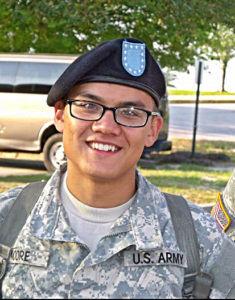
Spc. Zachary Moore, 23, of Virginia Beach, Virginia, was found unresponsive August 1, 2017 in his barracks room at Camp Hovey in South Korea. Spc. Moore was transported to St. Mary’s Hospital and pronounced deceased on August 2, 2017. Spc. Moore entered active-duty military service in March 2014 as a signal support systems specialist. He was assigned to the 9th Cavalry Regiment, 2nd Armored Brigade Combat Team, 1st Cavalry Division at Fort Hood in Texas since July 2016. The circumstances surrounding the incident were investigated by the U.S. Army Criminal Investigation Division (CID) and the cause of death was ruled a suicide.

*****************************************

Was Zachary Moore’s Death Preventable?

In May 2017, Fort Hood announced they were deploying 3,500 troops to South Korea over the summer. Twenty-three (23) year old Zachary Moore was one of the soldiers deployed to South Korea. With full knowledge of Zachary’s recent mental health issues, the Chain of Command gave him a mental health waiver against his will, and most likely against medical advice, so they could deploy him to South Korea.

In October 2016, Zachary had a mental health breakdown and went Absent without Leave (AWOL). After a successful intervention, Zachary was found and returned to the custody of his Chain of Command at Fort Hood. Zachary’s command then sent him to an emergency room where he was hospitalized and prescribed medication. After Zachary was discharged from the hospital, he continued to seek treatment for mental health issues. Six months later, Zachary was given a mental health waiver by his command to deploy to South Korea.

About a month after Zachary arrived at Camp Hovey in South Korea, his depression medication was changed. As a matter of fact, his depression medication was changed the day before he was found unresponsive in his barracks room. Zachary attempted to kill himself on August 1st, less than 24 hours after the medication change. It was Zachary who called his Command for help as there is no 911 on the base in South Korea. He was found unresponsive and finally transported to the hospital about 1 ½ to 2 hours later. He was admitted to the Intensive Care Unit, listed as critical then stable, yet passed away on August 2, 2017.

Why did Zachary Moore go AWOL?

The Chain of Command contacted Jeanette to report Zachary hadn’t been seen since October 18, 2016. They also informed her they were not actively looking for him but would file AWOL status on October 20th. When asked if they filed a missing persons report, Jeanette claims they told her they did but she says she was lead to believe Zachary trashed his room, took his things, and left willingly. She immediately flew to Texas from Florida to find him.

Jeanette contacted the Killeen Police Department as soon as she got to Fort Hood and the local law enforcement found Zachary the same day she arrived. Over the phone, the Command told Jeanette they filed a missing persons report but she learned from the Killeen Police Department that they never did. The Killeen PD noticed recent activity on Facebook so they pinged Zach’s cell phone & found that he was in a remote area of a local state park.

Zachary attempted to flee initially but after negotiations, he surrendered and was returned to the police station where his mom was waiting. Jeanette could tell Zachary was mentally broken and he admitted to her that he wanted to hurt himself.  The Killeen PD found Zachary and he had a knife in his possession. Zachary was returned to the custody of his Chain of Command at Fort Hood. Shortly after Zachary informed his mom that his superiors told him to tell her to leave town and stop interfering.

Jeanette reports that Zachary never had any mental health issues prior to this and suspected that Zachary was “singled out by his command and harassed.”

Areas of Concern in Zachary Moore’s Case:

  • Zachary revealed he was harassed by his Chain of Command. For example, his leave papers to visit family before deploying were denied; he was denied permission to see the Fort Hood Inspector General officer; he was harassed during training exercises; he was given exhausting extra duties; and was accused of taking a radio which was later found on a military officer’s desk. Why was he denied the opportunity to speak to the IG officer?
  • Zachary was accused of trashing his room and taking his belongings when he went AWOL. Jeanette believes the circumstances surrounding the vandalism of his room and the theft of his property could be evidence of harassment.
  • During mental health treatment, Zachary was facing the consequences of going AWOL; Zachary was accused of trashing his own room; and Zachary was accused of stealing a secure radio? What are the additional mental health impacts of the way the Chain of Command uses the military justice system?
  • The circumstances of the mental health waiver and the justifications for sending Zachary to South Korea while he was undergoing treatment for mental health issues and medication management should be investigated.
  • The effects of the medication change in South Korea should be investigated. Is Command aware that some medications can cause serious negative reactions? (Some depression medication causes suicidal ideation.) Who monitors serious medication changes in deployed locations? Is it safe to deploy soldiers in the early phases of medication management for mental health issues?
  • Finally, the delay in the Command’s response to Zachary’s call for help in South Korea should be investigated. Why did it take so long to respond to Zachary and why did it take so long to get Zachary to the hospital? Did anyone attempt to administer help while waiting for the ambulance?
  • If the Command was the cause of the mental health break, where was Zachary supposed to turn? How do we hold the Chain of Command accountable? How do we prevent the Chain of Command from retaliating and using the military justice system or non judicial punishment as a weapon? What was the role of the Commander? What was the role of the Fort Hood Inspector General? How can we prevent a young soldier from feeling like the only way out of their situation is AWOL or suicide? How could we have prevented Zachary’s death?
  • Soldiers have come forward, given their stories to the family and have offered to testify about what Zachary was put through which may explain why he died. Were these soldiers questioned?

Source: Jeanette Nazario (Zachary Moore’s mom)

Related Links:
U.S. Army SPC Zachary Moore Funeral – 8/11/17
Death of a Fort Hood Soldier – Spc. Zachary Charles Moore
Spc. Zachary Moore, 1st Cavalry Division
Fort Hood soldier dies in South Korea
Fort Hood soldier dies in Korea
Fort Hood: Soldier found dead in barracks in South Korea identified
Soldier from VB dies after being found unresponsive in South Korea barrack
Virginia Beach soldier dies in South Korea
Army Soldiers at Fort Hood in Texas Are Dying at Alarming Rates Stateside
Violent Crime, Suicide, and Non Combat Death at Fort Hood, Texas (US Army)
Military Policy and Legislation Considerations for the Investigations of Non Combat Death, Homicide, and Suicide of US Service Members
Washington DC Veteran’s Presentation on the Current Status of the Armed Forces at Fort Hood in Texas (2017)
Soldier deaths in South Korea put spotlight on US military suicide crisis