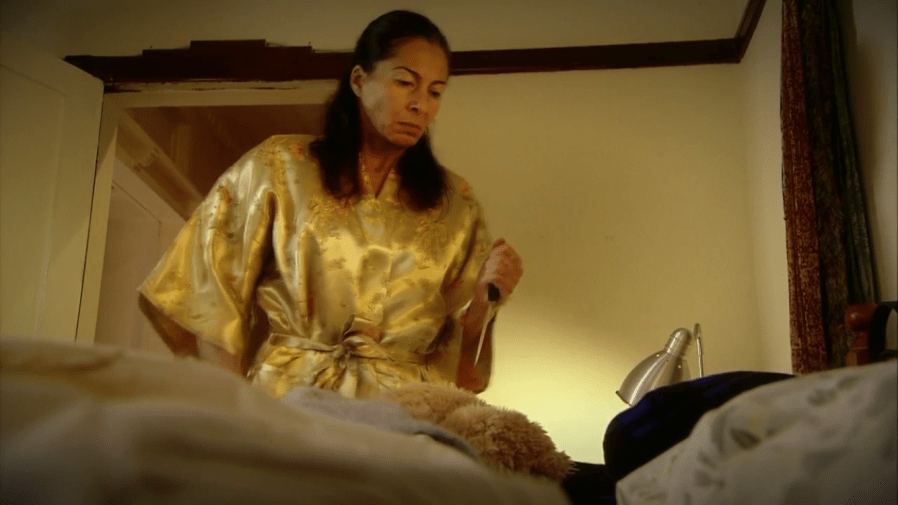
The young and wild Monique Wallace is married to 40-year-old Paul Berkley, a navy reservist and father of two in suburban North Carolina. But with Paul leaving on a mission overseas, temptation and lust will lead them all down a dark path to murder. -Rules of Engagement, Scorned: Love Kills (S2,E7)
Some women like others to do their dirty work. A drama queen brings her love triangle to a permanent end; an intimate betrayal turns friends into deadly foes; and a loose woman will do anything to protect her freedom. -Murder for Me, Deadly Women (S9,E11)
Oxygen:
A military wife is caught in deadly love triangle. -Monique Berkley, Snapped (S8,E8)
Editor’s note: With a cable subscription, you can download the free ID Go app and watch Investigation Discovery programming at your convenience. And for those who do not have cable, you can watch “unlocked” episodes on the ID Go app including the latest premieres. For those who prefer commercial free programming during your binge session, Prime Video has an ID channel: ‘True Crime Files by Investigation Discovery” available for $3.99 a month. It’s a compilation of older seasons but totally worth the cost if you are a true crime addict. Download the ID Go app or purchase ID True Crime Files & binge away.
A grandmother caring for her grandchildren, a young girl in love with a boy, a mother protecting her son – are all consumed with intense love. But when that love is threatened, they find it too much to bear and take measures into their own hands. -Deadly Possession, Deadly Women (S5, E10)
Editor’s note: With a cable subscription, you can download the free ID Go app and watch Investigation Discovery programming at your convenience. And for those who do not have cable, you can watch “unlocked” episodes on the ID Go app including the latest premieres. For those who prefer commercial free programming during your binge session, Prime Video has an ID channel: ‘True Crime Files by Investigation Discovery” available for $3.99 a month. It’s a compilation of older seasons but totally worth the cost if you are a true crime addict. Download the ID Go app or purchase ID True Crime Files & binge away.
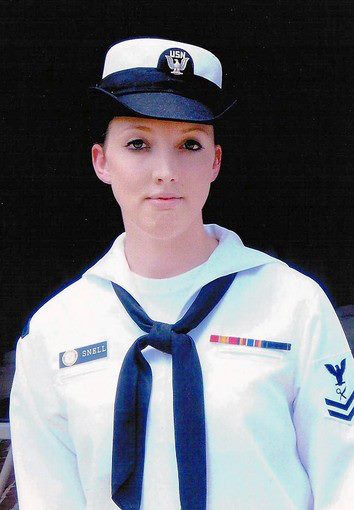
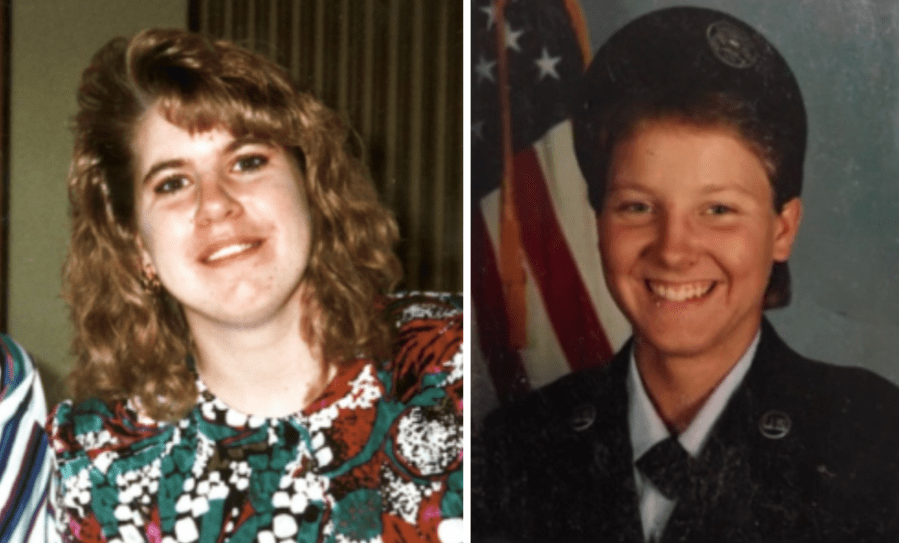
Navy Petty Officer Amanda Jean Snell, 20, was found dead in her room at the barracks at Joint Base Myer-Henderson Hall in Virginia on July 13, 2009. Naval Criminal Investigation Services (NCIS) had jurisdiction of her case. They conducted an initial investigation yet the case went nowhere because NCIS investigators confided in the murderer and were divided on whether the death was a homicide, suicide, or accidental. As a result, the DNA lab testing was not considered a priority because the autopsy was considered undetermined, not a homicide. Four years and four civilian victims later, former U.S. Marine Jorge Avila Torrez was indicted for Amanda’s murder, found guilty by a federal court, and sentenced to death in 2014.
Torrez lived on the same co-ed floor as Amanda Snell in Keith Hall barracks on the base. On the night of July 12, 2009, he entered her room, she screamed, and he strangled her in an effort to silence her. His crimes were sexually motivated. He jammed Amanda into her locker and put a pillow case over her head in an effort to fool investigators into thinking she had suffocated. After she was found dead on the federal base, NCIS began their investigation. They interviewed multiple people in the barracks and initiated a forensic examination of Amanda’s room. They claim they sent the evidence to the military DNA lab testing facility to determine if any DNA was present. In the meantime, Torrez offered to help with the investigation and NCIS accepted his offer. They asked him to spread a rumor around the barracks that they had a witness who saw someone enter her room that night.
During the stalled NCIS investigation, Torrez attacked four other civilian women in Arlington, Virginia in 2010. Three of them escaped his attempted abduction but one of them was abducted, raped, strangled, and left for dead in the woods. Torrez thought he killed her but she lived. Because all four victims reported the crimes, the Arlington Police Department was able to make the connection with the four cases. Thanks to the due diligence of two Arlington police officers, detectives were able to find out who owned the light colored SUV. These two police officers had observed on shift that the driver of this SUV was acting suspiciously and called in his license plate number to determine if he had any outstanding warrants. They learned Torrez was an active duty Marine living at Keith Hall Barracks on the the Navy base. The Arlington Police detectives had to coordinate with NCIS to gain access to the base so they could arrest him and search his room and vehicle. Jorge Torrez was jailed while he awaited trial.
While Torrez was awaiting trail, he asked some inmates to help him find a hit man to silence the three witnesses that would be testifying against him. One of the inmates he confided in was a confidential informant. After the informant reported the troubling conversations with authorities, he was asked to wear a wire to record future conversations. It was at this time that Jorge Torrez not only admitted his intentions to kill the three victims who were going to testify against him at his trial but he also revealed that he murdered Amanda Jean Snell at the Navy base. Meanwhile, the Arlington Police Department entered the DNA from the victim who was raped into CODIS, a national DNA database, and got a hit to two murders of children in Zion, Illinois where Torrez was from. When NCIS finally tested and compared the DNA on the sheets in Amanda’s room, this forensic evidence linked Torrez to Amanda’s murder as well. The Marine Corps dishonorably discharged him from the military.
NCIS bungled this investigation from the beginning. The investigators could not agree on whether Amanda Snell was murdered, committed suicide, or died accidentally. Because her autopsy report was “undetermined” and her death was not ruled a homicide, it did not have priority in the military DNA testing lab. Apparently an undetermined death and rape and sexual assault DNA is not given a high priority in military labs. When in fact, if all suspicious deaths and sex crimes were given higher priority, we could prevent further victimization and homicides. It was not until they learned of the four other victims in Arlington, Virginia and the two murders of children in Zion, Illinois that they expedited the testing of the DNA found in Amanda Snell’s room. We do not know if it is procedure for NCIS to compare DNA evidence of military members accused of crimes to the national DNA database. If they had tested the DNA earlier and entered the DNA into CODIS, they would have got a hit to the two murders in Illinois.
In the initial stages of the investigation, the NCIS agents investigated multiple people in the barracks. Jorge Torrez offered to be a confidential informant of sorts to help them with the investigation. They accepted. They asked him to spread a rumor that they had a witness who saw someone enter her room that night. They wanted to ferret out the killer by spreading panic. Quite often investigators will say they have evidence they don’t have in an attempt to cause stress and elicit confessions. Now they were not able to call anyone’s bluff. They in effect blew any chances of an effective investigation by telling the actual killer that they had nothing. It’s troubling that they did not see the red flag when Torrez offered to inject himself into the investigation. Murder suspects have been known to do this and befriend the victim’s family and friends in an attempt to stay apprised of what police know.
Lastly if sexual assault, rape, and undetermined causes of death were given higher priority in the NCIS DNA testing labs then maybe we could have prevented four other women from becoming victims of sex crimes and attempted murder. NCIS admits that the DNA was not given priority because it was not a homicide. Had NCIS made the DNA a higher priority and compared the results of the testing in CODIS, the national DNA database, they would have got a match to the DNA in Zion, Illinois. As a result of this match, they would have been able to triangulate the connection between Torrez in the barracks and where he was from in Zion, Illinois. They could have got a “commanders search warrant” to conduct a forensic examination of his room. There they would have found evidence of criminal intent like the collection of porn images they found on his computer that included fantasies about rape and suffocation of women. DNA from sexual assault and rape should be given the highest priority in the military DNA lab testing facilities to prevent an escalation of violent crimes to homicide both in the military and in our civilian communities. All DNA profiles tested in the military should be immediately entered in CODIS.
Eight months after Jorge Avila Torrez was arrested by the Arlington Police Department, he was found guilty and sentenced to five life terms and 168 years in prison for the attacks on three of the four civilian women from Arlington, Virginia. Four years later, he was found guilty and sentenced to death by the federal courts for the murder of Amanda Jean Snell on the US Navy base in Arlington, Virginia. In an unexpected plot twist Illinois authorities learned the man they convicted for the murders of Krystal Tobias (9) and Laura Hobbs (8) was innocent. Authorities released Jerry Hobbs, the father of one of the children, from jail in 2010 and vowed to try Torrez for a sexual assault of one child and the murder of both children from Zion, Illinois. Illinois authorities charged Torrez with the crimes in 2015 and are expected to go to trial some time in 2016. Jorge Torrez is currently sitting on death row.
Investigation Discovery:
In the shadow of the nation’s capital, a mysterious death on a Marine base confounds the NCIS — was it an accident, or was it a homicide? It won’t be long before police are hunting a violent sexual predator whose trail leads right back to the base. -Capitol Predator, Deadline Crime with Tamron Hall (S3,E6)
Editor’s note: With a cable subscription, you can download the free ID Go app and watch all of the Investigation Discovery programming at your convenience. And for those who do not have cable, you can watch “unlocked” episodes on the ID Go app including the latest premieres. Download the ID Go app and binge away. For those who prefer commercial free programming during your binge session, Prime Video has an ID channel: ‘True Crime Files by Investigation Discovery” available for $2.99 a month. It’s a compilation of older seasons but totally worth the cost if you are a true crime addict.
Despite recent efforts by the Veterans Administration to prevent veteran suicide, seven have committed suicide in the Inland Northwest in the last four months and US Senator Patty Murray is calling the situation unacceptable. -4 News Now (May 1, 2008)
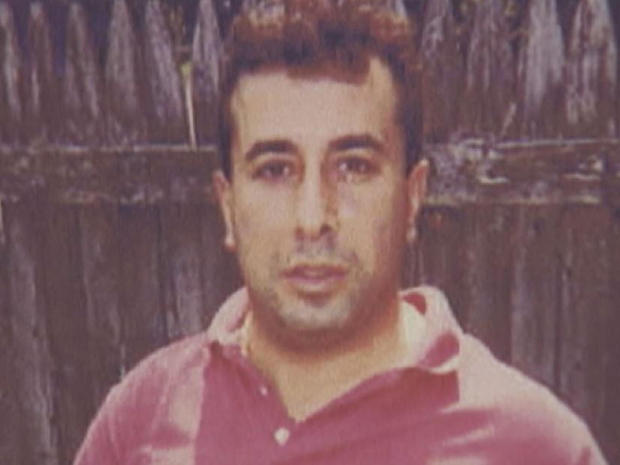
Eddie Makdessi, U.S. Navy Spouse (photo courtesy of 48 Hours NCIS)
Navy Petty Officer Elise Makdessi worked as an Air Traffic Controller at Naval Air Station Oceana in Virginia. Elise was married to Eddie Makdessi for five years and they lived off base in Virginia Beach. Elise unknowingly helped plan, organize, and carry out her own murder and it is unclear if she was a willing participant in the original plot with Eddie to scam the government out of money or if she was controlled by Eddie. Eddie Makdessi murdered Elise Makdessi and Navy Petty Officer Quincy Brown on May 14, 1996 as part of an elaborate scam. The whole thing was a set up. Elise thought she was part of an arrangement where she would invite Quincy Brown to the house, have sex with him, then accuse him of rape. She also manufactured evidence to make it look like she was documenting sexual abuse in an effort to sue the Navy and make millions. She had journals and created what looked like a rehearsed video outlining what four Navy men, including Quincy Brown, did to her on the job.
Five years earlier in 1991 the Navy Tailhook scandal in Nevada made national headlines. Navy Lieutenant Paula Coughlin was one of the alleged victims who went public with her story. Two years before Elise and Quincy were murdered, Paula Coughlin won 1.7 millionafter suing the Las Vegas Hilton hotel where the Tailhook Association convention was held. Eddie must have convinced Elise that they too could make millions if they alleged that Elise was sexually assaulted on the job. What they didn’t realize is that you can’t sue the Navy; Coughlin won a lawsuit against the Hilton hotel. The Feres Doctrine prevents any soldier or their family from suing the Department of Defense for compensatory damages. Investigators believe that knowledge of this information gave Eddie and Elise Makdessi the motive to come up with the false accusation scheme to sue the Navy. Eddie was a scammer and always looking for new ways to make quick money. Elise didn’t know she was double crossed until Eddie was plunging the knife. A month before the murders, Eddie purchased $700,000 worth of life insurance on Elise.
Eddie and Elise Makdessi invited Petty Officer Quincy Brown over to the house under the guise of having a threesome. DNA evidence revealed that Elise and Quincy Brown had sex. Investigators would learn that Eddie shot Quincy first, then stabbed Elise. He hurt himself to make it appear that Quincy invaded the house, knocked him out, raped and killed Elise, and then he awoke from unconsciousness and shot the intruder. Eddie staged the crime scene and he almost got away with it. But investigators figured out this was a ‘set up’ based on the crime scene evidence, interviews with Elise’s co-workers, the video tape, and the large insurance policy. They were also savvy enough to recognize that this was a copycat case. Elise’s sexual harassment and sexual assault claims were in fact fabricated. All the men she accused of sex crimes in the video passed a polygraph examination and her supervisors testified that Elise never reported sexual harassment or sexual assault like she claimed in her video testimony. Unfortunately Quincy Brown was the pawn they used in their game and he never got the chance to see that the allegations were proven false.
Eddie was indicted in 2001. But by the time investigators were ready to arrest Eddie Makdessi for the murder of Elise Makdessi and Quincy Brown, Eddie had fled the country. They eventually caught up with him in Russia. Unfortunately, Russia did not have an extradition treaty with the United States so police could not force Eddie to come back to the states. Mike Mather, an investigative reporter, went to Russia to interview Makdessi and learned that he was remarried with a child yet things weren’t going so well for Eddie financially in Russia. After that interview, Eddie decided to leave his wife and child in Russia and go back to America to face the charges. He was going to prove his innocence and clear his name. He was sure he would beat the charges. It would be ten years after he committed the first degree murders of Elise and Quincy Brown before he went to trial. On March 16, 2006, Eddie Makdessi was convicted of two counts of murder, sentenced to life in prison, and ordered to pay a $202,500 fine. The motive was the life insurance money. He used the $700,000 payout to travel the world before settling in Russia. Eddie continues to deny committing the crimes.
Elise Makdessi’s sister, Dawn Crosby, asked the jury to “show Eddie Makdessi that my sister’s life was worth more than $700,000.” –The Virginia-Pilot (March 17, 2006)
Victims:
P.O. Elise Makdessi, U.S. Navy
P.O. Quincy Brown, U.S. Navy
Forensic Files:
Full Episode:Virginia Beach police arrive at the Makdessi apartment to find Elise Makdessi and her lover, Quincy Brown, dead. Elise’s husband Eddie had reported that he killed Quincy Brown in self-defense after Brown had murdered Elise. Eddie gave the police a videotape Elise had made a week before, alleging that she had been the victim of sexual harassment. -Double Cross, Forensic Files (S13,E5)
Investigation Discovery:
Paramedics respond to a horrific crime scene – a woman is found tied to a bed with slashes across her body. Next to her on the floor, a man with three gunshot wounds. Detectives spend the next several years unraveling this bizarre mystery. -Last Man Standing, Solved (S2,E10)
When a Naval Officer is apparently raped and stabbed by a coworker, a mysterious VHS tape suggests the victim may have been silenced to prevent a scandal. Dogged investigation and cutting edge forensic science reveals a shocking murder plot. -Deadly Accusations, Unusual Suspects (S7,E4)
Editor’s note: With a cable subscription, you can download the free ID Go app and watch all of the Investigation Discovery programming at your convenience. And for those who do not have cable, you can watch “unlocked” episodes on the ID Go app including the latest premieres. Download the ID Go app and binge away. For those who prefer commercial free programming during your binge session, Prime Video has an ID channel: ‘True Crime Files by Investigation Discovery” available for $2.99 a month. It’s a compilation of older seasons but totally worth the cost if you are a true crime addict.
When the wife of a serviceman was brutally murdered in the Philippines, the Air Force Office of Special Investigators swung into action. Clues led to the victim’s husband, but he insisted he was innocent. Investigators would have to do something unprecedented: Reassemble a 5 1/4 inch computer disk which had been cut to pieces with pinking shears. -Shear Luck, Forensic Files (S10,E9)
Editor’s Note: Full episodes of Forensic Files are available on a variety of media platforms. Medical Detectives Channel features full episodes of Forensic Files on YouTube. You can also find full episodes of Forensic Files on both Netflix and Amazon Prime Video. On Netflix, the seasons are grouped as collection 1-9. On Amazon Prime Video, you can find Season 1-10 here; Season 11; Season 12; Season 13; Season 14; Season 15; Season 16; Season 17; Season 18; Season 19; Season 20; and Season 21. Start bingeing and see for yourself why Forensic Files is such a hit!
Bureau of Diplomatic Security U.S. Department of State Washington, DC
August 4, 2003
Adib “Eddie” Ramez Makdessi, formerly of Virginia Beach and a fugitive from U.S. law enforcement, was located and returned to the United States by the Diplomatic Security Service on July 22. Makdessi was wanted for the 1996 murder of his wife, Elise Makdessi, and one of her co-workers, Quincy Brown.
Makdessi originally claimed that he and his wife were ambushed in their home, he was knocked unconscious and awoke to find Brown stabbing his wife. Makdessi stated he shot Brown with a gun from his wife’s nightstand. After several years of investigation, Makdessi was indicted with the first-degree murders of his wife and her co-worker in 2001. He then fled the country.
Law enforcement authorities contacted the DSS, which located Makdessi in Russia. However, no extradition treaty exists between the United States and Russia, so securing a provisional warrant was not possible. There was nothing law enforcement could do.
ID Go: When landowner Jeff Brisebois is found shot to the head in the bedroom of his Hawaii plantation home, police uncover angry neighbors, disgruntled tenants, estranged family members — and soon find themselves with an island full of suspects. -Warm Revolver, Devil in the Details (S1, E4)
Editor’s note: With a cable subscription, you can download the free ID Go app and watch all of the Investigation Discovery programming at your convenience. And for those who do not have cable, you can watch “unlocked” episodes on the ID Go app including the latest premieres. Download the ID Go app and binge away. For those who prefer commercial free programming during your binge session, Prime Video has an ID channel: ‘True Crime Files by Investigation Discovery” available for $2.99 a month. It’s a compilation of older seasons but totally worth the cost if you are a true crime addict.
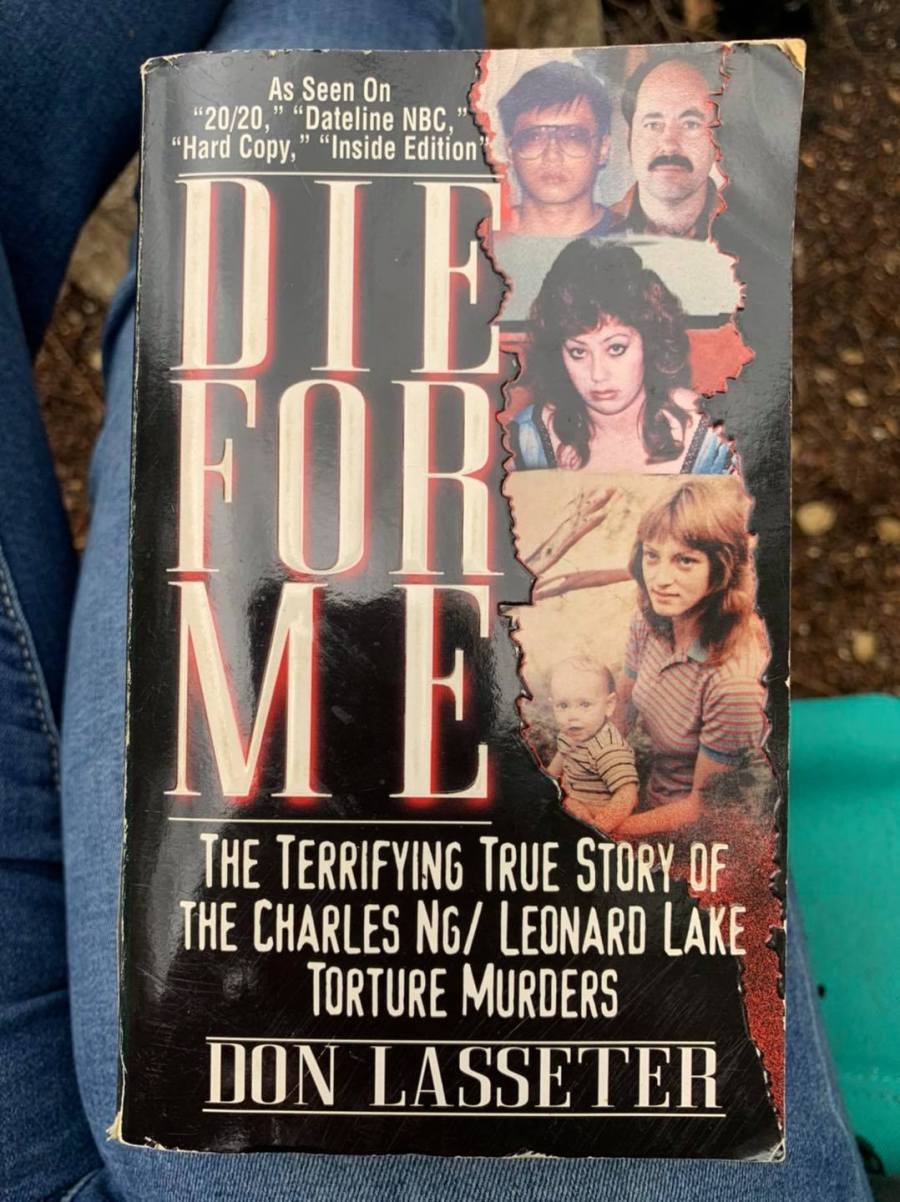
Read “Die for Me” by Don Lasseter while camping this past weekend.
Description:“They killed for thrills… It began with a shoplifting arrest. it led to a search of a remote California hamlet called Wilseyville that yielded six bodies, 45 pounds of burned bone fragments, and a child’s liver. Then, horror-struck investigators made the most chilling discovery of all: the videotape that showed what Charles Ng and Leonard Lake did to their handcuffed female victims before snuffing them out. Here is the the terrifying story of one of the most notorious serial killer teams in American history – a pair of maniacs whose orgy of sex crimes, torture, and murder took the lives of at least sixteen victims. From Charles Ng’s strange Hong Kong childhood to his twisted friendship with co-conspirator Leonard Lake, DIE FOR ME is the graphic portrait of two monsters who walked among us – Lake, who took his own life, and Ng, who will die by lethal injection.”
Here’s my thoughts:
This book was a tough read because both of these guys were manipulative. They lured their victims after gaining their trust. It was nauseating but an educational read. California spent millions of taxpayer dollars prosecuting one of them because the military made a fatal mistake.
Marine Corps Veteran Charles Ng Sentenced to Death for Role in Murdering 11 Californians with Fellow Veteran Leonard Lake; Lake Died By Suicide at Arrest (June 30, 1999): https://wp.me/p3XTUi-63f
Air Force veteran Penny Brummer was convicted on October 1, 1994 of murdering her ex-girlfriend’s best friend 21-year-old Sarah Gonstead in Madison, Wisconsin. On March 14, 1994, after a night of heavy drinking with Penny, Sarah was shot in the back of the head execution style and found three weeks later in a secluded field. Detectives theorized that Sarah most likely trusted her killer. On this episode of Investigation Discovery’s Reasonable Doubt, Penny’s mother, Nancy Brummer, turned to Detective Chris Anderson and criminal defense attorney Melissa Lewkowicz to help her prove Penny’s innocence. Nancy believes the prosecution had no concrete evidence except for circumstantial evidence and she also believes the the jury was biased and led to believe that lesbians are inherently violent. Detective Anderson and Melissa Lewkowicz worked with Nancy Brummer by taking a second look at Penny Brummer’s case featured in the ninth episode of Reasonable Doubt aptly titled ‘Failure to Remember’. It’s their job to investigate the cases that family members swear are wrongful homicide convictions and in the end the duo share their assessment of guilt or innocence based on meticulous investigative work.
Nancy Brummer has been fighting to free her daughter for twenty-two years. She told Detective Anderson and Melissa that they were her last hope. The two learned that Sarah Gonstead left her mother’s house to go out for a night of drinking to celebrate her 21st birthday with her friend Penny but Sarah never came home. Twenty-five days later, Sarah was found in a secluded field in Madison. Sarah had been shot execution style in the back of the head and Penny was the last known person to see her alive. Eight days later, Penny was arrested and charged with first degree murder. Penny claims she pulled over to clean up some beer that spilled in her vehicle and Sarah exited the vehicle to walk half a block to her best friend Glenda’s house. But prosecutors painted a darker picture. They theorized the two got drunk and Penny drove Sarah out to a empty soy field and murdered her. Prosecutors believed the motive was jealousy because Glenda had just broken up with Penny and Penny blamed Sarah for the break-up. They claimed Penny wanted revenge and the jury bought it. Penny Brummer is currently serving life in prison and her first opportunity for parole is in 2045.
Detective Anderson and Melissa met with the Nancy Brummer first to hear her plea for justice. Nancy stated that she wanted to find the person who committed the crime and free Penny so she can come home. Nancy confirmed that Glenda and Penny were dating and broke up about a month prior to Sarah’s disappearance. Sarah was Glenda’s best friend and the three of them would hang out and party together. Penny was in her early twenties at the time of the homicide so her behavior was typical of most young people at that stage in their life. Nancy Brummer described Penny as very social and happy-go-lucky. She said Penny was really into sports and she was on the softball team and volleyball team in high school. Nancy opined Penny was a typical teenager and started drinking around the age of seventeen. After high school, Penny joined the Air Force and shared with her mom that it was hard being in the military because of the secrecy she had to maintain regarding her sexual orientation. Nancy Brummer believes that the jury was biased and led to believe that a lesbian is more prone to violence. She referenced a questionnaire that Melissa agreed was inflammatory and would need a second look.
The prosecution painted a picture that Penny was jealous of the friendship between Glenda and Sarah. The two were strictly friends and Sarah was straight. Nancy observed that Penny was sad and disappointed about the break-up but not what one would consider obsessive. She reminded Detective Anderson and Melissa that the prosecution had nothing: no physical evidence, no DNA, no blood evidence, nothing that tied Penny to the murder. The prosecution said the gun that was used in the commission of the crime was a 22 handgun that belonged to Penny’s father. Nancy admits that her husband’s gun did go missing and was never recovered. When Sarah’s body was found, Nancy said a witness came forward to the police and said that he had driven by the scene of the crime a day or two after the murder and saw a suspicious vehicle along the side of the road. He saw a man standing behind the vehicle with what looked like a pink and purple duffle bag and as it turns out, Sarah’s jacket was the same pink and purple color. Nancy said this evidence was ignored. Nancy informed both Detective Anderson and Melissa that even if they don’t find Penny innocent, she will keep fighting for her release.
Detective Anderson and Melissa began their investigation. Detective Anderson started with the man who was the eyewitness. This man told Detective Anderson that he did in fact see a vehicle by the side of the road near the location of where Sarah’s body was found in the field. He claims he made eye contact with the man in question but that was about the extent of it. He said after the man made eye contact with him, he put his head down. The eyewitness was concerned that this man was trying to move the body, after all it was only a couple days after she had gone missing. He said the police informed him that they already had a suspect in the case and he felt that his testimony was largely discounted and ignored. Melissa investigated the prosecutors jealousy motive. One of Penny’s close friends described her as a great friend and a someone she went bar-hopping with. Penny’s friend believes that she was a binge drinker and most likely an alcoholic because she would drink until she blacked out. Penny’s friends said she hoped she would get back together with Glenda but certainly didn’t act like a jealous ex-girlfriend. Penny’s friend Mary believes she is innocent.
Detective Anderson met with a forensic expert to go over the physical evidence or lack there of. The two examined the crime scene photos and other evidence available. The forensic expert didn’t see any signs of struggle and it appeared Sarah’s body fell forward after she was shot in the head. There was no sexual assault and no beating. It was an execution style killing and Sarah most likely knew and trusted the person who shot her. Sarah was walking in front of the perpetrator when she was shot in the back of her head. Detective Anderson visited the last known location of both Penny and Sarah, a local bar in Madison. A witness said Sarah and Penny were celebrating Sarah’s birthday because she had just turned twenty-one. The two had been drinking prior to their arrival at the bar but the witness didn’t think either appeared to be drunk. She said they showed up at the bar around 10:30 p.m. and left a couple hours later; they had a couple drinks while they were there. The witness observed they were both in great spirits and having fun and they were both able to carry on a conversation. On the night in question, Sarah was kind of quiet while Penny appeared to be enjoying herself with others at the bar. Neither of them were agitated or upset; they both appeared to be in a really good mood.
Detective Anderson interviewed Penny via the telephone. Penny said she dated Glenda for 8 or 9 months and admits she fell in love with her. She also claimed to have a nice friendship with Sarah. She shared that Sarah never did anything bad to her and never meddled in her relationship with Glenda. Penny said Glenda just decided one day to end things and told her she was going back on birth control. Penny assumed Glenda wanted to go back to guys. After the break-up, Penny was heartbroken. She admitted she got physical with Glenda one time; they pushed each other during an argument. On March 14, 1994, Penny said she got out of work around 7:30 p.m., got some beer, and went to Sarah’s house. Penny said they stopped at a couple bars and drank more beer. Penny said she doesn’t remember being at Jakes (the bar where the eyewitness last saw both Penny and Sarah at around midnight). Penny admitted she was an alcoholic then and was very intoxicated. Penny and Sarah were on their way to pick up Glenda when Penny spilled some beer in her car and stopped to clean it up. Penny said Sarah wasn’t feeling well so she started walking to Glenda’s house which was about a half a block away. Penny told Detective Anderson she doesn’t know why she didn’t take Sarah to Glenda’s house but she went home after cleaning her car. Penny reminded Detective Anderson that she isn’t the type to kill anyone, she didn’t have a weapon, and she had absolutely no reason to hurt Sarah.
In the meantime, Melissa looked at the questionnaire that was given to the jury asking them about their thoughts about lesbians and violence. Melissa said, as a criminal defense attorney, she would insist that the jury not be subjected to or see the questionnaire because it is inflammatory. Melissa also spoke with Glenda who was the glue that held the case together. Glenda claimed she dated Penny for about a year but wasn’t necessarily in love with her. Glenda claimed Penny drank a lot but could still function; she just wouldn’t remember it. Glenda described Sarah as a shy, soft-hearted, and loyal friend. Glenda believed that Penny was jealous of her friendship with Sarah. Glenda admitted that Penny did in deed find her birth control pills and assumed that she was breaking up with her so she could date men again. Glenda admitted she broke up with Penny because she was way too controlling. Glenda also claimed Penny was pissed that she broke up with her. When Glenda ended it, Penny shoved her and she shoved her back and kicked her out of her house. Glenda said the look in her eyes scared the crap out of her and she began to cry. Glenda believes they have the right person and is still grieving the loss of her friend.
Detective Anderson and Melissa met with Nancy Brummer to share the results of their investigation. Nancy claimed the jury was bias because of Penny’s sexual orientation and Melissa believes she was absolutely right. Melissa said the questions asked of the jury were highly prejudicial. Penny’s close friend felt that the motive of jealousy was crap but Glenda was 100% convinced Penny was the killer. Glenda claimed the motive in this case was vengeance. Glenda declared that if Penny gets out of jail, she is moving to another state because she is scared of her; if Penny did this once, who is to say she won’t do this again? Nancy doesn’t believe Glenda and said she is a good actress. Detective Anderson told Nancy he followed up with the eye witness at the scene of the crime and said this was a problem because each and every lead needs to be taken seriously. He also shared that only one of the detectives was alive and he refused to meet with him. Melissa confirmed that there is no physical evidence tying Penny to the crime. Detective Anderson addressed the gun they believed was used in the commission of the crime and Nancy confirmed the 22 they owned had indeed gone missing. Detective Anderson addressed the autopsy photos and shared that the forensic expert did not observe any signs of struggle. It was a cold night and if someone ran towards Sarah, she definitely would have heard it. Detective Anderson deduced Sarah was shot by someone she knew or was led into the field at gunpoint.
“Circumstantial cases are a series of little things that add up until they point in one direction.” -Detective Chris Anderson, Reasonable Doubt
Nancy Brummer said there was no way her daughter would have shot Sarah in the back of the head. But Detective Anderson had some serious issues with the fact that the only person who claims Penny was in a black out that night is Penny. He spoke with a bartender who claimed that Penny appeared to be functional. Jake’s bar is significant because it is less than two miles from where Sarah’s body was found. Detective Anderson noted that Penny said she couldn’t remember being at Jake’s that night but she remembered very specific things earlier and later that night. Detective Anderson felt it was suspicious that Penny remembered everything really well that night except being at this bar. Is this a form of convenient amnesia? Melissa empathized with why Nancy felt a sense of injustice all these years. The biased questionnaire, the ignored witnesses, and the overall investigation had major problems; the evidence was highly circumstantial. Penny was the last known person to see Sarah alive that night; Penny was last seen at a bar with Sarah which is located less than two miles from where Sarah’s body was found; Penny said she can’t remember being there but does remember a lot of details earlier and after Sarah went missing; Sarah was killed with a 22 and Penny’s father owned a 22 that was now missing; Penny was a military vet who was trained to shoot guns; and Sarah wasn’t trying to run away, she didn’t struggle, and she most likely knew and trusted her killer.
Why would Penny do this? Melissa shared that she read through the police reports and noted that Penny admitted she was heartbroken when things ended with Glenda. Penny also admitted that after the break-up she wondered who Glenda was with, where she was, and what she was doing. Penny also said Glenda was in her head 24 hours a day (obsessed) and that she resented Sarah because she assumed Sarah was trying to drag her back into the straight world. On the night of March 14, 1994, Penny did what she always did. Melissa explained Penny got really drunk, the break-up was fresh, her feelings were raw, and she spent the entire night with the person she believed came between her and the woman she loved. Melissa asked, “did Penny plan to walk Sarah into the woods or was it just a horrific idea fueled by fifteen drinks? Did she remember shooting Sarah, does she remember her falling to the ground, or does she not remember anything at all?” Ironically, Penny admits that prison saved her life. Penny believes she would not have made it to thirty had it not been for prison. Penny said she turned her life around behind bars. Based on the leads Nancy provided and an independent investigation, Detective Anderson and Melissa revealed there was nothing new in the investigation that would bring Penny home. They both suggested Nancy ask her daughter the tough questions and then she will know, even 22 years later.
“The problem is that the things Penny remembers are the things that will help her and the things that she can’t remember are the things that would potentially hurt her.” -Melissa Lewkowicz, Reasonable Doubt
Source: Failure to Remember, Reasonable Doubt, Investigation Discovery
Investigation Discovery:
Penny Brummer, a military vet, is accused of murdering her ex-girlfriend’s best friend in a jealous rage. However, Penny was so drunk that night she was in a blackout state. Can Chris and Melissa help fill in the gaps of her memory to prove her innocence? -Failure to Remember, Reasonable Doubt (S1,E9)
In The News:
Twenty-one years ago a jury found Penny Brummer guilty in the murder of Sarah Gonstead. The family of Brummer has spent those 21 years working to prove her innocence. Dave Delozier reports. -Channel 3000 / News 3 Now (December 14, 2015)








 MILITARY JUSTICE FOR ALL