“Timothy McVeigh, a former U.S. Army soldier, is convicted on 15 counts of murder and conspiracy for his role in the 1995 terrorist bombing of the Alfred P. Murrah Federal Building in Oklahoma City. On April 19, 1995, just after 9 a.m., a massive truck bomb exploded outside the Alfred P. Murrah Federal Building. The blast collapsed the north face of the nine-story building, instantly killing more than 100 people and trapping dozens more in the rubble. Emergency crews raced to Oklahoma City from across the country, and when the rescue effort finally ended two weeks later, the death toll stood at 168 people, including 19 young children who were in the building’s day-care center at the time of the blast.” Read more from This Day in Historyhere.
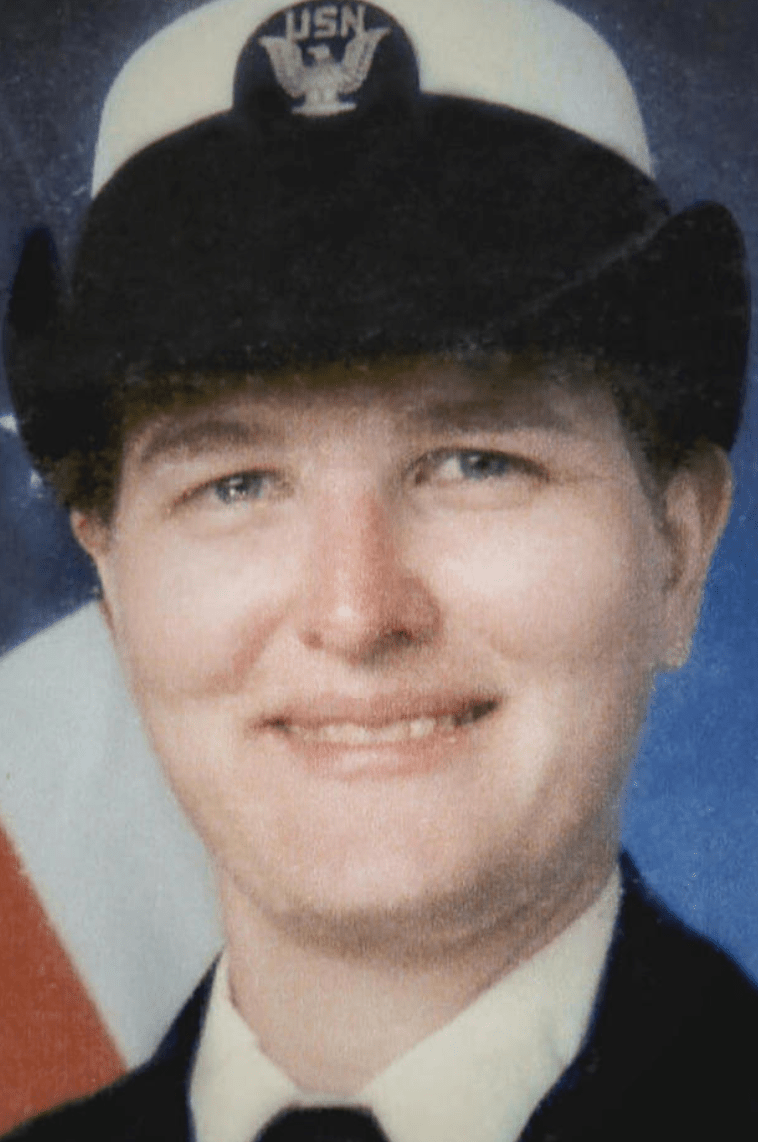
Navy Petty Officer Elise Makdessi worked as an Air Traffic Controller at Naval Air Station Oceana in Virginia. Elise was married to Eddie Makdessi for five years and they lived off base in Virginia Beach. Elise unknowingly helped plan, organize, and carry out her own murder and it is unclear if she was a willing participant in the original plot with Eddie to scam the government out of money or if she was controlled by Eddie. Eddie Makdessi murdered Elise Makdessi and Navy Petty Officer Quincy Brown on May 14, 1996 as part of an elaborate scam. The whole thing was a set up. Elise thought she was part of an arrangement where she would invite Quincy Brown to the house, have sex with him, then accuse him of rape. She also manufactured evidence to make it look like she was documenting sexual abuse in an effort to sue the Navy and make millions. She had journals and created what looked like a rehearsed video outlining what four Navy men, including Quincy Brown, did to her on the job.
Five years earlier in 1991 the Navy Tailhook scandal in Nevada made national headlines. Navy Lieutenant Paula Coughlin was one of the alleged victims who went public with her story. Two years before Elise and Quincy were murdered, Paula Coughlin won 1.7 million after suing the Las Vegas Hilton hotel where the Tailhook Association convention was held. Eddie must have convinced Elise that they too could make millions if they alleged that Elise was sexually assaulted on the job. What they didn’t realize is that you can’t sue the Navy; Coughlin won a lawsuit against the Hilton hotel. The Feres Doctrine prevents any soldier or their family from suing the Department of Defense for compensatory damages. Investigators believe that knowledge of this information gave Eddie and Elise Makdessi the motive to come up with the false accusation scheme to sue the Navy. Eddie was a scammer and always looking for new ways to make quick money. Elise didn’t know she was double crossed until Eddie was plunging the knife. A month before the murders, Eddie purchased $700,000 worth of life insurance on Elise.
Eddie and Elise Makdessi invited Petty Officer Quincy Brown over to the house under the guise of having a threesome. DNA evidence revealed that Elise and Quincy Brown had sex. Investigators would learn that Eddie shot Quincy first, then stabbed Elise. He hurt himself to make it appear that Quincy invaded the house, knocked him out, raped and killed Elise, and then he awoke from unconsciousness and shot the intruder. Eddie staged the crime scene and he almost got away with it. But investigators figured out this was a ‘set up’ based on the crime scene evidence, interviews with Elise’s co-workers, the video tape, and the large insurance policy. They were also savvy enough to recognize that this was a copycat case. Elise’s sexual harassment and sexual assault claims were in fact fabricated. All the men she accused of sex crimes in the video passed a polygraph examination and her supervisors testified that Elise never reported sexual harassment or sexual assault like she claimed in her video testimony. Unfortunately Quincy Brown was the pawn they used in their game and he never got the chance to see that the allegations were proven false.
Eddie was indicted in 2001. But by the time investigators were ready to arrest Eddie Makdessi for the murder of Elise Makdessi and Quincy Brown, Eddie had fled the country. They eventually caught up with him in Russia. Unfortunately, Russia did not have an extradition treaty with the United States so police could not force Eddie to come back to the states. Mike Mather, an investigative reporter, went to Russia to interview Makdessi and learned that he was remarried with a child yet things weren’t going so well for Eddie financially in Russia. After that interview, Eddie decided to leave his wife and child in Russia and go back to America to face the charges. He was going to prove his innocence and clear his name. He was sure he would beat the charges. It would be ten years after he committed the first degree murders of Elise and Quincy Brown before he went to trial. On March 16, 2006, Eddie Makdessi was convicted of two counts of murder, sentenced to life in prison, and ordered to pay a $202,500 fine. The motive was the life insurance money. He used the $700,000 payout to travel the world before settling in Russia. Eddie continues to deny committing the crimes.
Elise Makdessi’s sister, Dawn Crosby, asked the jury to “show Eddie Makdessi that my sister’s life was worth more than $700,000.” –The Virginia-Pilot (March 17, 2006)
Forensic Files:
Full Episode: Virginia Beach police arrive at the Makdessi apartment to find Elise Makdessi and her lover, Quincy Brown, dead. Elise’s husband Eddie had reported that he killed Quincy Brown in self-defense after Brown had murdered Elise. Eddie gave the police a videotape Elise had made a week before, alleging that she had been the victim of sexual harassment. -Double Cross, Forensic Files (S13,E5)
Investigation Discovery:
Paramedics respond to a horrific crime scene – a woman is found tied to a bed with slashes across her body. Next to her on the floor, a man with three gunshot wounds. Detectives spend the next several years unraveling this bizarre mystery. -Last Man Standing, Solved (S2,E10)
When a Naval Officer is apparently raped and stabbed by a coworker, a mysterious VHS tape suggests the victim may have been silenced to prevent a scandal. Dogged investigation and cutting edge forensic science reveals a shocking murder plot. -Deadly Accusations, Unusual Suspects (S7,E4)
Editor’s note: With a cable subscription, you can download the free ID Go app and watch Investigation Discovery programming at your convenience. And for those who do not have cable, you can watch “unlocked” episodes on the ID Go app including the latest premieres. For those who prefer commercial free programming during your binge session, Prime Video has an ID channel: ‘True Crime Files by Investigation Discovery” available for $3.99 a month. It’s a compilation of older seasons but totally worth the cost if you are a true crime addict. Download the ID Go app or purchase ID True Crime Files & binge away.
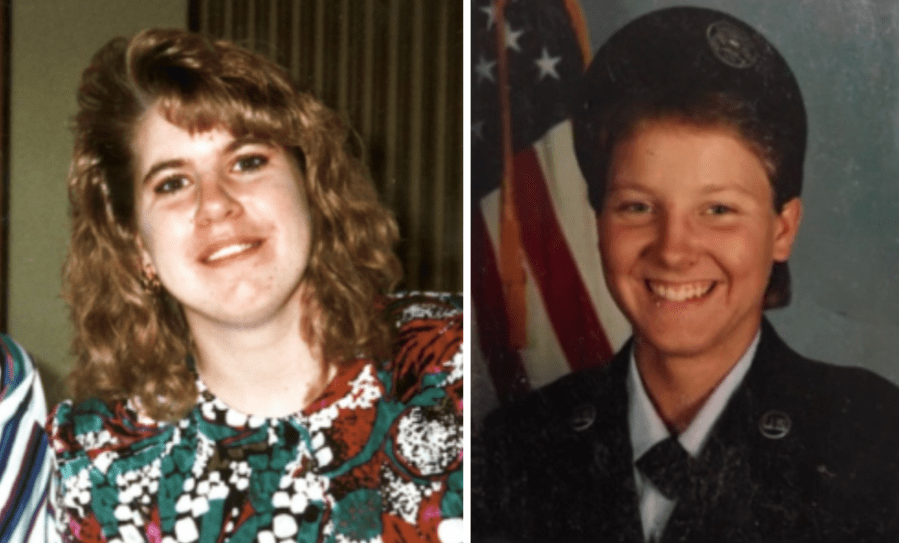
Air Force veteran Penny Brummer was convicted on October 1, 1994 of murdering her ex-girlfriend’s best friend 21-year-old Sarah Gonstead in Madison, Wisconsin. On March 14, 1994, after a night of heavy drinking with Penny, Sarah was shot in the back of the head execution style and found three weeks later in a secluded field. Detectives theorized that Sarah most likely trusted her killer. On this episode of Investigation Discovery’s Reasonable Doubt, Penny’s mother, Nancy Brummer, turned to Detective Chris Anderson and criminal defense attorney Melissa Lewkowicz to help her prove Penny’s innocence. Nancy believes the prosecution had no concrete evidence except for circumstantial evidence and she also believes the the jury was biased and led to believe that lesbians are inherently violent. Detective Anderson and Melissa Lewkowicz worked with Nancy Brummer by taking a second look at Penny Brummer’s case featured in the ninth episode of Reasonable Doubt aptly titled ‘Failure to Remember’. It’s their job to investigate the cases that family members swear are wrongful homicide convictions and in the end the duo share their assessment of guilt or innocence based on meticulous investigative work.
Nancy Brummer has been fighting to free her daughter for twenty-two years. She told Detective Anderson and Melissa that they were her last hope. The two learned that Sarah Gonstead left her mother’s house to go out for a night of drinking to celebrate her 21st birthday with her friend Penny but Sarah never came home. Twenty-five days later, Sarah was found in a secluded field in Madison. Sarah had been shot execution style in the back of the head and Penny was the last known person to see her alive. Eight days later, Penny was arrested and charged with first degree murder. Penny claims she pulled over to clean up some beer that spilled in her vehicle and Sarah exited the vehicle to walk half a block to her best friend Glenda’s house. But prosecutors painted a darker picture. They theorized the two got drunk and Penny drove Sarah out to a empty soy field and murdered her. Prosecutors believed the motive was jealousy because Glenda had just broken up with Penny and Penny blamed Sarah for the break-up. They claimed Penny wanted revenge and the jury bought it. Penny Brummer is currently serving life in prison and her first opportunity for parole is in 2045.
Detective Anderson and Melissa met with the Nancy Brummer first to hear her plea for justice. Nancy stated that she wanted to find the person who committed the crime and free Penny so she can come home. Nancy confirmed that Glenda and Penny were dating and broke up about a month prior to Sarah’s disappearance. Sarah was Glenda’s best friend and the three of them would hang out and party together. Penny was in her early twenties at the time of the homicide so her behavior was typical of most young people at that stage in their life. Nancy Brummer described Penny as very social and happy-go-lucky. She said Penny was really into sports and she was on the softball team and volleyball team in high school. Nancy opined Penny was a typical teenager and started drinking around the age of seventeen. After high school, Penny joined the Air Force and shared with her mom that it was hard being in the military because of the secrecy she had to maintain regarding her sexual orientation. Nancy Brummer believes that the jury was biased and led to believe that a lesbian is more prone to violence. She referenced a questionnaire that Melissa agreed was inflammatory and would need a second look.
The prosecution painted a picture that Penny was jealous of the friendship between Glenda and Sarah. The two were strictly friends and Sarah was straight. Nancy observed that Penny was sad and disappointed about the break-up but not what one would consider obsessive. She reminded Detective Anderson and Melissa that the prosecution had nothing: no physical evidence, no DNA, no blood evidence, nothing that tied Penny to the murder. The prosecution said the gun that was used in the commission of the crime was a 22 handgun that belonged to Penny’s father. Nancy admits that her husband’s gun did go missing and was never recovered. When Sarah’s body was found, Nancy said a witness came forward to the police and said that he had driven by the scene of the crime a day or two after the murder and saw a suspicious vehicle along the side of the road. He saw a man standing behind the vehicle with what looked like a pink and purple duffle bag and as it turns out, Sarah’s jacket was the same pink and purple color. Nancy said this evidence was ignored. Nancy informed both Detective Anderson and Melissa that even if they don’t find Penny innocent, she will keep fighting for her release.
Detective Anderson and Melissa began their investigation. Detective Anderson started with the man who was the eyewitness. This man told Detective Anderson that he did in fact see a vehicle by the side of the road near the location of where Sarah’s body was found in the field. He claims he made eye contact with the man in question but that was about the extent of it. He said after the man made eye contact with him, he put his head down. The eyewitness was concerned that this man was trying to move the body, after all it was only a couple days after she had gone missing. He said the police informed him that they already had a suspect in the case and he felt that his testimony was largely discounted and ignored. Melissa investigated the prosecutors jealousy motive. One of Penny’s close friends described her as a great friend and a someone she went bar-hopping with. Penny’s friend believes that she was a binge drinker and most likely an alcoholic because she would drink until she blacked out. Penny’s friends said she hoped she would get back together with Glenda but certainly didn’t act like a jealous ex-girlfriend. Penny’s friend Mary believes she is innocent.
Detective Anderson met with a forensic expert to go over the physical evidence or lack there of. The two examined the crime scene photos and other evidence available. The forensic expert didn’t see any signs of struggle and it appeared Sarah’s body fell forward after she was shot in the head. There was no sexual assault and no beating. It was an execution style killing and Sarah most likely knew and trusted the person who shot her. Sarah was walking in front of the perpetrator when she was shot in the back of her head. Detective Anderson visited the last known location of both Penny and Sarah, a local bar in Madison. A witness said Sarah and Penny were celebrating Sarah’s birthday because she had just turned twenty-one. The two had been drinking prior to their arrival at the bar but the witness didn’t think either appeared to be drunk. She said they showed up at the bar around 10:30 p.m. and left a couple hours later; they had a couple drinks while they were there. The witness observed they were both in great spirits and having fun and they were both able to carry on a conversation. On the night in question, Sarah was kind of quiet while Penny appeared to be enjoying herself with others at the bar. Neither of them were agitated or upset; they both appeared to be in a really good mood.
Detective Anderson interviewed Penny via the telephone. Penny said she dated Glenda for 8 or 9 months and admits she fell in love with her. She also claimed to have a nice friendship with Sarah. She shared that Sarah never did anything bad to her and never meddled in her relationship with Glenda. Penny said Glenda just decided one day to end things and told her she was going back on birth control. Penny assumed Glenda wanted to go back to guys. After the break-up, Penny was heartbroken. She admitted she got physical with Glenda one time; they pushed each other during an argument. On March 14, 1994, Penny said she got out of work around 7:30 p.m., got some beer, and went to Sarah’s house. Penny said they stopped at a couple bars and drank more beer. Penny said she doesn’t remember being at Jakes (the bar where the eyewitness last saw both Penny and Sarah at around midnight). Penny admitted she was an alcoholic then and was very intoxicated. Penny and Sarah were on their way to pick up Glenda when Penny spilled some beer in her car and stopped to clean it up. Penny said Sarah wasn’t feeling well so she started walking to Glenda’s house which was about a half a block away. Penny told Detective Anderson she doesn’t know why she didn’t take Sarah to Glenda’s house but she went home after cleaning her car. Penny reminded Detective Anderson that she isn’t the type to kill anyone, she didn’t have a weapon, and she had absolutely no reason to hurt Sarah.
In the meantime, Melissa looked at the questionnaire that was given to the jury asking them about their thoughts about lesbians and violence. Melissa said, as a criminal defense attorney, she would insist that the jury not be subjected to or see the questionnaire because it is inflammatory. Melissa also spoke with Glenda who was the glue that held the case together. Glenda claimed she dated Penny for about a year but wasn’t necessarily in love with her. Glenda claimed Penny drank a lot but could still function; she just wouldn’t remember it. Glenda described Sarah as a shy, soft-hearted, and loyal friend. Glenda believed that Penny was jealous of her friendship with Sarah. Glenda admitted that Penny did in deed find her birth control pills and assumed that she was breaking up with her so she could date men again. Glenda admitted she broke up with Penny because she was way too controlling. Glenda also claimed Penny was pissed that she broke up with her. When Glenda ended it, Penny shoved her and she shoved her back and kicked her out of her house. Glenda said the look in her eyes scared the crap out of her and she began to cry. Glenda believes they have the right person and is still grieving the loss of her friend.
Detective Anderson and Melissa met with Nancy Brummer to share the results of their investigation. Nancy claimed the jury was bias because of Penny’s sexual orientation and Melissa believes she was absolutely right. Melissa said the questions asked of the jury were highly prejudicial. Penny’s close friend felt that the motive of jealousy was crap but Glenda was 100% convinced Penny was the killer. Glenda claimed the motive in this case was vengeance. Glenda declared that if Penny gets out of jail, she is moving to another state because she is scared of her; if Penny did this once, who is to say she won’t do this again? Nancy doesn’t believe Glenda and said she is a good actress. Detective Anderson told Nancy he followed up with the eye witness at the scene of the crime and said this was a problem because each and every lead needs to be taken seriously. He also shared that only one of the detectives was alive and he refused to meet with him. Melissa confirmed that there is no physical evidence tying Penny to the crime. Detective Anderson addressed the gun they believed was used in the commission of the crime and Nancy confirmed the 22 they owned had indeed gone missing. Detective Anderson addressed the autopsy photos and shared that the forensic expert did not observe any signs of struggle. It was a cold night and if someone ran towards Sarah, she definitely would have heard it. Detective Anderson deduced Sarah was shot by someone she knew or was led into the field at gunpoint.
“Circumstantial cases are a series of little things that add up until they point in one direction.” -Detective Chris Anderson, Reasonable Doubt
Nancy Brummer said there was no way her daughter would have shot Sarah in the back of the head. But Detective Anderson had some serious issues with the fact that the only person who claims Penny was in a black out that night is Penny. He spoke with a bartender who claimed that Penny appeared to be functional. Jake’s bar is significant because it is less than two miles from where Sarah’s body was found. Detective Anderson noted that Penny said she couldn’t remember being at Jake’s that night but she remembered very specific things earlier and later that night. Detective Anderson felt it was suspicious that Penny remembered everything really well that night except being at this bar. Is this a form of convenient amnesia? Melissa empathized with why Nancy felt a sense of injustice all these years. The biased questionnaire, the ignored witnesses, and the overall investigation had major problems; the evidence was highly circumstantial. Penny was the last known person to see Sarah alive that night; Penny was last seen at a bar with Sarah which is located less than two miles from where Sarah’s body was found; Penny said she can’t remember being there but does remember a lot of details earlier and after Sarah went missing; Sarah was killed with a 22 and Penny’s father owned a 22 that was now missing; Penny was a military vet who was trained to shoot guns; and Sarah wasn’t trying to run away, she didn’t struggle, and she most likely knew and trusted her killer.
Why would Penny do this? Melissa shared that she read through the police reports and noted that Penny admitted she was heartbroken when things ended with Glenda. Penny also admitted that after the break-up she wondered who Glenda was with, where she was, and what she was doing. Penny also said Glenda was in her head 24 hours a day (obsessed) and that she resented Sarah because she assumed Sarah was trying to drag her back into the straight world. On the night of March 14, 1994, Penny did what she always did. Melissa explained Penny got really drunk, the break-up was fresh, her feelings were raw, and she spent the entire night with the person she believed came between her and the woman she loved. Melissa asked, “did Penny plan to walk Sarah into the woods or was it just a horrific idea fueled by fifteen drinks? Did she remember shooting Sarah, does she remember her falling to the ground, or does she not remember anything at all?” Ironically, Penny admits that prison saved her life. Penny believes she would not have made it to thirty had it not been for prison. Penny said she turned her life around behind bars. Based on the leads Nancy provided and an independent investigation, Detective Anderson and Melissa revealed there was nothing new in the investigation that would bring Penny home. They both suggested Nancy ask her daughter the tough questions and then she will know, even 22 years later.
“The problem is that the things Penny remembers are the things that will help her and the things that she can’t remember are the things that would potentially hurt her.” -Melissa Lewkowicz, Reasonable Doubt
Source: Failure to Remember, Reasonable Doubt, Investigation Discovery
Investigation Discovery:
Penny Brummer, a military vet, is accused of murdering her ex-girlfriend’s best friend in a jealous rage. However, Penny was so drunk that night she was in a blackout state. Can Chris and Melissa help fill in the gaps of her memory to prove her innocence? -Failure to Remember, Reasonable Doubt (S1,E9)
In The News:
Twenty-one years ago a jury found Penny Brummer guilty in the murder of Sarah Gonstead. The family of Brummer has spent those 21 years working to prove her innocence. Dave Delozier reports. -Channel 3000 / News 3 Now (December 14, 2015)
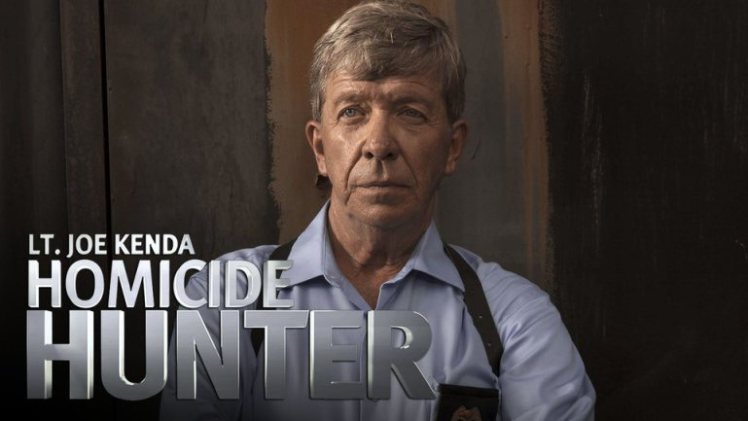
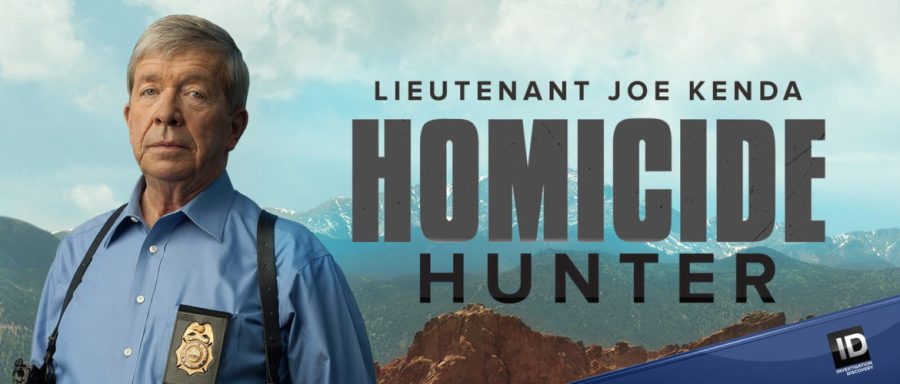
Hard-working fast food manager Missy Berry is found dead in an idling car at a deserted intersection. Kenda discovers suspects from Missy’s past who may have wanted her dead. But a surprise twist in the investigation leads him into uncharted territory. -Drive Thru Murder, Homicide Hunter (S2,E6)
Missy Berry was found shot execution style in a stopped vehicle at a Colorado Springs intersection on September 17, 1994. As Lt. Joe Kenda investigated the homicide, he learned Missy Berry dropped off the deposits every night after she left work. Lt. Kenda found out the money was never deposited and was not in her vehicle; he suspected robbery was the motive. Lt. Kenda learned from a fellow officer that a man who looked like he worked at the restaurant was hanging out in the parking lot around the time Missy left work. It was believed this man most likely asked Missy for a ride but at the time the police officer thought nothing of the interaction. Kenda wondered who at work might have asked Missy for a ride. Kenda spoke with the restaurant manager to find out who might have a motive to kill Missy. The store manager thought maybe it was a guy named Darren who she suspected was into drugs. Kenda tracked down Darren Haney and found him in the hospital waiting for his child to be born. He was cleared.
Darren offered Kenda a valuable piece of information. He suggested that his co-worker George Clifford McDaniel may have a motive to kill Missy Berry because he hated her. He said he wanted that bitch dead a couple weeks earlier. Apparently, Missy gave Cliff a hard time about his work and the fact that he was a mommy’s boy. Kenda learned Cliff lived one block away from the scene of the crime. At this point, Cliff was Kenda’s primary suspect after learning he fit the description offered by the police officer who observed him hanging around the parking lot. Kenda learned Cliff was the son of a former military police officer. He was born in England and his mother married a serviceman. Cliff too served in the U.S. Army for a couple years. He appeared helpful, cooperative, and didn’t raise any red flags with Kenda. His family was having a hard time financially and Cliff was working at the restaurant to help the family. He said he was with his friend Ronnie Houston watching a movie until 1:20 a.m.
Before the interview wrapped up, Cliff McDaniel suggested it was someone who asked Missy for a ride. Kenda checked out McDaniel’s alibi. Ronnie Houston admitted Cliff was there but Ronnie’s rendition of events did not match those shared by Cliff. Cliff said he left Ronnie’s at around 1:30 a.m. but Ronnie said Cliff left at 11:30 p.m. Cliff could not account for this two hour gap. Ronnie shared another important piece of information. He said Cliff had a gun and said he was planning to rob the restaurant. Kenda now believed Cliff asked for a ride from Missy, shot her at the intersection, and stole the night deposit. When Kenda went to arrest Cliff for suspicion of murder, he learned Cliff was no longer in town. They searched his home but didn’t find any physical evidence in the house tying him to the crime. After Kenda reminded the family they could be charged with accessory to murder, Cliff’s mother told Kenda he was in London, England. The police needed to find Cliff McDaniel because they were afraid he would do this again.
Kenda interviewed the travel agent who arranged the one-way ticket for Cliff. Kenda believed Cliff’s escape to London was a sure sign of guilt and he was going to bring this international fugitive to justice. They contacted New Scotland Yard to ask for assistance with the search of Cliff McDaniel. He was staying with family, the same aunt he told the travel agent had died. New Scotland Yard arrested Cliff McDaniel however getting him back to the states was a whole new battle. England would not honor the extradition unless the State of Colorado agreed not to execute him. With the help of the U.S. State Department, Kenda was able to extradite Cliff McDaniel back to the United States. The Crown Judge agreed to sign an international extradition warrant. Cliff thought he would get away with this murder and move on in England. The stolen money and murder weapon were never recovered but nonetheless McDaniel was convicted. George Clifford McDaniel was found guilty of one count of first degree murder and sentenced to life in prison without the possibility of parole.
Editor’s note: With a cable subscription, you can download the free ID Go app and watch Investigation Discovery programming at your convenience. And for those who do not have cable, you can watch “unlocked” episodes on the ID Go app including the latest premieres. For those who prefer commercial free programming during your binge session, Prime Video has an ID channel: ‘True Crime Files by Investigation Discovery” available for $3.99 a month. It’s a compilation of older seasons but totally worth the cost if you are a true crime addict. Download the ID Go app or purchase ID True Crime Files & binge away.
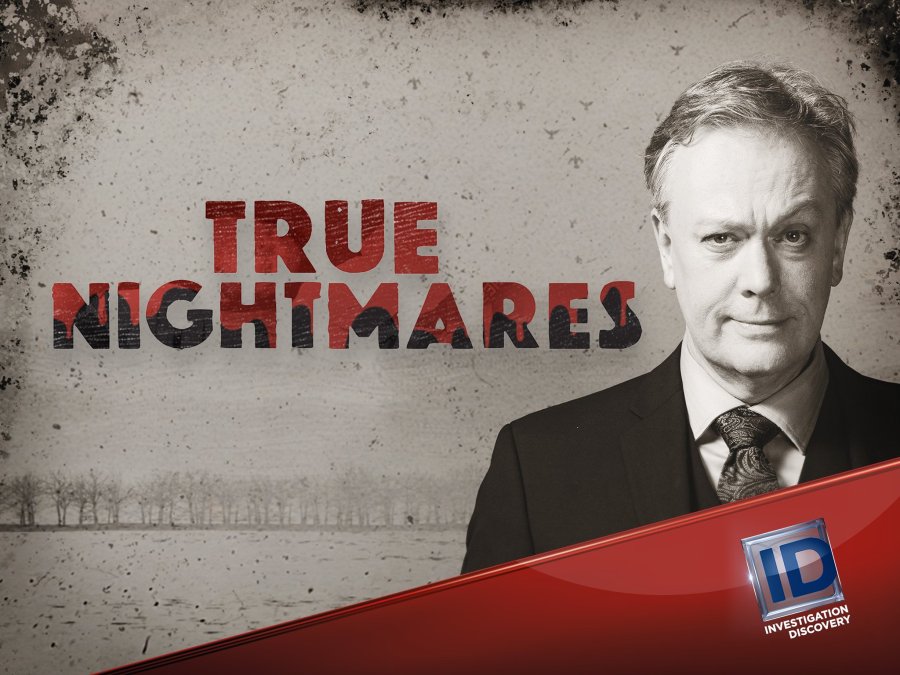
Preview: What would you do if you found your spouse sleeping with your best friend? When Stephen Schap found out his wife was pregnant with his best friend’s baby, he couldn’t control his anger. He was charged with premeditated murder and 45 years in jail. -Crazy Love, True Nightmares, Discovery Canada (January 26, 2016)
Editors Note: Love podcasts? Do you want to get up to speed quick with the Stephen Schap murder case, check out Episode 2 on the Military Murder Podcast.
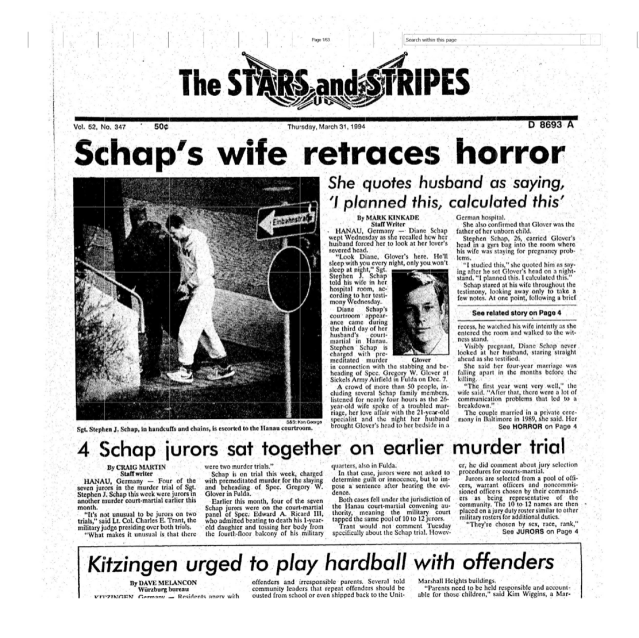
Army Sgt. Stephen Schap and his wife Diane Schap were stationed at Sickles Army Airfield in Fulda, Germany. While living there, Diane began an affair with Sgt. Schap’s best friend. Sgt. Schap suspected Diane was cheating on him and confronted her. Diane admitted to Stephen she cheated on him with another man, she was pregnant, and she wanted a divorce. Sgt. Schap knew the child wasn’t his because he had a vasectomy at a young age. Sgt. Schap immediately suspected his best friend Spc. Gregory Glover and set off to confront him. On December 7, 1993, Sgt. Stephen Schap stabbed Spc. Gregory Glover up to fifteen (15) times before decapitating him on the Army post in front of witnesses. Sgt. Schap then delivered Spc. Glover’s head to his wife Diane while she was at the hospital. Sgt. Schap was charged with premeditated murder and found guilty of premeditated murder by a military jury in April 1994. Premeditated murder usually comes with a life sentence but according to the Military Murder Podcast, the convening authority reduced the sentence to 45 years in prison. Sgt. Schap was motivated to kill because his wife Diane Schap was having an affair with his best friend (betrayal), she was pregnant with Spc. Glover’s child (evidence of betrayal), and she wanted a divorce (took marriage vows seriously). During the trial, there were differences of opinion as to whether this was a case of premeditated murder or a crime committed in the heat of passion, hence the reason the convening authority gave Sgt. Schap a reduced sentence.
The death of a farm owner leads to a murder mystery with a shocking outcome; a random twist of fate raises questions for the parents of a thrill seeking teenager; a women betrays her husband and it leads to an unthinkable, horrifying scenario. -Crazy Love, True Nightmares (S1,E1)
Editor’s note: With a cable subscription, you can download the free ID Go app and watch Investigation Discovery programming at your convenience. And for those who do not have cable, you can watch “unlocked” episodes on the ID Go app including the latest premieres. For those who prefer commercial free programming during your binge session, Prime Video has an ID channel: ‘True Crime Files by Investigation Discovery” available for $3.99 a month. It’s a compilation of older seasons but totally worth the cost if you are a true crime addict. Download the ID Go app or purchase ID True Crime Files & binge away.
Fort Bragg, North Carolina, had seen it all before – when Dr. Jeffrey MacDonald was convicted of savagely slaying his wife and children. Now another officer’s wife had been raped and murdered, another pari of children viciously butchered. And another member of the military was brought to trial. This time the state had no trouble winning a conviction. Tim Hennis was found guilty and sentenced to death. Only Hennis’ parents, wife, and dedicated defense team refused to give up. Piece by piece they ripped the state’s case to shreds, revealing a stunning story of perversion of justice, false witnesses, hidden evidence, and, incredibly, a baby-sitter who had a fascination with Dr. Jeffrey MacDonald. With the brutal truth and chilling suspense of Fatal Vision, this riveting account recreates a vicious crime, the behind-the-scenes story of its investigation, the compelling drama of one of the very few men ever released from Death Row, and an unsolved mystery that still casts a spell of terror. (Innocent Victims by Scott Whisnant)
Book Review:
I read the Innocent Victims book while I was camping and honestly I could not put it down. I was reminded of it while listening to the Military Murder Podcast and inspired to read it because of the level of detail available in the book. It was a great read because there were so many twists and turns in the case. If I didn’t know about the fact that a DNA match to Timothy Hennis helped prove his guilt in a 2010 military trial, I would have been convinced Timothy Hennis was wrongfully convicted. Timothy Hennis was luckier than most because he had the staunch support of his adopted family and wife Angela, who all believed wholeheartedly in his innocence. This case is one for the history books because it’s not every day someone is found guilty in a civilian trial, then found not guilty in a civilian trial on appeal, and then tried again by the military in a third trial and found guilty. Timothy Hennis was sentenced to death and is one of four service members languishing on military death row. The military hasn’t executed anyone since they hanged Army Pvt. John Bennett on April 13, 1961.
Journalists and scholars have questioned the military’s ability to try someone found not guilty in a civilian court because of the double jeopardy concerns. Due to the fact that Timothy Hennis was found not guilty in a second civilian trial, he was allowed to resume his career in the U.S. Army and retired as a MSG in 2004. As far as we know, Timothy Hennis committed no other crimes and was well respected by those he served with. It would be because of his retirement from the military, the Army was able to bring him back on active duty status and try him in a third trial for the murders of the Eastburn family. This practice is also controversial. On appeal Timothy Hennis challenged the military’s jurisdiction to recall him to active duty status to prosecute him and questioned the double jeopardy concerns. In January 2020, an Appeals Court decided military retirees can be recalled to active duty status and court-martialed. In February 2020, the U.S. Court of Military Appeals rejected Hennis’ constitutional rights challenges to the military court’s jurisdiction to try him.
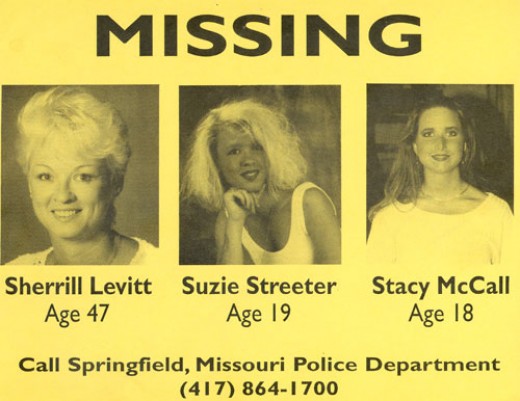
Sherrill Levitt, Suzie Streeter, & Stacy McCall (The Springfield Three) went missing from Springfield, Missouri on June 6, 1992.
Sherrill Levitt, Stacy McCall, and Suzanne Streeter disappeared from Sherrill’s Springfield, Missouri home on June 6, 1992. ‘The Springfield Three’ were spending the night together and when the home was inspected there didn’t appear to be a struggle of any kind. It’s as if the three women just vanished, which still gives the families hope, despite the harsh reality they were probably the victims of foul play. Army veteran Robert Cox was named a person of interest in their disappearance. In California, Cox pleaded guilty to kidnapping and assault with a deadly weapon and was sentenced to nine years in prison and dishonorably discharged from the Army. After his release, Cox was convicted and sentenced to death in 1988 for the 1978 murder of Sharon Zellars in Orlando, Florida. But in a rare ruling that conviction and death sentence was overturned in 1989 due to lack of evidence. After released, Robert Cox moved to Springfield, Missouri where he coincidentally worked with Stacy McCall’s father. But there was no evidence linking him directly to ‘The Springfield Three’ disappearance, therefore he was never charged with any crime. In the meantime, Cox was arrested in Texas for aggravated robbery and it was while he was in custody that he declared he believed ‘The Springfield Three’ were dead and whoever did it was someone who knew what they were doing. To this day, the three women are still missing and no one has been charged with any crimes. If you have any information that could help solve this mystery, please contact the Springfield Missouri Police Department.
In the News:
June 6, 1992 – Stacy McCall, 18, graduates from Kickapoo High School in Springfield. She meets her friend Suzie Streeter, 19. The two plan to travel to stay in Branson overnight. McCall phones her mother to say she and Suzie will be staying at a friend’s house in Battlefield. They left the home and decided to spend the night at Suzie’s home at 1717 E. Delmar St. -KY3 News (June 3, 2010)
Three Missing Women 1992 Springfield, MO 2 -KY3 News (June 3, 2010)
Three Missing Women 1992 Springfield, MO 3 -KY3 News (June 3, 2010)
Three Missing Women 1992 Springfield, MO 4 -KY3 News (June 4, 2010)
Looking back 21 years of The Springfield Missing Three -Ozarks Sentinel
True Crime Daily:
What happened to Stacy McCall, Suzanne “Suzie” Streeter, and Sherrill Levitt? These three women vanished in Springfield, Missouri in 1992, after Susie and Stacy attended a graduation party. Crime Watch Daily’s Kim Goldman is determined to find out what happened to them. -True Crime Daily (Part 1)
What happened to Stacy McCall, Suzanne “Suzie” Streeter, and Sherrill Levitt? -True Crime Daily (Part 2)
What happened to Stacy McCall, Suzanne “Suzie” Streeter, and Sherrill Levitt? -True Crime Daily (Part 3)
YouTube, Podcasts & Documentaries:
BrainScratch: The Springfield Three -LordanArts
The Springfield Three -True Crime Garage
June 6th, 1992 was an important day for the seniors at Kickapoo high school, Missouri. After years of hard work, it was finally graduation, a time of excitement and uncertainty, the future full of promise. But for Suzie Streeter and Stacy McCall the night would end in mystery, when they and Suzie’s mother Sherrill seemingly vanished into thin air. This is the story of the Springfield Three. -Case Remains
The Springfield 3 I Missing Presumed Dead #9 -Deadbug Says
Twisted 2’s #12: Springfield 3 & Eyeball Killer -Scary Mysteries
The Following Is A True Crime Documentary Based Off The Unfortunate Disappearances Of Three Women In Springfield Missouri. -Skinned Locus
Where are the Springfield Three? -Vanished Without a Trace -Shauna Rae
The Tragic Case of Gina Clark & The Springfield 3 – Without a Trace -Creepypasta.com
Investigation Discovery:
Preview: June 6, 1992, hours after their graduation, Stacy McCall, Suzie Streeter and her mother Sherrill Levitt go missing without a trace. They are later dubbed, “The Springfield Three”. -Disappeared, Investigation Discovery
Preview: More than 15 years after the disappearance of “The Springfield Three”, clues to their location may lie beneath a parking garage at Cox Hospital. Will investigators find the answers they need to bring the missing women home? -Disappeared, Investigation Discovery
Army Soldier Erin Tynan, 21, was found dead on November 15, 1990 in her off base apartment in Barstow, California. Erin Tynan was an active duty military police officer stationed at the Fort Irwin National Training Center. She had already spent a couple years in Germany and after her enlistment was up, she was going to use her GI Bill to go back to school and get a degree in forensic social work. After she didn’t show up to work, the Army asked the Barstow Police Department to check in on her because they were concerned about a respiratory medical condition she had been diagnosed with in Germany. The Barstow Police Department went to Erin’s home and found her dead at the scene.
Barstow PD detectives determined that Erin had been the victim of a surprise sexual attack and murder. They deduced that whoever killed Erin was someone that she knew and the person was able to gain access inside her apartment and overpower her. The autopsy confirmed that Erin was assaulted, forcibly raped, strangled, and stabbed in the neck post mortem. Investigators believed that the precision stab wound in the back of the neck was the work of someone who served in the military and wanted to make sure she was dead. They first turned to Erin’s last known boyfriend William Jones. He had recently been discharged from the Army and left the day before but there was tension because the six month relationship ended. Jones informed investigators that he had left Erin with a 22 pistol for protection but she was planning on selling the gun to another Army soldier because it jammed. They did not locate the gun in Erin’s apartment and believed the killer stole the gun. Jones was eventually ruled out because his DNA did not match the DNA found at the crime scene and he was in fact physically placed in Illinois at the time of the murder. The next person they turned to was a lead they got from the Army Criminal Investigation Division (CID). CID learned that another soldier by the name of Eugene Knox was in possession of a 22 pistol and had been acting erratically. The Barstow PD spoke with Knox and learned that he had been dating Erin. No one knew the two were seeing one another. Investigators determined that Knox could not have been the killer because he was out in the field on the night of the murder.
A couple years later, evidence from an attempted murder of a young mother in Louisiana was linked to evidence in a murder case in California. The young mother had been shot in the face once with a 22 pistol but her life was spared when the gun jammed the second time the killer pulled the trigger. The murder victim, Curtis Dean, had also been stabbed in the neck in the same precise way that Erin Tynan was stabbed in the neck. The suspect in the murder of Curtis Dean was an Army soldier at Fort Irwin, Christopher Geier. Army CID immediately recognized the similarity in the knife wounds found on both Curtis Dean and Erin Tynan. They contacted the Barstow PD to inform them of what they had learned. Geier admitted to investigators that he was hired to murder Curtis Dean but did not admit to the rape and murder of Erin Tynan when confronted. But it didn’t matter because in the meantime forensic testing revealed the gun used to shoot the young mother in Louisiana who survived matched the 22 pistol missing from Erin’s apartment. And the British Commando knife Geier admitted using on Curtis Dean was consistent with the knife used on Erin Tynan. Hair samples and DNA evidence collected from the rape also matched Geier. The prosecutor determine based on evidence collected at the scene that Geier knew that Erin Tynan would be alone and vulnerable that night. He also knew that her boyfriend Billy Jones was gone. He used the ruse to buy the pistol to gain access into her apartment with one thing in mind: he wanted a sexual encounter with her. After she resisted and rejected him, he raped and strangled her.
On July 21, 1995, Christopher Adam Geier was sentenced to death for the first degree murder of Erin Tyner and Curtis Dean, and the attempted murder of the young mother in Louisiana. Investigators eventually learned that Geier’s Fort Irwin Tank Commander in the Army, Jeffrey Hunter, hired him to kill Curtis Dean. Army soldier Jeffrey Hunter was sentenced to life in prison.
Update: On August 31, 2017, Christopher Geier, 49, collapsed and died in the prison’s recreational yard. The cause of death is unknown, pending the results of an autopsy.
Investigation Discovery:
The discovery of a beautiful military police officer murdered in her own home sends police on a twisted journey for answers. -Blood and Betrayal, On the Case with Paula Zahn (S14,E5)
Editor’s note: With a cable subscription, you can download the free ID Go app and watch Investigation Discovery programming at your convenience. And for those who do not have cable, you can watch “unlocked” episodes on the ID Go app including the latest premieres. For those who prefer commercial free programming during your binge session, Prime Video has an ID channel: ‘True Crime Files by Investigation Discovery” available for $3.99 a month. It’s a compilation of older seasons but totally worth the cost if you are a true crime addict. Download the ID Go app or purchase ID True Crime Files & binge away.
In 1986, 26-year-old Ellen Boehm of St. Louis, Missouri was tired of the constraints of family life. She was married to a much older Vietnam veteran and after five years of marriage, they had two children with a third baby on the way. It became quickly apparent, Ellen may not have been ready for the role of mom as she wasn’t your typical stay-at-home mom. Ellen loved professional wrestling and she spent a lot of time watching the matches. Ellen admitted her marriage was in trouble when she confided in friends. When she was eight months pregnant with the third child, her husband Paul told her when he was in Vietnam, he was exposed to Agent Orange and the only way he could be cured is if he went to Texas for treatment. But it was all a lie because Paul was not sick, he left her for another woman he met on-line. As a result, Ellen was broke. She had been abandoned by her husband but it didn’t stop her from indulging in her favorite pastime. But her favorite professional wrestling hobby started interfering with her life. By the time Ellen Boehm was 28-years-old, she was bankrupt. Her children were more of a burden than a joy.
Ellen’s two-year-old son David was fussy and she couldn’t deal with it. On Thanksgiving Day, November 24, 1988, she settled the two older children in bed and she let David stay up. As he was lying on the floor, she took a cushion off the couch and smothered him. When she thinks he was dead, she called for help and said she found little David unconscious. Emergency personnel rushed him to the hospital where David was put on life support. But the doctor said there was nothing they could do; he was brain dead. The doctor asked for permission to take David off life-support and Ellen eventually turned to the doctor and said “Pull it”. She never shed a tear. As a result, Ellen received a life insurance pay-out of $5000. Ironically, only eight months after David’s death, Ellen went shopping for life insurance policies for children. According to investigators, there was a total of $94,000 in life insurance taken out on her children. On September 13, 1989, Ellen’s 8-year-old daughter was taking a bath and Ellen dropped a hairdryer in the tub. She didn’t die so Ellen brought her to the hospital. Ellen’s daughter survived with no permanent injuries and everyone just accepted that it was an unfortunate accident.
Twelve days later, Ellen tried again. Her son Stevie was sleeping on the living room floor when Ellen decided to put a pillow over his face and smother him; he died. Steven’s passing created a sense of unease with Ellen’s friends because they couldn’t understand her reaction. It was as if it was just another day. For long time friend Deanne Bond, a third tragedy was just too much and she called the police. She suspected foul play and police conducted a thorough investigation. Realizing the police were closing in on two murders and one attempted murder, Ellen confessed to everything. She broke down and admitted she did it; she explained how she did it but never explained why. But it didn’t take a rocket scientist to observe that Ellen could not have the life she wanted with children so she chose murder. In 1993, Ellen Boehm pleaded guilty to one count of first degree murder and one count of second degree murder. She received two life sentences with no possibility of parole. Her friend Deanne suspected after she received the first $5,000 life insurance pay-out for her youngest son David, it set the whole thing in motion. Ellen killed her children for money, it was all about the pay-day.
In the 1980s, when Ellen Boehm couldn’t pay her debt, she turned to the quickest payout she knew: life insurance. She murdered her two sons and attempted to kill her daughter. In 1992, Ellen was sentenced to two life terms in prison and is currently incarcerated in Vandalia.
A mother’s role is to love & protect her children, but for some, that doesn’t ring true. When a Missouri mom uses her children for money, it’s clear they lack motherly love. -Deadly Women, Investigation Discovery (S7, E6)
Editor’s note: With a cable subscription, you can download the free ID Go app and watch Investigation Discovery programming at your convenience. And for those who do not have cable, you can watch “unlocked” episodes on the ID Go app including the latest premieres. For those who prefer commercial free programming during your binge session, Prime Video has an ID channel: ‘True Crime Files by Investigation Discovery” available for $3.99 a month. It’s a compilation of older seasons but totally worth the cost if you are a true crime addict. Download the ID Go app or purchase ID True Crime Files & binge away.
When a mother is killed, Lt Joe Kenda wonders if it’s a robbery gone wrong, until a slew of hateful messages surface. Then, patrols discover a body on a roadway after an evident hit-and-run, but the victim’s true cause of death turns the case on its head. -#1 Suspect, Homicide Hunter (S4,E9)
Lt. Joe Kenda was asked to investigate a dead body in the street in the early morning hours of September 3, 1985 in Colorado Springs, Colorado. While on patrol, a police officer discovered the body in the middle of the street. The individual had been dragged by a vehicle for 20 to 30 feet. The coroner indicated that the wallet contained an ID. The dead man was 42-year-old Frances ‘Frank’ Kovaleski. He was a retired member of U.S. military. He lived in the general neighborhood. Police began canvassing the neighborhood but because this incident occurred in the middle of the night, no one saw or heard anything. Frank died of blunt force trauma and was stabbed twice; this was a homicide. No money was taken from Frank’s wallet so Kenda deduced Frank most likely was killed by someone he knew. Kenda went to Frank Kovaleski’s home and learned he had a roommate.
The roommate said Frank lived day to day, picked up odd jobs where he could, and fished a lot. He had a daughter in New York. The roommate said he hung out a lot with a guy named Mike Murphy. Mike was about 20 years younger than him. Officers were dispatched to Mike Murphy’s home and when they arrived, they found a car on the street with blood all over the side of it. Mike Murphy admitted it was his car and he was arrested. Kenda got a search warrant for Murphy’s home and interviewed his family. During an interrogation, Mike admitted knowing Frank but denied knowing anything about his death. But, Mike’s wife Sandra told investigators Mike was with Frank the night before he died. Mike’s mother Joyce said Mike got arrested for a DUI and was angry because Frank wouldn’t post a $40 bond to get him out of jail.
Investigators relayed this information to Lt. Kenda. Mike then confessed that he was with Frank but according to him, he was fine the last time he saw him. Based on the evidence, Kenda theorized the two probably went to a bar, got in a verbal altercation, and Mike stopped the car. Then Mike and Frank got out of the car and fought in the middle of the street. Mike probably wasn’t doing well during the fight so he stabbed Frank twice and left him still alive in the middle of the street. Mike got back into his car and and purposefully ran Frank over him, dragging him 20 to 30 feet and made sure he was dead. Mike Murphy was charged with first degree murder. Kenda noted that Mike Murphy never displayed remorse. Murphy was found guilty and sentenced to 40 years in prison for the murder of Frances Kovaleski.
Editor’s note: With a cable subscription, you can download the free ID Go app and watch Investigation Discovery programming at your convenience. And for those who do not have cable, you can watch “unlocked” episodes on the ID Go app including the latest premieres. For those who prefer commercial free programming during your binge session, Prime Video has an ID channel: ‘True Crime Files by Investigation Discovery” available for $3.99 a month. It’s a compilation of older seasons but totally worth the cost if you are a true crime addict. Download the ID Go app or purchase ID True Crime Files & binge away.





 MILITARY JUSTICE FOR ALL