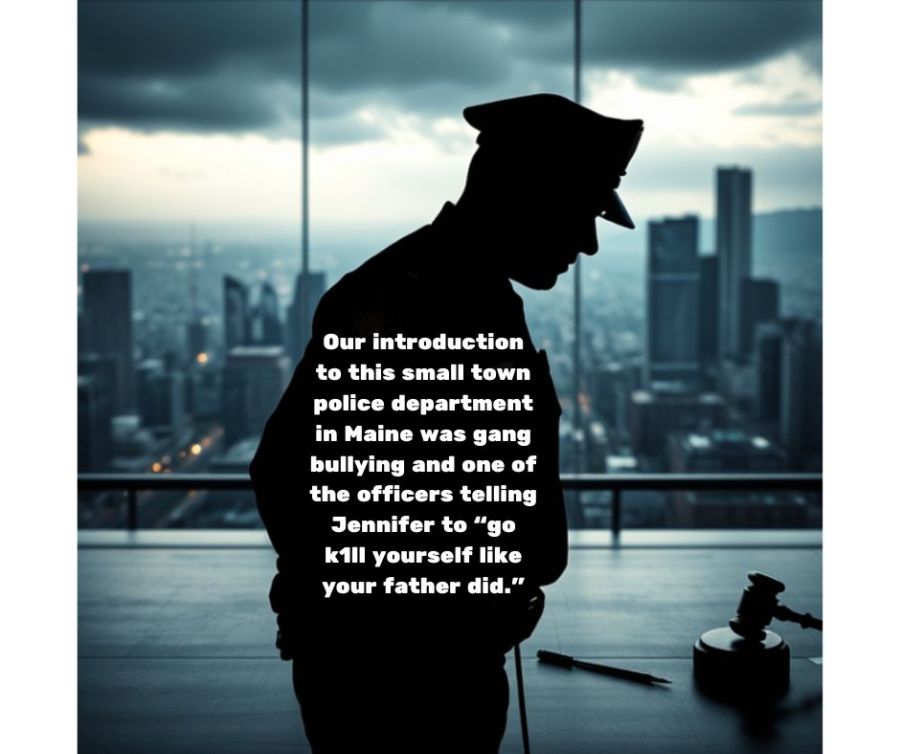
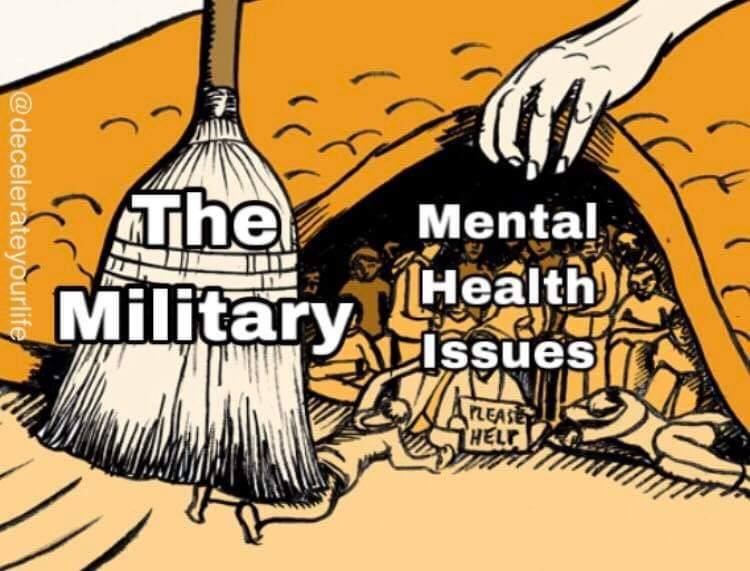
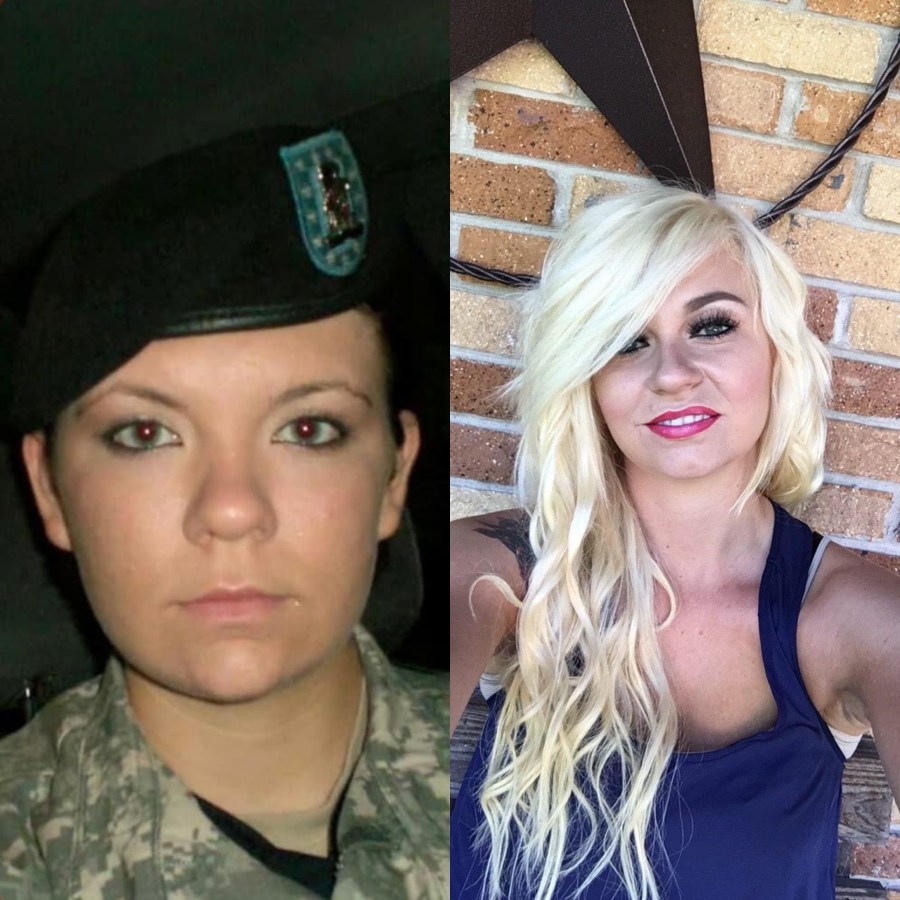
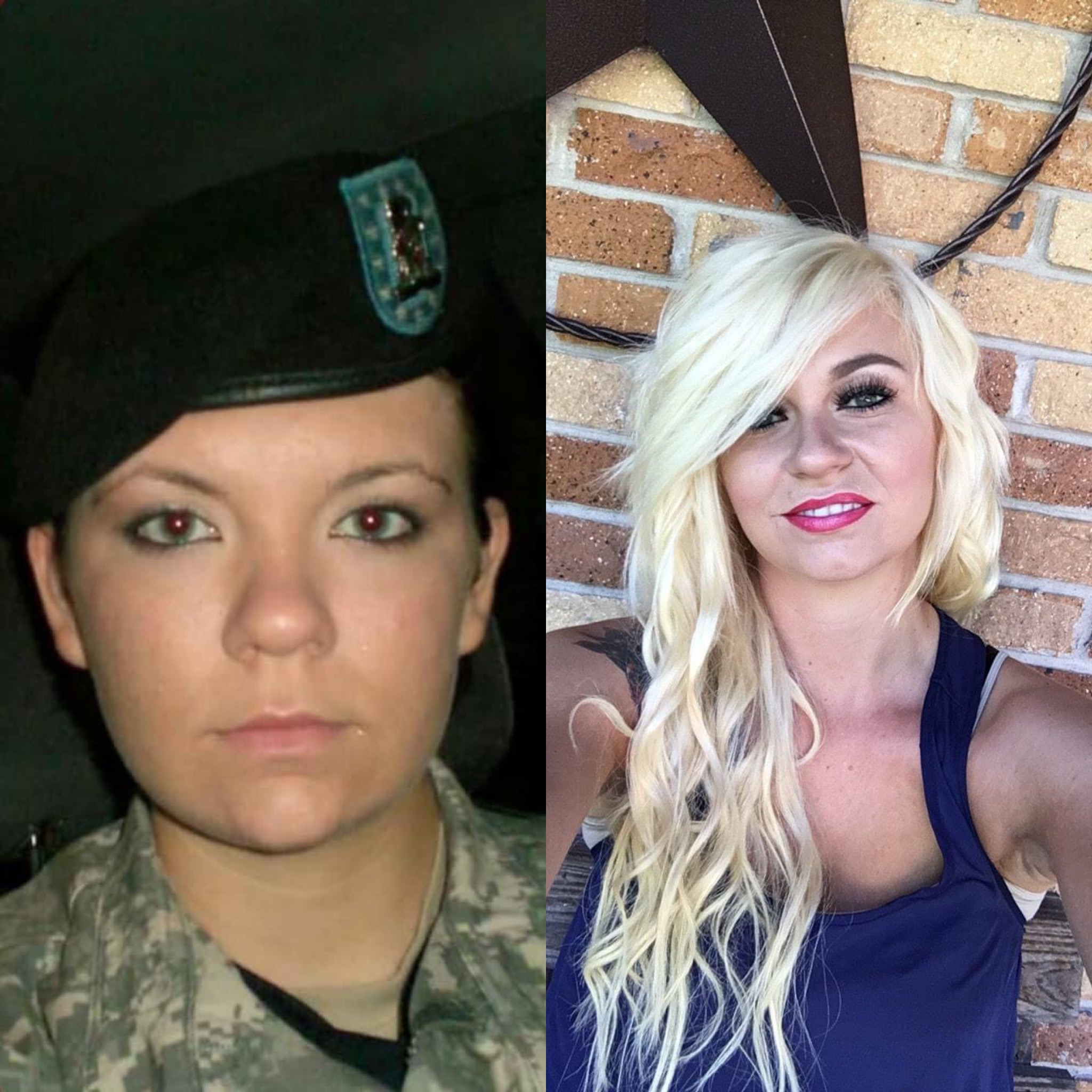
We both have brain injuries and the lack of healthcare in Maine would render us helpless and dependent on the VA healthcare system until we found out what was wrong with us. The fact that we couldn’t get any treatment no matter how many times we begged for it created mental health issues out of our control until we got the treatment we needed to lower inflammation levels in the brain.
As a result of these disabilities, we were vulnerable to those who abused their power and treated someone with mental health struggles more like a drain on society as opposed to a person with traumatic experiences and mental health issues who needs help. Jennifer and Lee are two years into treatment in California where the brain inflammation was discovered by a rare disorder doctor specializing in autoimmune dysfunction.
The healthcare in California far surpasses the low quality healthcare in Maine.
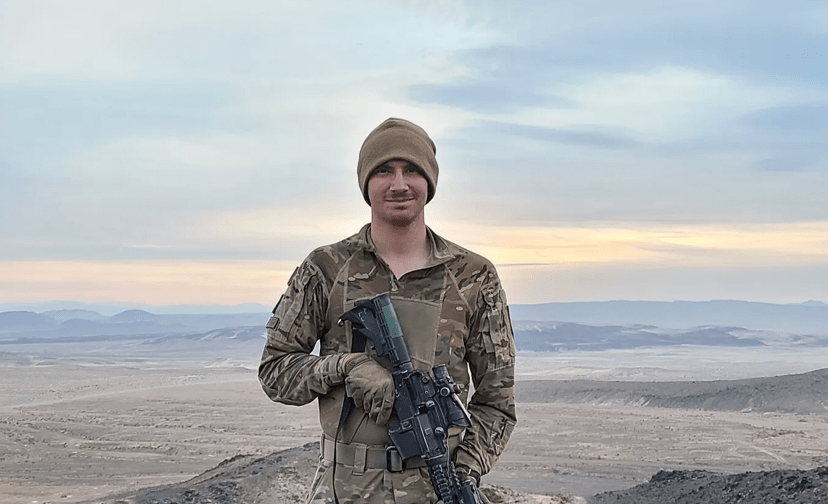
“Austin Valley had just arrived at his Army base in Poland, last March, when he knocked on his buddy Adrian Sly’s door to borrow a knife. The base plate of his helmet was loose and needed fixing, he told Sly. The soldiers had spent most of their day on a bus, traveling from their former base to this new outpost in Nowa Deba, near the border with Ukraine. It had been a monotonous 12-hour journey with no stops and nothing to eat but military rations. Sly thought his friend looked exhausted, but then so did everyone else. He handed Valley an old hunting knife, and Valley offered an earnest smile. “Really appreciate it, man,” he said. Then he disappeared.”
“Word of a soldier’s disappearance spread quickly across the Polish base. Sly recalled sergeants pounding on doors and shining their flashlights. “Where’s Valley?” one asked him. Sly and several others from Valley’s unit took off into the woods. Seeing fresh tracks in the snow, one soldier followed them until he heard a faint gurgling sound. Drawing closer, he saw Valley, hanging from a tree. He was alive, but barely conscious. The soldier cut Valley down, while another called for the medics, who sped off with him into the night. His friends would never see him again. The following morning, Valley was taken to the U.S. Army hospital in Landstuhl, Germany, and then returned to Fort Riley. Four weeks later, he was dead.”
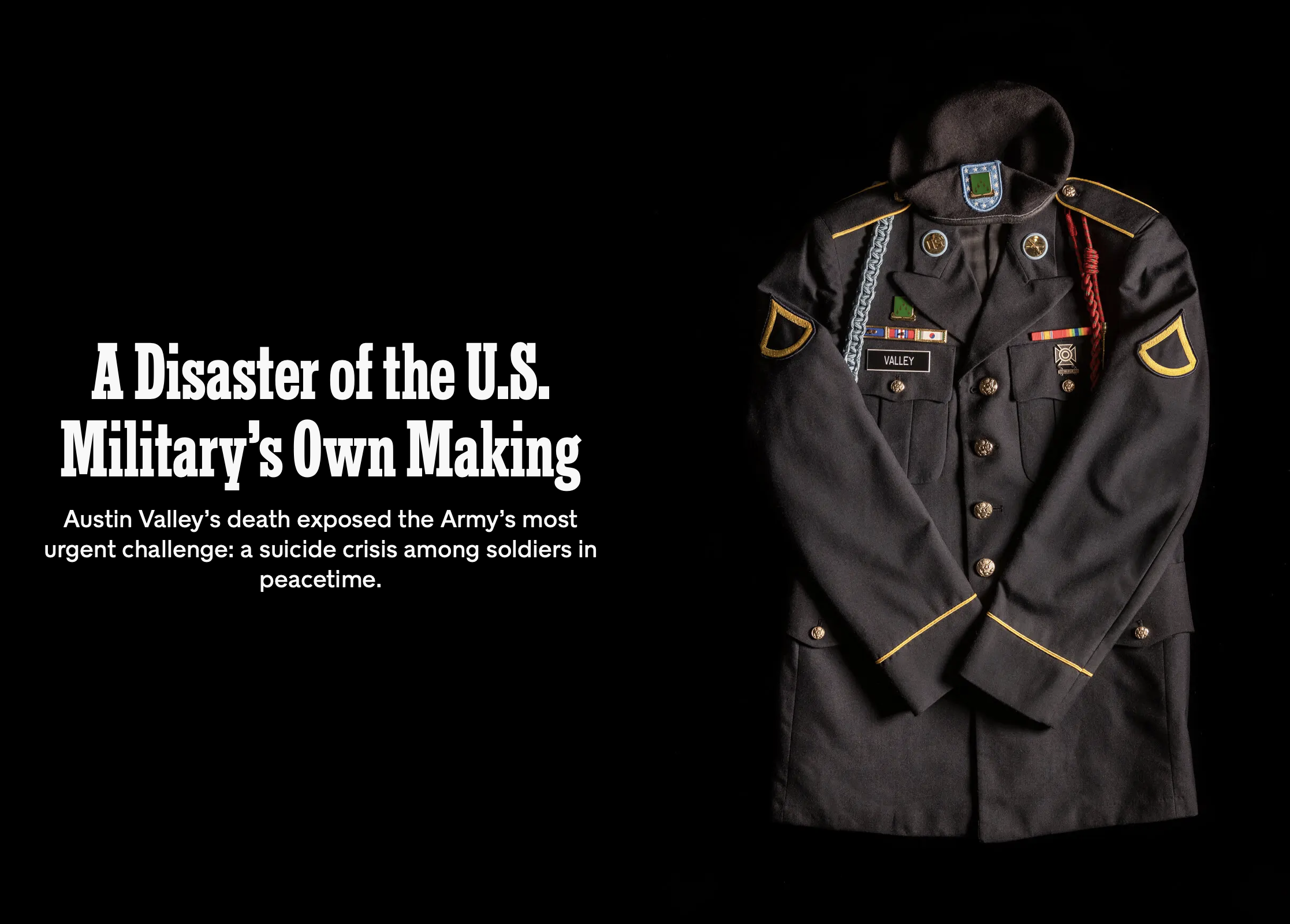
“Soldiers are more likely than their civilian peers to die by suicide. Many people wrongly believe this is because of combat trauma, but in fact the most vulnerable group are soldiers who have never deployed. The Army’s suicide rate has risen steadily even in peacetime, and the numbers now exceed total combat deaths in the Iraq and Afghanistan wars. A Times investigation into the death of Specialist Austin Valley, stationed at Fort Riley in Kansas, found that mental-health care providers in the Army are beholden to brigade leadership and often fail to act in the best interest of soldiers.”
“The sizable military installation has long come under fire over allegations of coverups and abuse“
The report also pointed to a lack of experience and high turnover within the ranks of the Criminal Investigation Department, leading to problems with launching sufficient investigations.
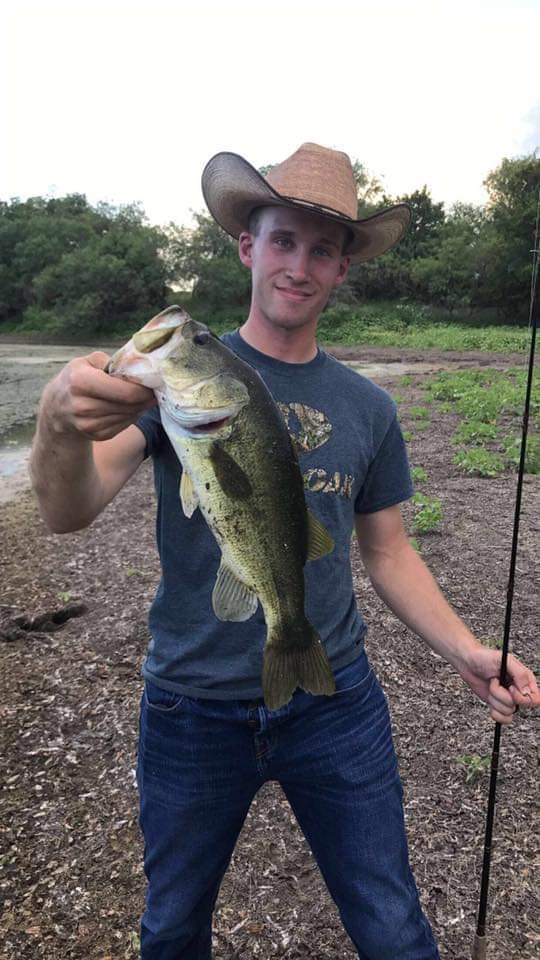
As it stands, there are more than 1,000 deserters wanted by the U.S. Army and it remains unclear explicitly what is being done to determine their fates. Ten months before Guillen disappeared, Pvt. Gregory Morales also vanished from Fort Hood. His body was unintentionally recovered a few miles from the base in June, during the search for Guillen. He had been listed as AWOL in August 2019 and later as a deserter.
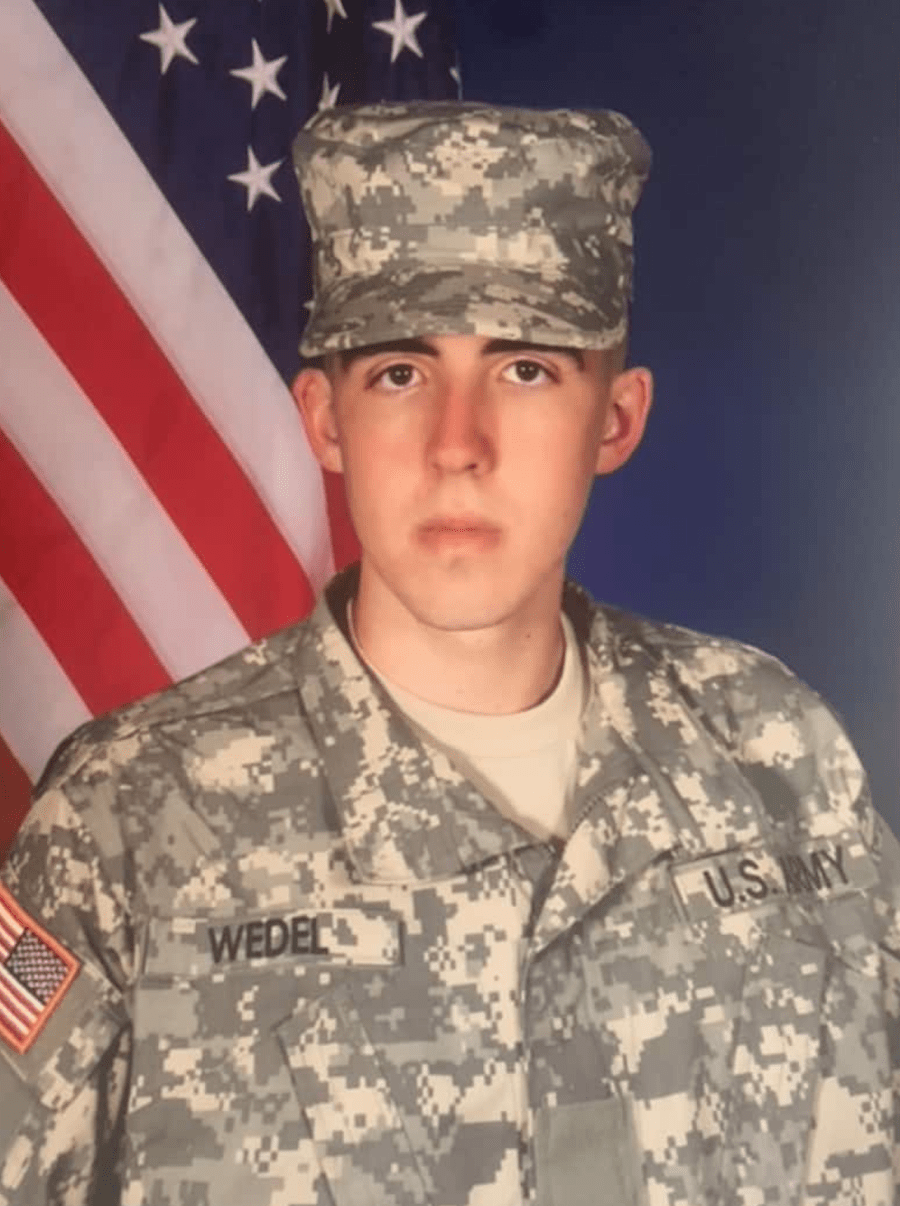
However, for his mother, Kim Wedel, her life in Oklahoma halted as she pleaded for assistance and answers from Fort Hood’s Army Criminal Investigation Department (CID).
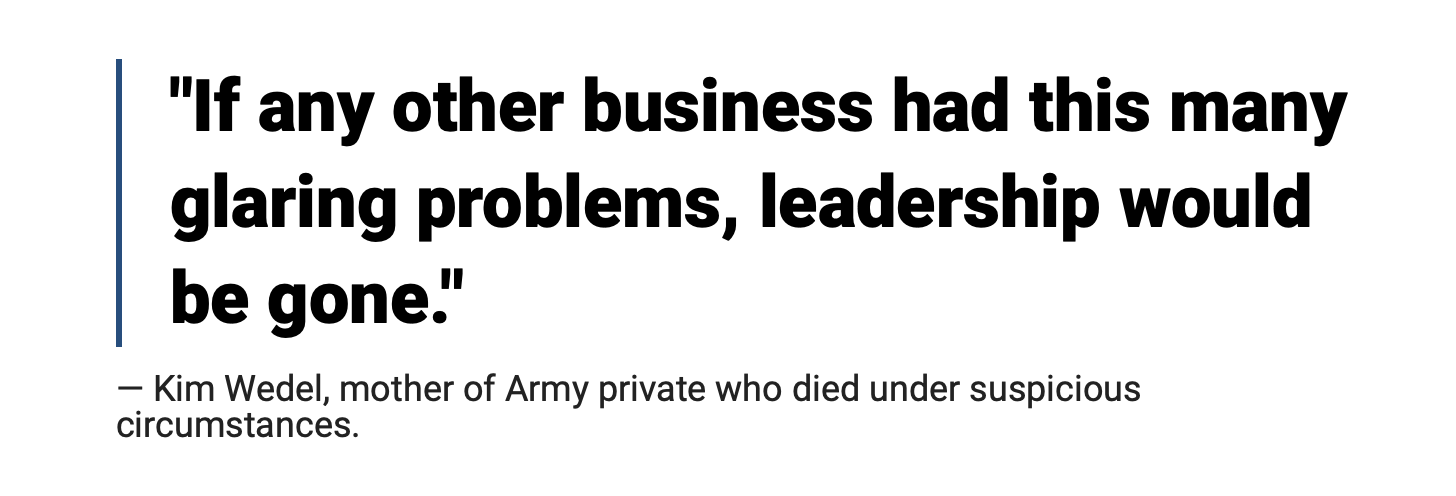
“If any other business had this many glaring problems, leadership would be gone. Why did it take an investigation to see that the CID was understaffed and overwhelmed? There was a lack of response from CID, and they certainly didn’t know what to do with me as a mom calling all the time,” Wedel told Fox News.
The Killeen Police Department is heading the investigation into Morales’ death, in which foul play is suspected, according to local reports.
“The Army didn’t care enough to see there was a problem,” Wedel asserted. “I still haven’t really heard from anyone down there. My son will never be at the forefront, and it is shocking how many parents like us are out there. People don’t just disappear because they choose to.”
However, many soldiers and families connected to Fort Hood told Fox News that the personnel changes were merely cosmetic, and they feared “business as usual” when the spotlight faded.
Jennifer Norris, an Air Force veteran and military crime analyst who has focused on Fort Hood issues since 2016, said in order to look forward, one also must look back.
“The deaths ruled a suicide – they need to be investigated. Why did they take their lives? Were those deaths properly investigated? Was it really a suicide, or was it a murder? Everything needs to be questioned,” she added. “We can’t just pretend the last 20 years didn’t happen.”
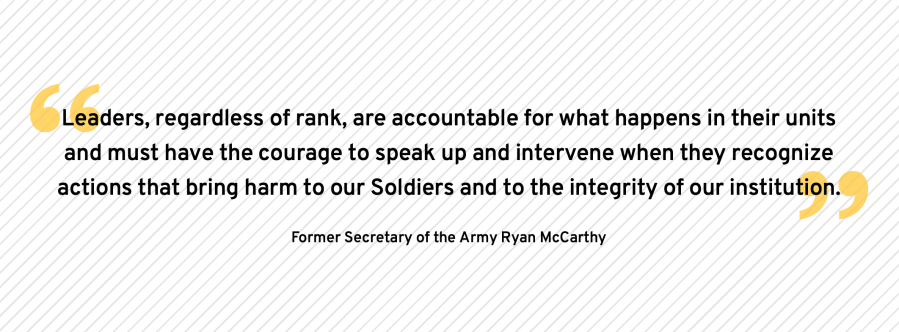
“Former Secretary of the Army Ryan D. McCarthy and the five civilian members of the Fort Hood Independent Review Committee unveiled the results of a three-month examination of the command climate and culture at Fort Hood and the surrounding military community on Dec. 8, 2020.”
“The independent review, which was directed by former Secretary McCarthy, arose from the questions and concerns voiced by family members, Congress, and various Hispanic advocacy groups during the investigation into the disappearance and murder of Spc. Vanessa Guillén.”
“The committee examined the command climate and culture at Fort Hood and the surrounding military community to determine whether they reflect the Army’s commitment to safety, respect, inclusiveness, diversity, and freedom from sexual harassment.”
“Committee members Chris Swecker, Jonathan Harmon, Carrie Ricci, Queta Rodriguez and Jack White conducted a two-week fact-finding mission to the Texas base, meeting with unit leaders, Soldiers, members of the Guillén family, local officials, law enforcement and community groups.”
Lt. Daniel Kaffee (Tom Cruise) is a military lawyer defending two U.S. Marines charged with killing a fellow Marine at the Guantanamo Bay Naval Base in Cuba. Although Kaffee is known for seeking plea bargains, a fellow lawyer, Lt. Cdr. JoAnne Galloway (Demi Moore), convinces him that the accused marines were most likely carrying out an order from a commanding officer. Kaffee takes a risk by calling Col. Nathan R. Jessep (Jack Nicholson) to the stand in an effort to uncover the conspiracy. -A Few Good Men, Sony Pictures Entertainment (December 9, 1992)
New Army recruit Barry Winchell is assigned to a base in Tennessee. One night out to a local bar hosting a drag show. Calpernia Addams an in-transition transsexual drag queen, fascinates Barry, and they strike up a relationship. -Soldier’s Girl, Showtime (January 20, 2003)
“In the Valley of Elah” tells the story of a war veteran (Tommy Lee Jones), his wife (Susan Sarandon) and the search for their son, a soldier who recently returned from Iraq but has mysteriously gone missing, and the police detective (Charlize Theron) who helps in the investigation. -Warner Bros. (September 14, 2007)
Pat Tillman never thought of himself as a hero. His choice to leave a multimillion-dollar football contract and join the military wasn’t done for any reason other than he felt it was the right thing to do. The fact that the military manipulated his tragic death in the line of duty into a propaganda tool is unfathomable and thoroughly explored in Amir Bar-Lev’s riveting and enraging documentary. -The Tillman Story (August 20, 2010)
Since the Iraq War began, soldier arrests in the city of Colorado Springs have tripled. FRONTLINE tells the dark tale of the men of 3rd Platoon, Charlie Company, 1st battalion of the 506th infantry, and how the war followed them home. It is a story of heroism, grief, vicious combat, depression, drugs, alcohol and brutal murder; an investigation into the Army’s mental health services; and a powerful portrait of what multiple tours and post-traumatic stress are doing to a generation of young American soldiers. –The Wounded Platoon (May 18, 2010)
U.S. Army Ranger John Needham, who was awarded two purple hearts and three medals for heroism, wrote to military authorities in 2007 reporting war crimes that he witnessed being committed by his own command and fellow soldiers in Al Doura, Iraq. His charges were supported by atrocity photos which, in the public interest, are now released in this video. John paid a terrible price for his opposition to these acts. His story is tragic. –On the Dark Side in Al Doura (2011)
The Invisible War is a groundbreaking investigative documentary about one of our country’s most shameful and best kept secrets: the epidemic of rape within our US military. Today, a female soldier in Iraq and Afghanistan is more likely to be raped by a fellow soldier than killed by enemy fire with the number of assaults in the last decade alone in the hundreds of thousands. -The Invisible War (June 22, 2012)
Military Sexual Trauma or M.S.T. has been a fixture in the military for as long as human war has existed, and is still quite prevalent even in today’s modern military. This feature length documentary uncovers the origins and offers solutions to M.S.T. -Women of War Documentary (February 4, 2013)
“The Frozen Ground” is inspired by the incredible true story that follows Alaskan State Trooper Jack Halcombe (Nicolas Cage) as he sets out to end the murderous rampage of Robert Hansen (John Cusack), a serial killer who has gone unnoticed for 13 years. As the bodies of street girls start to pile up in Anchorage, fear strikes a chord with the public. -The Frozen Ground (August 23, 2013)
Ninety-four US military women in the military have died in Iraq or during Operation Iraqi Freedom (OIF). ‘The Silent Truth’ tells the story of one of these women, PFC LaVena Lynn Johnson, who was found dead on Balad Air Force Base in Iraq. The army claimed she shot herself with her own M16 rifle, but forensic evidence, obtained by the Johnson family through the Freedom of Information Act, brings the army’s findings into question. The Army refuses to re-open LaVena Johnson’s case, leaving the family in limbo. ‘The Silent Truth’ follows the Johnson’s pursuit of justice and truth for their daughter. -The Silent Truth Documentary (July 1, 2014)
The Kill Team looks at the devastating moral tensions that tear at soldiers’ psyches through the lens of one highly personal and emotional story. Private Adam Winfield was a 21-year-old soldier in Afghanistan when he attempted with the help of his father to alert the military to heinous war crimes his platoon was committing. But Winfield’s pleas went unheeded. Left on his own and with threats to his life, Private Winfield was himself drawn into the moral abyss, forced to make a split-second decision that would change his life forever. -The Kill Team, (July 25, 2014)
Sworn to protect us from every enemy, foreign and domestic, and every day the majority of soldiers do just that ! yet some units are being compromised and turn into street gangs. An FBI report recently showed an increased gang activity within US soldiers. -Gangs in the U.S. Army Documentary (2017)
When a young US soldier in Afghanistan witnesses other recruits killing civilians under the direction of a sadistic sergeant, he begins to fear that the men he’s serving with might be the ones to kill him. -The Kill Team (October 25, 2019)
Academy Award-winning filmmaker Steven Soderbergh and executive producers Paul Pawlowski and David Check tell the story of First Lieutenant Clint Lorance. Watch the Official Trailer for the upcoming STARZ Original Docuseries, Leavenworth, premiering October 20 on the STARZ App. (August 28, 2019)
Andrew Renzi sheds light on the lives of three of the estimated thousands of immigrants who volunteer for service in the American military, yet find themselves deported from the US once their tours of duty are over. -Ready for War, Showtime (November 22, 2019)
This is footage from the deck of the USS Fitzgerald, a U.S. Navy destroyer, of the moments immediately after it was struck by cargo ship MV ACX Crystal, in the South China Sea around 1:30 a.m. on June 17, 2017. The picture goes dark for a second as the Crystal hits, then the Fitz is knocked into a 360-degree rotation. 7 sailors died. Our investigation found that the collision was preventable. Read the investigation here -ProPublica
An investigation with our reporting partners at ProPublica into the 2017 collisions of U.S.S. Fitzgerald and U.S.S. McCain suggest that the Navy had ignored warnings, and postponed critical training and repairs before those deadly accidents. -NBC News
A ProPublica investigation revealed new details into two separate collisions of the U.S.S. Fitzgerald and John S. McCain that led to the deaths of 17 sailors. Robert Faturechi was one of the authors of the investigation, and joined CBSN to discuss their findings. -CBS News
Kansas Army National Guard veteran Zachary Schaffer, 21, was found unresponsive in his Kansas City, Kansas home on January 23, 2019. According to theDodge City Daily Globe, Zachary fatally overdosed only a few days after he was punished and discharged from the Kansas Army National Guard. According to his mother, Wendy Mottas, Zachary, or Zach, as he was known to most, was accused of failing to show up for multiple weekend drills and discharged with an “other than honorable.” In the midst of losing his military career and eventually his security clearance, Zach was flagged by his command for the prescribed use of Adderall to treat ADHD, even after he was reassured it was okay for him to take the prescription. Wendy doesn’t know if her son’s death was intentional, but stated Zach began suffering with depression and substance abuse during his time in service with the Kansas Army National Guard. Zach went from being a stellar soldier at the age of 19 to being hired as a full time military technician to losing that same position less than one year later for reasons undisclosed. Six months after being fired by the Kansas Army National Guard, he was also passed over for deployment to Afghanistan, having been told he was ‘red flagged’ for the use of Adderall. Six months later, Zach would also experience sadness and grief after losing his friend, 24 year-old Kansas Army National GuardsmanKhamis Naser, who died by suicide on July 31, 2018.
Zach grew up in the Hutchinson, Kansas area and joined the Kansas Army National Guard in May 2014. Zach’s mother, also an Army veteran, said he was born in Germany when she was in the military. Zach came from a military family and it was a natural fit for him too. Wendy shared Zach was always intelligent and she knew he would be successful because he was very skilled in anything related to computers and coding. After Zach completed Army basic training and specialty training, he progressed quickly as a soldier and eventually got a full-time job with the Kansas Army National Guard at age 19. Zach was a federal military technician (Personnel Security Technician: GS-7) during the week and on Guard weekends, he was an Intelligence Analyst (E-4). Zach’s downward spiral began when he lost his full-time job as a federal technician and was made to feel incompetent by those who also originally built him up to be a great soldier with a bright future in the military. Zach’s mother does not know why Zach was fired during the probationary period, but she does suspect that Zach had information about other National Guard members whose misconduct were overlooked during routine background checks so they could maintain their security clearances.
Once Zach lost his full-time position, he went from being a professional soldier to not caring about anything anymore. He moved from his home in Topeka, Kansas to Lawrence, Kansas and became somewhat estranged from the family. Zach became secretive, fell in with the wrong crowd, stopped going to therapy and became reliant on self-medicating to take care of the pain of depression he was feeling. Realizing this lifestyle was not healthy, Zach moved back home to Junction City and tried to get his life together in early January 2018. After about three months of living at home, he discovered the Kansas Army National Guard unit in Junction City, Kansas was tasked with a deployment to Afghanistan, to which he inquired and expressed interest to the unit’s leadership. The leadership put him through mobilization procedures for nearly a month and then his deployment orders to Afghanistan were cancelled citing he had been flagged during the pre-deployment process for Adderall use. Zach was prescribed Adderall for the diagnosis ADHD and his mother states he was prescribed the drug due to a struggle with concentration and focus. Once Zach was flagged, someone made the decision to prevent him from deploying to Afghanistan and his mother does not know if his National Guard unit influenced the decision at that time or not.
Zach was looking forward to the deployment. Instead his orders to Afghanistan were cancelled and it was then Zach started meeting regularly with mental health personnel for depression. It is unknown what Zach may have shared with health care professionals, but his family realized something changed in Zach’s life. Shortly after, Zach moved from Junction City to Kansas City with a friend with which his family was not familiar. He remained distant from his family and friends. Worse yet, the same military officer (O-4) who made the decision to fire Zachary from his full-time military technician position also influenced National Guard unit leadership to end Zach’s military career in its entirety. Leadership observed the changes in Zach’s attendance and behavior. Instead of helping him, they used it to revoke his security clearance knowing he needed a security clearance for his job as an intelligence specialist in the National Guard and his full-time job with the Marine Corps. During this time, the only thing done to assist Zach or try to get to the root of the issues he was having was to refer him to the unit’s social work office. At some point, this social worker was told to ‘stand down’ and allow the unit’s part-time civilian social worker to take care of his issues. To his mother’s knowledge, this individual never contacted Zach to offer support and he was never offered any type of assistance including participation in the Army Substance Abuse Program.
In early July 2018, Zach contacted his mom and stated he wanted to go to an inpatient rehabilitation program. He self-admitted to the substance abuse program to help him stop his drug dependency and get his life back on track. The day after Zach left the rehabilitation program and returned to Kansas City, he learned his best friend and fellow National Guardsman, Khamis Naser, had died by suicide. Zach told his mother he had talked to Khamis only five hours before he was found dead in his apartment. Zach attended the August 2018 drill weekend and his mother said he told her he was met with disdain from his leadership. Zach’s mother states she has text messages from her son indicating the NCOs in his unit were bullying him. Zach told her they said his best friend would still be alive if he ‘wouldn’t have been high’ and ‘would’ve been there for him’ (Khamis). After Zach was blamed for the death of his friend, he got in a physical confrontation with one of his NCOs. During another drill weekend, word got around the unit that leadership wanted to ‘get rid of that “shitbag”’ (referring to Zach) because he made the unit ‘look bad.’ Despite the ill treatment by the Kansas Army National Guard, Zach picked himself up and got a new job as a civilian contractor for the Marine Corps in Kansas City at age 21. Unfortunately, a short time after he got the job, he was terminated when he learned the National Guard had suspended his security clearance. At this point, Zach had no income, including from his drill weekends, due to a status discrepancy. Zach was still considered in ‘active duty’ status because of the deployment orders to Afghanistan and no one in his military leadership would assist him to get transferred back to his original unit. His mother states he discussed this with someone at his unit who agreed with him — why bother going to weekend drill if he was getting bullied and not receiving any pay? He stopped attending drill after September of 2018 and once again became estranged from his family. He would never return to the National Guard.
According to the Kansas Adjutant General’s Department, the Kansas Army National Guardsuicide prevention programis “based on the premise that suicide prevention will be accomplished through the positive action of unit leaders and implementation of command policy. The key to the prevention of suicide is positive leadership and honest concern by supervisors for military personnel who are at risk of suicide and appropriate intervention for all such personnel.” Khamis Naser died by suicide in July 2018 and six months later in January 2019, Zach Schaffer died of a fatal drug overdose. How did the Kansas Army National Guard’s suicide prevention program help Khamis and Zach? Although we don’t know why Khamis Naser chose to die by suicide, we do know he was a current member of the Kansas Army National Guard. One would think losing a fellow comrade would initiate a more proactive suicide prevention approach yet instead we learn the very people tasked with a “positive and honest concern by supervisors” for military personnel at risk of suicide and appropriate intervention was not implemented in the last couple of years. Zach was a soldier dealing with the loss of his full-time job, grief from the loss of his friend, the loss of his military career, and the loss of his security clearance. Military leadership knew Zach was not well and they knew he was a risk to himself.
Thetop 10 most stressfullife events include death of a loved one, separation, starting a new job, workplace stressors, financial problems, and chronic illness/injury. Zach’s mom shares he was dealing with six out of ten of those stressful life events at the age of 21. Wendy wonders why the military wouldn’t be especially cognizant of the fact they are molding young kids into warriors at a very impressionable time in life. At a time when young adults need guidance most, instead in the military environment, they are forced to deal with additional stressors, caused by military leadership in Zach’s case. Why would the same organization at the root of the cause of the downward spiral of young lives be interested in also pretending to care about suicide prevention of those same personnel? The moment Zach was let go from his full-time job was the moment he started to struggle. Why did he get let go? Why did it contribute to a need to use drugs to self-medicate? And one can only imagine the kind of grief Zach experienced after losing a close friend in such a tragic way. Did anyone refer Khamis or Zachary to mental health programs or theDepartment of Veterans Affairs?
It appears Zach’s source of pain or original stressor began when he lost his full-time federal military technician position as a Personnel Security Technician. After Zach lost Khamis, another high-paying job and his military career, his downward spiraled accelerated. Zach was dead less than six months after his friend passed. How can the National Guard implement a suicide prevention program when they are the suspected cause of the unit members’ downward spiral? Why did the National Guard choose to characterize ADHD treatment as a ‘mental health risk’? The prescription was used to assist with concentration and focus. Why would Adderall negatively impact a deployment when it is a fact the active duty deploy personnel on all kinds of prescribed medications? Why not help Zach transfer from Active Duty status back to his National Guard unit so he would be paid for drill weekends? How did Zach go from successfully holding great positions of responsibility within the unit to losing his entire military career? Why did they give Zach an ‘other than honorable’ discharge knowing it will negatively impact the rest of one’s working life, never mind the impact losing a security clearance has on anyone’s future financial security. Why did Zach have to lose everything? How does that help his mental health?
Wendy Mottas told theDodge City Daily Globethat there is a stigma to be tough in the military. And this was confirmed the day the National Guard decided Zach was a “mental health risk” because he had a prescription for ADHD he wasn’t even currently taking. Each Commander has the ultimate say on whether or not an individual can still perform despite taking medication. The prescription was for concentration and focus and not something that had to be a military career ender. Wendy said her son could have used extra support following Khamis’s death and that she would like to see mental health be taken more seriously by the Kansas Army National Guard. While she realizes there were many factor’s influencing Zach’s death, she doesn’t understand why the National Guard wouldn’t offer to help him like so many soldiers with substance abuse are assisted. In Zachary’s case it appears leadership actively contributed to the decline of Zach’s mental health. Who at the Kansas Army National Guard would offer help to Zach after the chain of command (supervisors and leadership) decides a soldier is a “shitbag”? How does the Kansas Army National Guard implement a command driven suicide prevention program when they are the same leadership contributing to a downward spiral? How can the same people tasked with punishing their personnel with a heavy hand simultaneously help prevent a suicide or untimely death of young soldiers? At the very least, in this situation, the National Guard needs to upgrade this soldier’s other than honorable discharge to honorable to make this right for Zach and his family. It’s one thing to let someone go, it’s an entirely different thing when a person’s life and future is destroyed.
“The military still has to take some responsibility for this, I think, and I think more could have been done to be preventative and be proactive instead of reactive. They have a responsibility to these young men and women. It’s not to live their lives for them or to be mommy or daddy or anything like that, but the soldiers still have to live by the army creed, and in order to do that, they have a role in that.” -Wendy Mottas (quote in Dodge City Daily Globe)
I can honestly say no one is looking in this because at this point, no one cares. I just looked at the suicide rate right now in the Navy and it is now reported 43 for the year so far. I looked at it on Wednesday of last week and it was at 37. What the heck is going on and when will someone anyone going to start caring about the men and women in our Armed Forces? We need to respect the flag AND the men and women who defend it and save their lives like they do us. We all need to write to our senators and congressional staff. We need The Brandon Act passed and quickly.
I’m going to explain what “The Brandon Act” is. It is designed to be a safe word that men and women in our Armed Forces can use if they are subjects of any kind of abuse whether it’s physical, emotional or mentally. Abuse comes in many, many forms to include bullying, hazing, threats, sexual, abusive leadership, and any kind of mental and emotional abuse. These are just a few abusive tactics that can be done to someone. “The Brandon Act” protects those who come forward asking for help. It is designed for these men and women to come forward and get the help they need and if the abuse merits it, the sailor or troop will have a right to ask to be reassigned to another command or unit without any retaliation whatsoever from anyone in their current command or their next assignment. Our hope is to bring suicides to an end and by using this “Act” will hopefully allow them the courage to get help when they need it and get them healed and back on the right path. This “Act” is in front of Congress right now and hopefully very soon, they will approve and pass it once it’s completely written. Thank you for reading. #thebrandonact
-Patrick and Teri Caserta (Brandon Caserta’s parents)
Sailor’s Death at Naval Station Norfolk Ruled Suicide:
Sailor’s death at Naval Station Norfolk ruled suicide. -WAVY TV 10 (June 26, 2018)
Peoria Family Hopes for Change in Military Culture After Son Takes His Own Life:
As Teri Caserta entered her son’s bedroom in their Peoria home, she broke down. It’s an emotion that Teri and her husband Patrick Caserta will always carry with them. Their son Brandon was in the United States Navy from 2015 to 2018. However, at just 21, Brandon would take his own life. -ABC 15 Arizona (June 14, 2019)
Parents of Norfolk-Based Sailor Who Committed Suicide Want Changes:
Brandon Caserta, 21, was a sailor. He died by suicide while stationed in Norfolk. His parents hope new legislation will protect future military men and women. -13 News Now (October 4, 2019)
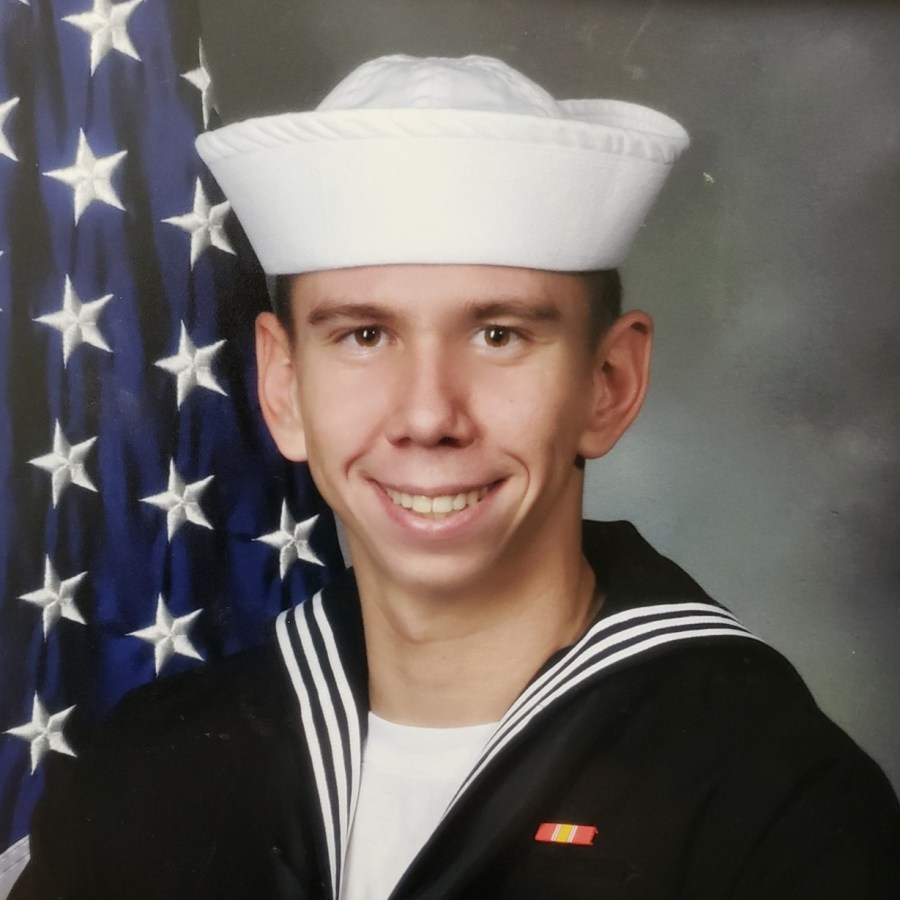
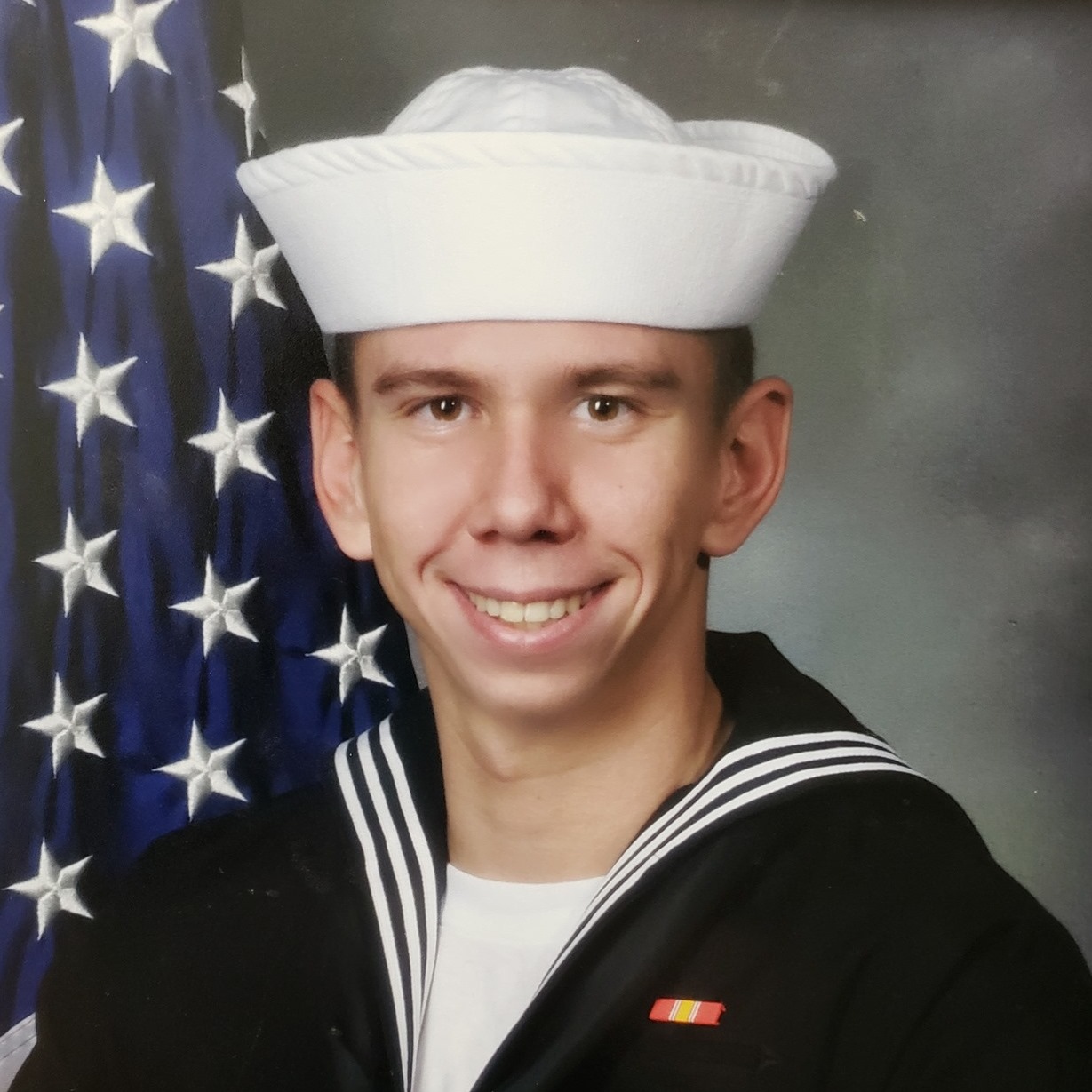
Navy AEAN Brandon Caserta was stationed with the Helicopter Combat Sea Squadron 28 (HSC-28) at Naval Station Norfolk in Virginia when he died by suicide on June 25, 2018. While Brandon’s parents were on the phone with Navy leadership at the Squadron, Brandon walked out on the flight line, apologized to the plane captain (who is in-charge of the flight line), and hurled himself into a helicopter rotor, dying instantly. AEAN Caserta had a brief career with the Navy and it didn’t turn out the way he had hoped. He had failed Special Warfare Training and was transferred into a new career field as a result. And then unexpectedly Brandon broke his collar-bone in a bicycle accident, which also negatively impacted his Navy career. At the moment Brandon Caserta made his final walk out to the flight line, his father Patrick Caserta was on the phone with the command expressing concern for his son’s welfare. Patrick was making plans to fly out to Naval Station Norfolk to explore his son’s legal options.
Desperate for answers, the Casertas reached out to Brandon’s chain of command and friends but eventually everyone stopped responding. The Casertas were told by many friends in Brandon’s command that leadership ordered a cessation of communications. Before the silence, Brandon’s friends shared that they thought he appeared to be suffering from depression, feelings of worthlessness, and anger, hence the reason he left a note asking the Navy be held accountable. As a result of the information gleaned from the note and those who knew Brandon, the HSC-28 conducted an investigation of itself; basically the fox guarding the henhouse. Although they knew months in advance of the problems, the report did note that Brandon’s supervisor had a history of berating and belittling those who worked for him. As a matter of fact, this supervisor could have been court-martialed under UCMJ Article 93, Cruelty and Maltreatment, but he wasn’t. Instead, Military.com reports he received no punishment and was transferred with a “declining evaluation” (and this was only after it was heard and reported that he made “derogatory and inflammatory comments concerning the deceased”).
“I want to see as many people fired, kicked out or, at the very least, lose rank.” -Brandon Caserta, U.S. Navy
According to Military.com, the Navy’s suicide rate in 2018 was the highest it’s ever been. And it was reported that a post-mortem analyses of suicides in the military usually showed the victim “faced major issues like financial problems, relationship problems, medical issues, and mental health conditions.” The military reporter reached out to Dave Matsuda, an anthropologist at California State University-East Bay, who researched and studied a suicide cluster among soldiers in Iraq in 2010. Matsuda’s research found some non-commissioned officers (NCOs) and officers in the chain of command made their subordinates’ lives a “living hell.” Matsuda also added that although the “bad leaders weren’t fully responsible for the suicides, they helped push the soldiers over the edge.” But in a system where the Navy is investigating the Navy, we have learned that the Chain of Command isn’t going to admit there is a problem. They have a history of blaming the victim and/or scapegoating an enlisted NCO or lower ranking military officer.
Brandon’s father, Patrick Caserta, a retired U.S. Navy sailor himself, asserts the Command was “so hostile, corruptive and unethical,” that they tormented Brandon and drove him past the brink of despair. Patrick and Teri Caserta wholeheartedly believe the command murdered their son. Patrick reminded us that the military talks about trauma, exposure to war, and mental health, but they don’t talk about harassment and bullying. He believes military leadership do not want to admit harassment, bullying, and retaliation happen or admit they are at fault. In the days and weeks that followed their son’s death, Patrick and Teri also learned from those who worked with Brandon that they were all dealing with a high operational tempo and manpower shortfalls. Brandon’s co-workers believed “personal issues were not a high priority and Brandon’s death could have been prevented.” And an anonymous message sent to the squadron commander on June 18, 2018 revealed the abuse was ongoing before Brandon died.
According to the message, Brandon’s supervisor called subordinates his “bitches,” referred to the chiefs as “douchebags” and “dumbasses” behind their backs, and “treated workers worse than garbage” and “like dogs.” –Military.com (June 8, 2019)
This slideshow requires JavaScript.
Military.com reported that Brandon Caserta’s death was one of 68 Navy suicides in 2018. They also reported the rise in military suicides appears to mirror an increase in suicides among the general U.S. population. Suicide experts are struggling to understand why so many are dying by suicide. Some factors for suicide risk, according to the Centers for Disease Control (CDC), include “spending time in prison or jail, having a mental health disorder or a substance abuse problem, experiencing family violence, a history of suicide, and having guns in the home.” Brandon’s family believes their son’s suicide was a direct result of toxic leadership, one superior who harassed and bullied Brandon, pushing him over the edge. According to Army Doctrine Publication 6-22, a toxic leader “operates with an inflated sense of self-worth and from acute self-interest,” consistently using “dysfunctional behaviors to deceive, intimidate, coerce, or unfairly punish others to get what they want for themselves.” Although it appears there are multiple variables that impact when a service member chooses to die by suicide, the experts need to find out the why so we can save our service member’s lives. What is happening in their environment that makes them feel like suicide is the only way out?
The directive states, toxic leaders exhibit a combination of “self centered attitudes, motivations, and behaviors that have adverse effects on subordinates, the organization, and mission performance.” –Military.com (June 8, 2019)
Military.com reported that one of Brandon’s co-workers helped shed some insight into the toxic climate at the Navy’s HSC-28 squadron. He accused leadership of deploying personnel in retaliation for speaking up and not doing as they are told. This particular individual requested that he remain at the squadron when his wife got sick because he needed to support her and their two girls. But his leadership was going to deploy him with a detachment anyways. So he filed an Inspector General complaint and thankfully was transferred out of the squadron in a couple weeks. He believes Navy personnel have a “fear of retribution” because the command is resentful of the service members who can’t deploy. Brandon’s family experienced a form of retaliation as well. The unit held a memorial service for Brandon four days after he died but Patrick and Teri said they were not invited by anyone in the HSC-28 command. Patrick Caserta believes the family was excluded out of sheer pettiness; leadership wanted to continue to conceal and coverup what truly happened. Regardless of the reason, it was a violation of Navy policy.
“Navy policy states that the command should provide round-trip travel and allowances to family members to attend a command memorial service.” –Military.com (June 8, 2019)
On May 31, 2019, after the command learned that Military.com had made phone calls regarding the Casertas’ allegations, Navy personnel indicated there was a “culture of fear” at the squadron. The Casertas are so angry and distraught that communications have stopped that they offered a $25,000 reward to anyone who came forward with information that “lead to successful prosecution of individuals in their son’s chain of command.” They have also met with the congressional staff of at least a dozen senators and representatives, including Senator Tim Kaine (D-VA) and Senator Kyrsten Sinema (D-AZ) to discuss “the treatment they and Brandon received, request an independent investigation, and promote efforts to prevent suicide linked to toxic leadership.” They also would like to see the Navy implement Brandon Caserta’s request in his suicide note regarding the re-rate process: “sailors who don’t complete the training for the rate they initially sought should be able to select any other training they qualify for with their Armed Services Vocational Battery (ASVAB) test results.”
Anthropologist Dave Matsuda told Military.com that to truly address the problem of suicide in the armed forces, “all the services need to consider ‘toxic leadership’ when analyzing the deaths of each individual.” If we understand the why, we can prevent suicide. Matsuda also believes operational leaders should not rely on “the boot camp strategy of breaking people down to build them back up.” Matsuda concluded with the assertion that indeed a toxic command climate can trigger suicidal behavior. One year later, Patrick and Teri Caserta are determined to get justice for their only son, because they believe this tragedy could’ve been prevented. The pair also report that Congress is drafting “The Brandon Act,” which is “federal legislation aimed at ending military suicides, holding commanders accountable, and halting the bullying and hazing that occurs within military ranks.” Please contact both the Senate Armed Services Committee (SASC) members and the House Armed Services Committee (HASC) members and your Senators and Representative to ask that they too support our troops by supporting The Brandon Act. Our service members deserve a chance at a beautiful life post military.
“The Brandon Act” is designed to be a safe word that men and women in our Armed Forces can use if they are subjects of any kind of abuse whether it’s physical, emotional or mentally. Abuse comes in many, many forms to include bullying, hazing, threats, sexual, abusive leadership, and any kind of mental and emotional abuse. These are just a few abusive tactics that can be done to someone. “The Brandon Act” protects those who come forward asking for help. It is designed for these men and women to come forward and get the help they need and if the abuse merits it, the sailor or troop will have a right to ask to be reassigned to another command or unit without any retaliation whatsoever from anyone in their current command or their next assignment. Our hope is to bring suicides to an end and by using this “Act” will hopefully allow them the courage to get help when they need it and get them healed and back on the right path. This “Act” is in front of Congress right now and hopefully very soon, they will approve and pass it once it’s completely written. Thank you for reading. –Justice for Brandon Caserta on Facebook (June 20, 2019) #TheBrandonAct
Day after day I hear first hand accounts of not only the Army but all of the Armed Forces forcing troops out for PTSD or some trumped up misconduct charge. And what really gets my goat is that these are people who have been in the military for a long time, have deployed overseas, and now suffer from some kind of war injury. Is this the way that you envisioned the military would treat our troops after all that they have sacrificed.
I find it ironic that Officers who get caught with felony charges can quietly retire after the media blows it up to hold them accountable. Yet a soldier who has been in 19 years, did four rotations overseas, and snapped on the fourth rotation because you sent them there knowing they had PTSD, gets the bad conduct discharge. This is criminal. How dare you Army do this to someone with 19 years of dedicated service. What happened to the whole person concept? Why is it that a fight or flight response is now being used against a soldier when the symptoms include disassociation, irritability, distrust, fear, etc. Why is it that you act like people are faking when they just did four tours of duty.







 MILITARY JUSTICE FOR ALL