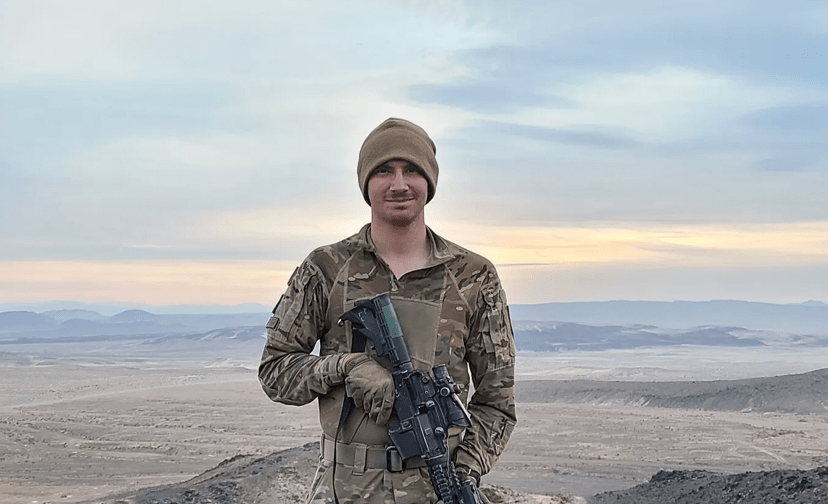
“Austin Valley had just arrived at his Army base in Poland, last March, when he knocked on his buddy Adrian Sly’s door to borrow a knife. The base plate of his helmet was loose and needed fixing, he told Sly. The soldiers had spent most of their day on a bus, traveling from their former base to this new outpost in Nowa Deba, near the border with Ukraine. It had been a monotonous 12-hour journey with no stops and nothing to eat but military rations. Sly thought his friend looked exhausted, but then so did everyone else. He handed Valley an old hunting knife, and Valley offered an earnest smile. “Really appreciate it, man,” he said. Then he disappeared.”
“Word of a soldier’s disappearance spread quickly across the Polish base. Sly recalled sergeants pounding on doors and shining their flashlights. “Where’s Valley?” one asked him. Sly and several others from Valley’s unit took off into the woods. Seeing fresh tracks in the snow, one soldier followed them until he heard a faint gurgling sound. Drawing closer, he saw Valley, hanging from a tree. He was alive, but barely conscious. The soldier cut Valley down, while another called for the medics, who sped off with him into the night. His friends would never see him again. The following morning, Valley was taken to the U.S. Army hospital in Landstuhl, Germany, and then returned to Fort Riley. Four weeks later, he was dead.”
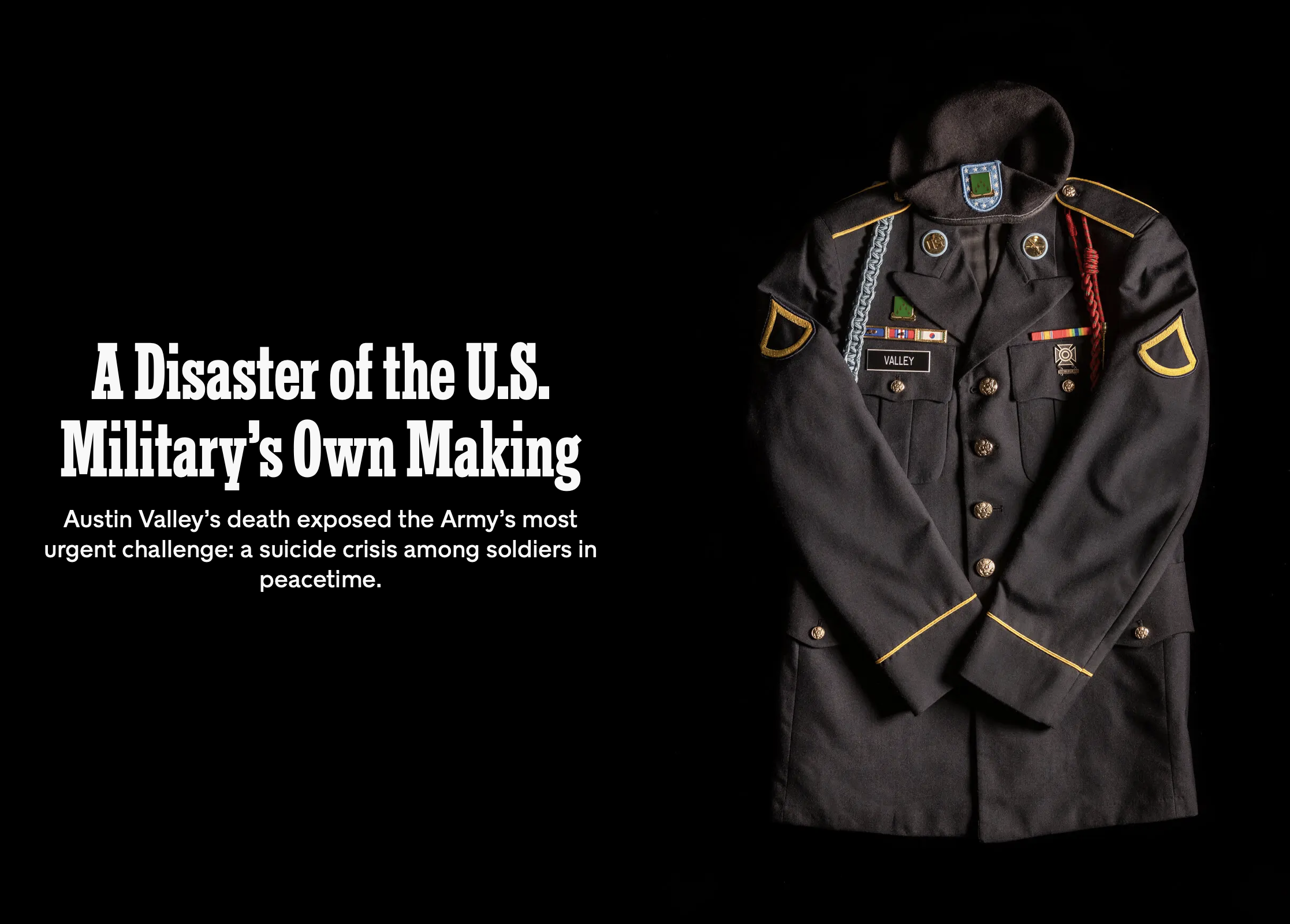
“Soldiers are more likely than their civilian peers to die by suicide. Many people wrongly believe this is because of combat trauma, but in fact the most vulnerable group are soldiers who have never deployed. The Army’s suicide rate has risen steadily even in peacetime, and the numbers now exceed total combat deaths in the Iraq and Afghanistan wars. A Times investigation into the death of Specialist Austin Valley, stationed at Fort Riley in Kansas, found that mental-health care providers in the Army are beholden to brigade leadership and often fail to act in the best interest of soldiers.”
The bill named in Caserta’s honor would create “Brandon Act” reporting, making it easier for service members to seek mental health care anonymously
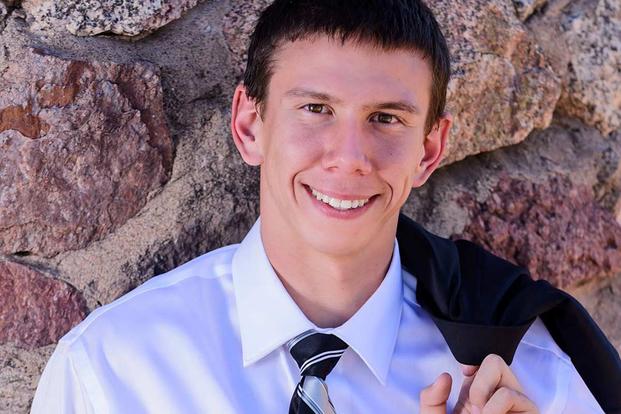
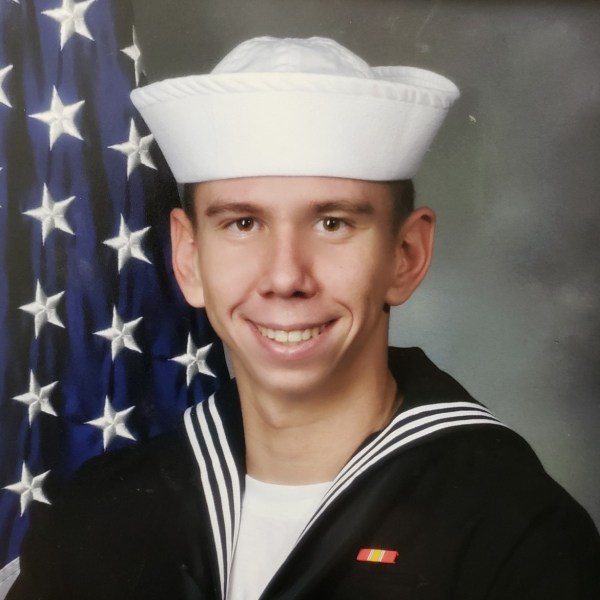
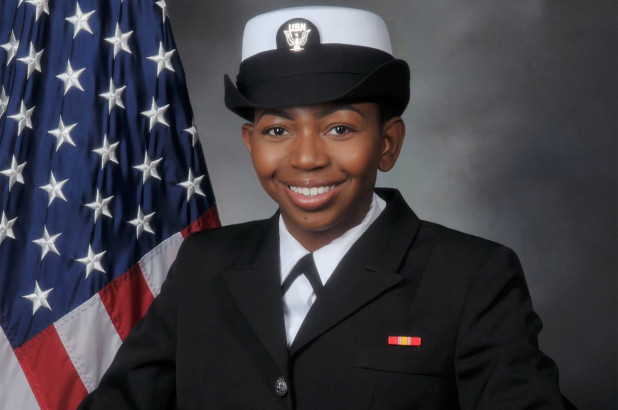
PO3 Brandon Caserta, U.S. Navy
WASHINGTON — Today, Representative Seth Moulton (D-MA) and Teri and Patrick Caserta, parents of fallen United States Navy Petty Officer Third Class Brandon Caserta, announced the introduction of The Brandon Act.
The bill would allow service members to anonymously report and seek mental health treatment by using a safe word like “Brandon Act.” It is designed to protect service members who experience mental health emergencies that result from hazing, bullying, or any other issue. It would allow them to seek help anonymously and, if necessary, outside of the chain of command. The bill’s introduction comes on the second anniversary of Brandon Caserta’s death from suicide, which he said was prompted by bullying and hazing within his unit.
“Brandon had a smile that made everyone want to smile. He was a very charismatic and upbeat young man. He made everyone’s day better no matter what they were going through. Brandon has always helped everyone he could. The Brandon Act would do this for his fellow service members in his death,” Teri and Patrick Caserta said, “Brandon did not die in vain and his legacy for helping others will continue long after his death when The Brandon Act is passed.”
Rep. Seth Moulton said: “Brandon tragically lost his life because he wasn’t able to get support for his mental health—something we should provide every American, especially every American hero in uniform. This bill will ensure our service members can get help and have no fear of retaliation for doing so, as it’s the right thing to do. Although we’ll never get Brandon back, his legacy will be the lives of many more great Americans he saves through this bill, and I’m proud of his parents who have fought so hard to tell his story and make this change.”
Brandon Caserta died by suicide on June 25, 2018 on the flight line at Naval Air Station Norfolk, Virginia. After his death, his parents and friends discovered six notes in which Brandon attributed his suicide to persistent hazing and bullying from some members and leaders of his Navy helicopter squadron.
The Brandon Act expands the existing law that regulates how service members are referred for mental health evaluations, in order to provide a confidential channel for service members to self-report mental health issues. The process would protect the anonymity of service members, similar to the restricted reporting option that protects victims of sexual assault.
Moulton made expanding mental health care and breaking the stigma around seeking help a top priority since disclosing last year that he is managing post traumatic stress from his service in Iraq as a United States Marine. In addition to The Brandon Act, Moulton has secured mandatory mental health check ups for service members who saw combat within 21 days of leaving the battlefield in the FY20 National Defense Authorization Act.
He also co-introduced, with fellow veteran Rep. Chris Stewart (R-UT), the National Suicide Hotline Designation Act, which would make 9-8-8 the national number for mental health emergencies. The bill has passed in the Senate, and is one step away from a vote on the House floor. Yesterday, the FCC announced that it would issue a final rule on the designation of 9-8-8 as the national suicide prevention hotline in mid-July.
A copy of The Brandon Act is available for download here.
A legislative summary for The Brandon Act is available for download here.
Read more from the original source on Rep. Seth Moulton’s website here.
The House debates the Joshua Omvig Veterans Suicide Prevention Act, which directs the VA to develop and implement a comprehensive program to reduce the incidence of suicide among veterans. The bill is named for an Iraq veteran who took his own life, and recognizes the special needs of veterans suffering from PTSD and elderly veterans who are at high risk for depression and experience high rates of suicide. -Rep Leonard Boswell (October 23, 2007)
The Number One Problem Combat Vets Will Face is Mental Health (2007):
Paul Sullivan of Veterans for Common Sense tells Armen Keteyian that the No. 1 problem facing vets of Afghanistan and Iraq will be mental health. -CBS News (November 13, 2007)
Veterans Who Get Help at VA Are Still at Risk of Suicide (2008):
CBS News first reported on the staggering number of veteran suicides in a report last year. Now, newly-released data shows that vets who get help from the VA are still at risk. -CBS (March 20, 2008)
Seven Vets Under VA’s Care Died by Suicide in Washington (2008):
They served their country honorably but after risking their life in combat abroad, coping with coming home was too much. In the last three months seven servicemen being treated by Spokane’s VA Hospital have committed suicide. -4 News Now (April 29, 2008)
Senator Patty Murray Alleges VA Cover-up of Veteran Suicide (2008):
Despite recent efforts by the Veterans Administration to prevent veteran suicide, seven have committed suicide in the Inland Northwest in the last four months and US Senator Patty Murray is calling the situation unacceptable. -4 News Now (May 1, 2008)
Katie Couric investigates an alarming trend in the U.S. military, as more and more female soldiers have come forward with tales of sexual abuse at the hands of male soldiers and superior officers. -CBS (March 17, 2009)
1LT Katie Blanchard, Fort Leavenworth, U.S. Army (2016)
On Tuesday, the man responsible for setting a U.S. Army lieutenant on fire last year was found guilty in federal court.The scars on Army Lt. Katie Blanchards face, neck, and hands are still visible. -41 Action News (August 8, 2017)
Spc. Kamisha Block, Fort Hood, Iraq, U.S. Army (2007)
The family learned Kamisha Block was shot and killed while serving in Iraq. The Department of Defense told the Block family Kamisha was shot in the chest by friendly fire. -12 News Now (February 12, 2019)
AEAN Brandon Caserta, Naval Station Norfolk, U.S. Navy (2018)
As Teri Caserta entered her son’s bedroom in their Peoria home, she broke down. It’s an emotion that Teri and her husband Patrick Caserta will always carry with them. Their son Brandon was in the United States Navy from 2015 to 2018. However, at just 21, Brandon would take his own life. -ABC15 Arizona (June 14, 2019)
Major Christian Martin, Fort Campbell, U.S. Army Veteran (2019)
Attorney General Andy Beshear on American Airlines pilot arrested in Louisville for 2015 triple murder in Christian County. -WLKY News Louisville (May 11, 2019)
From my heart to yours. One of the most difficult situations I have ever faced in my life. Please share this video with everyone and anyone you can. -Devin Schuette (February 16, 2015)
LCpl Riley Schultz, Camp Pendleton, U.S. Marine Corps (2019)
The Marine from Colorado found dead at a Southern California base earlier this month died by suicide, according to 1st Lt. Cameron Edinburgh, a Marine Corps spokesperson. -FOX31 Denver (March 27, 2019)
Col. Michael Stahlman, Twentynine Palms, Iraq, U.S. Marine Corps (2008)
A Marine colonel is found shot in his bunk. Authorities say it was a suicide, his wife says it was murder — and she is determined to prove it. -48 Hours (March 28, 2019)
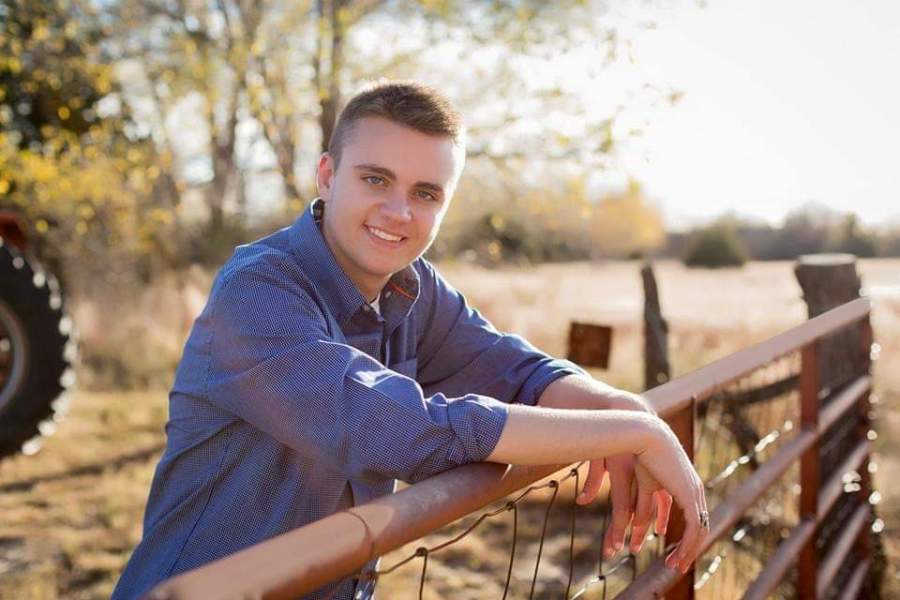
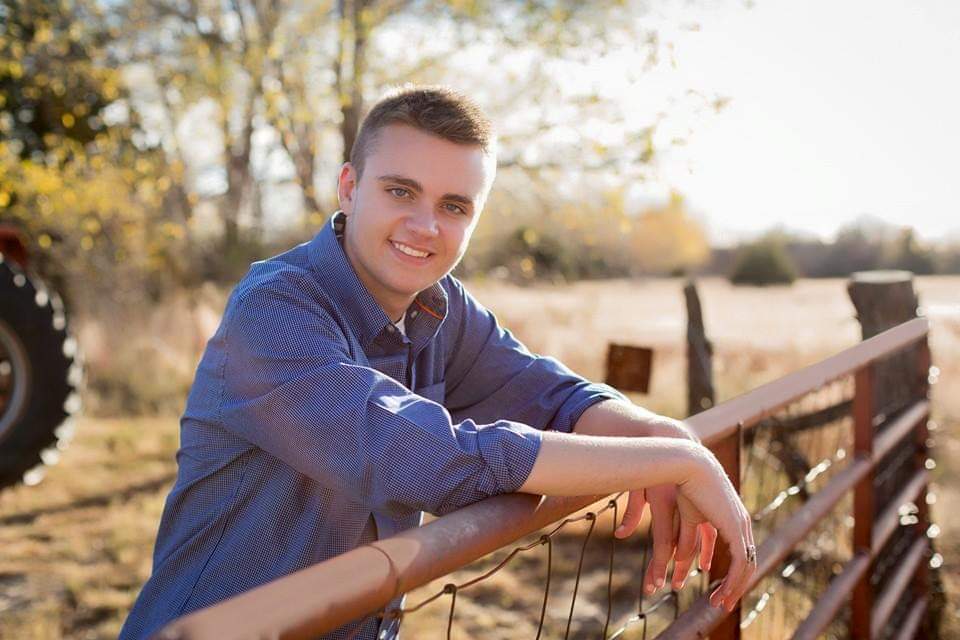
Kansas Army National Guard veteran Zachary Schaffer, 21, was found unresponsive in his Kansas City, Kansas home on January 23, 2019. According to theDodge City Daily Globe, Zachary fatally overdosed only a few days after he was punished and discharged from the Kansas Army National Guard. According to his mother, Wendy Mottas, Zachary, or Zach, as he was known to most, was accused of failing to show up for multiple weekend drills and discharged with an “other than honorable.” In the midst of losing his military career and eventually his security clearance, Zach was flagged by his command for the prescribed use of Adderall to treat ADHD, even after he was reassured it was okay for him to take the prescription. Wendy doesn’t know if her son’s death was intentional, but stated Zach began suffering with depression and substance abuse during his time in service with the Kansas Army National Guard. Zach went from being a stellar soldier at the age of 19 to being hired as a full time military technician to losing that same position less than one year later for reasons undisclosed. Six months after being fired by the Kansas Army National Guard, he was also passed over for deployment to Afghanistan, having been told he was ‘red flagged’ for the use of Adderall. Six months later, Zach would also experience sadness and grief after losing his friend, 24 year-old Kansas Army National GuardsmanKhamis Naser, who died by suicide on July 31, 2018.
Zach grew up in the Hutchinson, Kansas area and joined the Kansas Army National Guard in May 2014. Zach’s mother, also an Army veteran, said he was born in Germany when she was in the military. Zach came from a military family and it was a natural fit for him too. Wendy shared Zach was always intelligent and she knew he would be successful because he was very skilled in anything related to computers and coding. After Zach completed Army basic training and specialty training, he progressed quickly as a soldier and eventually got a full-time job with the Kansas Army National Guard at age 19. Zach was a federal military technician (Personnel Security Technician: GS-7) during the week and on Guard weekends, he was an Intelligence Analyst (E-4). Zach’s downward spiral began when he lost his full-time job as a federal technician and was made to feel incompetent by those who also originally built him up to be a great soldier with a bright future in the military. Zach’s mother does not know why Zach was fired during the probationary period, but she does suspect that Zach had information about other National Guard members whose misconduct were overlooked during routine background checks so they could maintain their security clearances.
Once Zach lost his full-time position, he went from being a professional soldier to not caring about anything anymore. He moved from his home in Topeka, Kansas to Lawrence, Kansas and became somewhat estranged from the family. Zach became secretive, fell in with the wrong crowd, stopped going to therapy and became reliant on self-medicating to take care of the pain of depression he was feeling. Realizing this lifestyle was not healthy, Zach moved back home to Junction City and tried to get his life together in early January 2018. After about three months of living at home, he discovered the Kansas Army National Guard unit in Junction City, Kansas was tasked with a deployment to Afghanistan, to which he inquired and expressed interest to the unit’s leadership. The leadership put him through mobilization procedures for nearly a month and then his deployment orders to Afghanistan were cancelled citing he had been flagged during the pre-deployment process for Adderall use. Zach was prescribed Adderall for the diagnosis ADHD and his mother states he was prescribed the drug due to a struggle with concentration and focus. Once Zach was flagged, someone made the decision to prevent him from deploying to Afghanistan and his mother does not know if his National Guard unit influenced the decision at that time or not.
Zach was looking forward to the deployment. Instead his orders to Afghanistan were cancelled and it was then Zach started meeting regularly with mental health personnel for depression. It is unknown what Zach may have shared with health care professionals, but his family realized something changed in Zach’s life. Shortly after, Zach moved from Junction City to Kansas City with a friend with which his family was not familiar. He remained distant from his family and friends. Worse yet, the same military officer (O-4) who made the decision to fire Zachary from his full-time military technician position also influenced National Guard unit leadership to end Zach’s military career in its entirety. Leadership observed the changes in Zach’s attendance and behavior. Instead of helping him, they used it to revoke his security clearance knowing he needed a security clearance for his job as an intelligence specialist in the National Guard and his full-time job with the Marine Corps. During this time, the only thing done to assist Zach or try to get to the root of the issues he was having was to refer him to the unit’s social work office. At some point, this social worker was told to ‘stand down’ and allow the unit’s part-time civilian social worker to take care of his issues. To his mother’s knowledge, this individual never contacted Zach to offer support and he was never offered any type of assistance including participation in the Army Substance Abuse Program.
In early July 2018, Zach contacted his mom and stated he wanted to go to an inpatient rehabilitation program. He self-admitted to the substance abuse program to help him stop his drug dependency and get his life back on track. The day after Zach left the rehabilitation program and returned to Kansas City, he learned his best friend and fellow National Guardsman, Khamis Naser, had died by suicide. Zach told his mother he had talked to Khamis only five hours before he was found dead in his apartment. Zach attended the August 2018 drill weekend and his mother said he told her he was met with disdain from his leadership. Zach’s mother states she has text messages from her son indicating the NCOs in his unit were bullying him. Zach told her they said his best friend would still be alive if he ‘wouldn’t have been high’ and ‘would’ve been there for him’ (Khamis). After Zach was blamed for the death of his friend, he got in a physical confrontation with one of his NCOs. During another drill weekend, word got around the unit that leadership wanted to ‘get rid of that “shitbag”’ (referring to Zach) because he made the unit ‘look bad.’ Despite the ill treatment by the Kansas Army National Guard, Zach picked himself up and got a new job as a civilian contractor for the Marine Corps in Kansas City at age 21. Unfortunately, a short time after he got the job, he was terminated when he learned the National Guard had suspended his security clearance. At this point, Zach had no income, including from his drill weekends, due to a status discrepancy. Zach was still considered in ‘active duty’ status because of the deployment orders to Afghanistan and no one in his military leadership would assist him to get transferred back to his original unit. His mother states he discussed this with someone at his unit who agreed with him — why bother going to weekend drill if he was getting bullied and not receiving any pay? He stopped attending drill after September of 2018 and once again became estranged from his family. He would never return to the National Guard.
According to the Kansas Adjutant General’s Department, the Kansas Army National Guardsuicide prevention programis “based on the premise that suicide prevention will be accomplished through the positive action of unit leaders and implementation of command policy. The key to the prevention of suicide is positive leadership and honest concern by supervisors for military personnel who are at risk of suicide and appropriate intervention for all such personnel.” Khamis Naser died by suicide in July 2018 and six months later in January 2019, Zach Schaffer died of a fatal drug overdose. How did the Kansas Army National Guard’s suicide prevention program help Khamis and Zach? Although we don’t know why Khamis Naser chose to die by suicide, we do know he was a current member of the Kansas Army National Guard. One would think losing a fellow comrade would initiate a more proactive suicide prevention approach yet instead we learn the very people tasked with a “positive and honest concern by supervisors” for military personnel at risk of suicide and appropriate intervention was not implemented in the last couple of years. Zach was a soldier dealing with the loss of his full-time job, grief from the loss of his friend, the loss of his military career, and the loss of his security clearance. Military leadership knew Zach was not well and they knew he was a risk to himself.
Thetop 10 most stressfullife events include death of a loved one, separation, starting a new job, workplace stressors, financial problems, and chronic illness/injury. Zach’s mom shares he was dealing with six out of ten of those stressful life events at the age of 21. Wendy wonders why the military wouldn’t be especially cognizant of the fact they are molding young kids into warriors at a very impressionable time in life. At a time when young adults need guidance most, instead in the military environment, they are forced to deal with additional stressors, caused by military leadership in Zach’s case. Why would the same organization at the root of the cause of the downward spiral of young lives be interested in also pretending to care about suicide prevention of those same personnel? The moment Zach was let go from his full-time job was the moment he started to struggle. Why did he get let go? Why did it contribute to a need to use drugs to self-medicate? And one can only imagine the kind of grief Zach experienced after losing a close friend in such a tragic way. Did anyone refer Khamis or Zachary to mental health programs or theDepartment of Veterans Affairs?
It appears Zach’s source of pain or original stressor began when he lost his full-time federal military technician position as a Personnel Security Technician. After Zach lost Khamis, another high-paying job and his military career, his downward spiraled accelerated. Zach was dead less than six months after his friend passed. How can the National Guard implement a suicide prevention program when they are the suspected cause of the unit members’ downward spiral? Why did the National Guard choose to characterize ADHD treatment as a ‘mental health risk’? The prescription was used to assist with concentration and focus. Why would Adderall negatively impact a deployment when it is a fact the active duty deploy personnel on all kinds of prescribed medications? Why not help Zach transfer from Active Duty status back to his National Guard unit so he would be paid for drill weekends? How did Zach go from successfully holding great positions of responsibility within the unit to losing his entire military career? Why did they give Zach an ‘other than honorable’ discharge knowing it will negatively impact the rest of one’s working life, never mind the impact losing a security clearance has on anyone’s future financial security. Why did Zach have to lose everything? How does that help his mental health?
Wendy Mottas told theDodge City Daily Globethat there is a stigma to be tough in the military. And this was confirmed the day the National Guard decided Zach was a “mental health risk” because he had a prescription for ADHD he wasn’t even currently taking. Each Commander has the ultimate say on whether or not an individual can still perform despite taking medication. The prescription was for concentration and focus and not something that had to be a military career ender. Wendy said her son could have used extra support following Khamis’s death and that she would like to see mental health be taken more seriously by the Kansas Army National Guard. While she realizes there were many factor’s influencing Zach’s death, she doesn’t understand why the National Guard wouldn’t offer to help him like so many soldiers with substance abuse are assisted. In Zachary’s case it appears leadership actively contributed to the decline of Zach’s mental health. Who at the Kansas Army National Guard would offer help to Zach after the chain of command (supervisors and leadership) decides a soldier is a “shitbag”? How does the Kansas Army National Guard implement a command driven suicide prevention program when they are the same leadership contributing to a downward spiral? How can the same people tasked with punishing their personnel with a heavy hand simultaneously help prevent a suicide or untimely death of young soldiers? At the very least, in this situation, the National Guard needs to upgrade this soldier’s other than honorable discharge to honorable to make this right for Zach and his family. It’s one thing to let someone go, it’s an entirely different thing when a person’s life and future is destroyed.
“The military still has to take some responsibility for this, I think, and I think more could have been done to be preventative and be proactive instead of reactive. They have a responsibility to these young men and women. It’s not to live their lives for them or to be mommy or daddy or anything like that, but the soldiers still have to live by the army creed, and in order to do that, they have a role in that.” -Wendy Mottas (quote in Dodge City Daily Globe)
“The whole thing was hard to process. I was angry, I was pissed off, and I didn’t know how they were going to charge me,” Caroline Blaze said. “All I knew was I was being charged and I was literally done with the Army.”
Blaze said she received a local general reprimand that stayed in her records for a year around the same time she was being processed for a medical retirement. She said she was never notified or saw the recommendation for her punishment and to this day she doesn’t know what was written about her.
Blaze said she even became suicidal and had a suicide attempt several months after receiving the reprimand.
“It was a bad time and a hard time. To say that I was at fault for these soldiers lives like I caused their death.”
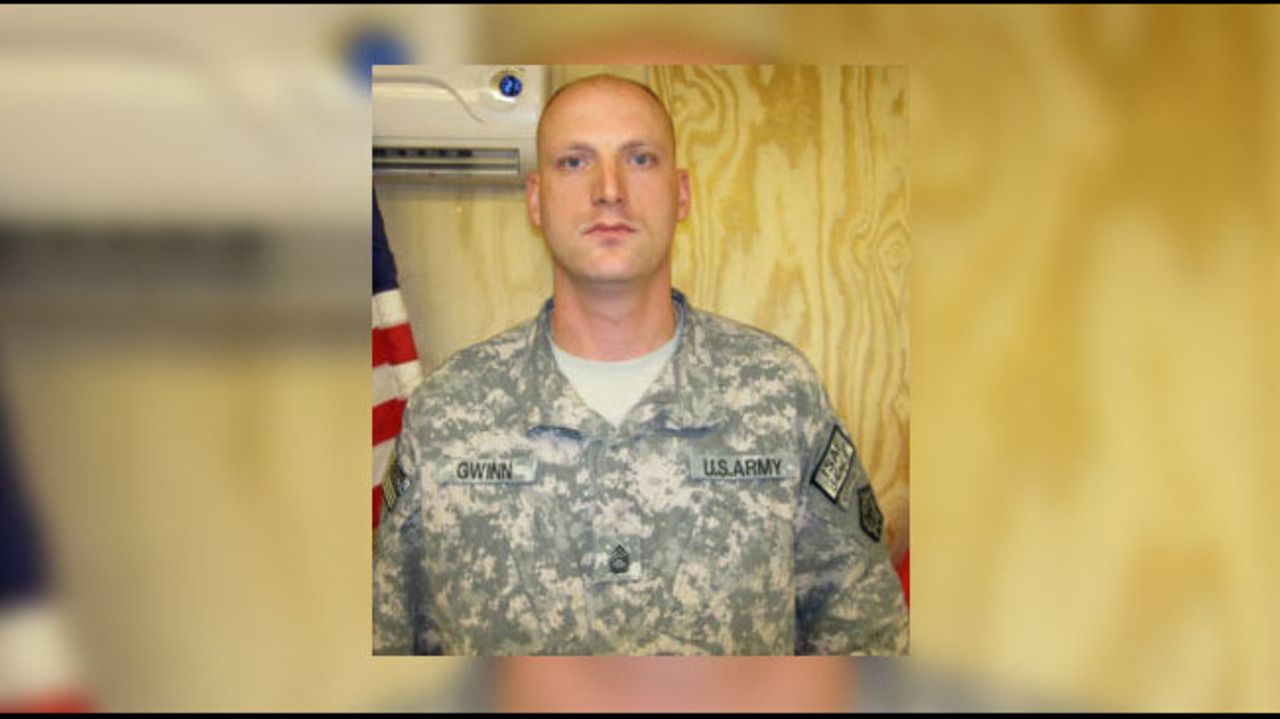
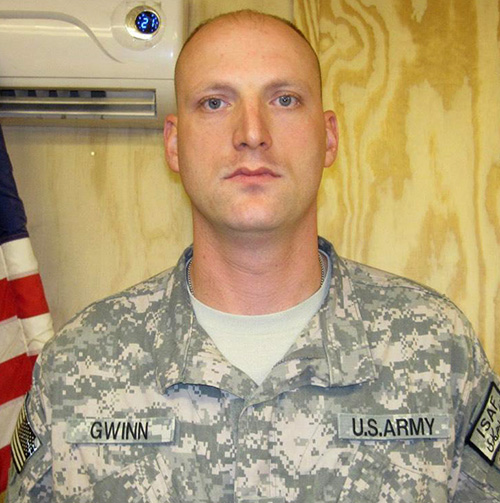
Fort Hood Army Master Sergeant Alva ‘Joe’ Gwinn, 39, died of an apparent self-inflicted gunshot wound on October 12, 2017 near the Williamson-Bell County line in Texas. Although the exact set of circumstances that led to MSG Gwinn taking his own life are unknown, the media reported that MSG Gwinn took his own life during an exchange of gunfire after leading the Killeen Police Department (KPD) on a high speed car chase. Prior to the incident, a concerned family member contacted the Fort Hood chain of command to report that Joe was experiencing a mental health breakdown and may be suicidal. The command contacted the military police who then asked the Killeen Police Department to do a ‘welfare check’ on MSG Gwinn. According to the KPD, MSG Gwinn was located in his car but took off when approached; they said MSG Gwinn then led police on a high speed car chase. According to reports, Alva fled on foot after pulling over, there was an exchange of gunfire with the KPD, and MSG Gwinn ended his life with a self-inflicted gunshot wound to the head. An officer involved shooting investigation was launched because gunfire was exchanged. Joe left behind two sons from a previous marriage and a wife and family who loved him very much. He is missed dearly.
On March 21, 2018, the media reported that a “Bell County Grand Jury reviewed the completed investigation done by the Texas Rangers and decided no indictment should be returned to the deputy in connection with the events leading to the death of a Fort Hood soldier.” MSG Gwinn’s home of record was listed as Richwood, West Virginia. MSG Gwinn served in the Army National Guard from 1996-1999 and then enlisted in the active-duty Army in September 1999 as a combat engineer. At the time of his death, MSG Gwinn was assigned to the 20th Engineer Battalion, 36th Engineer Brigade at Fort Hood since April 2012. MSG Gwinn served in the military for over twenty years and was eligible for retirement. When the media reported on the death of MSG Gwinn, they also mentioned a sexual assault accusation lodged against him in June 2016. They reported MSG Gwinn was scheduled to go to court in November 2017 as if they were implying there was a connection between the suicide and the court date scheduled the following month. One media source reported MSG Gwinn was a highly decorated combat veteran who was known for being a perfectionist and respected by his peers. MSG Gwinn deployed to Iraq and Afghanistan a total of five times while he served with the U.S. Army.
Editor’s Note: The circumstances that led to MSG Gwinn’s suicide inspired us to include him in a Fort Hood status of forces presentation we prepared for congressional representatives in Washington D.C. We believe things could have been handled better and we hope authorities learn from this experience in an effort to prevent it from happening again. We also found it in poor taste that the media mired MSG Gwinn’s reputation at the time of his death with an accusation of which he had not been found guilty of.
Areas of Concern:
On October 12, 2017, family informed the chain of command that MSG Gwinn was experiencing a mental health breakdown & may be suicidal; at the request of the chain of command, the military police asked the Killeen Police Department to do a ‘welfare check’ on MSG Gwinn; according to the KPD, they located MSG Gwinn in his car but he took off when approached and then led them on a high speed car chase that ended with an exchange of gunfire and MSG Gwinn taking his own life
How can we prevent a ‘welfare check’ from turning into an officer involved shooting, suicide by cop or suicide? Why was the high speed car chase necessary?
According to media reports, in June 2016, MSG Gwinn was arrested, indicted and charged by civilian authorities with “aggravated sexual assault” of a 12-year-old girl in 2012; the accusations surfaced in the midst of a child support and child custody case; MSG Gwinn maintained his innocence but a potential trial loomed and his military career and child visitation rights were on hold; Joe loved his family
The accusations negatively impacted MSG Gwinn’s military career and ability to spend time with his two sons; this in turn negatively impacted his mental health; the stress of the child custody case & accusations took their toll; up until this point, MSG Gwinn had a stellar military career and had never been accused of any crimes
According to local media, Alva was facing a trial in November 2017 and they made a loose connection between a pending trial date and MSG Gwinn’s suicide
What prompted the media to mire MSG Gwinn’s memory with an accusation when they reported on his death? Is that fair when the accused can’t defend themselves?
Whether guilty or innocent, this is a tragic end for a man accused of a crime
What does the Army do with the accused who are awaiting criminal trial?
Is Fort Hood responsible for the mental health of those accused of crimes?
What is the military’s policy on child visitation when a military member is accused of a crime against a child other than their own?
On February 12, 2015, President Obama signed the Clay Hunt Suicide Prevention for American Veterans Act into law at the White House. -The Obama White House (February 12, 2015)
Summary: Learn more about the Clay Hunt Suicide Prevention for American Veterans (SAV) Act and the Administration’s commitment to help veterans.
The new suicide prevention law is named in honor of Clay Hunt, an extraordinary young Texan and decorated Marine who served with distinction in Iraq and Afghanistan. Like too many of our veterans, Clay struggled with depression and post-traumatic stress after he came home. Sadly, Clay’s life ended much too soon when he tragically committed suicide in 2011 at the age of only 28.
This new law builds on a long history of executive actions the President has issued to improve access to mental health services for members of the Armed Forces, veterans, and their families. The Clay Hunt Act will:
Require annual third-party evaluations of VA’s mental health care and suicide prevention programs
Create a centralized website with resources and information for veterans about the range of mental health services available from the VA
Require collaboration on suicide prevention efforts between VA and non-profit mental health organizations
President Obama passes law to prevent suicide among military members. -CNN (March 31,2016)
Justin Eldridge, U.S. Marine Corps Veteran (Photo: Obituary)
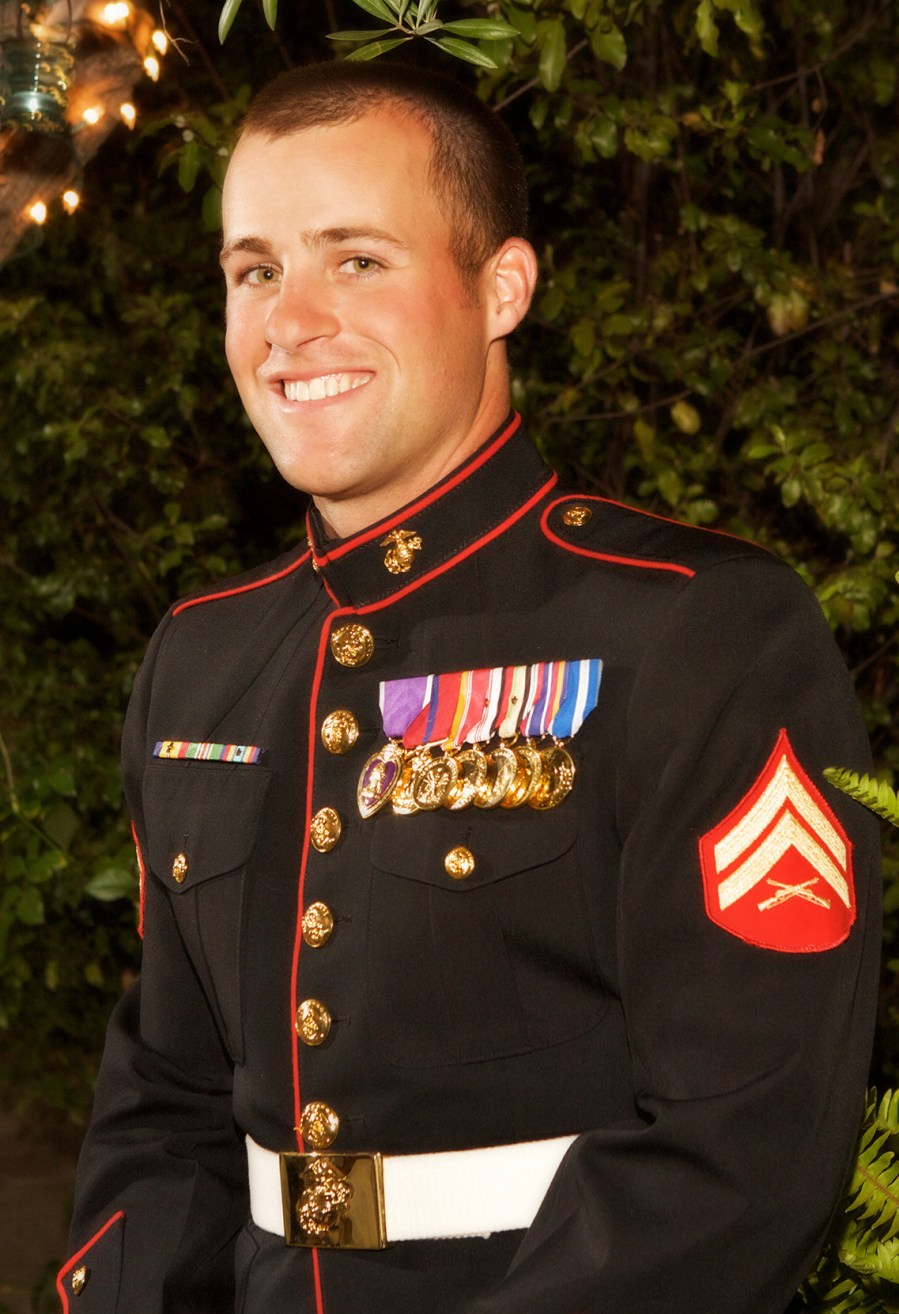
Marine Corps veteran Justin Eldridge was found dead of an apparent self-inflicted gunshot wound in his Waterford, Connecticut home on October 29, 2013. Justin served in the Marine Corps for 8 1/2 years. After a deployment to Afghanistan he battled with both Post Traumatic Stress Disorder and Traumatic Brain Injury. As a result he was medically retired from the Marine Corps in 2008. Justin was married with four children at the time of his death. Justin’s wife Joanna has continued the fight for our soldiers and veterans. Senator Richard Blumenthal (D-CT) honored Justin Eldridge on the Senate Floor and co-sponsored a veteran suicide prevention bill in his name. Joanna attended the 2015 State of the Union and a bipartisan suicide prevention bill was signed into law in March 2015.
His final message, posted on his Facebook Page at about 9 p.m., “theres only so much bashing someone can take before they react………” –Waterford Patch (October 29, 2013)
Senator Richard Blumenthal Honors US Marine Justin Eldridge:
In a Senator Floor speech today, Connecticut Senator Richard Blumenthal honors the heroism of United States Marine Justin Eldridge of Waterford, tragic victim of Post Traumatic Stress Disorder who took his own life two days ago. (October 30, 2013)







 MILITARY JUSTICE FOR ALL