New legislation would make it easier for victims of sexual assaults in the military to come forward.
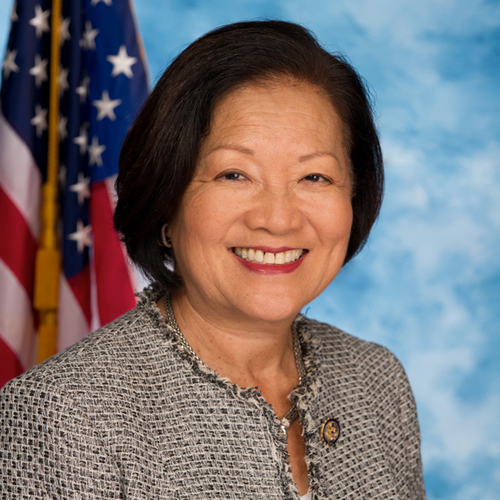
“WASHINGTON, D.C. — A burgeoning scandal over sexual assaults in the military is fueling calls from congressional lawmakers on both sides of the aisle to support a bill that gives victims greater confidence that they’ll get justice. At an emotional press conference on Thursday where former service members spoke of being sexually assaulted while in the military, Sen. Mazie Hirono and Rep. Tulsi Gabbard joined a bipartisan group in both chambers in pushing for reform. The issue was a personal one for Gabbard, who served two tours of duty in the Middle East with the National Guard. Though she was not available for comment Thursday, she told CNN earlier this month that rape culture was prevalent during her first deployment to Iraq, to the point where soldiers were trained on protecting themselves from other soldiers.”
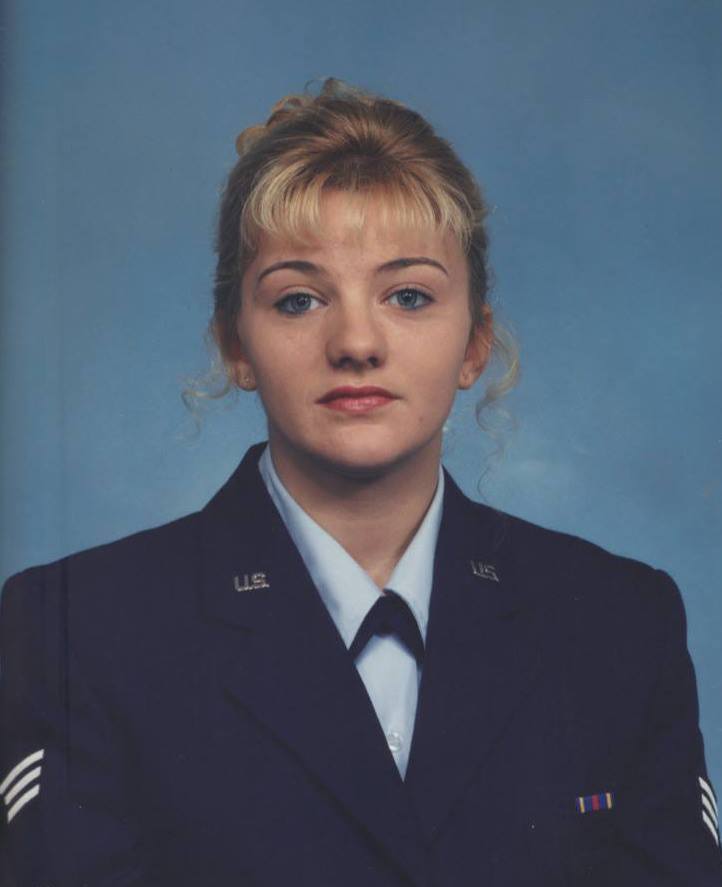
At [the] press conference, Jennifer Norris said she was raped while serving in the U.S. Air Force. “At first I was too afraid to report my assault to my chain of command, but two years later I was forced to report due to the escalation of the behavior and the fear that I would be raped again,” she said. Norris…said she’d been reluctant to report the rape because, “in the Air Force, I witnessed first hand what happens to those who stepped forward to report their assaults. I did not want to be stigmatized for reporting my assault — as I tried to move forward with my career. Instead, the best option for me was to try and endure it, to suck it up and try and make it until I could get transferred somewhere else — only to have it happen over and over again, like a recurring nightmare.” –Honolulu Civil Beat (May 16, 2013)
U.S. Senator Mazie K. Hirono was joined today by victims of sexual assault in the military and organizations who assist victims of Military Sexual Trauma (MST) to announce new bipartisan, bicameral legislation that would reform the military justice system by removing the prosecution of all crimes punishable by one year or more in confinement from the chain of command, except crimes that are uniquely military in nature, such as disobeying orders or going Absent Without Leave. -Mazie Hirono (September 25, 2013)
Senator Mazie K. Hirono joined a diverse coalition, led by Senator Kirsten Gillibrand (D-NY), to call for the creation of a fair military justice system to reverse the systemic obstacles that sexual assault victims face. The Military Justice Improvement Act would remove the military’s chain of command’s sole decision-making power over whether cases move forward to trial. -Mazie Hirono (November 6, 2013)
Hirono Speaks In Support Of The Military Justice Improvement Act. -Mazie Hirono (November 14, 2013)
With Vote Looming, Hirono Urges Support For Military Justice Improvement Act -Mazie Hirono (November 20, 2013)
Before Senate Vote, Hirono Urges Colleagues To Pass Military Justice Improvement Act -Mazie Hirono (March 6, 2014)
PBS NewsHour: Hirono Fights For Military Justice Improvement Act -Mazie Hirono (March 7, 2014)
Senator Hirono Calls to Address Military Sexual Assault -Mazie Hirono (May 24, 2016)
Senator Hirono Presses Marine Corps Commandant for Commitment to Address Military Sexual Assualt -Mazie Hirono (March 14, 2017)
It is with a heavy heart that I sit here today. Because, I am not only speaking for myself but I am speaking for thousands and thousands of male and female survivors, both military and civilian, whose lives have been forever altered by the military’s sexual assault epidemic, a culture that punishes the victim, and a broken military justice system.
Core issues must be addressed. The military justice system elevates an individual’s discretion over the rule of law. The system is encumbered with personal bias, conflicts of interest and abuse of authority. The cycle of repeated scandals, self‐investigations, and ineffective reforms must be broken. Click here for full House Armed Services Committee testimony.
I want to recognize the service members who have not survived due to non‐combat deaths, murder, and suicide and their families who are still waiting for answers. -Jennifer Norris, USAF Retired
Please note the same day of the military sexual assault hearings before the House Armed Services Committee on January 23, 2013, Secretary of Defense Leon Panetta announced the Pentagon was lifting the women in combat ban.
Technical Sergeant Jennifer Norris Testifies Before Congress
Personal Story:
I am older now and I have had a lot of time to reflect back on what happened to me. And it is now evident to me that I am one of many who have experienced the same kind of treatment simply because I reported sexual assault by a fellow, higher-ranking soldier.
I was raised by a father who worked hard as a logger his entire life. He taught me early in my childhood that I was equal with my brothers. I was expected to help prepare the firewood every season, I was expected to help mow the fields, and I was included in any and all activities. I grew up in a small town and never once experienced someone trying to harm me in a violent way or discrimination based solely on my gender. I grew up with a sense of confidence and determination that I could do anything I wanted to with my life. That is the American dream, right?
I learned quickly after joining the USAF that I had stepped into a whole new world, one that eventually made me feel like I was dealing with an underground mob. Shortly after I enlisted, I was invited to a “new recruit” party. I was really excited to attend so that I could meet others who were also going through the excitement and fear of becoming a soldier. Instead I became the victim of a calculating predator who used the “party” as a way to set up his attack. And, as I commonly see in many of the cases in my work as a victim advocate, he used alcohol as his weapon. When he was unable to pressure me to drink, he used whatever means necessary to incapacitate his victim. When I was raped, I was chemically restrained and could not move; yet I knew what was happening to me. In my work as a victim advocate, I frequently saw this same modus operandi.
I didn’t report that crime and here is why. I could not face that it happened. I didn’t want to start out my military career like that and so I determined that I would never talk about it to anyone. From that day forward, I avoided the recruiter at all costs and soldiered on. I have never seen him since.
I had an amazing basic training experience at Lackland. My military training instructor was SSgt Knight and this professional NCO taught me how to be a good follower and he also believed in my leadership skills.
The majority of the people that I served with were amazing, inspiring individuals who truly were dedicated to the mission. But just like me, there are far too many who fall victim to manipulation and abuse of authority by perpetrators who are higher ranking and have more credibility with those who are in charge. We have no choice but to acquiesce when under the leadership of a heavy fisted Chain of Command.
I was assaulted a second time at Keesler Air Force Base after Basic Training by my instructor. I was attending Satellite and Wideband Communications technical school. I was there for 6 months. While there, I learned very quickly that if you reported sexual harassment, assault, or were offended by someone’s lewd and crude remarks that you will be quickly turned out of the Air Force. So, I planned to get through it, go back home and serve with the Maine Air National Guard, where I thought I would be safe. I just sucked it up and kept my mouth shut so I could graduate. I watched an Active Duty Air Force female, who to this day is one of my best friends, get swiftly booted from the military, after she reported that one of her instructor’s made derogatory remarks to her during class. This girl was 19 years old. The military training managers engaged in what appeared to be a witch-hunt and looked for anything and everything to kick her out. In the end, they were successful. Today she suffers severe PTSD from this experience.
A few very significant things happened while I was at Keesler. One of the female airman that I was going to school with admitted that she had sex with her recruiter. This conversation was in the presence of another Maine Air National Guardsman who shared that the same recruiter who raped me had also sexually assaulted his cousin, who as a result did not join the military. When he explained to me how it occurred, my blood began to boil with rage because I recognized the pattern immediately. The recruiter had done the same thing to me and I determined I was going to press charges against him, when I returned home, to stop him from harming anyone else.
The Post Traumatic Stress, which I didn’t realize I had, kicked in to overdrive after learning this information. I wanted to take action. I did an impulsive thing. I called up the recruiter who raped me and told him I was going to press charges against him and that I knew what he had done to another girl as well. He quickly hung up on me. My thinking was maybe just maybe he would be too scared to try this again.
About two weeks before graduation from Keesler, I was performing a maintenance loop on a mobile satellite communications van as part of the testing to move on to the next block. I had it down. I loved my job and everything stuck. For this test, we needed to step inside the enclosed satellite communications maintenance van. The instructor shut the door and stood there with his clipboard behind me while I configured the van. Shortly after starting the task, he came up from behind me, attacked me, pushed me into the wall of the van, rubbed his groin area on my body and whispered in my ear, “let me help you, let me help you.” Those words trigger me to this day.
I got angry, I flipped out and pushed him away and told him not to touch me ever again. He was surprised and didn’t say a word. My fight or flight response had kicked into overdrive and my anxiety was so high that I was shaking while I finished configuring that van and waited for him to give me permission to leave the enclosed van. But, I did it. I passed the test.
Unfortunately, it did not end there. This TSgt told me to stay behind after class. Because I could not disobey a direct order without consequences, I stayed only for him to tell me that he was going to fail me for attitude even though I passed the final test. I immediately broke down and started crying. All I could say is why are you doing this to me? Why? I begged him to reconsider. He told me to report the next morning an hour before the rest of the class and he would reconsider. I did not do as ordered.
Instead of going to school the next morning, I went to the Air National Guard liaison, who I had established a nice relationship with, and I informed her that my instructor wanted to fail me for attitude, despite passing my test. The Guard gave the TSgt. a call. He acquiesced and I was told to report to my next class. While at technical school training at Keesler, I never saw him again. I did not report this crime for a number of reasons. First I witnessed first hand what happens when you report that type of behavior. Second, I was only two weeks away from graduation, and, third, I did not want an investigation launched and risk being stuck on that base with that predator. Lastly, I did not want to be stigmatized as a female who alleges sexual assault before I had even entered the operational Air Force. These fears and attitudes exist to this very day.
When I got back to the Maine Air National Guard, the recruiter was gone. He had quit his full time AGR position, which rarely happens in the National Guard. He was a MSgt and he effectively gave up his career and his retirement. He moved to North Carolina. I was so relieved that he was gone. Again, I did not report because I knew I could potentially lose my career. I let myself become excited about starting my new career. I planned on staying in for 20 plus years and despite being raped and assaulted in the first year of my career, I loved being in the military, I loved my job, and I loved being a part of a family and a team.
I thought I would be safe at the Maine Air National Guard. The Commander put me to work as soon as I got back from Technical School to help me transition back into civilian life and I totally excelled and became a superior performer. As a result, unbeknownst to me my Commander asked my NCOIC to coordinate hiring me as temporary federal technician. My NCOIC notified me and began the hiring process. I was ecstatic beyond belief and made the most money I had ever made for doing a job I loved!
Shortly after beginning my job, I noticed that the Maintenance Superintendent, also my NCOIC, and boss began treating me differently than the guys. It made me feel uncomfortable, because I didn’t want the guys I worked with to be resentful. But, I also knew that I was a great troop, so I ate up all the extra responsibility that was assigned thinking he must recognize that I am a true leader. No, that was not the case at all. Eerily similar to the recruiter, my NCOIC was beginning to set up his attacks. He began assigning me jobs that would isolate me so that he could make his move. He would give me the assignment, then show up unexpectedly to “check in on me,” but instead forced himself on me every chance he got. I could not escape. The abuse escalated over time and he became more abusive the more I resisted and told him NO. His attitude was that I should be flattered that he wanted me. I was in pain. I was there to do a job, to serve my country, why must I deal with this?
The more I fought him off and begged him to stop, the more he would escalate. He regularly forced himself on me, but when I fought back, he called me names and belittled me. He would tell me that my breasts were too small and tell me that it would be in my best interest. I was too scared to report this behavior because he was the Commander’s right hand man. And in the military, rank does come with its privileges including the higher rank you are the more credibility you have with the Commander. After what happened with the recruiter and the technical school instructor, I was already fearful of rank and abuse of authority.
Meanwhile, while my NCOIC was sexually assaulting me and abusing me during the week, there was another National Guardsman, who was considered a weekend warrior, doing the same exact thing to me. I did my best to stay clear of both but they would sneak up on me when I was least expecting it. It was like it became a sick game for them. To this day, I cannot handle anyone coming up behind me or hovering near me. I watched both of them escalate while I felt powerless to do anything about it, if I wanted to save my career. After a while, they did it in front of people as well and nobody said or did anything. Why would bystanders put their career at risk for me? I felt totally isolated.
One night when my NCOIC attempted to rape me in a drunken rage, I started screaming and someone heard me. I escaped but I fell apart. I turned into an emotionless robot. I continued to do a good job but I was dying inside. My attitude began to suffer. I was looking for a way out. One day, one of the professional NCOs in our squadron approached me and said he was concerned about me. I had just received an award for Superior Performer during an Operational Readiness Exercise, but I wanted to get out and he wanted to know why. All it took was that one person showing genuine concern and care for the floodgates to open.
I immediately started crying and opened up to him forgetting that by military law, he was supposed to report any crimes that he became aware of. I begged him not to report because I was afraid that it would end my career. He told me if I did not report that he would. I then reported all four of the perpetrators to my Commander.
The Commander initially doubted me. It was not until after I provided him with proof that he raised from a seated position in anger and screamed with powerful emotion, “he betrayed me.” The Commander then told me he had instructed my NCOIC to hire me because of my excellent work performance. We discussed the recruiter and he admitted he was confused why the recruiter suddenly gave up his career and retirement, but it all made sense to him now. All of these predators appeared to be stellar troops. All of them had histories of sexually assaulting others.
In many ways, I am one of the lucky ones, which is sad to say. My Commander believed me. He did the best he could to handle the case against my NCOIC and the National Guardsman given the complexities involved. He strove to be fair, neutral, and impartial. I was forced to leave the Squadron if I wanted to be safe, while he conducted the investigation. Because he could only investigate on Guard weekends, the case got dragged out for months. While I was isolated at Headquarters, the two predators were able to stay and inject their version of how things went down. They had all that time to convince many in the squadron that I was the bad guy. After they admitted guilt the day prior to the administrative hearing, they were both forced to leave my squadron and I was allowed to return.
Sounds like a success story right? Wrong. My Commander deemed the crimes sexual assault. When the crimes were reported to the Adjutant General for the state, it somehow became sexual harassment. Our only recourse was to file an EEO complaint. I filed the complaints against two of the four perpetrators, because we didn’t have jurisdiction over the Active Duty Air Force Technical School Instructor and the Recruiter had skipped town. I had no one assisting me.
I was contacted by one of the perpetrator’s lawyers both on the phone and in writing. I never responded. While waiting for the investigation to conclude, I was physically attacked by a friend of one of the perpetrator’s. I pressed charges but unfortunately the civilian authorities did not pursue the case. I told my Commander and he said there was nothing he could do because it happened off base. The day before I was to go to the Administrative Hearings for the “trial” of my NCOIC and the National Guardsman both of them copped a plea. They agreed to the punishments that the Commander recommended. The Commander told me they were willing to plead guilty. He asked if I was okay with it so he could proceed with removing them from the Squadron. I was so tired and beat down by this point that I just wanted it to be over. I wanted to go back to work and resume the career that I loved. When I agreed to the terms of the punishment it caused the EEO complaint to be withdrawn. Therefore, the Maine Air National Guard either didn’t have to report the crimes at all to the Pentagon or they could report the crimes as sexual harassment.
The punishment imposed by the Commander was that both perpetrators were permitted to agree to resign in lieu of Administrative Hearings, which would have become a matter of public record. I wasn’t offered the chance to proceed with a court martial. I was glad they were gone, but the reason I pressed charges was to prevent any other woman from having to go through this. My efforts were futile. I was told that because my NCOIC had over 18 years of service that he was allowed to stay in the military until he reached his twenty years. When he reached his twenty, he would be forced out. No sex offender record, nothing. Because we didn’t have as much evidence against the other perpetrator, the National Guardsman, he was kicked out of the Maine Air National Guard and given a Letter of Reprimand (LOR). He was discharged honorably; he joined the New Hampshire Air National Guard. Ironically, the last time I saw him he was in charge of a training conference I was attending and he was a MSgt working at the Pentagon. Both of these perpetrators retired with full military benefits. Meanwhile, I was retaliated against by the enlisted Chain of Command.
In 2006, the NCO in the Maine Air National Guard, who had me physically beat, was found guilty of manslaughter and leaving the scene of an accident in another case. But because he had a top-secret security clearance he somehow got off. And as I went back to my squadron, I had to work with this man. I tried to pull myself together and continue with my career, but instead I was met with resistance from almost everyone I encountered. I was the bad guy, because I made the predators lose their jobs. As a cruel joke, men literally hugged the wall as I passed by pretending I might falsely accuse them of assault. I was treated like a leper. I was pulled from leadership positions. I was denied training I needed to become eligible for my SSgt stripe. I continually asked to complete my training and was called a spoiled brat, by the Officer in Charge. And I was assigned menial tasks that isolated me. By this time, the Commander who investigated the case had been promoted to Headquarters and a new Commander was in charge. He depended heavily on the enlisted chain of command and was willing to sell me out for the mission.
I felt like an outcast and people did not hide their disdain for me. I had no more fight left in me. I didn’t want to give up my career, so I transferred to the Massachusetts Air National Guard, which was a four-hour drive one way. It was the only way to continue my career progression and promotions. I needed to remain in the same career field, at least until I was a TSgt.
I went from one snake pit to another. My old squadron called up my new squadron and informed them that I was a “troublemaker.” A person, in my enlisted chain of command, shared this with me when I asked why everyone in my Chain of Command was treating me so badly. I was met with resistance from the get go, despite the fact that I was a super troop and worked very hard at my job. While serving at the Massachusetts Air National Guard, I experienced gender discrimination. I was held to double standards. If others came in late, it was no big deal. If I came in one minute late, I was getting hauled into an office for a big meeting with 3 or 4 people. My new Commander recognized my skills and considered me a subject matter expert. He even hired me during the week to help keep things running smoothly because of the multiple deployments the squadron endured after 9/11. I helped keep things running smoothly back home and continued to train all the new airmen that came into the squadron. We had a lot of folks leave after their first deployment and the only ones left were the ones who wanted to be there. As a result, we got a lot of new airman.
My new squadron Commander recognized that I was a superior performer and promoted me to SSgt shortly after transferring to that base. The Maine Air National Guard would not give me my SSgt stripe claiming that I lacked leadership skills, despite the fact that I was an Airman Leadership School instructor, not only met the standards but exceeded them, including going to Airman Leadership School in person, unlike a lot of National Guardsman. And, I had to fight the Massachusetts Air National Guard for my TSgt stripe despite the fact that I had not only met the standards but also far exceeded them. I had become a very effective satellite communications trainer and had a record set up time. The straw that broke the camel’s back was the day that my NCOIC told me that he was going to make one of the Airman that I trained the Team Chief. I had 8 years in the field, while this airman had only two. I demanded to see the First Shirt regarding this issue because I didn’t want to turn this into an EEO issue.
My Chain of Command eventually acquiesced and gave me my TSgt stripe and the Team Chief position. I was the most qualified to do the job. But, this job came with big consequences. Instead of supporting me in my position, I was overworked, blamed for things out of my control, and not respected. I was left with no support or direction so I had to come in during the week and teach myself. After teaching myself, I would then create standard operating procedures to help train my troops. I always trained myself out of a job because I took serving seriously. If anything was to happen to me, I needed to have people that could seamlessly pick up where I left off.
After months of setting me up to fail they threatened to pull my TSgt stripe from me as a punishment for “substandard performance.” They had been planning it for quite some time because by this time, they had the Commander on their side and I didn’t stand a chance. As a result, I filed an EEO complaint against my NCOIC for gender discrimination. I chose to report informally because I had been through a formal reporting process before. I did not have the energy.
My Commander conducted his investigation and determined that my allegations could not be substantiated, but in the same breath told me that I could have anything I wanted. All I wanted was to go to my planned NCO Academy School and be transferred out of that squadron. I also no longer wanted to work for my abusive and belittling boss and refused to return back to satellite communications. Again, not a huge victory but at least I was able to escape that horribly oppressive environment. By this time in my career, I was beginning to unravel and feel completely ready to break. I decided to transfer back to the Maine Air National Guard and this time I chose a critical career field where women might be treated a little better than in the maintenance field. My boss was promoted to SMSgt shortly after.
I met my husband at Keesler while attending another training school in 2001. We finally made the commitment to one another in 2005 even though I realized I was severely damaged by the rape, sexual harassment, sexual assault, abuse, retaliation, and gender discrimination. Love is the only thing that pulled me through this relationship, because I was literally incapable of having interpersonal relationships. I was hardened, damaged, hyper vigilant, and defensive.
Because of him, I reached out to the VA when I found out that they finally were treating Military Sexual Trauma. I have been getting counseling and treatment at the VA since 2006. As a result of getting that help, I was forced to list on my security clearance form that I was receiving counseling for military sexual trauma. The security clearance folks wanted a release of information signed so they could gain access to my medical records from the VA. I signed them, out of fear. But, then called the VA and revoked it, essentially ending my career. I did not want to jeopardize my future career opportunities because I had been labeled and diagnosed with PTSD from military sexual assault.
After being medically retired from the Air Force for PTSD due to MST, I felt like a fish out of water. I had no purpose in life. I was taking a ton of prescription medications, to help me feel less angry, depressed, and help me live without constant anxiety and fear. I felt like I had lost my life’s dream and there was no reason to live anymore. I came very close to ending my own life, because I felt broken, damaged, and unsure of myself. I literally felt like I was invisible and what I thought or felt did not matter. I wanted to die because I basically got fired for being raped.
Working with veterans and active duty personnel who are victims of military sexual assault, I came to recognize that I had been shamed into silence. My fellow veterans helped me find my voice again.
If anyone ever tells you that women are the weaker sex, don’t you believe it.
“The Pentagon has announced new steps to deter assaults and make it easier to prosecute offenders, a move that follows President Obama’s recent remark that sexual assault “has no place” in the U.S. military.
Still, many victims believe it will be difficult to change a military culture that makes it tough for the victims to report these crimes. For victims, the nightmare starts with the attack. Many say that things get worse when they try to do something about it.”
“We anticipate maybe about 14 or 15 percent of people who have been sexually assaulted come forward to report.” -Air Force Maj. Gen. Mary Kay Hertog
Katherine Morris, 22, was found dead in her car near the Arundel Mills Mall in Maryland on May 6, 2012. Katherine was a University of Maryland student and married to Army spouse, Isaac Goodwin, who was stationed at Fort Bragg in North Carolina. According to a website dedicated to Katherine Morris, she died from carbon monoxide poisoning from charcoal grills lit in her car. Katherine’s family questioned the ruling of suicide by the Army and the Anne Arundel County police department immediately and were eventually successful at getting some retired civilian detectives to look into their suspicions of homicide motivated by life insurance fraud. Interestingly, Anne Arundel County police department also had jurisdiction of the homicide investigation of Army soldier Karlyn Ramirez, who was murdered in 2015. Karlyn’s husband Maliek Kearney and his new girlfriend Doris Delgado face federal murder charges. Karlyn’s homicide is similar in motive to the theories Katherine’s family has about her suspicious death. Karlyn and Katherine both appear to have been targeted and became the victims of domestic violence and/or life insurance fraud. The true motivation behind the Karlyn Ramirez and Katherine Morris deaths is unknown at this time but given how many homicides occur in the military with the common motive of domestic violence and/or life insurance, the Katherine Morris case deserves a second look.
Three families have asked for similar law changes for victims of domestic violence in the military since 2011. Representative Bruce Braley introduced the Holley Lynn James Act on behalf of Fort Bragg Lt. Holley Wimunc who was murdered by her Marine husband John Wimunc in 2008. The bill was advocating for the removal of the Commander and the Chain of Command from the investigation and adjudication of felony crimes like domestic violence because of their inexperience with the modus operandi of offenders. Unfortunately the bill was never even considered and this bill may have had the power to prevent what happened to Katherine Morris, Michelle Miller, and Karlyn Ramirez. Michelle Miller’s family believes she was targeted by an Army recruiter at her Rockville, Maryland high school and became the victim of domestic violence and homicide, despite the Army’s ruling of a double suicide. As a result, Michelle’s family is advocating for Michelle’s Law, which is an effort to encourage Congress to pass a law that would try military abuse and murder cases in civilian court. Katherine’s family is currently advocating for the Katherine Morris Military Spouse Protection Act. All of these law proposals ask that the Chain of Command be removed from the investigation and adjudication of felony crimes because of their inexperience at handling these complex cases. Similar bills have also been introduced to Congress to include the Sexual Assault Training, Oversight, and Prevention Act and the Military Justice Improvement Act. The military needs experienced investigators to get to the bottom of the truth in an effort to prevent crime and save lives.
In the News:
Family of Katherine Morris wants Dept. of Justice to investigate death. -WMAR-2 News (August 10, 2015)
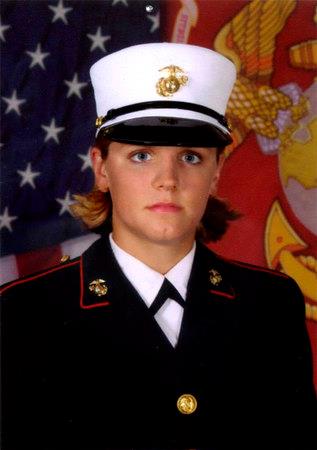
The family of slain Marine Lance Cpl. Maria Lauterbach is hailing recent provisions in the National Defense Authorization Act that profoundly change the way the Department of Defense will handle sexual assault charges.
The Defense STRONG Act has cleared both the House and the Senate and is awaiting President Barack Obama’s signature. Provisions include access to legal counsel for victims and the right to request a base transfer.
Lauterbach’s mother, Mary Lauterbach of Vandalia, said the new law would have made the difference in the case of her daughter, who was denied a base transfer after accusing fellow Marine Cesar Laurean of sexual assault. “Maria would be alive today if the base transfer had been available to her,” she said.
Turner concurred, “In civilian life you have complete control of your movements, and if you’re in an unsafe situation you can remove yourself. In military life, the victim needs permission to take even basic self-preservation actions.”
In the News:
New provisions handed down from the Department of Defense are giving sexual assault victims in the military rights they never had before. It’s all thanks to the fight from Congressman Mike Turner and a local mother Mary Lauterbach. The provisions make certain that a victim has legal counsel throughout the whole process so they understand what their legal rights are and how to protect themselves. The provisions also remove the accused from the situation and not the victim. -WKEF/WRGT (August 15, 2013)
A major hurdle cleared for sexual assault victims in the military. Congress passed a bill that would give victims rights and protection they never had before. The push came after the tragic murder of local marine Maria Lauterbach and her unborn son. Congress approved a bill that would give military sexual assault victims legal counsel and criminalize retaliation against any victim. “If Maria had had this, she would be alive today, it’s very important.” The bill now heads to President Barack Obama for his signature. -WKEF/WRGT (December 20, 2013)
Law protecting military victims of sexual assault discussed. -WDTN-TV (May 1, 2018)
Key changes in military policy
By executive order, communication between victims and victim advocates will now be privileged. Previously conversations between victim and victim advocates can be subpoenaed in court, making victims reluctant to come forward. Pending legislation HR 1540, passed by both the House and Senate, provides for:
Legal assistance for victims of sexual assault. Previously, only defendants in the military have been guaranteed access to a lawyer.
Stricter training guidelines and greater oversight for Sexual Assault Response Coordinators and Sexual Assault Victim Advocates.
Retention of sexual assault records with lifetime access for service members.
The victim’s right to a base transfer or unit transfer. Under the new law, these requests will be expedited, with decisions being made within 72 hours and the bias should be in favor of the victim.
[Former] Rep. Bruce Braley introduces the Holley Lynn James Act — a bill to help victims of sexual assault and domestic violence in the military get justice. The bill is named after Holley Lynn James, a constituent of [former] Rep. Braley who was killed by her husband while both were in the service. -[Former] Rep. Bruce Braley (April 12, 2011)
“The U.S. military could crack down on internal cases of sexual and domestic abuse. That’s if a bill that [former] Congressman Bruce Braley has written becomes law. The bill is named after this former Dubuque [Iowa] woman. In 2008, Holley Lynn James’ husband killed her at their home at a military base in North Carolina. Both James and her husband John Wimunc were in the military. [KCRG spoke with James’ father] Call it a gut feeling or a father’s intuition, during the spring of 2008 Jesse James knew something wasn’t right with his daughter’s marriage. ‘We were constantly calling the unit, calling the unit and they would do something but it didn’t last very long’ (Jesse James) Two months before her death, Army 2nd Lt. Holley James filed a domestic violence complaint with police against her estranged husband Marine Corporal John Wimunc.
[Wimunc] later killed Holley, dismembered her body, then set her apartment on fire. ‘The military has never had a system of investigating and prosecuting these cases’(Jesse James). But [former] Congressman Braley’s new bill aims to change all that. It would create an Inspector General’s office to handle abuse cases. There would be a resource department for victims and would include a neutral third party investigator. ‘This isn’t an indictment on military leaders, it’s just that people who are more qualified with the life experiences to investigate and prosecute these things need to be doing it’ (Jesse James). James says he’ll never know but a department like this may have saved his daughter’s life…John Wimunc pleaded guilty to Holley James murder and a judge sentenced him to life in prison without parole. James had two children from a previous relationship. Jesse James says the children are doing well and living with their father…”
“Last year the Department of Defense reported more than 3000 instances of sexual assault in the military. Now [former] Iowa Congressman Bruce Braley has introduced legislation that aims to bring that number down. ‘When it has to do with woman serving their country in the military, I can’t think of a better reason for people to come together and come up with a solution to an alarming problem’ (Rep. Bruce Braley). In Dubuque today, Braley spoke about the Holley Lynn James Act. It would help victims of sexual and domestic abuse in the military. The bill is named after the Dubuque native and Army 2nd Lt. [Holley Lynn James] who was killed by her husband [John Wimunc] in 2008. The bill would enlist the office of Inspector General to provide independent oversight in reported cases.” –KCRG-TV (April 12, 2011)
Army Sgt. Amanda Sheldon, 24, took her own life while stationed with the 82nd Airborne Division at Fort Bragg in North Carolina. Sgt. Sheldon was found unresponsive at her off-post home in Fayetteville and was pronounced dead at the local hospital on October 7, 2010. Sgt. Sheldon’s mom, Renee Orcatt, went public with Amanda’s story in an effort to raise awareness, change policy, and save lives. Renee told the local media that Amanda was a victim of rape in the military at the hands of a superior officer. Amanda reported the crime to the Army and informed them she had been drugged and raped. As a result, the suspect was criminally convicted and discharged from the Army. Initially, Amanda sought help from military counselors and the family reported that she was getting better, yet still struggled with depression. Amanda wanted to deal with it and move on to serve her country as she had originally intended to do.
Unfortunately, according to Renee, this wasn’t the last time Amanda would have to confront her past while serving in the Army. When Amanda was up for promotion, she was asked why she was going to counseling. She would go on to get her promotion, but this line of questioning was something she never wanted to experience again. After making the realization that her past and seeking help was not confidential, counseling was out of the question in her future if she wanted to preserve her career. Sgt. Sheldon felt judged for seeking treatment for military sexual trauma. Her mom reported that Amanda recognized she needed counseling again and was planning on getting out of the military. When she died, she was serving out her final year of enlistment, had plans to go to college, and wanted to start a new life outside the military, with her new love. But her unit got tasked with a deployment to Afghanistan and she set about making plans to go to Afghanistan with her unit before she was discharged from the Army.
Amanda would learn that in order to accomplish this, she would need to re-enlist for two more years. Amanda didn’t want to stay in for two more years and made the devastating decision to stay back. She felt like no matter what decision she made, she was letting someone down. Renee observed that Amanda never came to grips with this decision and entered into depression. Amanda’s mom begged her to get counseling but to Amanda that was no longer an option. Sgt. Sheldon was attached to the 18th Fires Brigade, 82nd Airborne Division at Fort Bragg. She joined the Army in October 2005 and was assigned to Fort Bragg in February 2010. The family of Sgt. Amanda Sheldon hopes the circumstances surrounding her untimely death will spark military-wide change. In 2010, the Department of Defense was concerned about the increase in active duty suicides and since then the number of suicides in the military has increased.
Editor’s Note: CNN reported the suicide rates among active-duty Marines and the Navy are at a 10-year high on January 28, 2019. Task and Purpose reported Army suicides reached a five-year high on January 31, 2019. Military.com reported Active-Duty military suicides are at Record Highs in 2018.
“Just like any other soldier, whether she died in combat or some other way, she’s still a fallen soldier. She served her country and she served it well.” -Renee Orcatt (Amanda Sheldon’s mom)
Source: Soldier’s Mom speaks out on suicide, WOOD TV8 (October 14, 2010)
The family of Sgt. Amanda Sheldon hopes her death may spark change. The 2004 Belding graduate’s body will return to West Michigan on Thursday night, about one week after Sheldon took her own life while serving at a Fort Bragg, N.C., military base. -WOOD TV8 (October 14, 2010)
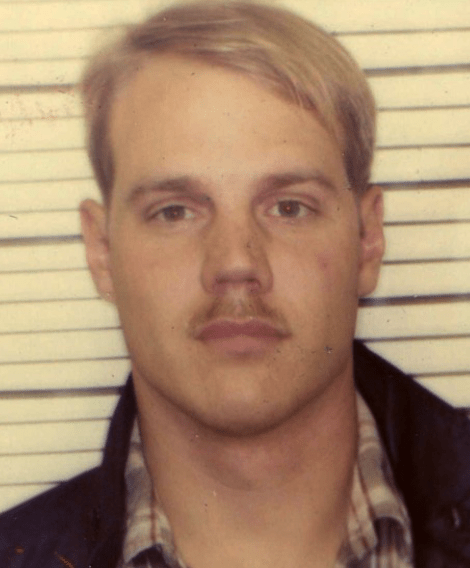
In 1985, a young military officer’s wife and two of her three little girls were viciously murdered in their Fayetteville, North Carolina home. Kathryn Eastburn was also raped. The crime occurred six miles from the location of where Jeffrey MacDonald was accused of killing his wife and two children on the base at Fort Bragg. Army sergeant Timothy Hennis became a suspect from the beginning because a day or so earlier, he bought the Eastburn’s family dog. In a background check, they found that he had 3 convictions for writing bad checks and a witness identified him as the same person leaving the Eastburn home during the time in question. Eventually he was charged and found guilty of the murders of Kathryn, Cara, and Erin Eastburn; he was sentenced to death by the civilian authorities in North Carolina. But he appealed, was granted a new trial and at his second death penalty trial, he was found not guilty.
After his acquittal, he joined the Army again for two more tours, worked his way up to E-8, and retired as a MSG from Fort Lewis, Washington. Twenty years later, DNA evidence from a vaginal swab taken from Kathryn Eastburn linked Hennis to the crimes. Civilian prosecutors could not charge Hennis due to double jeopardy; but the US military did claiming they have federal jurisdiction because Hennis is a retiree. As a result, he was ordered back into service due to his retirement status. Hennis tried to claim consensual sex which contradicted original testimony. In 2010, a military jury found him guilty of three counts of murder and he was sentenced to death again. Hennis sits on death row at Fort Leavenworth with three other service members: Ronald Gray, Hasan Akbar, and Nidal Hasan.
In 1985, a young military wife and two of her three little girls are viciously murdered in their home. In a twisted case filled with unusual suspects, the man who gets convicted goes free. But nothing is what it seems. -Discovery ID
3 People on Death Row Who May Be Innocent | Criminally Listed
A man tried three times for his life but is he a killer? Find out! Death Row Stories.
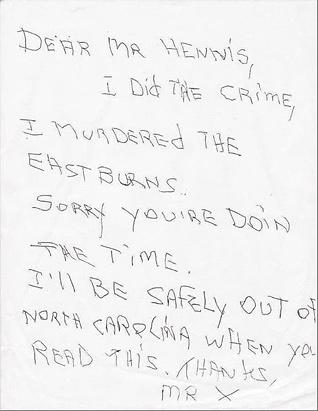
While on death row, Tim Hennis received an anonymous letter confessing to the murders. The note didn’t produce any leads. -Death Row Stories
The star witness in Tim Hennis’ trial had doubts about whether Hennis committed the murders. -Death Row Stories
Timothy Hennis Double Jeopardy | Death Row Stories | CNN
Air Force spouse Kathryn Eastburn was found brutally raped and murdered on May 9, 1985 in her Fayetteville, North Carolina home. Two of her three children, Cara and Erin, were also murdered in the same vicious way. All three were stabbed and their throats were slashed. Kathryn and her three children were home alone while Gary Eastburn was on temporary duty at Maxwell Air Force Base in Alabama. The youngest daughter Jana was found dehydrated but otherwise unharmed. The crime occurred six miles from the location of where Jeffrey MacDonald was accused of killing his wife and two children at Fort Bragg. Army Sergeant Timothy Hennis was a suspect from the beginning because he had visited the Eastburn home a couple days earlier to buy the family dog.
Kathryn placed a dog for sale ad in the local post paper. Investigators sent out a press release looking for the person who bought the dog. In the meantime, a neighbor reported seeing someone leaving the Eastburn residence at the time in question. The neighbor provided details for a composite drawing; the suspect drove a white Chevy Chevette. At the urging of his wife, Hennis contacted the police station and investigators were stunned at how much he looked like the composite drawing. He also drove a white Chevy Chevette. In a background check, they found that Hennis had three convictions for writing bad checks. This was significant because the perpetrator stole Kathryn’s ATM card and used it on one occasion. Another witness identified Hennis as the person who used the ATM at the time in question.
In 1986, the State of North Carolina tried Hennis for the triple murders. Hennis was found guilty and sentenced to death. But he appealed and was found not guilty in the second death penalty trial. After his ‘exoneration’ Hennis was the subject of a book and an ABC made for television movie “Innocent Victims”. Meanwhile, against lawyers advice, Hennis enlisted in the Army again for two more tours, worked his way up to E-8, and retired as a MSG outside of Fort Lewis, Washington. Cold case investigators took a second look at the cold case and because of the advances in DNA technology, they retrieved a vaginal swab from the rape kit test and submitted it to the lab. DNA evidence linked Timothy Hennis to Kathryn Eastburn.The State of North Carolina prosecutors could not charge Hennis a third time because he was found ‘not guilty’ of the triple homicides in the second death penalty trial.
The Double Jeopardy Clause of the Fifth Amendment to the United States Constitution provides: “[N]or shall any person be subject for the same offence to be twice put in jeopardy of life or limb…” [wikipedia]. The civilians couldn’t try him in State court but the Army could because of federal jurisdiction; Hennis was an Army retiree therefore still under their jurisdiction. As a result, Hennis was activated and order to report to Fort Bragg for his third death penalty trial. The defense attempted to justify the DNA match to consensual sex but it contradicted his original testimony. The defense also called into question the ethics of the lab who made the DNA match. A military jury found Timothy Hennis guilty of three counts of murder and sentenced him to death. He awaits his execution date at Fort Leavenworth in Kansas.
Source: Unusual Suspects ‘Mother’s Day Murders’
In 1985, a young military wife and two of her three little girls are viciously murdered in their home. In a twisted case filled with unusual suspects, the man who gets convicted goes free. But nothing is what it seems. -Discovery ID


 NPR: Pentagon Revamps Rules On Reporting Sex Crimes






 MILITARY JUSTICE FOR ALL
