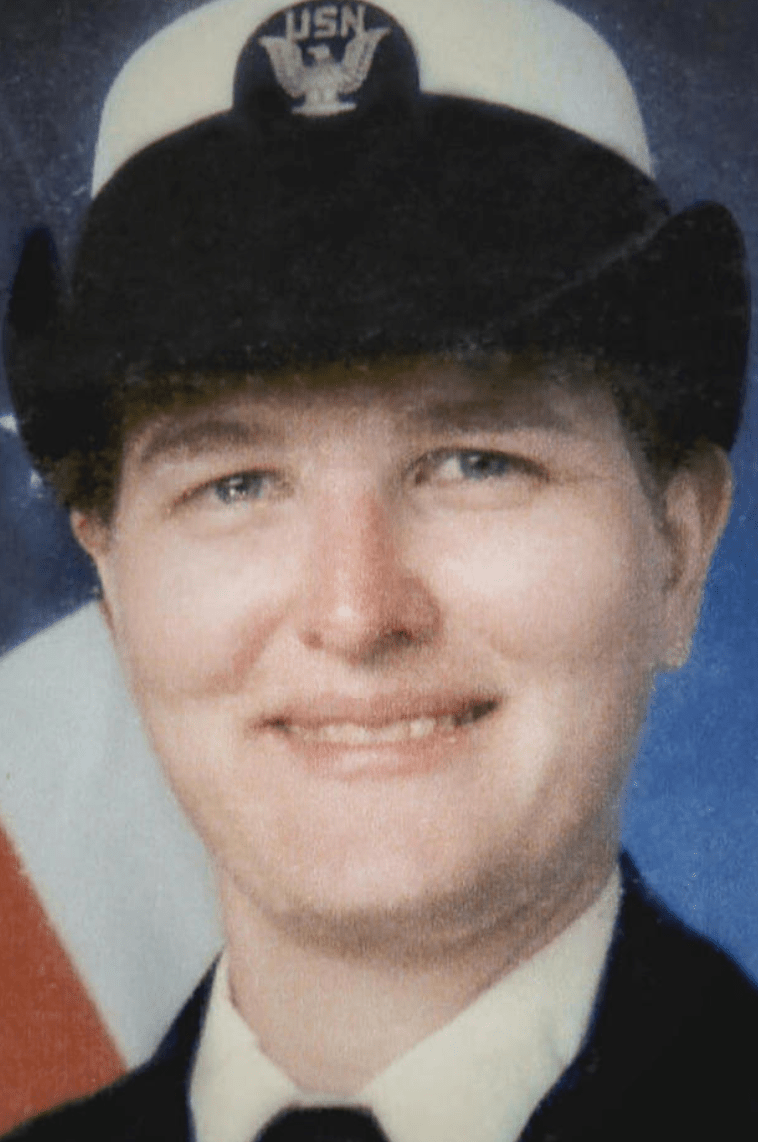
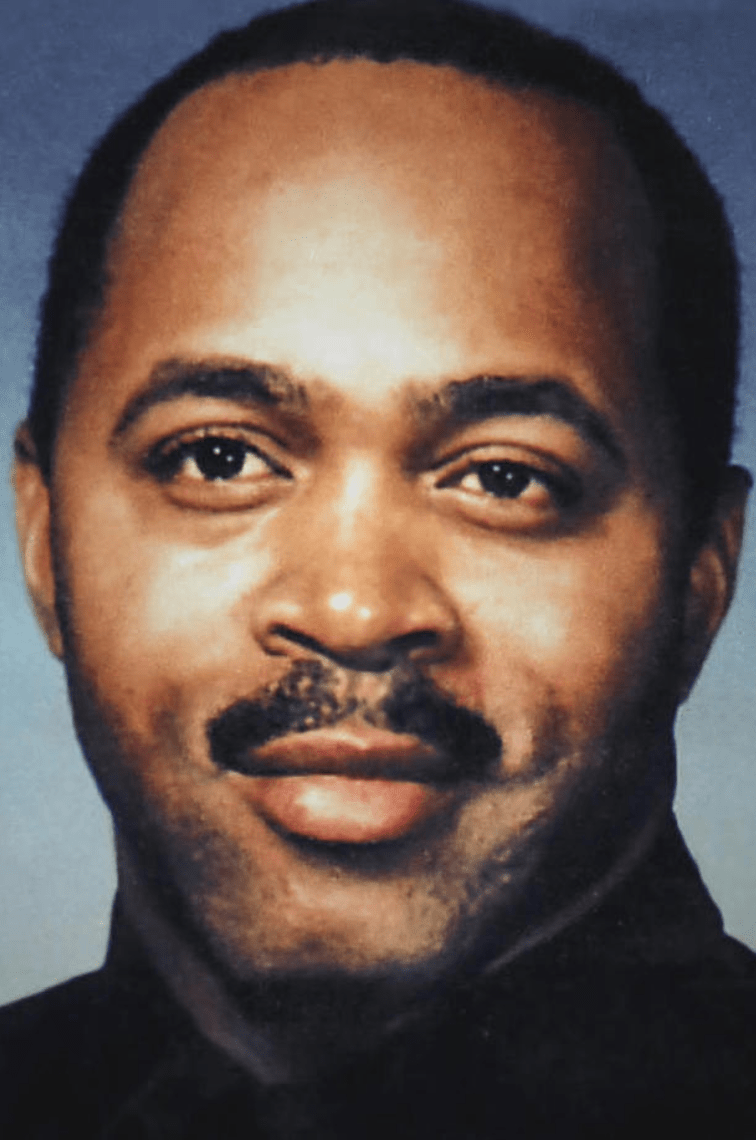
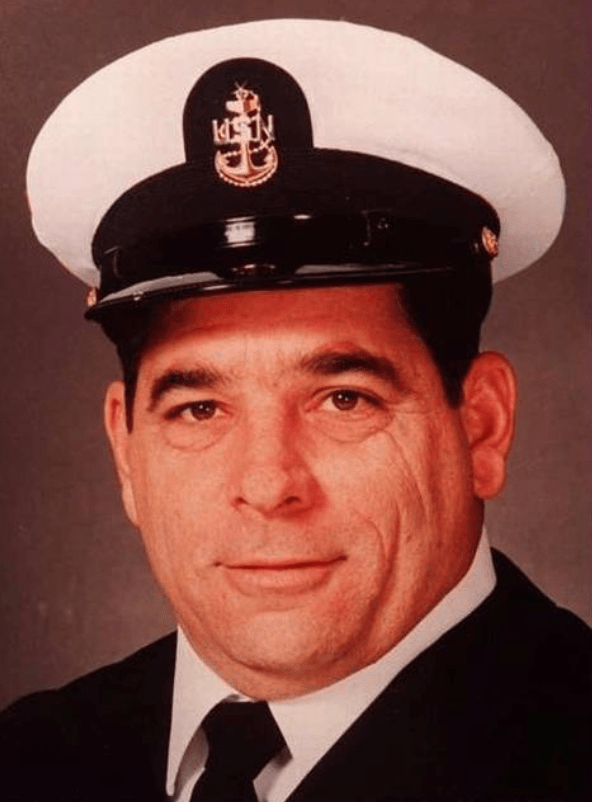
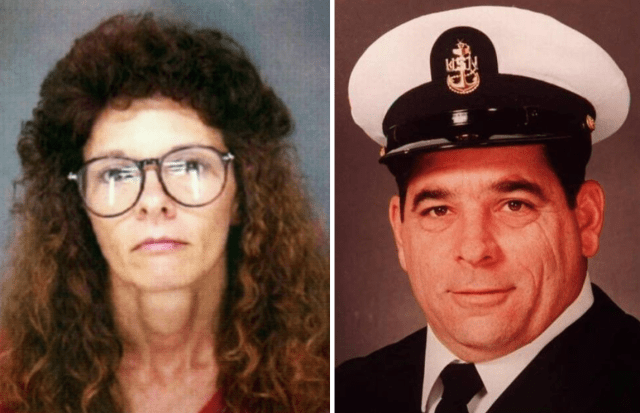
Navy Petty Officer Elise Makdessi worked as an Air Traffic Controller at Naval Air Station Oceana in Virginia. Elise was married to Eddie Makdessi for five years and they lived off base in Virginia Beach. Elise unknowingly helped plan, organize, and carry out her own murder and it is unclear if she was a willing participant in the original plot with Eddie to scam the government out of money or if she was controlled by Eddie. Eddie Makdessi murdered Elise Makdessi and Navy Petty Officer Quincy Brown on May 14, 1996 as part of an elaborate scam. The whole thing was a set up. Elise thought she was part of an arrangement where she would invite Quincy Brown to the house, have sex with him, then accuse him of rape. She also manufactured evidence to make it look like she was documenting sexual abuse in an effort to sue the Navy and make millions. She had journals and created what looked like a rehearsed video outlining what four Navy men, including Quincy Brown, did to her on the job.
Five years earlier in 1991 the Navy Tailhook scandal in Nevada made national headlines. Navy Lieutenant Paula Coughlin was one of the alleged victims who went public with her story. Two years before Elise and Quincy were murdered, Paula Coughlin won 1.7 million after suing the Las Vegas Hilton hotel where the Tailhook Association convention was held. Eddie must have convinced Elise that they too could make millions if they alleged that Elise was sexually assaulted on the job. What they didn’t realize is that you can’t sue the Navy; Coughlin won a lawsuit against the Hilton hotel. The Feres Doctrine prevents any soldier or their family from suing the Department of Defense for compensatory damages. Investigators believe that knowledge of this information gave Eddie and Elise Makdessi the motive to come up with the false accusation scheme to sue the Navy. Eddie was a scammer and always looking for new ways to make quick money. Elise didn’t know she was double crossed until Eddie was plunging the knife. A month before the murders, Eddie purchased $700,000 worth of life insurance on Elise.
Eddie and Elise Makdessi invited Petty Officer Quincy Brown over to the house under the guise of having a threesome. DNA evidence revealed that Elise and Quincy Brown had sex. Investigators would learn that Eddie shot Quincy first, then stabbed Elise. He hurt himself to make it appear that Quincy invaded the house, knocked him out, raped and killed Elise, and then he awoke from unconsciousness and shot the intruder. Eddie staged the crime scene and he almost got away with it. But investigators figured out this was a ‘set up’ based on the crime scene evidence, interviews with Elise’s co-workers, the video tape, and the large insurance policy. They were also savvy enough to recognize that this was a copycat case. Elise’s sexual harassment and sexual assault claims were in fact fabricated. All the men she accused of sex crimes in the video passed a polygraph examination and her supervisors testified that Elise never reported sexual harassment or sexual assault like she claimed in her video testimony. Unfortunately Quincy Brown was the pawn they used in their game and he never got the chance to see that the allegations were proven false.
Eddie was indicted in 2001. But by the time investigators were ready to arrest Eddie Makdessi for the murder of Elise Makdessi and Quincy Brown, Eddie had fled the country. They eventually caught up with him in Russia. Unfortunately, Russia did not have an extradition treaty with the United States so police could not force Eddie to come back to the states. Mike Mather, an investigative reporter, went to Russia to interview Makdessi and learned that he was remarried with a child yet things weren’t going so well for Eddie financially in Russia. After that interview, Eddie decided to leave his wife and child in Russia and go back to America to face the charges. He was going to prove his innocence and clear his name. He was sure he would beat the charges. It would be ten years after he committed the first degree murders of Elise and Quincy Brown before he went to trial. On March 16, 2006, Eddie Makdessi was convicted of two counts of murder, sentenced to life in prison, and ordered to pay a $202,500 fine. The motive was the life insurance money. He used the $700,000 payout to travel the world before settling in Russia. Eddie continues to deny committing the crimes.
Elise Makdessi’s sister, Dawn Crosby, asked the jury to “show Eddie Makdessi that my sister’s life was worth more than $700,000.” –The Virginia-Pilot (March 17, 2006)
Forensic Files:
Full Episode: Virginia Beach police arrive at the Makdessi apartment to find Elise Makdessi and her lover, Quincy Brown, dead. Elise’s husband Eddie had reported that he killed Quincy Brown in self-defense after Brown had murdered Elise. Eddie gave the police a videotape Elise had made a week before, alleging that she had been the victim of sexual harassment. -Double Cross, Forensic Files (S13,E5)
Investigation Discovery:
Paramedics respond to a horrific crime scene – a woman is found tied to a bed with slashes across her body. Next to her on the floor, a man with three gunshot wounds. Detectives spend the next several years unraveling this bizarre mystery. -Last Man Standing, Solved (S2,E10)
When a Naval Officer is apparently raped and stabbed by a coworker, a mysterious VHS tape suggests the victim may have been silenced to prevent a scandal. Dogged investigation and cutting edge forensic science reveals a shocking murder plot. -Deadly Accusations, Unusual Suspects (S7,E4)
Editor’s note: With a cable subscription, you can download the free ID Go app and watch Investigation Discovery programming at your convenience. And for those who do not have cable, you can watch “unlocked” episodes on the ID Go app including the latest premieres. For those who prefer commercial free programming during your binge session, Prime Video has an ID channel: ‘True Crime Files by Investigation Discovery” available for $3.99 a month. It’s a compilation of older seasons but totally worth the cost if you are a true crime addict. Download the ID Go app or purchase ID True Crime Files & binge away.
Honoring Navy Petty Officer Quincy Brown who died on May 14, 1996 in Virginia Beach, Virginia. Petty Officer Brown and Petty Officer Elise Makdessi were murdered by Elise’s husband Eddie Makdessi in the Makdessi home. Quincy Brown was lured to the residence under false pretenses, not aware that he was part of a plot that ended with murder. Eddie shot Quincy Brown and then stabbed Elise Makdessi. He told the police that Quincy Brown broke into his home, knocked him out, raped and murdered Elise, and when he awoke he shot the intruder. Forensic science proved that Eddie’s version of events were not supported by the evidence. Investigators concluded that Eddie was most likely motivated to kill by his wife’s $700,000 life insurance policy he had purchased a month earlier. Eddie Makdessi was indicted in 2001 but wouldn’t go to trial for his crimes until 2006 as he fled the country with his life insurance money. Unfortunately, the United States didn’t have an extradition treaty with Russia. After Eddie Makdessi finally returned to the US, he was charged with two counts of first degree murder, found guilty, and sentenced to life in prison. He continues to deny that he committed the crimes.
Investigation Discovery:
Paramedics respond to a horrific crime scene – a woman is found tied to a bed with slashes across her body. Next to her on the floor, a man with three gunshot wounds. Detectives spend the next several years unraveling this bizarre mystery. -Last Man Standing, Solved (S2,E10)
When a Naval Officer is apparently raped and stabbed by a coworker, a mysterious VHS tape suggests the victim may have been silenced to prevent a scandal. Dogged investigation and cutting edge forensic science reveals a shocking murder plot. -Deadly Accusations, Unusual Suspects (S7,E4)
Housewife Elsie Jennes is found dead in the basement of her burning home. Lt Joe Kenda has no leads until Elsie’s son, William, turns up in a police station over 50 miles away, equipped with a suitcase, a pet yellow labrador, and a bizarre story to tell. -The Spy Who Killed Me, Homicide Hunter (S2, E4)
Elspeth ‘Elsie’ Troost Jennes was murdered by her husband Army veteran William Jennes II on July 17, 1995 in Colorado Springs, Colorado. According to William’s confession, he was sick and tired of Elsie nagging him about the finances and getting a job so he retrieved his gun and shot her in the face and back. Jennes admitted to pouring gasoline all over the house and setting it on fire in an attempt to destroy the evidence. He quickly left with their son and dropped him off in Canyon City, Colorado where he went to the police because he didn’t know what was going on. Jennes then drove west along Highway 50 where he threw his gun into the Arkansas River. The police knew it would be virtually impossible to recover the gun because of the strength of the current in that particular river. But Jennes’ confession gave the police the evidence they needed to charge him with murder. Apparently, Jennes became overwhelmed with the financial situation in his life and after 14 years of marriage decided to murder his wife Elsie instead of making things right. William Jennes II pleaded guilty to second degree murder in an attempt to protect his son from having to testify in court and was sentenced to 48 years in prison.
Editor’s note: With a cable subscription, you can download the free ID Go app and watch Investigation Discovery programming at your convenience. And for those who do not have cable, you can watch “unlocked” episodes on the ID Go app including the latest premieres. For those who prefer commercial free programming during your binge session, Prime Video has an ID channel: ‘True Crime Files by Investigation Discovery” available for $3.99 a month. It’s a compilation of older seasons but totally worth the cost if you are a true crime addict. Download the ID Go app or purchase ID True Crime Files & binge away.
Deadly Women on Investigation Discovery featured yet another military spouse who murdered because they were motivated by greed, selfishness, and sociopathic tendencies. While Navy sailor David Russo was at work at the Lemoore Naval Air Station in California, his wife was getting high on meth with her secret lover. Susan didn’t like that David controlled the purse strings because he might find out that she was blowing their cash on drugs. Then one day a military advisor stopped by the house to advise them of their financial affairs and Susan learned that her husband David was worth more dead then he was alive. He had a grand total of 1 million dollars worth of Servicemen’s Group Life Insurance and other insurance policies on himself. Susan saw her way out of domestic boredom and hatched up a plan with two of her drug addicted buddies, Jason Andrews and Bobby Morris. She offered them $100 to kill her husband and promised them more later after she got her hands on the life insurance payout.
On July 14, 1994, the trio striked. While David lay sleeping in his bed, the two men entered the Fresno, California marital home with Susan’s assistance, walked into David’s bedroom, and shot him one time in the back of the head. They then drove the body to a remote location so they could torch David and the car in an effort to destroy evidence. This plan would never come to fruition because they ran out of gas and then didn’t have enough gas to torch the car. When military personnel stopped by David’s home to see why he hadn’t showed up to work, Susan told them she didn’t know where he was and asked if she would still get his paycheck that week. Eventually David’s car and body was discovered by a local farmer. Of course investigators looked to the spouse first to determine what may have happened to David. Susan told investigators during the interview that they would find no evidence of wrong doing which of course intrigued them to probe further.
Susan Russo was a self proclaimed clean freak and cleaner by trade and was confident she had covered her tracks. But she did not account for the microscopic blood spatter on the headboard of the bed or the spent bullet casing located in the bedroom. Police charged Susan Russo and her two friends with the murder of her husband David Russo. Jason Andrews and Bobby Morris were both convicted of first degree murder and sentenced to 25 years to life. In 1996, Susan Russo was convicted of first degree murder and sentenced to life without the possibility of parole. Investigators described Susan as an evil, psychopathic person who manipulated her two drug addicted friends with the promises of money for more drugs. She didn’t care about David whatsoever, she only saw David as a way to cash in.
Preview: Susan Russo was a Navy wife who ran a tight ship. But she had a secret life, and devised a way to profit off her husband’s substantial military life insurance. -Cash In, Deadly Women (S10, E6)
ID Go: The stakes are high and the chips are down when these Deadly Women decide to “Cash In.” -Cash In, Deadly Women (S10, E6)
Editor’s note: With a cable subscription, you can download the free ID Go app and watch Investigation Discovery programming at your convenience. And for those who do not have cable, you can watch “unlocked” episodes on the ID Go app including the latest premieres. For those who prefer commercial free programming during your binge session, Prime Video has an ID channel: ‘True Crime Files by Investigation Discovery” available for $3.99 a month. It’s a compilation of older seasons but totally worth the cost if you are a true crime addict. Download the ID Go app or purchase ID True Crime Files & binge away.
Philip Inhofer was an Air Force retiree hired as a civil servant at McClellan Air Force Base in Sacramento, California after retirement from the military. He was recently divorced from his second wife and enjoying retirement as a single man. Philip moved back to North Natomas in Sacramento to be closer to his family. He adored his grandkids and enjoyed being a grandfather. On March 7, 1991, Philip’s boss at McClellan AFB called Philip’s son Henry because he hadn’t shown up to work which was not like him and they were worried. Henry went to Philip’s home and found that his car was gone and his lights were off. He went inside the house, saw blood, and thought maybe he was hurt. Henry was frantic and as a result, he checked the entire house; he eventually found his dad in a closet. Philip was face down and naked with a plastic bag over his head. Henry called his wife who came right over and initially they thought maybe Philip killed himself; they called the police together. Henry took his father’s death hard. He admitted to feeling bummed and having no passion about anything after this tragedy. Henry was in the process of rebuilding his relationship with his dad because when he was young, he was a rebellious teen and Philip was gone a lot while he was in the military.
Henry shared that Philip had been to Korea, Vietnam, and Thailand in his military travels. Henry was using this chance as an opportunity to get to know his father and was looking forward to many more years with him. In retirement, Philip Inhofer loved square dancing and enjoyed his social life but he was getting bored so he bought a two-door 1975 Mercedes convertible. Henry found a list of escort services in his dad’s home and was shocked. He didn’t know anything about his father’s lifestyle. Henry assumed since Philip was recently divorced, he was looking for love in all the wrong places. Henry was embarrassed that his father was purchasing escorts. Apparently Philip did not like being alone so one night he called an escort service and asked for two women. One of those women was an escort by the name of Jade. Jade did not look like a prostitute and was very pretty although she was a prostitute at a Nevada brothel. After meeting Jade that first time, Philip was struck by her and asked for her by name after that because he only had eyes for Jade. In addition to paying Jade for her services, Philip helped her financially; he gave her money to pay her debts, bought her designer clothes, took her shopping, and paid all her expenses. He began spending more and more time with Jade and spending more and more money.
Meanwhile, Henry noticed that Philip would stop by briefly to visit with them but would not sit down and would not stay. He appeared fidgety. Philip was not depressed but looking back in retrospect, he was in love. Philip got rid of his dog for Jade after she complained about it. Then out of the blue he talked about selling his beloved car. We would later learn that Jade wanted his car and he needed another one to replace it. Investigators determined that Jade wanting Philip’s Mercedes became a problem in the relationship because Philip wanted to keep his beloved car. Jade also wanted to continue to shop endlessly but Philip had to put his foot down because he didn’t have the money. Despite Jade’s persistence about the car, Philip could not part with it. Regardless, Philip and Jade started making serious plans together. Philip wanted Jade to move in with him and on March 6, 1991, Jade left the Mustang Ranch in Nevada to move in with her new man in California. Jade and a friend drove through a snow storm to get to California and Philip was very happy to see her. One day later, Philip Inhofer was found dead in his home. First responders at the scene knew right away that Philip Inhofer’s death was no suicide.
A homicide detective was called to the scene to investigate what appeared to be a brutal murder. Detectives discovered a large blood stain on the carpet and found Philip lying on his stomach with a plastic bag on his head. They observed that Philip had suffered from numerous stab wounds and his throat had been slashed. Whoever killed Philip did so in a rage. Philip’s skull was fractured and his teeth were smashed in which was evidence tremendous amounts of blunt force were used. Philip’s shower curtain was shredded and there was blood everywhere including in the tub, on the walls, and on the shower curtains. Detectives found two pieces of paper in the home with Jade’s name on it, one of them was located on the bed stand. They learned Jade was an escort but Philip never told his family that piece of information. Using Philip’s phone records, detectives were able to track down persons of interest in an effort to find Jade. Detectives learned from a friend that Jade was going to Sacramento, California to pick up a Mercedes. The friend who gave Jade a ride to Sacramento informed police that Jade asked her to stop at a store so she could pick up some rat poisoning. She claimed she was going to use it to kill someone but her friend thought she was just kidding.
Investigators also learned that Jade or Michelle Cummisky was accused of electrocuting a previous husband; she threw a radio in his tub. But there was not enough evidence to charge her. Some of her friends said she worshipped Satan and Black Magic, and had tried to kill every man she was ever involved with. A previous husband thought she used rat poison on him because he got very ill when he was with her. Police were concerned that a beautiful, lethal woman was on the run so they called in the Federal Bureau of Investigation to assist. And the media was contacted; they called Michelle Cummisky ‘Batgirl’ in reports. In Biloxi, Mississippi, a police officer pulled over two girls in a Ryder rental truck with a freshly painted Mercedes in the back. The police ran the vehicle identification number and it came back as a hit to the murder victim, Philip Inhofer. Sacramento detectives went to Mississippi. Michelle’s friend Crystal Woodruff was clueless about Michelle’s crimes so she was released but Michelle on the other hand admitted to the crime. She told investigators that she hurt the man she loved because she was high on a lot of LSD and didn’t know what she was doing. Michelle loved her LSD. She claimed she went to get in the shower with Philip but instead saw monsters and beasts. She described Philip as a dark force that she needed to get rid of.
As Michelle committed the murder, she was reminded that Satan would protect her. She started stabbing Philip through the shower curtain as he was taking a shower. He was completely vulnerable, defenseless, and taken off guard. He attempted to fight off the attack as evidenced by the numerous defense wounds on his body but would succumb to the multiple stab wounds. An autopsy revealed that Philip had been stabbed thirty-two times. After he collapsed, Michelle hit him in the head with a bat a few times to make sure he was dead then dragged his body to a closet. Michelle ate dinner and went to bed. She described to investigators that Satan guided her through everything. The next day, Michelle left North Natomas with the bloody rugs and stole Philip’s Mercedes. Michelle Cummisky was charged with murder. At her trial a couple years later, she used the fact that she had a horrible upbringing and difficult childhood as her defense. The prosecutors reminded the jury that the murder was a cold calculated crime and Michelle would go to any lengths to get what she wanted. On April 14, 1994, Michelle Cummisky was sentenced to twenty-five years to life in prison. In April 2011, Michelle Cummisky was denied her first chance at parole. Michelle Cummisky is a greedy, sociopath and her selfish actions altered the destiny of several people forever.
A lonely ex-military man meets up with a much younger beautiful woman, and together they fall in love. Or so they think. Until a deadly combination of greed, worry, and secrets leaves one dead and the other on the run… wanted for murder. -Shades of Jade, A Stranger in My Home (S3, E8)
Editor’s note: With a cable subscription, you can download the free ID Go app and watch Investigation Discovery programming at your convenience. And for those who do not have cable, you can watch “unlocked” episodes on the ID Go app including the latest premieres. For those who prefer commercial free programming during your binge session, Prime Video has an ID channel: ‘True Crime Files by Investigation Discovery” available for $3.99 a month. It’s a compilation of older seasons but totally worth the cost if you are a true crime addict. Download the ID Go app or purchase ID True Crime Files & binge away.
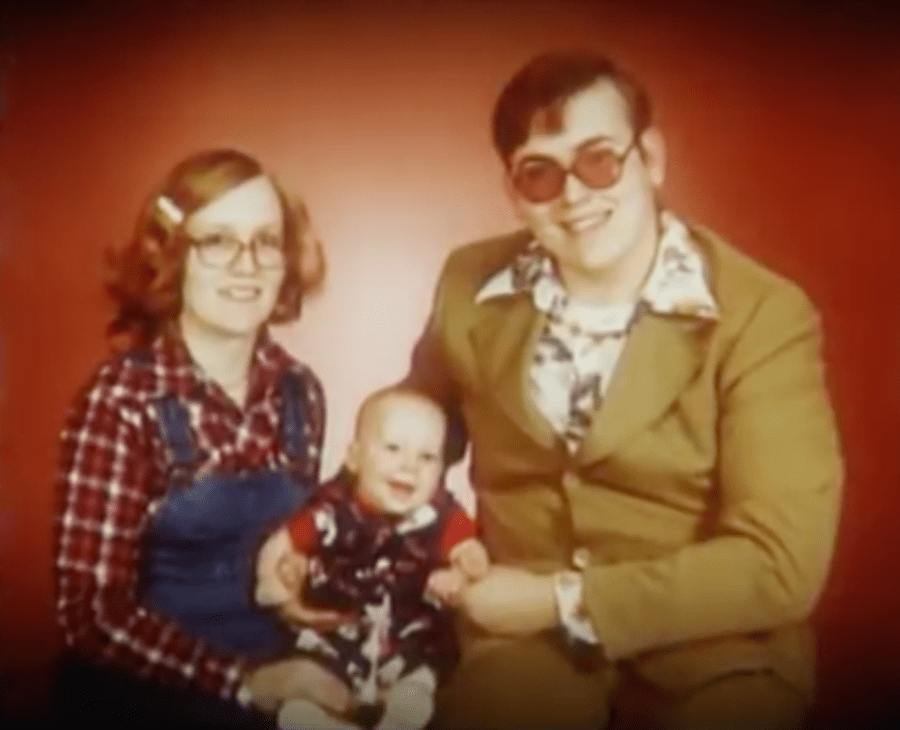
Julie Snodgrass and MSgt Joseph Snodgrass, U.S. Air Force (Photo: Forensic Files)
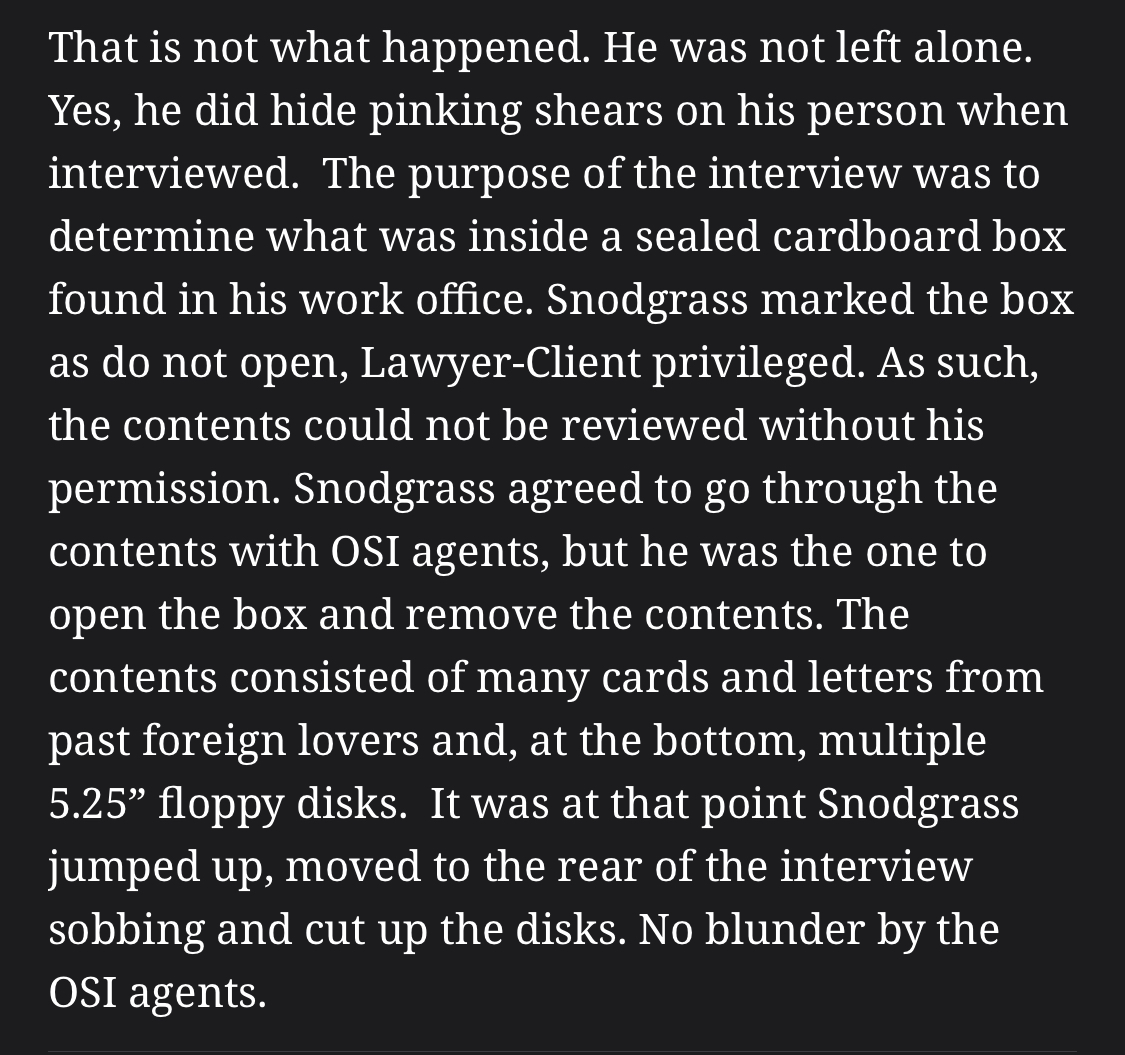
Military spouse Julie Snodgrass, 33, was found stabbed to death near Clark Air Force Base in the Philippines on February 26, 1991. Julie was discovered in the cab of her pickup truck on an isolated road off base and an autopsy revealed that she was stabbed more than 42 times. The Air Force Office of Special Investigations (AFOSI) had jurisdiction of the case. During the investigation, they found evidence on Air Force Sgt. Joseph Snodgrass’ work computer that linked him to the crime. AFOSI found a letter addressed to his mistress asking for help with the murder of his wife. He also talked about the life insurance policy he had purchased in the event his wife died. The letter disclosed that Snodgrass elicited the help of his housekeeper (and lover), a Philippine native, to hire three hitmen to carry out the crime. The pair could then be together and live off the $400,000 life insurance pay out. During an interview with AFOSI, Sgt. Snodgrass grabbed the floppy disks and cut them to pieces with some shears.
Computer forensic scientists were able to find a way to put the disks back together so the data was readable again. This was the evidence the Air Force needed to make their murder-for-hire case. In the meantime in June 1991, Mount Pinatubo erupted resulting in layers of volcanic ash falling on Clark Air Force Base and Naval Base Subic Bay. Amidst the chaos, Snodgrass attempted a jail break in August 1991 while awaiting trial but lost his bearings in the ashy mess and eventually surrendered. The eruption’s aftermath triggered the decision to withdraw all American Forces from the Philippines. Joseph Snodgrass pleaded guilty to the solicitation of his wife’s murder and was sentenced to life with no parole in a military prison. As a result of the forensic history made by piecing the floppy disk back together making it usable again, the military changed the policies pertaining to the destruction of classified data on floppy disks. The AFOSI’s “catastrophic blunder” was made right and secure communications destruction policy was changed as a result of the lessons learned when forensic scientists made history.
When the wife of a serviceman was brutally murdered in the Philippines, the Air Force Office of Special Investigators swung into action. Clues led to the victim’s husband, but he insisted he was innocent. Investigators would have to do something unprecedented: Reassemble a 5 1/4 inch computer disk which had been cut to pieces with pinking shears. -Shear Luck, Forensic Files (S10,E9)
Editor’s Note: Full episodes of Forensic Files are available on a variety of media platforms. Medical Detectives Channel features full episodes of Forensic Files on YouTube. You can also find full episodes of Forensic Files on both Netflix and Amazon Prime Video. On Netflix, the seasons are grouped as collection 1-9. On Amazon Prime Video, you can find Season 1-10 here; Season 11; Season 12; Season 13; Season 14; Season 15; Season 16; Season 17; Season 18; Season 19; Season 20; and Season 21. Start bingeing and see for yourself why Forensic Files is such a hit!
Update (April 11, 2021:
Today, we were informed that Forensic Files got the narrative wrong and Air Force OSI did not commit a “catastrophic blunder.” MJFA reminded said person that if they weren’t hiding all the crime and death from the public, we’d know more about the case details. We simply are repeating what the crew at Forensic Files said. First this person reminded us, the floppy disk was destroyed in their presence because according to Forensic Files, they were “momentarily distracted.” Then they failed to address the fact an accused killer had a pair of scissors on his person, both a danger to OSI and other Air Force personnel. And finally, Joe Snodgrass worked with AFOSI and knew prior to his interview he was going to be questioned about the floppy disks, so he came prepared to destroy them.
Lt. Joe Kenda, a homicide detective with the Colorado Springs Police Department, was angry when he found out about this murder. Whoever did it gunned down a housewife and mother and he vowed to catch them. On September 12, 1990, a Lupus support meeting was held in a recreational area in Colorado Springs, Colorado. One of the participants was Dianne Hood, who just 18 months earlier after her third child was born, was diagnosed with Lupus. But Dianne was a fighter and was in remission. After the meeting let up, she walked outside with a fellow Lupus support group member, Karen Johnson, and was robbed and shot twice. Karen went flying back into the building and informed the others that Dianne had been shot. Another support group member Sarah was a registered nurse so she ran outside to help. Sarah found Dianne laying in a pool of blood and observed her gasping for breath as she began compressions. EMTs arrived on the scene and took over for Sarah. Dianne had two bullet wounds, one in the shoulder and the other in her chest area. She was pronounced dead at the hospital. This crime sent a shockwave through the community.
After Lt. Kenda arrived on the scene, he found blood on the ground and a couple shocked witnesses. It was assumed initially that this was a robbery gone bad. Kenda interviewed Karen Johnson first because she was the best witness he had. Karen reported that she and Dianne were walking to their cars when they heard footsteps from behind. The person was wearing dark clothes and a ski mask. Dianne gave up her purse to the robber and began to run. The shooter first fired at her shoulder and that put her down and then this person fired a fatal shot at her chest. Everything did in fact look like a robbery gone bad. Unfortunately, Karen didn’t know much about the shooter aside from they were shorter they she was. Kenda and fellow police officers began canvassing the area to see if they could find any additional evidence. Criminals usually have a planned exit so Kenda used a K9 unit to comb the area looking for the scent of the shooter. About about a mile, the dog locked onto a scent. The dog led officers to a garbage can and then sat down. This is dog’s alert system. Inside the garbage can the police found an olive drab field jacket, a pair of gloves, a black ski mask, and some camouflage pants.
The items in the garbage can matched the witnesses description of the shooter at the scene. They also found brown hair in the ski mask and evidence of gun residue on the gloves upon testing at the forensic’s lab. The K-9 dog eventually lost the scent of the shooter because this person most likely got in a car and drove away. The only promising lead just hit a dead end. Kenda didn’t have a suspect, he had a masked maniac so he decided to look into Dianne Elaine Hood’s life; he wanted to know everything about her to find out who in her life wanted her dead. With no other substantial leads, police started canvassing the neighborhood, knocking on every door, to see if anyone saw anything. They encountered a woman who indicated David Burns could have had something to do with it. Kenda learned the locals gave Burns the nickname Homicidal Dave. Kenda wanted to know who this guy was because he wore camouflage similar to that of the shooter. Kenda learned Burns was a veteran of the first Gulf War, spoke loudly and obnoxiously to others, and the community felt he was dangerous. Upon further investigation, David Burns was cleared because he alibi checked out on the night of the murder. With no suspect or person of interest to investigate further, Kenda needed to expand the investigation.
Expanding the investigation meant combing through all the evidence to find new clues. After reading through Karen Johnson’s testimony again, Kenda deduced that someone wanted to make this look like a robbery. Kenda believed Dianne Hood was targeted and that this was an assassination. During the autopsy, two bullets were recovered from Dianne Hood’s body so they were sent to ballistics. Kenda received a call the next day informing him he was looking for very rare and valuable gun, a Colt Peacemaker patent 1872 single action Army revolver, a cowboy gun. This was a huge limiting factor because this rare gun was worth thousands, maybe this person was a gun collector. During a homicide investigation, the police look at everything. Dianne’s life didn’t raise any red flags; she was a devoted mother of three and housewife. Kenda turned to Dianne’s husband Brian Hood and after bringing him to the station, Brian’s life appeared to be just as idyllic as Dianne’s was. Brian Hood was extremely well liked by his neighbors and co-workers. He used to play football and Dianne was a cheerleader; that’s how they met. Brian’s physical stature eliminated him as the shooter.
During the interview, Brian admitted that he was addicted to working out and went to the gym almost every day to keep up his physique. So Kenda went to the gym, spoke with a couple employees, and learned that Brian spends a lot of time with a girl named Jennifer, who worked at a flower shop. Joe went to the flower shop and learned her full name was Jennifer Reali. She was married to Benjamin Reali who was a Captain in the Army and an intelligence officer. The shop owner shared that he liked Ben because they both collected antique guns. This was a solid lead for Kenda. Does Ben own the same antique gun used in the shooting? Did Ben shoot Dianne Hood because of the relationship Brian had with Jennifer at the gym? Did Jennifer shoot Dianne? Ben worked at Fort Carson as a criminal investigator for the US Army so he knew as a soldier, he is an expert in killing and as an investigator, he knew how to get away with it. The clothing recovered in the garbage can was military clothing. Was this his clothing? Ben’s stature did match that described by the shooter. Kenda surprised Ben at work and he immediately went on the defensive. Ben admitted to owning several antique guns and one of them was a Colt 45 Peacemaker (patent 1872).
Kenda wanted the antique gun so it could be analyzed. Ben appeared to be confused and concerned but he handed over the gun. The police couldn’t recover any fingerprints on it. Kenda then invited Ben to go to the police station so they could interview him. The police put Ben on their turf so he wouldn’t be in his normal comfortable setting. Ben was seated and Kenda laid out the clothing they found in the garbage can. Without even looking, Ben said he didn’t recognize the clothing. Kenda said, Ben you need to look at these clothes and examine them. Kenda then threatened to call his military Commander and ruin his career overnight or at a maximum arrest him for murder. Ben admitted the clothing were his and the ballistics office confirmed his gun matched the one they were looking for. Ben claimed he last saw the clothing in his closet at his house but he hadn’t been living there for about 3 weeks; he was staying on post. Ben then told Kenda his wife asked him to hold the gun that morning and a couple weeks ago, she wanted to shoot it so he took her to the gun range to practice. Ben went from a person of interest to a witness. Kenda remembered the witness telling him the shooter put the purse over their shoulder like a woman would do.
Ben Reali was eliminated as a suspect because Kenda knew they were looking for a woman. Forty-eight hours after Dianne was murdered, Kenda was on the hunt for twenty-eight year old Jennifer Reali. He needed to find out more about his prime suspect. He learned she was a college graduate and a mother of two daughters. From outward appearances, she didn’t fit the modus operandi of a killer. Kenda brought Jennifer to the station in the hopes that she would break after he pressed her. While at the station Kenda realized Ben was not a co-conspirator but was struggling with the fact that his wife might be a murderer. The clothing was Ben Reali’s and the bullet casings matched the same gun owned by Ben Reali; as a result Jennifer was arrested for first degree murder and Ben had a hard time with it. After the arrest, Kenda turned all his attention to Jennifer Reali. She denied any knowledge of anything so Kenda presented the evidence to her and backed her into a corner. He could tell she was used to being in control and didn’t like being cornered. Jennifer tried to say the gun must have been stolen but that was ludicrous, as if someone would return the gun after stealing it. Jennifer finally broke and admitted that she did it; Kenda got his confession.
Jennifer Reali admitted to killing Dianne Wood and that she did try to make it look like a robbery. She also shared that someone else was involved in the plot to kill Dianne; she claimed it wasn’t her idea. Jennifer disclosed that she killed Dianne for Brian Hood. She admitted to having an affair with him for the past eight months. She met him at the gym and they became close; this is how the personal and romantic relationship started. Their innocent flirtation eventually turned into a full-blown affair, she says they were in love. She brought Brian to her house when Ben was out of town. Jennifer was very specific about all the details with her affair with Brian. Brian told Jennifer that killing Dianne would help end her suffering with Lupus, a disease he said was going to kill her. He also had an insurance policy on her for $100,000 and if she was murdered, it would double the pay out to $200,000. For a period of months, Brian brainstormed various ways to kill his wife as if he was her mercenary. In the end, Brian decided a staged robbery in a parking lot would do.
Brian told Jennifer they already committed the sin of adultery and the sin of murder was no worse. He claimed that Jennifer was his whole life and he used passages from the Bible to let her know it was okay to kill Dianne as long as she repented. Brian also believed the police were stupid and would assume this was an armed robbery. This was his final plan to convince her they would get away with it. Brian pressured Jennifer for three months to kill his wife and then on September 12th, she went through with it. Jennifer was held in the El Paso County jail for first degree murder but the architect of the plot was still at large. The police hunted down and arrested Brian for conspiracy to commit first degree murder, solicitation to commit first degree murder, and first degree murder. In the meantime, one of Brian’s friends came forward with damning information after reading about his arrest in the paper. He told the witness that he wanted his wife dead. Police learned Brian’s friends were afraid of him because they wondered if he was capable of killing them too. Brian Hood pressured his friends until he found one that would do his bidding; he used his wife’s disease as an excuse to justify murder.
Brian maintained his innoncene throughout the investigation and trial. But the family doctor testified at trial that he told Dianne and Brian that she had the mildest form of Lupus and it could be easily managed; she was not going to die. Brian told his friends he wanted Dianne dead because she was going to die anyways; he knew that wasn’t true. A year after Dianne Hood was shot and killed on December 23, 1991, Brian Hood was found guilty of two counts of criminal solicitation, one count of conspiracy to murder his wife, however on the charge of first degree murder, he was found not guilty. Instead of life in prison, he was sentenced to 37 years. The police felt like he got away with murder. Jennifer Reali plead insanity claiming she had been brainwashed by Brian Hood. The jury didn’t buy it and she was found guilty of first degree murder and conspiracy to commit first degree murder. Jennifer Reali was sentenced to life in prison with the possibility of parole at the Colorado State Penitentiary. The police got justice for Dianne when she couldn’t do it for herself but this murder was devastating to the Hood and Reali families. They couldn’t help but ask: Why would Brian do this? Why not get a divorce? Why kill her? Kenda explained that this was human nature at its worse.
What does a murderer look like? As it turns out they look like the cute mom next door. -Lt Joe Kenda, Retired Homicide Detective
The Colorado Springs woman, who’s been called the “fatal attraction killer,” Jennifer Reali, has a new address. -KRDO Colorado (August 5, 2014)
Gazette city editor Cary Vogrin talks with Eric Singer on Between the Lines about Jennifer Reali’s release to a halfway house from prison after years of serving time for a “fatal attraction” killing. -Colorado Springs Gazette (August 5, 2014)
A rare interview from three years ago sheds new light about the “fatal attraction killer.” -KRDO Colorado (August 6, 2014)
The Department of Corrections says Jennifer Reali has been transferred to a halfway house, despite having her parole denied three years ago. -KRDO Colorado (August 6, 2014)
Audio from the recent parole hearing for Jennifer Reali. The Colorado Springs woman explains why she killed Dianne Hood and why she’s sorry. -Colorado Springs Gazette (November 7, 2014)
Audio from Jennifer Reali’s recent parole board hearing telling officials why she can do more good being free to help others not follow the same path she did. She was convicted of killing her boyfriend’s wife. -Colorado Springs Gazette (November 7, 2014)
No parole for convicted killer, Jennifer Reali (2015) -KRDO Colorado (October 14, 2015)
Reali shot and killed her lover’s wife in 1990. -CBS Denver (April 6, 2018)</p
Investigation Discovery:
Preview: She was broken down by every man who crossed her path, so when Jennifer’s lover told her that his wife had to die – Jennifer made sure she did. -Under His Control, Deadly Women (S4, E10)
Jennifer Reali was having a wild affair with Brian Hood, he made her shoot his wife to death in a parking lot. She did, and now she is serving life in prison. Former FBI profiler Candice DeLong talks face to face with Jennifer to find out the truth -Love Before Life, Facing Evil (S1, E3)
ID Go: Mother of three Dianne Hood is shot to death by a masked gunman on her way home from a Lupus support meeting. Police initially assume it’s a robbery, but Lt. Joe Kenda uncovers a sordid web of lust and greed, revealing a killer no one ever expected. -I Now Pronounce You Dead, Homicide Hunter (S2, E1)
Editor’s note: With a cable subscription, you can download the free ID Go app and watch Investigation Discovery programming at your convenience. And for those who do not have cable, you can watch “unlocked” episodes on the ID Go app including the latest premieres. For those who prefer commercial free programming during your binge session, Prime Video has an ID channel: ‘True Crime Files by Investigation Discovery” available for $3.99 a month. It’s a compilation of older seasons but totally worth the cost if you are a true crime addict. Download the ID Go app or purchase ID True Crime Files & binge away.
In 1986, 26-year-old Ellen Boehm of St. Louis, Missouri was tired of the constraints of family life. She was married to a much older Vietnam veteran and after five years of marriage, they had two children with a third baby on the way. It became quickly apparent, Ellen may not have been ready for the role of mom as she wasn’t your typical stay-at-home mom. Ellen loved professional wrestling and she spent a lot of time watching the matches. Ellen admitted her marriage was in trouble when she confided in friends. When she was eight months pregnant with the third child, her husband Paul told her when he was in Vietnam, he was exposed to Agent Orange and the only way he could be cured is if he went to Texas for treatment. But it was all a lie because Paul was not sick, he left her for another woman he met on-line. As a result, Ellen was broke. She had been abandoned by her husband but it didn’t stop her from indulging in her favorite pastime. But her favorite professional wrestling hobby started interfering with her life. By the time Ellen Boehm was 28-years-old, she was bankrupt. Her children were more of a burden than a joy.
Ellen’s two-year-old son David was fussy and she couldn’t deal with it. On Thanksgiving Day, November 24, 1988, she settled the two older children in bed and she let David stay up. As he was lying on the floor, she took a cushion off the couch and smothered him. When she thinks he was dead, she called for help and said she found little David unconscious. Emergency personnel rushed him to the hospital where David was put on life support. But the doctor said there was nothing they could do; he was brain dead. The doctor asked for permission to take David off life-support and Ellen eventually turned to the doctor and said “Pull it”. She never shed a tear. As a result, Ellen received a life insurance pay-out of $5000. Ironically, only eight months after David’s death, Ellen went shopping for life insurance policies for children. According to investigators, there was a total of $94,000 in life insurance taken out on her children. On September 13, 1989, Ellen’s 8-year-old daughter was taking a bath and Ellen dropped a hairdryer in the tub. She didn’t die so Ellen brought her to the hospital. Ellen’s daughter survived with no permanent injuries and everyone just accepted that it was an unfortunate accident.
Twelve days later, Ellen tried again. Her son Stevie was sleeping on the living room floor when Ellen decided to put a pillow over his face and smother him; he died. Steven’s passing created a sense of unease with Ellen’s friends because they couldn’t understand her reaction. It was as if it was just another day. For long time friend Deanne Bond, a third tragedy was just too much and she called the police. She suspected foul play and police conducted a thorough investigation. Realizing the police were closing in on two murders and one attempted murder, Ellen confessed to everything. She broke down and admitted she did it; she explained how she did it but never explained why. But it didn’t take a rocket scientist to observe that Ellen could not have the life she wanted with children so she chose murder. In 1993, Ellen Boehm pleaded guilty to one count of first degree murder and one count of second degree murder. She received two life sentences with no possibility of parole. Her friend Deanne suspected after she received the first $5,000 life insurance pay-out for her youngest son David, it set the whole thing in motion. Ellen killed her children for money, it was all about the pay-day.
In the 1980s, when Ellen Boehm couldn’t pay her debt, she turned to the quickest payout she knew: life insurance. She murdered her two sons and attempted to kill her daughter. In 1992, Ellen was sentenced to two life terms in prison and is currently incarcerated in Vandalia.
A mother’s role is to love & protect her children, but for some, that doesn’t ring true. When a Missouri mom uses her children for money, it’s clear they lack motherly love. -Deadly Women, Investigation Discovery (S7, E6)
Editor’s note: With a cable subscription, you can download the free ID Go app and watch Investigation Discovery programming at your convenience. And for those who do not have cable, you can watch “unlocked” episodes on the ID Go app including the latest premieres. For those who prefer commercial free programming during your binge session, Prime Video has an ID channel: ‘True Crime Files by Investigation Discovery” available for $3.99 a month. It’s a compilation of older seasons but totally worth the cost if you are a true crime addict. Download the ID Go app or purchase ID True Crime Files & binge away.
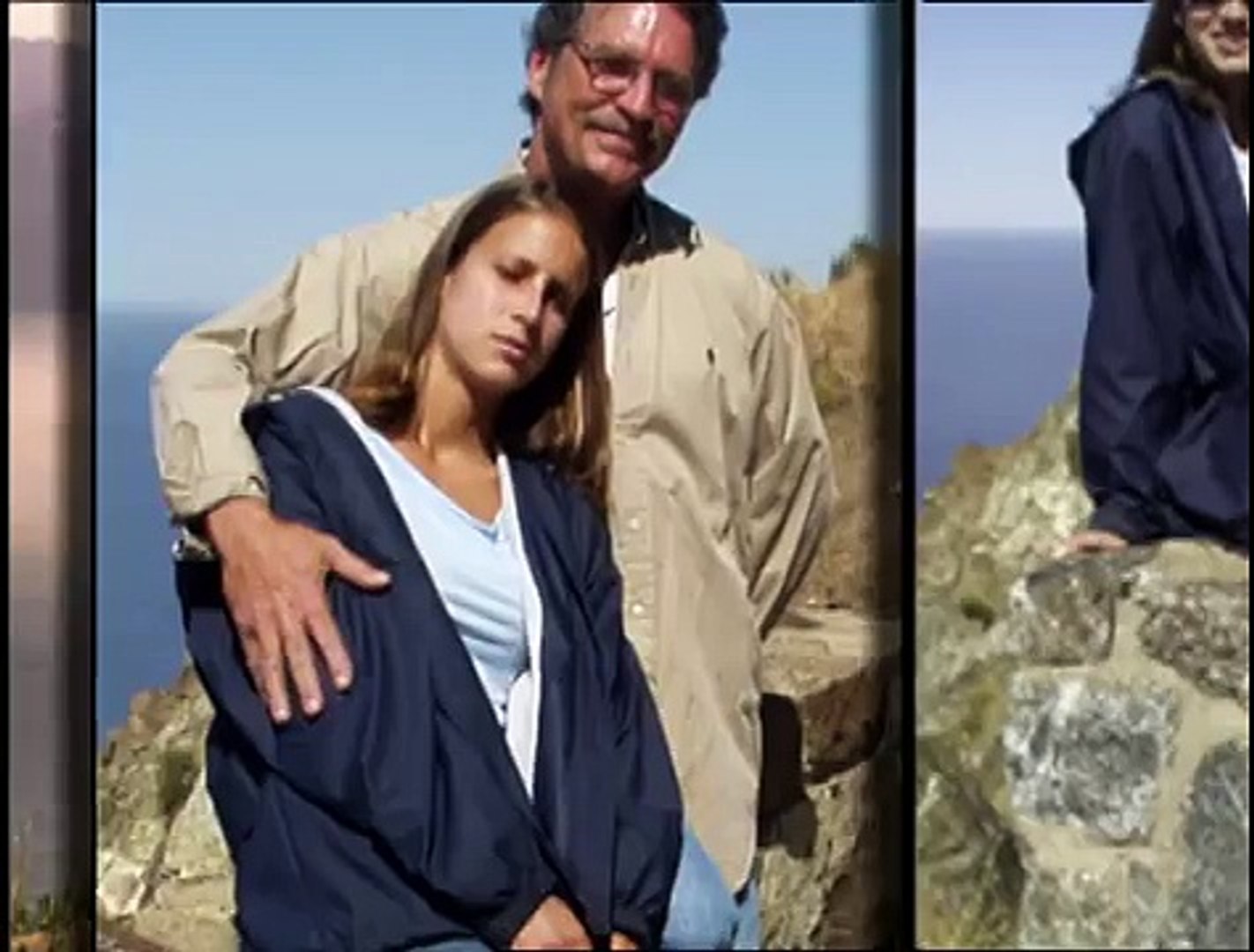
Virginia Reardon, 55, and Billie Joe McGinnis, 52, pushed Navy spouse and roommate Deanna Hubbard Wild, 20, off a 400 foot cliff at Big Sur in California on April 2, 1987. Deanna was living with her husband’s parents while he was at sea with the U.S. Navy. The motive was life insurance and Virginia had a string of insurance claims she cashed in on including Deanna’s death. The couple lured Deanna to the location under the guise of sight seeing, drugged her at lunch, and then it appears Billi Joe pushed her off the cliff. In the meantime, Virginia Reardon is taking pictures the entire time; investigators theorized she wanted a trophy of the homicide. After Deanna’s mother, Bobbie Roberts, found out her daughter was dead, she questioned the accidental ruling. She hired her own private investigator and attorney and they learned that Virginia Reardon had purchased a $35,000 life insurance policy the day before Deanna’s death. Reardon and McGinnis were arrested in 1989 for the murder of Deanna Wild. In 1991, Billi Joe McGinnis was charged with first degree murder but died from complications from pneumonia before his trial started. Virginia was charged and convicted on March 2, 1992 of first degree murder for financial gain. She was sentenced to life in prison, no parole. Virginia Reardon died while serving out her sentence on June 25, 2011.
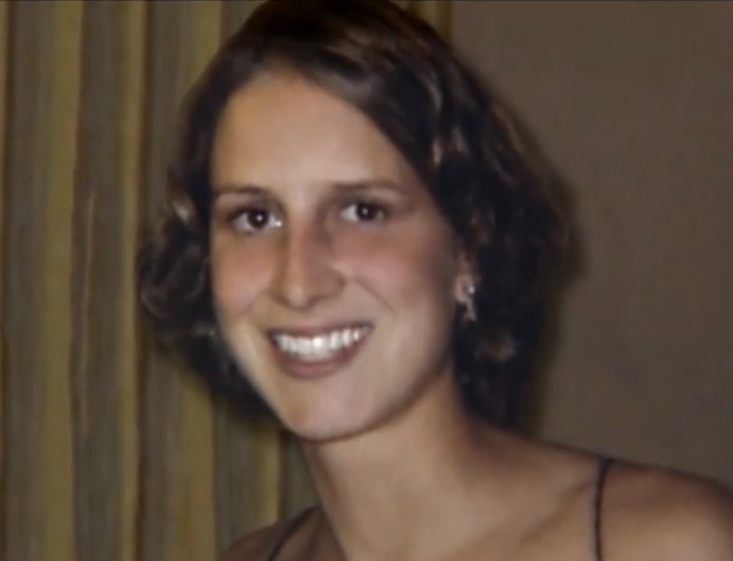
One of the infamous photos taken before the murder. Investigators believe in this photo Deanna Wild was feeling the effects of the drugs she was given to make her vulnerable.
Forensic Files:
A beautiful, vibrant young woman fell to her death from a cliff overlooking the Pacific Ocean. Initially, investigators thought it was just a terrible accident. But after a closer forensic examination of photographs taken at the scene, police had a very different story of what had happened. -The Financial Downfall, Forensic Files (S9,E12)
Investigation Discovery:
ID Go: Cross these deadly vixens at your own risk. An English beauty spars with her boyfriend, a middle-aged woman sacrifices lives for money, and a couple of game players lure an innocent man into a deadly trap: these women will certainly fight to the death. -Vicious Vixens, Deadly Women (S7, E5)
Editor’s note: With a cable subscription, you can download the free ID Go app and watch Investigation Discovery programming at your convenience. And for those who do not have cable, you can watch “unlocked” episodes on the ID Go app including the latest premieres. For those who prefer commercial free programming during your binge session, Prime Video has an ID channel: ‘True Crime Files by Investigation Discovery” available for $3.99 a month. It’s a compilation of older seasons but totally worth the cost if you are a true crime addict. Download the ID Go app or purchase ID True Crime Files & binge away.
Elizabeth Ratliff was found deceased at the bottom of the stairs in her home in Germany on November 25, 1985 in an apparent accident. Elizabeth was a military widow who was raising two daughters on her own after her husband, an Army soldier, died in a training accident. Elizabeth was a teacher at an Air Force base in Germany where she met Marine veteran Michael Peterson‘s wife, also a teacher. They all quickly formed a friendship and Elizabeth and her two daughters spent a lot of time with the Petersons. It is believed that Peterson was the last person to see Elizabeth alive and after Elizabeth died, Michael Peterson and his wife adopted her two daughters. Initially Elizabeth’s death was deemed an accidental death but when Michael Peterson’s new wife Kathleen Hunt Peterson was found dead at the bottom of her stairs in their home in Durham, North Carolina, investigators gave Elizabeth’s death a second look. The district attorney ordered the exhumation of Elizabeth Ratliff in Texas in an effort to re-examine her body to determine cause of death. The medical examiner conducted an investigation in North Carolina and ruled that the cause of death was a homicidal assault despite the initial finding of cerebral hemorrhage due to an accident. Michael Peterson was never charged with the homicide of Elizabeth Ratliff. As a side note, the two deceased women not only died in a similar fashion but they looked eerily alike.
With the knowledge of the criminal evidence against him, Aphrodite Jones speaks with convicted murderer, Michael Peterson, about the murder of his wife and his bisexual affair. -True Crime with Aphrodite Jones
Investigators are stunned to discover that sixteen years ago, Michael Peterson’s good friend Liz Ratliff also died at the bottom of a staircase, lying in a pool of blood. The trial begins and experts battle over the interpretation of blood spatter. -An American Murder Mystery: The Staircase





 MILITARY JUSTICE FOR ALL