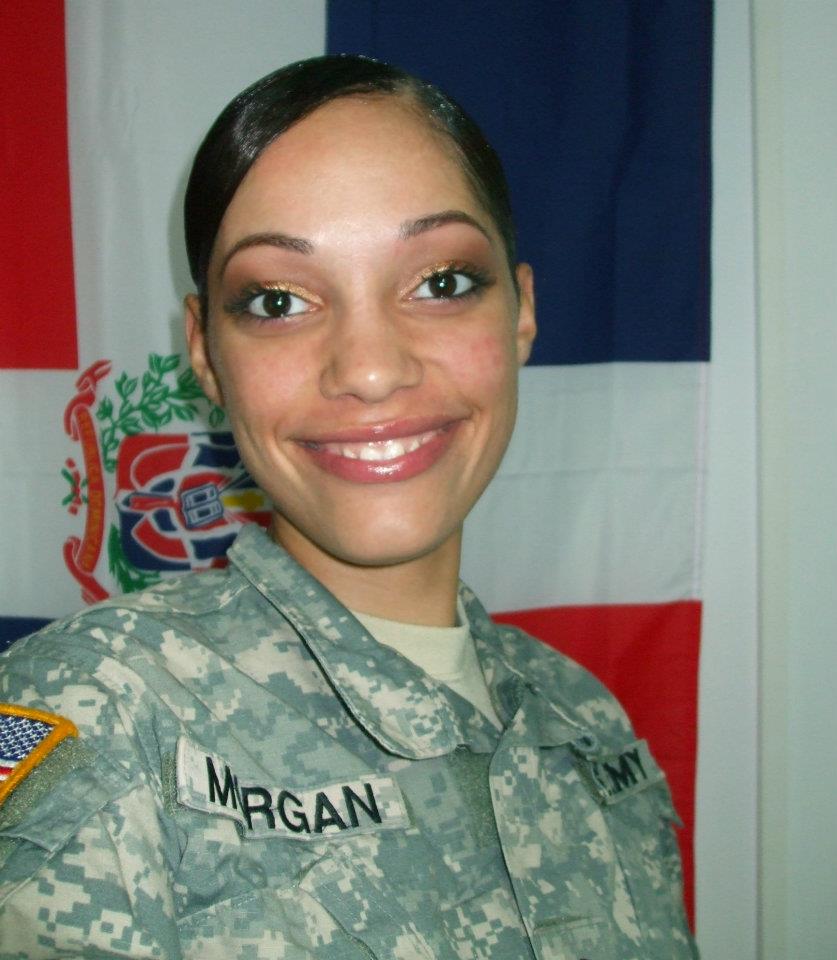
Army Spc. Keisha M. Morgan, 25, died of a non-combat related cause in Baghdad, Iraq on February 22, 2008. Spc. Morgan was supporting Operation Iraqi Freedom on behalf of the Division Special Troops Battalion, 4th Infantry Division at Fort Hood in Texas. Army investigators ruled her death a suicide by overdose of her military-dispensed prescription anti-depressants. The family suspects Keisha may have been raped and murdered.
“But Keisha had confided in her mother about a night when she was certain a fellow soldier had slipped something in her drink at a local bar. When she awoke the following morning–failing to remember how she left the bar and returned to barracks–the soldier was in her room. This same man was on base at the time of Keisha’s death, says her mother, recalling her daughter’s concern about this. A week later, a roommate found Keisha lying on the floor and couldn’t tell if she was sleeping. Keisha erupted in seizures and the roommate ran for help. Medics could not stabilize her and she passed away.” ~WomensENews (December 17, 2010)
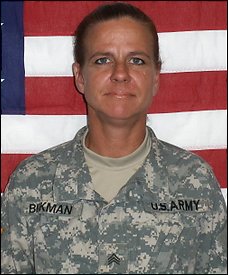
Army Sgt. Tracy Birkman, 41, died from non combat related injuries in Owesat, Iraq on January 25, 2008. Sgt. Birkman was supporting Operation Iraqi Freedom on behalf of the 626th Brigade Support Battalion, 3rd Brigade Combat Team, 101st Airborne Division (Air Assault) at Fort Campbell in Kentucky. At the time of the Department of Defense press release, the incident was under investigation which is typical of non combat death. But the official cause of death is unknown.
Birkman’s father, Jerald Griffith, a Vietnam War veteran, said he was angry with military officials for releasing information about his daughter’s death and with the news media for its portrayal of soldiers such as himself. “I didn’t want it released. I am so [furious] about all this I can just scream,” said Griffith, also of New Castle. “I hate the media with just an unmitigated passion. You . . . lied about me when I was in Vietnam.” He said his daughter was on her third deployment.” She’s over there in a war we shouldn’t even be involved in, on her third tour,” Griffith said. –The Washington Post (January 29, 2008)
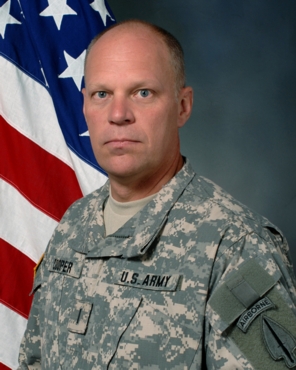
Army Sgt. 1st Class David Cooper Jr, 36, died of a non combat related injury in Baghdad, Iraq on September 5, 2007. Sgt. 1st Class Cooper was supporting Operation Iraqi Freedom on behalf of the 2nd Battalion, 23rd Infantry Regiment, 4th Brigade, 2nd Infantry Division in Fort Lewis, Washington. At the time of the Department of Defense press release, the incident was under investigation. The official cause of death is unknown.
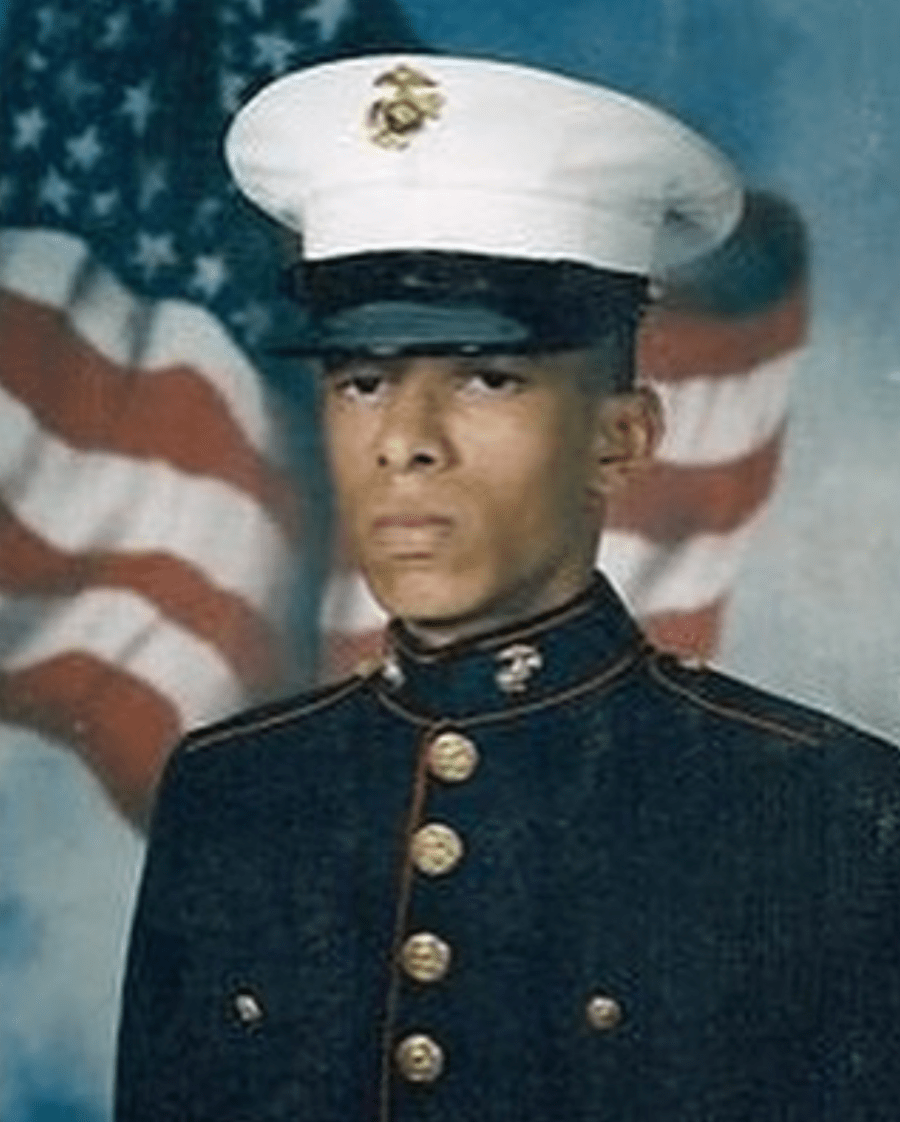
Marine Cpl. Reynold Armand, 21, died of unspecified causes on August 7, 2007 in Balad, Iraq. Cpl. Armand was supporting Operation Iraqi Freedom on behalf of the 2nd Assault Amphibian Battalion, 2nd Marine Division, II Marine Expeditionary Force at Camp Lejeune, North Carolina. At the time of the Department of Defense press release, the death was under investigation. The outcome of the investigation and official cause of death is unknown.
“Reynold Armand loved football, playing video games and spending time with family and friends. He was proud of his Haitian and Puerto Rican heritage and loved the New York Yankees…He was a 2004 high school graduate and was assigned to Camp Lejeune… Armand so wanted to join the Marines that he persuaded his aunt and adoptive mother Miriam Velez to allow him to enlist before he turned 18. He wanted to follow in the footsteps of the late Victor Velez, Miriam Velez’s husband and Armand’s uncle and adoptive father, a former Marine. ‘He looked up to him, he left to make him proud,’ said Velez.” –In Remembrance of Cpl. Reynold Armand
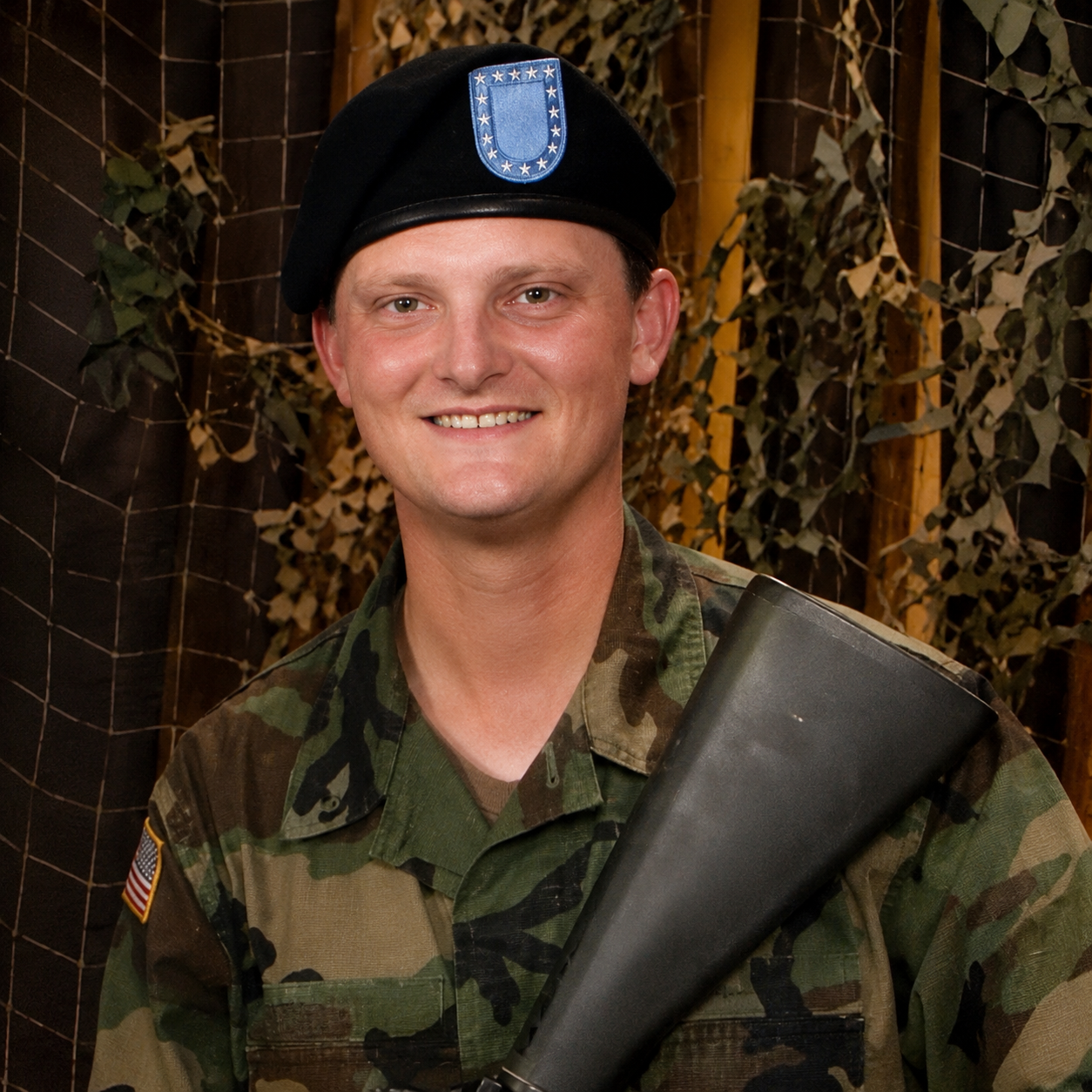
Pfc. Tina Priest of Smithville died in Iraq on March 1, 2006 and her family is worried that the Army botched its care for her after a rape claim that was followed by her apparent suicide.
Investigations did not find sufficient evidence to continue the rape inquiry, but the family, skeptical of what it sees as holes in the Army’s information, is waiting for a final review by the U.S. Army Criminal Investigation Command.
Family members also say Army officials told them that the investigation was concluded in September, but their requests for the final report are being denied. A recent article in the Hartford Courant newspaper citing that final report has heightened the Priests’ anger.
“I need some closure,” said Joy Priest, Tina Priest’s mother. “I want to know. Why can a newspaper get a copy of that report and we can’t?”
An investigation conducted in Iraq by Fort Hood’s 4th Infantry Division, in which Priest served, was conducted after her death, and its findings — which the family was given — are an accurate portrayal of events, said Lt. Col. Steve Stover, a spokesman for the division. He said the Criminal Investigation Command report will be the last one issued, “and we do still owe that to the family.”
Navy Seaman Sandra Grant, 23, died of a natural causes (cardiac arrest) while aboard a ship in the Arabian Sea on December 31, 2006. Seaman Grant was a Damage Control Fireman supporting Operation Iraqi Freedom (OIF) and was assigned to the aircraft carrier USS Dwight D. Eisenhower. Naval officials reported the death was under investigation but preliminary findings pointed to natural causes. Sandra was a sailor, a family member, a friend, a wife, and the mother of a baby boy. She was also one of three sailors announced in the Department of Defense press release that died of ‘natural causes’ or an ‘accident’ in a hostile fire zone in support of OIF. Lt. Cmdr. Jane Lanham, 43, died from natural causes on September 19, 2006 in Bahrain. Petty Officer 3rd Class Roger Napper, 20, died of trauma from a single motor vehicle accident on October 7, 2006 in Bahrain.
[Sandra’s] father said the news came as a total shock because she was always healthy and didn’t have any prior medical condition. –The-Dispatch.com
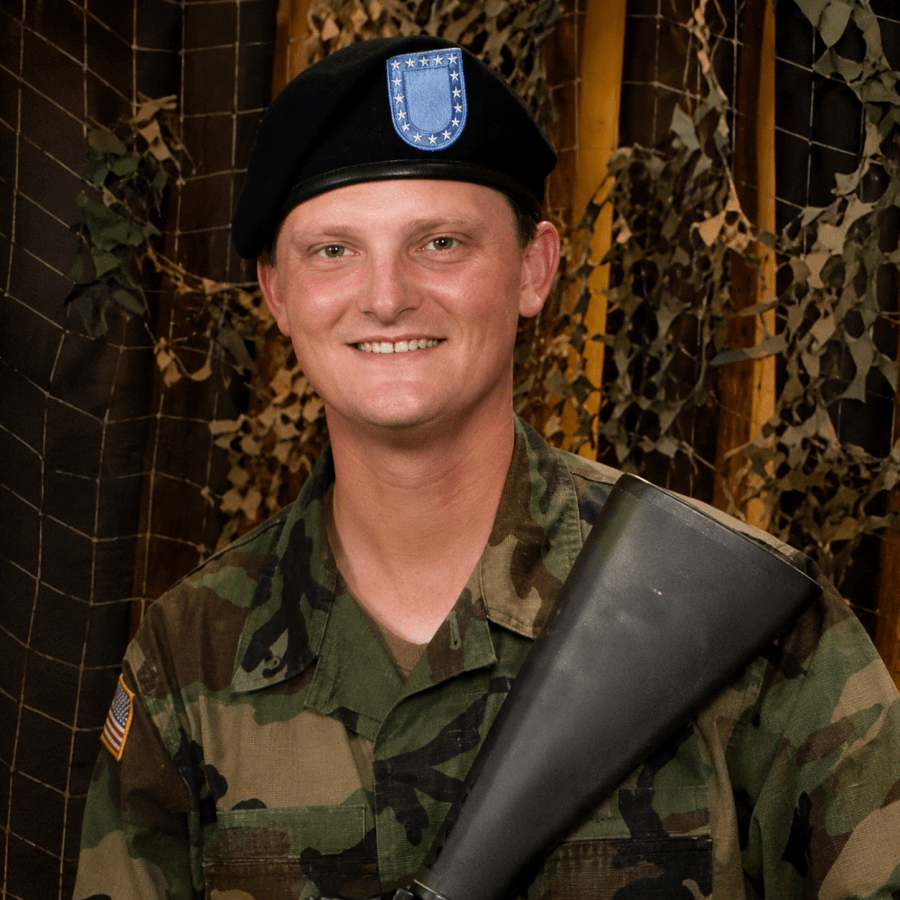
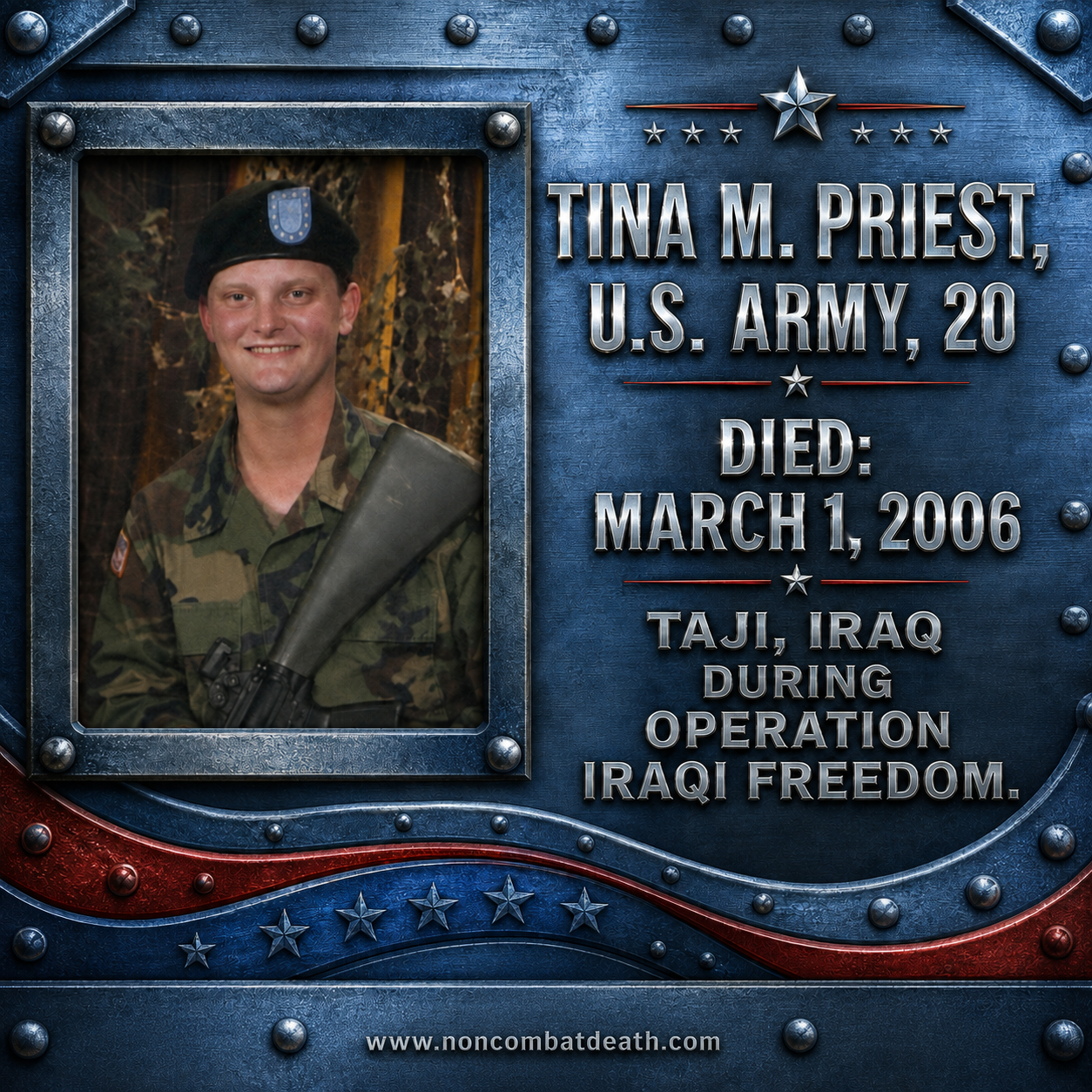
Army Pfc. Tina Priest, 20, died from a non-combat related injury in Taji, Iraq on March 1st, 2006. She was supporting Operation Iraqi Freedom on behalf of the 4th Support Battalion, 1st Brigade Combat Team, 4th Infantry Divison at Fort Hood, Texas. The Army ruled the death an apparent suicide but Tina’s parents dispute that finding based on the evidence and believe that she was raped and murdered; Tina reported a rape two weeks prior to her death.
This case is no longer under investigation by the Army but considered an unsolved cold case because of the concerns the family has with the death investigation and cause of death ruling by the Army. Forty-one (41) female service members died of non combat related injuries while serving in Iraq; and twenty-three (23) were labeled homicide, suicide, or the cause of death is unknown.
Please see the MJFA Investigative Dossier for Tina Priest at the end of the article.
The Silent Truth Documentary:
Ninety-four US military women in the military have died in Iraq or during Operation Iraqi Freedom (OIF). ‘The Silent Truth’ tells the story of one of these women, PFC LaVena Lynn Johnson, who was found dead on Balad Air Force Base in Iraq. The army claimed she shot herself with her own M16 rifle, but forensic evidence, obtained by the Johnson family through the Freedom of Information Act, brings the army’s findings into question. The Army refuses to re-open LaVena Johnson’s case, leaving the family in limbo. ‘The Silent Truth’ follows the Johnson’s pursuit of justice and truth for their daughter. -The Silent Truth Documentary (July 1, 2014)
Update: The Silent Truth is no longer available on YouTube but can be accessed at Fandango at Home.
The Silent Truth Documentary aka The LaVena Johnson Murder Cover-Up (Truthout, November 18, 2010):
“What happened to LaVena Lynn Johnson and so many others speaks to a Pentagon culture which more closely resembles a rogue government–than a legitimate branch serving under civilian control. It is highly telling that this family, along with the Tillman family each had to have a documentary film made JUST TO ALERT THE PUBLIC TO THE TRUTH OF PENTAGON COVER-UPS. I urge everyone to view this important documentary – before the local military recruiter mandated under No Child Left Behind –‘friends’ their child at school. God forbid, they could wind up coming home in a body bag – like LaVena.”
PFC Tina M. Priest, U.S. Army • Operation Iraqi Freedom
Executive Summary
On March 1, 2006, 20-year-old Army PFC Tina M. Priest was found dead in her quarters at Camp Taji, Iraq, from a gunshot wound involving her assigned M16 rifle. She served with the 4th Support Battalion, 1st Brigade Combat Team, 4th Infantry Division, based at Fort Hood, Texas.
Approximately two weeks earlier, Priest had reported that she had been sexually assaulted by another soldier. Following an investigation, the Army concluded there was insufficient evidence to prosecute the allegation. After her death, the Army ruled the manner of death was suicide.
Her mother, Joy Priest, has consistently challenged both the sexual assault investigation and the suicide determination, arguing that important evidence and investigative questions were not adequately addressed. Tina’s case later became part of broader reporting on disputed non-combat deaths of women serving during the Iraq War and contributed to public debate about military sexual assault investigations and institutional accountability.
Personal Information
Name: Tina Marie Priest Age: 20 Branch: United States Army Units
4th Support Battalion
1st Brigade Combat Team
4th Infantry Division
Home Station: Fort Hood, Texas Deployment: Camp Taji, Iraq Date of Death: March 1, 2006 Official Classification: Non-combat death
Chronological Timeline
Late 2005
Priest deploys to Iraq with the 4th Infantry Division.
February 15, 2006
According to Army records discussed in subsequent reporting:
Priest reports that she was sexually assaulted by another soldier.
She undergoes a forensic medical examination.
DNA evidence reportedly confirms sexual contact occurred.
The central investigative question becomes whether the encounter was consensual.
Mid-February 2006
Army Criminal Investigation Division (CID):
interviews witnesses,
investigates the assault allegation,
gathers forensic evidence.
Behavioral health providers evaluate Priest.
Army records later cited in media reports indicate she did not meet criteria for immediate suicide intervention despite emotional distress related to the reported assault.
February 27–28
According to Army records discussed publicly:
Priest reportedly returns to duty.
The sexual assault investigation remains open.
March 1, 2006
Priest is discovered dead in her room at Camp Taji.
The death scene includes:
assigned M16 rifle
single gunshot wound
Initial casualty reports classify the death as a non-combat injury pending investigation.
Spring 2006
CID completes the death investigation.
Official conclusion: Suicide
The sexual assault case is closed without criminal charges.
2007–2009
Joy Priest publicly challenges:
the suicide ruling,
the sexual assault investigation,
Army transparency.
National media revisit the case as part of broader reporting on disputed military deaths involving women serving in Iraq.
Official Army Findings
According to the Army investigation:
Cause of Death: Gunshot wound
Manner of Death: Suicide
Sexual Assault Investigation
Army investigators concluded:
sexual intercourse occurred;
however, they determined there was insufficient evidence to establish beyond the applicable legal standard that the encounter was non-consensual.
No rape charges were filed.
Behavioral Health
Army records referenced in reporting indicate:
Priest experienced emotional distress after reporting the alleged assault.
Evaluators did not classify her as presenting an immediate suicide risk shortly before her death.
Family Concerns
Joy Priest has consistently disputed the Army’s conclusions.
Among the concerns she has publicly raised:
1. Timing
The death occurred roughly two weeks after the reported sexual assault.
The family questioned whether sufficient protection and support had been provided.
2. Suicide Determination
The family has stated they did not believe Tina intended to end her life.
They cited:
future plans,
conversations with family,
and what they viewed as inconsistencies with suicide.
3. Firearm Questions
Joy Priest questioned whether the mechanics of firing an M16 were consistent with Tina’s physical stature and the circumstances documented at the scene.
The Army maintained that its reconstruction supported a self-inflicted gunshot.
4. Investigation Transparency
The family has described delays obtaining:
investigative files,
autopsy information,
photographs,
and other records.
These concerns became part of later media reporting.
5. Sexual Assault Investigation
Joy Priest questioned why no charges resulted despite forensic evidence confirming sexual contact, arguing investigators did not adequately resolve whether the encounter was consensual.
Evidence Known Publicly
Public reporting identifies:
✓ Sexual assault report
✓ Medical forensic examination
✓ DNA evidence confirming sexual contact
✓ CID investigation
✓ Behavioral health evaluations
✓ Death scene investigation
The complete investigative file has not been fully released publicly.
Unanswered Questions
Among the questions raised publicly by family members and journalists:
Was every potential witness interviewed?
Were all forensic findings independently reviewed?
Were suicide-risk assessments sufficient following the reported assault?
Could additional victim advocacy or protective measures have altered the outcome?
Should the assault investigation have remained open longer?
These questions remain subjects of public debate; the Army has not changed its official conclusions.
Broader Context
Tina Priest’s death became part of a wider conversation concerning:
military sexual assault,
behavioral health,
non-combat deaths,
investigative transparency,
institutional accountability.
Her case has frequently been discussed alongside other disputed deaths of women who served during the Iraq War, particularly where families challenged official findings.
Congressional hearings on military sexual assault and investigative practices (110th Congress), which referenced broader concerns about military handling of sexual assault cases.
Public statements by Joy Priest in interviews and media coverage.
Recommended Additional Records to Obtain:
Army Criminal Investigation Division (CID) Report of Investigation.
Army Line of Duty (LOD) investigation.
Armed Forces Medical Examiner autopsy report.
Death scene photographs and evidence inventory (where releasable).
Sexual Assault Forensic Examination (SAFE) documentation, subject to privacy restrictions.
Behavioral health evaluations created before March 1, 2006.
Casualty Assistance Office records.
FOIA responses from the Army, CID, and the Department of Defense.
Any Inspector General correspondence related to the case.
The parents of Army soldier Katherine ‘Kat’ Singleton, 25, confirmed that she died in Iraq on January 18, 2006 but did not wish to comment further. Kat Singleton’s home of record is listed as Pensacola, Florida and she enlisted in the Army’s Delayed Entry Program in 2001. Singleton worked as a 15F10 (MOS) and was assigned to the HHC Training Support Battalion at Fort Bragg, North Carolina. Singleton’s first deployment to Iraq was with the 101st Airborne Division at Fort Campbell, Kentucky from March 2003 to May 2003 (not confirmed). The Department of Defense did not publish a press release notifying the public of Katherine Singleton’s cause of death in Iraq. As a matter of fact, no credible information is available on the web except in an obituary.
HER FRIEND’S LAST WORDS AND REQUEST:
“I just want to let you know that there is no need to yell “cover up” in this case. The death of Kat P. Singleton was kept private for reasons that are no one’s business, but I assure you she is dead and that the government didn’t hide things from the public. She didn’t die overseas and what happened was very tragic but not for the public eye. She was a brave soldier who said on many occasions that she never regretted enrolling in the army and would go back to Iraq to fight for her country to secure our freedoms over and over again. She was a wonderful person and I am glad that our lives touched. I am sending this article that most of you seem to have over looked so that you may see that she is dead and she is buried. I feel that her father said little to the press because he didn’t want the world to know his family business and I believe also that it is time for you to close this thread and let Kat rest in peace. She will be forever loved and missed deeply and never forgotten.” -Anonymous
Officials with Holloman Air Force Base say that a 43-year-old cold case involving an AWOL Airman has come to a close after investigators were able to match DNA and dental records to remains found in the Montana wilderness in 1982 to the missing airman. Airman First Class Rudy Redd Victor, 20, from Shiprock, NM was assigned to Holloman Air Force Base in 1974 when he was awarded leave to visit family in Arizona and Colorado.
Witness reports indicate the last location of Victor was near the Wolf Creek Rest area in Lewis and Clark County, Montana. Shortly thereafter, Victor went missing and he was categorized as AWOL by the U.S. Air Force after he failed to return to duty in June 1974…According to the Lewis and Clark Sheriff’s Office and Lewis and Clark County Coroner, Airman Victor’s death was most likely due to suicide [on or about June 15, 1974].