Eddie Makdessi Convicted of Two Counts of 1st Degree Murder in Virginia; Given Two Life Sentences for the Homicides of Navy Sailors Elise Makdessi & Quincy Brown (March 16, 2006)

Eddie Makdessi.jpg
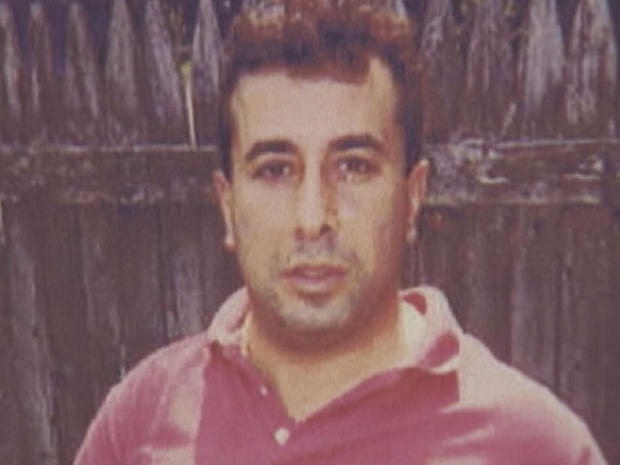
Eddie Makdessi, U.S. Navy Spouse (photo courtesy of 48 Hours NCIS)

Navy Petty Officer Elise Makdessi worked as an Air Traffic Controller at Naval Air Station Oceana in Virginia. Elise was married to Eddie Makdessi for five years and they lived off base in Virginia Beach. Elise unknowingly helped plan, organize, and carry out her own murder and it is unclear if she was a willing participant in the original plot with Eddie to scam the government out of money or if she was controlled by Eddie. Eddie Makdessi murdered Elise Makdessi and Navy Petty Officer Quincy Brown on May 14, 1996 as part of an elaborate scam. The whole thing was a set up. Elise thought she was part of an arrangement where she would invite Quincy Brown to the house, have sex with him, then accuse him of rape. She also manufactured evidence to make it look like she was documenting sexual abuse in an effort to sue the Navy and make millions. She had journals and created what looked like a rehearsed video outlining what four Navy men, including Quincy Brown, did to her on the job.

Five years earlier in 1991 the Navy Tailhook scandal in Nevada made national headlines. Navy Lieutenant Paula Coughlin was one of the alleged victims who went public with her story. Two years before Elise and Quincy were murdered, Paula Coughlin won 1.7 millionafter suing the Las Vegas Hilton hotel where the Tailhook Association convention was held. Eddie must have convinced Elise that they too could make millions if they alleged that Elise was sexually assaulted on the job. What they didn’t realize is that you can’t sue the Navy; Coughlin won a lawsuit against the Hilton hotel. The Feres Doctrine prevents any soldier or their family from suing the Department of Defense for compensatory damages. Investigators believe that knowledge of this information gave Eddie and Elise Makdessi the motive to come up with the false accusation scheme to sue the Navy. Eddie was a scammer and always looking for new ways to make quick money. Elise didn’t know she was double crossed until Eddie was plunging the knife. A month before the murders, Eddie purchased $700,000 worth of life insurance on Elise.

Eddie and Elise Makdessi invited Petty Officer Quincy Brown over to the house under the guise of having a threesome. DNA evidence revealed that Elise and Quincy Brown had sex. Investigators would learn that Eddie shot Quincy first, then stabbed Elise. He hurt himself to make it appear that Quincy invaded the house, knocked him out, raped and killed Elise, and then he awoke from unconsciousness and shot the intruder. Eddie staged the crime scene and he almost got away with it. But investigators figured out this was a ‘set up’ based on the crime scene evidence, interviews with Elise’s co-workers, the video tape, and the large insurance policy. They were also savvy enough to recognize that this was a copycat case. Elise’s sexual harassment and sexual assault claims were in fact fabricated. All the men she accused of sex crimes in the video passed a polygraph examination and her supervisors testified that Elise never reported sexual harassment or sexual assault like she claimed in her video testimony. Unfortunately Quincy Brown was the pawn they used in their game and he never got the chance to see that the allegations were proven false.

Eddie was indicted in 2001. But by the time investigators were ready to arrest Eddie Makdessi for the murder of Elise Makdessi and Quincy Brown, Eddie had fled the country. They eventually caught up with him in Russia. Unfortunately, Russia did not have an extradition treaty with the United States so police could not force Eddie to come back to the states. Mike Mather, an investigative reporter, went to Russia to interview Makdessi and learned that he was remarried with a child yet things weren’t going so well for Eddie financially in Russia. After that interview, Eddie decided to leave his wife and child in Russia and go back to America to face the charges. He was going to prove his innocence and clear his name. He was sure he would beat the charges. It would be ten years after he committed the first degree murders of Elise and Quincy Brown before he went to trial. On March 16, 2006, Eddie Makdessi was convicted of two counts of murder, sentenced to life in prison, and ordered to pay a $202,500 fine. The motive was the life insurance money. He used the $700,000 payout to travel the world before settling in Russia. Eddie continues to deny committing the crimes.

Elise Makdessi’s sister, Dawn Crosby, asked the jury to “show Eddie Makdessi that my sister’s life was worth more than $700,000.” –The Virginia-Pilot (March 17, 2006)

Victims:


Forensic Files:

Full Episode: Virginia Beach police arrive at the Makdessi apartment to find Elise Makdessi and her lover, Quincy Brown, dead. Elise’s husband Eddie had reported that he killed Quincy Brown in self-defense after Brown had murdered Elise. Eddie gave the police a videotape Elise had made a week before, alleging that she had been the victim of sexual harassment. -Double Cross, Forensic Files (S13,E5)

Investigation Discovery:

Paramedics respond to a horrific crime scene – a woman is found tied to a bed with slashes across her body. Next to her on the floor, a man with three gunshot wounds. Detectives spend the next several years unraveling this bizarre mystery. -Last Man Standing, Solved (S2,E10)

When a Naval Officer is apparently raped and stabbed by a coworker, a mysterious VHS tape suggests the victim may have been silenced to prevent a scandal. Dogged investigation and cutting edge forensic science reveals a shocking murder plot. -Deadly Accusations, Unusual Suspects (S7,E4)

Editor’s note: With a cable subscription, you can download the free ID Go app and watch all of the Investigation Discovery programming at your convenience. And for those who do not have cable, you can watch “unlocked” episodes on the ID Go app including the latest premieres. Download the ID Go app and binge away. For those who prefer commercial free programming during your binge session, Prime Video has an ID channel: ‘True Crime Files by Investigation Discovery” available for $2.99 a month. It’s a compilation of older seasons but totally worth the cost if you are a true crime addict.

Related Links:
Tailhook Plaintiff Wins Suit (1994)
DSS Returns Double Homicide Suspect to U.S.
Man accused of killing wife, her lover a decade ago finally to go on trial
Forensic Expert Uses Blood to Re-Create 1996 Slayings
Jury recommends life sentence for Makdessi
The word of a jailhouse snitch: Can it be trusted?
Officer, paramedic recall Elise Makdessi’s death
You’ll never believe what a convicted killer is requesting from a judge
State of Virginia: Adib Eddie Makdessi v. Harold Clarke (2016)
Eddie Makdessi Wiki: Sex, Lies, Videotape, Murder, and Conviction
Updates on James Kidwell and Eddie Makdessi | Forensic Files Now
Female sailor’s false rape allegation, plot fails | A Voice for Men
Navy Petty Officer Elise Makdessi Double Crossed & Murdered by Husband; Eddie Makdessi Found Guilty of Murder for the Life Insurance, Sentenced to Life in Prison (May 14, 1996)
Navy Petty Officer Quincy Brown Murdered by Military Spouse Motivated to Kill by Wife’s $700,000 Life Insurance Policy (May 14, 1996)
Press Release: Department of State Returns Double Homicide Suspect Adib “Eddie” Ramez Makdessi to U.S. (July 22, 2003)
Solved Premiered ‘Last Man Standing’ on ID: Navy Sailors Elise Makdessi & Quincy Brown Found Murdered in Makdessi’s Virginia Home (October 26, 2009)
Unusual Suspects Premiered ‘Deadly Accusations’ on ID: Navy Sailors Elise Makdessi & Quincy Brown Found Murdered in Makdessi’s Virginia Home (January 25, 2015)
48 Hours NCIS Premiered ‘The Double Cross’: Navy Sailors Elise Makdessi & Quincy Brown Found Murdered in Makdessi’s Virginia Home (April 25, 2017)
Forensic Files Sex Crimes Double Cross 1
Forensic Files Sex Crimes Double Cross 2
Deadly Accusations | Unusual Suspects | Investigation Discovery (Amazon Video)
Deadly Accusations | Unusual Suspects | Investigation Discovery (S7,E4)
Last Man Standing | Solved | Investigation Discovery (S2,E10)
Last Man Standing | Solved | Investigation Discovery (website)
Servicemen’s Group Life Insurance is a Common Motive for Murder
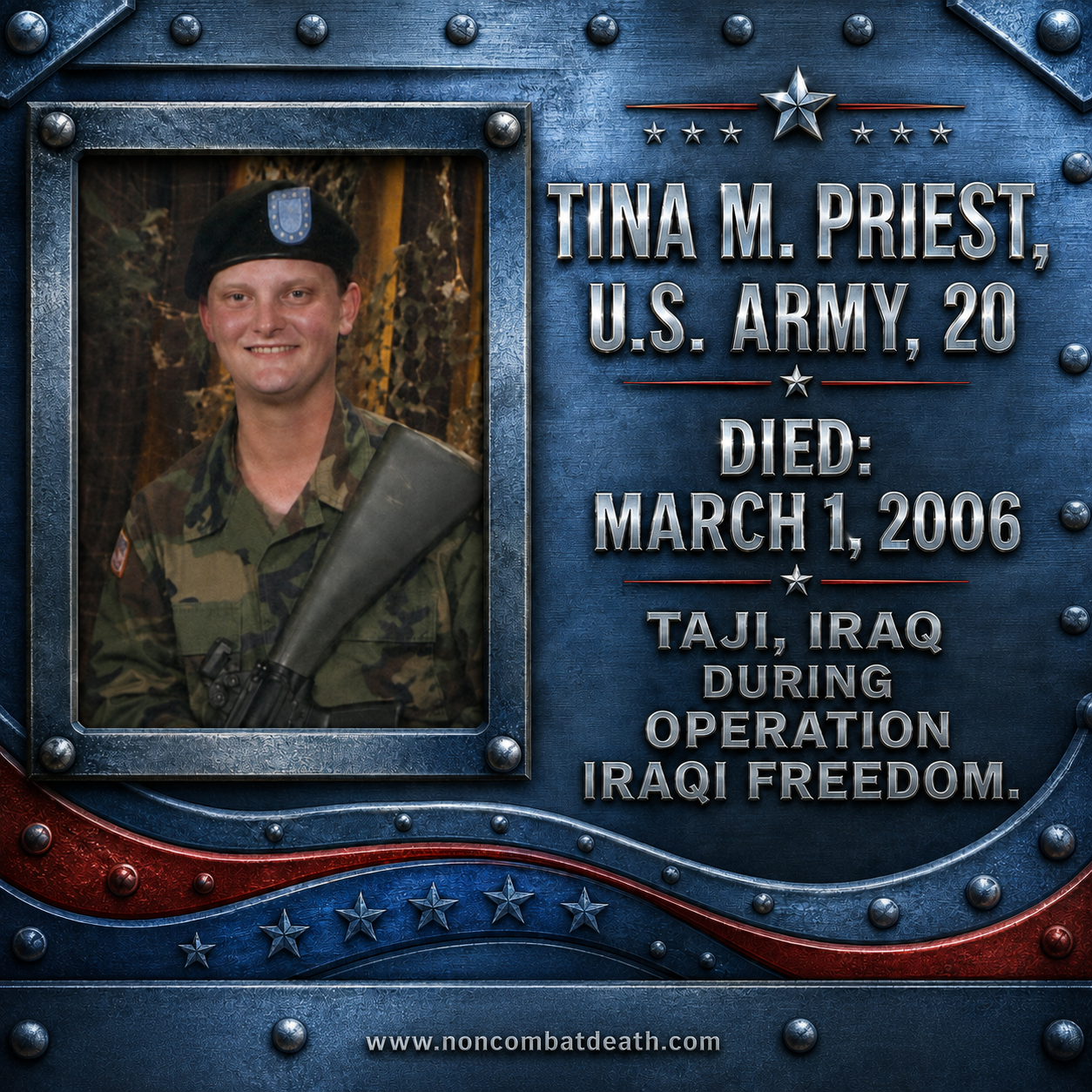
Fort Hood Army Pfc. Tina Priest Died From a Non-Combat Related Incident in Iraq; Death Ruled Suicide But Family Suspects Rape & Murder (March 1, 2006)

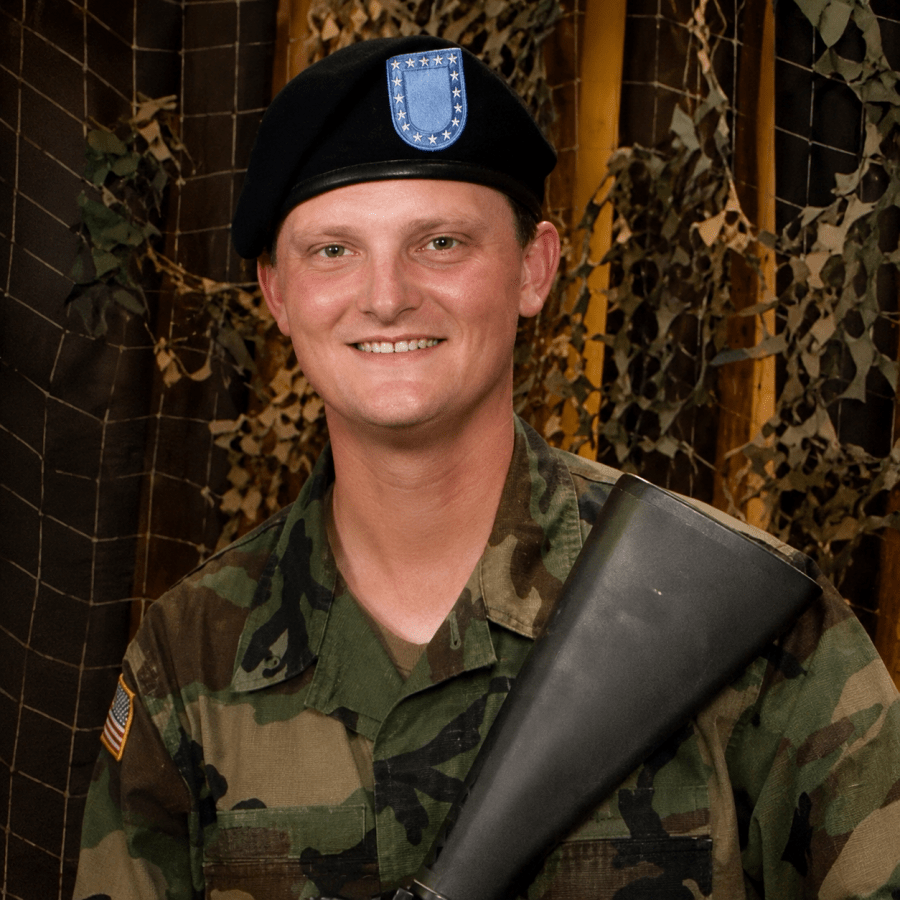
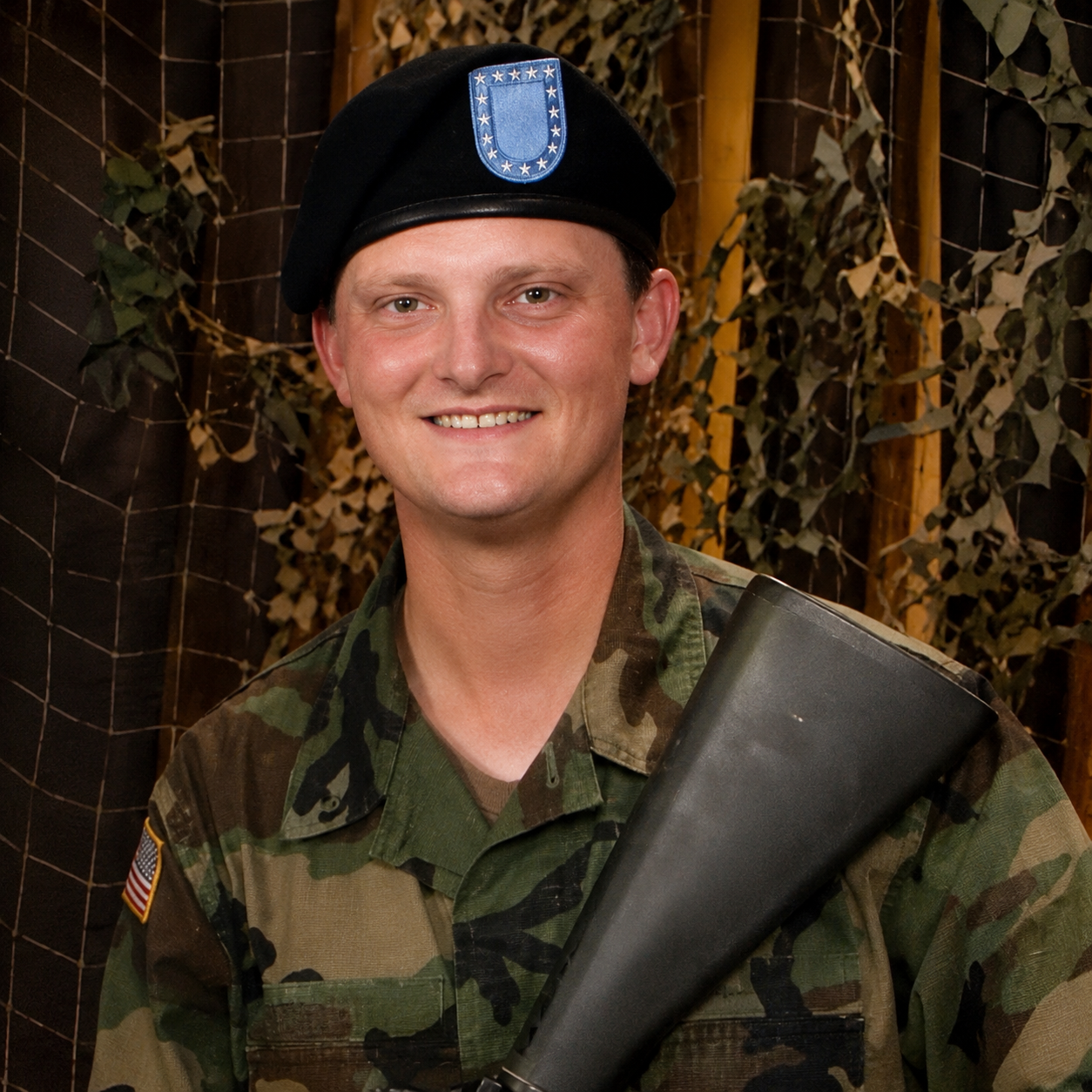
Pfc. Tina Priest, U.S. Army

Army Pfc. Tina Priest, 20, died from a non-combat related injury in Taji, Iraq on March 1st, 2006. She was supporting Operation Iraqi Freedom on behalf of the 4th Support Battalion, 1st Brigade Combat Team, 4th Infantry Divison at Fort Hood, Texas. The Army ruled the death an apparent suicide but Tina’s parents dispute that finding based on the evidence and believe that she was raped and murdered; Tina reported a rape two weeks prior to her death.

This case is no longer under investigation by the Army but considered an unsolved cold case because of the concerns the family has with the death investigation and cause of death ruling by the Army. Forty-one (41) female service members died of non combat related injuries while serving in Iraq; and twenty-three (23) were labeled homicide, suicide, or the cause of death is unknown.

Tina’s suspicious death was discussed in the Silent Truth Documentary and on the Crime Junkie Podcast.

Please see the MJFA Investigative Dossier for Tina Priest at the end of the article.

The Silent Truth Documentary:

Ninety-four US military women in the military have died in Iraq or during Operation Iraqi Freedom (OIF). ‘The Silent Truth’ tells the story of one of these women, PFC LaVena Lynn Johnson, who was found dead on Balad Air Force Base in Iraq. The army claimed she shot herself with her own M16 rifle, but forensic evidence, obtained by the Johnson family through the Freedom of Information Act, brings the army’s findings into question. The Army refuses to re-open LaVena Johnson’s case, leaving the family in limbo. ‘The Silent Truth’ follows the Johnson’s pursuit of justice and truth for their daughter. -The Silent Truth Documentary (July 1, 2014)

Update: The Silent Truth is no longer available on YouTube but can be accessed at Fandango at Home.

The Silent Truth Documentary aka The LaVena Johnson Murder Cover-Up (Truthout, November 18, 2010):

“What happened to LaVena Lynn Johnson and so many others speaks to a Pentagon culture which more closely resembles a rogue government–than a legitimate branch serving under civilian control. It is highly telling that this family, along with the Tillman family each had to have a documentary film made JUST TO ALERT THE PUBLIC TO THE TRUTH OF PENTAGON COVER-UPS. I urge everyone to view this important documentary – before the local military recruiter mandated under No Child Left Behind –‘friends’ their child at school. God forbid, they could wind up coming home in a body bag – like LaVena.”  

Read more from Truthout here.

Crime Junkie Podcast:

Social Media Friendly Graphic:

Related Links:
DoD Identifies Army Casualty
Army Pfc. Tina M. PriestTina Priest’s Death In Iraq Under Investigation
Did Army do enough to prevent soldier’s death? (2007)
Family disputes Army’s suicide finding in daughter’s death
U.S. Military Is Keeping Secrets About Female Soldiers’ ‘Suicides’
Pfc. Tina Priest’s rape and the Irony of the Iraq War
“Rape in the Ranks: The Enemy Within”
U.S. Military Covering Up Possible Murders of Female Service Members
Sisters in Death: The Systemic Misogyny of Militarism Leads To Deaths of U.S. Servicewomen and Iraqi Civilian Women
Is U.S. Military Covering Up Rape, Murder?
Hiding Military Sexual Trauma
A Shot Away: Personal Accounts of Military Sexual Trauma
Waging Gendered Wars: U.S. Military Women in Afghanistan and Iraq
Crime Junkie Podcast Featured the Suspicious Deaths of LaVena Johnson & Tina Priest in ‘Conspiracy: Women in the US Military’ (October 22, 2018)
Non Combat Deaths of Female Soldiers in the US Military (Iraq)
Violent Crime, Suicide, and Non Combat Death at Fort Hood, Texas (US Army)
Military Policy and Legislation Considerations for the Investigations of Non Combat Death, Homicide, and Suicide of US Service Members
Army Soldiers at Fort Hood in Texas Are Dying at Alarming Rates Stateside
Stop Killing Us!!! (YouTube)
The Silent Truth | YouTube Movies
The Silent Truth (FULL DOCUMENTARY)

Investigative Dossier

PFC Tina M. Priest, U.S. Army • Operation Iraqi Freedom

Executive Summary

On March 1, 2006, 20-year-old Army PFC Tina M. Priest was found dead in her quarters at Camp Taji, Iraq, from a gunshot wound involving her assigned M16 rifle. She served with the 4th Support Battalion, 1st Brigade Combat Team, 4th Infantry Division, based at Fort Hood, Texas.

Approximately two weeks earlier, Priest had reported that she had been sexually assaulted by another soldier. Following an investigation, the Army concluded there was insufficient evidence to prosecute the allegation. After her death, the Army ruled the manner of death was suicide.

Her mother, Joy Priest, has consistently challenged both the sexual assault investigation and the suicide determination, arguing that important evidence and investigative questions were not adequately addressed. Tina’s case later became part of broader reporting on disputed non-combat deaths of women serving during the Iraq War and contributed to public debate about military sexual assault investigations and institutional accountability. 

Personal Information

Name: Tina Marie Priest
Age: 20
Branch: United States Army
Units

  • 4th Support Battalion
  • 1st Brigade Combat Team
  • 4th Infantry Division

Home Station: Fort Hood, Texas
Deployment: Camp Taji, Iraq
Date of Death: March 1, 2006
Official Classification: Non-combat death

Chronological Timeline

Late 2005

Priest deploys to Iraq with the 4th Infantry Division.

February 15, 2006

According to Army records discussed in subsequent reporting:

  • Priest reports that she was sexually assaulted by another soldier.
  • She undergoes a forensic medical examination.
  • DNA evidence reportedly confirms sexual contact occurred.
  • The central investigative question becomes whether the encounter was consensual.

Mid-February 2006

Army Criminal Investigation Division (CID):

  • interviews witnesses,
  • investigates the assault allegation,
  • gathers forensic evidence.

Behavioral health providers evaluate Priest.

Army records later cited in media reports indicate she did not meet criteria for immediate suicide intervention despite emotional distress related to the reported assault. 

February 27–28

According to Army records discussed publicly:

  • Priest reportedly returns to duty.
  • The sexual assault investigation remains open.

March 1, 2006

Priest is discovered dead in her room at Camp Taji.

The death scene includes:

  • assigned M16 rifle
  • single gunshot wound

Initial casualty reports classify the death as a non-combat injury pending investigation.

Spring 2006

CID completes the death investigation.

Official conclusion: Suicide

The sexual assault case is closed without criminal charges.

2007–2009

Joy Priest publicly challenges:

  • the suicide ruling,
  • the sexual assault investigation,
  • Army transparency.

National media revisit the case as part of broader reporting on disputed military deaths involving women serving in Iraq. 

Official Army Findings

According to the Army investigation:

Cause of Death: Gunshot wound

Manner of Death: Suicide

Sexual Assault Investigation

Army investigators concluded:

  • sexual intercourse occurred;
  • however, they determined there was insufficient evidence to establish beyond the applicable legal standard that the encounter was non-consensual.

No rape charges were filed.

Behavioral Health

Army records referenced in reporting indicate:

  • Priest experienced emotional distress after reporting the alleged assault.
  • Evaluators did not classify her as presenting an immediate suicide risk shortly before her death. 

Family Concerns

Joy Priest has consistently disputed the Army’s conclusions.

Among the concerns she has publicly raised:

1. Timing

The death occurred roughly two weeks after the reported sexual assault.

The family questioned whether sufficient protection and support had been provided.

2. Suicide Determination

The family has stated they did not believe Tina intended to end her life.

They cited:

  • future plans,
  • conversations with family,
  • and what they viewed as inconsistencies with suicide.

3. Firearm Questions

Joy Priest questioned whether the mechanics of firing an M16 were consistent with Tina’s physical stature and the circumstances documented at the scene.

The Army maintained that its reconstruction supported a self-inflicted gunshot.

4. Investigation Transparency

The family has described delays obtaining:

  • investigative files,
  • autopsy information,
  • photographs,
  • and other records.

These concerns became part of later media reporting. 

5. Sexual Assault Investigation

Joy Priest questioned why no charges resulted despite forensic evidence confirming sexual contact, arguing investigators did not adequately resolve whether the encounter was consensual.

Evidence Known Publicly

Public reporting identifies:

✓ Sexual assault report

✓ Medical forensic examination

✓ DNA evidence confirming sexual contact

✓ CID investigation

✓ Behavioral health evaluations

✓ Death scene investigation

The complete investigative file has not been fully released publicly.

Unanswered Questions

Among the questions raised publicly by family members and journalists:

  • Was every potential witness interviewed?
  • Were all forensic findings independently reviewed?
  • Were suicide-risk assessments sufficient following the reported assault?
  • Could additional victim advocacy or protective measures have altered the outcome?
  • Should the assault investigation have remained open longer?

These questions remain subjects of public debate; the Army has not changed its official conclusions. 

Broader Context

Tina Priest’s death became part of a wider conversation concerning:

  • military sexual assault,
  • behavioral health,
  • non-combat deaths,
  • investigative transparency,
  • institutional accountability.

Her case has frequently been discussed alongside other disputed deaths of women who served during the Iraq War, particularly where families challenged official findings. 

Primary Sources

Recommended Additional Records to Obtain:

  • Army Criminal Investigation Division (CID) Report of Investigation.
  • Army Line of Duty (LOD) investigation.
  • Armed Forces Medical Examiner autopsy report.
  • Death scene photographs and evidence inventory (where releasable).
  • Sexual Assault Forensic Examination (SAFE) documentation, subject to privacy restrictions.
  • Behavioral health evaluations created before March 1, 2006.
  • Casualty Assistance Office records.
  • FOIA responses from the Army, CID, and the Department of Defense.
  • Any Inspector General correspondence related to the case.

Army Soldier Katherine ‘Kat’ Singleton Died in Iraq; Department of Defense Did Not Publish Press Release Notifying Public of Death (2006)

Screen Shot 2018-01-06 at 9.56.47 PM
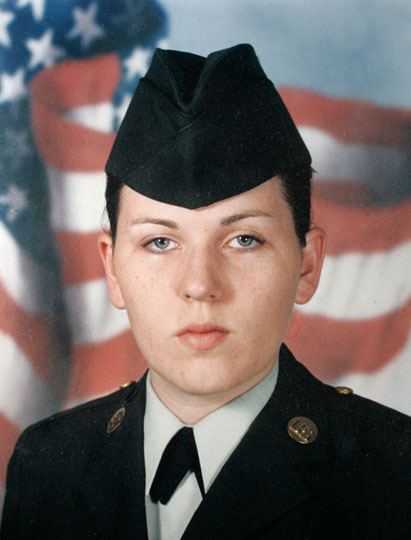
Katherine Singleton, US Army

The parents of Army soldier Katherine ‘Kat’ Singleton, 25, confirmed that she died in Iraq on January 18, 2006 but did not wish to comment further. Kat Singleton’s home of record is listed as Pensacola, Florida and she enlisted in the Army’s Delayed Entry Program in 2001. Singleton worked as a 15F10 (MOS) and was assigned to the HHC Training Support Battalion at Fort Bragg, North Carolina. Singleton’s first deployment to Iraq was with the 101st Airborne Division at Fort Campbell, Kentucky from March 2003 to May 2003 (not confirmed). The Department of Defense did not publish a press release notifying the public of Katherine Singleton’s cause of death in Iraq. As a matter of fact, no credible information is available on the web except in an obituary.

HER FRIEND’S LAST WORDS AND REQUEST:

“I just want to let you know that there is no need to yell “cover up” in this case. The death of Kat P. Singleton was kept private for reasons that are no one’s business, but I assure you she is dead and that the government didn’t hide things from the public. She didn’t die overseas and what happened was very tragic but not for the public eye. She was a brave soldier who said on many occasions that she never regretted enrolling in the army and would go back to Iraq to fight for her country to secure our freedoms over and over again. She was a wonderful person and I am glad that our lives touched. I am sending this article that most of you seem to have over looked so that you may see that she is dead and she is buried. I feel that her father said little to the press because he didn’t want the world to know his family business and I believe also that it is time for you to close this thread and let Kat rest in peace. She will be forever loved and missed deeply and never forgotten.” -Anonymous

Related Links:
Obituary: Katherine Patricia ‘Kat’ Singleton (1980-2006)
Area Woman Killed in Iraq
Mysterious death of a US soldier in Iraq

Army Pfc. Suzanne Swift Went AWOL from Fort Lewis; She Refused to Deploy for Third Time with Superiors She Accused of Sexual Harassment (2006)

suzanneswift
Spc. Suzanne Swift, US Army

“I can’t do this, Mom, I can’t go back there.” -Suzanne Swift

Pfc. Suzanne Swift, US Army, was a Military Police Officer stationed at Fort Lewis in Washington. She had already deployed twice to Iraq before getting tasked to go again for the third time in less then four years. In January 2006, Suzanne Swift decided last minute to go Absent without Leave (AWOL) instead of going back to Iraq. According to her mother, Sara Rich, she couldn’t handle another deployment dealing with the daily hour-to-hour sexual harassment that she endured from the majority of her male officers and fellow soldiers. She felt especially isolated in Iraq and feared being attacked, harassed, molested, and raped. She told her mom that most of the other soldiers were sexually harassing her, pressuring her to consent, and making her life miserable for rejecting them. Her mom asked her if she wanted to report the sexual harassment and Suzanne did not. She told her mom that reporting would only make her life even more of a living hell. She says when she did blow the whistle on one of her superiors for sexually harassing her, she was treated like a pariah. Suzanne shared that he was moved to a different unit and promoted. She felt that those who reported were not supported but instead shamed when they brought these matters to the attention of their superiors.

According to Suzanne, Army leadership pressured her into signing a release form waiving her right to the mandatory decompression time of eighteen months between deployments. Suzanne refused to sign the form waiving her rights to decompression time but was told that her life would be ‘hell in a shit hole’ if she refused to sign. She says they screamed in her face and intimidated her. As a result she signed the form and was scheduled to leave for Iraq again in January 2006. The Eugene Police raided her home in March 2006, she was arrested, and she was taken back to Fort Lewis where she would be confined. She was charged with missing movement and AWOL. In December 2006, Suzanne pleaded guilty to both charges and was demoted and sentenced to thirty days in prison. If she met the conditions of the plea agreement, she could remain in the Army and be eligible for a honorable discharge. After she finished her sentence she would be reassigned to a new unit. If she did not agree to the plea, she was facing a year in prison and a dishonorable discharge. Her plea, which came during a summary court martial, helped her avoid a federal conviction. Suzanne chose to leave the Army as soon as she could. She would later be diagnosed with Post Traumatic Stress Disorder (PTSD).

Suzanne and her mother believe that the intimidation and sexual harassment that female soldiers endure is leading to massive stress and in some cases even death for military women in Iraq. So much stress that Suzanne would choose AWOL and prison time over deploying a third time to fight what she felt was a pointless war in Iraq. Sara Rich is confident that Suzanne saved her own life with her courage. And based on what has happened in the Army in Iraq and at Joint Base Lewis-McChord since 2006, we think she’s right.

Read More:
The US Military Recruited Violent Felons to Support the War Efforts
Non Combat Deaths of Female Soldiers in the US Military (Iraq)
Violent Crime at Joint Base Lewis-McChord, Washington

“Notice to those who report false claims of rape, harassment, assault, and command rape: you make it difficult for those who experience the real thing. You are just as culpable as those who commit the acts.” –Suzanne Swift Petition

Related Links:
Sara Rich | A Moment of Silence Is Not Enough
Sara Rich | Fear for My Daughter
Protest in support of Suzanne Swift at Ft. Lewis gates on Sat., Jul. 15
Rallying for Suzanne Swift
An Update on U.S. Army Specialist Suzanne Swift
CNN: This Week at War
Army Spc Suzanne Swift, Iraq vet and sexual assault victim, supporters rally at Ft Lewis
Iraq Vets’ Sit-in for Suzanne Swift is Successful
The ordeal of Suzanne Swift
Petition for Suzanne Swift
Support Suzanne Swift!
Command Rape
Female Soldiers Treated ‘Lower Than Dirt’
Abuse of women GIs: Good men must check bad ones
Iraq Veteran Says Harassment Prompted Desertion
From Victim To Accused Army Deserter
U.S. soldier goes AWOL — alleges sexual harassment / Enemy lines: She deserted the Army just before her 2nd tour in Iraq, not because of the war, she says, but because her superiors preyed on her
Fort Lewis soldier will face trial
G.I. war resister Suzanne Swift to be court-martialed
NWI Statement of Support for Suzanne Swift
America’s secret war
Spc. Suzanne Swift Signs Statement with Military After Harassment Claim, AWOL Status Lead to Court-Martial
Female soldier sentenced to 30 days for going AWOL
Soldier who claimed sex harassment, refused to return to Iraq freed from military custody
For Female Soldiers, Sexual Assault Remains a Danger
The Women’s War
Featured War Resister: Suzanne Swift
Soldier from Eugene Freed from Confinement
Spc. Suzanne Swift Released from Military Prison, Supporters Rally at Ft. Lewis
Fort Lewis private out of custody
Sexual Assault in the Military: A DoD Cover-Up?
Catching up with military resister Suzanne Swift
Oregon veteran among troops suffering sexual trauma
US Female Soldiers Raped by Male Comrades Have Trouble Seeking Justice
The Plight of Women Soldiers
Rape within Military: 1 in 3 women service members sexually assaulted at least once
A voice for women military vets
Iraq Veterans Against the War Profile of Resisters
Paying It Forward Thanks to Army Specialist Suzanne Swift
Law Office of Keith J. Scherer, PC (Military Trial Lawyer)