ID Go: When a young college student is abducted from a friend’s home in the middle of the night, the city of Reno lives in fear of who might be next. Dogged investigation leads detectives to a serial rapist who’s just escalated to murder. -Vanished in Reno, Unusual Suspects (S6,E1)
“The bill mandates a DNA cheek-swab whenever a person is booked for a felony arrest. If the arrest is deemed legitimate, the DNA would be cross-referenced with DNA from other crime scenes to see if the arrestee was involved. The proposal is named after Brianna Denison who was raped and murdered by James Biela in Reno in 2008. Proponents believe such a law may have saved Denison because Biela had a prior felony arrest.”
Editor’s note: With a cable subscription, you can download the free ID Go app and watch all of the Investigation Discovery programming at your convenience. And for those who do not have cable, you can watch “unlocked” episodes on the ID Go app including the latest premieres. Download the ID Go app and binge away. For those who prefer commercial free programming during your binge session, Prime Video has an ID channel: ‘True Crime Files by Investigation Discovery” available for $2.99 a month. It’s a compilation of older seasons but totally worth the cost if you are a true crime addict.
In 2004, a former marine goes missing from his North Carolina home. Investigators sift through a mountain of tips and small-town rumors before a surprise witness comes forward who may hold the key to the mysterious disappearance. -When Evil Strikes, Unusual Suspects (S5,E11)
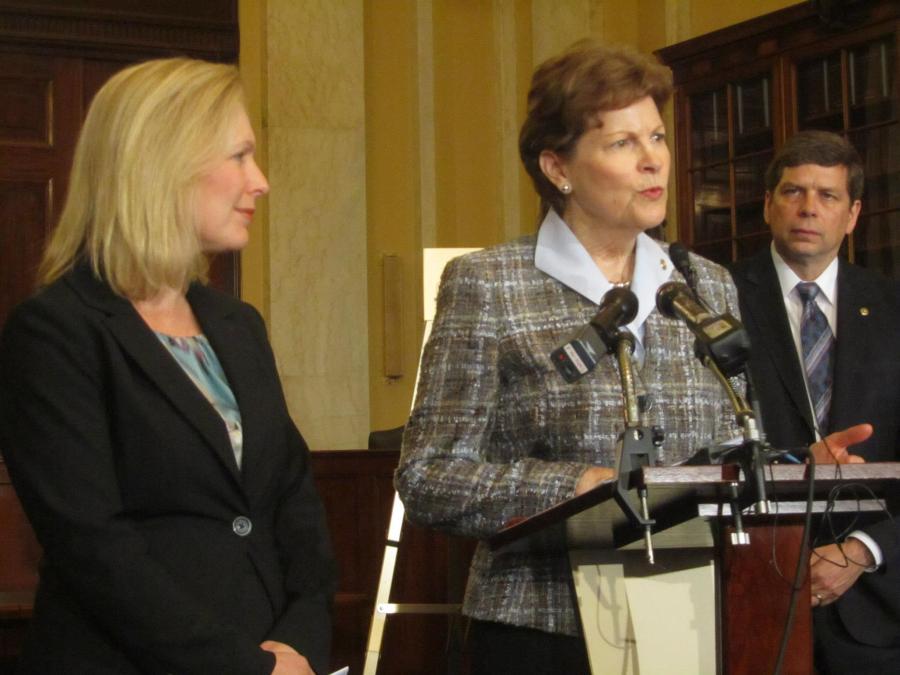
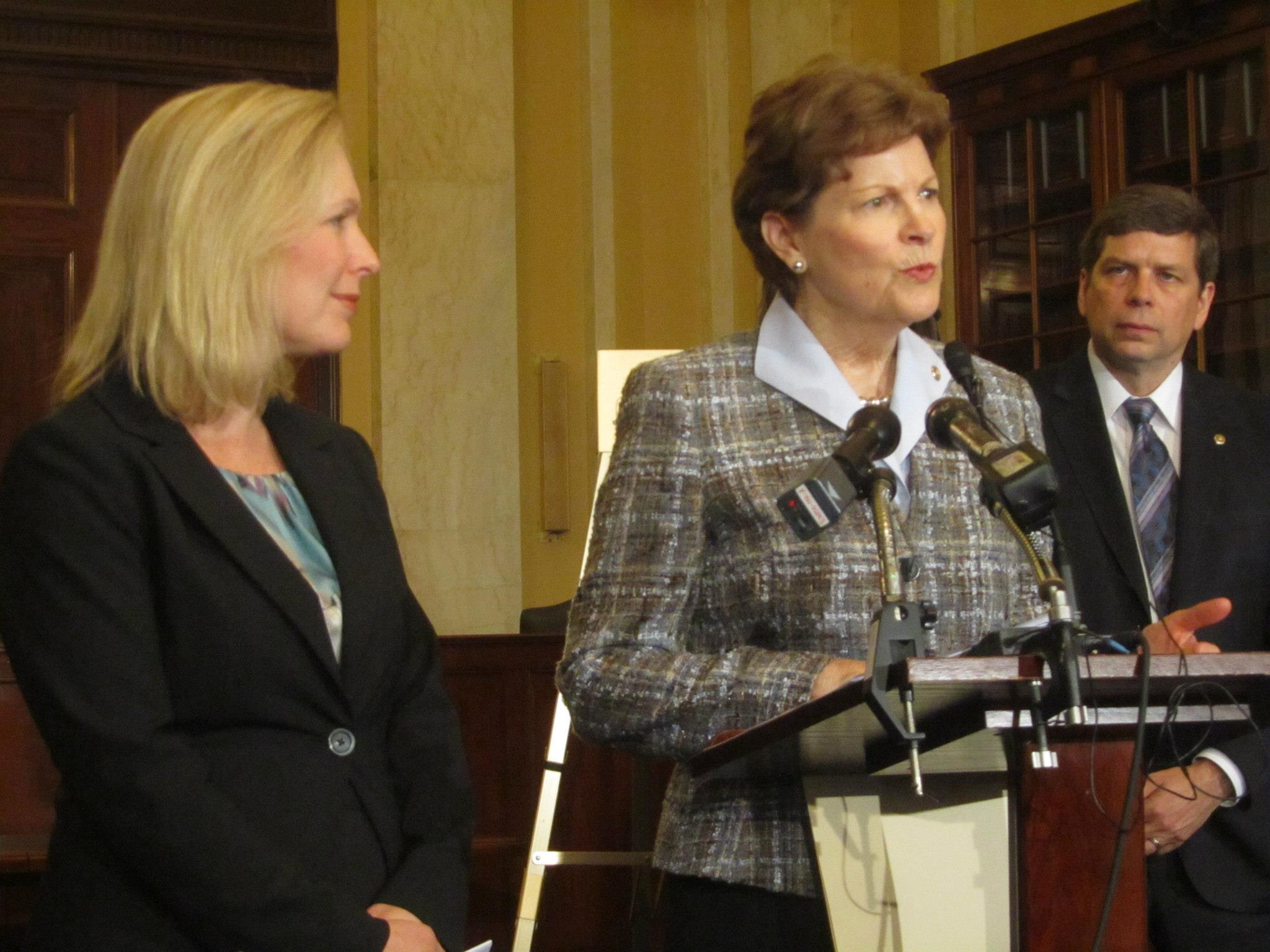
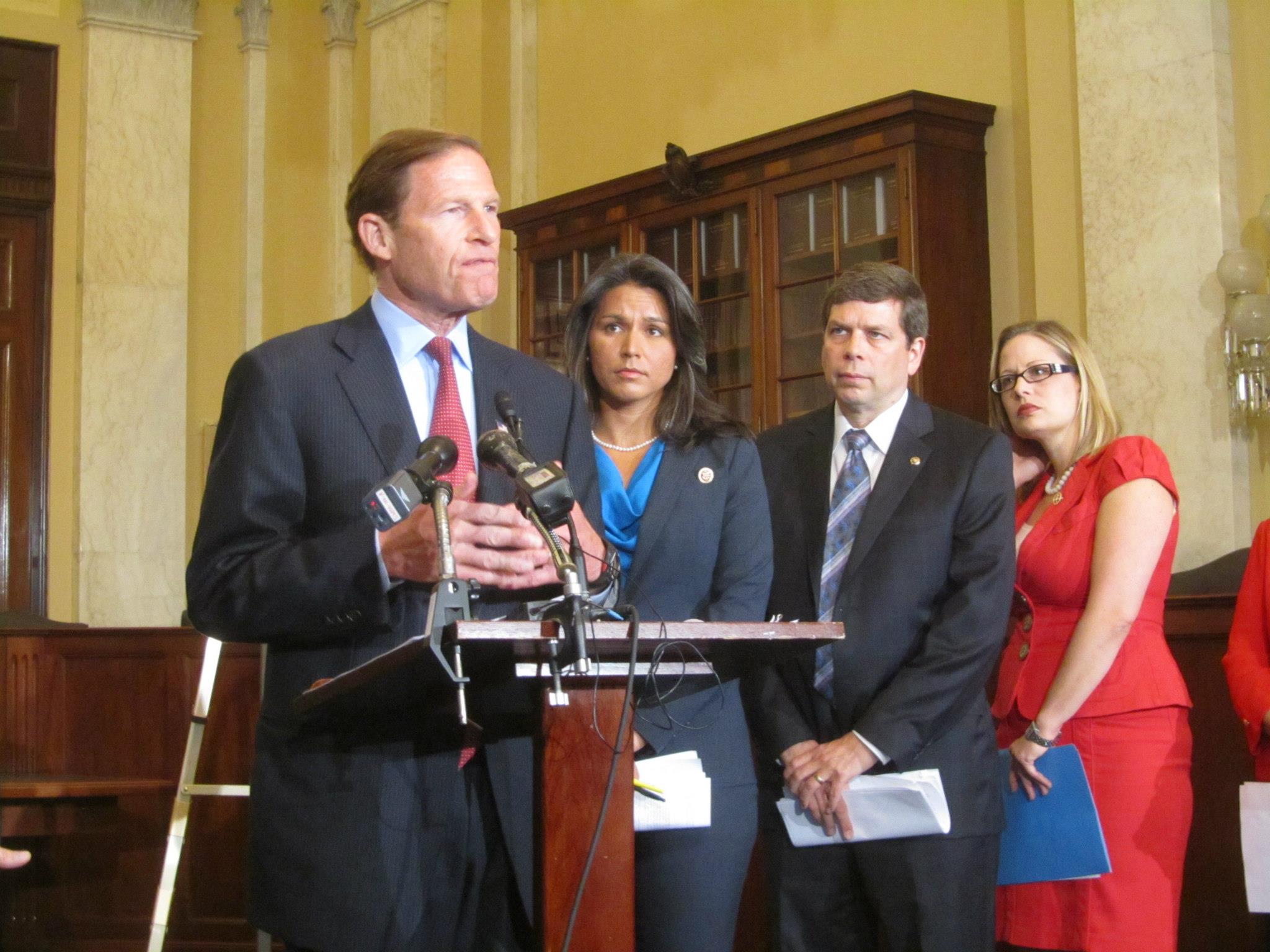
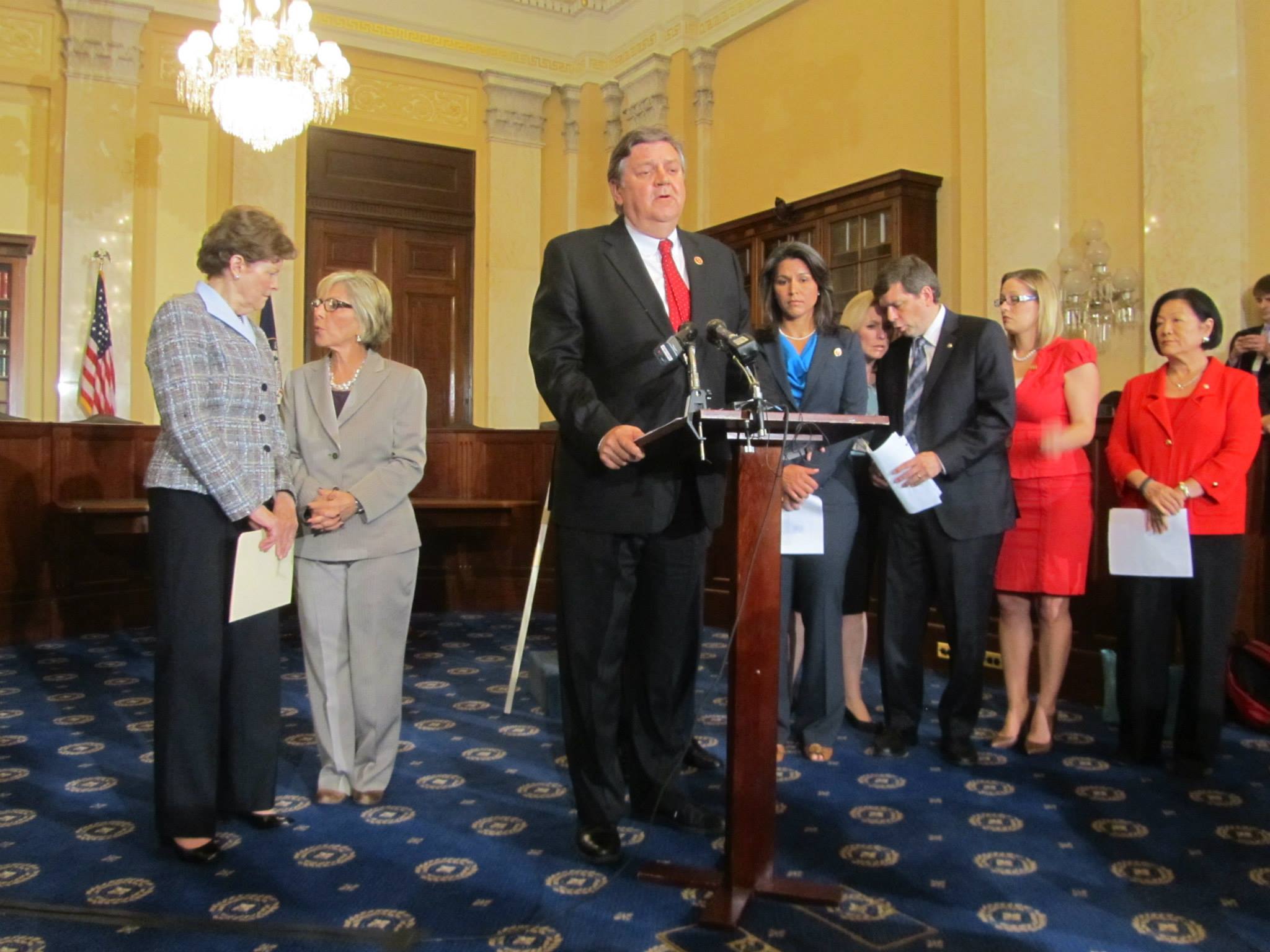
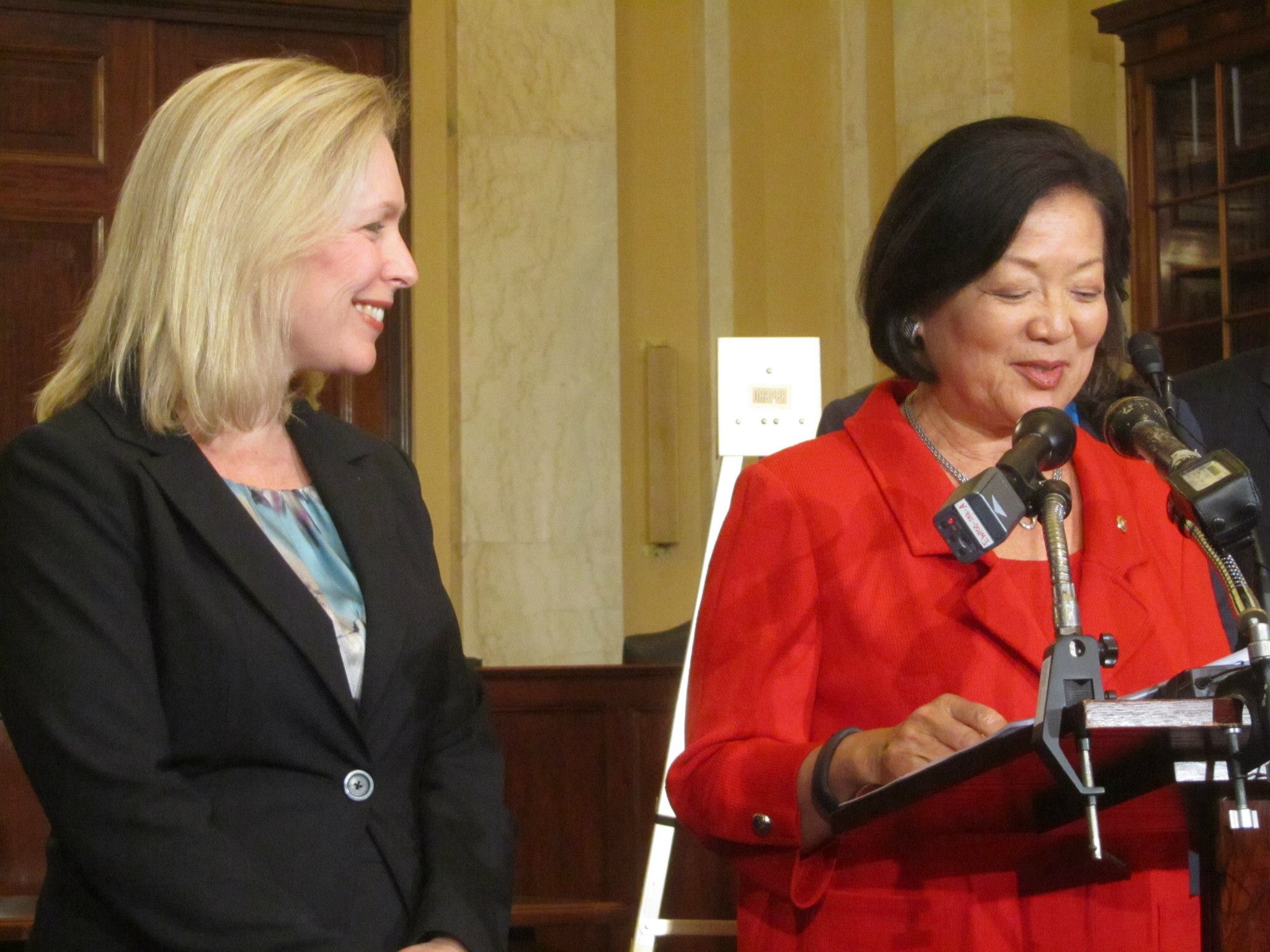
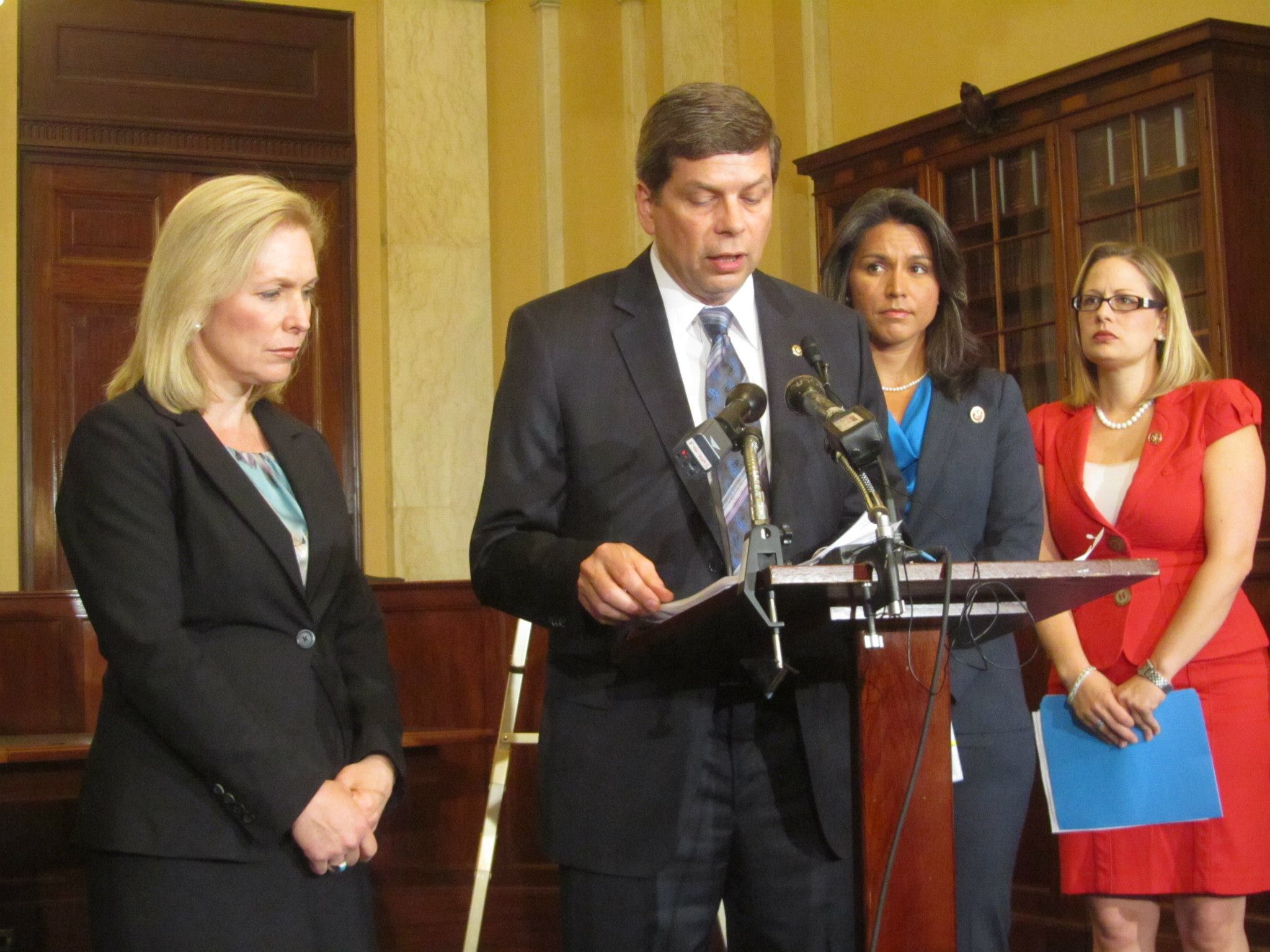
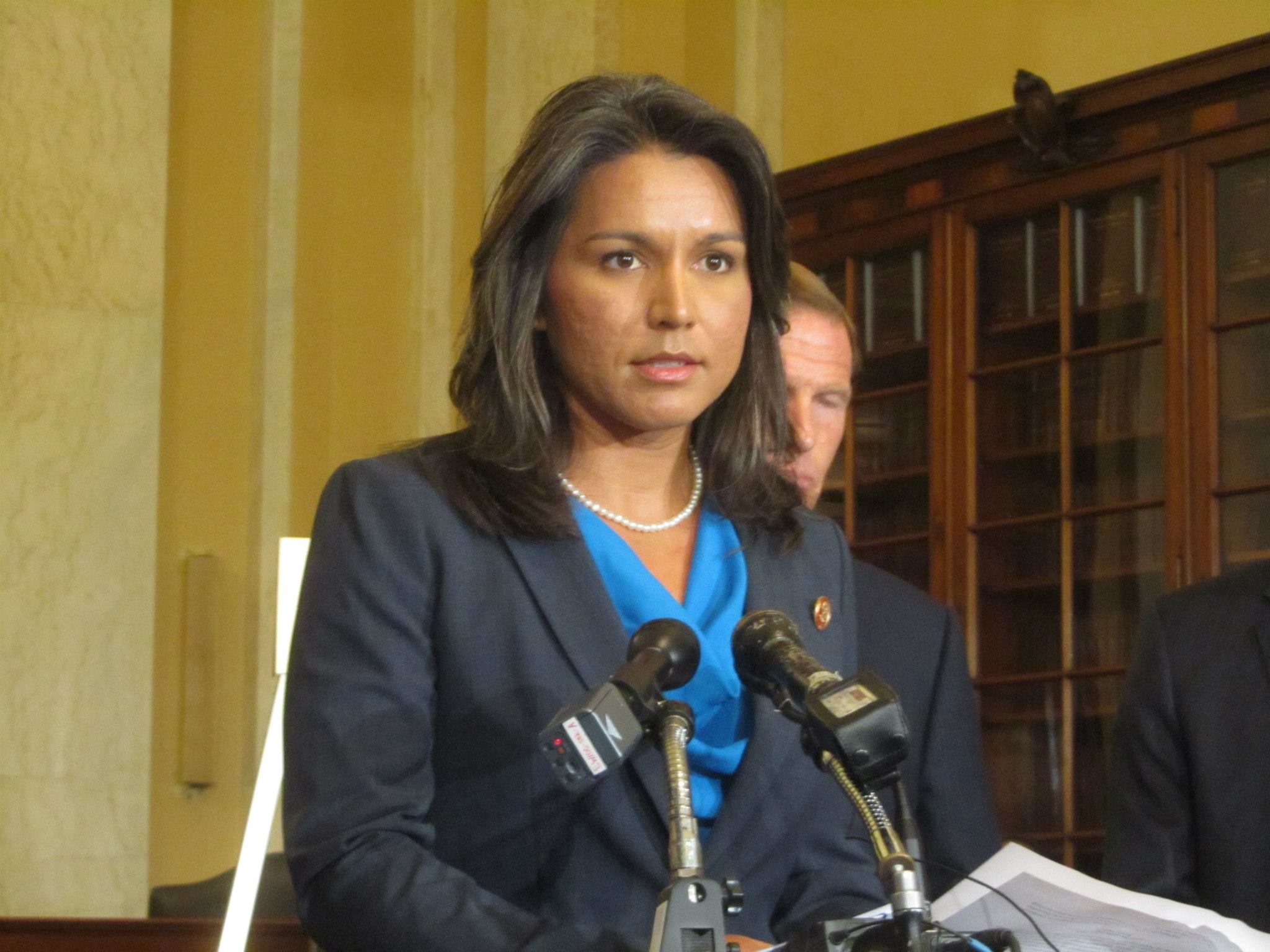
Washington D.C. – During a news conference today, U.S. Senators Susan Collins and Kirsten Gillibrand (D-NY), along with a bipartisan group of their colleagues in the Senate and House, announced new legislation that would reform the military justice system by removing the prosecution of all crimes punishable by one year or more in confinement from the chain of command, except crimes that are uniquely military in nature, such as disobeying orders or going Absent Without Leave.
Senators Collins and Gillibrand were joined by survivors of sexual assault in the military, including Jennifer Norris of Maine, and by representatives from organizations who assist victims of Military Sexual Trauma. The Military Justice Improvement Act would for the first time remove the decision whether to take a case to special or general court-martial completely out of the chain of command and give that discretion to experienced military prosecutors for all crimes punishable by one year or more in confinement, except crimes that are uniquely military in nature, such as disobeying orders or going AWOL.
“To be sure, the vast, overwhelming majority of our military personnel are honorable, conscientious, and respectful individuals, not rapists or harassers. It is for their sake that the pattern of covering up, blaming the victim, and failing to provide even the most basic protections that has been all too common for far too long must end,” said Senator Collins. “What does it say about us as a people, as the nation, as the foremost military in the world when some of our service members have more to fear from their fellow soldiers than from the enemy? This epidemic of sexual abuse cannot stand. We must ensure that justice is swift and certain to the criminals who have perpetuated these crimes.”
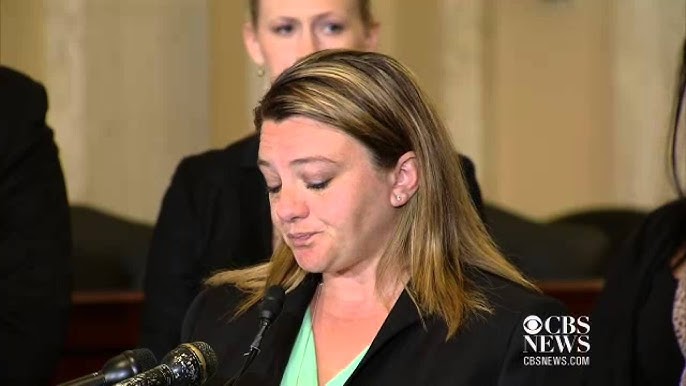
With tears streaming down her face, Jennifer Norris, a former Technical Sergeant in the Air Force, describes her harrowing experience with sexual assault and the difficulty she had in seeking justice within the military chain of command, saying, “The system is rigged against the victims” and in favor of the “often higher-ranking perpetrators.” [VIDEO]
Norris, who did not serve in Hawaii, said she’d been reluctant to report the rape because, “in the Air Force, I witnessed first hand what happens to those who stepped forward to report their assaults. I did not want to be stigmatized for reporting my assault — as I tried to move forward with my career. Instead, the best option for me was to try and endure it, to suck it up and try and make it until I could get transferred somewhere else — only to have it happen over and over again, like a recurring nightmare.”
She never did get justice, she said, even when she did come forward. “My perpetrators were allowed to resign in lieu of Administrative Hearings, which would have become a matter of public record. My command never offered the chance to proceed with a court martial.”
She said, “If the chain of command had been removed from handling sexual assault cases before I was attacked I believe justice would have been served or perhaps it would have been prevented in the first place.”
“At first I was too afraid to report my assault to my chain of command, but two years later I was forced to report due to the escalation of the behavior and the fear that I would be raped again.” -Jennifer Norris (Civil Beat, May 16, 2013)
Gillibrand: “I’m Distressed That The Victims’ Voices Aren’t Being Heard In This Debate
Hearing is Gillibrand’s First As Chair Of Senate Armed Services Subcommittee On Personnel – Has Been Leading The Fight To End Sexual Violence In Military
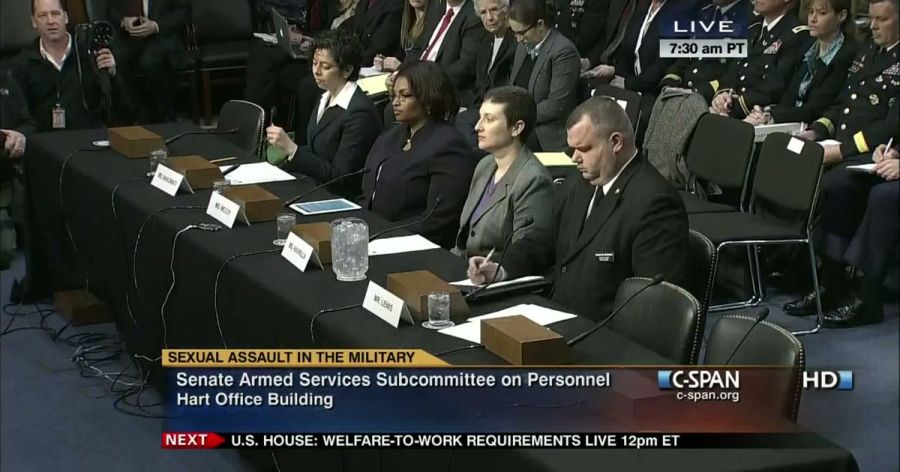
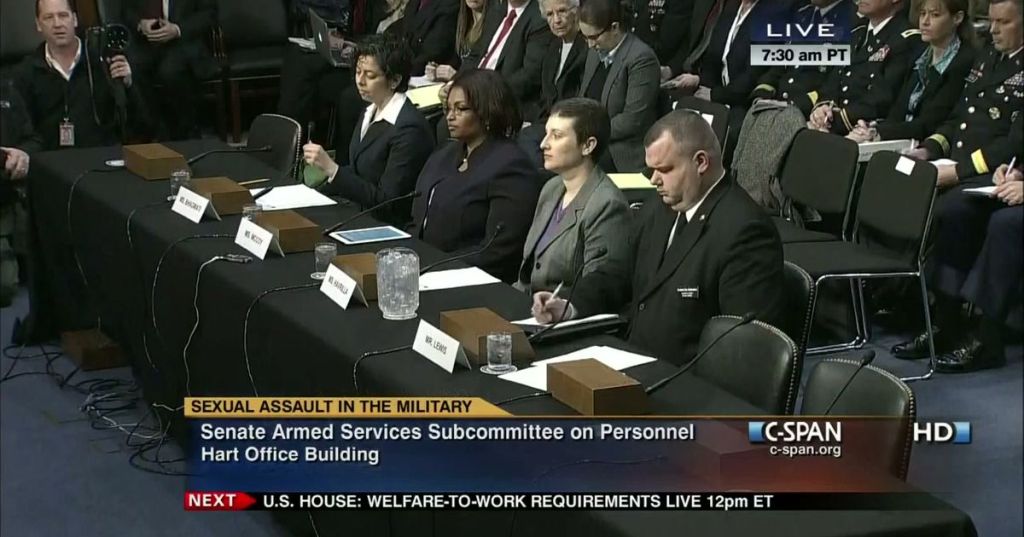
Washington, D.C. – U.S. Senator Kirsten Gillibrand released the following prepared remarks of her opening statement at today’s Senate Armed Services Subcommittee on Personnel hearing examining sexual assault in the military:
“It is an honor and privilege to Chair this hearing of the Personnel Subcommittee this morning. I want to thank the Ranking Member of this Subcommittee, Senator Lindsey Graham, for his support and working with me to move this hearing forward as quickly as possible.
“I know that all of our colleagues on the Armed Services Committee share our deep commitment to improving the quality of life of the men and women who serve in our all-volunteer force on active duty, or in the National Guard and Reserves, their families, military retirees, and Department of Defense Civilian personnel.
“And that is why this hearing today is so important to me personally…and to thousands of servicemembers…and their families across the country.
“The issue of sexual violence in the military is not new. And it has been allowed to go on in the shadows for far too long. The scourge of sexual violence in the military should be intolerable and infuriating to us all. Our best, brightest, and bravest join our armed forces for all the right reasons – to serve our country, protect our freedom, and keep America safe.
“The United States has the best military in the world and the overwhelmingly vast majority of our brave men and women serving in uniform do so honorably and bravely. But there is also no doubt that we have men and women in uniform who are committing acts of sexual violence and should no longer be allowed to serve.
“Too often, women and men have found themselves in the fight of their lives not in the theater of war – but in their own ranks, among their own brothers and sisters, and ranking officers, in an environment that enables sexual assault.
“And after an assault occurs, an estimated 19,000 sexual assaults happened in 2011 alone according to the Defense Department’s own estimates…some of these victims have to fight all over again with every ounce of their being just to have their voice heard…their assailant brought to any measure of justice… and the disability claims they deserve fulfilled. Congress would be derelict in its duty of oversight if we just shrugged our shoulders at these 19,000 sons and daughters…husbands and wives…mothers and fathers…and did nothing. We simply have to do better by them.
“When brave men and women volunteer to serve in our military they know the risks involved. But sexual assault at the hands of a fellow service member should never be one of them.
“Because not only does sexual assault cause unconscionable harm to the victim — sexual violence is reported to be the leading cause of post-traumatic stress disorder among women veterans — but it destabilizes our military, threatens unit cohesion and national security. Beyond the enormous human costs both psychologically and physically, this crisis is costing us significant assets – making us weaker both morally and militarily.
“Already, this Committee and the Pentagon took some first steps on this issue as part of last year’s National Defense Authorization bill that President Obama signed into law. While obviously our work is not done, I am hopeful that we can build on these initial changes which include:
Ensuring that all convicted sex offenders in the military are processed for discharge or dismissal from the Armed Forces regardless of which branch they serve in;
Reserving case-disposition authority for only high-ranking officers in sexual assault cases;
Pushing the Pentagon to lift the combat ban that prevents women from officially serving in many of the combat positions that can lead to significant promotion opportunities. By opening the door for more qualified women to excel in our military, we will have increased diversity in top leadership positions, improving response from leadership when it comes to preventing and responding to sexual violence;
And an amendment introduced by my colleague Senator Jeanne Shaheen and based on my legislation, the MARCH Act, means that troops who become pregnant as a result of an act of rape no longer have to pay out of pocket to have those pregnancies terminated.
“Concerning our first panel of witnesses, I want to salute each of you for your courage today in telling your very painful and personal stories. It is my hope and belief that by committing this selfless act you are encouraging others to step forward and are also helping to prevent other crimes from going unpunished.
“We have a duty to you, and the thousands of victims you represent, to examine whether the military justice system is the most effective and fairest system it can be.
“Despite some very dedicated JAG officers, I do not believe the current system adequately meets that standard. The statistics on prosecution rates for sexual assaults in the military are devastating. Of the 2,439 unrestricted reports filed in 2011 for sexual violence cases – only 240 proceeded to trial. Nearly 70 percent of these reports were for rape, aggravated sexual assault or non-consensual sodomy.
“A system where less than 1 out of 10 reported perpetrators are held accountable for their alleged crimes is not a system that is working. And that is just reported crimes. The Defense Department itself puts the real number closer to 19,000! A system where in reality less than 2 out of 100 alleged perpetrators are faced with any trial at all is clearly inadequate and unacceptable.
“My view is that emphasizing institutional accountability and the prosecution of cases is needed to create a real deterrent of criminal behavior. The system needs to encourage victims that coming forward and participating in their perpetrator’s prosecution is not detrimental to their safety or future, and will result in justice being done. Because currently, according to the DOD, 47 percent of service members are too afraid to report their assaults, because of fear of retaliation, harm or punishment. Too many victims do not feel that justice is likely or even possible.
“We need to take a close look at our military justice system, and we need to be asking the hard questions, with all options on the table, including moving this issue outside of the chain of command, so we can get closer to a true zero tolerance reality in the Armed Forces. The case we have all read about at Aviano Air Base is shocking, and the outcome should compel all of us to take the necessary action to ensure that justice is swift and certain, not rare and fleeting.
“I had the opportunityto press Secretary Hagel on the issue of sexual violence in the military during his confirmation hearing. Secretary Hagel responded by saying, ‘I agree it is not good enough just to say zero tolerance. The whole chain of command needs to be accountable for this.’
“I could not agree more. I was very pleased with the Secretary’s public statement earlier this week that he is open to considering changes to the military justice system as well as legislation to ‘ensure the effectiveness of our responses to the crime of sexual assault.’
“It is with this spirit as our guide that I look forward to hearing from our witnesses.
“After Ranking Member Graham makes his opening remarks, we will hear testimony from my colleague from California, Senator Barbara Boxer who has been a leading voice on this issue. In last year’s Defense bill she successfully included an amendment that prohibits any individual who is convicted of a felony sexual assault from being issued a waiver to join the military.
“We will then have the following witnesses who have either been the victims of sexual assault while serving in the military, or are very knowledgeable advocates for addressing the issue of sexual assaults in the military:
Anu Bhagwati is Executive Director and Co-Founder of the Service Women’s Action Network. Anu is a former Captain and Company Commander, she served as a Marine officer from 1999 to 2004. While serving, Anu faced discrimination and harassment as a woman in the military, and has borne direct witness to the military’s handling of sexual violence.
BriGette McCoy, former Specialist in the U.S. Army. BriGette served in the U.S. Army from 1987 to 1991. She was just eighteen years old when she signed up to serve her country in the first Gulf War. While stationed in Germany from 1988 to 1991, she was sexually assaulted by a non-commanding officer.
Rebekah Havrilla, former Sergeant in the U.S. Army. Rebekah served in the U.S. Army from 2004 to 2008. She was the only female member of a bomb squad in eastern Afghanistan and was attacked by a colleague at Salerno Forward Operating Base near the Pakistani border during her last week in the country in 2007.
Brian Lewis, former Petty Officer Third Class, US. Navy. Brian enlisted in the U.S. Navy in June of 1997. During his tour aboard USS Frank Cable (AS-40), he was raped by a superior non-commissioned officer and forced to go back out to sea after the assault.
“I encourage you to express your views candidly and to tell us what is working and what is not working. Help us to understand what we can do to address this unacceptable problem of sexual assaults in the military.
“Later this afternoon at 2:00 p.m., we will have a third panel of witnesses from the Department of Defense, and the military services, including the Coast Guard. I want to acknowledge that many of those witnesses are here this morning to listen to the critically important testimony from our first and second panels and I would like to thank them for their participation.”
Noah Pippin, U.S. Marine Corps, California Army National Guard
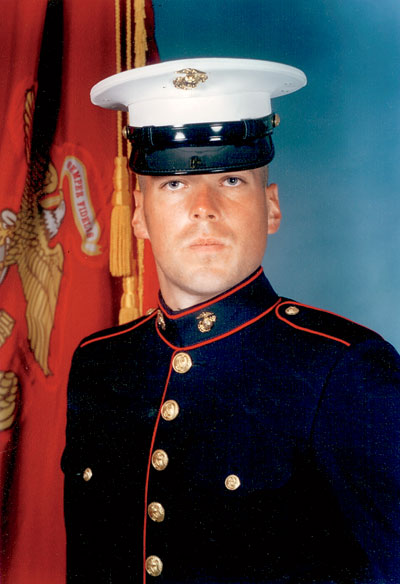
On September 11, 2010, the California National Guard called the parents of Noah Pippin, 31, to ask where he was because he didn’t show up for military duty and that wasn’t like him. Nonetheless, Noah was listed as Absent Without Leave (AWOL). It was this phone call that would set off a series of events for the family of Noah Pippin who also knew that he wouldn’t normally shirk his responsibilities but they were concerned about him. Noah’s parents knew that he once served in the Marines and deployed to Iraq three times. To them, he seemed troubled, preoccupied and depressed the last time they saw him. They wondered if he committed suicide. The family began to trace his steps. Noah left Michigan on August 25, 2010 in a cab to go to the airport to get a rental car. In October 2010, the family remembered they had a picture of the cab and the number. They called the cab company and it was confirmed that Noah did go to airport and rented a car. Records indicate that Noah drove to Kalispell, Montana. The family questioned why Montana instead of California and wondered what happened to him.
At his family’s insistence, Noah visited with them for a week in Traverse, Michigan prior to his deployment with the National Guard to Afghanistan. Noah drove from California to Michigan with a U-haul full of his belongings so he could store them while he was deployed. He had abruptly quit his job 3 months earlier at the Los Angeles Police Department where he had been working for a year a half as a police officer. He decided the job was not working out so he left the position and volunteered to go back on active duty with the Army. Noah volunteered to go on a 13 month deployment to Afghanistan. Noah became a police officer after getting out of the US Marine Corps so when he became disillusioned about the job, he went back to what felt comfortable. Noah got rid of his apartment in California and then when he got to Michigan, he started giving away everything he owned. Noah’s parents questioned his decision to give away all his belongings and told him he could store some of his stuff in their basement. They also knew he deployed to Iraq 3 times and as a result of their observations asked him about his mental health. But he assured them he was okay.
Noah’s parents were already concerned about suicide and worried when Noah didn’t show up for his National Guard duty. They contacted police on September 24, 2010. Initially it appeared the police didn’t share their same concerns about Noah and even made assumptions about his AWOL status as if he was a malingerer. But after the family shared the information they had confirmed with the cab company, the police began to take notice. The police investigated and learned from cell phone records that Noah called a taxi in Hungry Horse but the taxi didn’t know where he went to. On August 31, 2010, all activity stopped on Noah’s cell phone. The family and police wondered if Noah stopped in Montana to do some hiking as a form of rest and relaxation before he was deployed. Credit card activity showed that Noah checked into a hotel on August 28, 2010 and stayed for two nights. Aside from credit card activity at local stores for supplies and a couple restaurants for meals, there was no more activity on his cell phone and credit card and it appears that Noah Pippin disappeared on August 31, 2010. Noah’s dad couldn’t help but wonder if he went to Montana to die. Where Noah went after he left the hotel in Hungry Horse remained a mystery for two years.
In December 2010, the family felt like Noah was probably was dead. His mom continued to send messages to his e-mail but he never responded. Then Noah’s brothers reminded their parents that some of Noah’s stuff was in the basement. The brothers suggested they go through his belongings to see if there were any clues to his disappearance. Noah’s parents admitted it was hard to go through his stuff but they began the process and found a notebook that contained detailed directions to a place called Blue lakes which was south of Glacier National Park in Montana. They also found a list of supplies one would take on a wilderness trek. It appeared that Noah planned on going to Glacier National Park but didn’t mention it to his family. After learning this information, they couldn’t help but assume Noah went there to clear his head. Now the concern was why didn’t he show up for military duty and why haven’t they heard from him. The hotel in Hungry Horse called a month later and informed the police they found some of Noah’s property in the lost and found. This property included cell phone and computer chargers but the cell phone and computer were not present. At this point police thought maybe Noah was a victim of robbery and foul play, maybe even a homicide victim.
The police needed an eye witness who may have seen Noah. In February 2011, the family shared developments in the case with the media while the police contacted the Forest Service. The police talked to people who occupied cabins in the area but no one had seen him. Some witnesses thought they saw Noah walking on the road but couldn’t confirm it was him. At this time, police had no more leads to follow and they all had to wait for the snow to melt before they could begin searching for him. In June 2012, Noah’s parents went to the Blue Lakes to look for him. They noted that they were pleased Noah’s last known location was in such a beautiful place. Eventually witnesses contacted the family to share that Noah showed up to their camping spot. They provided details that he talked about being in the military and deploying to Iraq, therefore he was positively identified. It appears that Noah followed through with his plans to hike to the Blue Lakes and then he headed to the Bob Marshall Wilderness. Noah’s parents were relieved to know he was alive two weeks after his cellphone activity stopped. But now it appears Noah deliberately didn’t go back to active duty with the National Guard. Shirking his responsibilities was not like Noah so why would he go AWOL?
It was September 15, 2010 when the witnesses ran into Noah while they were setting up their camp. They said it appeared that he only had a day pack which wasn’t the norm for someone so far back in the wilderness. Noah said he was going to hike along the Chinese Wall where there was no trail. The family offered Noah dinner and to put him up for the night but he declined and insisted on continuing on his hike. The next day, the weather pattern changed and the family sensed a snow storm was on the way so they left immediately and got caught in blizzard like conditions on the way out. The family thought if Noah got caught up in these conditions, it could be dangerous. A ranger also contacted the family and confirmed that he witnessed Noah sleeping on the trail on September 15, 2010 and it appeared he was heading towards the Chinese Wall. The ranger observed Noah wasn’t equipped for the trip too. Everyone acknowledged that a two day’s hike from civilization could be very dangerous in winter conditions. It was hard to anticipate what could happen in the mountains in blizzard like conditions and the outlook was bleak. Police began a recovery mission after learning this information and a helicopter search team looked for him in August 2011 but he was not spotted. The inconclusive search gave the family hope but they wanted closure.
UPDATE: On August 24, 2012, Noah Pippin’s body was recovered and reports indicate that Noah died from exposure. Noah Pippin froze to death in the Bob Marshall Wilderness.
Investigation Discovery:
Former Marine Noah Pippin is reported missing after failing to appear at drill. -A Soldier’s Story, Disappeared (November 21, 2011)
ID Go: In August 2010, 31-year-old ex-marine Noah Pippin left Michigan to report to the California National Guard. But Noah never shows up. Police trace his path to the forests of Montana, leaving Noah’s parents to wonder why he is venturing into the wild. -A Soldier’s Story, Disappeared (S5,E8)
Editor’s note: With a cable subscription, you can download the free ID Go app and watch all of the Investigation Discovery programming at your convenience. And for those who do not have cable, you can watch “unlocked” episodes on the ID Go app including the latest premieres. Download the ID Go app and binge away. For those who prefer commercial free programming during your binge session, Prime Video has an ID channel: ‘True Crime Files by Investigation Discovery” available for $2.99 a month. It’s a compilation of older seasons but totally worth the cost if you are a true crime addict.
ID Go: Kelley Branam lives in Miami’s most exclusive neighborhood. Guillermo Zarabozo lives in its grittiest.It’s improbable that their paths would ever cross.But, in less than 24 hours, their lives will intersect at sea in a fatal encounter. -Fatal Voyage, Fatal Encounters (S1,E4)
Editor’s note: With a cable subscription, you can download the free ID Go app and watch all of the Investigation Discovery programming at your convenience. And for those who do not have cable, you can watch “unlocked” episodes on the ID Go app including the latest premieres. Download the ID Go app and binge away. For those who prefer commercial free programming during your binge session, Prime Video has an ID channel: ‘True Crime Files by Investigation Discovery” available for $2.99 a month. It’s a compilation of older seasons but totally worth the cost if you are a true crime addict.
Former Marine Noah Pippin is reported missing after failing to appear at drill. -A Soldier’s Story, Disappeared (November 21, 2011)
ID Go: In August 2010, 31-year-old ex-marine Noah Pippin left Michigan to report to the California National Guard. But Noah never shows up. Police trace his path to the forests of Montana, leaving Noah’s parents to wonder why he is venturing into the wild. -A Soldier’s Story, Disappeared (S5,E8)
Editor’s note: With a cable subscription, you can download the free ID Go app and watch all of the Investigation Discovery programming at your convenience. And for those who do not have cable, you can watch “unlocked” episodes on the ID Go app including the latest premieres. Download the ID Go app and binge away. For those who prefer commercial free programming during your binge session, Prime Video has an ID channel: ‘True Crime Files by Investigation Discovery” available for $2.99 a month. It’s a compilation of older seasons but totally worth the cost if you are a true crime addict.
Army veteran Kirby Archer and Guillermo Zarabozo offered to pay a Miami, Florida based charter company $4000 to take them to Bimini to meet up with their girlfriends. The Joe Cool agreed and the two headed out with Jake Branam, Kelley Branam, Scott Gamble, and Samuel Kairy. When they didn’t return home on Sunday, their families began to worry. They eventually contacted the United States Coast Guard for assistance with locating them. The USCG found the boat off the coast of Cuba, 140 miles off course. They also found two survivors: Archer and Zarabozo. The two claimed to be victims of crimes. They said the boat had been hijacked and the other four were shot. They claimed their lives were spared because they knew Spanish and were asked to drive the boat until it ran out of gas. Both the USCG and the Federal Bureau of Investigation got involved with this case. They learned that Kirby Archer was dishonorably discharged from the Army after he went Absent Without Leave (AWOL).
He was arrested for child sexual abuse and was on the run after stealing money from his place of employment. It is believed that he met Zarabozo at Guantanamo Bay where Archer was once assigned; Zarabozo was a child refugee. They made plans to flee to Cuba and used the Joe Cool to execute the plan. Both of them were arrested for lying to federal agents. After Zarabozo’s home was searched, they found shell casings that matched those found on the boat. They also observed that Zarabozo’s 9 mm was not in the case and unaccounted for. Both Archer and Zarabozo were charged with sixteen counts including four murders. There was no body and no murder weapons so it was considered a circumstantial case. The defendants turned on each other but the prosecutors were able to show how it took both men to commit the crimes against the four individuals on the boat. There were two guns used in the commission of the crimes, therefore both were involved. Archer and Zarabozo were sentenced to five consecutive life terms. The Joe Cool slip is empty to this day. Jake and Kelley Branam’s children are living with her sister in Washington.
Investigation Discovery:
ID Go: Kelley Branam lives in Miami’s most exclusive neighborhood. Guillermo Zarabozo lives in its grittiest.It’s improbable that their paths would ever cross.But, in less than 24 hours, their lives will intersect at sea in a fatal encounter. -Fatal Voyage, Fatal Encounters (S1,E4)
ID Go: The crew of a luxury charter yacht falls prey to a fugitive’s cold-blooded escape plan en route to Bimini, a remote Bahamian paradise in the Bermuda Triangle. -Hook, Lines and Murder, Murder in Paradise (S1,E4)
ID Go: Kelley Branam’s husband Jake is a Miami charter boat captain with high aspirations. Jake works long hours to support his new family but Kelley’s suspicions run deep. Out of the blue, she decides to join Jake on a charter and is never heard from again. -Hijacked, Dark Waters (S2,E4)
Editor’s note: With a cable subscription, you can download the free ID Go app and watch all of the Investigation Discovery programming at your convenience. And for those who do not have cable, you can watch “unlocked” episodes on the ID Go app including the latest premieres. Download the ID Go app and binge away. For those who prefer commercial free programming during your binge session, Prime Video has an ID channel: ‘True Crime Files by Investigation Discovery” available for $2.99 a month. It’s a compilation of older seasons but totally worth the cost if you are a true crime addict.
Editors Note: Need to get up to speed quick with the missing case of Lackland Air Force Base nurse Nonnie Dotson, please check out Episode 4 on the Military Murder Podcast
Air Force nurse 1st Lt. Nonnie Dotson, 33, was last seen by family members the afternoon of November 19th, 2006. She left her brother Tony Dotson’s residence in Littleton, Colorado where she had been visiting, and told him she was going to have a smoothie with friends. Dotson had no vehicle with her so she either left the residence on foot or was given a ride. Dotson had flown into Colorado by commercial airline on November 16, 2006 from San Antonio, Texas, where she was on active duty serving as a nurse at Lackland Air Force Base with the United States Air Force. She failed to return to active duty as scheduled and the return flight portion of her ticket was never used. She left behind a 16-month-old daughter at her brother’s home in Colorado. She was scheduled to discharge from the Air Force in March 2007.
“The day after Nonnie disappeared, police did get a ping from her cell phone not far from the area she was last seen. Dogs traced her scent there, but no evidence was found.” –9 News
Investigators believe Nonnie was taken against her will and her parents know she wouldn’t just walk off. Cold case detectives said solving the disappearance of Nonnie Dotson is going to take someone coming forward after all these years to say ‘this is what I know happened.’ Nonnie Dotson’s family is offering a $25,000 reward for information leading to her whereabouts. The Denver Post reports, “the Doyles are using their retirement money for legal fees, and trying to sell their house in California with the hope of using the money to increase the reward to $100,000.” Please click here for the Colorado Bureau of Investigation case details for Nonnie Ann Dotson. Anyone with information about Nonnie’s disappearance is asked to call the Jefferson County Sheriff’s Office. A detective has been assigned to the case.
Anyone with additional information is asked to contact the Jefferson County Sheriff’s Office tip line at 303-271-5612. (Reference NamUs #MP10563)
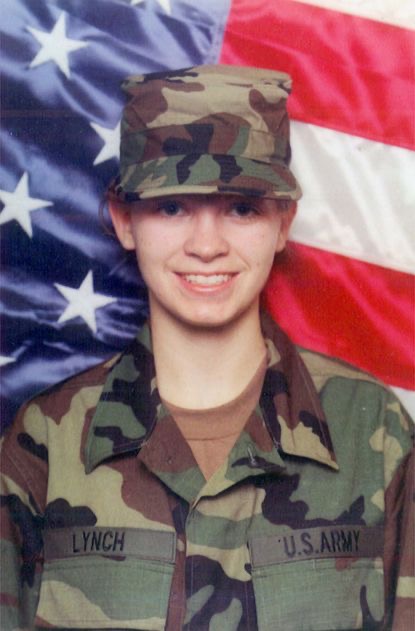
“On July 22, 2003, U.S. Army Private Jessica Lynch, a prisoner-of-war who was rescued from an Iraqi hospital, receives a hero’s welcome when she returns to her hometown of Palestine, West Virginia. The story of the 19-year-old supply clerk, who was captured by Iraqi forces in March 2003, gripped America; however, it was later revealed that some details of Lynch’s dramatic capture and rescue might have been exaggerated.”
In April 2007, Lynch testified before Congress that she had falsely been portrayed as a “little girl Rambo” and the U.S. military had hyped her story for propaganda reasons…“I am still confused as to why they chose to lie and tried to make me a legend when the real heroics of my fellow soldiers that day were, in fact, legendary. The truth of war is not always easy to hear but is always more heroic than the hype.”