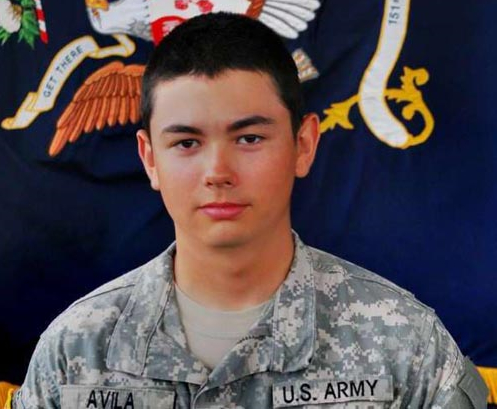
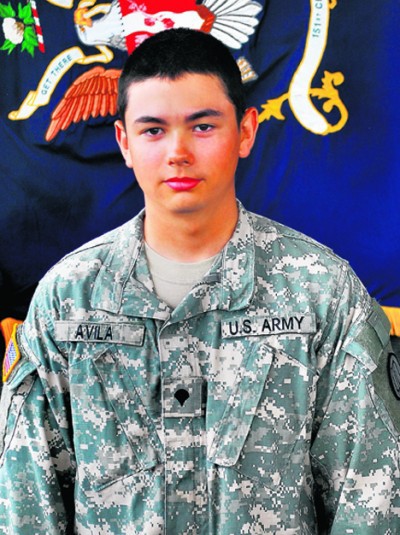
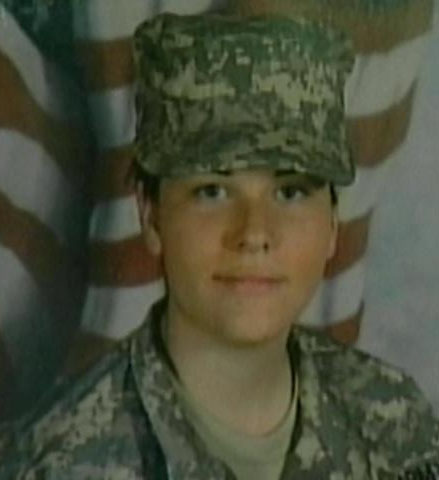
Spc. Adrian Avila, 19, US Army, died of a non combat related accident in Khabari Crossing, Kuwait on October 29, 2009. Spc. Avila was supporting Operation Iraqi Freedom on behalf of the 1343rd Chemical Company, 151st Chemical Biological Radiological and Nuclear Battalion, 115th Fires Brigade of the Alabama Army National Guard in Fort Payne, Alabama. According to the Department of Defense the incident is under investigation.
WILMINGTON, N.C. — Sgt. Jason Hawk and his bride met for the first time when he picked her up at a bus stop near his Army base a day before their wedding. Prosecutors say the speedy romance was echoed by a fast honeymoon: Ayna Ivanova returned to New York soon after.
Two other paratroopers who served with Hawk and three women now each face up to five years in federal prison when sentenced for their roles in what authorities say was a marriage scheme that aimed to garner U.S. citizenship for Russian brides and coveted housing allowances for junior enlisted men. Prosecutors said the marriages cost the government at least $200,000 in wages and benefits.
“The non-statutory aggravating factors found by the jury were that the Petitioner (1) caused injury, harm, and loss to the victim, and the victim’s family and friends; (2) utilized training, education, and experience gained during criminal justice college courses, his time in the Kansas National Guard, his work as a law enforcement officer, and his experience as a member of the United States Army; (3) engaged in acts of physical abuse towards women; and (4) demonstrated a lack of remorse.” (Runyon v. United States, 2017)
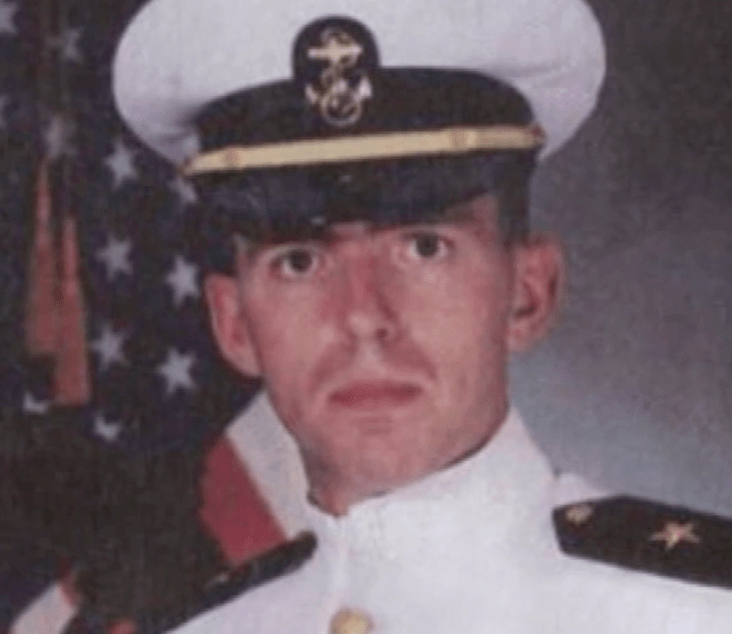
On April 29, 2007, Navy Ensign Cory Voss was discovered dead in his pick-up truck in a bank parking lot in Newport News, Virginia. Initially, investigators thought maybe this was a robbery gone wrong but Cory had been shot five times. Typically, in the course of a robbery, a suspect may shoot at the victim a couple of times in their attempt to flee the scene so this particular crime was suspect right away. Detectives left the scene to notify Cory’s wife Catarina Rose that he was deceased, and had been murdered. Catarina was very, very upset to learn the news although she was able to provide some details about Cory’s movements the night before. Catarina admitted that she was on the phone with Cory while he was at the ATM and warned him to be careful. This was immediately suspicious to detectives because it seemed like too much information. You typically wouldn’t be concerned if your spouse drove 3 miles away from the house.
The next day news spread quick in the Newport News and Naval community. People were in shock that someone they knew was murdered in this way in what normally is a relatively safe community. Detectives were able to get the surveillance video at the bank. It appeared someone jumped in the driver’s side of the vehicle and demanded that he drive away. They stopped in a nearby parking lot and Cory was shot. Unfortunately the quality of the video was not good enough for an identification. One interesting thing police learned was that no money had been withdrawn from the ATM and Cory was not robbed. Meanwhile, Catarina was very distraught and was being supported by Cory’s family and the Naval community. Then one day, police received a phone call from a witness that changed everything. When questioned, Ashley Doyle revealed her identity and was persuaded to meet with the investigators.
When Ashley met with the investigators, they showed her pictures of Cory and the unknown assailant from the bank surveillance video. Immediately, Ashley felt that it was Michael Draven that had killed Cory so she provided police with his name and suggested they look into him. She also told investigators about Michael and Catarina’s ongoing affair while Cory was deployed with the Navy. Investigators started looking at both Michael and Catarina’s social media pages and they were shocked by what they discovered. Michael Draven was seen pictured with Catarina and Cory’s children and he referred to them as his wife and family. Police enlisted the help of Ashley and asked her to meet with Catarina in an attempt to elicit a confession or get any other information that would be helpful to the investigation. When Ashley contacted Catarina she learned she was still very upset and was in the process of planning Cory’s funeral.
Ashley went to visit Catarina with hidden recording devices in tow. She learned that less than three days after Cory died, Catarina received $250,000 in life insurance money and she couldn’t get the full amount until an investigation was conducted. Catarina’s main concern while they visited was why she couldn’t get the second half of the life insurance pay out. Investigators were responsible for the hold on the second payment because it’s standard practice in situations like these, but Catarina was angry and impatient. As a result, she filed complaints that police weren’t doing their jobs and demanded that Cory’s case be solved (so she could get the rest of her money). Three weeks later, Catarina and Michael traveled to the Outer Banks in North Carolina for a vacation. Unbeknownst to them, their every move was being watched by police. And Cory’s family were starting to become uncomfortable with her behavior after she received the insurance money.
As a result of Catarina’s behavior, detectives subpoenaed her bank records. They learned the account Cory used on the night in question had only been opened for six days and never had more than $5 in it. Cory made three attempts to make a withdrawal. The first time was $60, then $40, then $20, all of which were insufficient funds. Police theorized that Catarina didn’t just want Cory to get the money but she wanted him to stay there and struggle. Interestingly enough, the account was co-signed by Michael Draven. A deeper dive into Catarina’s life turned up even more shocking revelations. Catarina wasn’t from the Ukraine like she told people but instead she was a local girl by the name of Cathlene Wiggins. She was also married once before to a man named Steven Larson. Steve joined the Army to support them and soon his testimony started to sound like a familiar pattern: long deployments, manic shopping, and infidelity.
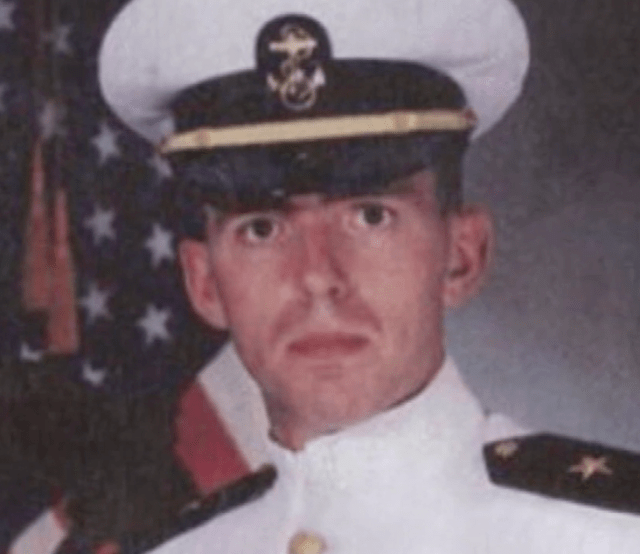
Cory Voss, U.S. Navy
Steve Larson alleged Catarina stood him up at the airport when he returned home from a deployment to Korea and when she did finally show up she told him she was three months pregnant with Cory’s baby. Catarina wanted Steve out of the picture and started fights with him every chance she got. She escalated and became aggressive to the point that Steve wanted to leave the relationship to stop her from hurting him. All this new information about Catarina was helpful circumstantial evidence but she wasn’t the one who pulled the trigger. Investigators believed Catarina and Michael Draven conspired to murder Cory for financial gain but they still needed hard evidence to put the pieces of this conspiracy together. They also believed that someone helped Michael Draven commit the murder so they dug into Draven’s past. A month before the murder, he spent some time in the city jail on a domestic abuse warrant.
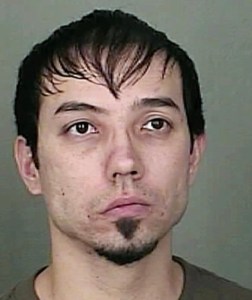
Police found a number of recorded calls at the jail, the majority to Catarina, and the pair discussed their future together. In addition, they appeared to be discussing the plan to kill Cory and Catarina mentioned a 2 hour conversation she had with “David” who police suspected was the third party involved in the crime. Investigators combed through Catarina’s cell phone records and determined his name was David Runyon. He lived in West Virginia and was a marksman in the military; he met Michael Draven at a medical research facility. In December 2007, investigators initiated a search warrant for David Runyon’s property in an effort to find evidence tying him to the murder. In the search of his vehicle, they found a map of Newport News, Virginia and there were handwritten notes with the name of the credit union and address and a physical description of Cory’s vehicle. This was enough to arrest all three players.
Michael Draven was reinterviewed by detectives and ultimately he confessed this was a planned murder that he and Catarina had devised. They hired David Runyon to do it. Michael threw both Catarina and David under the bus and sold them out. Apparently, Catarina told Michael that Cory was abusing or mistreating the children and Michael believed her. Investigators believed this is how Catarina coerced and manipulated Michael into finding someone to kill Cory. Police asked Draven to call Catarina and tell her he was outside the police station and about to confess. Catarina asked him not to confess and drove to the police station where detectives were waiting to arrest her. On December 14, 2007, 8 months later, Catarina was charged with the crime. Seven months later, Catarina went to court. In an effort to avoid the death penalty, Catarina agreed to a plea of conspiracy to commit murder-for-hire.
Catarina Voss admitted to investigators that she set the murder-for-hire up by asking Cory to go to the ATM to get some money. She admitted she knew David Runyon was lying in wait. As a result, Catarina was sentenced to four life terms in prison plus twenty additional years. On July 17, 2009, a federal jury convicted Michael Draven and David Runyon of murder, conspiracy to commit murder-for-hire, and carjacking. Michael Draven received two life sentences and David Runyon received the death penalty. For the family, the pain of the loss of Cory Voss endures. Cory had turned his life around, joined the Navy, and went from enlisted to an officer. He was doing all the right things and the only thing he did wrong was love the wrong woman. Catarina Voss never showed any remorse towards Cory, but police say she was remorseful because she got caught.
“NCIS: The Cases They Can’t Forget” returns for its third season. -CBS News (May 29, 2019)
An American hero was shot to death while withdrawing lunch money for his kids. Who killed the young naval officer? It turned out to be a murder-for-hire case, plotted by Cory Voss’ wife, Catherine, who sent a hitman to kill him in what prosecutors said was supposed to look like a botched robbery. -Inside Edition (May 29, 2019)
Investigation Discovery:
Navy man Cory Voss and his wife Catherina “Cat” Voss are a young couple raising two children in Newport News, Virginia. Despite Cory’s love and devotion, Cat secretly falls for another man. But betraying her marriage vows is just one angle in Cat’s complicated web of lies, and eventually she seeks a more permanent solution to finally end her marriage. -The Liars Club, Deadly Wives (S2,E5)
They say opposites attract, that’s how Navy man Cory Voss meets his wife Cat. When money runs dry she seeks the attention of a seemingly wealthier man. But when Cat finds out he isn’t who he says the Voss family falls apart. -Blinding Fantasy, Cold Hearted (S1,E4)
Rebecca Hart came home to what she thought was a suspected robbery in progress on June 2, 2009. She called the police and what they discovered was that her husband, retired Army recruiter Gilbert ‘Gib’ Hart was dead. He had been shot once in the head but they found no gun located near him. An no cash or other valuables had been stolen from the home. Investigators quickly learned from a couple of local teenagers that Gib’s children, Becca and Alex, were involved in the crime. They discovered that the children had been looking for someone to kill their father for a few months. And they finally found someone willing to do it for them: John Patrick ‘JP’ George. Fifteen year old JP George was easily manipulated after learning that Gilbert abused Becca and Alex. JP had a mother who was a victim of domestic violence so he didn’t want anyone to go through abuse. Unfortunately for him, there was no abuse. Gilbert may have been controlling of the finances and the way he ran his house but he was no abuser. JP admitted to committing the crime and being hired by Becca and Alex to do it. They also gave him the gun of which he threw in the Savannah Lake after killing Gib. All three kids cracked when questioned by the police and eventually they gave up the real mastermind. Apparently Rebecca Hart asked her children to find someone to kill their father. She offered to pay someone $200 to kill Gilbert Hart so she could be out from under his control and have his cash, life insurance, and military death benefits. On the night of the crime, Rebecca also gave her son the code to the safe so he could gain access to the gun that would end Gib’s life. Rebecca Hart, Becca Hart, Alex Hart, and JP George all received fifteen years in prison for conspiracy to commit murder. Gib’s children from another marriage reiterated that their father was never abusive towards them and that his new wife and children did not deserve to use the Hart name.
ID Go: A former military man, Gilbert Hart believes a strict parenting style is the best approach with his rebellious teenagers, but his wife Rebecca thinks that he’s crossed the line. It isn’t long before, this family feud escalates into an all-out war… -Hart of Darkness, I’d Kill for You (S3,E4)
Editor’s note: With a cable subscription, you can download the free ID Go app and watch all of the Investigation Discovery programming at your convenience. And for those who do not have cable, you can watch “unlocked” episodes on the ID Go app including the latest premieres. Download the ID Go app and binge away. For those who prefer commercial free programming during your binge session, Prime Video has an ID channel: ‘True Crime Files by Investigation Discovery” available for $2.99 a month. It’s a compilation of older seasons but totally worth the cost if you are a true crime addict.
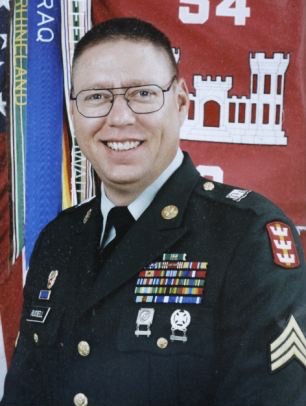
On May 11, 2009, SSG John Russell gunned down five of his fellow comrades at a mental health clinic at Camp Liberty in Iraq with his M-16. It was revealed that he had an argument with someone at the clinic, left, and came back with his gun. His crimes were determined to be premeditated. He was arrested and subsequently charged with murder and aggravated assault of another soldier that was seriously injured. Days before the killings witnesses noticed that he was distant and having suicidal thoughts. He was also scheduled to leave Iraq in a few days. He was tried for the murders of his fellow comrades and found guilty. He was sentenced to life in prison on May 16, 2013. But his family feels that the Army should also take responsibility for their actions. The family believes that John was broken and not treated for the injuries he sustained in combat, in the line of duty. SSG Russell was being treated for symptoms associated with Post Traumatic Stress with medications but it is believed that the psychotropics the military psychiatrists prescribed to him may have played a role in his actions. He was described as a kind, caring man up until the day he committed the unforeseen murders against his fellow soldiers.
Army soldier Ashley Barnes-Lambert, 18, was murdered by her husband, Khaleefa Lambert, also an Army soldier, on March 7, 2009. Ashley was home on leave from Afghanistan and was in the process of filing for divorce. Lambert drove up from Fort Campbell, Kentucky, kidnapped Ashley at knife point from her hotel room in Clarksville, Tennessee, and stabbed her to death in the parking lot of the hotel. The State of Tennessee sought the death penalty in this case but Lambert’s attorneys filed a motion to dismiss the death penalty notice. Lambert was charged with two counts of aggravated kidnapping and two counts of first degree/felony murder. A jury found Khaleefa Lambert guilty and he was given a life sentence in prison with eligibility for parole.
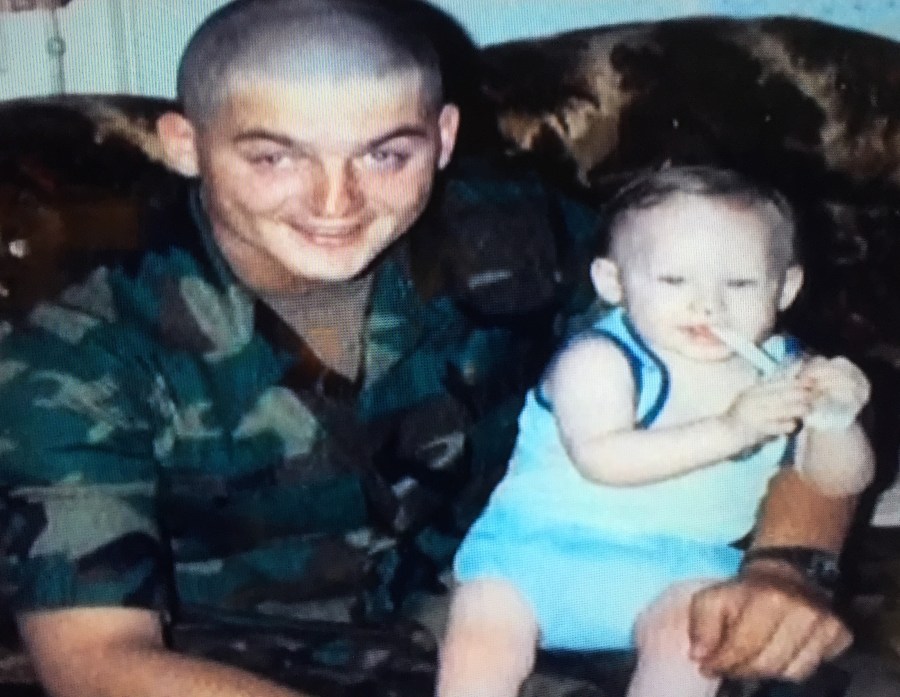
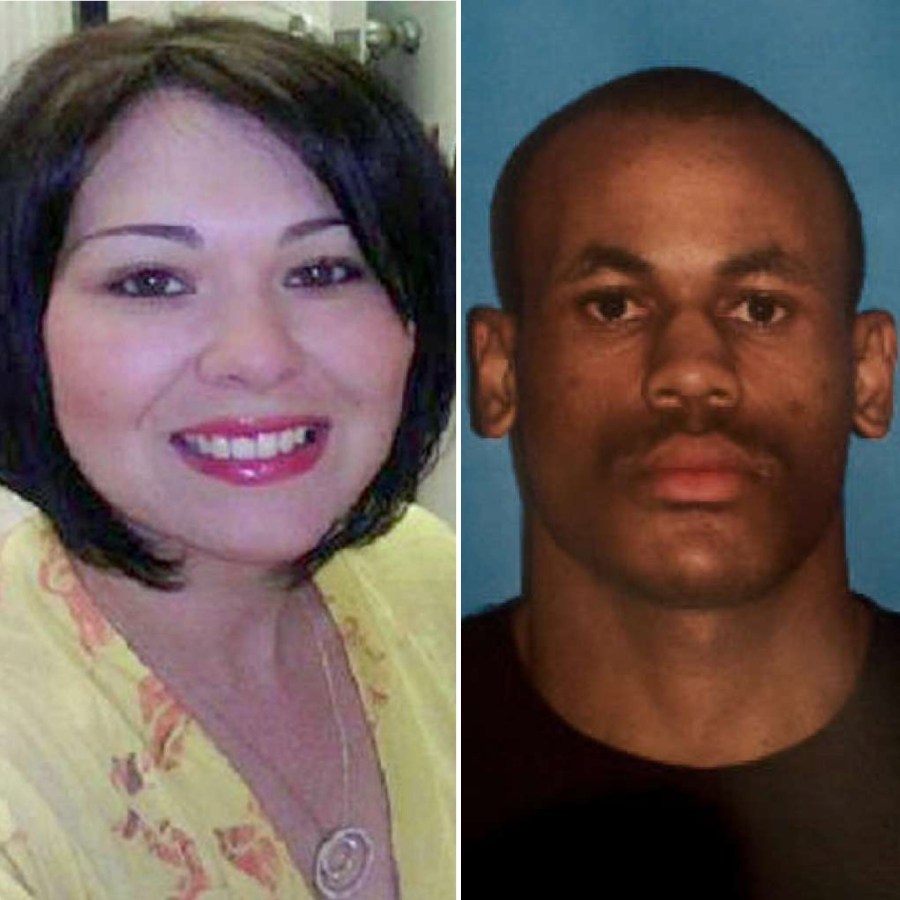
Susana De Jesus and Nicholas Michael Jean, US Army Veteran
The murder of Tina Davila was the start of a scourge of violence in Houston, Texas. On April 16, 2008, Tina Davila, a mother to five children. was out running errands with her four month old daughter. She made a quick stop at the cellphone store. After exiting her vehicle, two guys pulled up beside her and one of them jumped out and ran up behind her. A struggle ensued for Tina’s car keys because Tina immediately went into mother mode and began worrying about her baby she left in the car. The assailant was able to take the keys away from her so Tina ran after him in an attempt to get her keys back. It was at this time she was stabbed and the assailant changed plans and took off in the car he came in.
Tina stumbled to the front desk of the cellphone store and asked the employees to get her baby from the car. The employees got her baby for her and laid the baby next to her mother on the floor. The cellphone store employees called 911 and Tina was rushed to the hospital. The family was notified and arrived at the hospital only to learn that Tina had died; they also learned from media reports that she was stabbed during an attempted carjacking. Tina’s family was devastated. Fortunately, there was an eye witness who was able to provide a good description of the attacker and driver of the car. They were both described as Hispanic males and a composite sketch was created. A $10,000 reward was offered for any information leading to an arrest.
Meanwhile, the Houston police learn that there was a robbery at a beer store four hours before Tina was stabbed. Both the store and the parking lot had surveillance cameras and a witness identified two Hispanic males in the aggravated robbery. The witness also provided a license plate number and police learned the car was registered to Stacy Bailey. She reported her car stolen the day before the robbery of the store and the stabbing of Tina Davila. Stacy also described the two assailants as Hispanic males. Police were able to determine that this was the same car used in the aggravated robbery and homicide. The police fed leads to the media in an attempt to get more tips but they got no new information and the cases went unsolved.
Ten months later on February 2, 2009, as Susana De Jesus was leaving her place of employment with a co-worker, she was accosted by a masked gunman parked. He demanded that she get in her car and drive; Susana’s co-worker Karen Davis retreated in her own car where she remained until she felt safe. Karen called the police but could only provide a vague description of Susana’s car. While Susana was driving, the assailant demanded she go to a bank and was worried about her On-Star tracking system. Susana didn’t know if it was working and said she needed to call her boyfriend. He knew something was wrong because of her impersonal phone call.
Susana’s boyfriend called On-Star to find out whether or not they were able to track her but they couldn’t give out any information unless there was a missing person’s report. Susana’s boyfriend then went to her apartment and her car was not there. He was very worried now and went to the police station to file a missing person’s report. The car was tracked down in a parking lot but Susana and her abductor were gone. Police were concerned the assailant would cross state lines so the Federal Bureau of Investigation (FBI) was contacted to assist because they have more resources. These attacks were random and it illicited fear in the community.
The FBI learned that Susana’s debit card was used to purchase fuel and the gun left in Susana’s car was stolen the same day Susana was abducted. The woman who reported the gun stolen also reported the assailant tied her up, gagged her, and shoved her in a closet. She managed to get herself untied and escaped while the assailant was robbing her home. She ran to a neighbor’s home then called the police. The assailant was gone by the time the police arrived and only managed to steal the gun. These two crimes were now connected. The police wondered if Tina’s case was connected too. After three days, there was still no sign of Susana. Texas Equusearch was called in to help them find Susana. The search lasted for three weeks but came up empty.
Sabrina Piña was the third person accosted in a parking lot in the course of a couple years in Houston. In this case, she was taken but her car was left behind and there were no witnesses. Texas Equusearch was called again, this time to look for Sabrina. And then a $30,000 reward was offered for the resolution of Susana De Jesus and Sabrina Piña’s disappearances. Then two days after Sabrina’s abduction, someone found an unidentified woman’s body laying in a ditch. On February 2, 2009, Sabrina Piña was found with duct tape wrapped around her eyes and wrists, and she had been shot in the back of the head. Forensic scientists were able to extract a finger print from the duct tape that matched Theodore Schmidt. He was arrested. Police learned Schmidt knew Sabrina from college and had an unhealthy obsession with her. When she didn’t appear to recognize him in the parking lot, he got angry and kidnapped her. Schmidt was convicted of capital murder and sentenced to life without parole.
A month after Sabrina Piña was found, another man contacted police to report an attempted abduction and murder. This assailant forced him into the trunk of his own car but when the gunman has trouble starting the car, the victim was able to escape. When the assailant realized he escaped, he began chasing him down and shooting at him but he made it to safety. The police responded and an intensified attempt to find this dangerous assailant was initiated. Police asked people in the surrounding area to stay in their homes and report any suspicious activity. Ten hours later, a woman called to report a person wearing a mask in a carport. The Police responded, apprehended the suspect, and learned it was Nicholas Michael Jean.
Jean’s behavioral problems in the U.S. Army also are likely to surface during the trial. He served at Fort Sill, Okla., for three months before being discharged two weeks prior to De Jesus’ murder because his supervisors found him “unfit for military service,” according to a military separation letter. Army records show Jean was accused of fighting with and threatening other soldiers in his platoon, trying to choke another serviceman, hitting another private in the face and abusing sick leave time. He had also been discharged from the U.S. Navy in 2006 for a serious offense of misconduct, court files show. –Houston Chronicle
Nicholas Jean was an Army veteran who was recently discharged for being unfit for military duty after only three months of service. According to the Army, he did not respect authority and punched an officer. Investigators questioned Nicholas who tried to stick with the story that he was only a driver for the gang. After a few hours, Detectives began to lose their patience and demanded that Jean tell them what happened because they knew he had information. At this point, they had tons of evidence and knew all these crimes were connected. In this case, two crimes remained unsolved: one was dead; one was missing. and perpetrators were still on the loose. They needed Jean to give up the names of those who were involved. Jean eventually told the detectives that ‘the group’ took Susana in a semi trailer and killed her. Jean led the police to Susana De Jesus’ body.
On March 10, 2009, police found the badly decomposed remains of Susana De Jesus in an abandoned semi trailer. Nicholas Jean admitted to murdering Susana within two hours of her abduction. Jean also admitted to killing Susana so he could give her vehicle to the girl he wanted to marry as a wedding present; she turned him down. Jean was charged with capital murder and was facing the death penalty. But the jury spared his life and he was instead sentenced to life in prison without the possibility of parole. Wallace Ledet drove Jean to the abduction so he was apprehended too and charged with manslaughter. Ledet pleaded guilty and was sentenced to thirteen years in prison. Neither Ledet or Jean could be tied to Tina Davila’s murder.
Then one day a high school principal called the Houston police to report a student thought her boyfriend may have been involved in Tina Davila’s murder. She named seventeen year old Kennedy Escoto. As a result, Escoto was arrested and admitted to his involvement but tried to pin everything on his passenger Timoteo Rios. Escoto also admitted they stole some beer in the morning and because they were getting low on gas, they needed another car; Tina was a victim of opportunity. Kennedy Escoto was convicted of aggravated robbery with a deadly weapon and sentenced to forty years. Timoteo Rios was convicted of capital murder and sentenced to life in prison without the possibility of parole.
In April 2008, 39-year-old Houston native and mother of five, Tina Davila, runs errands with her 4 month old infant when she’s attacked in a parking lot. In the next year, a rash of similar crimes breaks out across the city. Are they related? -Investigation Discovery
Critics say the military needs to do more about domestic violence against women. A CBS News investigation found more than 25,000 women have been victimized over the past decade. Katie Couric reports. -CBS
Date: October 30, 1985 Victims: Recife Cosmen, 2, Ernest Trout, 67, and Augusto Ferrara, 64 (she also injured 7 others in the shooting incident) Location: Springfield Mall, Philadelphia, Pennsylvania Circumstances: Sylvia dressed in fatigues began shooting at people in the Springfield Mall with a 22 caliber rifle; victims were diving behind racks of clothing and hiding in the backs of stores; store owners realized that it was a familiar face; Sylvia would go into the Springfield Mall and complain to store owners that the bright lights bothered her; she would also march up and down the hall in the mall; Sylvia was obsessed with the military and the Army discharged her early; the Army recognized that Sylvia was not right in her mind; she muttered to herself and used obscenities because Sylvia had schizophrenia; she couldn’t perceive reality for what it was; she responded to the negative voices in her head; she was diagnosed 10 years earlier but refused to take her medication; Sylvia’s mother tried to get her to take the medication but she wouldn’t; her delusional system involved military power and control over people; her history revealed the potential for violence; she had been working up to the violence at the mall for a long time; Sylvia was driven by paranoid schizophrenia, the delusions centered around the fact that one is being persecuted and people are after them; she was in and out of mental institutions for years and feared her mother wanted to send her back; she refused to take medication and was suspicious of the medication and anyone who wanted her to take it; she thought her family wanted to hurt her and was out to get her, she was fearful that they wanted to send her back to the hospital; to Sylvia, the shooting was a ticket to a better life in prison; for some reason she decided that the hospital was worse than prison and she would do something to get her to prison instead; thankfully someone in the mall walked up to her and took the gun from her thinking it was a prank; John Loufer was an accidental hero; once medicated again, Sylvia displayed remorse for her actions; she was angry that she was free to buy a gun despite her mental illness; but she checked “no” on the form and was able to purchase a gun with no problems whatsoever; Sylvia criticized her ability to buy a weapon and wrote to Congress, the President, etc telling them she should not have been allowed to buy the gun Motive: Mental Illness (paranoid schizophrenia) Disposition: Sylvia Seegrist, 24, was found guilty but mentally ill of 3 counts of murder and 7 counts of attempted murder; she received 3 life sentences
Date: November 4, 1997 Victims: Justin Thomas, 5, and Shelby Alexis Riggs, 2 Location: Sherwood, Arkansas Circumstances: Single mother Christina Riggs killed her own children; something snapped in her mind because she killed two defenseless children that didn’t know what was coming; Christina was going to kill her children with potassium chloride which she thought would stop their heart; what she didn’t understand is that a diluted form through IV would burn the skin and destroy the vein in the process; the potassium chloride binds and burns all of the blood vessels on the way to the heart; trouble followed Christina through her entire life; Christina was separated from her siblings and raised alone by her mother; in her diary, she wrote of sexual abuse by a neighbor and a family member; by 13, she was desperately unhappy and overweight; it was a psychological barrier for offenders; if I look unattractive, they won’t be interested in me; when she got older, she turned to sex because that’s all she knew; she got pregnant at 20 with her son Justin and his father skipped town; she married John Riggs and had another child Shelby but the marriage didn’t last; she was alone and raising the children by herself; she lost a cousin to suicide, her mother made a suicide attempt when she was growing up, and she had a grandmother who was institutionalized; potassium chloride is often used in prison executions; she thought she would give the children a quick and painless death but Justin was in pain and agony; she reached for another injection and tried to give him morphine; he was in so much pain and wiggling about that it was impossible for Christina to get the needle in the vein; Christina was a nurse known for always helping people; her sister wanted to know why she did this (filicide); her sister said she was great with her kids and worked long hours at the hospital to provide for her kids; after her divorce, she started another relationship but this guy broke her heart and stole her credit card; he left her broke and destitute; she told a doctor she was depressed and was prescribed Prozac; it was unclear if she was taking meds at the time of the homicide; the combination of mood swings, irritability and depression was the perfect storm; her plan to poison her two children failed so she resorted to suffocation and smothered both the children; she carefully laid their bodies on her bed and then tried to take her own life; she took 28 anti-depressants and injected herself with potassium chloride but it burned a hole and collapsed the vein; she decided to kill her children 2 days before she did it; she was afraid if she died, the children would be separated and go with their respective fathers, she thought she would prevent future sadness; 19 hours after the suicide attempt, Christina’s mom found her shortly before she died; Christina was demonized once the community learned what she had done; if she had died, nobody would have cared and would have wrote this off as another horrible tragedy; her sister hopes to shed light on the issue to help others learn from their experience; at trial, many discounted Christina’s state of mind and thought she wanted to rid herself of the children; in the end, the State of Arkansas finished what she started; Christina was obsessed with a black depression and didn’t want her children to live the same way Motive: Mental Illness (depression) Disposition: Christina Riggs, 26, was found guilty of two counts of first degree murder and sentenced to death by the State of Arkansas; she was executed by lethal injection (potassium chloride) on May 2, 2000
“There is no way words can express how sorry I am for taking the lives of my babies. Now I can be with my babies, as I always intended.” -Christina Marie Riggs (last words before execution)
Date: November 1984 Victims: Aggie Marsh, 97, Stella Bradham, 85, Leathy McKnight, 85, and Mary Rae Carter, 79 (Anna Larsen, 94, was injected with insulin but rushed to the hospital and saved) Location: North Horizon, St. Petersburg, Florida Circumstances: In a 50 bed nursing facility, 12 people died in 13 days; Bobbie was an angel of death and killed her patients; she had an intense compulsion to murder because of what it did for her; Bobbie Sue had deep rooted psychological issues that surfaced after the investigation began; she used to mutilate herself to attract attention; she had Munchausen Syndrome by Proxy; she had a long history of self-harm; she had her ovaries removed, stomach tumors, a broken arm that wouldn’t heal, hysterectomy, gall bladder problems, ulcers and pneumonia; it brought her the attention she craved; she would faint in between surgeries; she craved attention so she hurt herself to get it; her mind was twisted at an early age because four of her siblings had muscular dystrophy so she didn’t get the attention she wanted; at a young age, she learned the way to get love and attention was to be sick; her life revolved around sickness; it lead her to a career in nursing; she saw the power her mother had taking care of sick children and she wanted that; her desire switched from harming herself to harming others; detectives found a common thread with each death; Bobbie Sue was working when they died; they learned she had a long history of harming herself for attention; somehow she got a license in nursing in 1975 despite being in and out of institutions for years in Illinois prior to her move to Florida; the victims in the nursing facility showed no signs of injury; the cops needed to substantiate their gut feelings; one of the individuals who died had several injection points and there seemed to be a trace of zync, maybe possible use of insulin; it’s used to help diabetic patients from becoming hypoglycemic; the use of insulin overdose would cause blood sugars to drop, stop the heart, and cause insulin death; Anna Larsen was sent to the hospital with insulin shock but she wasn’t a diabetic; someone injected the insulin and staffing records revealed Bobbie Sue was the common theme; cops investigated records and exhumed the bodies; they finally had enough to charge Bobbie Sue; they not only proved that she committed murder but they got a conviction; detectives believe that she probably has more victims that we don’t know about; Bobbie Sue died of an infection in prison on August 27, 2007 Motive: Mental Illness (Munchausen syndrome by proxy) Disposition: Prosecutors wanted first degree murder charges for Bobbie Sue Dudley, 35, but she plead guilty to second degree murder in a plea bargain and was sentenced to 65 years in prison for 4 homicides; she also received 30 years for the attempted murder of Anna Larsen to be served concurrently with the 65 year sentence; the plea bargain locked her away for the rest of her life; she died of an infection in 2007








 MILITARY JUSTICE FOR ALL