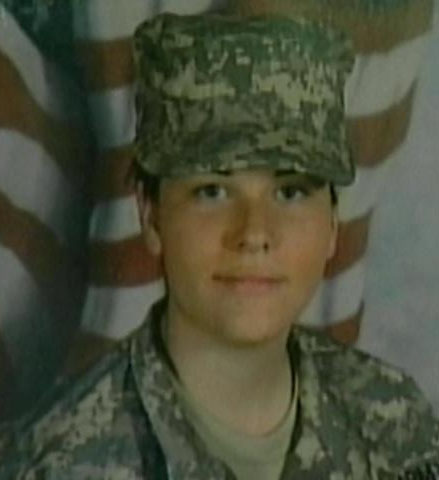
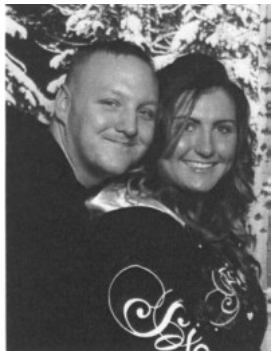
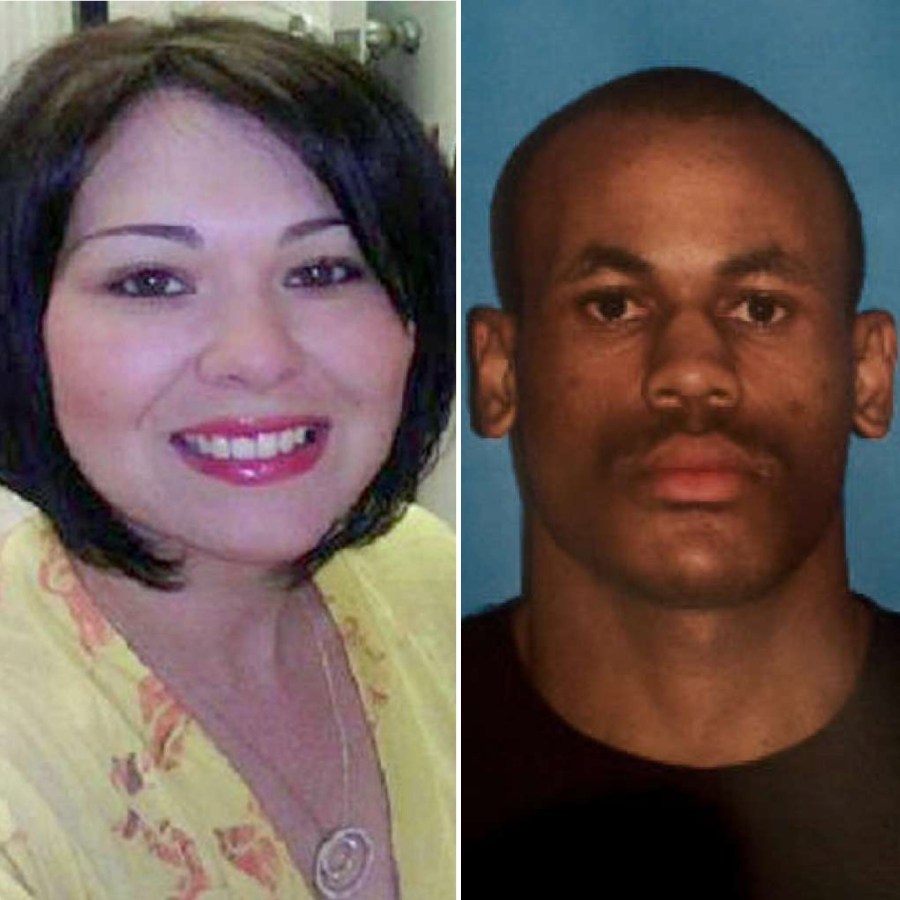
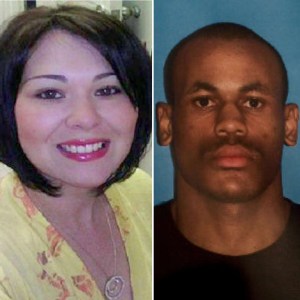
Mickey Widmer and her boyfriend Darnell Mears move into a Minnesota trailer park looking for a fresh start, but after meeting Rick Taber, a reclusive neighbor, he grows too close for comfort. Good neighbors go bad; and bad neighbors spill blood. -Trailer Park Terror, A Stranger in My Home (S1,E2)
Date: July 25, 2009 Victim: Michaela ‘Micky’ Widmer Offender: Ricardo ‘Rick’ Taber (said he was Army veteran, served in Vietnam) Location: St. Peter, Minnesota Circumstances: Neighbors, Rick had inappropriate boundaries, Rick gave Micky’s daughter expensive gifts and it caused problems in her relationship with fiancé Darnell Mears, Micky and her daughter went missing, neighbors found Rick dead in his home, teenagers found what they believed was a little girl, Micky’s daughter Cindy was found alive, investigators located a knife and Micky’s belongings in a dumpster including an $18,000 check written to Micky from Rick, Micky’s body was located in the same cemetery Rick’s aunt was buried in, her hands were bound behind her back, her bra was removed and she was stabbed to death, it is believed Rick may have wanted sex and got angry when he was rejected, autopsy revealed Micky was not sexually assaulted, the residents tore down Rick’s home, aunt and uncle have custody of Cindy, Disposition: Rick never served in the military (stolen valor) & died by poisoning, suicide
Editor’s note: With a cable subscription, you can download the free ID Go app and watch Investigation Discovery programming at your convenience. And for those who do not have cable, you can watch “unlocked” episodes on the ID Go app including the latest premieres. For those who prefer commercial free programming during your binge session, Prime Video has an ID channel: ‘True Crime Files by Investigation Discovery” available for $3.99 a month. It’s a compilation of older seasons but totally worth the cost if you are a true crime addict. Download the ID Go app or purchase ID True Crime Files & binge away.
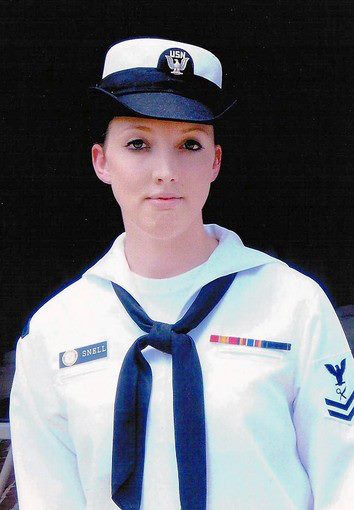
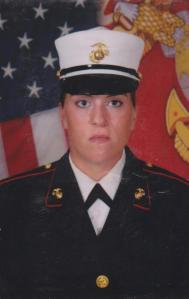
Navy Petty Officer Amanda Jean Snell, 20, was found dead in her room at the barracks at Joint Base Myer-Henderson Hall in Virginia on July 13, 2009. Naval Criminal Investigation Services (NCIS) had jurisdiction of her case. They conducted an initial investigation yet the case went nowhere because NCIS investigators confided in the murderer and were divided on whether the death was a homicide, suicide, or accidental. As a result, the DNA lab testing was not considered a priority because the autopsy was considered undetermined, not a homicide. Four years and four civilian victims later, former U.S. Marine Jorge Avila Torrez was indicted for Amanda’s murder, found guilty by a federal court, and sentenced to death in 2014.
Torrez lived on the same co-ed floor as Amanda Snell in Keith Hall barracks on the base. On the night of July 12, 2009, he entered her room, she screamed, and he strangled her in an effort to silence her. His crimes were sexually motivated. He jammed Amanda into her locker and put a pillow case over her head in an effort to fool investigators into thinking she had suffocated. After she was found dead on the federal base, NCIS began their investigation. They interviewed multiple people in the barracks and initiated a forensic examination of Amanda’s room. They claim they sent the evidence to the military DNA lab testing facility to determine if any DNA was present. In the meantime, Torrez offered to help with the investigation and NCIS accepted his offer. They asked him to spread a rumor around the barracks that they had a witness who saw someone enter her room that night.
During the stalled NCIS investigation, Torrez attacked four other civilian women in Arlington, Virginia in 2010. Three of them escaped his attempted abduction but one of them was abducted, raped, strangled, and left for dead in the woods. Torrez thought he killed her but she lived. Because all four victims reported the crimes, the Arlington Police Department was able to make the connection with the four cases. Thanks to the due diligence of two Arlington police officers, detectives were able to find out who owned the light colored SUV. These two police officers had observed on shift that the driver of this SUV was acting suspiciously and called in his license plate number to determine if he had any outstanding warrants. They learned Torrez was an active duty Marine living at Keith Hall Barracks on the the Navy base. The Arlington Police detectives had to coordinate with NCIS to gain access to the base so they could arrest him and search his room and vehicle. Jorge Torrez was jailed while he awaited trial.
While Torrez was awaiting trail, he asked some inmates to help him find a hit man to silence the three witnesses that would be testifying against him. One of the inmates he confided in was a confidential informant. After the informant reported the troubling conversations with authorities, he was asked to wear a wire to record future conversations. It was at this time that Jorge Torrez not only admitted his intentions to kill the three victims who were going to testify against him at his trial but he also revealed that he murdered Amanda Jean Snell at the Navy base. Meanwhile, the Arlington Police Department entered the DNA from the victim who was raped into CODIS, a national DNA database, and got a hit to two murders of children in Zion, Illinois where Torrez was from. When NCIS finally tested and compared the DNA on the sheets in Amanda’s room, this forensic evidence linked Torrez to Amanda’s murder as well. The Marine Corps dishonorably discharged him from the military.
NCIS bungled this investigation from the beginning. The investigators could not agree on whether Amanda Snell was murdered, committed suicide, or died accidentally. Because her autopsy report was “undetermined” and her death was not ruled a homicide, it did not have priority in the military DNA testing lab. Apparently an undetermined death and rape and sexual assault DNA is not given a high priority in military labs. When in fact, if all suspicious deaths and sex crimes were given higher priority, we could prevent further victimization and homicides. It was not until they learned of the four other victims in Arlington, Virginia and the two murders of children in Zion, Illinois that they expedited the testing of the DNA found in Amanda Snell’s room. We do not know if it is procedure for NCIS to compare DNA evidence of military members accused of crimes to the national DNA database. If they had tested the DNA earlier and entered the DNA into CODIS, they would have got a hit to the two murders in Illinois.
In the initial stages of the investigation, the NCIS agents investigated multiple people in the barracks. Jorge Torrez offered to be a confidential informant of sorts to help them with the investigation. They accepted. They asked him to spread a rumor that they had a witness who saw someone enter her room that night. They wanted to ferret out the killer by spreading panic. Quite often investigators will say they have evidence they don’t have in an attempt to cause stress and elicit confessions. Now they were not able to call anyone’s bluff. They in effect blew any chances of an effective investigation by telling the actual killer that they had nothing. It’s troubling that they did not see the red flag when Torrez offered to inject himself into the investigation. Murder suspects have been known to do this and befriend the victim’s family and friends in an attempt to stay apprised of what police know.
Lastly if sexual assault, rape, and undetermined causes of death were given higher priority in the NCIS DNA testing labs then maybe we could have prevented four other women from becoming victims of sex crimes and attempted murder. NCIS admits that the DNA was not given priority because it was not a homicide. Had NCIS made the DNA a higher priority and compared the results of the testing in CODIS, the national DNA database, they would have got a match to the DNA in Zion, Illinois. As a result of this match, they would have been able to triangulate the connection between Torrez in the barracks and where he was from in Zion, Illinois. They could have got a “commanders search warrant” to conduct a forensic examination of his room. There they would have found evidence of criminal intent like the collection of porn images they found on his computer that included fantasies about rape and suffocation of women. DNA from sexual assault and rape should be given the highest priority in the military DNA lab testing facilities to prevent an escalation of violent crimes to homicide both in the military and in our civilian communities. All DNA profiles tested in the military should be immediately entered in CODIS.
Eight months after Jorge Avila Torrez was arrested by the Arlington Police Department, he was found guilty and sentenced to five life terms and 168 years in prison for the attacks on three of the four civilian women from Arlington, Virginia. Four years later, he was found guilty and sentenced to death by the federal courts for the murder of Amanda Jean Snell on the US Navy base in Arlington, Virginia. In an unexpected plot twist Illinois authorities learned the man they convicted for the murders of Krystal Tobias (9) and Laura Hobbs (8) was innocent. Authorities released Jerry Hobbs, the father of one of the children, from jail in 2010 and vowed to try Torrez for a sexual assault of one child and the murder of both children from Zion, Illinois. Illinois authorities charged Torrez with the crimes in 2015 and are expected to go to trial some time in 2016. Jorge Torrez is currently sitting on death row.
Investigation Discovery:
In the shadow of the nation’s capital, a mysterious death on a Marine base confounds the NCIS — was it an accident, or was it a homicide? It won’t be long before police are hunting a violent sexual predator whose trail leads right back to the base. -Capitol Predator, Deadline Crime with Tamron Hall (S3,E6)
Editor’s note: With a cable subscription, you can download the free ID Go app and watch all of the Investigation Discovery programming at your convenience. And for those who do not have cable, you can watch “unlocked” episodes on the ID Go app including the latest premieres. Download the ID Go app and binge away. For those who prefer commercial free programming during your binge session, Prime Video has an ID channel: ‘True Crime Files by Investigation Discovery” available for $2.99 a month. It’s a compilation of older seasons but totally worth the cost if you are a true crime addict.
Rebecca Hart came home to what she thought was a suspected robbery in progress on June 2, 2009. She called the police and what they discovered was that her husband, retired Army recruiter Gilbert ‘Gib’ Hart was dead. He had been shot once in the head but they found no gun located near him. An no cash or other valuables had been stolen from the home. Investigators quickly learned from a couple of local teenagers that Gib’s children, Becca and Alex, were involved in the crime. They discovered that the children had been looking for someone to kill their father for a few months. And they finally found someone willing to do it for them: John Patrick ‘JP’ George. Fifteen year old JP George was easily manipulated after learning that Gilbert abused Becca and Alex. JP had a mother who was a victim of domestic violence so he didn’t want anyone to go through abuse. Unfortunately for him, there was no abuse. Gilbert may have been controlling of the finances and the way he ran his house but he was no abuser. JP admitted to committing the crime and being hired by Becca and Alex to do it. They also gave him the gun of which he threw in the Savannah Lake after killing Gib. All three kids cracked when questioned by the police and eventually they gave up the real mastermind. Apparently Rebecca Hart asked her children to find someone to kill their father. She offered to pay someone $200 to kill Gilbert Hart so she could be out from under his control and have his cash, life insurance, and military death benefits. On the night of the crime, Rebecca also gave her son the code to the safe so he could gain access to the gun that would end Gib’s life. Rebecca Hart, Becca Hart, Alex Hart, and JP George all received fifteen years in prison for conspiracy to commit murder. Gib’s children from another marriage reiterated that their father was never abusive towards them and that his new wife and children did not deserve to use the Hart name.
ID Go: A former military man, Gilbert Hart believes a strict parenting style is the best approach with his rebellious teenagers, but his wife Rebecca thinks that he’s crossed the line. It isn’t long before, this family feud escalates into an all-out war… -Hart of Darkness, I’d Kill for You (S3,E4)
Editor’s note: With a cable subscription, you can download the free ID Go app and watch all of the Investigation Discovery programming at your convenience. And for those who do not have cable, you can watch “unlocked” episodes on the ID Go app including the latest premieres. Download the ID Go app and binge away. For those who prefer commercial free programming during your binge session, Prime Video has an ID channel: ‘True Crime Files by Investigation Discovery” available for $2.99 a month. It’s a compilation of older seasons but totally worth the cost if you are a true crime addict.
Preview: In the rolling hills of Lenoir, North Carolina, retired Vietnam veteran Roland Younce sells off a patch of his land to Tony Moore and his young family to build their forever home on. Unfortunately, things turn ugly. -Lies, Lawns & Murder, Fear Thy Neighbor (S1, E1)
“Roland Younce, 63, of Caldwell County, North Carolina, allowed his pit bull to roam free in the small rural neighborhood. This decision would prove to have deadly consequences. In January 2008, Younce’s pit bull bit the two young daughters of his 44-year-old neighbor, Tony Moore. As a result, Moore sued Younce for the cost of the medical bills. The judge ruled in Younce’s favor and dismissed the lawsuit. This caused an 18-month feud between the two men. They called the police on each other over frivolous actions and filed several lawsuits against each other.”
Tony and Amy Moore and their two daughters moved into a new home in Lenoir, North Carolina in 2007. Tony and Amy bought their home from Roland Younce, a Vietnam veteran in his 60s, and also their neighbor. Roland was a single man with a dog he considered family and his daughter and her husband lived with him. Tony survived a tragedy and lost one of his legs in a vehicle accident. As a result, Tony stayed home with the girls and Amy worked full-time to support the family. Tony depended on his 4-wheeler to get around the property. Tony and Amy loved their new home and appreciated all their kind neighbors. They all depended on one another to make it work. At first the Moores were friendly with Roland Younce. The neighbors would occasionally BBQ together but they noticed Roland didn’t leave his home very much. Roland’s daughter Alicia on the other hand was a breath of fresh air. She played with the girls and they had a lot of fun. One day, Alicia invited the two girls over to her home to check out her movie collection. The girls stayed on the porch while Alicia went inside Roland’s home to retrieve the movies. One of the girls admitted to opening the door and Roland’s dog Harley lunged towards them and began biting both of them. They were seriously hurt with puncture wounds and had to be taken to the hospital. Roland agreed to pay the hospital bills.
As the hospital bills started rolling in, Tony brought them over to Roland and Roland paid for the first bill he received. Meanwhile, the kids got back to playing and having fun in their backyard. According to Alicia, Tony brought Roland another hospital bill that was for the exact amount as the first one. Roland thought Tony was trying to get him to pay the same bill twice so he refused to pay it. Tony and Amy didn’t feel they should have to pay for any of the bills so Tony filed a judgement against Roland in civil court. Things only got worse when the court sided with Roland on the matter. Nevertheless, Roland asked his son-in-law to tell Tony he would pay $20 a month until it was paid off. Apparently, Tony said no to the offer and demanded all of it. This was when everything went to hell and the tension continued to simmer between the once friendly neighbors. At this point, the friendship was dead so Tony built a property border using some trees to help create more privacy. Roland didn’t like it because he felt they were getting too close to his property line. One day, Tony discovered his disability checks stopped showing up in the mail. He immediately suspected Roland of taking them from the mailbox but he couldn’t prove it. So in retaliation, he would get on his ATV, drive around the property, and make a bunch of noise.
The ATV noise annoyed Roland because he wanted peace and quiet at his home. Tony was on his ATV almost everyday and the blaring engine was getting on Roland’s last nerves. Alicia said Roland was triggered by the noise and he would have flashbacks from his time in the Vietnam war. His dog Harley helped comfort him but both sides were gearing up for combat and no one was backing down. Tony’s disability checks still hadn’t shown up so he asked Roland about it. Of course, Roland denied having any information about the missing checks. Then Roland started bringing his dog outside in what felt like an intimidation tactic to scare the Moore family. And not only was the Moore’s mail disappearing but some trees they planted on their property were missing too. The Moores put up a surveillance camera to see if they could catch the person who was removing the trees from their property. The video captured what looked like Roland Younce’s figure so they took it to the police. But the video wasn’t clear enough for the police to take action. They needed concrete evidence before they could do anything about it. Then one day, Roland went to his mailbox to get the mail only to discover it had been glued shut. He was not able to get the key in the keyhole to open the mailbox. Roland called the police department but they told him the same thing. If he didn’t see Tony do it then their hands were tied.
The police were frustrated by now because they were unable to get these two neighbors to settle down. It appeared both of them wanted to keep things going. Then in another act of intimidation, Roland would take his dog out when Tony’s two daughters came home from school. They were scared to get off the bus knowing the dog had hurt them in the past. Roland would allow the dog to lunge at them and then pull him back. They literally felt terrorized by Roland and the dog. In response, Tony threatened to kill the dog if the intimidation continued. Roland loved his dog and was deeply attached. Roland’s daughter Alicia felt like Tony was the one pushing buttons. Roland expressed concerned to Alicia and her husband that he was going to explode one day. Just months after Tony and Amy Moore bought their new home, they were locked in a war with their neighbor Roland Younce. In another act of aggression, Tony was out on his ATV one day with his daughters and ran over a board with nails in it. It flew up and hit the back of the ATV. Tony was furious because the nails could have seriously injured one of the girls. Tony reported the incident and once again because Tony didn’t see Roland put it there, there was nothing they could do. The Moore family felt isolated and alone in their battle with Roland because no one could help them. They thought Roland could do whatever he liked with no consequences.
Most thought Tony would back down for the sake of his kids but that’s not how things went down. Tony didn’t like feeling like a prisoner in his own home. The police tried to give them advice but neither side would budge. Then one day, the kids went outside and noticed someone had thrown logs in their yard. They alerted their father and all three of them threw the logs back on Roland’s property. Tony and the girls were caught red handed so Roland and his family started throwing the logs back on Tony’s property. Then Roland’s son-in-law Ricky threw a log that almost hit one of the girls. As a result, Tony pulled out a gun and threatened Ricky. He said if he hurt his daughters, he would shoot him. Ricky didn’t back down and told Tony to shoot him because he wasn’t scared. Tony indeed shot near them so Ricky threw a log at him and it hit and injured Tony. The police were called and Roland and Ricky got arrested for assault on a handicap person and a child. Ricky understood why the police arrested him but he didn’t understand why they arrested Roland. Roland didn’t have anything to do with this incident. It also seemed strange that Roland went to jail but Tony didn’t. Apparently, Tony didn’t get arrested because he was in a wheelchair. The two were jailed with no bond and couldn’t get anyone to help them. It took two weeks for Roland and Ricky to get out of jail and both came home with a new level of anger.
Ricky admitted he wanted to hurt people and eliminate the threat. And each time Roland was arrested, it just made him madder and madder. One day Roland threatened to kill Tony so Tony called 911 and the police suggested he leave the home. Roland blocked him in his driveway with his truck and Tony felt trapped. So he made the decision to back up anyways in an attempt to get out of the driveway and wrecked Roland’s truck. After this, Alicia and Ricky moved out of Roland’s home because the whole thing got to be too much and the situation was escalating. Alicia said Roland felt abandoned and the neighborhood feud with Tony continued. Both men were armed and dangerous. Tony felt like Roland was waiting for a confrontation and as a result Tony was always armed. Roland was pushing Tony’s limits too. The two just didn’t like one another. One day Amy left for an overnight trip with work. She said she hated leaving her family because she couldn’t make sure everything was okay at home. On May 27, 2009, Tony heard something on the back porch and when he looked to see what was going on, he was facing Roland’s angry dog at his door. In response, Tony shot the dog. Roland heard the shot and immediately went looking for his dog. Roland threatened Tony and told him if he shot his dog, he was going to kill him. Amy was in Springfield, Missouri (over 1000+ miles away) when she received a phone call from Tony who told her he shot the dog.
Amy knew right away this was not good because Tony took Roland’s best friend away from him. She knew things were fixing to get really bad. Roland called the police to report that Tony shot his dog and he begged the police to get to the scene as quickly as possible because he was going to kill Tony. Tony had called the police as well. When the police arrived at the scene, they didn’t observe anything unusual initially. When the Moores realized the police were there, they started coming out of the home and immediately they all heard gunfire. Roland was shooting at them with a rifle and Tony and one of the girls had been shot. They ran back into their home. Unbeknownst to them, one of the police officers had been shot as well. Roland continued shooting through the windows of Tony’s home. More police were dispatched to the scene. The unharmed daughter contacted her mom and told her what happened. Amy Moore told her to call the police because Roland was still at large. Once the additional officers arrived at the scene, they immediately started treating the officer who had been shot. Dispatch informed the police that Tony and one of the girls had been shot as well and needed their help. The police decided to chance it so they could get to Tony and Ashley. They did not know where Roland was but time was ticking because Tony and his daughter were losing blood. The police decided to use the car as a shield so they could get to them.
The police went towards the home and Tony’s daughter summoned them from the garage. Roland started shooting at them again and this time he hit another police officer. The police shot back in the dark until all of a sudden the shooting stopped. The Police rescued Tony and his girls and took them to the hospital. Amy Moore got emergency flights back to North Carolina so she could get home to her family. Alicia headed to her father’s place after she heard about the chaos only to learn that her dad had been killed in an officer involved shooting. The police didn’t want to kill Roland but had no choice. The next day, Alicia and Ricky went to Roland’s home to see if they could figure out what happened. They found the dog certificate torn up and could see where he cried on those pieces of paper. Roland was devastated by the loss of his dog and he decided to take justice into his own hands. All those injured on the scene lived but they were seriously harmed with lasting impacts. One of the police officers lost his career because of the injuries. And after about a year on the job, the other injured police officer realized he just couldn’t do the work anymore. This one night of violence impacted all involved. It was traumatizing, preventable, and tragic that anyone had to lose their life because they couldn’t work out their differences.
Source: ‘Lies, Lawns & Murder’ Fear Thy Neighbor
ID Go: In North Carolina, a retired Vietnam veteran sells off a piece of his land to a young family. No one can predict the modern day Hatfield McCoy neighbor feud that will ensue and the midnight shootout that will end it. -Lies, Lawns & Murder, Fear Thy Neighbor (S1, E1)
Editor’s note: With a cable subscription, you can download the free ID Go app and watch all of the Investigation Discovery programming at your convenience. And for those who do not have cable, you can watch “unlocked” episodes on the ID Go app including the latest premieres. Download the ID Go app and binge away. For those who prefer commercial free programming during your binge session, Prime Video has an ID channel: ‘True Crime Files by Investigation Discovery” available for $2.99 a month. It’s a compilation of older seasons but totally worth the cost if you are a true crime addict.
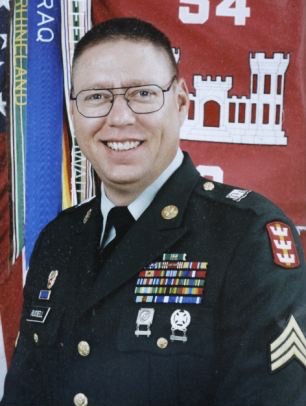
On May 11, 2009, SSG John Russell gunned down five of his fellow comrades at a mental health clinic at Camp Liberty in Iraq with his M-16. It was revealed that he had an argument with someone at the clinic, left, and came back with his gun. His crimes were determined to be premeditated. He was arrested and subsequently charged with murder and aggravated assault of another soldier that was seriously injured. Days before the killings witnesses noticed that he was distant and having suicidal thoughts. He was also scheduled to leave Iraq in a few days. He was tried for the murders of his fellow comrades and found guilty. He was sentenced to life in prison on May 16, 2013. But his family feels that the Army should also take responsibility for their actions. The family believes that John was broken and not treated for the injuries he sustained in combat, in the line of duty. SSG Russell was being treated for symptoms associated with Post Traumatic Stress with medications but it is believed that the psychotropics the military psychiatrists prescribed to him may have played a role in his actions. He was described as a kind, caring man up until the day he committed the unforeseen murders against his fellow soldiers.
Army soldier Ashley Barnes-Lambert, 18, was murdered by her husband, Khaleefa Lambert, also an Army soldier, on March 7, 2009. Ashley was home on leave from Afghanistan and was in the process of filing for divorce. Lambert drove up from Fort Campbell, Kentucky, kidnapped Ashley at knife point from her hotel room in Clarksville, Tennessee, and stabbed her to death in the parking lot of the hotel. The State of Tennessee sought the death penalty in this case but Lambert’s attorneys filed a motion to dismiss the death penalty notice. Lambert was charged with two counts of aggravated kidnapping and two counts of first degree/felony murder. A jury found Khaleefa Lambert guilty and he was given a life sentence in prison with eligibility for parole.
My original efforts were inspired by Carri Leigh Goodwin, LaVena Johnson, and the many other servicemembers who did not survive as a result of their service to this country. In honor of these men and women, we pledge to fight for justice on their behalf, amplify their voices, and support the families who deserve to know the truth.
In August 2007 at the age of eighteen (18), Carri Leigh Goodwin of Alliance, Ohio enlisted in the United States Marine Corps to make her Marine Corps veteran father proud. During her short time in the Marine Corps, Carri was sexually assaulted by two different men while serving, reported the crimes, and instead of being taking seriously was discharged with a mental health diagnosis and misconduct discharge. Like most rape survivors, Carri had acute Post Traumatic Stress (PTSD) from the brutal assaults she endured. Carri Leigh Goodwin died on February 28, 2009 from alcohol poisoning only a few days after being discharged from the U.S. Marine Corps. Gary Noling wants to honor her and all the families who have lost their child to the sexual assault and violence epidemic in the U.S. military. Gary wrote about his experience with the tragic loss of his daughter in the New York Times in August 2016: What the Military Owes Rape Survivors Like My Daughter.
On February 20, 2009, US Air Force service member Jason Klinkenberg murdered his wife Crystal Louise Gray and then committed suicide in North Las Vegas after a stand-off with police. Jason was stationed at Nellis Air Force Base in Nevada. The family believes that Jason was never the same after returning home from a deployment to Iraq in 2005. Jason was plucked from his base to be a member of Detachment 2632, a unit assembled to augment the Army and provide security for cargo trucks on Iraq’s bomb laden roads. Jason witnessed a fellow soldier die after the vehicle they were driving was struck with a rocket-propelled grenade. The family shared that Jason had Post Traumatic Stress Disorder and continued to see images of his friend in his last moments. Jason’s sister shared that Jason attempted to get help for PTSD but the Air Force called him a liar. The Air Force denied this assertion. They claimed they regularly assess for mental health issues and referred Jason to counseling off base.
“Veterans advocates like Manji Varghese say nothing excuses violence. But they say military and veterans officials too often ignore a pattern of problems that has played out again and again, with deadly results.” -Salt Lake Tribune
Susana De Jesus and Nicholas Michael Jean, US Army Veteran
The murder of Tina Davila was the start of a scourge of violence in Houston, Texas. On April 16, 2008, Tina Davila, a mother to five children. was out running errands with her four month old daughter. She made a quick stop at the cellphone store. After exiting her vehicle, two guys pulled up beside her and one of them jumped out and ran up behind her. A struggle ensued for Tina’s car keys because Tina immediately went into mother mode and began worrying about her baby she left in the car. The assailant was able to take the keys away from her so Tina ran after him in an attempt to get her keys back. It was at this time she was stabbed and the assailant changed plans and took off in the car he came in.
Tina stumbled to the front desk of the cellphone store and asked the employees to get her baby from the car. The employees got her baby for her and laid the baby next to her mother on the floor. The cellphone store employees called 911 and Tina was rushed to the hospital. The family was notified and arrived at the hospital only to learn that Tina had died; they also learned from media reports that she was stabbed during an attempted carjacking. Tina’s family was devastated. Fortunately, there was an eye witness who was able to provide a good description of the attacker and driver of the car. They were both described as Hispanic males and a composite sketch was created. A $10,000 reward was offered for any information leading to an arrest.
Meanwhile, the Houston police learn that there was a robbery at a beer store four hours before Tina was stabbed. Both the store and the parking lot had surveillance cameras and a witness identified two Hispanic males in the aggravated robbery. The witness also provided a license plate number and police learned the car was registered to Stacy Bailey. She reported her car stolen the day before the robbery of the store and the stabbing of Tina Davila. Stacy also described the two assailants as Hispanic males. Police were able to determine that this was the same car used in the aggravated robbery and homicide. The police fed leads to the media in an attempt to get more tips but they got no new information and the cases went unsolved.
Ten months later on February 2, 2009, as Susana De Jesus was leaving her place of employment with a co-worker, she was accosted by a masked gunman parked. He demanded that she get in her car and drive; Susana’s co-worker Karen Davis retreated in her own car where she remained until she felt safe. Karen called the police but could only provide a vague description of Susana’s car. While Susana was driving, the assailant demanded she go to a bank and was worried about her On-Star tracking system. Susana didn’t know if it was working and said she needed to call her boyfriend. He knew something was wrong because of her impersonal phone call.
Susana’s boyfriend called On-Star to find out whether or not they were able to track her but they couldn’t give out any information unless there was a missing person’s report. Susana’s boyfriend then went to her apartment and her car was not there. He was very worried now and went to the police station to file a missing person’s report. The car was tracked down in a parking lot but Susana and her abductor were gone. Police were concerned the assailant would cross state lines so the Federal Bureau of Investigation (FBI) was contacted to assist because they have more resources. These attacks were random and it illicited fear in the community.
The FBI learned that Susana’s debit card was used to purchase fuel and the gun left in Susana’s car was stolen the same day Susana was abducted. The woman who reported the gun stolen also reported the assailant tied her up, gagged her, and shoved her in a closet. She managed to get herself untied and escaped while the assailant was robbing her home. She ran to a neighbor’s home then called the police. The assailant was gone by the time the police arrived and only managed to steal the gun. These two crimes were now connected. The police wondered if Tina’s case was connected too. After three days, there was still no sign of Susana. Texas Equusearch was called in to help them find Susana. The search lasted for three weeks but came up empty.
Sabrina Piña was the third person accosted in a parking lot in the course of a couple years in Houston. In this case, she was taken but her car was left behind and there were no witnesses. Texas Equusearch was called again, this time to look for Sabrina. And then a $30,000 reward was offered for the resolution of Susana De Jesus and Sabrina Piña’s disappearances. Then two days after Sabrina’s abduction, someone found an unidentified woman’s body laying in a ditch. On February 2, 2009, Sabrina Piña was found with duct tape wrapped around her eyes and wrists, and she had been shot in the back of the head. Forensic scientists were able to extract a finger print from the duct tape that matched Theodore Schmidt. He was arrested. Police learned Schmidt knew Sabrina from college and had an unhealthy obsession with her. When she didn’t appear to recognize him in the parking lot, he got angry and kidnapped her. Schmidt was convicted of capital murder and sentenced to life without parole.
A month after Sabrina Piña was found, another man contacted police to report an attempted abduction and murder. This assailant forced him into the trunk of his own car but when the gunman has trouble starting the car, the victim was able to escape. When the assailant realized he escaped, he began chasing him down and shooting at him but he made it to safety. The police responded and an intensified attempt to find this dangerous assailant was initiated. Police asked people in the surrounding area to stay in their homes and report any suspicious activity. Ten hours later, a woman called to report a person wearing a mask in a carport. The Police responded, apprehended the suspect, and learned it was Nicholas Michael Jean.
Jean’s behavioral problems in the U.S. Army also are likely to surface during the trial. He served at Fort Sill, Okla., for three months before being discharged two weeks prior to De Jesus’ murder because his supervisors found him “unfit for military service,” according to a military separation letter. Army records show Jean was accused of fighting with and threatening other soldiers in his platoon, trying to choke another serviceman, hitting another private in the face and abusing sick leave time. He had also been discharged from the U.S. Navy in 2006 for a serious offense of misconduct, court files show. –Houston Chronicle
Nicholas Jean was an Army veteran who was recently discharged for being unfit for military duty after only three months of service. According to the Army, he did not respect authority and punched an officer. Investigators questioned Nicholas who tried to stick with the story that he was only a driver for the gang. After a few hours, Detectives began to lose their patience and demanded that Jean tell them what happened because they knew he had information. At this point, they had tons of evidence and knew all these crimes were connected. In this case, two crimes remained unsolved: one was dead; one was missing. and perpetrators were still on the loose. They needed Jean to give up the names of those who were involved. Jean eventually told the detectives that ‘the group’ took Susana in a semi trailer and killed her. Jean led the police to Susana De Jesus’ body.
On March 10, 2009, police found the badly decomposed remains of Susana De Jesus in an abandoned semi trailer. Nicholas Jean admitted to murdering Susana within two hours of her abduction. Jean also admitted to killing Susana so he could give her vehicle to the girl he wanted to marry as a wedding present; she turned him down. Jean was charged with capital murder and was facing the death penalty. But the jury spared his life and he was instead sentenced to life in prison without the possibility of parole. Wallace Ledet drove Jean to the abduction so he was apprehended too and charged with manslaughter. Ledet pleaded guilty and was sentenced to thirteen years in prison. Neither Ledet or Jean could be tied to Tina Davila’s murder.
Then one day a high school principal called the Houston police to report a student thought her boyfriend may have been involved in Tina Davila’s murder. She named seventeen year old Kennedy Escoto. As a result, Escoto was arrested and admitted to his involvement but tried to pin everything on his passenger Timoteo Rios. Escoto also admitted they stole some beer in the morning and because they were getting low on gas, they needed another car; Tina was a victim of opportunity. Kennedy Escoto was convicted of aggravated robbery with a deadly weapon and sentenced to forty years. Timoteo Rios was convicted of capital murder and sentenced to life in prison without the possibility of parole.
In April 2008, 39-year-old Houston native and mother of five, Tina Davila, runs errands with her 4 month old infant when she’s attacked in a parking lot. In the next year, a rash of similar crimes breaks out across the city. Are they related? -Investigation Discovery
Critics say the military needs to do more about domestic violence against women. A CBS News investigation found more than 25,000 women have been victimized over the past decade. Katie Couric reports. -CBS