On This Day, Marine Corps Lance Corporal Hollye Meeks Passed Away in Houston, Texas (June 1, 2012)

Honoring LCpl Hollye Meeks @USMC (2012)
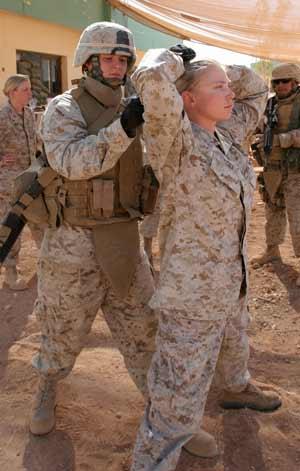
Photo by: Staff Sgt. Raymie G. Cruz

Photo: “Lance Cpl. Hollye K. Meeks (left) searches Cpl. Roxanne Cox, after receiving a class on the proper procedures from members of a police transition team. Eight female Marines from different units within 3rd Marine Aircraft Wing volunteered for the Lioness Program to conduct security searches of women crossing into Iraq. Meeks is a motor transport vehicle operator, Marine Wing Support Squadron 374, Marine Wing Support Group 37 (Reinforced), 3rd MAW, and a Houston, Texas native. Cox is a maintenance management specialist, with Marine Aircraft Group 16 (Reinforced), 3rd MAW, and a Cincinnati native.” (22 Aug 2006)

Obituary: Marine Corps Lance Corporal Hollye Meeks, 25, was born July 4, 1986 in Richmond to Randy and Becky (Kunz) Meeks. She passed away June 1, 2012 in Houston. She graduated from B.F. Terry High School and was an accomplished basketball player. She also pole vaulted and ran track. Upon graduation she enlisted in the USMC. She spent time in 29 Palms, CA. and proudly served her country in Syria and Iraq. Hollye is survived by her parents, Randy and Becky; aunts and uncles, Carol and Russell Clayton, Bob and Margaret Kunz, Linda and Duane Segers and Danny and Margie Meeks; birth father, William Brown; 4 half sisters and one half brother; and numerous cousins; Godparents, Marvin “Bud” and Shirley Nordt; and a multitude of good friends; and her dog “Boss”.

Related Links:
Hollye Krystine Meeks Obituary
Lance Cpl. Hollye K. Meeks searches Cpl. Roxanne Cox
Female Marines train for Iraq border security
Marines Dodging Death: Sixty-Two Accounts of Close Calls

Iraq War Army Veteran Steven Russell Jr. Convicted of the Capital Murder of Girlfriend Joy Owen; Sentenced to Life in Prison, No Parole (2012)

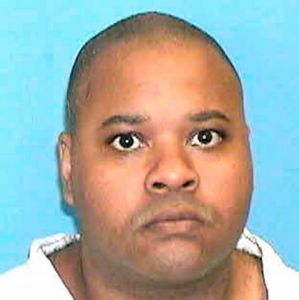
Steven Russell
Steven Russell, Jr., US Army Veteran

Army veteran Steven Russell, Jr. was convicted of the capital murder of his girlfriend Joy Owen on January 27, 2012. Russell was sentenced to life in prison without the possibility of parole. Prosecutors say Russell killed Joy because she tried to leave him. In the middle of the night on November 3, 2009, Russell cocked his gun and fired it four times at Owen with no apparent provocation. The North Little Rock Police Department found Joy Owen’s body around 4:30 a.m. In the course of the homicide investigation, police learned that Russell had received 5-years probation in Clark County, Arkansas for the second-degree domestic battery of another girlfriend in 2008. According to reports, the U.S. Army said Russell was a mechanic stationed at Fort Sill, Oklahoma and he enlisted in the Army in 2001; the year he left the Army was not available.

Steven Russell’s defense team admitted he killed Owen but blamed the shooting on post-traumatic stress disorder brought on by his war service in Iraq in 2003. The attorneys appealed the decision claiming he “had the dubious task of recovering bodies and equipment after they had come in contact with improvised explosive devices.” But the state Supreme Court disagreed with the defense saying the judge was confronted with conflicting forensic evaluations. While two mental health professionals “found that Russell lacked capacity as a result of mental disease or defect to conform his conduct to the requirements of the law or to appreciate the criminality of his conduct, the court also had before it (another doctor’s) opinion to the contrary.” The Supreme Court upheld a Pulaski County jury’s 2012 conviction of capital murder.

“You would have to believe [Owen] did something that reminded him of his Iraqi war experience … and I can’t make that jump. To me, it was too convenient, and there was too much purposeful action.” –Dr. Brad Diner, psychologist

Related Links:
Arkansas Iraq War vet gets life in prison for killing girlfriend
Joy Owens, former MP daughter, students talk about her slaying
Ark. court upholds veteran’s murder conviction
Arkansas Man Challenging Judge Barring Partner At Home

On the Dark Side in Al Doura (Iraq): Documentary Gives You an Inside Look at Toxic Leadership in the U.S. Army (December 17, 2011)

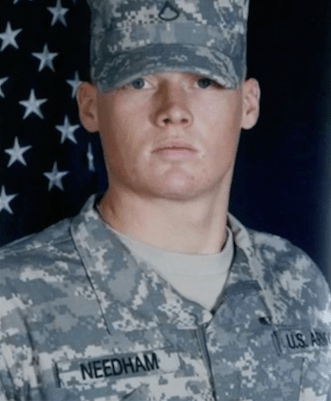
U.S. Army Ranger John Needham, who was awarded two purple hearts and three medals for heroism, wrote to military authorities in 2007 reporting war crimes that he witnessed being committed by his own command and fellow soldiers in Al Doura, Iraq. His charges were supported by atrocity photos which, in the public interest, are now released in this video. John paid a terrible price for his opposition to these acts. His story is tragic. –On the Dark Side in Al Doura (December 17, 2011)

After watching the 2011 documentary ‘On the Dark Side in Al Doura’ which profiles the case of Army Private John Needham, one can clearly observe the similarities to ‘The Kill Team’ PBS documentary released in 2014. On the Dark Side in Al Doura interviewed Michael Needham, the father of John Needham, who was an Army whistleblower from Fort Carson, Colorado and reported witnessing war crimes and atrocities in Iraq; The Kill Team profiled Adam Winfield, an Army whistleblower from Fort Lewis, Washington who witnessed and tried to report the same war crimes and atrocities in Afghanistan. For the sake of preservation, both John Needham and Adam Winfield admitted feeling pressured to conform or risk their own lives if they didn’t. They both felt like they were being set up to die or participate in the war crimes. Both soldiers at times felt like suicide was their only way out because there was no safe place for them to report overseas nor could they escape the situation. If they made it out of the war zone alive, the return home didn’t fair well for them. The PBS documentary  ‘The Wounded Platoon’ released in 2010 reveals the impacts the wars overseas had on Fort Carson soldiers. After watching these three documentaries, it’s clear why our soldier’s combat experiences traumatized and changed some of them. They not only had to fight a credible threat on the battlefields but some were betrayed by the very team they depended on for their lives.

Michael Needham takes us through the series of events that occurred in the course of John’s short Army career. He shared how John was the fifth generation in the family to fight in a war. John volunteered to join the Army in the spring of 2006, went to Fort Benning, Georgia for training, and then got stationed at Fort Carson. John was an Army Ranger assigned to the 212th, 2nd Combat Team, 12th Regiment, 2nd Infantry Division. He was part of the infamous team known as the ‘Lethal Warriors’ which now appears to be disbanded. Part of his initiation into his new band of brothers was fighting other soldiers to determine where one fell in the pecking order. John held his own in the fights and was respected for his wins. According to John, the soldiers that didn’t fair so well in the fights were ‘smoked’ by leadership and peers, which ultimately forced them to leave, quit, or commit suicide. In October of 2006 John was deployed with his Fort Carson team to Al Doura, Iraq. His team was assigned to the Quarter Cav which was known for having some of the deadliest fights in the Iraq war.

Screen Shot 2016-09-04 at 10.02.14 PM
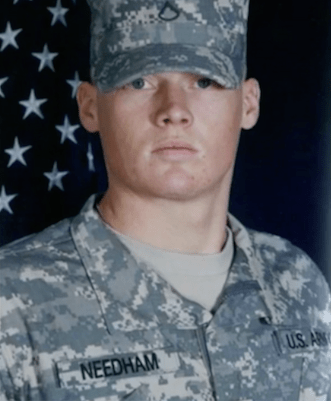
Private John Needham, U.S. Army

John was a good soldier. He worked hard, saved lives in Iraq, and was awarded three medals for heroism and two Purple Hearts. John excelled as part of team, was brave, and his resilience was admirable. But during the course of John’s deployment, he witnessed war crimes and other atrocities committed by leadership and his fellow soldiers that affected his morale. John would also admit that initially he wasn’t quiet about it and when he did question superiors, he was told he didn’t have the right to question leadership. He didn’t dare report the war crimes via e-mail or telephone because he knew leadership could monitor everything. So for the sake of preservation and life’s sake, he did what he had to do to get by and stay alive. John would share that the Army was short of personnel so most of the soldiers got driven into the ground and deprived of sleep. After awhile John felt that he was forced into committing war atrocities that were illegal but feared if he didn’t do it, he would become a liability to the team and ultimately a casualty of his own people.

One night John was sent out on a mission with a Lieutenant (who did not commit war crimes yet remained silent). John thought this was unusual because they didn’t usually get sent out in pairs. They were ambushed by three shooters in the middle of the night who were determined to see them dead. When the shooting began, John pushed the Lieutenant to safety and kept the shooters at bay. He shot every round he had and when he was almost out of ammunition, he called the 212th for back-up on the radio but nobody answered him. Luckily another team was nearby who did answer him and was able to extract the soldiers from the situation and save their lives. It would be this incident that would break John’s spirit. He immediately suspected that he and the other soldier were sent on this mission to be killed. When he got back to the base, he began yelling “Why did you set us up?” And “If you want to kill me, kill me to my face!” But nobody acknowledged him so he went back to his tent where he decided that he would commit suicide. John was exhausted, irate, and he saw no way out. He didn’t want to live anymore. He felt that committing suicide was his only way out. John put a handgun to his head but just as he got ready to pull the trigger, his roommate dove and pushed the gun away from his head. The gun discharged and put a hole in the wall. Soldiers immediately began ascending upon the area. According to John, once leadership learned what happened, they held him down and beat him then locked him in captivity in a small room. The Battalion Commander was the one who kept John captive yet he didn’t press any formal charges.

John’s father Michael learned through John’s friends in Afghanistan that John was being held captive by the Battalion Commander. They were concerned about him. John’s family was already concerned about John’s earlier e-mails and posts on MySpace because it sounded like he had given up, which was not like him. With this information Michael Needham contacted Army commands, Fort Carson, Congressional leaders and the Army Inspector General (IG). He reports that the only office that took him seriously at the time was the IG. Michael was trying to save his son’s life. He told the IG that he didn’t want him to die. The IG’s office shared a list of rights for both John and Michael. And it was at this time Michael learned that he had third party rights and could intervene and act on John’s behalf. Michael was finally able to get in touch with the Battalion Commander only to learn that John was being treated like a criminal. The Battalion Commander informed Michael that John committed crimes and was being sent to prison in Kuwait. But Michael was able to intervene and get the Command to send him to medical instead. Medical determined that John was severely injured both physically and mentally. He had significant back injuries from the multiple explosions and blasts, shrapnel in his body, Traumatic Brain Injury, and Post Traumatic Stress Disorder. Army medical in Iraq referred John to medical in Germany and from there he would be sent to Walter Reed Army Medical Center in the states. But not before the Battalion Commander would put up one more roadblock. Instead, Michael Needham won this battle and John was flown to Germany.

Eventually, John was sent to Ward 54 which is the psychiatric ward at Walter Reed. Michael shared that John appeared to like the psychiatric help he was getting. A month into John’s stay at Walter Reed, he was informed that the Iraq Battalion Commander contacted the 212th Command in Colorado and requested that John be sent back to Fort Carson where he was facing criminal charges including unlawful discharge of a weapon. They were making him go and sent armed guards to accompany him back to Fort Carson. Michael Needham tried to intervene with the 212th at Fort Carson but they said they couldn’t do anything because they had orders from the Battalion Commander. John was sent back to Fort Carson and the harassment he endured in Iraq continued with the 212th in Colorado. John shared that they mentally tortured him, banged on his barracks door, stole his things, and isolated him. It was at this time Michael elicited the help of a veteran advocate Andrew Pogany who went to the command in Colorado and held these people personally accountable. Andrew helps soldiers in John’s situation because he understands how important it is to intervene. John could not get the kind of help that he needed at Fort Carson. Michael shared that the soldiers could see a professional once a week if they were suicidal and once a month if they were not. John’s father wanted him transferred to a Naval Medical Center in San Diego for intensive treatment and so he could be closer to home. Andrew helped make that happen.

Michael began to understand the impacts the war had on his son after John got back to California. John couldn’t handle driving above 35 mph, was suspicious of trash on the side of the road, and was easily startled by loud noises. He could not function in public and suffered with what is known as flashbacks. The Naval Medical Center in San Diego recommended that John get surgery on his back right away. They warned him that he could become paralyzed if he didn’t get the surgery. In the meantime Johns father spoke candidly with one of the Navy doctors about the treatment John received both in Iraq and at Fort Carson. He reiterated that he was concerned about his well being and asked him to help him find a way to prevent John from being sent back to Fort Carson, Colorado. Michael Needham feared that if John got sent back to Fort Carson that he would not return. This doctor agreed to help John. And Andrew Pogany recommended that John report the war crimes to the Army in an effort to protect John from being complicit and implicated in the future. John reported to the Army that he witnessed both leadership and peers killing innocent Iraqi civilians during the October 2006 to October 2007 timeframe in and around Al Doura. It wasn’t long after John made the report that all the charges against him were dropped and Fort Carson gave the necessary approval to transfer him to Balboa Naval Command. John went in front of the medical board and was medically retired for Post Traumatic Stress Disorder, Traumatic Brain Injury, and back injuries. He was discharged honorably from the Army. The Army investigated John’s claims but concluded that no war crimes were committed.

Michael and John won a lot of battles with the US Army but soon they would lose the war. Just days after John was discharged from the Army, he would be accused of beating his new girlfriend to death with his bare hands. John Needham was charged with the murder of Jacqwelyn Villagomez and jailed for ten months until his family raised enough money to get him out on bail. John was not given treatment while jailed so the family was motivated to get him out so he could get the treatment he needed. John did in fact follow through with getting treatment and he learned a lot about himself in the process. He spent some time on camera talking about how the combat stress and the betrayal from his team impacted him. He talked about how he didn’t realize the significant impacts from Post Traumatic Stress Disorder and Traumatic Brain Injury. John recognized how PTSD and TBI did in fact play a role in his fight or flight response mechanisms and that it may be because these conditions went untreated that he disocciated, snapped and beat his girlfriend to death. The two were in a heated argument after Jacqwelyn attacked one of John’s female friends. Both of them were volatile but unfortunately there were no witnesses to the event as John’s friend was outside the home calling the police to report Jacqwelyn. While John was awaiting trial, he went to Arizona to get another surgery and visit with his mom. On February 19, 2010 following treatment at the Department of Veterans Affairs, John would be found dead in his room from an overdose on painkillers. The cause of death at autopsy was considered undetermined and it is unclear if John accidentally overdosed or committed suicide.

Brig. Gen. Stephen Xenakis, M.D. (Ret.), a former top military psychiatrist who until recently was a consultant to the Joint Chiefs of Staff, told us: “[TBI ]most sensitively affects executive functioning, that part of the brain that we use for judgment and we use for decision making … when we are in situations of intense emotion. So if a person is affected neurologically … they don’t have the controls that they had before. … They can’t think as clearly. …They are really vulnerable to just reacting, overreacting, particularly maybe doing something that they had done when they’d been in combat.” –The Wounded Platoon

As a parent, Michael Needham has questions for the Army. Why don’t they even recognize the problem? Why don’t they take care of the soldiers? And why did they leave his son John Needham behind? The documentary ‘On the Dark Side in Al Doura’ concludes with the reminder that since the Patriot Act was passed and Dick Cheney declared that we needed to go into the shadows, the definition of torture has been blurred. The Abu Ghraib prisoner torture and abuse scandal erupted under the Bush administration in 2003 but no war crimes have been investigated under President Barack Obama’s administration. If the rule of law has been lost, what do we have? Our military personnel have a responsibility to abide by the rules established by the Geneva Conventions. John Needham and Adam Winfield both reported witnessing innocent civilians murdered by their fellow leadership and peers in Iraq and Afghanistan. They both also shared the impact the crimes had on their mental health and morale. They wished they could have reported the crimes to someone who would have listened and understood that their lives were in danger. We can learn a lot from John Needham and Adam Winfield; they have experienced what it’s like to be a whistleblower in the US Army. They have clearly illustrated what toxic leadership in the Army looks like and how whistleblowers in the US military have nowhere to turn.

Related Links:
Dateline NBC Mystery: Private Needhams War
PBS Documentary: The Wounded Platoon
On the Dark Side in Al Doura: A Soldier in the Shadows
PBS Documentary: The Kill Team
The PBS Documentary ‘The Kill Team’ Nominated for an Emmy
Retired Army Pvt John Needham Beat his Girlfriend Jacqwelyn Villagomez to Death, Then Died of an Overdose on Painkillers Awaiting Murder Trial (2008)
Honoring Jacqwelyn Villagomez who Died at the Hands of Retired Army Private John Needham (2008)

September: U.S. Department of Defense Casualties Report (2010)

xl_deptofdefenselogo

09/30/2010:  DOD Identifies Air Force Casualty: Mark Forester, 29, Afghanistan, Pope Air Force Base, North Carolina

09/29/2010:  DOD Identifies Marine Casualty: Ralph Fabbri, 20, Afghanstan, Camp Pendleton, California

09/28/2010:  DOD Identifies Army Casualties: Mark Simpson, 40, and Donald Morrison, 23, Afghanistan, Fort Hood, Texas

09/27/2010:  DOD Identifies Army Casualties: William Dawson, 20, and Jaysine Petree, 19, Afghanistan, Joint Base Elmendorf-Richardson, Alaska

09/27/2010:  DOD Identifies Army Casualty: Marc Whisenant, 23, NCD, Kuwait, Florida Army National Guard

09/27/2010:  Missing WWII Naval Aviators Identified

09/27/2010:  DOD Identifies Army Casualties: John Carrillo Jr, 20, and Gebrah Noonan, 26, NCDs, Iraq, Fort Stewart, Georgia

09/27/2010:  DOD Identifies Army Casualty: Clinton Springer II, 21, NCD, Afghanistan, Fort Drum, New York

09/24/2010:  DOD Identifies Marine Casualty: Anthony Rosa, 20, Afghanistan, Camp Lejeune, North Carolina

09/23/2010:  Missing WWII Soldier is Identified in Germany

09/22/2010:  DOD Identifies Army Casualties: Robert Baldwin, 39, Matthew Wagstaff, 34, Jonah McClellan, 26, Joshua Powell, 25, and Marvin Calhoun Jr, 23, NCDs, Afghanistan, Fort Campbell, Kentucky

09/22/2010:  DOD Identifies Navy Casualty: Brendan Looney, 29, NCD, Afghanistan, West Coast Based SEAL Team

09/22/2010:  DOD Identifies Navy Casualties: David McLendon, 30, Adam Smith, 26, and Denis Miranda, 24, NCDs, East Coast Based SEAL Team

09/22/2010:  Missing WWII Soldier is Identified

09/22/2010:  DOD Identifies Air Force Casualty: Michael Buras, 23, Afghanistan, Nellis Air Force Base, Nevada

09/21/2010:  DOD Identifies Marine Casualty: Joshua Ose, 19, Afghanistan, Camp Lejeune, North Carolina

09/20/2010:  DOD Identifies Army Casualty: Joshua Harton, 23, Afghanistan, Fort Drum, New York

09/20/2010:  DOD Identifies Army Casualty: Paul Carron, 33, NCD, Afghanistan, Vilseck, Germany

09/20/2010:  DOD Identifies Army Casualty: Barbara Vieyra, 22, Afghanistan, Fort Hood, Texas

09/20/2010:  DOD Identifies Army Casualty: Timothy Johnson, 24, Afghanistan, Fort Carson, Colorado

09/20/2010:  DOD Identifies Army Casualty: Ronald Grider, 30, Afghanistan, Fort Bragg, North Carolina

09/20/2010:  DOD Identifies Army Casualties: Eric Yates, 26, and Jaime Newman, 27, Afghanistan, Fort Campbell, Kentucky

09/20/2010:  DOD Identifies Marine Casualty: Scott Fleming, 24, Afghanistan, Kaneohe Bay, Hawaii

09/18/2010:  DOD Identifies Army Casualty: Deangelo Snow, 22, Afghanistan, Fort Campbell, Kentucky

09/17/2010:  DOD Identifies Air Force Casualty: Daniel Sanchez, 23, Afghanistan, Hurlburt Field, Florida

09/17/2010:  DOD Identifies Army Casualty: Aaron Kramer, 22, Afghanistan, Fort Campbell, Kentucky

09/17/2010:  DOD Identifies Army Casualty: John Burner III, 32, NCD, Iraq, Fort Bragg, North Carolina

09/16/2010:  DOD Identifies Air Force Casualty: James Hansen, 25, NCD, Iraq, Eglin Air Force Base, Florida

09/16/2010:  DOD Identifies Army Casualty: Ryan Hopkins, 21, NCD, Iraq, Fort Carson, Colorado

09/16/2010:  Army Releases August Suicide Data

09/10/2010:  DOD Identifies Army Casualty: Todd Weaver, 26, Afghanistan, Fort Campbell, Kentucky

09/09/2010:  DOD Identifies Marine Casualty: John Bishop, 25, Afghanistan, Camp Lejeune, North Carolina

09/09/2010:  DOD Identifies Army Casualties: Philip Jenkins, 26, and James McClamrock, 22, NCDs, Iraq, Schofield Barracks, Hawaii

09/09/2010:  DOD Identifies Marine Casualty: Jesse Balthaser, 23, Afghanistan, Twentynine Palms, California

09/08/2010:  DOD Identifies Marine Casualty: Philip Charte, 22, Afghanistan, Camp Lejeune, North Carolina

09/07/2010:  DOD Identifies Marine Casualty: Ross Carver, 21, Afghanistan, Camp Lejeune, North Carolina

09/07/2010:  DOD Identifies Army Casualty: Jason McMahon, 35, Afghanistan, Fort Campbell, Kentucky

09/07/2010:  DOD Identifies Army Casualty: Diego Montoya, 20, Afghanistan, Fort Hood, Texas

09/03/2010:  DOD Identifies Army Casualties: Vinson Adkinson III, 26, Raymond Alcaraz, 20, Matthew George, 22, and James Page, 23, Afghanistan, Bamberg, Germany

09/03/2010:  DOD Identifies Marine Casualty: Joshua Twigg, 21, Afghanistan, Camp Lejeune, North Carolina

09/02/2010:  DOD Identifies Army Casualties: Mark Noziska, 24, and Casey Grochowiak, 34, Afghanistan, Fort Carson, Colorado

09/02/2010:  DOD Identifies Marine Casualty: Christopher Rodgers, 20, Afghanistan, Camp Lejeune, North Carolina

09/01/2010:  DOD Identifies Marine Casualty: Cody Roberts, 22, Afghanistan, Camp Lejeune, North Carolina

09/01/2010:  DOD Identifies Marine Casualty: Joseph Bovia, 24, Afghanistan, Okinawa, Japan

09/01/2010:  DOD Identifies Army Casualties: Dale Goetz, 43, Jesse Infante, 30, Kevin Kessler, 32, Matthew West, 36, and Chad Clements, 26, Afghanistan, Fort Carson, Colorado

09/01/2010:  U.S. Soldier MIA from Korean War Identified

Why Pat Tillman’s Death Matters (September 10, 2010)

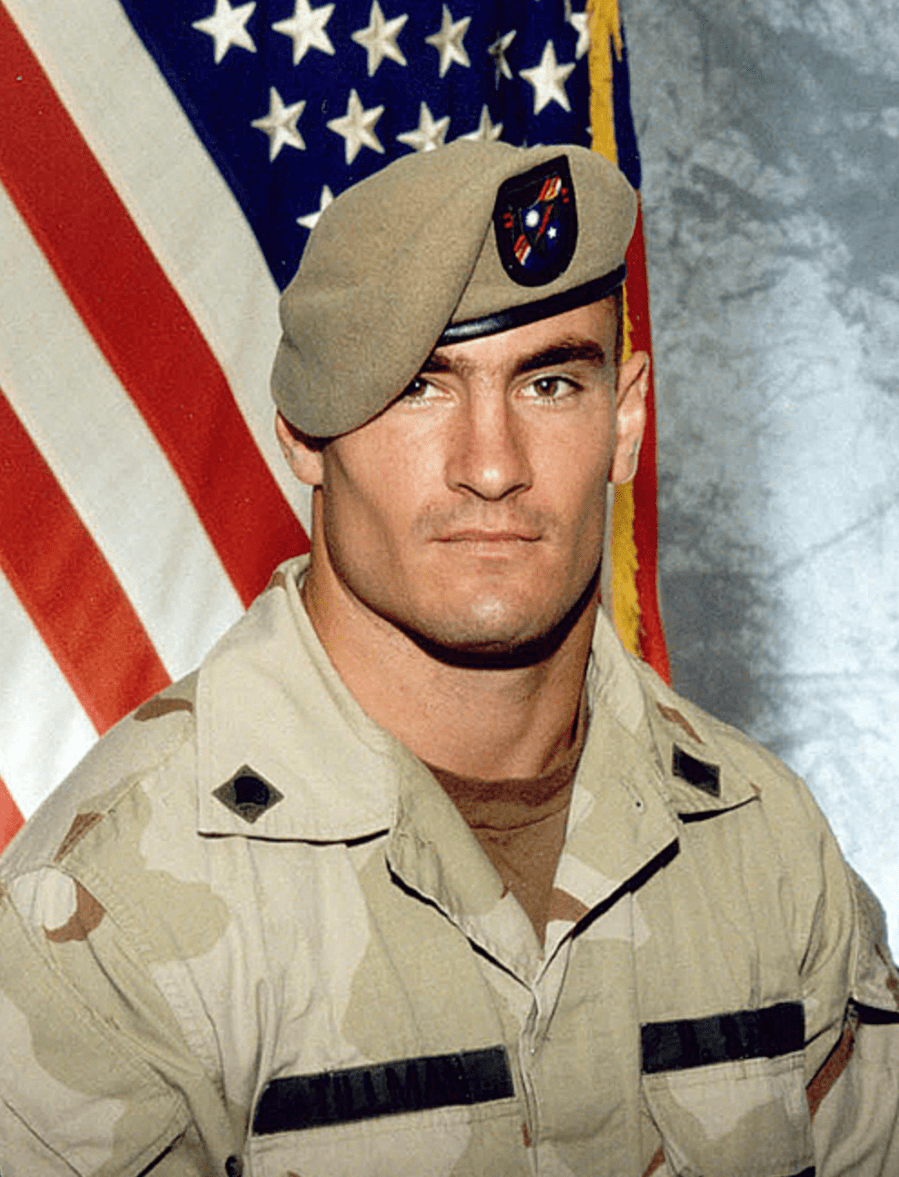
Pat TillmanTo those who have followed America’s wars of conquest in Afghanistan and Iraq over the past decade closely, the story of Pat Tillman’s death is a familiar one. Shortly after the 9-11 attacks, a professional football player at the top of his game steps out of the limelight to join the military, completes one tour of duty in Iraq, and is killed during a second, in Afghanistan. At first, we’re told he died heroically leading his squad in a hillside battle against Taliban militiamen. Later, we learn that the Army’s story is a fraud, that he was killed by friendly fire from his fellow Rangers, a pointless victim of war.

Director Amir Bar-Lev’s powerful documentary, “The Tillman Story,” fleshes out the tragic arc of Pat Tillman’s life in what becomes less an anti-war movie and more the story of one indomitable family’s struggle for truth and justice in the face of arrogant indifference by our nation’s top military and civilian leaders, abetted by a cheerleading press. Think “Network,” not “Coming Home.”

Read more here.

August: U.S. Department of Defense Casualties Report (2010)

Department of Defense
08/31/2010:  DOD Identifies Army Casualties: Patrick Durham, 24, and Andrew Castro, 20, Afghanistan, Fort Campbell, Kentucky

08/30/2010:  DOD Identifies Marine Casualty: Floyd Holley, 36, Afghanistan, Camp Pendleton, California

08/30/2010:  DOD Identifies Army Casualties: Ellery Wallace, 33, and Bryn Raver, 20, Afghanistan, Fort Campbell, Kentucky

08/30/2010:  DOD Identifies Army Casualties: Chad Coleman, 20, and Adam Novak, 20, Afghanistan, Fort Campbell, Kentucky

08/30/2010:  DOD Identifies Army Casualty: James Robinson, 27, Afghanistan, Fort Campbell, Kentucky

08/30/2010:  DOD Identifies Army Casualty: James Ide, 32, Afghanistan, Sembach, Germany

08/30/2010:  DOD Identifies Marine Casualty: Daniel Fedder, 34, Afghanistan, Camp Pendleton, California

08/29/2010:  DOD Identifies Navy Casualty: James Swink, 20, Afghanistan, II Marine Expeditionary Forces

08/25/2010:  DOD Identifies Army Casualty: Justin Shoecraft, 28, Afghanistan, Vilseck, Germany

08/24/2010:  DOD Identifies Marine Casualty: Robert Newton, 21, Afghanistan, Twentynine Palms, California

08/24/2010:  DOD Identifies Marine Casualty: Ronald Rodriguez, 26, Afghanistan, Camp Pendleton, California

08/24/2010:  DOD Identifies Army Casualties: Steven Deluzio, 25, and Tristan Southworth, 21, Afghanistan, Vermont Army National Guard

08/24/2010:  DOD Identifies Army Casualty: Pedro Millet Meletiche, 20, Afghanistan, Fort Carson, Colorado

08/24/2010:  DOD Identifies Marine Casualty: Jason Calo, 23, Afghanistan, Camp Lejeune, North Carolina

08/24/2010:  DOD Identifies Army Casualty: Brandon Maggart, 24, Iraq, Joint Base Lewis-McChord, Washington

08/23/2010:  DOD Identifies Army Casualty: Alexis Maldonado, 20, Afghanistan, Fort Hood, Texas

08/23/2010:  DOD Identifies Marine Casualty: Nathaniel Schultz, 19, Afghanistan, Camp Lejeune, North Carolina

08/23/2010:  DOD Identifies Army Casualty: Christopher Wright, 23, Afghanistan, Hunter Army Air Field, Georgia

08/21/2010:  DOD Identifies Marine Casualty: Cody Childers, 19, Afghanistan, Camp Lejeune, North Carolina

08/20/2010:  DOD Identifies Marine Casualty: Christopher Boyd, 22, Afghanistan, Camp Pendleton, California

08/20/2010:  DOD Identifies Navy Casualty: Collin Thomas, 33, Afghanistan, east-coast based SEAL team

08/20/2010:  DOD Identifies Army Casualty: Martin Lugo, 24, Afghanistan, Hunter Army Air Field, Georgia

08/19/2010:  DOD Identifies Army Casualty: Edgar Roberts, 39, Afghanistan, Georgia Army National Guard

08/19/2010:  DOD Identifies Marine Casualty: Kevin Oratowski, 23, Afghanistan, Camp Pendleton, California

08/18/2010:  DOD Identifies Army Casualties: Benjamen Chisholm, 24, and Charles High IV, 21, NCDs, Afghanistan, Fort Campbell, Kentucky

08/18/2010:  DOD Identifies Army Casualty: Derek Farley, 24, Afghanistan, Grafenwoehr, Germany

08/17/2010:  Airman Missing In Action From WWII Identified: Ray F. Fletcher, US Army Air Forces

08/17/2010:  DOD Identifies Army Casualty: Jamal Rhett, 24, Iraq, Schofield Barracks, Hawaii

08/16/2010:  DOD Identifies Marine Casualty: Michael Bock, 26, Afghanistan, Twentynine Palms, California

08/13/2010:  DOD Identifies Marine Casualty: Kristopher Greer, 25, Afghanistan, Marine Forces Reserve, Knoxville, Tennessee

08/13/2010:  Soldier Missing from Korean War Identified: Roy Stewart, US Army

08/12/2010:  DOD Identifies Army Casualty: Christopher Karch, 23, Afghanistan, Fort Bragg, North Carolina

08/12/2010:  DOD Identifies Marine Casualty: Jose Saenz III, 30, Afghanistan, Camp Pendleton, California

08/11/2010:  DOD Identifies Army Casualty: John Andrade, 19, Afghanistan, Vilseck, Germany

08/11/2010:  Soldiers Missing in Action from Vietnam War Identified: Paul G. Magers, US Army

08/09/2010:  DOD Identifies Army Casualty: Paul Cuzzupe, 23, Afghanistan, Vilseck, Germany

08/09/2010:  DOD Identifies Marine Casualties: Kevin Cornelius, 20, and Vincent Gammone III, 19, Afghanistan, Camp Lejeune, California

08/09/2010:  DOD Identifies Army Casualties: Andrew Nicol, 23, and Bradley Rappuhn, 24, Afghanistan, Fort Benning, Georgia

08/09/2010:  DOD Identifies Army Casualty: Faith Hinkley, 23, Iraq, Joint Base Lewis-McChord, Washington

08/09/2010:  DOD Identifies Marine Casualty: Max Donahue, 23, Afghanistan, Camp Pendleton, California

08/02/2010:  DOD Identifies Army Casualty: Kyle Stout, 25, Afghanistan, Fort Campbell, Kentucky

08/01/2010:  DOD Identifies Army Casualty: Michael Stansbery, 21, Afghanistan, Fort Campbell, Kentucky

Related Links:
August: Department of Defense Casualties Report (2002)
August: Department of Defense Casualties Report (2003)
August: Department of Defense Casualties Report (2004)
August: Department of Defense Casualties Report (2005)
August: Department of Defense Casualties Report (2006)
August: Department of Defense Casualties Report (2007)
August: Department of Defense Casualties Report (2008)
August: Department of Defense Casualties Report (2009)
August: Department of Defense Casualties Report (2011)
August: Department of Defense Casualties Report (2012)
August: Department of Defense Casualties Report (2013)
August: Department of Defense Casualties Report (2014)
August: Department of Defense Casualties Report (2015)
August: Department of Defense Casualties Report (2016)
August: Department of Defense Casualties Report (2017)
Non Combat Deaths of Female Soldiers in the US Military (Iraq)
Non Combat Deaths of Female Soldiers in the US Military (Afghanistan)
Non Combat Deaths of Female Soldiers in the US Military (Other Areas)

Fort Bragg Army Spc. Morganne McBeth Killed by Fellow Soldier in Iraq; Spc. Nicholas Bailey Sentenced to Nine Months in Prison (July 2, 2010)

Morganne McBeth.png
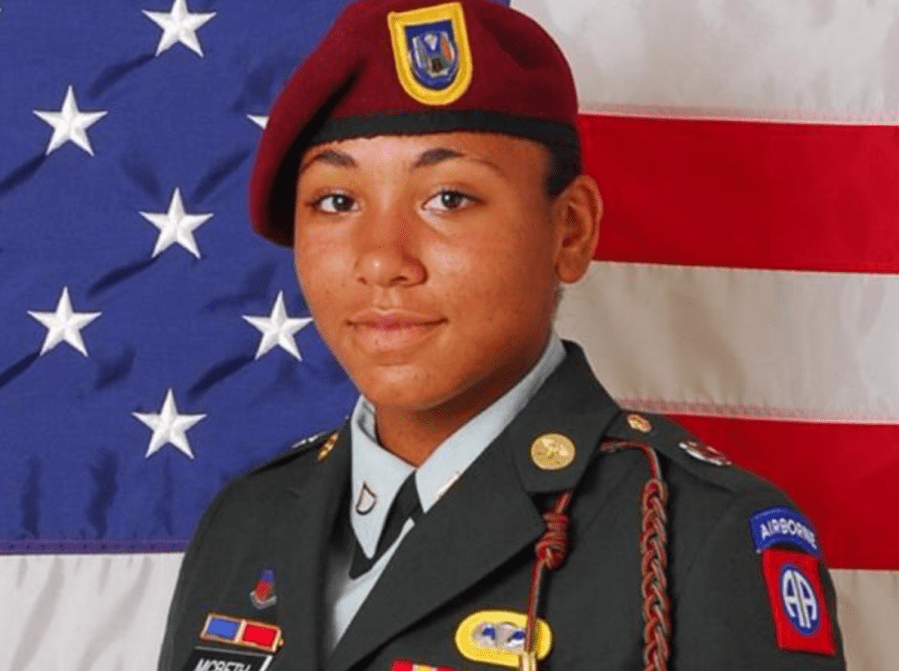
Spc. Morganne McBeth, U.S. Army

Army Spc. Morganne McBeth, 19, died July 2, 2010 of wounds sustained on July 1. This was considered a non combat death in Iraq and her death was ruled a homicide. Morganne was supporting Operation Iraqi Freedom on behalf of the 1st Special Troops Battalion, 1st Brigade Combat Team, 82nd Airborne Division at Fort Bragg in North Carolina. McBeth was stabbed by a fellow Army soldier Specialist Nicholas Bailey. According to court testimony, Bailey stabbed Morganne McBeth while ‘horsing around’ in a tent in Iraq. Nicholas Bailey was sentenced to nine months in prison, demoted to private, and given a bad conduct discharge.

“Involuntary manslaughter can be committed in one of two ways,” an 82nd Airborne official said in an e-mail. “…through culpable negligence or by causing a death while committing or attempting to commit an offense directly affecting the person, other than burglary, sodomy, rape, robbery, or aggravated arson. Note that these are the five offenses covered in the felony murder rule. As the manual for court martials points out, culpable negligence is a degree of carelessness greater than simple negligence. It is a negligent act or omission which is accompanied by a culpable disregard for the foreseeable consequences to others of that act or omission.” -Army Times

Related Links:
DOD Identifies Army Casualty
Army Spc. Morganne M. McBeth
Army Spc. Morganne McBeth | Military Wall of Honor Facebook
Morganne Marie McBeth, Specialist, United States Army
82nd Airborne combat medic dies in Iraq
Fredericksburg Service Woman Dies in Iraq
Army reported Va. medic’s death in Iraq as accidental, then self-inflicted, now murder
Soldier’s Death Called Murder
Army: 2 soldiers charged in medic’s death in Iraq
Two Ft. Bragg Soldiers Charged in the July 2, 2010 Death of Spc. Morganne McBeth in Iraq (Update)
2 Bragg soldiers charged in stabbing of spc. (Army Times)
Witness: Paratrooper tired of lying to cover up medic’s death
Stepmother of Slain Female Soldier Asks Court to Show Leniency
Guilty plea in death of local medic
Soldier pleads guilty in McBeth’s death
Soldier gets 9 months for stabbing death
Bragg soldier gets nine months in prison for medic’s death
Hiding Military Sexual Trauma
Military women die in suspicious non-combat events. Families ask: Why?
No End in Sight for a Family’s Agonizing Guessing Game
Violent Crime, Non Combat Death and Suicide at Fort Bragg, North Carolina (US Army)
Non Combat Deaths of Female Soldiers in the U.S. Military (Iraq)
Military Policy and Legislation Considerations for the Investigations of Non Combat Death, Homicide, and Suicide of US Service Members

The Nation | In the Name of Pat Tillman: Good Riddance to Stanley McChrystal (June 25, 2010)

Pat Tillman
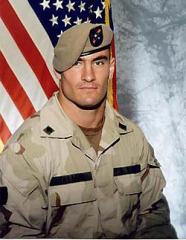
Pat Tillman, U.S. Army

In the Name of Pat Tillman: Good Riddance to Stanley McChrystal

When NFL player-turned-Army Ranger Pat Tillman died at the hands of US troops in a case of “friendly fire,” the spin machine at the Pentagon went into overdrive. Rumsfeld and company couldn’t have their most high-profile soldier dying in such an inelegant fashion, especially with the release of those pesky photos from Abu Ghraib hitting the airwaves. So an obscene lie was told to Tillman’s family, his friends and the American public. The chickenhawks in charge, whose only exposure to war was watching John Wayne movies, claimed that he died charging a hill and was cut down by the radical Islamic enemies of freedom. In the weeks preceding his death, Tillman was beginning to question what exactly he was fighting for, telling friends that he believed the war in Iraq was ” [expletive] illegal.” He may not have known what he was fighting for, but it’s now clear what he died for: public relations. Today, after five years, six investigations and two Congressional hearings, questions still linger about how Tillman died and why it was covered up.

Read more from The Nation here.

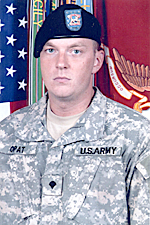
Army Spc. Christopher Opat Died of a Non Combat-Related Incident in Baquah, Iraq (June 15, 2010)

opat-older
Spc. Christopher Opat, U.S. Army

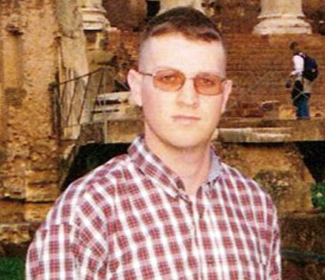
Army Spc. Christopher W. Opat, 29, died of a non combat related incident on June 15, 2010 in Baquah, Iraq. Spc. Opat was supporting Operation Iraqi Freedom on behalf of the 1st Squadron, 14th Cavalry Regiment, 3rd Stryker Brigade Combat Team, 2nd Infantry Division at Joint Base Lewis-McChord in Washington. According to the Department of Defense, at the time of the press release the circumstances surrounding the incident were under investigation.

Related Links:
DOD Identifies Army Casualty
Army Spc. Christopher W. Opat
Cresco soldier dies in Iraq
Local residents show support for fallen soldier
Father of fallen soldier says son was dedicated to service
Christopher Wesley Opat | Remembering the Fallen
Spc. Christopher W. Opat
Christopher Opat, 29, Lime Springs
Procession for fallen Army soldier to go through Spring Valley Tuesday morning
U.S. Army Spc. Christopher Opat laid to rest
A family buries a hero
Flags lowered in Iowa in honor of soldier Christopher Opat
US troops who have died while serving in Iraq and Kuwait

JBLM Army Soldier Nathan Smith Sentenced to 11 Years to Life in Prison for Kidnapping, Rape, Attempted Rape, Torture, and Arson (May 28, 2010)

screen-shot-2016-12-31-at-7-17-36-pm
Nathan Smith, US Army

According to ABC News, US Army Staff Sgt. Nathan Ryan Smith, 29, was charged with kidnapping, rape, arson, and tampering with evidence in the State of Washington. Fort Lewis Army personnel reported that Nathan Smith was Absent Without Leave (AWOL) as of January 5, 2009. Washington state investigators said Smith was suspected of kidnapping and attacking two women.

Smith was accused of grabbing one woman on January 1, 2009 in a Tacoma, Washington parking lot. He allegedly choked her until she became unconscious. The woman claimed when she woke up, she was naked and bound with zip ties in someone’s house. When she tried to free herself, she says she heard a man say, “If you fight, you’ll die.” Then she alleged the man put a knife to her face and said, “If you cooperate, you’ll go home.” According to this victim, the man believed to be Nathan Smith then gagged her and raped her. He also used electrified clamps to torture her and told the woman “If you tell anybody, police or anyone, I will kill you and your family. I can find you. I will find you.”

“After he allegedly raped one woman, Smith told her, I have killed several people in Iraq. I’m crazy in the head, and if I get caught by police I will come looking for you and kill you.” –ABC News

The second victim the police identified was a woman who was kidnapped on January 3, 2009. She claimed once they arrived at the assailant’s home, he choked her until she blacked out. She told police that when she woke up, her hands were bound and she had a gag in her mouth. She managed to escape and ran to a neighbor’s house who called the Washington State police. The second woman gave a similar description as the first victim of the man who kidnapped her. She also identified the same car the first victim identified, the same car Nathan Smith drove.

In both instances the victims said their attacker fit Smith’s description and drove the same kind of car that is registered to Smith. Washington State Police reported that Fort Lewis Army soldier Nathan Smith served as a calvary scout in Iraq from September 2006 to October 2007 and has military and wilderness survival skills. Nathan Smith is considered extremely dangerous. When finally captured and arrested, The News Tribune in Tacoma reported that Smith pleaded not guilty at his arraignment. In 2010, Smith changed his plea to guilty; guilty of one count of second-degree rape, one count of attempted second-degree rape, and one count of first-degree arson. The prosecutor requested 12 years for Smith, adding the brutality he inflicted on the women was off the charts. On May 28, 2010, the Judge sentenced Nathan Smith to 11 years to life in prison and it will be up to the Washington state Indeterminate Sentence Review Board to determine when, if ever, Smith is released.

He apologized to the women before being sentencing, saying he hopes the pain he caused them does not endure. He also apologized to his former comrades in arms. “They’re in Iraq right now, which is where I should be,” said Smith, a former cavalry scout with the 3rd Brigade, 2nd Infantry Division…Defense attorney Wayne Fricke requested a low-end sentence of nine years, three months, saying his client had served his country honorably before going over the line with the women – prostitutes he’d hired to have sex with him. –The News Tribune

Related Links:
AWOL Soldier Wanted in Kidnappings, Rape
Ex-soldier gets 11 years to life in Parkland sexual assault case
Violent Crime, Suicide & Non Combat Death at Joint Base Lewis-McChord, Washington (US Army)