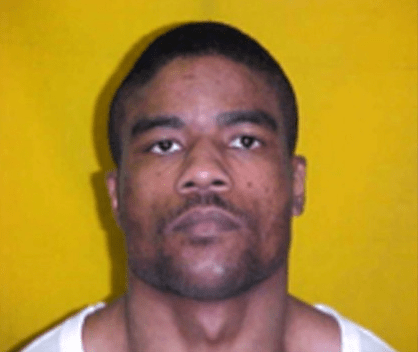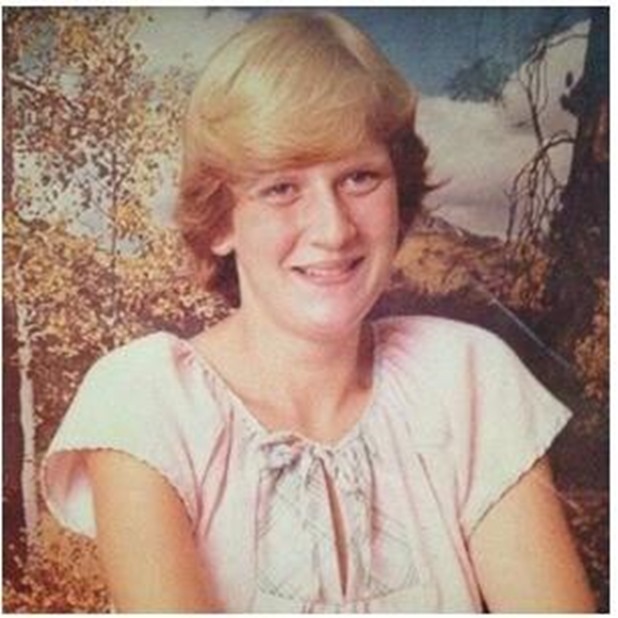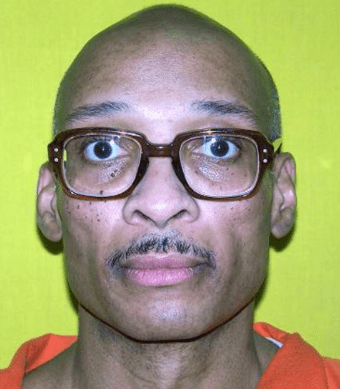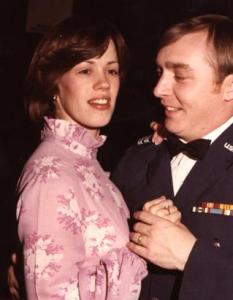
Army Spouse Melinda Stewart, Army Sgt. Daniel Stewart, Jill Yousaf & Army Soldier James Catlin Conspired and Murdered Homeless Colorado Teen Maggie Fetty (November 30, 1991)

34811804_136460402708
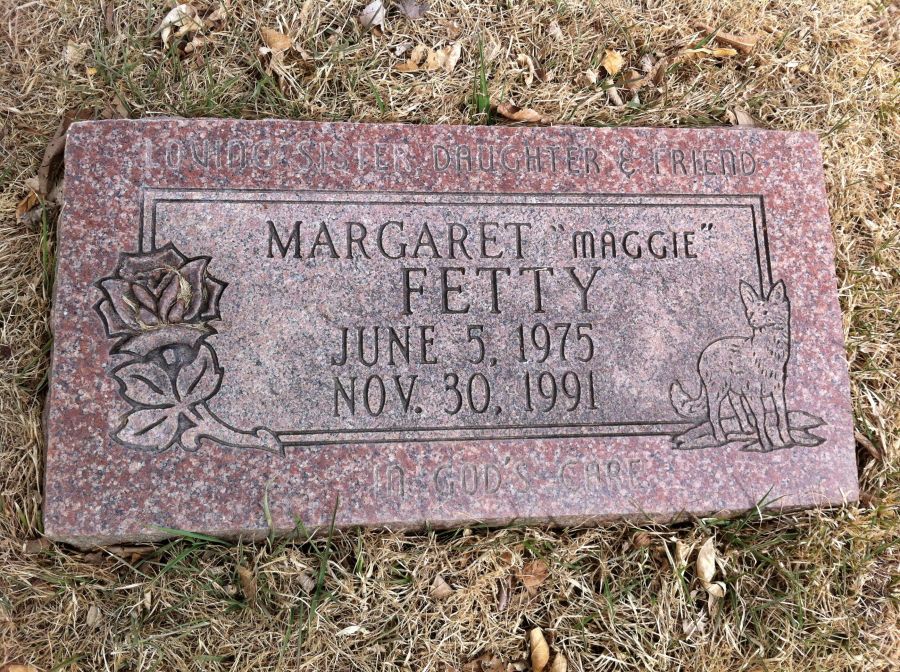
Margaret ‘Maggie’ Fetty (photo credit: http://www.FindAGrave.com)

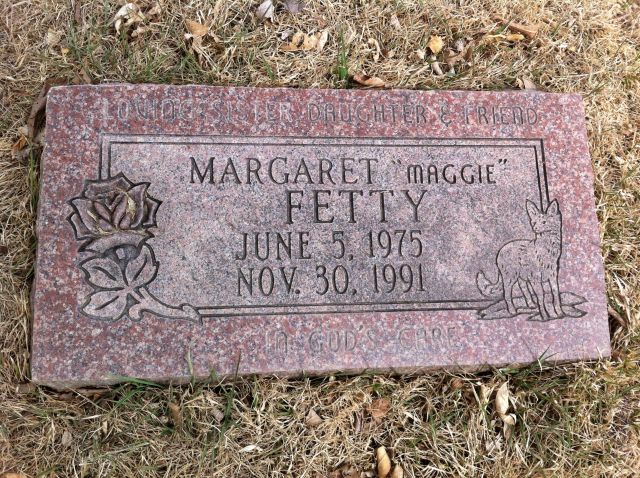
When the time came to handle funeral arrangements for Maggie Fetty, no one was there to do it so Lt. Joe Kenda and his fellow officers did it themselves. They chipped in and bought her a head stone to assist with the evidence of her passing. The headstone is a reminder for Joe Kenda of why he chose a life in law enforcement. Joe said he can’t stop a murderer or undue the murder once it’s been done but he can certainly find the person responsible and make sure they don’t do it again. Society has a way of forgetting about the most vulnerable but when it comes to Joe Kenda, nobody slips through the cracks, not a culprit, not a co-conspirator, and certainly not Maggie Fetty. -Homicide Hunter

Patrol officers received a call that a body was found on Gold Camp Road near Point Sublime in Colorado Springs, Colorado on December 3, 1991. It was a fully clothed female who appeared to be a teenager. Homicide detective Lt. Joe Kenda of the Colorado Springs Police Department ordered the officers to turn the body over. They observed a ligature mark on her throat. A ligature is used to apply pressure to the neck and it’s a torturous way to die. This wasn’t just a who done it, but a who was it? Detectives went through her pockets and didn’t find anything. Although they did find an identifying marker, a tattoo on her hand with the initials JM. An anonymous tipster called and said the victim’s name was Maggie and they should talk to Jill Yousaf. Jill had an arrest just recently; she was arrested for shoplifting. According to the police report, Margaret Fetty, 16, was also arrested. This tied the two together.

Investigators dug into Maggie’s records but there were none. She was a ward of the state; her mother disavowed her and her father’s whereabout were unknown. Maggie was part of the children’s program Chins Up but ran away from the center a year ago. She was living on the streets all alone and she had nobody looking out for her. She was an adolescent girl who was murdered and thrown away like trash. The only people looking out for her were Kenda and his guys. Kenda met up with 28 year old Jill Yousaf to try to obtain some information from her. Jill agreed to go to the station for questioning. She described Maggie as her best friend. She said she met her a year ago and had become somewhat of a big sister to her. According to Jill, they clicked well and even had matching ‘JM’ tattoos. Kenda informed Jill that Maggie was dead and she broke down in tears. Kenda observed that Jill’s demeanor and body language had guilt all over it.

Kenda informed Jill that he thinks she had something to do with the Maggie’s death. Jill claimed she knew the killer’s identity and that the person who murdered Maggie was Melinda Stewart. Kenda ran a background check on Melinda Stewart and learned that she was married to an Army soldier at Fort Carson. According to Jill, on November 30, 1991, she was hanging out at her home with her friends while her husband was playing cards with his Army buddies. The girls decided they were going to go out. Jill claimed she was driving and Maggie was in the passenger seat. They were all talking, laughing and passing around a bottle of tequila. Then for no apparent reason Melinda began to strangle Maggie from behind. Jill said she tried to stop Melinda but she threatened her and said she would be next. Once Maggie was dead, Melinda asked Jill to help her discard the body. Detectives needed to find out why Melinda wanted Maggie dead. Jill said it was because Melinda was ‘crazy’ and told them she was placed in a psychiatric institution the day before.

Joe went to Cedar Springs psychiatric hospital to find Melinda. She was there and her husband brought her in the day before. She appeared to be deeply disturbed and the interview was anything but routine. Melinda was saying very bizarre things, she wasn’t very helpful, and she appeared to be speaking in a child-like voice. Her bizarre behavior did not let up so Kenda played along and addressed Melinda like a little girl. Melinda started talking about Maggie being cold and needing a coat. She then said she went to Point Sublime with Jill and Maggie to look at the city lights and drink. Melinda claimed she was driving and Jill was in the backseat. She was telling a story opposite that of Jill because she claimed Jill was in the backseat of the car and strangled Maggie. Kenda couldn’t help but wonder if Melinda’s story might be true. Kenda didn’t have enough to hold Jill or Melinda on murder charges but he did have enough to hold them on charges of obstruction of justice. By believing them both, he could keep them in jail until he got to the bottom of things.

With Jill and Melinda in custody, Kenda needed to find a witness who could shed some light on the situation. They started with Melinda’s husband Army Sergeant Daniel J. Stewart. He had been in the Army for quite some time and worked in the Engineer Battalion; he built bridges and seemed to be reasonably intelligent. Sgt. Stewart seemed astounded to learn his wife was being charged with murder. Kenda took Sgt. Stewart down to the station. Lt. Kenda wanted to learn more about his wife’s mental illness. According to Sgt. Stewart, his wife had multiple personalities but she didn’t have a dangerous bone in her body. He denied that his wife had anything to do with Maggie’s murder. He claimed there was no unusual behavior with his wife on the night of the murder after they returned. He also said he was playing some cards with some Army buddies when the girls decided to go out. A few hours later, Jill and Melinda returned. They were fine.

But the next day, Melinda had a psychiatric melt down. Her multiple personalities surfaced and Sgt. Stewart was afraid his wife was having a nervous breakdown. Detectives believed the meltdown was connected to the murder but weren’t sure if she was having a meltdown because she strangled Maggie or if she witnessed Maggie get strangled by Jill. Sgt. Stewart finally admitted that he believed Jill Yousaf was the one who killed Maggie. Sgt. Stewart told detectives they needed to speak with James Catlin who was a boat specialist in the Engineer Battalion; they worked together. Sgt. Stewart shared that Catlin dates Jill Yousaf. When James Catlin was questioned, he provided a story that was consistent with that of Dan Stewart. Kenda needed a hook, another piece of information that could help them put the case together. Then he got a phone call that changed everything. On December 17th, two weeks after Maggie’s body was found on Gold Camp Road, detectives received a phone call from Melinda’s sister Penny Rhoads. Penny said she spoke to Dan Stewart who admitted to her that he burned all the evidence.

Detectives learned Sgt. Stewart burned the clothing worn by Melinda and Jill on the night of the murder. It was burned in an effort to protect both of them. As a result, Sgt. Stewart was booked for conspiracy after the fact. Detectives confronted him with the new information they learned from the conversation with Penny Rhoads. Dan Stewart realized he needed to start talking. He claimed once Melinda and Jill arrived home, they talked about the murder and each woman was blaming the other. He didn’t want Jill accusing his wife Melinda of murder so he burned all the evidence to protect her. In the course of the interview, Sgt. Stewart also mentioned Silas Nelson. At first he said he was there, then he backtracked and said he wasn’t. For Stewart it was a slip of the tongue, for Kenda it was one more clue to look into. Stewart was booked. Then Kenda set out in search of Silas Nelson. Detectives tracked down Nelson at Fort Carson and questioned him. Nelson told Kenda he was at Sgt. Stewart’s house the night of the murder and also spent the night.

Silas Nelson claimed he was in bed when Jill and Melinda returned home. But he said he was present before they went out and the two of them were talking about killing Maggie. Kenda thought if this information was true, the two of them conspired to kill Maggie Fetty. According to Nelson, Stewart and Catlin joined the conversation and they were all talking about how they could kill Maggie. Now Kenda has learned Catlin and Stewart assisted with the cover up and were active participants in the planning of the event. But Kenda still wanted to know who strangled Maggie and why? As a result of the information gleaned from Nelson, Sgt. Catlin was arrested and grilled by detectives for answers. Catlin finally broke down and admitted they didn’t like Maggie and decided to kill her. According to Catlin, Maggie was heavy into drugs and the two had no toleration for that because they didn’t want Jill and Melinda doing drugs. But Maggie was feeding the pair drugs so it was a hard bond to break. They were tired of her being around.

Nelson helped confirm when Melinda and Jill discussed killing Maggie and Dan Stewart and James Catlin jumped at the chance to show the girls how to do it. This proved that all of them conspired together to kill Maggie. Catlin claimed Melinda was the one who strangled Maggie. He said she attacked Maggie from behind and Jill did not stop her but she did help dispose of the body. When Melinda and Jill returned home, Sgt. Stewart disposed of and burned the evidence. All four co-conspirators were prosecuted to the fullest extent of the law. In exchange for her testimony, Melinda pleaded guilty to second degree murder and was sentenced to 48 years in prison. James Catlin striked a similar deal and received a 30 year sentence for second degree murder. Jill Yousaf maintained her innocence all the way to trial. The jury found her not guilty of murdering Maggie but did find her guilty of accessory to murder. Jill was sentenced to six years in prison. Sgt. Dan Stewart was convicted of first degree murder and conspiracy to commit first degree murder.

After she was dead, nobody ever came knocking on my door, what about my daughter, what are we doing, how do we know what happened, nothing. No inquiries from concerned relatives because there aren’t any. We can say to ourselves we did the right thing here, for a girl who desperately needed someone to do something right for her. We were just too late to save her life but we took punishment against those who took her life. -Lt. Joe Kenda, Homicide Hunter

Source: ‘A Gathering of Evil’ Homicide Hunter

Teen runaway Maggie Fetty is found strangled to death on a mountain road. An anonymous tipster blames Maggie’s best friend, but she accuses a mental patient with multiple personalities. Kenda must turn the suspects against each other to learn the truth. -A Gathering of Evil, Homicide Hunter (S2, E2)

Editor’s note: With a cable subscription, you can download the free ID Go app and watch all of the Investigation Discovery programming at your convenience. And for those who do not have cable, you can watch “unlocked” episodes on the ID Go app including the latest premieres. Download the ID Go app and binge away. For those who prefer commercial free programming during your binge session, Prime Video has an ID channel: ‘True Crime Files by Investigation Discovery” available for $2.99 a month. It’s a compilation of older seasons but totally worth the cost if you are a true crime addict.

Related Links:
Obituary: Margaret Ann “Maggie” Fetty
Woman, 29, Pleads Guilty to Killing Teen
Inside the Kenda Files: Fetty
A Gathering of Evil | Homicide Hunter | Investigation Discovery (website)
A Gathering of Evil | Homicide Hunter | Investigation Discovery (S2, E2)
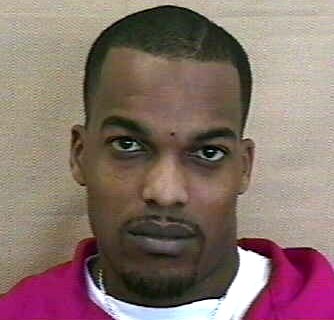
Ex-Army Drill Sergeant Earl Richmond, Jr. was Sentenced to Death for Murder of Army Specialist at Fort Dix and a Mother & Two Children in North Carolina (1991)

richmond000
Earl Richmond, Jr., Army veteran, was executed in 2005.

Sgt. Earl Richmond, Jr was stationed at Fort Dix from 1988 until he was discharged for misconduct in the fall of 1990 for taking money from trainees.

On April 15, 1989, a female Air Force officer stationed at Fort Dix and her male companion were held at gunpoint and robbed at a bus stop. The Air Force officer was sexually assaulted as well. Richard Stevens was a civilian who worked at the base. He was charged, convicted of the crimes, and sentenced to fourteen years by a federal court. Eventually it was determined that he was wrongfully convicted of these crimes. He served more then three and a half years in jail before he was exonerated. Stevens resembled Earl Richmond Jr. who was identified as a suspect in this case yet never officially charged. While Stevens was getting out of jail in 1992, Richmond was awaiting trial on state charges for the rape of a 17-year-old girl at a motel near Fort Dix in April 1989. The burglary and rape case involving the Air Force officer at Fort Dix is considered unsolved.

Shortly after the rape accusations surfaced, Earl Richmond, Jr. was charged with four murders. In 1991, Richmond raped and murdered both Army Spc Lisa Nadeau in Fort Dix, New Jersey and Helisa Hayes in Fayetteville, North Carolina. He murdered Helisa Haye’s two children who were witnesses to the crime as well. DNA evidence helped solve these four cases and tied him to the 1989 rape of the 17-year-old girl at the motel near Fort Dix.

  1. Spc. Lisa Nadeau, 24, raped & strangled on April 4, 1991 in base housing.
  2. Helisa Hayes, 27, raped and strangled in her home in November 1991.
  3. Phillip Hayes, 8, stabbed 60 times with a pair of scissors.
  4. Darien Hayes, 7, strangled with an electric cord.

Earl Richmond, Jr. was sentenced to death for the four murders and executed by lethal injection in North Carolina on May 6, 2005.

Related Links:
New Trial Is Ordered In Ft. Dix Sex Assault Prosecutors Have Uncovered Evidence That They Say Casts Some Doubt On Richard Stevens’ Conviction
Mistaken Identity? Rape Case Is Dropped Richard Stevens Served Three Years For Assaulting An Air Force Officer At Ft. Dix. Now Prosecutors Say He May Be Innocent
A Case Of Mistaken Identity Landed Him In Jail For 3 1/2 Years Richard Stevens Is Trying To Rebuild His Life. He Served Time For A Charge That Has Been Dismissed
Murder Suspect Charged Again
Former Drill Sergeant Arraigned in Slaying of Army Payroll Clerk
Murder Defendant Implicated In Sex Assaults, Attorney Says
Trial Opens In Fort Dix Murder Case A Neighbor Described The Scene. As Her Mother Lay Dead, The 3-year-old Wandered The House
Attorney Says Suspect Was Insane The Ex-drill Instructor Killed The Fort Dix Woman, All Agree. His Mental State Is The Issue
Ex-Soldier From Fayetteville Guilty In New Jersey Slaying
Killer Of Ft. Dix Woman Gets Life Without Parole Earl Richmond Jr. Shattered Many Lives. Another Murder Trial In North Carolina Is Still To Come
Former Drill Sergeant Sentenced To Death For N.c. Slayings Earl Richmond Jr. Was Convicted Of Three 1991 Deaths. He Had Killed A Ft. Dix Clerk Months Earlier
Evidence from 2002 slaying of Ft. Dix worker is detailed Jurors heard what was taken from the home of the man accused of killing a neighbor he had called “a nice lady.”
Killer goes quietly, with apology
‘I understand why you hate me’
Execution vigils planned
Earl J. Richmond Jr. Executed May 6, 2005 02:19 a.m. by Lethal Injection in North Carolina
STATE of North Carolina v. Earl RICHMOND, Jr. (Feb 6, 1998)
Earl RICHMOND, Jr., Petitioner-Appellant, v. Marvin L. POLK, Warden, Central Prison, Raleigh, North Carolina, Respondent-Appellee (May 4, 2004)
Murderpedia: Earl Richmond, Jr.

Army Soldier Dwight Loving Murdered First of Two Cab Drivers; Sentenced to Death by Military Courts But Commuted in 2017 by President Obama, Re-sentenced to Life, No Parole (December 12, 1988)

screen-shot-2016-09-24-at-10-52-44-pm
Dwight Loving, US Army

A military judge sentenced Army soldier Dwight Loving, 20, to death for the murders of two Killeen, Texas cab drivers and the attempted murder of a third. Loving was found guilty April 3, 1989 of two counts of felony murder in the deaths of Army Private Christopher Fay, 20, a 13th Corps Support Command soldier and part-time Killeen cab driver, and retired Master Sgt. Bobby Sharbino, 44. The two men were found dead in their taxis on December 12 and December 13, 1988, both victims of gunshot wounds. Howard Harrison, 28, another cab driver, was injured when he struggled with Loving in his cab. Harrison managed to escape after knocking the gun from Lovings hand. The court also found Loving guilty of robbing two 7-Eleven convenience stores on December 11, 1988. In 2016, Dwight Loving was one of six service members on military death row at Fort Leavenworth in Kansas; he was joined by Andrew Witt, Ronald Gray, Timothy Hennis, Hasan Akbar, and Nidal Hasan. In 2017, President Barack Obama commuted Dwight Loving’s death sentence before he left Office. Loving was re-sentenced to life in prison without parole. According to the terms of the commutation agreement, Loving will be unable to appeal his conviction and is ineligible in any way for release in the future. Andrew Witt was granted a new sentencing trial on appeal, and in July 2018, the military courts re-sentenced Witt from the death penalty to life in prison without parole.

Related Links:
GI Sentenced to Death
Soldier sentenced to death for killing two cab drivers
A Grim Life on Military Death Row : As the armed forces prepare to resume executions, six men await their fate at Ft. Leavenworth. The fact that only one is white renews debate over the question of equal justice.
Dwight Loving v United States (1996)
Attorneys fight to save ex-soldier
Servicemen on Death Row: 6 killers wait as military justice crawls
Nidal Hasan, and the 5 other men on the military’s death row
Former Fort Hood soldier’s fate left in president’s hands
Dwight Loving v. Department of Defense (2008)
Former Fort Hood soldier’s fate left in president’s hands
Fort Hood Shooter Could Join 5 Others on Death Row
Study: Racial disparities taint military’s use of death penalty
Military death penalty cases face many hurdles
Military death row: More than 50 years and no executions
On military death row, execution is anything but guaranteed
Soldiers Sentenced to Die, but No Executions on Military Death Row Since 1961
Soldier sentenced to die for 2003 murders pins hopes on Supreme Court
Obama commutes death sentence for ex-soldier from Texas
Among last-minute orders, Obama commutes ex-soldier’s death sentence
Soldier on ‘military death row’ spared by President Obama
Obama commutes Chelsea Manning’s sentence
How Obama Disappointed on the Death Penalty
Soldier on ‘military death row’ for killing two cab drivers more than 25 years ago will be spared after his sentence was reduced in Obama’s latest commutations
Heartbreaking Impact of Obama Commutation

Civilian Kimberly Ruggles Raped & Murdered by Fort Bragg Soldier; Ronald Gray Sentenced to Death by Military Courts for Two Murders & One Attempted Murder (1987)

bowmanruggles-jpeg-20140704_thumb-1
Kimberly Ruggles, Civilian

On January 6, 1987, Army soldier Ronald Gray raped, sodomized, robbed, and murdered civilian Kimberly Ann Ruggles, 23, in Fayetteville, North Carolina. Kimberly, who was a taxi driver, was dispatched to pick up Ronald Gray at his residence. In the early morning hours of January 7th, Fort Bragg military police officers discovered Ruggles’ empty cab parked at the edge of the woods on post. They discovered Kimberly’s nude body a short distance away. She had been raped, sodomized, beaten, and stabbed seven times. Kimberly’s mouth was gagged with a cloth belt that matched pants found in Gray’s possession only hours earlier. Ronald Gray’s fingerprints were also on the interior door handle of Ruggles’ taxi and Ruggles’ fingerprints were found on money in Gray’s possession. In addition, Gray’s footprints were found at the scene of the crime. In 1988, Ronald Gray was found guilty by the military courts of the premeditated murders of Kimberly and Private Laura Lee Vickery-Clay, and the attempted premeditated murder of Private Mary Ann Lang Nameth. On April 12, 1988, Ronald Gray was sentenced to death, given a dishonorable discharge, total forfeitures, and a reduction to Private E-1. In 2008, President George Bush gave the final approval for the military execution of Ronald Gray. In December 2016, media reports indicated that the military is moving forward with the lethal injection execution of Ronald Gray.

Related Links:
Witness Links Victim, Gray to Drugs
Georgia soldier convicted of two murders
Soldier Gets Death Sentence for Raping, Killing 2 Women
United States, Appellee v. Ronald A. GRAY, U.S. Army, Appellant (1999)
Ronald Gray vs United States of America (2000)
Bush: Former Army cook’s crimes warrant execution
Bush OKs Execution for Army Private on Death Row
Hearing set for former Fort Bragg soldier convicted of rapes and murders
Soldier’s Denied Appeal May Pave Way for Death Sentence
Twenty-eight years later, Winter Garden man sees his daughter’s killer
Ft. Bragg Killer To Be Executed
Military to execute murderer and rapist Ronald Gray, a former soldier, after 8-year delay
US military to execute first inmate in over 50 years
Ronald Gray, US Army, Sentenced to Death by Military Court for the Rape & Murder of Army Private Laura Vickery-Clay & Civilian Kimberly Ruggles (1986)
U.S. Military May Perform First Execution In Over 50 Years (YouTube)
Execution Date to Be Set for Former U.S. Army Soldier (YouTube)


According to CNN, the US military could soon execute someone for the first time since 1961. Ronald Gray, a former Army soldier, has been on military death row at Fort Leavenworth since 1988 when he was convicted of killing five women and raping several others in 1986 and 1987 while stationed at Fort Bragg in North Carolina. A civilian court gave him eight life sentences, but a military court sentenced him to death. Last week, a judge ruled Gray’s stay in prison was no longer in effect and denied any further stays. Following the ruling, an execution date for Gray could be announced as soon as next month. –Wochit News

Ronald Gray, US Army, Sentenced to Death by Military Courts for the Rape & Murder of Army Private Laura Vickery-Clay & Civilian Kimberly Ruggles (1986)

screen-shot-2016-09-24-at-10-51-12-pm
Ronald Gray, US Army

Ronald Gray, US Army, was sentenced to death in 1988 by a military court for the rape and premeditated murders of Army Private Laura Lee Vickery-Clay in December 1986 and civilian Kimberly Ann Ruggles in January 1987. He was also convicted of raping Army Private Mary Ann Lang Nameth and leaving her for dead in January 1987. Ronald Gray’s scheduled execution is one of two scheduled in the military since 1961. Army Private John Bennett was the last soldier to be executed by the US military. Bennett was convicted of rape and the attempted murder of an 11 year old Austrian girl. He was hanged in 1961 at Fort Leavenworth prison in Kansas. Ronald Gray joined Timothy Hennis, another Fort Bragg soldier convicted of rape and the murders of Air Force spouse Kathryn Eastburn and two of her three daughters in 1985. In 2008, President George Bush granted the final approval necessary for the military to execute Ronald Gray. After Gray’s execution was delayed for eight years, media reports indicated in December 2016 that the Armed Forces courts will no longer grant stays of execution and the federal government made an announcement that they plan to move forward with the lethal injection execution of Ronald Gray. Gray is one of six service members on death row at Fort Leavenworth. He joins Timothy Hennis, Dwight Loving, Andrew Witt, Hasan Akbar, and Nidal Hasan.

Learn more: Nidal Hasan, and the 5 other men on the military’s death row

Related Links:
Murder, Rape Trial Scheduled
A military court sentenced a 22-year-old Fort Bragg soldier…
Soldier Gets Death Sentence for Raping, Killing 2 Women
United States v. Ronald Gray, US Army (1999)
Civilians, Service-Members, and the Death Penalty: The Failure of Article 25A to Require Twelve- Member Panels in Capital Trials for Non-Military Crimes
Two killers closer to first military executions since 1961
Bush OKs execution of Army private for murders
Bush Oks Execution for Army Death Row Inmate
Bush approves first execution by U.S. military since 1961
Bush approves execution of U.S. Army private
Bush approves execution of Willie Horton, uh, Pvt. Ronald Gray
Bush approves soldier’s execution
George W. Bush makes history with his affirmation of Ronald A. Gray’s death sentence
Did you Know President Approves Execution order for Army Pvt Ronald A. Gray
When Do Soldiers Face Execution?
Investigator recalls catching serial killer soldier
First military execution since ’61 planned
Scheduled Execution of Pvt. Ronald A. Gray Stayed
First Military Execution in 50 Years Delayed
1961: John A. Bennett, the last American military execution (so far)
Fort Hood Shooter Could Join 5 Others on Death Row
Death penalty rare, executions rarer in military
Three Trials for Murder
Study: Racial disparities taint military’s use of death penalty
United States v. Ronald Gray, US Army (2012)
Capital punishment rare for killers in U.S. military
Military death penalty cases face many hurdles
Field of Dishonor: Famous American Court-Martials
Military death row: More than 50 years and no executions
Ronald Adrin Gray: Military Death Sentences – Once Appeals Are Exhausted, They Aren’t Exhausted
Even with death sentence, Fort Hood shooter would face long wait for martyrdom
Hearing set for former Fort Bragg soldier convicted of rapes and murders; Ronald A. Gray is on military death row
Winter Garden man worries he’ll be dead before Army executes daughter’s killer
Ronald Gray: Judge denies appeal for ex-Bragg soldier on death row
27 years later, father faces daughter’s murderer
Setting the Right Example: Removing the Military Death Penalty
Convicted killer Ronald Gray, a former Fort Bragg soldier, files new appeal

Army Pvt Laura Vickery-Clay Raped & Murdered by Fort Bragg Soldier; Ronald Gray Sentenced to Death by Military Courts for Two Murders & One Attempted Murder (1986)

US Army Seal
Pvt. Laura Vickery-Clay, US Army

On December 15, 1986, Army soldier Ronald Gray abducted, raped, sodomized, and murdered Private Laura Lee Vickery-Clay, 18, of Fort Bragg, North Carolina. According to reports, witnesses saw Laura at a local store with Ronald Gray the night she disappeared and Gray’s finger print evidence was found on the hood of Laura’s vehicle. About a month later on January 17, 1987, a soldier discovered Laura’s half-naked, decomposed body in the woods on Fort Bragg. She had been raped, sodomized, and shot in the neck, forehead, chest, and back of the head. She had also suffered blunt force trauma to various parts of her body. The murder weapon was found in close proximity to the victim’s body. In 1988, Ronald Gray was found guilty by the military courts of the premeditated murders of civilian Kimberly Ann Ruggles and Private Laura Lee Vickery-Clay, and the attempted premeditated murder of Private Mary Ann Lang Nameth. On April 12, 1988, Ronald Gray was sentenced to death, given a dishonorable discharge, total forfeitures, and a reduction to Private E-1. In 2008, President George Bush gave the final approval for the military execution of Ronald Gray. In December 2016, media reports indicated that the military is moving forward with the lethal injection execution of Ronald Gray.

Related Links:
Soldier Gets Death Sentence for Raping, Killing 2 Women
United States, Appellee v. Ronald A. GRAY, U.S. Army, Appellant (1999)
Bush: Former Army cook’s crimes warrant execution
Bush OKs Execution for Army Private on Death Row
Hearing set for former Fort Bragg soldier convicted of rapes and murders
Soldier’s Denied Appeal May Pave Way for Death Sentence
Twenty-eight years later, Winter Garden man sees his daughter’s killer
Ft. Bragg Killer To Be Executed
Military to execute murderer and rapist Ronald Gray, a former soldier, after 8-year delay
US military to execute first inmate in over 50 years
Ronald Gray, US Army, Sentenced to Death by Military Court for the Rape & Murder of Army Private Laura Vickery-Clay & Civilian Kimberly Ruggles (1986)
U.S. Military May Perform First Execution In Over 50 Years (YouTube)
Execution Date to Be Set for Former U.S. Army Soldier (YouTube)


According to CNN, the US military could soon execute someone for the first time since 1961. Ronald Gray, a former Army soldier, has been on military death row at Fort Leavenworth since 1988 when he was convicted of killing five women and raping several others in 1986 and 1987 while stationed at Fort Bragg in North Carolina. A civilian court gave him eight life sentences, but a military court sentenced him to death. Last week, a judge ruled Gray’s stay in prison was no longer in effect and denied any further stays. Following the ruling, an execution date for Gray could be announced as soon as next month. –Wochit News

Sgt Sandra Jones, US Army, Fort Dix, New Jersey (1986)

US Army

Sgt Sandra Jones, US Army, Fort Dix, New Jersey was murdered by her son Joel Jones on October 6, 1986. She was stabbed multiple times. Joel was held for a psychiatric evaluation by the courts.

“Sgt. Sandra Jones, 37 years old, was murdered and her 19-year-old son, Joel E. Jones, was charged in the slaying.” -Bill Libby (April 14, 1987)

Sergeant At Fort Dix Found Dead; Son Held
Charred Body of Female Soldier is Found in Refuse Bin at Fort Dix

Air Force Spouse Kathryn Eastburn & Daughters Cara & Erin Found Murdered in Fayetteville, NC Home; Youngest Toddler Jana Discovered Unharmed (May 9, 1985)

The murder of a military wife and two of her young daughters in Fayetteville, North Carolina in 1985 was still making headlines twenty-five years later. The loss of his children and his wife Kathryn would forever haunt former Air Force Captain Gary Eastburn. Katie captivated him from the moment they met and the two got married shortly before Gary joined the United States Air Force. Eleven years later, Captain Eastburn was stationed at Pope Air Force Base in North Carolina as an Air Traffic Control supervisor. By then, the couple had three daughters: five year old Cara, three year old Erin, and Jana who was just under the age of two. They lived on Summerhill Road near the Fort Bragg Army post.

In the spring of 1985, Gary Eastburn was nearing the end of a training program at Maxwell Air Force Base in Alabama. Every Thursday night, Gary called Kathryn from the barrack’s payphone. One week, he couldn’t reached Kathryn and after frantically calling her for a couple days unable to reach her, Gary asked a neighbor to check in on his wife. The neighbors had grown concerned as well when they noticed that the newspaper had not been picked up for a couple days and they heard a child crying. They called the police who went into the Eastburn’s home and discovered Kathryn, Cara, and Erin had been murdered and the youngest toddler, Jana, was crying and severely dehydrated. They would learn that the baby was only hours from death.

The Fayetteville Police Department investigators discovered that Kathryn Eastburn had been raped and murdered. Her underwear had been cut off her, her blouse and bra were ripped opened, her throat was slit, and she had multiple stab wounds. Erin was found in her mother’s room stabbed to death and her throat slashed. And Cara was found in her own bed as if she was hiding underneath a blanket. She too had been stabbed multiple times and her throat was cut. Police believe the surviving toddler was in her crib for nearly three days before neighbors found her. Gary Eastburn received the dreadful call that there had been a death in the family while he was still at Maxwell. Investigators asked him to return home immediately because detectives wanted to give him the news in person.

Desperate police turned to the only living witness, Jana, to see if she remembered anything. The police took Jana to a child psychologist to determine what, if anything, she might know. The police deduced that the child heard the killer but could not identify him; she was just too young. An older Jana admits that she doesn’t remember anything now either. Police theorized that the baby was young and couldn’t identify the intruder which is probably why she was spared. In the meantime, a neighbor came forward claiming he saw a man leaving the Eastburn residence around 3 a.m. and was able to give a description of a suspect who drove a white Chevrolet Chevette. Kathryn also told Gary about a man who came and looked at the family dog they were trying to find a home for. His name was Timothy Hennis and the composite drawing inspired by the neighbor looked just like him.

Timothy Hennis was questioned and asked to give hair, blood, and fingerprint samples. When the detectives escorted Hennis back to his car, they discovered he drove a white Chevrolet Chevette. Later that night, Timothy Hennis was arrested. Hennis was an Army Sergeant stationed at Fort Bragg. Someone had used Kathryn’s stolen ATM card and a witness identified Hennis as the person who used the ATM right before she did at the time of the transaction. At every turn, the evidence overwhelmingly brought them back to Hennis. The prosecutors were puzzled why Hennis would commit such a heinous crime given he had no history of violence. They learned that he had approached a woman for sex that same night and theorized that when he was rejected, he decided to target Kathryn Eastburn.

A trial began roughly a year after the murders in 1986. Hennis’ attorney was quick to point out that the prosecution didn’t have any physical evidence linking Hennis to the murders to include fingerprints, hair, and foot prints. This was at a time before there was any routine DNA testing, therefore even semen found in Kathryn’s body led police nowhere. There was a significant amount of physical evidence showing that a male suspect was in the Summerhill Road house and it wasn’t Gary Eastburn or Timothy Hennis. Hennis’ attorney also pointed out that there was no possible way someone could leave that house without transferring evidence to their personal belongings. On July 4, 1986, the jury returned it’s verdict and Timothy Hennis was found guilty on all counts. Four days later, Hennis was sentenced to death.

While Timothy Hennis was sitting on death row, he received a letter from someone claiming to have committed the crimes. This person appeared to show remorse because Hennis was serving time for his crimes. In spite of the verdict, Hennis’ attorney and wife Angela continued to claim that Hennis was not the killer. As a result, Hennis’ attorney fought to have the murder conviction overturned and filed an appeal. The attorney felt he did not provide adequate representation in the first case and admitted that it was a heavy burden to carry. In a precedent setting decision, the Supreme Court overturned the guilty verdict. It found the prosecutors used information to inflame the jury, a graphic parade of disturbing images taken at the crime scene. After two years on death row, Hennis was awarded a new trial.

The second trial began in 1989, four years after the murders. The prosecution’s case was still strong and the star witness was back to swear that he saw Hennis leaving the Eastburn home on the night in question. In this new trial, the defense delivered compelling theories of their own. They produced a witness who claimed to have seen another man (not matching the description of Timothy Hennis) near the Eastburn home. The defense also reminded the jury there was no physical evidence connecting Hennis to the murders. Additionally, they opined there were others who could have committed the crimes including the person who wrote to Hennis while he was in prison. And in this case, Hennis took the witness stand and denied having anything to do with the murders. On April 19, 1989, a jury found Timothy Hennis not guilty on the triple murder charges and set him free.

Gary Eastburn wasn’t convinced of Hennis’ innocence because he never once apologized to the family for their loss. The verdict just didn’t sit right with Gary and he strongly believed that Hennis was guilty despite the jury’s decision. Gary admits he was angry after the verdict but he knew he had to let it go for his health. A month after Hennis was released from prison, ‘A Current Affair’ paid Hennis and his wife to appear on the program. Hennis suggested the prosecution wanted to pin the murder on anyone so they could get it out of the news; he also denied committing the murders. Timothy Hennis was free and for over twenty years no new suspects emerged. Whoever committed the murders in Fayetteville had gotten away with murder until one day a cold case detective took another look at the case.

After the murders, Gary Eastburn was transferred to a military base north of London, England where he met an English nurse and married her in 1991. Jana was 8 years old and now had a step-mother. Timothy Hennis returned to his family and resumed a career in the Army which often took him away from home. He served in the first Desert Storm war, he served in the war in Somalia, he got promoted multiple times, and had nothing but good marks from military leadership. Journalist Scott Whisnant wrote a book called ‘Innocent Victims’ which was later featured as a television movie. The point of view of the book was that Timothy Hennis was not guilty of these crimes. Investigators never read the book or saw the show. They claimed they were not interested in fiction; instead they were annoyed and pissed.

Twenty years later, new detectives were working on cold cases and decided to take a second look at the Eastburn murders. A cold case investigator found the one clue that could lead them to the killer, a vaginal swab from Kathryn Eastburn. In the 1980s, DNA testing was not available but now it was and they sent it to the lab. The lab testing revealed that the vaginal swab from Kathryn was a match to Timothy Hennis’ DNA. Still, Hennis’ attorney wasn’t convinced because he didn’t understand how someone could commit such a heinous crime then go twenty five years without committing another one and also lead an exemplary life. Billy Richardson believed the sample may have been contaminated and he pointed out that the lab that conducted the testing had been called into question on numerous occasions.

Author Scott Whisnant also believed that something was wrong and Hennis couldn’t have committed these crimes. He asked: “How could he be guilty of this? How could he fool everyone all these years?” Meanwhile, investigators contacted Gary Eastburn to inform him they got a match to Timothy Hennis. Eastburn admitted he had given up hope and the new information was overwhelming. But one thing stood in the way of justice: the Constitution. Hennis had been found not guilty by the State of North Carolina and they were prohibited from trying him a second time because of the double jeopardy clause. But the State found a loophole and because Timothy Hennis was a retired Army soldier, the Army could try him. They ordered Hennis out of retirement and back into uniform to stand trial in the military justice system.

Hennis retired in Washington state in a community near Seattle which was a shock to Gary Eastburn because that’s where he and his wife had settled and Jana and her boyfriend had settled. They learned that Hennis lived 30 minutes away from them. Jana was shocked he lived so closely to them because he was walking free in a community near her. But the Army would soon move Hennis; he was ordered back to Fort Bragg to face triple murder charges. After two decades of freedom, Hennis was being tried for the murders of Kathryn, Cara and Erin Eastburn, a third time for the same crime, except this time in a military court martial. If convicted, Hennis could again face the death penalty again. Hennis’ attorney was stunned that in America, Hennis could be charged for a third time for the same crime.

Billy Richardson referred to the double jeopardy clause in the US Constitution and reminded the public it doesn’t say anything about jurisdiction. He tried to get a federal court to intervene on the issue but failed. And in this third Hennis trial, there would be a new witness, Jana, the only survivor that night. She wanted the jury to know how this crime impacted her life. The trial began in the spring of 2010 and Timothy Hennis’ wife and grown daughter continued to stand by his side. They believed he was innocent. Hennis’ new attorney, Frank Spinner, argued at trial that the facts of Hennis’ life do not paint the portrait of a man who could commit such a heinous crime. He questioned how a man who led such an exemplary life could be the same person who would commit three murders in one night.

Timothy Hennis served his country with distinction, raised his family, and never committed another crime in the twenty five years after the Eastburn murders. And yet on one single night, Hennis slaughtered a family? The prosecutors said the motive didn’t matter because there was DNA linking Hennis to the murders. Spinner reminded jurors that DNA does not mean a case is open and shut. He argued that the DNA does not mean Hennis raped and murdered Kathryn Eastburn because Hennis admitted to consensual sex with her. Hennis suggested Kathryn was lonely while her husband was away at training. Gary Eastburn was angry the defense would have the audacity to suggest that Kathryn was a ‘whore’. Hennis’ old attorney Billy Richardson shared that Hennis denied having sex with Kathryn twenty years ago.

IMG_5116
Kathryn and Gary Eastburn

The military panel didn’t believe Timothy Hennis and they found him guilty of the murders of Kathryn, Cara and Erin Eastburn. Hennis was lead away in handcuffs and for the second time in his life, he was sentenced to death. Timothy Hennis maintains his innocence, filed an appeal, and is fighting for a reversal of his conviction. Gary and his daughter Jana spoke to the press minutes after the verdict and expressed empathy for Timothy’s family despite their belief that justice was finally served. Jana Eastburn admitted she feels more at peace knowing that Hennis is behind bars. As of 2011, Timothy Hennis appealed his conviction and challenged the federal ruling regarding the double jeopardy clause. Timothy Hennis remains on military death row at Fort Leavenworth in Kansas.

Source: 20/20 on ID ‘Witness’

In 1985, a young military wife and two of her three little girls are viciously murdered in their home. In a twisted case filled with unusual suspects, the man who gets convicted goes free. But nothing is what it seems. -20/20 on ID

MJFA Links:
Air Force Spouse Kathryn Eastburn & Daughters Cara & Erin Found Murdered in Fayetteville, NC Home; Youngest Toddler Jana Discovered Unharmed (May 9, 1985)
A Military Jury Delivered a Guilty Verdict in a Death Penalty Trial to Retired Army MSG Timothy Hennis for the Triple Murders of Kathryn, Cara & Erin Eastburn (April 8, 2010)
In 3rd Trial, Retired Army MSG Timothy Hennis Sentenced to Death by Military Court Martial for the Murders of Kathryn, Cara & Erin Eastburn in Fayetteville, NC (April 15, 2010)
Four Service Members on Military Death Row at Fort Leavenworth, Army Private John Bennett was Last Military Execution by Hanging in 1961
Violent Crime, Non Combat Death and Suicide at Fort Bragg, North Carolina (US Army)

Related Links:

1986
Death sentence sought
Jury in Hennis trial visits area where murder victims lived
Hennis Receives Death Sentence

1988
STATE of North Carolina v. Timothy Baily HENNIS

1989
Triple murder retrial to start
Witness firm on identification of murder suspect
Witness shaky on identifying Hennis

1996
Reversal of ‘Victims’: Made-for-TV Justice
ABC explores ex-city man’s prison plight MUG: Hennis BOX: On TV “Innocent Victims” airs at 8 p.m. Sunday and Monday on ABC, Rochester cable channels 5 and 6

2007
GI cleared in 1989 faces murder court-martial
Accusations follow ex-soldier
Expert links soldier to 1985 killings
DNA hearing wraps up
Acquitted of murder, he now faces Army justice
Ex-soldier faces trial in decades-old deaths
Army to try soldier who was acquitted of 1985 slayings

2008
3 capital murder trials to put Army in spotlight

2009
Army holds hearing for soldier charged in 1985 murders

2010
Judge Delays Murder Trial For Recalled Soldier
Rochester native accused in N.C. triple murder
Why ‘exonerated’ needs to be used sparingly
Federal judge: Hennis court-martial can proceed
Soldier acquitted in 3 deaths faces military trial
Hennis court-martial begins at Fort Bragg
Twenty-five years later, third trial begins in triple slaying
Hennis Trial Underway
Army presents its case in trial over 1985 killings
Hennis jury shown clothes of victims
Army expert: DNA from scene matches NC soldier
Friends, family testify for convicted NC soldier
Family testifies in Hennis sentencing
Military jury finds Hennis guilty of murder
Jury considers death for Hennis
Soldier Gets Death Sentence in Military Court after Civil Acquittal
Ex-Lakewood resident gets death in 1985 slayings
Soldier gets death sentence in 1985 Fayetteville triple slaying
Soldier sentenced to die for 1985 triple murder
For 2nd Time, Man Sentenced to Death for Murders
Prosecutor Emphasizes DNA in Hennis Closing
At 3rd Trial, Sergeant Guilty of 1985 Triple Murder
In 3rd Trial, Conviction in Murders From 1985
Military Jury Finds Hennis Guilty of Murder
Hennis found guilty of decades-old murders
Military Jury Convicts Soldier of Murder 20 Years After his Civilian Acquittal
Soldier’s family pleads for jury to spare his life
25 years later, widower recalls slain family
Father, daughter tell of pain 1985 triple murder caused
A murder conviction, but pain still felt
Tim Hennis case to be featured on 20/20

2011
NC soldier: SBI lab problems should mean new trial
Court-martial murder conviction appealed
Ex-Soldier Convicted Twice of Eastburn Triple Murder Appeals Again
Three Trials for Murder: In the name of justice, did the military sidestep double jeopardy?

2012
‘Unusual Suspects’: Military Man Convicted & Sentenced To Death Twice, Acquitted Once 
Court Rules Against Ex-Soldier in NC Triple Murder
Fort Bragg commander approves Timothy Hennis conviction, death sentence
An Execution Draws Closer
Timothy HENNIS, Petitioner–Appellant, v. Frank HEMLICK; Patrick Parrish, Colonel; Lloyd J. Austin, III, General; John McHugh, Honorable, Respondents–Appellees
Timothy Hennis v. Frank Hemlick et al. (US Court of Appeals)

2013
Nidal Hasan, and the 5 other men on the military’s death row

2014
Master sergeant on death row files new petition
Former Fort Bragg soldier again appeals conviction
Master sergeant on death row files new petition
What to Watch on Sunday: CNN’s ‘Death Row Stories’ looks at Hennis case in NC
Triple murder suspect goes from guilty to innocent and back to guilty
NC triple murder suspect goes from guilty to innocent and back to guilty

2015
10 Mysteries Resolved By Unbelievable Surprise Twists
CNN special with local attorney set for tonight
Timothy Hennis seeks relief in federal court; former Fort Bragg soldier questions Army’s jurisdiction in court-martial
Timothy Hennis case: Federal judge dismisses latest appeal
On military death row, execution is anything but guaranteed
Fair and Impartial? Military Jurisdiction and the Decision to Seek the Death Penalty
TIMOTHY B. HENNIS, Petitioner, v. ERICA NELSON, Commandant, USDB-Ft. Leavenworth, Respondent
Setting the Right Example: Removing the Military Death Penalty

2016
Eastburn Murders Expose a Loophole in the Law
Army court upholds death sentence of former Bragg soldier
Appeal by former Fort Bragg soldier who murdered mother and 2 daughters was rejected in military court
Timothy Hennis’ death sentence fits his gruesome crimes, court rules
Army CCA affirms death for Hennis
Army court upholds death sentence of former Bragg soldier
A look at the 6 inmates on US military death row

2017
Court-martialing retirees? ‘Fat Leonard’ cloud still looms for many current and former sailors
Hennis lawyers argue for more resources in murder appeal
Innocent Victims: The Horrific Eastburn Family Murders
The Eastburn Family Murders and The Three Trials of Staff Sergeant Tim Hennis
Army moves closer to first execution in 50 years; Ronald Gray on death row since 1988
Tim Hennis and the Eastburn Murders
Episode 3: The Case of Timothy Hennis | Death’s Door
The Many Trials of Tim Hennis
Episode 28: The Eastburn Family Murders | In Sight Pod
028 The Eastburn Family Murders | In Sight: A True Crime Podcast
United States v. Timothy Hennis | US Court of Appeals for the Armed Forces
US Appellee v. Timothy B. HENNIS, Master Sergeant, United States Army, Appellant | US Court of Appeals for the Armed Forces

Death Penalty Information Center:
Description of Cases for those Sentenced to Death in U.S. Military
Former Death Row Inmate Acquitted in One Court, Now Convicted in Another

Video Links:
3 People on Death Row Who May Be Innocent Part 2
Unusual Suspects: Mother’s Day Murders (Investigation Discovery)
20/20 on ID: Witness | Investigation Discovery
Death Row Stories: Hennis Trailer | CNN
I did the crime…you’re doin’ the time | Death Row Stories | CNN
Death penalty case’s ‘Perry Mason moment’ | Death Row Stories | CNN
Timothy Hennis Double Jeopardy | Death Row Stories | CNN
Timothy Hennis | Death Row Stories | Netflix
Innocent Victims | ABC Television Movie

Book:
Innocent Victims: The True Story of the Eastburn Family Murders (Google)
Innocent Victims: The True Story of the Eastburn Family Murders (Amazon)

Army Brigadier General Bobby Robinson Found Dead by Gunshot Wounds at Washington DC Home, Death Believed to be Suicide (1985)

US Army
BG Bobby Robinson, US Army

Related Links:
Army General’s Shotgun Death Believed Suicide
Army General Is Found Dead In Apparent Virginia Suicide
Gas Stockpile Detonates Residents` Nerves
Agencies Deny Man’s Charges of POWS, Chemical Arms, Murder in Southeast Asia
A History of Chemical Warfare by Coleman (2005)

Dishonorably Discharged Army Veteran Robert Cox is a Person of Interest in the Disappearance of ‘The Springfield Three’ in 1992

Robert Craig Cox, US Army
Robert Cox, US Army Veteran

Sherrill Levitt, Stacy McCall, and Suzie Streeter vanished from Sherrill Levitt’s Springfield, Missouri home on June 7, 1992. Dishonorably discharged Army veteran Robert Craig Cox was named a person of interest in their disappearance. Cox not only had a history of violence and run ins with the law but he was living in the Springfield, Missouri area at the time of ‘The Springfield Three’ disappearance and coincidentally worked with Stacy McCall’s father. While serving in the Army, Cox pleaded guilty to kidnapping and assault with a deadly weapon in California. He was sentenced to nine years in prison and dishonorably discharged from the Army, ironically after being named ‘Soldier of the Year’ in 1979. Cox was also a suspect in the death of 19 year old Sharon Zellers who disappeared after leaving work at Walt Disney World on December 30, 1978. Zellar’s badly beaten body was found several days later near Orlando, Florida in an orange grove. Cox was in central Florida visiting his parents and as a result became a suspect because he was staying in a motel close to the grove. Hospital staff also reported Robert Cox to authorities because part of his tongue had been bitten off by someone else, despite his claims that he bit his own tongue off. A case against Cox was never pursued by Florida authorities due to lack of evidence, therefore the case went unsolved for a decade. But after Cox was released from prison in California in 1986, Florida authorities charged Cox with Sharon Zeller’s murder and he was convicted and sentenced to death in 1988. Although in a rare ruling, the Florida Supreme Court overturned the murder conviction and death sentence arguing that prosecutors only had circumstantial evidence which was not enough to convict in a criminal case. Robert Cox was released in 1989 and then moved to Springfield, Missouri where he worked with Stacy McCall’s father. Although questioned in the disappearance of the three women, Cox has not admitted to any wrongdoing and authorities have found no evidence linking him to their disappearance. To this day, ‘The Springfield Three’ have not been found and no one has been charged with any crimes.

tumblr_inline_notncnAEp51tqjwql_540
Stacy McCall, Sherrill Levitt, and Suzie Streeter went missing from Springfield, Missouri on June 7, 1992.

Related Links:
The Springfield Three
Streeter Family Blog: Person of Interests
Cox Receives Death For ’78 Fatal Beating
9 Years Later, A Murder Conviction Circumstantial Case Convicts Ex-soldier Of Beating Teen-age Girl
Man Awaiting Florida Execution Is Ordered Acquitted in ’79 Killing
Court Orders Innocent for ‘Soldier of the Year’
Robert Cox: Circumstances of the Offense
Inmates freed from death row at a glance
Three Missing Women: Ten Years Later – Part 1 of 5
Pokin Around: 3 missing women; here, then suddenly nowhere
Disappeared, Investigation Discovery
Clues to the Springfield Three
The Springfield Three: Sherrill Levitt
Sleuth Won’t Give Up on Women Missing for 17 Years
Whatever happened to the Springfield Three?
The Bizarre, Tragic Disappearance of the Springfield Three
25 years after three Springfield women went missing, the tips still trickle in
BrainScratch: The Springfield Three
Disappeared- The Springfield Three


More than 15 years after the disappearance of “The Springfield Three”, clues to their location may lie beneath a parking garage at Cox Hospital. Will investigators find the answers they need to bring the missing women home? -Investigation Discovery