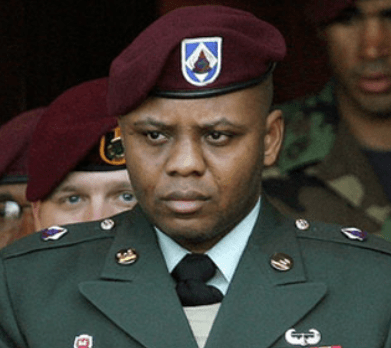
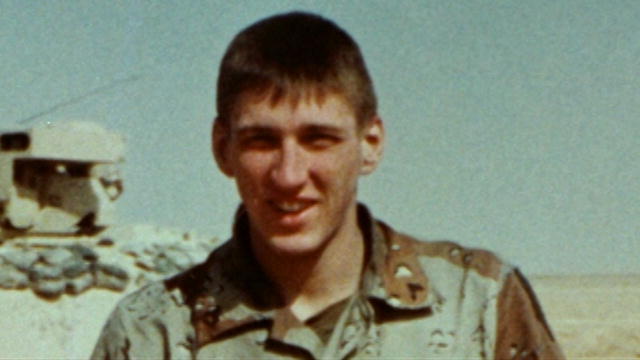
Sergeant Hasan Akbar, US Army, was sentenced to death by the military courts in 2005 for the March 23, 2003 grenade and rifle attacks on his fellow soldiers at Camp Pennsylvania in Kuwait. Akbar was accused of rolling hand grenades inside tents at a military command center and then opening fire. Army Captain Christopher Scott Seifert and Air Force Major Gregory L. Stone died in the attacks and fourteen others were wounded in the chaotic grenade and rifle attack. According to testimony, Akbar had been repeatedly disciplined by Army leadership for insubordination and it was also learned from his own diary entries that he carefully planned the attacks to result in maximum carnage. It appeared that Akbar targeted senior command staff and his motive was to stop US soldiers from harming his fellow Muslims. He was convicted of premeditated first degree murder. Akbar continues to appeal his death sentence and as of 2016 he has requested that the US Supreme Court hear his case in an attempt to reverse the death sentence imposed by the UCMJ. Hasan Akbar currently sits on death row at Fort Leavenworth prison in Kansas with three other service members: Timothy Hennis, Ronald Gray, and Nidal Hasan.
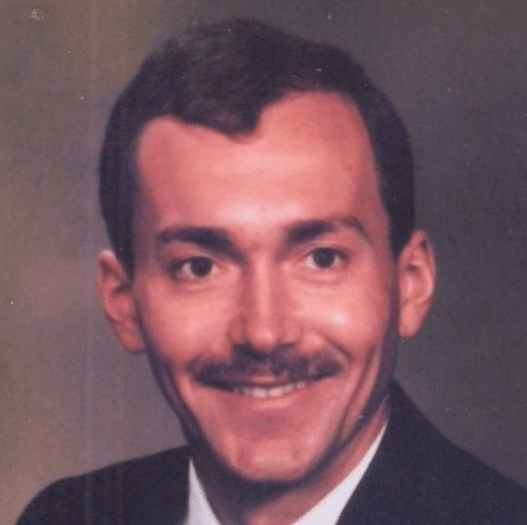
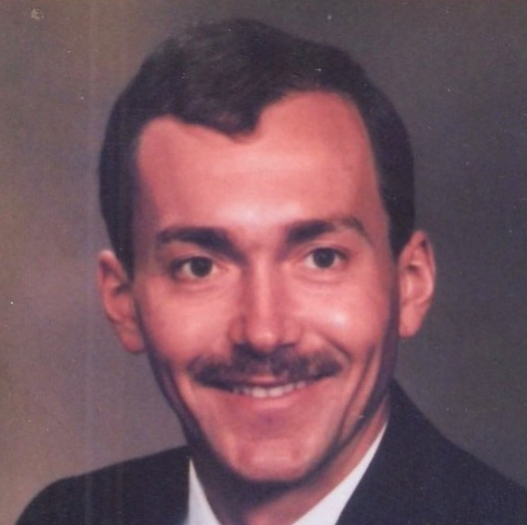
Army Captain Gordon Hess was found dead in a creek bed at Fort Knox, Kentucky on March 4, 1998 while there on temporary duty with the New York Army National Guard. Army investigators ruled the cause of death was ‘suicide’ but the family and an outside forensic pathologist dispute those findings given the autopsy revealed that Captain Hess had twenty-six stab wounds to the neck and chest area.
Doreen Hess shared with the LA Times: “Even as we attempted to bury his mutilated body, the Army stabbed him again with a suicide ruling.” The Army claims that it fully investigates all undetermined deaths as a homicide initially but after a thorough investigation of this case, including hundreds of interviews, they determined that Captain Hess died by suicide.
The family vehemently disagrees with the Army investigator’s findings based on the forensic evidence and a history of the Army ruling a soldier’s death a suicide when in fact it was most likely a homicide. An important fact to remember is that if an Army investigation determines the cause of death is suicide, they never have to investigate it again despite the impact on the families left behind.
“Absolutely no way did this man commit suicide. This gentleman was murdered.” -Charles DeAngelo, Esq.
“In time the historic aspects or victimology relating to Hess began to unveil itself to the investigators. That, coupled with the Psychological Autopsy, provided much needed data. Gordon Hess was dedicated and devoted to his family, friends and community. He loved his family and children and was a dedicated father and husband. Hess had been described by many as a ‘Perfectionist.’ He consistently strived to be the best and to do things better. “He was competitive and struggled to be number one while he begrudgingly tolerated second best.” According to the report his career path was erratic and frustrating. For a competitive and dedicated man he struggled early in his career after leaving the Army, working at several jobs.”
“Although he was personally successful, this all led to financial strain due to the failures of several employers. He always wanted to be on a winning team which finally seemed to have happened when he became a fireman. Hess appeared at this time to excel at all his endeavors and likely expected nothing less from himself. It was indicated that earlier in his life Hess loved the Army and initially did not want to get out but family issues and concerns made it happen. Therefore, his affiliation and participation with the National Guard was probably one of the most cherished endeavors in his life. He enjoyed status and achievement in a structured environment that was team oriented and was a respected leader.”
“It also reflected that becoming a company commander was viewed by him as a significant achievement. The Army and this status was a big part of his identity; one that he did not just turn off after a training cycle because he continued to be involved by being at the Armory frequently well beyond the expectations of his supervisors and his stated responsibilities. The Army was a part of him. Yet he was not depressive and did not appear to suffer from any psychiatric disorder or medical problem. While he had conquered much adversity in the past, Hess was a man who struggled with feelings of inferiority that ‘fueled his drive to prove to others and to himself that he was competent and worthy of his achievements.’ He strongly identified with his roles as a fireman and an Army Captain. However, he had difficulty tolerating self perceived failure in the audience of those he sought and received affirmation.”
In 1999, the television program 60 Minutes reported on the hidden War at Home in the U.S. military. They reported that at the time of airing, Pentagon records showed that 58,000 military spouses were victims of domestic violence and that rate was three times higher than the civilian population rate. The overall concerns were that the military justice system was a system that routinely failed to punish even the most violent and abusive servicemen. As a result, it often left an abused spouse alone without protection to fight a secret war. 60 Minutes highlighted the cases of three Fort Campbell soldiers who were charged with killing their wives or girlfriends (Bill Coffin, Dane Zafari, Tracy Leonard) and one Navy spouse who was a victim of domestic violence.
One of the cases singled out was that of Fort Campbell Sergeant Bill Coffin who murdered his ex-fiance Ronnie Spence after a civilian judge granted her an emergency protection order. In December 1997, Sgt. Coffin murdered Ronnie in front of their baby daughter in a shared home near Fort Campbell, Kentucky. Sgt. Coffin shot her twice through the trailer, entered the home and then shot her in the face and through the heart. While Ronnie was lying dead on the floor, Sgt. Coffin emptied the gun into her. Several weeks before the shooting, court records showed that Sgt. Coffin had repeatedly threatened to kill Ronnie and his superior officers at Fort Campbell knew about the threats.
I think they should have confined him to that army base. They should have gotten him some help. They should have stopped him, they should have intervened. They did nothing. -Kathy Spence (mother)
60 Minutes interviewed Kentucky Judge Peter MacDonald who stated that domestic violence cases involving Fort Campbell soldiers routinely showed up in his courtroom. He said that Army commanders regularly ignored court orders issued to protect the abused spouses. Judge MacDonald issued the emergency protective order requiring Sgt. Bill Coffin to stay away from Ronnie Spence. Sgt. Coffin instead shot and killed her. According to 60 Minutes, Sgt. Coffin pleaded guilty to domestic violence and other charges, and was sentenced. Judge MacDonald felt the readiness of the troops was more important than the protection of the battered and abused spouses.
In an in depth investigation, 60 Minutes learned that the Army’s domestic violence guide for commanders listed a number of things that could have been done in Sgt. Bill Coffin’s case but were not. The guide included restricting an abuser to the barracks or assigning them to the quarters of a superior. They also learned that the military spends millions yearly on a Family Advocacy program designed to treat and prevent domestic violence. But Sherry Arnold, a licensed clinical social worker, who helped run the program for the Marines in Camp Pendleton in California, said the Commanders have preconceived notions. She often witnessed victim blaming, minimization, a hands off approach, an ‘it’s a family matter’ attitude, and indifference to the seriousness of the situation and escalating violence.
Robert Clark, the commanding general of Fort Campbell, Ky., where several particularly violent incidents have occurred, said the military does a good job handling domestic violence cases. But Peter MacDonald, chief district court judge in Kentucky with jurisdiction over Fort Campbell, said the Army routinely ignores his court orders designed to protect abused spouses. “They have no conception of what’s going on in domestic violence.” –Deseret News
After the public learned of the scandalous way the U.S. military handles felony crimes like domestic violence, rape, and stalking, the Pentagon was ordered by Congress to investigate domestic violence in the armed forces. Congress recommended stronger protections for battered spouses and stiffer penalties for the servicemen who abuse them. In 2000, Major Joanne P.T. Eldridge suggested a proposal to add anti-stalking provisions to Article 134 in the Uniform Code of Military Justice. Since 1999 and long before this, domestic violence has continued to be an on-going serious invisible issue in the military. Both military spouses and service members are victims of domestic abuse. The year 60 Minutes aired the ‘The War at Home’ programming, Fort Campbell soldier Barry Winchell was murdered because a couple soldiers suspected he might be gay. Barry’s murder prompted the lift of the controversial Don’t Ask Don’t Tell policy.
The year after 60 minutes aired, civilian spouse Michelle Theer conspired with her lover, Army Ranger John Diamond, to kill her husband Air Force Captain Frank Theer for the life insurance money. In 2002, four wives were slain in six weeks at Fort Bragg in North Carolina. They were Teresa Nieves, Jennifer Wright, Andrea Floyd, and Marilyn Griffin. In 2008, Army Lt. Holley Wimunc was abused, stalked, and murdered by her Marine husband. In 2011, Holley’s father advocated for H.R. 1517 sponsored by Representative Bruce Braley. This law was aimed at protecting both domestic violence and sexual assault victims. This law would have required the removal of Commanders from the investigation and prosecution of felony crimes. The Holley Lynn James Act and any subsequent legislation, like the Military Justice Improvement Act, suggesting the removal of the Commander from the processing of felony crimes have been unsuccessful.
Rep. Bruce Braley introduces the Holley Lynn James Act — a bill to help victims of sexual assault and domestic violence in the military get justice. The bill is named after Holley Lynn James, a constituent of Rep. Braley who was killed by her husband while both were in the service.
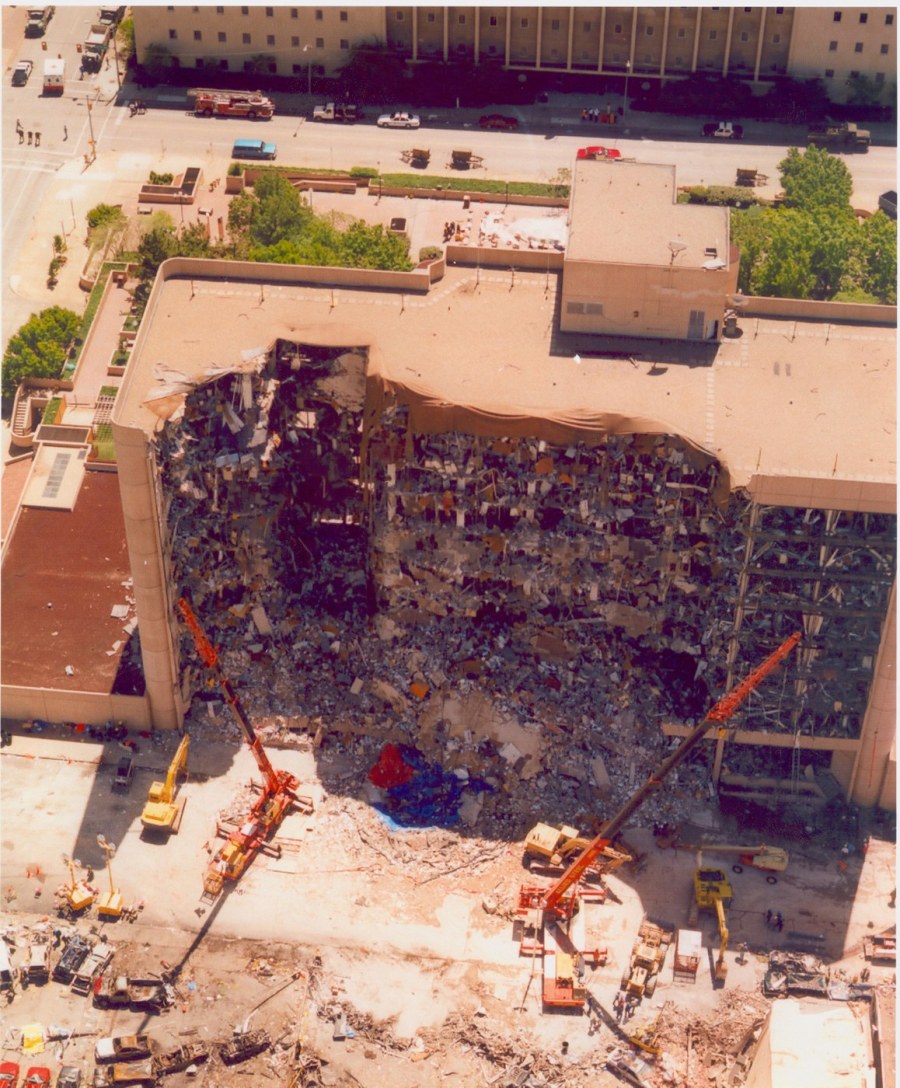
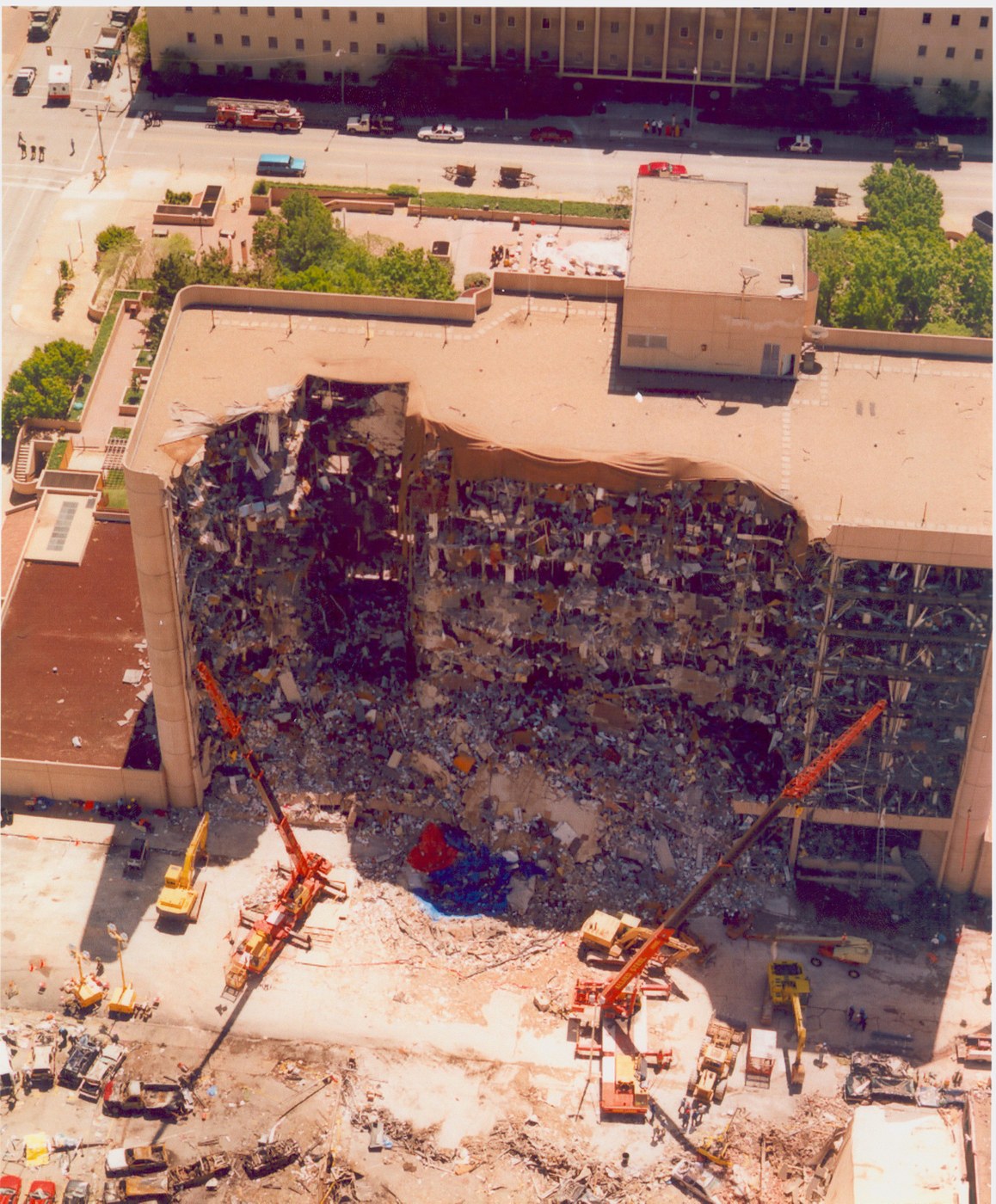
“Timothy McVeigh, a former U.S. Army soldier, is convicted on 15 counts of murder and conspiracy for his role in the 1995 terrorist bombing of the Alfred P. Murrah Federal Building in Oklahoma City. On April 19, 1995, just after 9 a.m., a massive truck bomb exploded outside the Alfred P. Murrah Federal Building. The blast collapsed the north face of the nine-story building, instantly killing more than 100 people and trapping dozens more in the rubble. Emergency crews raced to Oklahoma City from across the country, and when the rescue effort finally ended two weeks later, the death toll stood at 168 people, including 19 young children who were in the building’s day-care center at the time of the blast.” Read more from This Day in Historyhere.
Alfred P. Murrah Federal Building, Oklahoma City, Oklahoma (Photo: FBI.gov)
“On the morning of April 19, 1995, an ex-Army soldier and security guard named Timothy McVeigh parked a rented Ryder truck in front of the Alfred P. Murrah Federal Building in downtown Oklahoma City. He was about to commit mass murder.
Inside the vehicle was a powerful bomb made out of a deadly cocktail of agricultural fertilizer, diesel fuel, and other chemicals. McVeigh got out, locked the door, and headed towards his getaway car. He ignited one timed fuse, then another.
“The events of April 19, 1995, dramatically changed Oklahoma City and all of us who remember that spring morning. But the stories of the 168 people killed live in our hearts as well as in the Oklahoma City National Memorial & Museum. Learn more about the victims here.” -Oklahoma City National Memorial
Learn what motivated domestic terrorists Timothy McVeigh and Terry Nichols to commit the Oklahoma City Bombing, which killed 168 people on April 19, 1995. Discover the federal and local clean up efforts and the fate of McVeigh and Nichols. -History
USA: Oklahoma City Bombing Rescue – 1995 | Today in History | 19 Apr 16 -AP Archive
In the News:
The FBI has released long-secret security tapes showing the chaos immediately after the 1995 bombing of the Oklahoma City federal building. The soundless recordings show people rushing from nearby buildings after the fertilizer bomb went off. (Sept. 27) -Associated Press
Don Lemon talks with the child survivors of the Oklahoma City bombing 15 years after the attack. -CNN
20 years after the terror attack, survivors and families of victims look back on the devastating terror attack. -CBS News
20 years ago tomorrow, domestic terrorist Timothy McVeigh and his co-conspirators set off an enormous truck bomb in downtown Oklahoma City. The blast killed 168 people, including 19 children. Anna Werner reports on that awful day after visiting the site. -CBS This Morning
Americans remember the bombing that killed 168 people and injured hundreds more. -ABC News
Remembering the April 19, 1995 tragedy in Oklahoma when a truck bomb exploded outside of the Alfred P. Murrah Federal Building injuring hundreds and leaving 168 people dead. -NBC News
Today marks the 23rd anniversary of the Oklahoma City bombing, a time to remember the 168 lives lost in an act of domestic terrorism that rocked the nation. -CBS News
On the morning of Wednesday, April 19, 1995, a former Army soldier parked a rented Ryder truck in front of the Alfred P. Murrah Federal Building in Oklahoma City, Oklahoma.He got out, locked it and ignited two fuses. At 9:02 a.m., the explosion ripped through the building where 500 people worked and children attended America’s Kids day care. The blast killed 168 people including 19 children under the age of 6. -PennLive.com
USA: Oklahoma City: Remains of Bombed Building to be Demolished. -AP Archive
Oklahoma City National Memorial & Museum:
At the 20th anniversary remembrance for the Oklahoma City bombing, the former president says it’s important for all Americans to remember how much they owe Oklahomans. -CBS News
Video of The Oklahoma City National Memorial and Museum. -CNN
American Experience PBS:
Premiering at the 2017 Sundance Film Festival. Coming to American Experience PBS on February 7, 2017 at 9/8c. -American Experience, PBS
After the Oklahoma City Bombing, Clinton’s ability to reach Americans on a personal level did much to help the nation’s grief. “It’s kind of a throwaway line now, I feel your pain, but he literally could,” says Robert McNeely. “I mean he could take people and just hug them and connect to them in a way and really listen to them.” -American Experience, PBS
Oklahoma City explores how a series of deadly encounters between American citizens and federal law enforcement—including the standoffs at Ruby Ridge and Waco—led to the bombing of the Murrah Building in Oklahoma City in April 1995, the worst act of domestic terrorism in American history. -American Experience, PBS
At the time of the Oklahoma City bombing in 1995, the Alfred P. Murrah Federal Building was home to several government agencies — and a daycare. -American Experience, PBS
During the stand-off between federal agents and the Branch Davidians in Waco, Texas in 1993, people gathered on a hill roughly three miles away to see what was happening at the compound. One of those drawn to Waco was a 24-year-old Army veteran named Timothy McVeigh. -American Experience, PBS
Filmmaker Barak Goodman and editor Don Kleszy discuss their newest documentary, “Oklahoma City” and how it led to the creation of another one-hour film about Ruby Ridge. -American Experience, PBS
The 1995 Oklahoma City Bombing was the largest act of domestic terrorism in U.S. history. A new documentary on the PBS series American Experience takes a fresh look at the events and motivations that led to the attack by Timothy McVeigh, and finds resonance for today. -PBS NewsHour
At the 20th anniversary, we look back at the Oklahoma City bombing. Public television station OETA shares reflections from survivors and victims’ families, and Judy Woodruff talks to former Deputy Attorney General Jamie Gorelick, former Director of Homeland Security of Oklahoma Kerry Pettingill and Barry Grissom, U.S. attorney for the district of Kansas, for lessons learned from the attack. -PBS NewsHour
On April 19, 1995, Timothy McVeigh, a former soldier deeply influenced by the literature and ideas of the radical right, parked a Ryder truck with a five-ton fertilizer bomb in front of the Alfred P. Murrah Federal building in Oklahoma City. Moments later, 168 people were killed and 675 were injured in the blast. OKLAHOMA CITY traces the events — including the deadly encounters between American citizens and law enforcement at Ruby Ridge and Waco — that led McVeigh to commit the worst act of domestic terrorism in American history. With a virulent strain of anti-government anger still with us, the film is both a cautionary tale and an extremely timely warning. -YouTube Movies
Army Officer Training School (OTS) candidate Lisa Gaudenzi, 31, disappeared from her Caroline County residence in Ruther Glen, Virginia on January 26, 1995. Lisa was a married, mother of two children, and was supposed to report for duty in Fort Lee, Virginia but never showed up. Her husband Lawrence Gaudenzi said the last time he saw Lisa was when he dropped her off at the bus station. The military police looked into the absence but after no solid leads, deemed Lisa absent without leave (AWOL); she was eventually dishonorably discharged. After an extensive investigation, spanned over 15 years, Lawrence Gaudenzi was charged with Lisa’s murder on May 16, 2008, despite Lisa’s body never being found.
For no apparent reason, during the middle of his trial, Lawrence Gaudenzi pleaded guilty to second degree in May 2009 and was sentenced to 25 years in prison. Prosecutor’s theorized that Lawrence overheard Lisa tell a friend that she was getting a divorce from Lawrence after OTS. Lisa was tiring of Lawrence’s violence and control issues; she was ready to move on. After about a year in prison, Lawrence Gaudenzi finally led investigators to where he hid Lisa’s body in Spotsylvania County 15 years prior. Virginia State Police found the last of Lisa’s remains on June 9, 2010 and delivered them to her family. Lisa’s AWOL and Army discharge status were upgraded and she was buried with full military honors.
A mother of two vanishes the day before she reports for Officer Training School. Her husband claims she ran off with another lover, but her family suspects something much worse. It takes 14 years for the truth to emerge…from the least likely of sources. -The Perfect Suspect