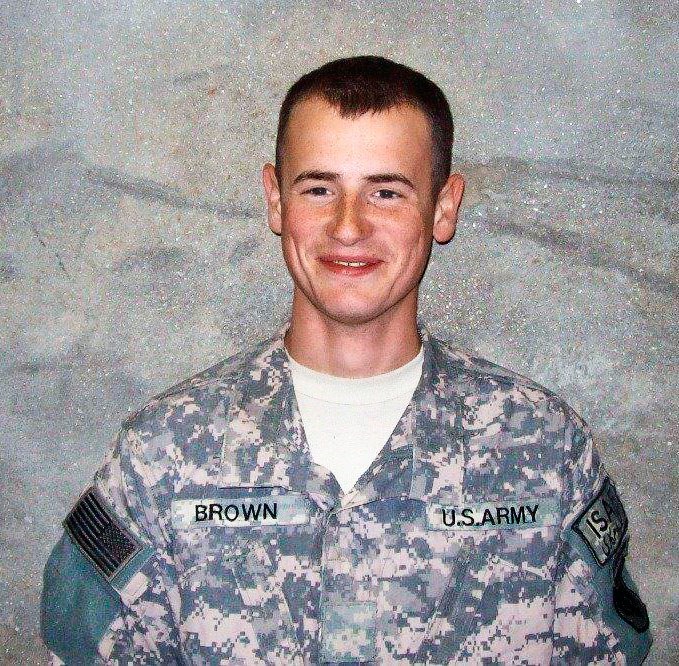
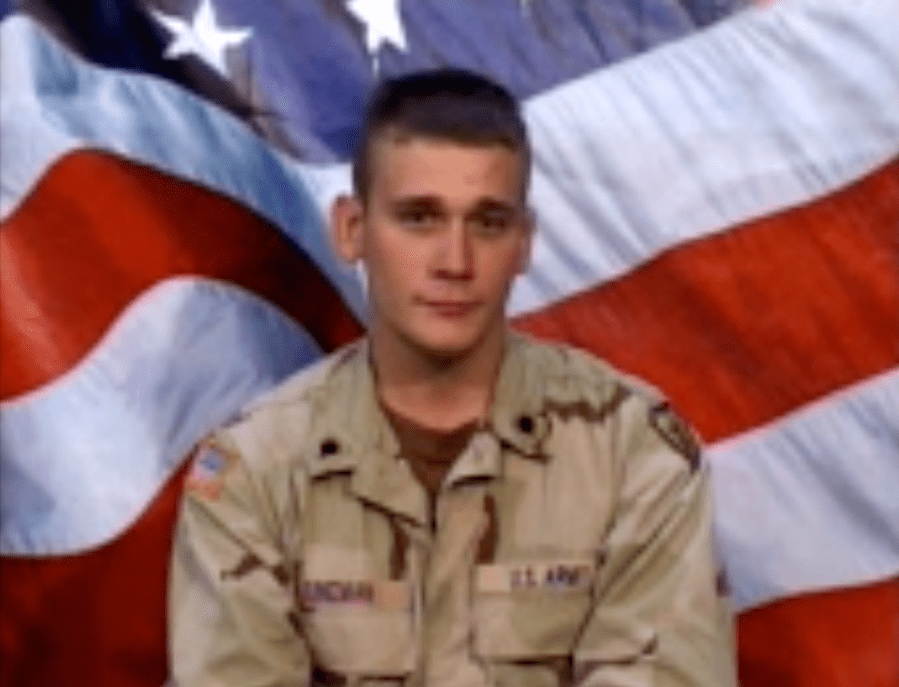
Pvt. Matthew Brown, U.S. Army (photo: Vanity Fair)
Army Pvt. Matthew W. Brown, 20, of Zelienople, Pennsylvania, died May 11, 2008 in Asadabad, Afghanistan from injuries suffered in a non-combat related incident. Pvt. Brown was supporting Operation Enduring Freedom on behalf of the 3rd Battalion, 321st Field Artillery Regiment, 18th Fires Brigade (Airborne) at Fort Bragg, North Carolina. At the time of the incident, the Department of Defense announced Pvt. Brown’s death was under investigation. On January 8, 2019, the family alleged Matthew was murdered in a Vanity Fair publication titled “Leave No Soldier Behind”: The Unsolved Mystery of the Soldier Who Died in the Watchtower.
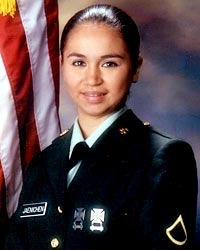
Army Spc. Mary Jaenichen, 20, died of a non-combat related injury on May 9, 2008 in Iskandariyah, Iraq. Spc. Jaenichen was supporting Operation Iraqi Freedom on behalf of the Brigade Troops Battalion, 2nd Brigade Combat Team, 3rd Infantry Division at Fort Stewart, Georgia. At the time of the Department of Defense press release, the incident was under investigation. The official cause of death is unknown.
The 2006 graduate had signed up for the Army Reserve at age 17 with the promise of a military-funded college education. She attended boot camp between her junior and senior years. At the time of her death, she was assigned to the Brigade Troops Battalion, 2nd Brigade Combat Team, 3rd Infantry Division at Ft. Stewart, Ga. Her father, Alfred Alan “Jay” Jaenichen of Santa Ana, who recently retired as a Marine master sergeant, said she was serving as a military police officer at a “detainee holding area” — a prison. ~LA Times
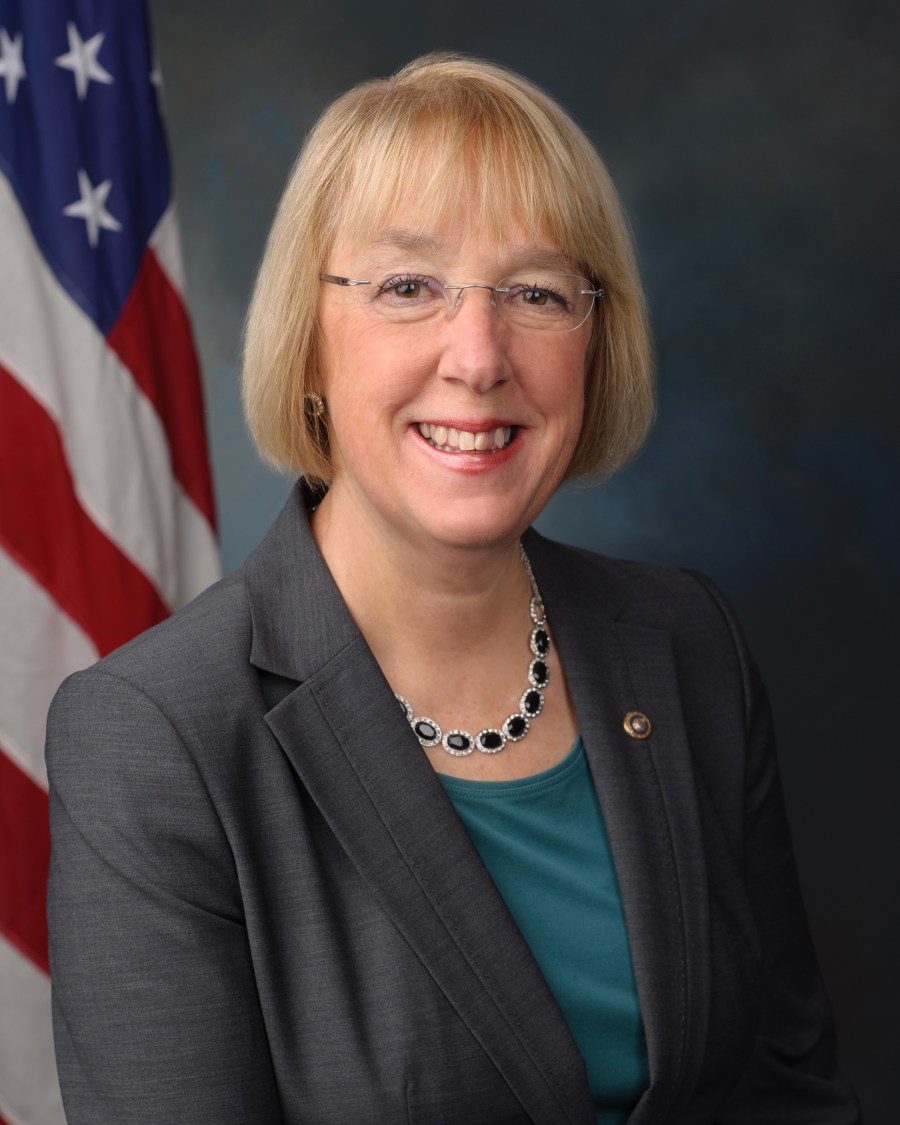
Despite recent efforts by the Veterans Administration to prevent veteran suicide, seven have committed suicide in the Inland Northwest in the last four months and US Senator Patty Murray is calling the situation unacceptable. -4 News Now (May 1, 2008)
The Department of Defense statistics are alarming – one in three women who join the US military will be sexually assaulted or raped by men in the military. The warnings to women should begin above the doors of the military recruiting stations, as that is where assaults on women in the military begin – before they are even recruited.
But, now, even more alarming, are deaths of women soldiers in Iraq and in the United States following rape. The military has characterized each death of women who were first sexually assaulted as deaths from “noncombat related injuries,” and then added “suicide.” Yet, the families of the women whom the military has declared to have committed suicide strongly dispute the findings and are calling for further investigations into the deaths of their daughters. Specific US Army units and certain US military bases in Iraq have an inordinate number of women soldiers who have died of “noncombat related injuries,” with several identified as “suicides.”
Ninety-four US military women have died in Iraq or during Operation Iraqi Freedom (OIF). Twelve US civilian women have been killed in OIF. Thirteen US military women have been killed in Afghanistan during Operation Enduring Freedom (OEF). Twelve US Civilian women have been killed in Afghanistan.
Of the 94 US military women who died in Iraq or in OIF, the military says 36 died from noncombat related injuries, which included vehicle accidents, illness, death by “natural causes” and self-inflicted gunshot wounds, or suicide. The military has declared the deaths of the Navy women in Bahrain, which were killed by a third sailor, as homicides. Five deaths have been labeled as suicides, but 15 more deaths occurred under extremely suspicious circumstances.
Eight women soldiers from Fort Hood, Texas, (six from the Fourth Infantry Division and two from the 1st Armored Cavalry Division) have died of “noncombat related injuries” on the same base, Camp Taji, and three were raped before their deaths. Two were raped immediately before their deaths and another raped prior to arriving in Iraq. Two military women have died of suspicious “noncombat related injuries” on Balad base, and one was raped before she died. Four deaths have been classified as “suicides.”
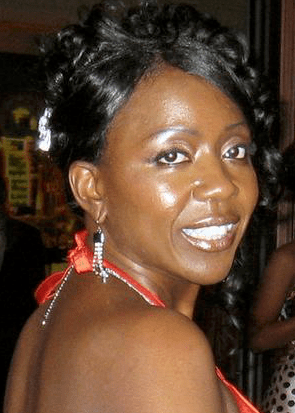
Navy Petty Officer First Class Cherie Morton, 40, died of a non combat death on April 20, 2008 in Galali, Muharraq, Bahrain. PO1 Morton was a military policeman supporting Operation Iraqi Freedom on behalf of the Naval Security Force, Naval Support Activity Bahrain. At the time of the Department of Defense press release, the incident was under investigation. According to media outlets, PO1 died unexpectedly and the cause of death may be due to an unknown medical cause.
The Stars and Stripes said Morton lived off base and was found in her home. According to the Navy Times, in October 2007, two female sailors were shot and killed on the U.S. naval base in Bahrain. They also said 3,600 personnel work on the American base. While terrorism has been ruled out, according to the Stars and Stripes, the cause of death is under investigation. ~23 ABC
On April 10, 2008, Navy sailor Chris Shortt discovered his step-daughter Meghan Landowski stabbed to death in their Portsmouth, Virginia home. Meghan was 16 years old and from the looks of the crime scene, there was a struggle; Meghan fought back. Investigators learned the killer used a knife from the family’s kitchen. They found it in a gutter down the street. The police didn’t know who committed the murder but they believed it was personal and Meghan knew her attacker. Chris and Angie Shortt believed Robert Hickey killed Meghan and they called NCIS at Naval Station Norfolk to let them know what happened. NCIS questioned Hickey. Robert Hickey was a military officer who was on his way to the rank of Captain when he was accused of sexual assault by Meghan. Robert was a close friend of the family and NCIS believe he groomed Meghan for a sexual relationship. Meghan said Rob began touching her when she was 14 and by age 15, Meghan was having a sexual relationship with a 30-year-old man.
The family supported Meghan as she pressed charges against Robert but they learned from civilian investigators that Hickey’s crimes amounted to a misdemeanor in Virginia; he would spend 12 months maximum in prison. But Robert Hickey was a Navy sailor and subject to the Uniform Code of Military Justice. The Navy was investigating and planning to prosecute the case. When NCIS questioned Robert Hickey about Meghan’s murder, he invoked his right to silence. NCIS considered Hickey a person of interest because he had a lot to gain if Meghan died. Meghan feared Hickey because he had a lot to lose. But Hickey’s DNA didn’t match the DNA collected at the crime scene and NCIS had no proof that Hickey committed the crime. Nonetheless, Hickey was given an other than honorable discharge from Navy. The police also suspected Meghan’s high school friend Donald because they dated in the past but the DNA didn’t match him either. At least 80 people volunteered DNA. Investigators sent the DNA for further testing to determine the geographic ancestry identity and learned the DNA belonged to an African American.
This changed the direction of the investigation and detectives began looking for African Americans in Meghan’s life. One person who became a person of interest was a counselor at Norfolk Naval Station but this individual wouldn’t cooperate with the investigation. Five months after Meghan’s murder, every lead dried up and fear was building in the community. Then a community member planned a memorial walk to help generate new leads. It was at this point someone came forward with Robert Barnes’ name. Investigators learned Meghan and Barnes were on the same bus and both participated in an exclusive arts program at school. Robert played the violin and was on his way to becoming a success story. Robert was described as a nice guy who blended in; he was fully committed to his violin music. A friend suspected Robert liked Meghan and when she asked him, he admitted it. Detectives went to the school to speak to Robert Lee Barnes and asked for a DNA sample. Eventually he acquiesced and gave investigators a used piece of gum.
The DNA was tested and the crime scene investigators reported the DNA submitted by Robert Barnes actually belonged to a girl; the police needed to talk to Robert again. In this interview, Robert Barnes admitted he was in Meghan’s house on the day of the murder. He said he went to Meghan’s house and climbed through the window after no one answered the door. He said he walked into a crime in progress; the perpetrator was wearing a mask and holding Meghan at gun point. Robert said the masked man asked him to have sex with Meghan, asked him to stab Meghan, and cut him to leave his DNA at the scene. The police believed that Robert Barnes was making this all up and arrested him. Robert’s DNA matched the DNA at the crime scene. Given the mountain of evidence against him, Robert’s defense attorney asked for a plea deal. Robert Lee Barnes pleaded guilty to first degree murder, attempted rape, aggravated sexual battery, abduction, and statutory burglary. In return, Barnes will be eligible for early release from prison in 42 years. Meghan’s parents were relieved there would be no trial.
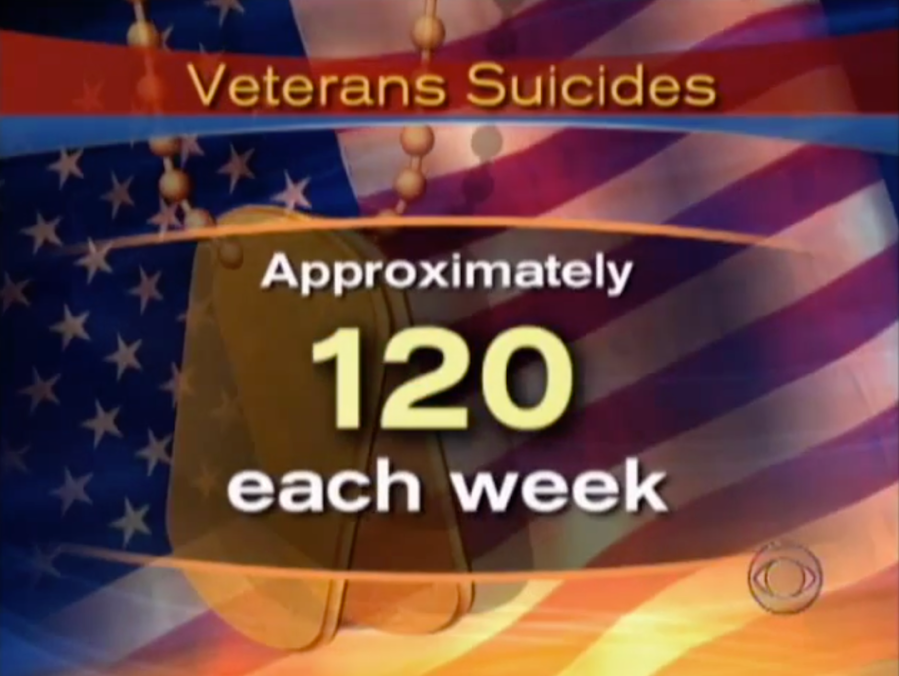
CBS News first reported on the staggering number of veteran suicides in a report last year. Now, newly-released data shows that vets who get help from the VA are still at risk. Armen Keteyian reports. -CBS News (March 20, 2008)
On March 7, 2008, SrA Blanca A. Luna, 27, US Air Force Reserve, was found unresponsive and with injuries consistent with a stab wound in her billeting room at Sheppard Air Force Base in Texas three days prior to graduating and heading back home. She was discovered with a knife in the back of her neck according to the death certificate and no pants or underwear and dried fluid near her groin according to the autopsy. She was taken to a local hospital in Wichita Falls where she died shortly thereafter. She was an Air Force Reservist on temporary duty at Sheppard AFB attending a technical training course for Heating, Ventilation, and Air Conditioning (HVAC). She was a Marine from 1997 to 2002 and then became a Reservist in 2007 at the 434rd Civil Engineer Squadron, Grissom Air Reserve Base in Indiana. She loved the military. She was living in the Chicago, Illinois area and studying Graphic Design.
Because this death occurred on a federal installation, the Air Force Office of Special Investigations (AFOSI) was the lead on the investigation. They initially labeled the death a “suspicious incident”. According to AFOSI, the FBI assisted with the investigation. The FBI processed the crime scene and collaborated with the ensuing Air Force investigation. The AFOSI referred to the death as a homicide in the media in the early stages of the investigation. Six months later they would be accused of leading the family to believe it was a suicide despite evidence suggesting otherwise. Six months after her death, no official determination was made as to the manner of death: homicide, suicide, or accident. Eventually, the family learned from the autopsy report that the official manner of death was considered “undetermined”. No suspects were ever identified.
“AFOSI has been the lead investigative agency since Airman Luna’s death. At AFOSI’s request, the FBI sent an evidence response team to process the scene immediately after Airman Luna was found, and the two agencies have continued to cooperate in the investigation. Agents have been assigned to the case on a full-time basis, and more than 350 interviews have been conducted at locations across the country. Findings have been reviewed by a diverse team of experts, including specialists in forensics, polygraph, computer investigation, behavioral psychology and forensic pathology…More than 200 DNA tests have been done.”
Two of Blanca’s friends who had visited her at the base noted that she had talked about problems with some airman in her classes. She felt that they resented her because of her rank and the fact that she was a woman in a leadership position. When Blanca’s body arrived in Chicago, the family observed bruises on Blanca’s face as if she had been punched or had fallen and scratches between her fingers that appeared to be defensive wounds. Luna’s family insists that she would never commit suicide and that the evidence does not support that suggestion. In October 2008, Gloria Barrios traveled to Texas from Chicago to get some answers, including the autopsy report, from the Air Force but she didn’t get anything except a tour of the base. Gloria had questions about the bruises, defensive wounds, and the fluid found near Blanca’s groin but never received any answers. Blanca’s mom feels that this is a cover-up.
The family believes that AFOSI did not investigate the crime with due diligence and was trying to lead them to believe Blanca committed suicide. They initially determined that it was a homicide and investigated it as a crime. This is problematic because instead of listing the death as an unsolved murder or cold case, it can be written off as a suicide and never investigated again. After Gloria’s visit to Sheppard AFB, the Air Force released a statement that said “deaths are investigated as homicides initially, but that nothing suggests that anyone on base is in danger.” This statement is troublesome because the murder occurred within the confines of a secure military base. One cannot get onto the base without military identification. It had to be someone affiliated with the base that either lives and/or works there. The Air Force cannot guarantee the base’s safety when they do not even know who committed the crime. Blanca’s mom wants answers from military officials, and she wants them to classify Luna’s death as a homicide and find the culprit. Was the DNA collected at the scene compared to the national DNA database (CODIS)? Five years later, still with no answers, Gloria Barrios was battling depression and hospitalized. Eight years later, the case is still considered “under investigation” and highlights the need for cold case squads in the military.
“My gut feeling is they are looking for a culprit outside of the base, but the murderer is on the base. They’re looking in the wrong place…I can’t express what I feel about these people. They’re [Air Force] treating me like dirt. They are driving me crazy. It’s like they’re playing with my mind, giving me bad information.” -Gloria Barrios (Blanca’s mom)
The incident is under investigation by the Air Force Office of Special Investigations and the Sheppard AFB security forces squadron. Anyone with information regarding the case should call Sheppard Air Force Base security forces at (940) 676-2981 [or Sheppard AFOSI at (940) 676-1852].
Spc. Timothy Juneman, Washington Army National Guard (Screenshot from DVIDS)
“The identity of one other veteran who killed himself this year became public when his family wrote U.S. Sen. Patty Murray in April about concerns with VA mental health care. Spc. Timothy Juneman, 25, a National Guardsman and former [Fort Lewis] Stryker Brigade soldier who was injured in a roadside explosion in Iraq, died March 5, 2008…Juneman’s body was found in his Pullman home March 25, nearly three weeks after he had hanged himself. He had missed several appointments at the Spokane VA. In records obtained by Juneman before his death, Brown wrote that imminent redeployment to Iraq with the National Guard was a ‘major stressor’ contributing to Juneman’s condition, his mother said.” Read more from The Spokesmanhere.
In the News:
CBS News first reported on the staggering number of veteran suicides in a report last year. Now, newly-released data shows that vets who get help from the VA are still at risk. -CBS News (March 20, 2008)
They served their country honorably but after risking their life in combat abroad, coping with coming home was too much. In the last three months seven servicemen being treated by Spokane’s VA Hospital have committed suicide. -4 News Now (April 29, 2008)
Despite recent efforts by the Veterans Administration to prevent veteran suicide, seven have committed suicide in the Inland Northwest in the last four months and US Senator Patty Murray is calling the situation unacceptable. -4 News Now (May 1, 2008)
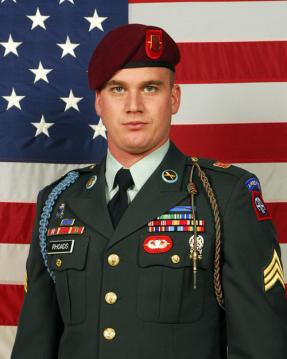
Army paratrooper Sgt. Matthew Rhoads, 29, was found dead March 2, 2008 in his on-post residence at Fort Bragg, North Carolina. Investigators did not suspect foul play and indicated an autopsy was conducted. Rhoads was assigned to the 82d Airborne Division in October 2004 and became a small-arms master gunner assigned to the division’s 1st Battalion, 319th Airborne Field Artillery Regiment, 3rd Brigade Combat Team at Fort Bragg.
“Sgt. Rhoads, 29, of Kensington, survived seven months of combat in Iraq but was found dead Sunday at his residence near Fort Bragg, N.C.” -Philly.com







 MILITARY JUSTICE FOR ALL