“In 1985 Katie Eastburn and two of her daughters were brutally murdered while her husband was away. It would take over 20 years and three trials before their killer would be brought to justice.” –Crime Junkie Podcast
Listen to “Murdered: The Eastburn Family” on Crime Junkie Podcast here.
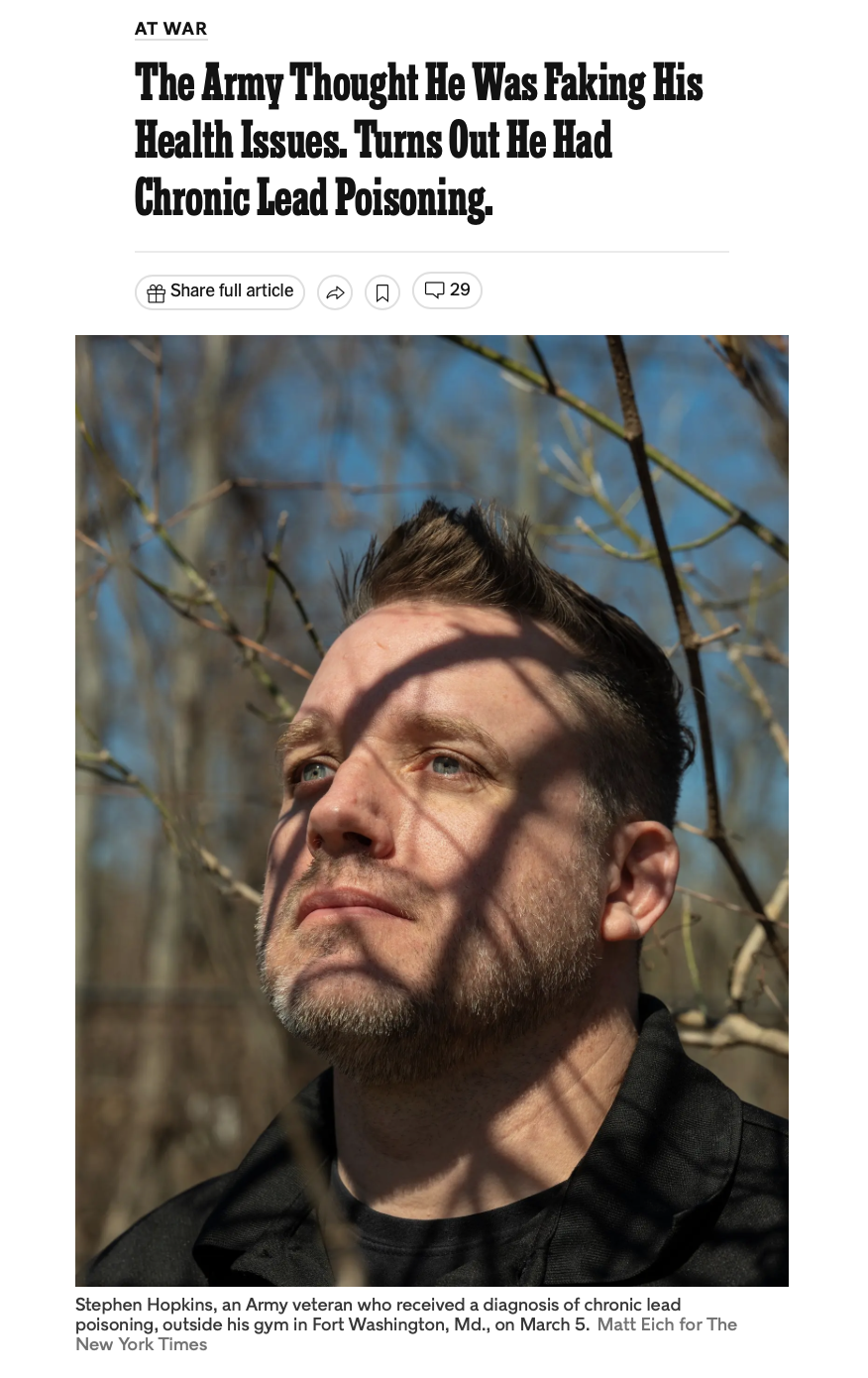
“…In 2005, Hopkins began experiencing wild swings in blood pressure. And he had other symptoms: crippling nausea, constant dizziness, a skyrocketing heart rate. He was given a diagnosis of common high blood pressure, and for a while he felt better by keeping himself on a high dose of a medication for that condition. He was on deployment in Afghanistan when the nausea returned, with migraine symptoms, abnormal thirst and muddled thinking. Medical tests were inconclusive, leading military doctors and commanders to suspect depression, post-traumatic stress disorder or, worse, “malingering” — the medical term for soldiers who feign sickness to shirk duty.”
“While the number of affected soldiers is small, the diagnosis can be life-changing to these troops, who for years have wrestled with unexplained symptoms that mimic traumatic brain injury or PTSD, including impaired concentration, anger, anxiety and impulsivity, as well as physical manifestations like tremors, high blood pressure, low sperm count and peripheral neuropathy.”
“Lead exposure is a known hazard of military service: The United States armed forces have fired billions of rounds of ammunition containing the toxic material since entering Afghanistan in October 2001. Troops are exposed to the metal while shooting indoors and outside; gathering shell casings; smoking, chewing tobacco or eating on ranges; cleaning their weapons; and living and fighting in polluted environments. But lead monitoring and testing programs at the Defense Department have focused primarily on service members who work on firing ranges and on the civilian staff at ranges, who are regulated by Occupational Safety and Health Administration guidelines. Defense Department policy requires service members who may be exposed to high levels of airborne lead for 30 or more days a year to get a blood test for lead, with follow-up tests at least annually.”
“After he diagnosed Hopkins and another service member with chronic lead poisoning, Dorrance contacted the office of the surgeon at Special Operations Command, the Environmental Health unit at Fort Bragg and officials at Navy and Marine Corps Public Health Command to request that more troops be tested and the problem be researched. But six years after the issue was first raised, little progress has been made. The Department of Defense, which until last year annually tested blood lead levels in just 1,200 out of almost three million troops and civilian employees, has found very few cases of lead poisoning, leading Army officials to believe that there isn’t a widespread problem.”
“Dorrance and Dr. Mark Hyman, director of the Center for Functional Medicine at the Cleveland Clinic, argue that this theory is wrong — and that they have the patients to prove it. Pointing to a growing body of research that suggests that lead in the bones may be more toxic than once thought, they say physicians should be considering lead poisoning as a possible cause for many unexplained symptoms in service members, especially uncontrolled hypertension, fatigue and brain fog. ‘These soldiers are breaking down, and they go to doctor after doctor after doctor, and every single one of them misses what is going on,’ Hyman said. ‘These soldiers aren’t getting the proper care. It’s a huge blind spot.'”
1. Decreased cognitive abilities, especially reduced ability to focus on, learn, and remember new things 2. Fatigue 3. Irritability 4. Abdominal pain or “stomach aches” 5. Headache 6. Constipation 7. Loss of appetite 8. Tingling in the hands or feet
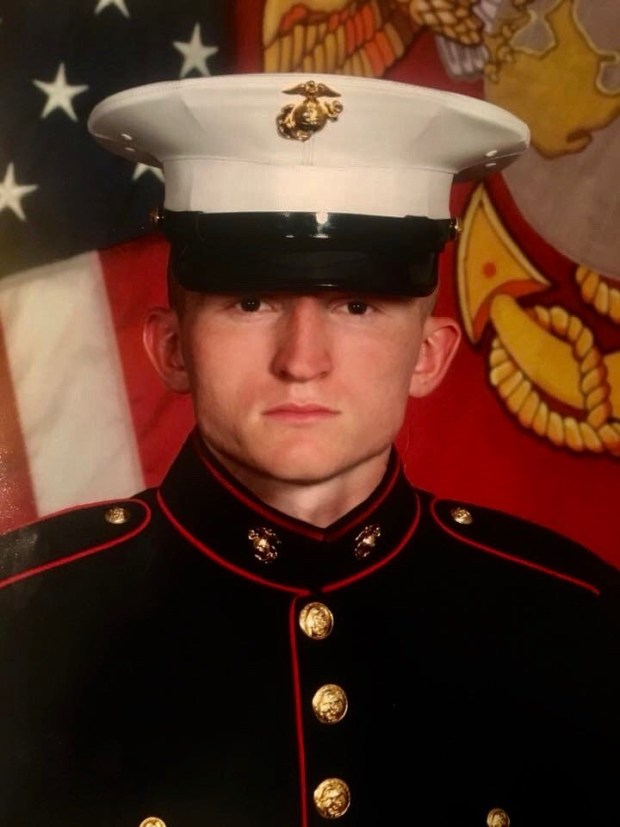
In the early morning hours of March 15, 2019, Marine Corps Lance Corporal Riley Schultz was found dead near a guard shack with a gunshot wound in his head. Nineteen-year-old Lance Corporal Schultz was on guard duty at Camp Pendleton in California when this tragic incident occurred. Riley was discovered by a Marine who was assigned to replace him at this entry control point. The Naval Criminal Investigative Services (NCIS) were assigned to investigate Riley’s suspicious death but their investigation appeared to conclude when the medical examiner ruled that Lance Corporal Riley Schultz died by suicide via a self-inflicted gunshot wound. Riley’s family isn’t going to simply accept the outcome of the investigation. His family knows him better than anyone and his brother said Riley was the happiest he had ever been. Riley’s mom told the press that becoming a Marine was his dream and he worked hard and prepared for his enlistment before joining the USMC at the age of 17. Riley’s mom said he loved being a Marine and things were going well in his personal life when he died. Although this investigation appears to be an open and closed case with the Marine Corps, Riley’s family disputes the cause of death and plans to continue to fight for justice for Riley.
In the News:
The Marine from Colorado found dead at a Southern California base earlier this month died by suicide, according to 1st Lt. Cameron Edinburgh, a Marine Corps spokesperson. Rob Low reports. -FOX31 Denver (March 27, 2019)
The Navy is investigating after a Marine from Colorado was shot to death while on guard duty at Southern California’s Camp Pendleton. -CBS Denver (March 27, 2019)
Lance Cpl. Riley Schultz was discovered dead around 4 a.m. March 15 with a gunshot wound to the head. -Denver7 – The Denver Channel (March 27, 2019)
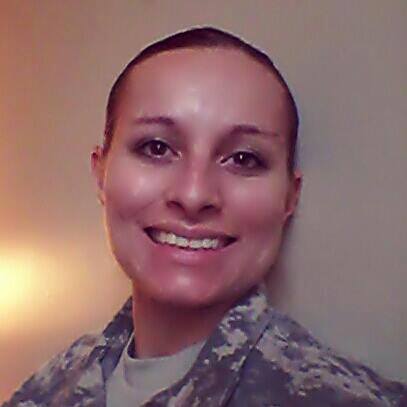
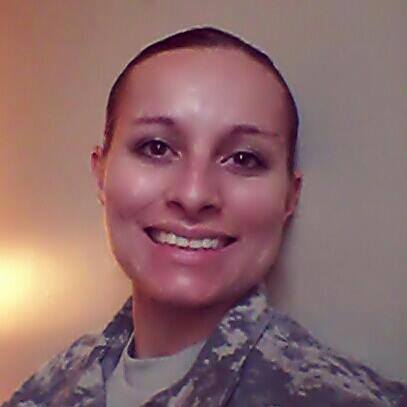
Crime Watch Daily spoke with the parents of missing Army soldier Shadow McClaine. Shadow disappeared from Fort Campbell, Kentucky on September 2, 2016. Shadow’s parents were concerned her life may be in danger prior to her disappearance. They shared that someone cut her vehicle break lines on base and Shadow posted a picture of it on social media. They also said she reported the incident to her Chain of Command but felt dismissed. The Army Criminal Investigation Division (CID) conducted an investigation and reported two soldiers were being held as person of interests and the case was under investigation.
On November 29, 2016, Sgt. Jamal Williams-McCray and Spc. Charles Robinson were charged with conspiracy, premeditated murder, and kidnapping under the Uniform Code of Military Justice (UCMJ). On January 23, 2017, the remains of Pfc. Shadow McClaine were discovered off the I-24 highway near Exit 19 in Kentucky. It was confirmed that Shadow was in fact a victim of kidnapping and homicide. A year after Shadow went missing in September 2017, Spc. Charles Robinson pleaded guilty to murder. He claimed he helped Shadow’s estranged husband Williams-McCray kidnap and murder her. On March 1, 2019, Sgt. Jamal Williams-McCray was sentenced to life in prison after pleading guilty to premeditated murder.
Private First Class Soldier Shadow McClaine has mysteriously gone missing and theories are swirling on what happened to her and why. Now, new details could help them. -True Crime Daily (October 24, 2016)
Shadow McClaine, a young soldier, mysteriously disappears — some say she left, while others say someone was out to get her. -True Crime Daily (October 24, 2016)
Two soldiers were taken into custody in connection to the case of missing female soldier, Shadow Branice McClaine. -News Channel 5 (October 25, 2015)
Shadow McClaine, 25, has been missing for nearly two months after disappearing from Fort Campbell. -CBS Sacramento (October 26, 2016)
Some thought Shadow McClaine was running away from her problems. But it now appears she was the victim of something sinister. -True Crime Daily (December 6, 2016)
Missing Yuba City soldier’s body found in Tennessee. -KCRA News (January 25, 2017)
First Class Private Shadow McClaine’s body was discovered earlier this week and investigators arrested two fellow soldiers. -CBS Sacramento (January 28, 2017)
The body of Shadow McClaine, a soldier who was murdered near Fort Campbell in Tennessee, was returned to her family in Yuba City Friday evening. -KCRA News (February 3, 2017)
Shadow McClaine’s remains touched down at the Sacramento International Airport Friday night greeted by dozens of local service men and women along with her grieving family. -CBS Sacramento (February 3, 2017)
A look at the scene as Shadow McClaine came home on Friday. -CBS Sacramento (February 4, 2017)
Missing soldier Shadow McClaine’s body has been found. Crime Watch Daily talks to McClaine’s mother London Wegrzyn, who says that her daughter had a fraught relationship with ex-husband Sgt. Jamal Williams-McCray. Specialist Charles Robinson and Williams-McCray were charged with her murder. Crime Watch Daily also speaks to McClaine’s friend Trystan Harding about what happened to McClaine. -True Crime Daily (March 9, 2017)
Family and friends came together for a vigil to honor a murdered Fort Campbell soldier. -News Channel 5 (April 11, 2017)
Private First Class Shadow McClaine was found dead 2,000 miles away from her home, allegedly at the hands of two men who will face premeditated murder, kidnapping and conspiracy charges. -CBS Sacramento (April 11, 2017)
Army specialist Charles Robinson says he slashed Shadow McClain’s throat, then broke her neck to make sure she was dead. He says McClaine’s ex-husband, Jamal Williams-McCray hired him to murder her. -True Crime Daily (October 3, 2017)
Two years ago this week, the body of Shadow McClaine was discovered in Robertson County along Interstate 24. -News Channel 5 (January 23, 2019)
This is footage from the deck of the USS Fitzgerald, a U.S. Navy destroyer, of the moments immediately after it was struck by cargo ship MV ACX Crystal, in the South China Sea around 1:30 a.m. on June 17, 2017. The picture goes dark for a second as the Crystal hits, then the Fitz is knocked into a 360-degree rotation. 7 sailors died. Our investigation found that the collision was preventable. Read the investigation here -ProPublica
An investigation with our reporting partners at ProPublica into the 2017 collisions of U.S.S. Fitzgerald and U.S.S. McCain suggest that the Navy had ignored warnings, and postponed critical training and repairs before those deadly accidents. -NBC News
A ProPublica investigation revealed new details into two separate collisions of the U.S.S. Fitzgerald and John S. McCain that led to the deaths of 17 sailors. Robert Faturechi was one of the authors of the investigation, and joined CBSN to discuss their findings. -CBS News
“Today, the Department of Defense released the Annual Report on Sexual Harassment and Violence at the Military Service Academies, Academic Program Year 2017-2018…There were 117 reports of sexual assault received across all three academies. This is an increase of five from the prior academic program year, indicating confidence in response measures, however, surveyed measures of unwanted sexual contact and sexual harassment increased compared to rates last measured in 2016. There was also an overall increase in sexual harassment.” Read more here. -Department of Defense (January 31, 2019)
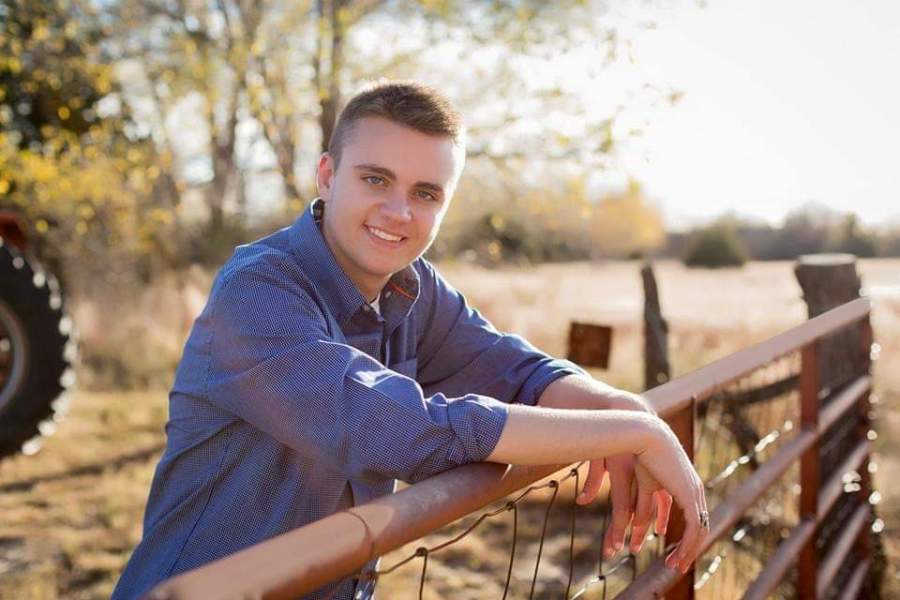
Kansas Army National Guard veteran Zachary Schaffer, 21, was found unresponsive in his Kansas City, Kansas home on January 23, 2019. According to theDodge City Daily Globe, Zachary fatally overdosed only a few days after he was punished and discharged from the Kansas Army National Guard. According to his mother, Wendy Mottas, Zachary, or Zach, as he was known to most, was accused of failing to show up for multiple weekend drills and discharged with an “other than honorable.” In the midst of losing his military career and eventually his security clearance, Zach was flagged by his command for the prescribed use of Adderall to treat ADHD, even after he was reassured it was okay for him to take the prescription. Wendy doesn’t know if her son’s death was intentional, but stated Zach began suffering with depression and substance abuse during his time in service with the Kansas Army National Guard. Zach went from being a stellar soldier at the age of 19 to being hired as a full time military technician to losing that same position less than one year later for reasons undisclosed. Six months after being fired by the Kansas Army National Guard, he was also passed over for deployment to Afghanistan, having been told he was ‘red flagged’ for the use of Adderall. Six months later, Zach would also experience sadness and grief after losing his friend, 24 year-old Kansas Army National GuardsmanKhamis Naser, who died by suicide on July 31, 2018.
Zach grew up in the Hutchinson, Kansas area and joined the Kansas Army National Guard in May 2014. Zach’s mother, also an Army veteran, said he was born in Germany when she was in the military. Zach came from a military family and it was a natural fit for him too. Wendy shared Zach was always intelligent and she knew he would be successful because he was very skilled in anything related to computers and coding. After Zach completed Army basic training and specialty training, he progressed quickly as a soldier and eventually got a full-time job with the Kansas Army National Guard at age 19. Zach was a federal military technician (Personnel Security Technician: GS-7) during the week and on Guard weekends, he was an Intelligence Analyst (E-4). Zach’s downward spiral began when he lost his full-time job as a federal technician and was made to feel incompetent by those who also originally built him up to be a great soldier with a bright future in the military. Zach’s mother does not know why Zach was fired during the probationary period, but she does suspect that Zach had information about other National Guard members whose misconduct were overlooked during routine background checks so they could maintain their security clearances.
Once Zach lost his full-time position, he went from being a professional soldier to not caring about anything anymore. He moved from his home in Topeka, Kansas to Lawrence, Kansas and became somewhat estranged from the family. Zach became secretive, fell in with the wrong crowd, stopped going to therapy and became reliant on self-medicating to take care of the pain of depression he was feeling. Realizing this lifestyle was not healthy, Zach moved back home to Junction City and tried to get his life together in early January 2018. After about three months of living at home, he discovered the Kansas Army National Guard unit in Junction City, Kansas was tasked with a deployment to Afghanistan, to which he inquired and expressed interest to the unit’s leadership. The leadership put him through mobilization procedures for nearly a month and then his deployment orders to Afghanistan were cancelled citing he had been flagged during the pre-deployment process for Adderall use. Zach was prescribed Adderall for the diagnosis ADHD and his mother states he was prescribed the drug due to a struggle with concentration and focus. Once Zach was flagged, someone made the decision to prevent him from deploying to Afghanistan and his mother does not know if his National Guard unit influenced the decision at that time or not.
Zach was looking forward to the deployment. Instead his orders to Afghanistan were cancelled and it was then Zach started meeting regularly with mental health personnel for depression. It is unknown what Zach may have shared with health care professionals, but his family realized something changed in Zach’s life. Shortly after, Zach moved from Junction City to Kansas City with a friend with which his family was not familiar. He remained distant from his family and friends. Worse yet, the same military officer (O-4) who made the decision to fire Zachary from his full-time military technician position also influenced National Guard unit leadership to end Zach’s military career in its entirety. Leadership observed the changes in Zach’s attendance and behavior. Instead of helping him, they used it to revoke his security clearance knowing he needed a security clearance for his job as an intelligence specialist in the National Guard and his full-time job with the Marine Corps. During this time, the only thing done to assist Zach or try to get to the root of the issues he was having was to refer him to the unit’s social work office. At some point, this social worker was told to ‘stand down’ and allow the unit’s part-time civilian social worker to take care of his issues. To his mother’s knowledge, this individual never contacted Zach to offer support and he was never offered any type of assistance including participation in the Army Substance Abuse Program.
In early July 2018, Zach contacted his mom and stated he wanted to go to an inpatient rehabilitation program. He self-admitted to the substance abuse program to help him stop his drug dependency and get his life back on track. The day after Zach left the rehabilitation program and returned to Kansas City, he learned his best friend and fellow National Guardsman, Khamis Naser, had died by suicide. Zach told his mother he had talked to Khamis only five hours before he was found dead in his apartment. Zach attended the August 2018 drill weekend and his mother said he told her he was met with disdain from his leadership. Zach’s mother states she has text messages from her son indicating the NCOs in his unit were bullying him. Zach told her they said his best friend would still be alive if he ‘wouldn’t have been high’ and ‘would’ve been there for him’ (Khamis). After Zach was blamed for the death of his friend, he got in a physical confrontation with one of his NCOs. During another drill weekend, word got around the unit that leadership wanted to ‘get rid of that “shitbag”’ (referring to Zach) because he made the unit ‘look bad.’ Despite the ill treatment by the Kansas Army National Guard, Zach picked himself up and got a new job as a civilian contractor for the Marine Corps in Kansas City at age 21. Unfortunately, a short time after he got the job, he was terminated when he learned the National Guard had suspended his security clearance. At this point, Zach had no income, including from his drill weekends, due to a status discrepancy. Zach was still considered in ‘active duty’ status because of the deployment orders to Afghanistan and no one in his military leadership would assist him to get transferred back to his original unit. His mother states he discussed this with someone at his unit who agreed with him — why bother going to weekend drill if he was getting bullied and not receiving any pay? He stopped attending drill after September of 2018 and once again became estranged from his family. He would never return to the National Guard.
According to the Kansas Adjutant General’s Department, the Kansas Army National Guardsuicide prevention programis “based on the premise that suicide prevention will be accomplished through the positive action of unit leaders and implementation of command policy. The key to the prevention of suicide is positive leadership and honest concern by supervisors for military personnel who are at risk of suicide and appropriate intervention for all such personnel.” Khamis Naser died by suicide in July 2018 and six months later in January 2019, Zach Schaffer died of a fatal drug overdose. How did the Kansas Army National Guard’s suicide prevention program help Khamis and Zach? Although we don’t know why Khamis Naser chose to die by suicide, we do know he was a current member of the Kansas Army National Guard. One would think losing a fellow comrade would initiate a more proactive suicide prevention approach yet instead we learn the very people tasked with a “positive and honest concern by supervisors” for military personnel at risk of suicide and appropriate intervention was not implemented in the last couple of years. Zach was a soldier dealing with the loss of his full-time job, grief from the loss of his friend, the loss of his military career, and the loss of his security clearance. Military leadership knew Zach was not well and they knew he was a risk to himself.
Thetop 10 most stressfullife events include death of a loved one, separation, starting a new job, workplace stressors, financial problems, and chronic illness/injury. Zach’s mom shares he was dealing with six out of ten of those stressful life events at the age of 21. Wendy wonders why the military wouldn’t be especially cognizant of the fact they are molding young kids into warriors at a very impressionable time in life. At a time when young adults need guidance most, instead in the military environment, they are forced to deal with additional stressors, caused by military leadership in Zach’s case. Why would the same organization at the root of the cause of the downward spiral of young lives be interested in also pretending to care about suicide prevention of those same personnel? The moment Zach was let go from his full-time job was the moment he started to struggle. Why did he get let go? Why did it contribute to a need to use drugs to self-medicate? And one can only imagine the kind of grief Zach experienced after losing a close friend in such a tragic way. Did anyone refer Khamis or Zachary to mental health programs or theDepartment of Veterans Affairs?
It appears Zach’s source of pain or original stressor began when he lost his full-time federal military technician position as a Personnel Security Technician. After Zach lost Khamis, another high-paying job and his military career, his downward spiraled accelerated. Zach was dead less than six months after his friend passed. How can the National Guard implement a suicide prevention program when they are the suspected cause of the unit members’ downward spiral? Why did the National Guard choose to characterize ADHD treatment as a ‘mental health risk’? The prescription was used to assist with concentration and focus. Why would Adderall negatively impact a deployment when it is a fact the active duty deploy personnel on all kinds of prescribed medications? Why not help Zach transfer from Active Duty status back to his National Guard unit so he would be paid for drill weekends? How did Zach go from successfully holding great positions of responsibility within the unit to losing his entire military career? Why did they give Zach an ‘other than honorable’ discharge knowing it will negatively impact the rest of one’s working life, never mind the impact losing a security clearance has on anyone’s future financial security. Why did Zach have to lose everything? How does that help his mental health?
Wendy Mottas told theDodge City Daily Globethat there is a stigma to be tough in the military. And this was confirmed the day the National Guard decided Zach was a “mental health risk” because he had a prescription for ADHD he wasn’t even currently taking. Each Commander has the ultimate say on whether or not an individual can still perform despite taking medication. The prescription was for concentration and focus and not something that had to be a military career ender. Wendy said her son could have used extra support following Khamis’s death and that she would like to see mental health be taken more seriously by the Kansas Army National Guard. While she realizes there were many factor’s influencing Zach’s death, she doesn’t understand why the National Guard wouldn’t offer to help him like so many soldiers with substance abuse are assisted. In Zachary’s case it appears leadership actively contributed to the decline of Zach’s mental health. Who at the Kansas Army National Guard would offer help to Zach after the chain of command (supervisors and leadership) decides a soldier is a “shitbag”? How does the Kansas Army National Guard implement a command driven suicide prevention program when they are the same leadership contributing to a downward spiral? How can the same people tasked with punishing their personnel with a heavy hand simultaneously help prevent a suicide or untimely death of young soldiers? At the very least, in this situation, the National Guard needs to upgrade this soldier’s other than honorable discharge to honorable to make this right for Zach and his family. It’s one thing to let someone go, it’s an entirely different thing when a person’s life and future is destroyed.
“The military still has to take some responsibility for this, I think, and I think more could have been done to be preventative and be proactive instead of reactive. They have a responsibility to these young men and women. It’s not to live their lives for them or to be mommy or daddy or anything like that, but the soldiers still have to live by the army creed, and in order to do that, they have a role in that.” -Wendy Mottas (quote in Dodge City Daily Globe)
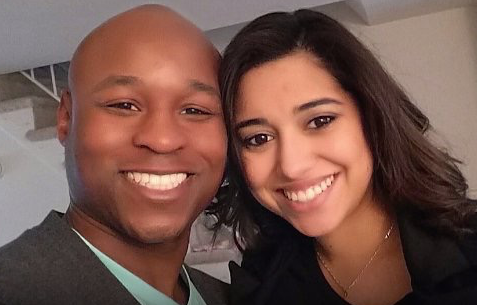
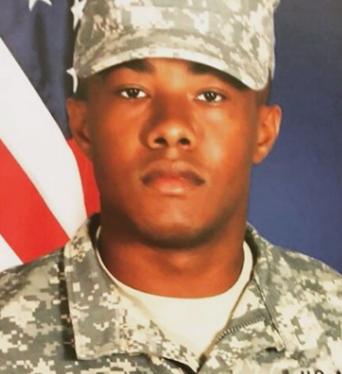
Sgt. Maliek Kearney, U.S. Army and Pfc. Karlyn Ramirez, U.S. Army
Army soldier Pfc. Karlyn Ramirez, 24, of Fort Meade, Maryland was found shot to death in her home on August 25, 2015 while she lay next to her newborn baby. Karlyn worked for the National Security Agency (NSA) and had a top secret security clearance. Investigators looked to her roommate and her husband as persons of interests. The media speculated that maybe this crime had something to do with her job. The Anne Arundel Police Department and the Federal Bureau of Investigation worked jointly to solve Karlyn’s homicide. A $20,000 reward was offered for information leading to the arrest of a suspect. More then a year later on October 6, 2016 Karlyn’s husband Army Sgt. Maliek Kearney and his new girlfriend Army veteran Dolores Delgado were arrested for the murder. In testimony, Sgt. Kearney admitted to shooting Karlyn four times, placing their baby in her dead mother’s arms, and then fleeing the scene leaving a sliding glass door open. Investigators report that the crime was a well thought out and executed plan implemented in an effort to throw homicide detectives off.
Dolores Delgado gave Sgt. Kearney the car, the gun, and gas cans to refuel with so he wouldn’t be caught on any security cameras as he drove from South Carolina to Maryland on August 24th to carry out the murder. Sgt. Kearney returned back to work the next morning at Fort Jackson in South Carolina to establish an alibi. Additional testimony revealed that Karlyn and Sgt. Kearney separated only two weeks after they had been married. They had been married for roughly five weeks when Karlyn was murdered. Karlyn attempted to get a restraining order on Sgt. Kearney just days before the murder after he showed up to her home unannounced in an effort to reconcile with her. After the failed attempt at reconciliation, Sgt. Kearney was hospitalized because he tried to end his life with sleeping pills. Sgt. Kearney was a decorated Army veteran of 15 years who had served tours in Iraq, Pakistan and South Korea. One of Sgt. Kearney’s superiors at Fort Sam Houston testified that he has been “nothing but an exemplary soldier.” A friend reported that he had no idea that Sgt. Kearney and Dolores Delgado were even dating. Sgt. Kearney and Dolores Delgado are being prosecuted by the federal courts because they crossed state lines to execute a murder in another state. The U.S. Magistrate denied bail for Sgt. Kearney and Dolores Delgado and ordered they be transferred to Maryland to await trial. In August 2017, Dolores Delgado plead guilty to helping Sgt. Kearney with the murder of Karlyn Ramirez. On November 30, 2018, Maliek Kearney was sentence to life in federal prison with no parole for premeditated murder.
“He is sick and depraved. Slightly laughable was his compassionate transfer to San Antonio to be close to the child he put in her dead mother’s arms.” -Assistant U.S. Attorney Sarah Wannarka
In the News:
Anne Arundel County police have identified a woman whose body was found at a home in Severn. -WBAL-TV 11 Baltimore (August 27, 2015)
Army Mom Murdered in Cold-Blood. -True Crime Daily (March 7, 2016)
Karlyn Ramirez, 24, was killed in her Maryland home. When police found her, she wasn’t alone. But the only living witness can’t say who killed her. -True Crime Daily (March 8, 2016)
Karlyn Ramirez, 24, was killed in her Maryland home. When police found her, she wasn’t alone. But the only living witness can’t say who killed her. -True Crime Daily (March 8, 2016)
24-year-old Karyln Ramirez, an army private stationed at Fort Meade, was found shot to death in her Severn home. Now, more than a year later, authorities make a big break in the investigation. -WJZ (October 10, 2016)
A couple will return to Maryland to face trial in the August 2015 shooting of the man’s wife. -WMAR-2 News (October 19, 2016)
A military mom with top-secret security clearance is gunned down in her Maryland home on August 25, 2015. Who killed 24-year-old mother Karlyn Ramirez, and why? -True Crime Daily (December 15, 2017)
A former girlfriend took the stand Wednesday in the trial of Army Sgt. Maliek Kearney, who is accused of fatally shooting his estranged wife in 2015. Kearney, 37, faces federal charges in the killing of Karlyn Ramirez, of Severn. Delores Delgado struck a plea deal last summer and pleaded guilty to the federal crime of crossing state lines to commit domestic violence that resulted in Ramirez’s death. The plea was in exchange for federal officials not seeking the death penalty. -WBAL-TV 11 Baltimore (July 18, 2018)
Trial Underway For Army Sergeant Charged In His Wife’s Killing. -WJZ (July 18, 2018)
The mistress of Army sergeant charged in the death of his estranged wife testified Thursday about the plot to kill the Fort Meade soldier. Dolores Delgado testified she “lied to give him an alibi.” -CBS News (July 20, 2018)
The case against a U.S. Army sergeant who is charged in connection with the fatal shooting of his estranged wife resumed Monday with Delores Delgado back on the witness stand. She is the mistress and co-conspirator of Sgt. Maliek Kearney. -WBAL-TV 11 Baltimore (July 30, 2018)
Former Army Sergeant Maliek Kearney has been sentenced to life without parole Friday for the 2015 murder of his wife in Anne Arundel County. -WJZ (November 30, 2018)
A federal judge sentenced Army Sgt. Maliek Kearney to life in prison without possibility of parole plus 10 years, in the 2015 killing of his estranged wife. In August, a federal jury found Kearney guilty in the killing of Karlyn Ramirez. Prosecutors called Kearney a cold-blooded, callous murderer who executed his estranged wife. -WBAL-TV 11 Baltimore (November 30, 2018)
Investigation Discovery:
She had top security clearance from the U.S. military and was only 24 when she was found dead at home, her 5-month-old daughter by her side. Who would want Karlyn Ramirez dead and why? -Investigation Discovery (September 20, 2018)
Dateline NBC:
Andrea Canning reports on the homicide of private first class soldier and young mother Karlyn Ramirez. Canning also takes a glimpse into the FBI’s crime lab and an in-depth look at how multiple agencies uncovered a plot that spanned several states and prompted suspicions of espionage. -Dateline NBC (January 9, 2019)
In 1998, a gifted Philadelphia graduate student is found murdered in her bed. The hunt for her killer forces police to reevaluate a series of unsolved crimes, turning the city upside down. Will her killer be caught or will he strike again? -Terror in Philadelphia, People Magazine Investigates (S3, E2)
Editor’s note: With a cable subscription, you can download the free ID Go app and watch Investigation Discovery programming at your convenience. And for those who do not have cable, you can watch “unlocked” episodes on the ID Go app including the latest premieres. For those who prefer commercial free programming during your binge session, Prime Video has an ID channel: ‘True Crime Files by Investigation Discovery” available for $3.99 a month. It’s a compilation of older seasons but totally worth the cost if you are a true crime addict. Download the ID Go app or purchase ID True Crime Files & binge away.
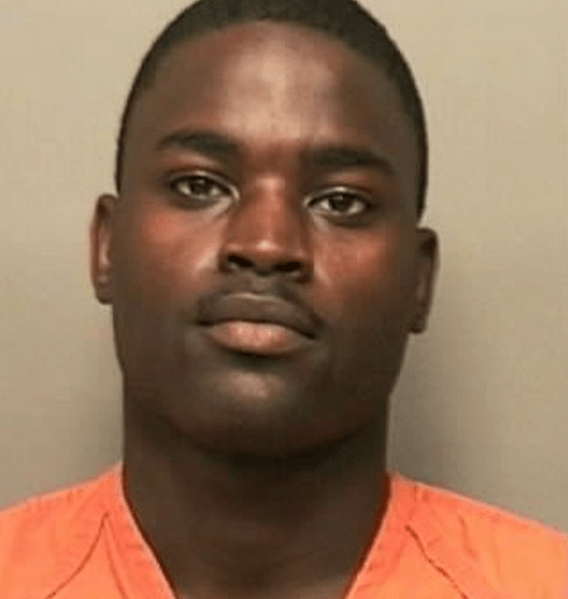
A fifteen year old teenager Jacob Kinney was arrested and charged with the fatal shooting of Army Pfc. MarStratton Gordon, 23, on August 28, 2016 in Harriman, Tennessee. Pfc. MarStratton was in Tennessee on leave visiting his girlfriend at the time of the shooting. Pfc. MarStratton enlisted in the Army in November 2014 and was most recently assigned as a heavy truck driver with the 101st Sustainment Brigade at Fort Campbell, Kentucky. WATE reported that court documents allege Jacob Kinney shot Pfc. Gordon in the head with a .357 round after a fight broke out between Gordon and his girlfriend, Kinney’s sister. The documents say Jacob pointed the weapon at Pfc. Gordon and fired one round which hit him in the left cheek, killing him. Also reported was after the shooting, a judge ordered the teen to undergo an evaluation and treatment at a mental health facility to determine his competency and IQ. Jacob Kinney has been charged with delinquent second degree murder and the Roane County prosecutors announced that they will try him as an adult. His bond was set at $50,000. On November 7, 2018, a Tennessee judged ruled Jacob Kinney acted in self-defense and dismissed the reckless homicide charges.








 “Today, the Department of Defense released the Annual Report on Sexual Harassment and Violence at the Military Service Academies, Academic Program Year 2017-2018…There were 117 reports of sexual assault received across all three academies. This is an increase of five from the prior academic program year, indicating confidence in response measures, however, surveyed measures of unwanted sexual contact and sexual harassment increased compared to rates last measured in 2016. There was also an overall increase in sexual harassment.” Read more





 MILITARY JUSTICE FOR ALL