Reports of sexual assault in the military went up 46 percent in 2013, but the problem is not new to the women who answer the call of duty. -41 Action News
“It seemed like sexual trauma in the military back then was unheard of. I was not trying to be the test baby. I wasn’t trying to be the Rosa Parks of that generation.” -Ja-Renna Floyd, US Army Veteran
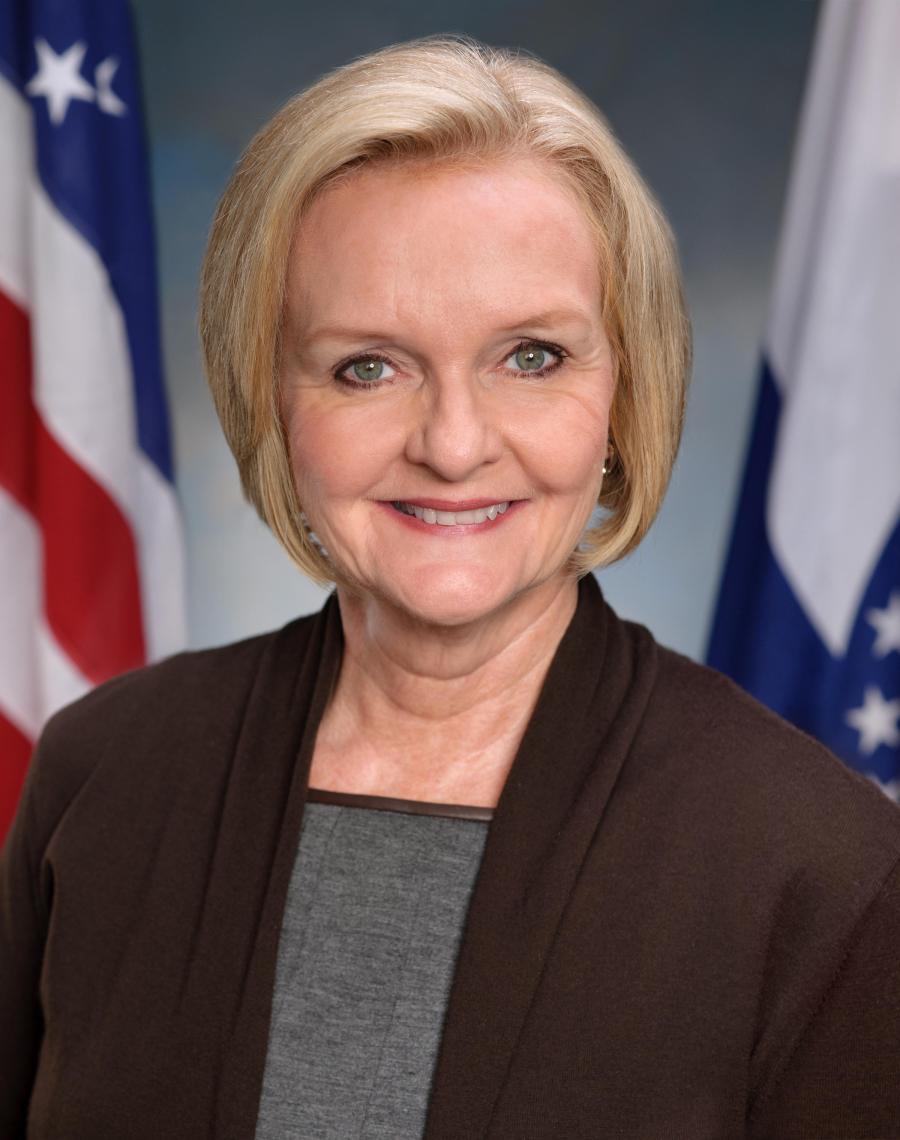
Sen. Claire McCaskill is on the verge of a historic victory reforming the Pentagon’s sexual assault policies.
But rather than basking in acclaim during the debate’s climatic week in the Capitol, the Missouri Democrat finds herself paying a political cost for being an outlier within her own caucus. She’s the only one of the Senate’s 16 Democratic women opposing a much more sweeping change that removes the chain of command from prosecuting sexual assault and other major military crimes.
“Dear @clairecmc Thanks 4 railroading the Military Justice Improvement Act. Is it true that you have never served a day in your life? #MJIA,” Jennifer Norris, a Maine-based Air Force veteran who works with sexual assault victims…tweeted, referring to Gillibrand’s legislative proposal by its official name. -Politico
Editor’s Note: It appears the original tweet has disappeared and it was never deleted by Jennifer Norris. Also the tweet is not on the web version of the article but is still part of the mobile version of the article.
The California National Guard tried to serve termination papers to one of its members in the hospital just hours after a suicide attempt last month, the Investigative Unit has learned.
Those close to Jessica Brown, a master sergeant with Moffett Field’s 129th Rescue Wing, say they believe the move is retaliation for exposing what has been described as a toxic culture inside the Guard. Last November in front of NBC Bay Area cameras, Brown criticized her leaders for failing to properly handle a sexual assault she says happened to her while on duty in Las Vegas.
“To me, it felt like it would be better if I was dead,” Brown said in the November interview. “I didn’t want to do it, but I couldn’t handle it anymore. I wasn’t sleeping again, and when I did sleep the nightmares were so bad.” -NBC Bay Area
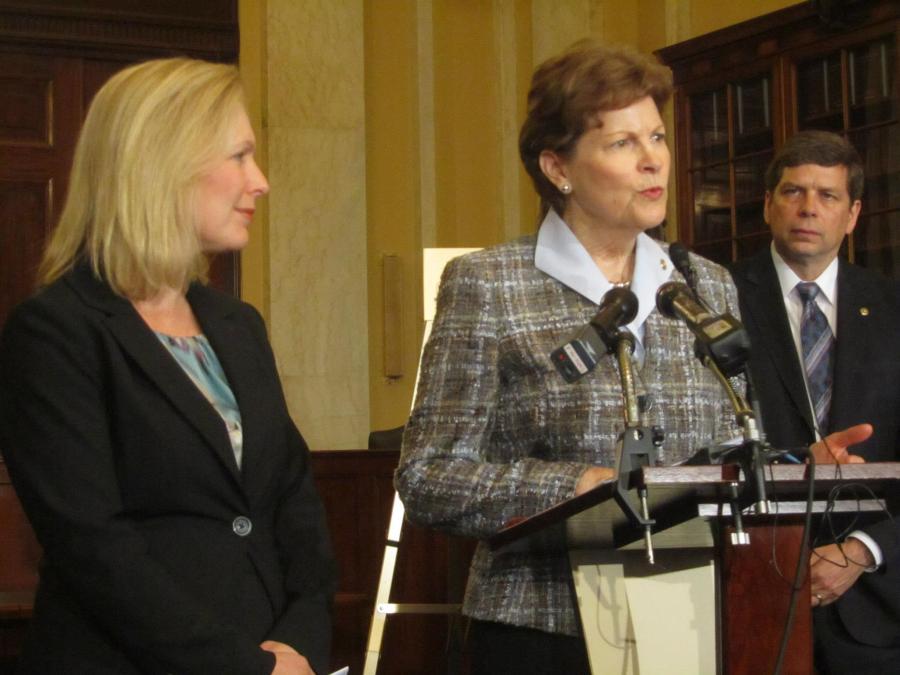
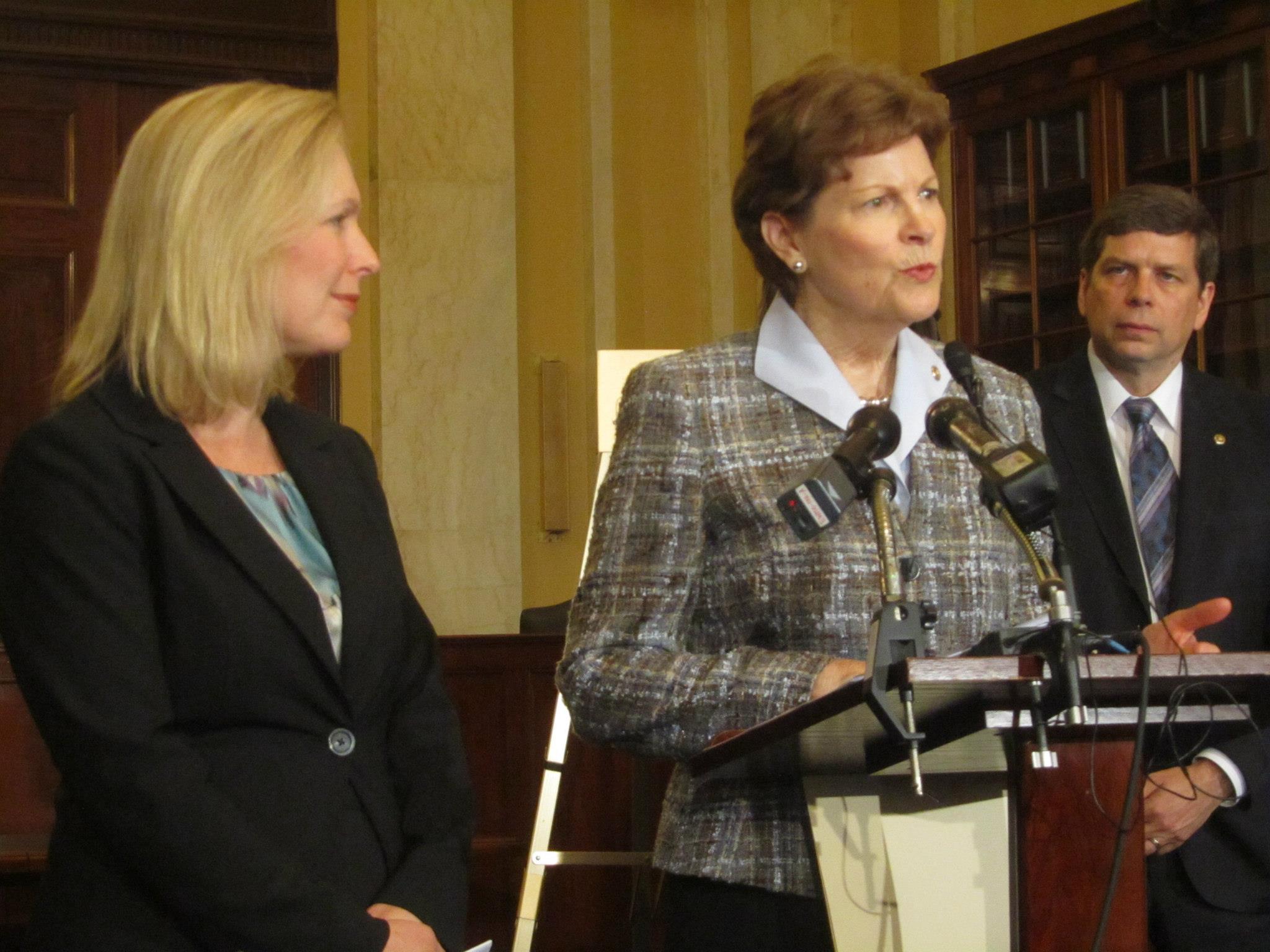
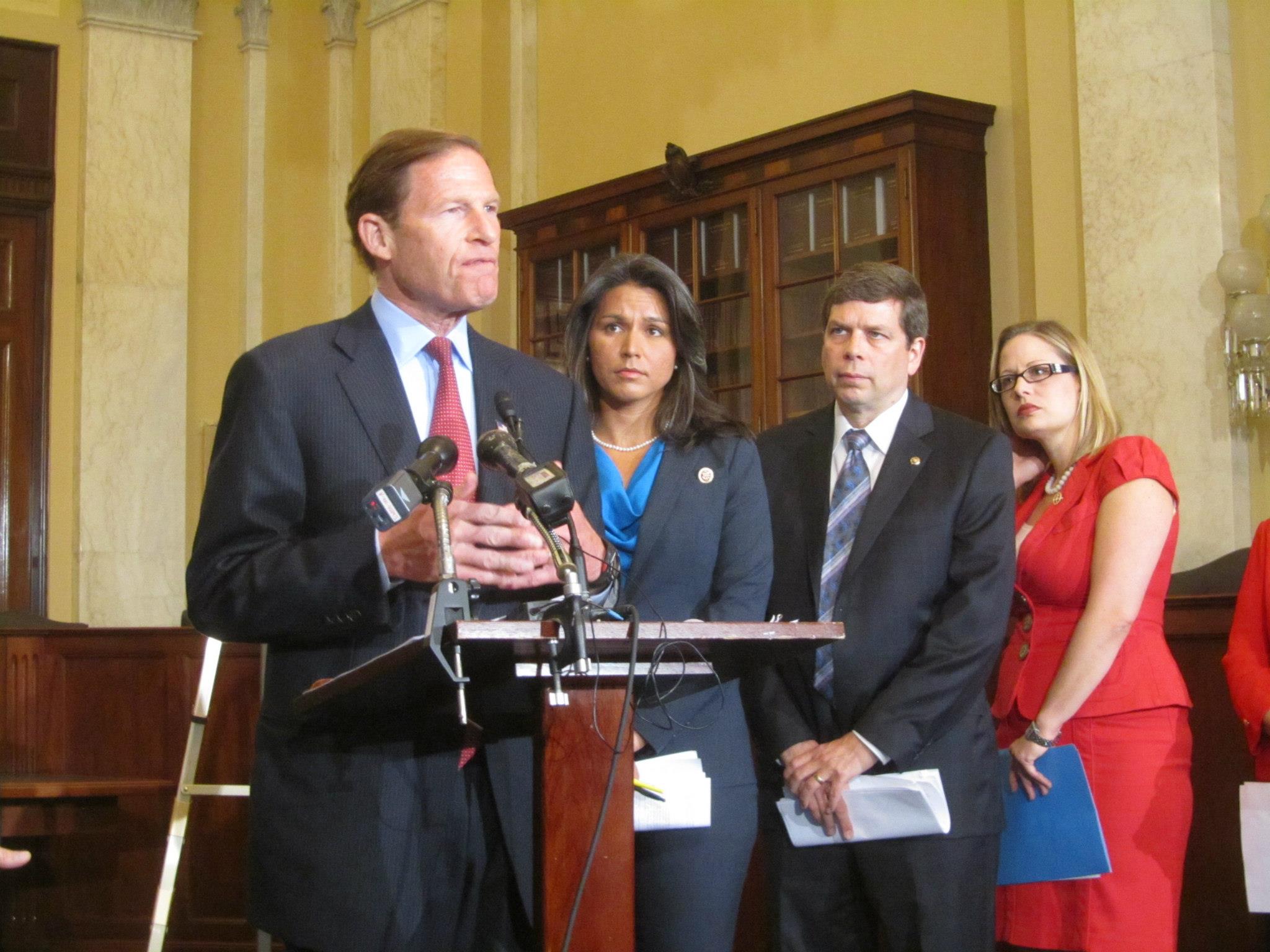
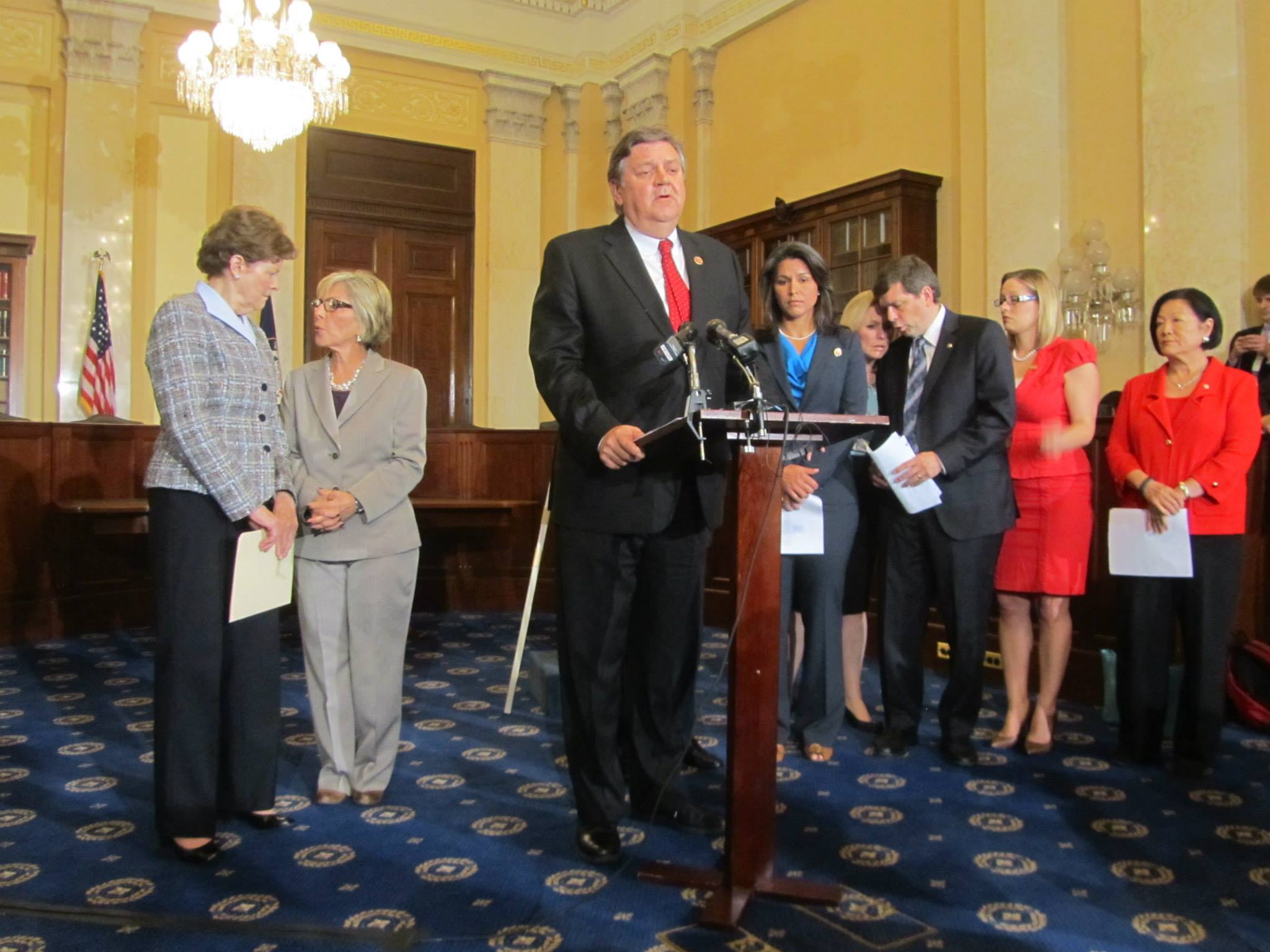
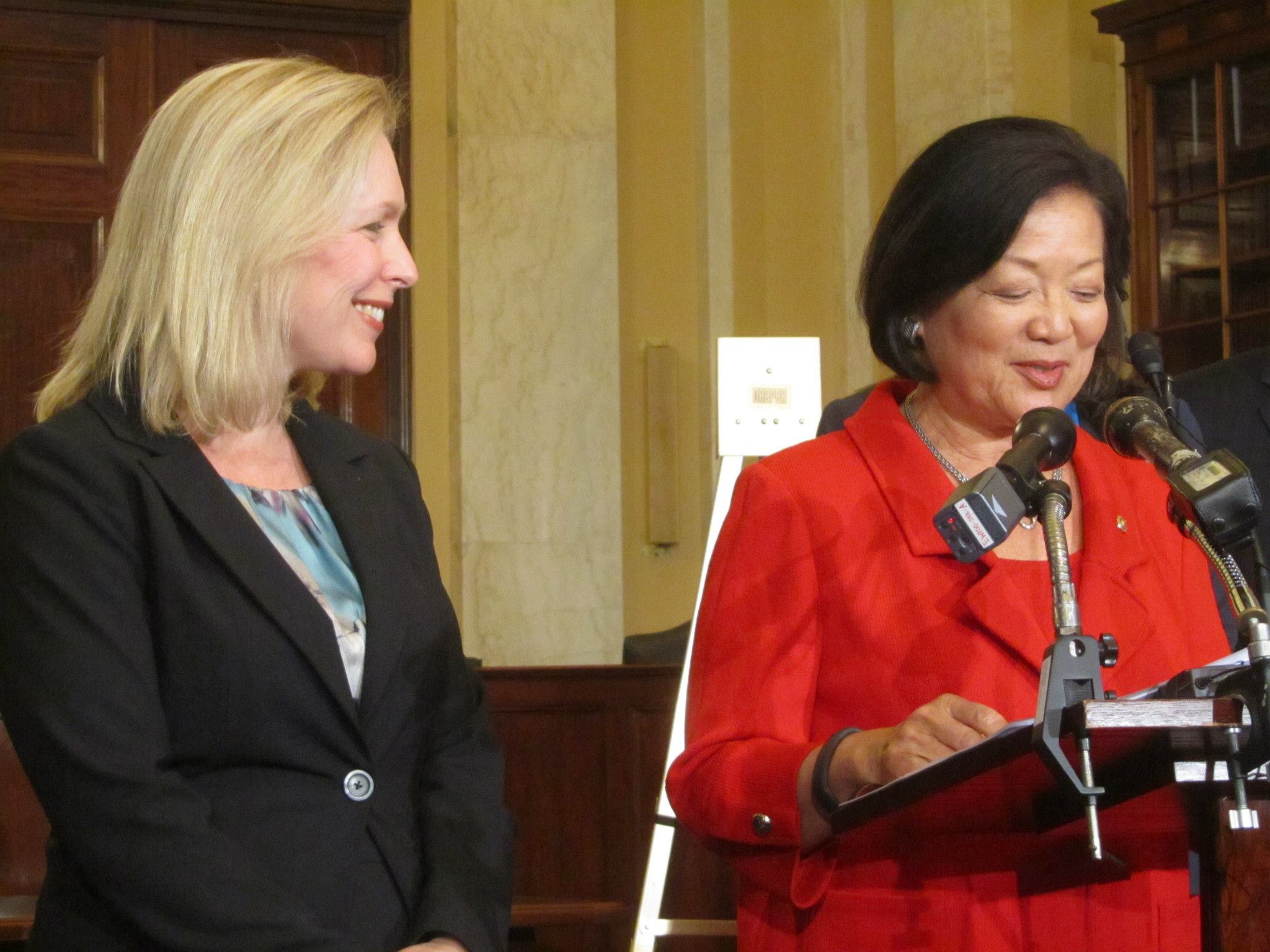
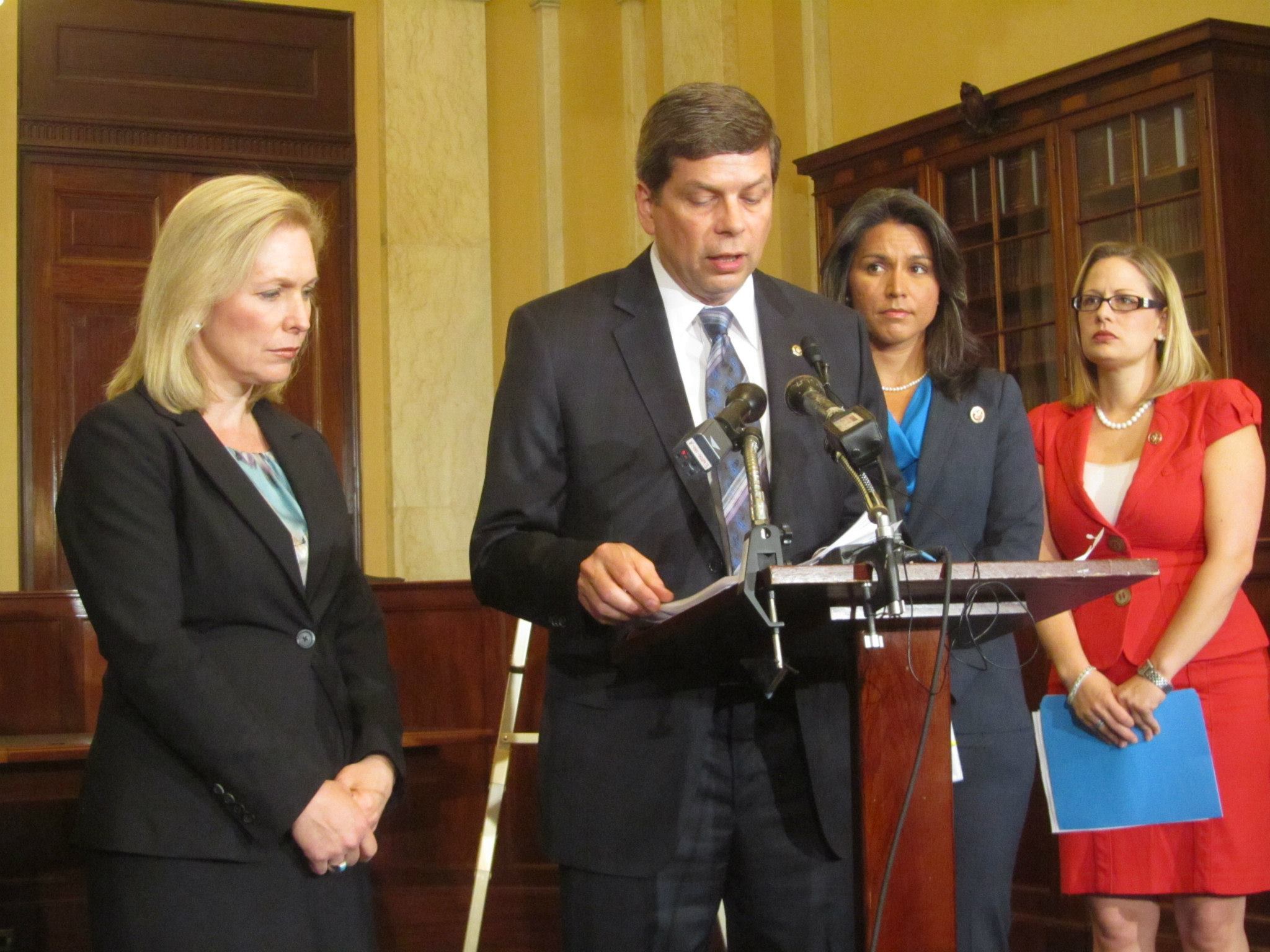
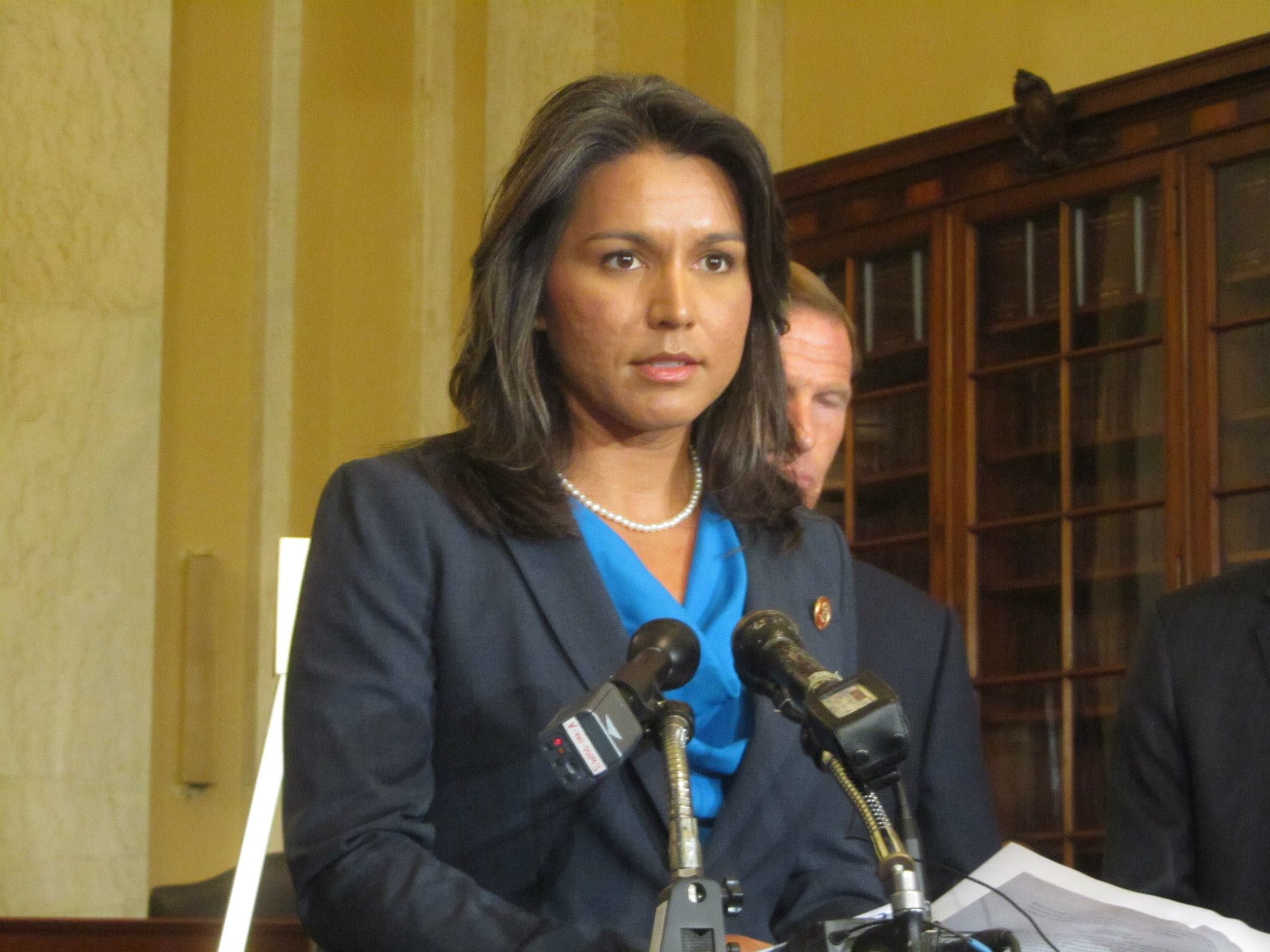
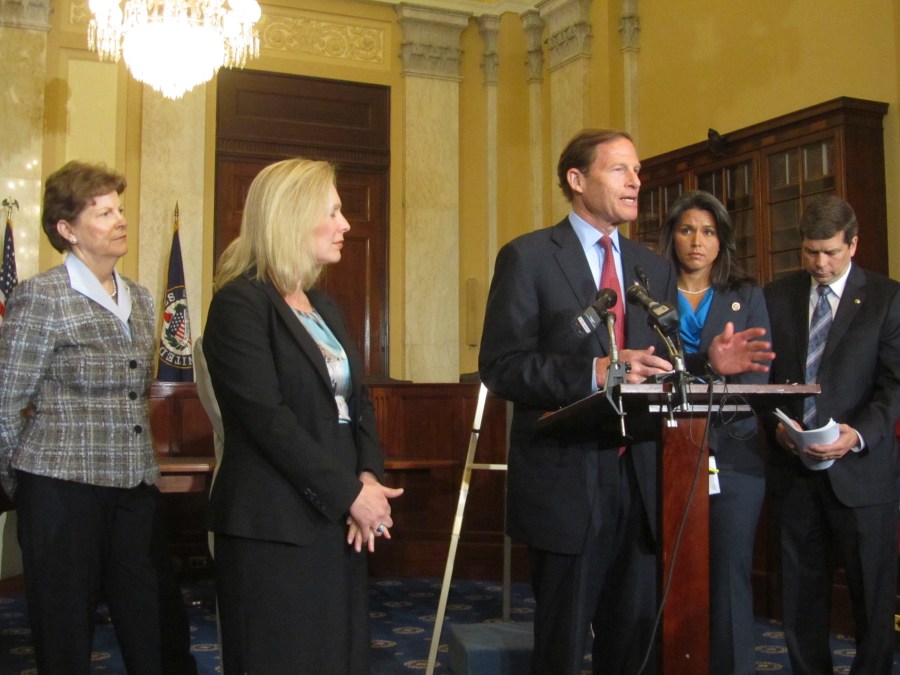
Washington D.C. – During a news conference today, U.S. Senators Susan Collins and Kirsten Gillibrand (D-NY), along with a bipartisan group of their colleagues in the Senate and House, announced new legislation that would reform the military justice system by removing the prosecution of all crimes punishable by one year or more in confinement from the chain of command, except crimes that are uniquely military in nature, such as disobeying orders or going Absent Without Leave.
Senators Collins and Gillibrand were joined by survivors of sexual assault in the military, including Jennifer Norris of Maine, and by representatives from organizations who assist victims of Military Sexual Trauma. The Military Justice Improvement Act would for the first time remove the decision whether to take a case to special or general court-martial completely out of the chain of command and give that discretion to experienced military prosecutors for all crimes punishable by one year or more in confinement, except crimes that are uniquely military in nature, such as disobeying orders or going AWOL.
“To be sure, the vast, overwhelming majority of our military personnel are honorable, conscientious, and respectful individuals, not rapists or harassers. It is for their sake that the pattern of covering up, blaming the victim, and failing to provide even the most basic protections that has been all too common for far too long must end,” said Senator Collins. “What does it say about us as a people, as the nation, as the foremost military in the world when some of our service members have more to fear from their fellow soldiers than from the enemy? This epidemic of sexual abuse cannot stand. We must ensure that justice is swift and certain to the criminals who have perpetuated these crimes.”
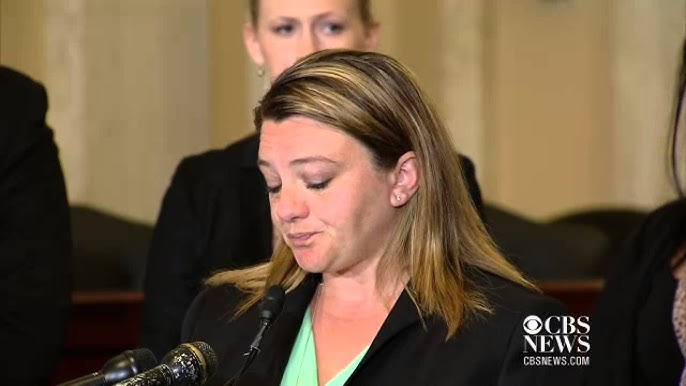
With tears streaming down her face, Jennifer Norris, a former Technical Sergeant in the Air Force, describes her harrowing experience with sexual assault and the difficulty she had in seeking justice within the military chain of command, saying, “The system is rigged against the victims” and in favor of the “often higher-ranking perpetrators.” [VIDEO]
Norris, who did not serve in Hawaii, said she’d been reluctant to report the rape because, “in the Air Force, I witnessed first hand what happens to those who stepped forward to report their assaults. I did not want to be stigmatized for reporting my assault — as I tried to move forward with my career. Instead, the best option for me was to try and endure it, to suck it up and try and make it until I could get transferred somewhere else — only to have it happen over and over again, like a recurring nightmare.”
She never did get justice, she said, even when she did come forward. “My perpetrators were allowed to resign in lieu of Administrative Hearings, which would have become a matter of public record. My command never offered the chance to proceed with a court martial.”
She said, “If the chain of command had been removed from handling sexual assault cases before I was attacked I believe justice would have been served or perhaps it would have been prevented in the first place.”
“At first I was too afraid to report my assault to my chain of command, but two years later I was forced to report due to the escalation of the behavior and the fear that I would be raped again.” -Jennifer Norris (Civil Beat, May 16, 2013)
Gillibrand: “I’m Distressed That The Victims’ Voices Aren’t Being Heard In This Debate
CBS News: Former Air Force Sgt. Jennifer Norris, a rape victim, said, “Blaming a civilian hook-up culture for the epidemic does nothing but contribute to victim blaming, excusing perpetrators, and it belittles the serious nature of these crimes.”
She said the system is rigged against low-ranking service members. “Commanders who are responsible for the resolution of these cases are far too often biased in favor of the often higher-ranking perpetrators,” she said.
Norris spoke at a press conference at which Sen. Kirsten Gillibrand and other members of Congress pushed legislation that would allow victims to bypass their commanders.
As far as how to make that happen, the senator said, “Allow them to report directly to a military lawyer, a trained prosecutor, someone who understands sexual assault, and is the one who will do the investigation and then decide whether or not to bring it to trial.”
Whistleblowers expose hidden culture inside the California National Guard
Behind the Gates of the Guard
‘The California National Guard has a long history of serving the country in critical times of need. Its members have fought wildfires, responded to Hurricane Katrina and recently assisted with rescue efforts in super storm Sandy. It is a reserve military force of 23,000 guard members—the largest in the nation—where “integrity first” is a guiding principle. But a joint-investigation by NBC Bay Area and KNBC-TV in Los Angeles has uncovered a disturbing hidden culture in the California National Guard where some guard members say sexual assault and racism at times go unchecked, and where retaliation is a frequent method of discipline. During the past six months reporters spoke with nearly two dozen men and women from the California Guard who have found no solution inside and now want to expose what they say is the truth.”
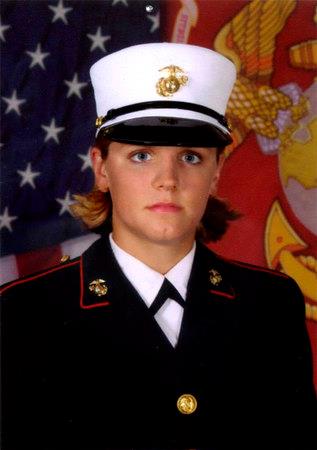
The family of slain Marine Lance Cpl. Maria Lauterbach is hailing recent provisions in the National Defense Authorization Act that profoundly change the way the Department of Defense will handle sexual assault charges.
The Defense STRONG Act has cleared both the House and the Senate and is awaiting President Barack Obama’s signature. Provisions include access to legal counsel for victims and the right to request a base transfer.
Lauterbach’s mother, Mary Lauterbach of Vandalia, said the new law would have made the difference in the case of her daughter, who was denied a base transfer after accusing fellow Marine Cesar Laurean of sexual assault. “Maria would be alive today if the base transfer had been available to her,” she said.
Turner concurred, “In civilian life you have complete control of your movements, and if you’re in an unsafe situation you can remove yourself. In military life, the victim needs permission to take even basic self-preservation actions.”
In the News:
New provisions handed down from the Department of Defense are giving sexual assault victims in the military rights they never had before. It’s all thanks to the fight from Congressman Mike Turner and a local mother Mary Lauterbach. The provisions make certain that a victim has legal counsel throughout the whole process so they understand what their legal rights are and how to protect themselves. The provisions also remove the accused from the situation and not the victim. -WKEF/WRGT (August 15, 2013)
A major hurdle cleared for sexual assault victims in the military. Congress passed a bill that would give victims rights and protection they never had before. The push came after the tragic murder of local marine Maria Lauterbach and her unborn son. Congress approved a bill that would give military sexual assault victims legal counsel and criminalize retaliation against any victim. “If Maria had had this, she would be alive today, it’s very important.” The bill now heads to President Barack Obama for his signature. -WKEF/WRGT (December 20, 2013)
Law protecting military victims of sexual assault discussed. -WDTN-TV (May 1, 2018)
Key changes in military policy
By executive order, communication between victims and victim advocates will now be privileged. Previously conversations between victim and victim advocates can be subpoenaed in court, making victims reluctant to come forward. Pending legislation HR 1540, passed by both the House and Senate, provides for:
Legal assistance for victims of sexual assault. Previously, only defendants in the military have been guaranteed access to a lawyer.
Stricter training guidelines and greater oversight for Sexual Assault Response Coordinators and Sexual Assault Victim Advocates.
Retention of sexual assault records with lifetime access for service members.
The victim’s right to a base transfer or unit transfer. Under the new law, these requests will be expedited, with decisions being made within 72 hours and the bias should be in favor of the victim.
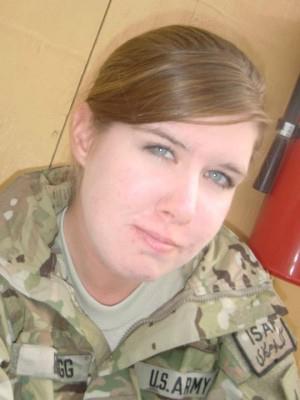
Army Specialist Mikayla Bragg died of a non combat death in Khowst province, Afghanistan on December 21, 2011. Spc. Bragg was supporting Operation Enduring Freedom on behalf of the 201st Brigade Support Battalion, 3rd Brigade Combat Team, 1st Infantry Division in Fort Knox, Kentucky. The Army ruled that Spc. Bragg’s cause of death was suicide. After an investigation it was revealed that commanders at Fort Knox failed to properly track Spc. Bragg as a “high-risk” soldier who could potentially hurt herself or others before she was cleared to deploy to Afghanistan. The Army investigators also made three recommendations in the report.
Mental-health providers stateside should share more information about high-risk soldiers with mental-health providers in war zones. Camp Salerno’s behavioral-health officer said she had been unable to get mental-health records for Bragg because of privacy laws.
Commanders should develop better procedures to ensure personnel data is not lost while transferring soldiers between units.
No soldier, regardless of gender, should be stationed in a guard tower alone.
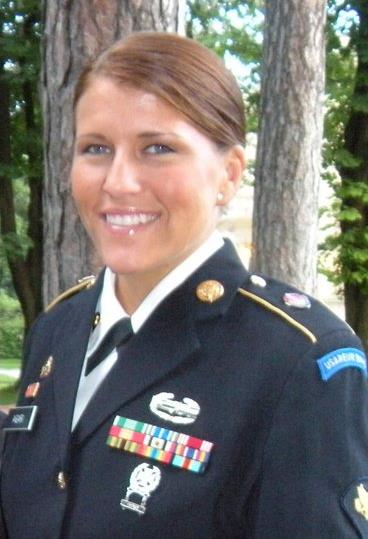
According to the U.S. Army Europe Public Affairs, unit officials conducted a health and welfare inspection of Sgt. Kimberly D. Agar’s barracks room after Agar missed a medical appointment. The corporal was found unresponsive and German emergency medical personnel were contacted. A German doctor pronounced Kimberly dead at the scene on October 3, 2011. An investigation into the cause of death determined Kimberly died by suicide. Kimberly’s mother has since dedicated her life to raising awareness of active-duty suicide rates in an effort to prevent suicide within the active-duty ranks.


 Sen. Claire McCaskill is on the verge of a historic victory reforming the Pentagon’s sexual assault policies.








 CBS News: Former Air Force Sgt. Jennifer Norris, a rape victim, said, “Blaming a civilian hook-up culture for the epidemic does nothing but contribute to victim blaming, excusing perpetrators, and it belittles the serious nature of these crimes.”
 Behind the Gates of the Guard


 MILITARY JUSTICE FOR ALL
