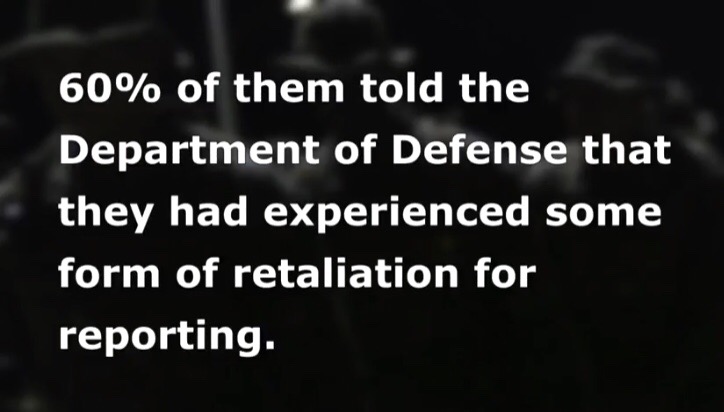
Even if you do go forward with a case and it’s adjudicated in your favor, it’s the retaliation that kicks our ass and de-rails our careers. Why is this happening? If you wonder why some who have been assaulted have severe PTSD, it’s the retaliation compounding the original trauma. And if you don’t report and try and soldier on, it catches up with you anyways in the form of behavioral issues and suicidal ideation. How do we stop the retaliation in the military from happening so victims of crimes feel safe to report?
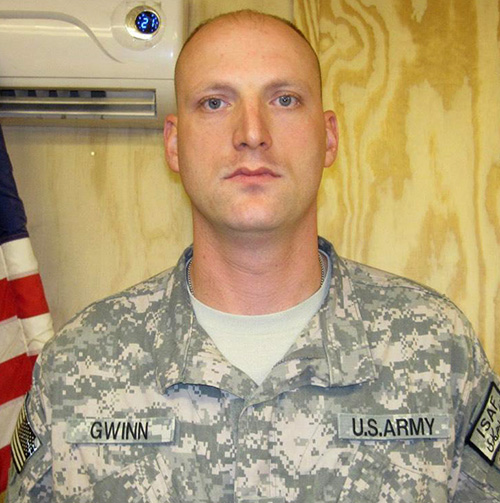
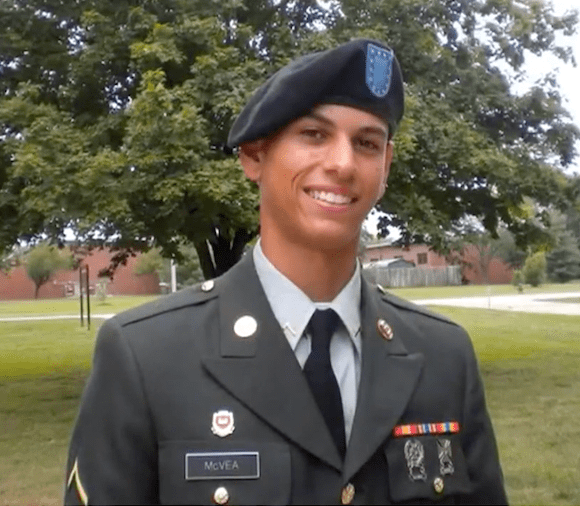
Fort Hood Army Master Sergeant Alva ‘Joe’ Gwinn, 39, died of an apparent self-inflicted gunshot wound on October 12, 2017 near the Williamson-Bell County line in Texas. Although the exact set of circumstances that led to MSG Gwinn taking his own life are unknown, the media reported that MSG Gwinn took his own life during an exchange of gunfire after leading the Killeen Police Department (KPD) on a high speed car chase. Prior to the incident, a concerned family member contacted the Fort Hood chain of command to report that Joe was experiencing a mental health breakdown and may be suicidal. The command contacted the military police who then asked the Killeen Police Department to do a ‘welfare check’ on MSG Gwinn. According to the KPD, MSG Gwinn was located in his car but took off when approached; they said MSG Gwinn then led police on a high speed car chase. According to reports, Alva fled on foot after pulling over, there was an exchange of gunfire with the KPD, and MSG Gwinn ended his life with a self-inflicted gunshot wound to the head. An officer involved shooting investigation was launched because gunfire was exchanged. Joe left behind two sons from a previous marriage and a wife and family who loved him very much. He is missed dearly.
On March 21, 2018, the media reported that a “Bell County Grand Jury reviewed the completed investigation done by the Texas Rangers and decided no indictment should be returned to the deputy in connection with the events leading to the death of a Fort Hood soldier.” MSG Gwinn’s home of record was listed as Richwood, West Virginia. MSG Gwinn served in the Army National Guard from 1996-1999 and then enlisted in the active-duty Army in September 1999 as a combat engineer. At the time of his death, MSG Gwinn was assigned to the 20th Engineer Battalion, 36th Engineer Brigade at Fort Hood since April 2012. MSG Gwinn served in the military for over twenty years and was eligible for retirement. When the media reported on the death of MSG Gwinn, they also mentioned a sexual assault accusation lodged against him in June 2016. They reported MSG Gwinn was scheduled to go to court in November 2017 as if they were implying there was a connection between the suicide and the court date scheduled the following month. One media source reported MSG Gwinn was a highly decorated combat veteran who was known for being a perfectionist and respected by his peers. MSG Gwinn deployed to Iraq and Afghanistan a total of five times while he served with the U.S. Army.
Editor’s Note: The circumstances that led to MSG Gwinn’s suicide inspired us to include him in a Fort Hood status of forces presentation we prepared for congressional representatives in Washington D.C. We believe things could have been handled better and we hope authorities learn from this experience in an effort to prevent it from happening again. We also found it in poor taste that the media mired MSG Gwinn’s reputation at the time of his death with an accusation of which he had not been found guilty of.
Areas of Concern:
On October 12, 2017, family informed the chain of command that MSG Gwinn was experiencing a mental health breakdown & may be suicidal; at the request of the chain of command, the military police asked the Killeen Police Department to do a ‘welfare check’ on MSG Gwinn; according to the KPD, they located MSG Gwinn in his car but he took off when approached and then led them on a high speed car chase that ended with an exchange of gunfire and MSG Gwinn taking his own life
How can we prevent a ‘welfare check’ from turning into an officer involved shooting, suicide by cop or suicide? Why was the high speed car chase necessary?
According to media reports, in June 2016, MSG Gwinn was arrested, indicted and charged by civilian authorities with “aggravated sexual assault” of a 12-year-old girl in 2012; the accusations surfaced in the midst of a child support and child custody case; MSG Gwinn maintained his innocence but a potential trial loomed and his military career and child visitation rights were on hold; Joe loved his family
The accusations negatively impacted MSG Gwinn’s military career and ability to spend time with his two sons; this in turn negatively impacted his mental health; the stress of the child custody case & accusations took their toll; up until this point, MSG Gwinn had a stellar military career and had never been accused of any crimes
According to local media, Alva was facing a trial in November 2017 and they made a loose connection between a pending trial date and MSG Gwinn’s suicide
What prompted the media to mire MSG Gwinn’s memory with an accusation when they reported on his death? Is that fair when the accused can’t defend themselves?
Whether guilty or innocent, this is a tragic end for a man accused of a crime
What does the Army do with the accused who are awaiting criminal trial?
Is Fort Hood responsible for the mental health of those accused of crimes?
What is the military’s policy on child visitation when a military member is accused of a crime against a child other than their own?
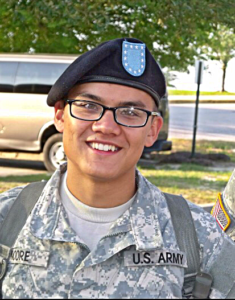
Spc. Zachary Moore, 23, of Virginia Beach, Virginia, was found unresponsive August 1, 2017 in his barracks room at Camp Hovey in South Korea. Spc. Moore was transported to St. Mary’s Hospital and pronounced deceased on August 2, 2017. Spc. Moore entered active-duty military service in March 2014 as a signal support systems specialist. He was assigned to the 9th Cavalry Regiment, 2nd Armored Brigade Combat Team, 1st Cavalry Division at Fort Hood in Texas since July 2016. The circumstances surrounding the incident were investigated by the U.S. Army Criminal Investigation Division (CID) and the cause of death was ruled a suicide.
*****************************************
Was Zachary Moore’s Death Preventable?
In May 2017, Fort Hood announced they were deploying 3,500 troops to South Korea over the summer. Twenty-three (23) year old Zachary Moore was one of the soldiers deployed to South Korea. With full knowledge of Zachary’s recent mental health issues, the Chain of Command gave him a mental health waiver against his will, and most likely against medical advice, so they could deploy him to South Korea.
In October 2016, Zachary had a mental health breakdown and went Absent without Leave (AWOL). After a successful intervention, Zachary was found and returned to the custody of his Chain of Command at Fort Hood. Zachary’s command then sent him to an emergency room where he was hospitalized and prescribed medication. After Zachary was discharged from the hospital, he continued to seek treatment for mental health issues. Six months later, Zachary was given a mental health waiver by his command to deploy to South Korea.
About a month after Zachary arrived at Camp Hovey in South Korea, his depression medication was changed. As a matter of fact, his depression medication was changed the day before he was found unresponsive in his barracks room. Zachary attempted to kill himself on August 1st, less than 24 hours after the medication change. It was Zachary who called his Command for help as there is no 911 on the base in South Korea. He was found unresponsive and finally transported to the hospital about 1 ½ to 2 hours later. He was admitted to the Intensive Care Unit, listed as critical then stable, yet passed away on August 2, 2017.
Why did Zachary Moore go AWOL?
The Chain of Command contacted Jeanette to report Zachary hadn’t been seen since October 18, 2016. They also informed her they were not actively looking for him but would file AWOL status on October 20th. When asked if they filed a missing persons report, Jeanette claims they told her they did but she says she was lead to believe Zachary trashed his room, took his things, and left willingly. She immediately flew to Texas from Florida to find him.
Jeanette contacted the Killeen Police Department as soon as she got to Fort Hood and the local law enforcement found Zachary the same day she arrived. Over the phone, the Command told Jeanette they filed a missing persons report but she learned from the Killeen Police Department that they never did. The Killeen PD noticed recent activity on Facebook so they pinged Zach’s cell phone & found that he was in a remote area of a local state park.
Zachary attempted to flee initially but after negotiations, he surrendered and was returned to the police station where his mom was waiting. Jeanette could tell Zachary was mentally broken and he admitted to her that he wanted to hurt himself. The Killeen PD found Zachary and he had a knife in his possession. Zachary was returned to the custody of his Chain of Command at Fort Hood. Shortly after Zachary informed his mom that his superiors told him to tell her to leave town and stop interfering.
Jeanette reports that Zachary never had any mental health issues prior to this and suspected that Zachary was “singled out by his command and harassed.”
Areas of Concern in Zachary Moore’s Case:
Zachary revealed he was harassed by his Chain of Command. For example, his leave papers to visit family before deploying were denied; he was denied permission to see the Fort Hood Inspector General officer; he was harassed during training exercises; he was given exhausting extra duties; and was accused of taking a radio which was later found on a military officer’s desk. Why was he denied the opportunity to speak to the IG officer?
Zachary was accused of trashing his room and taking his belongings when he went AWOL. Jeanette believes the circumstances surrounding the vandalism of his room and the theft of his property could be evidence of harassment.
During mental health treatment, Zachary was facing the consequences of going AWOL; Zachary was accused of trashing his own room; and Zachary was accused of stealing a secure radio? What are the additional mental health impacts of the way the Chain of Command uses the military justice system?
The circumstances of the mental health waiver and the justifications for sending Zachary to South Korea while he was undergoing treatment for mental health issues and medication management should be investigated.
The effects of the medication change in South Korea should be investigated. Is Command aware that some medications can cause serious negative reactions? (Some depression medication causes suicidal ideation.) Who monitors serious medication changes in deployed locations? Is it safe to deploy soldiers in the early phases of medication management for mental health issues?
Finally, the delay in the Command’s response to Zachary’s call for help in South Korea should be investigated. Why did it take so long to respond to Zachary and why did it take so long to get Zachary to the hospital? Did anyone attempt to administer help while waiting for the ambulance?
If the Command was the cause of the mental health break, where was Zachary supposed to turn? How do we hold the Chain of Command accountable? How do we prevent the Chain of Command from retaliating and using the military justice system or non judicial punishment as a weapon? What was the role of the Commander? What was the role of the Fort Hood Inspector General? How can we prevent a young soldier from feeling like the only way out of their situation is AWOL or suicide? How could we have prevented Zachary’s death?
Soldiers have come forward, given their stories to the family and have offered to testify about what Zachary was put through which may explain why he died. Were these soldiers questioned?
ID Go: In peaceful Alden, New York, siblings who live in neighboring houses get into a conflict when their prodigal brother returns home. Soon, the family is at each other’s throats until their war finally comes to a shocking, fiery end. -Burn Neighbor, Burn, Fear Thy Neighbor (S3, E6)
Date: June 3, 2009 Victims: Helena & David Ward, Raymond Sindriewicz, and Holly & Dale Earsing Offender: Andrew Sindriewicz, 49, Marine Corps veteran, disabled, caretaker for mother Location: Alden, New York Circumstances: Brothers Raymond and Andrew didn’t get along as they got older, Raymond moved in next-door with his sister Helena due to failing health, Andrew started blasting heavy metal music in the garage and Raymond asked him to turn down the music, Andrew would turn it down initially but after Raymond left, he turned it back up, Andrew harbored grudges, sister Helena described Andrew as menacing, Andrew had a dark side, Raymond collected furniture that he restored & sold at local flea markets, Andrew didn’t like all the junk collecting on his sister’s property, Andrew trimmed a tree that dropped on Raymond’s furniture but he wouldn’t admit he did it on purpose, Andrew refused to turn down loud music, Andrew and Raymond got in a physical altercation because of the loud music, Andrew was accidentally cut by the skill saw, Andrew became distraught about their oldest sister who died, Andrew pointed a gun at his sister Helena one night, Andrew suffered with anxiety, Andrew wouldn’t leave the house because he was afraid Raymond would shoot him, Helena called the police for fear that Andrew would commit suicide, instead Andrew was charged with menacing behavior and possession of a deadly weapon, Helena felt bad that he was arrested and went to bat for him at court, the charges are dropped, but Andrew didn’t forgive her, their mother died in the spring of 2007, Raymond was cut out of the will, Raymond felt betrayed that he got nothing and believed that Andrew manipulated their mom, Andrew and sister Helena inherited their mom’s house but Andrew had no money to maintain the house, Andrew wanted his niece and her family to move into the house and help him pay the bills, Andrew turned the garage into his permanent home after they moved in, Andrew started getting annoyed with the children and their messes, Andrew played loud music day after day and wouldn’t turn it down as if he was torturing everyone, niece Holly called the police on Andrew who pretended to be asleep, Holly hoped the issue was settled but it was not, Andrew was very upset that she called the police, the kids got a new puppy but Andrew was not happy because they didn’t ask his permission first, Andrew got his own dog and gave the dog commands to bite their dog, he hoped his dog would kill their dog, Dale confronted Andrew and they got in a fight, Andrew resorted to underhanded tactics like removing the A/C unit from the window, Andrew stopped talking to Holly and Dale, everyone was walking on eggshells, Andrew blasted his music later and later into the night so Holly & Dale shut off his power one night, Andrew tried breaking into their home and they called the police but he couldn’t be charged because it wasn’t criminal in nature, it was a nuisance, there was nothing the police could do to help Holly and Dale, Helena obtained a court order on June 2, 2009 allowing her to sell their mother’s property without Andrew’s say, Andrew was not happy, when Helena returned home the next day, her house was on fire, Dale and Holly’s home was also on fire, both homes were permanently damaged, the family pet was trapped inside and died, the garage apartment also was engulfed in flames, authorities initiated a manhunt for Andrew, the presumed arsonist, after the fire was out, firefighters discovered Andrew’s body in his mother’s home, after an investigation, the family learned that Andrew was seen filling gas cans in town, he poured gasoline all over the properties and then he cut the gas lines, Andrew also purposefully killed the dog and himself in the house fire, neither house was salvageable Disposition: Andrew Sindriewicz died in the housefire, ruled suicide
Editor’s note: With a cable subscription, you can download the free ID Go app and watch all of the Investigation Discovery programming at your convenience. And for those who do not have cable, you can watch “unlocked” episodes on the ID Go app including the latest premieres. Download the ID Go app and binge away. For those who prefer commercial free programming during your binge session, Prime Video has an ID channel: ‘True Crime Files by Investigation Discovery” available for $2.99 a month. It’s a compilation of older seasons but totally worth the cost if you are a true crime addict.
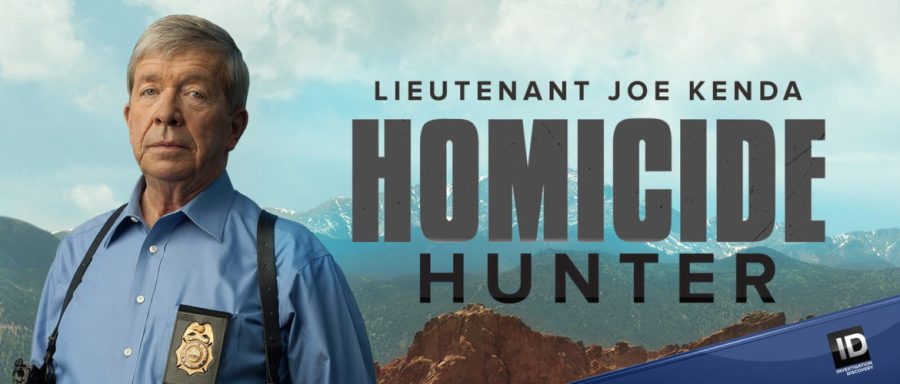
Every Body Tells Its Own Story -Bad Blood, Homicide Hunter (Preview)
A popular army vet is found bleeding to death on the cold asphalt of a shadowy parking lot -his chest littered with too many knife wounds to count. A gruesome clue leads Kenda’s team to an unlikely killer whose motive for murder is as heartless. -Bad Blood, Homicide Hunter (S5,E1)
Editor’s note: With a cable subscription, you can download the free ID Go app and watch Investigation Discovery programming at your convenience. And for those who do not have cable, you can watch “unlocked” episodes on the ID Go app including the latest premieres. For those who prefer commercial free programming during your binge session, Prime Video has an ID channel: ‘True Crime Files by Investigation Discovery” available for $3.99 a month. It’s a compilation of older seasons but totally worth the cost if you are a true crime addict. Download the ID Go app or purchase ID True Crime Files & binge away.
ID Go: A young couple finds their paradise in a Vancouver, Washington housing development with strict codes of community conduct. But someone forgot to tell their neighbour the rules, and he will resist them at all costs. -Landlord, Death Lord, Fear Thy Neighbor (S2, E12)
Date: October 31, 2014 Victims: Erich Mounce, 46, and Abigail Mounce, 33, both employed at local silicon wafer manufacturing plant Offender: John Kendall, 59, Air Force veteran, disabled Location: Vancouver, Washington Circumstances: John got annoyed by the smoke from a BBQ grill, John started building a shed for his vacuum repair business but this went against HOA rules (no commercial businesses), the Mounce family was concerned about dust from John’s business, HOA rules were not enforced in the beginning, John’s noisy construction was bothering the Mounces, John’s guest vehicles were blocking the Mounce’s driveway and interfering with traffic flow, John was renting out rooms in his home to tenants (5 at the time), John’s house was like a multi-family apartment complex (against the HOA rules), John refused to follow the HOA rules, John was never held accountable for breaking the HOA rules, John felt like he was being harassed, John said he was not going to be told what to do with his property, John would hammer and turn on skill saw during day impacting Abigail’s studying and sleep, John ignored the Mounces when they asked him to quiet down, someone vandalized the Mounce’s BBQ grill, burglaries and robberies started occurring in the neighborhood, the neighborhood was concerned about John’s transient tenants because John would rent to anyone, John’s tenants had no regard for the neighborhood, the developer and the HOA would not assist the Mounces, John put up a tarp to hide the neighbor’s view of his property (eye sore), John installed a halogen light that shined into the neighbor’s windows (clear act of intimidation), John poisoned the Mounce’s trees, John shot Erich in the face with a water gun, Erich called the police and asked them to press assault charges, John said Erich assaulted him and threatened to rape him, the police blew the whole incident off, living next to John’s shed was like living next to a toxic dump site, the Mounce’s got a civil lawyer to address their concerns in court, written request for John to take down his shed, evict his tenants, stop working from home, he had 30 days to comply, John refused the registered letter, John felt bullied by the neighbors, John’s tenants didn’t help the situation, numerous problems with the tenants including illegal drug activity and fights, John wanted to work out a deal with the County and rent out rooms to sex offenders, the Mounces put their plans for a family on hold, the Mounces took John to court, John represented himself, John said bizarre things while in court, court decided John had to evict his tenants within 30 days, stop vacuum cleaner business, and remove the shed, the judge awarded the Mounces $3000 a month every month John was in violation of the court order, John was furious after losing court battle, John threatened to kill Abigail and Erich, Erich confronted John and told him not to threaten his wife, John threatened to kill Erich and Abigail again, the Mounces called the police but they didn’t do anything, John lied and twisted stories around making Erich look like the bad guy, John walked around with a weapon on his side, John owed the Mounces close to $60,000 after months of ignoring the court order, John finally knocked down his shed but wouldn’t evict his tenants, John was summoned to court for contempt, John went to the Mounce’s attorney’s office in an attempt to confront the lawyer, lawyer was concerned about personal safety, on way to court, John runs out of his house and follows the Mounce’s in their car, he pulled up beside them and shot at them three times, Abigail was shot in the head but lived, John turned his car around and shot at them again with his AK-47 for a total of 17 times, Erich escapes harm, John killed himself and was found 2.5 hours later, John wanted revenge, Abigail is severely disabled Disposition: Suicide
In the News:
John Kendall, 59, died Friday of an apparently self-inflicted gunshot wound after shooting neighbor Abigail Mounce and leading police on a manhunt in Central Vancouver. -The Columbian (October 31, 2014)
Editor’s note: With a cable subscription, you can download the free ID Go app and watch all of the Investigation Discovery programming at your convenience. And for those who do not have cable, you can watch “unlocked” episodes on the ID Go app including the latest premieres. Download the ID Go app and binge away. For those who prefer commercial free programming during your binge session, Prime Video has an ID channel: ‘True Crime Files by Investigation Discovery” available for $2.99 a month. It’s a compilation of older seasons but totally worth the cost if you are a true crime addict.
Allegations of mistreatment persist inside units designed to heal wounded soldiers
“NBC 5 Investigates has learned that the U.S. Army has launched a new investigation inside Fort Hood’s Warrior Transition Unit (WTU), looking at claims of harassment and abuse.
The investigation comes after NBC 5 Investigates partnered with The Dallas Morning News for a six-month investigation that revealed hundreds of complaints from injured soldiers who said commanders harassed, belittled them and ordered them to do things that made their conditions worse at three Warrior Transition Units in Texas: Fort Hood, Fort Bliss and Fort Sam Houston.”
On February 12, 2015, President Obama signed the Clay Hunt Suicide Prevention for American Veterans Act into law at the White House. -The Obama White House (February 12, 2015)
Summary: Learn more about the Clay Hunt Suicide Prevention for American Veterans (SAV) Act and the Administration’s commitment to help veterans.
The new suicide prevention law is named in honor of Clay Hunt, an extraordinary young Texan and decorated Marine who served with distinction in Iraq and Afghanistan. Like too many of our veterans, Clay struggled with depression and post-traumatic stress after he came home. Sadly, Clay’s life ended much too soon when he tragically committed suicide in 2011 at the age of only 28.
This new law builds on a long history of executive actions the President has issued to improve access to mental health services for members of the Armed Forces, veterans, and their families. The Clay Hunt Act will:
Require annual third-party evaluations of VA’s mental health care and suicide prevention programs
Create a centralized website with resources and information for veterans about the range of mental health services available from the VA
Require collaboration on suicide prevention efforts between VA and non-profit mental health organizations
President Obama passes law to prevent suicide among military members. -CNN (March 31,2016)
When in danger, it’s natural to feel afraid. This fear triggers many split-second changes in the body to prepare to defend against the danger or to avoid it. This “fight-or-flight” response is a healthy reaction meant to protect a person from harm. But in post-traumatic stress disorder (PTSD), this reaction is changed or damaged. People who have PTSD may feel stressed or frightened even when they’re no longer in danger.
PTSD develops after a terrifying ordeal that involved physical harm or the threat of physical harm. The person who develops PTSD may have been the one who was harmed, the harm may have happened to a loved one, or the person may have witnessed a harmful event that happened to loved ones or strangers.
PTSD was first brought to public attention in relation to war veterans, but it can result from a variety of traumatic incidents, such as mugging, rape, torture, being kidnapped or held captive, child abuse, car accidents, train wrecks, plane crashes, bombings, or natural disasters such as floods or earthquakes.
FMI from the National Institute of Mental Health, please click here.



 Allegations of mistreatment persist inside units designed to heal wounded soldiers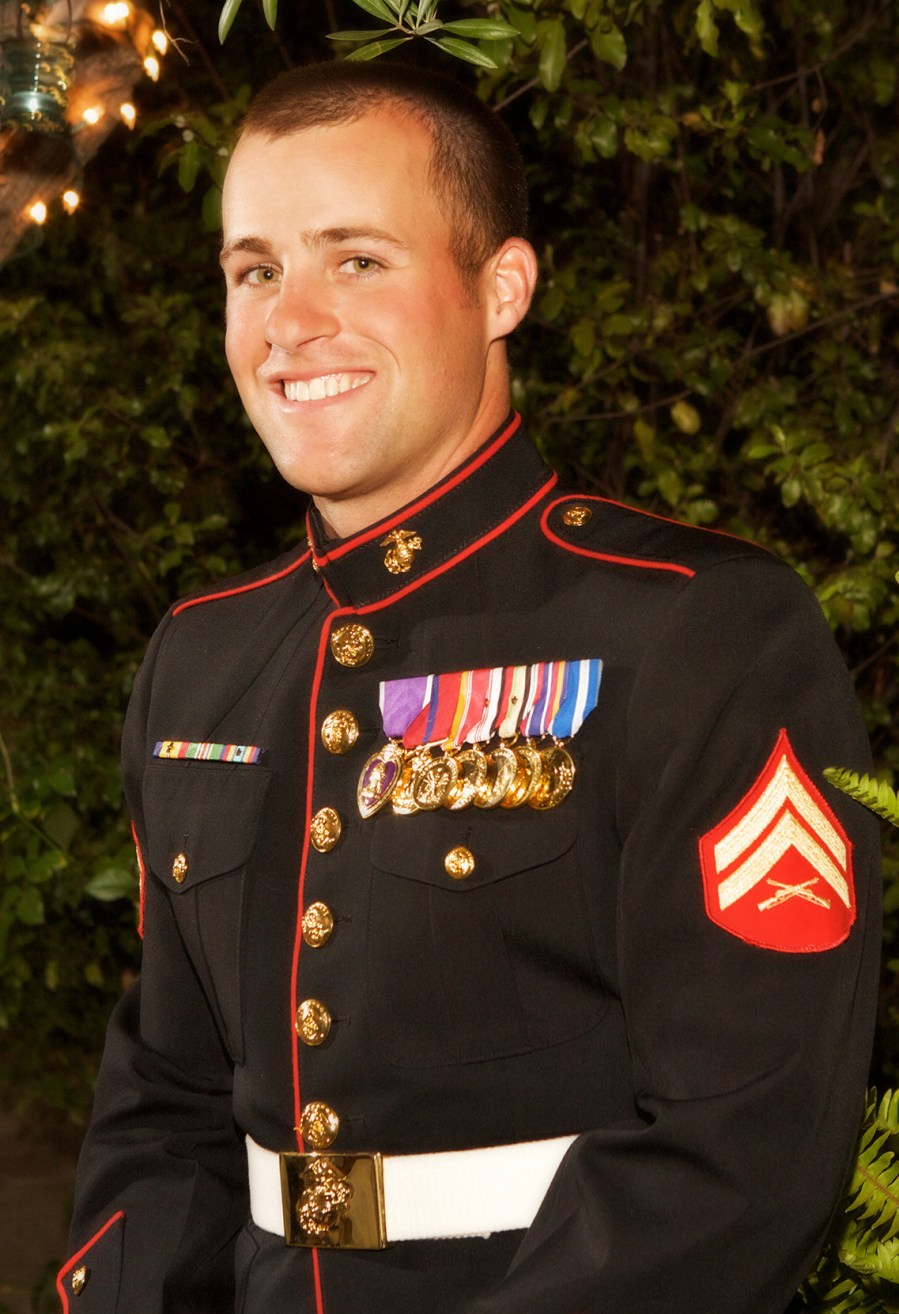
 MILITARY JUSTICE FOR ALL