Judy Buenoano was executed by the State of Florida on March 30, 1998.
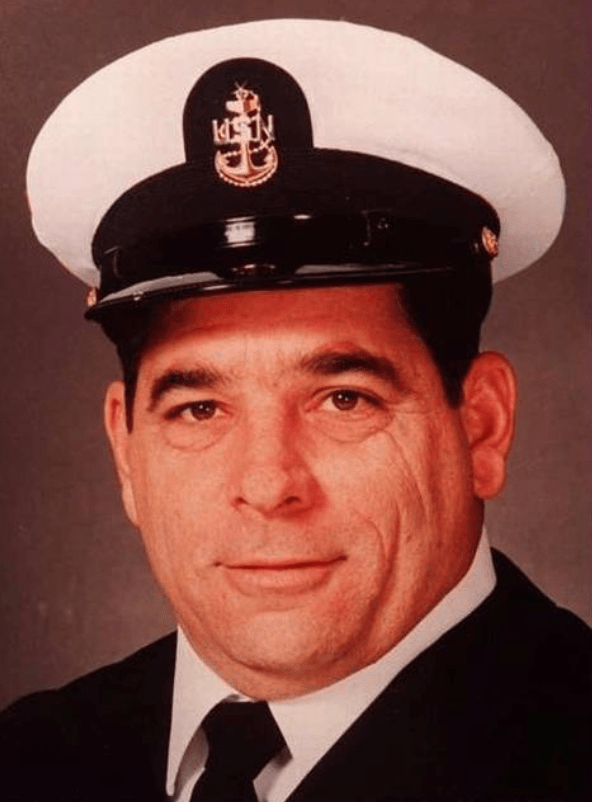
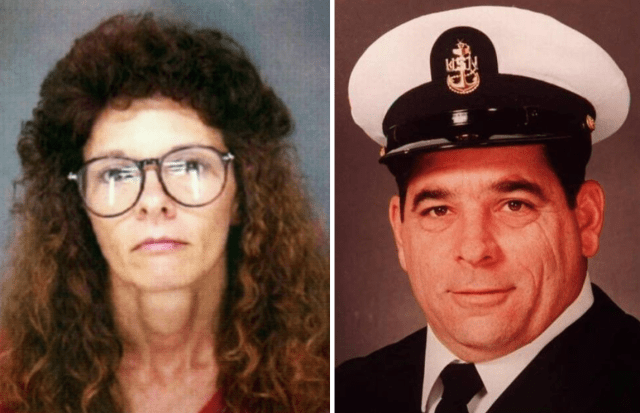
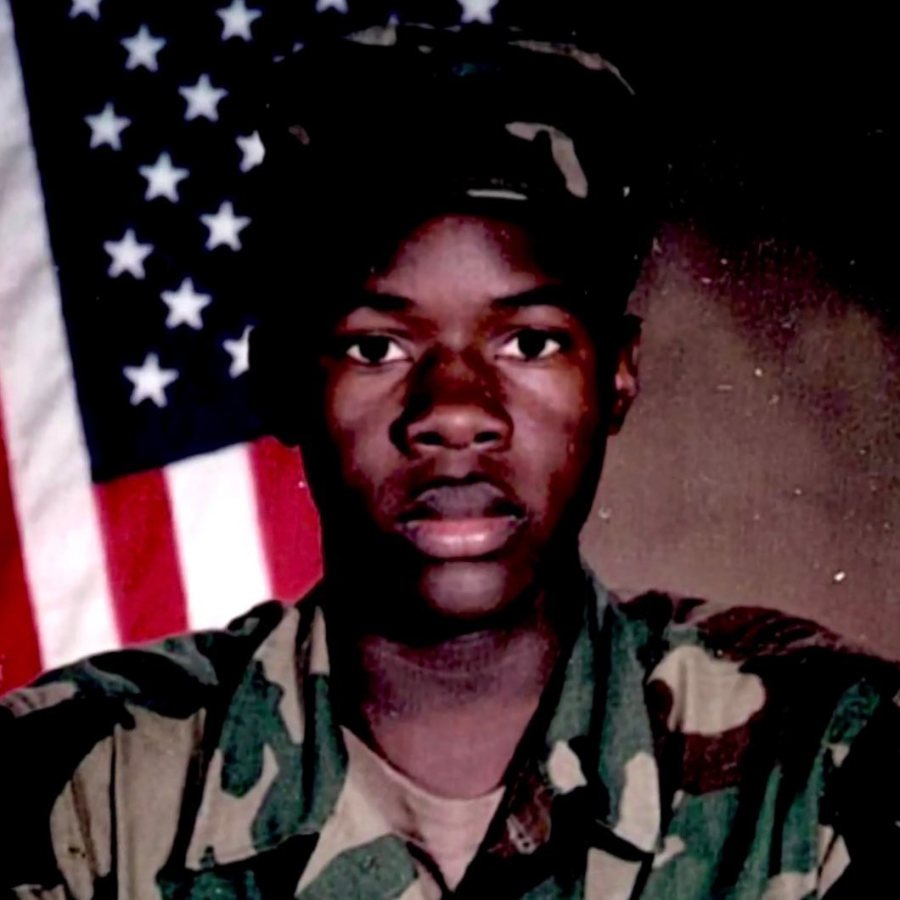
Air Force Sergeant James Goodyear, 37, died on September 16, 1971 in Orlando, Florida. Sergeant Goodyear died just three months after completing a year long tour of duty in Vietnam. He left behind his wife Judy Buenoano Goodyear and her son Michael Buenoano. Judy received $28,000 in military life insurance benefits and military death benefits to help support the family. When her son Michael turned eighteen, he joined the US Army. On his way to his post in Georgia, he stopped in to visit his mother Judy, she fed him, and afterwards he became ill. The illness led to a crippling condition that left him paralyzed in his lower extremities and he was subsequently discharged from the Army as a Private. Michael was disabled and Judy was taking care of him. On May 13, 1980 Judy took Michael for a canoe ride. Judy reported to local authorities that her canoe capsized and her son Michael had drowned. She collected $125,000 in military life insurance benefits for her son’s death.
In June 1983, Judy was suspected in the car bombing of her fiancé John Gentry of Pensacola, Florida. She stood to gain $500,000 in life insurance money for this death. Judy Buenoano was first convicted of the attempted murder of John Gentry. As a result of her involvement in the attempted murder of John, investigators looked into the ‘accidental deaths’ of her husband James Goodyear and her son Michael. They exhumed John’s body a decade later and an autopsy revealed he had been poisoned with arsenic. Testimony revealed long-term arsenic poisoning had actually caused her son Michael’s disability. And when Judy drowned him, he was wearing an extra 15 pounds of weighted braces. Judy reportedly admitted to being involved in the 1978 death of her boyfriend Bobby Joe Morris as well. She received $50,000 in life insurance benefits for his death. Judy Buenoano was found guilty of first degree murder and sentenced to death. She was executed by the electric chair in Florida on March 30, 1998. Judy Buenoano was motivated by money, profit, and greed.
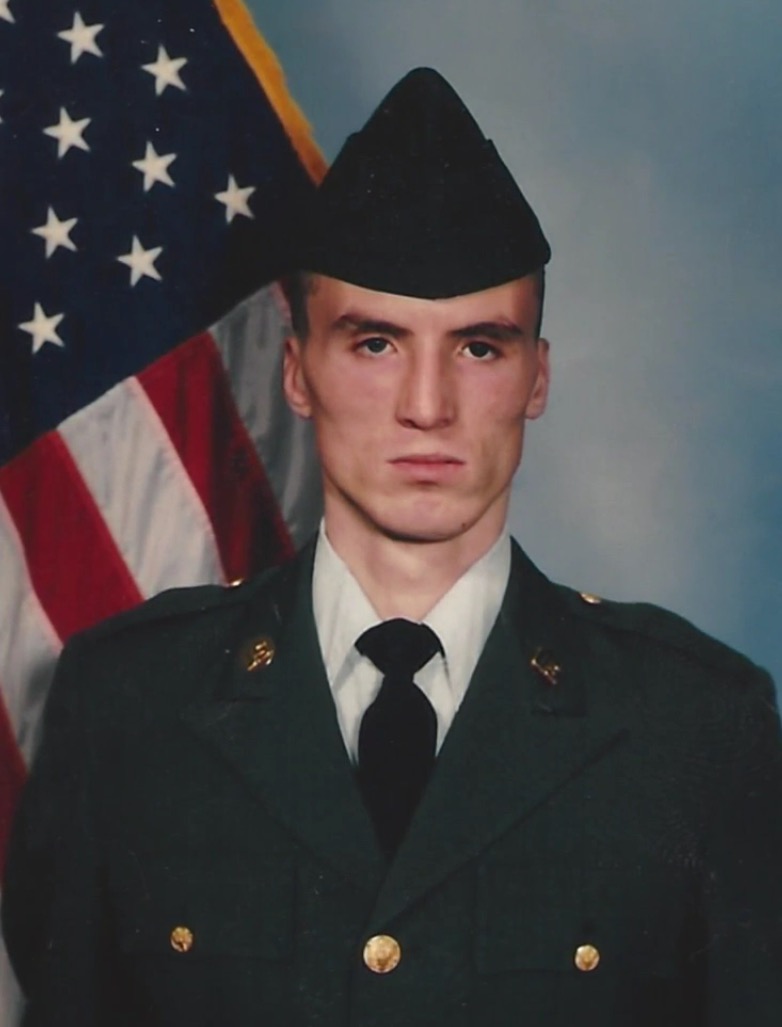
On this day, the bones of AWOL Army soldier Dannie Boy Edwards, 25, were found in a cemetery near his home in Burton, Ohio on April 13, 1997. Hunters discovered the human remains in a field next to the cemetery in Troy Township. Edward W. Edwards, 77, and his wife, Kay Edwards, took Dannie Boy into their Ohio home in the mid-1990s. Ed and Dannie were so close that he legally changed his name from Dannie Law Gloeckner to Dannie Boy Edwards. Authorities confirmed the bones belonged to Dannie Boy and deemed the case a homicide. Ed appeared to be terribly distraught after learning Dannie Boy was murdered and obsessed about solving the case for years.
It wasn’t until years later, Ed Edwards’ daughter came forward after connecting the dots between the cold case homicides dubbed the ‘Sweetheart Murders’ in Wisconsin and her father. Ed Edwards was eventually confronted by authorities and confessed to five murders in an attempt to get the death penalty: William ‘Billy’ Lovaco (1977), Judith Straub (1977), Timothy Hack (1980), Kelly Drew (1980), and Dannie Boy Edwards (1996). Ed Edwards admitted to luring Dannie Boy to a secluded cemetery near their home in June 1996 and shooting him twice in the chest with a 20-gauge shotgun. He buried the body in a shallow grave in a field nearby. His motive was the $250,000 life insurance pay-out.
Ed Edwards persuaded Dannie Boy to join the Army because it would be good for his character. Dannie Boy joined and after training was supposed to get stationed in Korea. But at some point during training, Dannie Boy was injured so the Army was going to medically discharge him instead. Ed Edwards convinced Dannie Boy to sign up for the maximum amount of coverage offered by the Servicemen’s Group Life Insurance (SGLI) benefit. Dannie Boy signed up for $250,000 dollars worth of life insurance coverage and Ed was the sole beneficiary. Ed Edwards knew if Dannie Boy was let out on a medical discharge, he would no longer be eligible for the benefit.
Ed Edwards talked Dannie Boy into going Absent Without Leave (AWOL) two days before his discharge. Ed told investigators that he killed Dannie Boy because he wore out his welcome by stealing credit cards and other belongings from his children. But the truth is he stood to make $250,000 dollars in life insurance benefits if Dannie Boy died and he wanted to collect on it. Ed Edwards set up the insurance fraud scheme and took advantage of an opportunity before it expired. In August 2010, Ed Edwards was sentenced to death. Ed Edwards was already in poor health when arrested and as a result died of natural causes in 2011, one month before his execution date.
If you have information pertaining to additional crimes related to Edward Wayne Edwards, please call 800-FBI-TIPS.
Horror strikes a small Wisconsin town in 1980 after a young couple disappears and is later discovered in a field. Dubbed the Sweetheart Murders, it’s almost 40 years before a woman comes forward saying her family holds the key to unlocking the case. -People Magazine Investigates
Army veteran Doug Gissendaner was murdered by his wife Kelly and her lover Gregory Owen in Auburn, Georgia on February 7, 1997. Doug met his wife Kelly in 1989 in Georgia. Kelly was a party girl and had already been married for six months and divorced when she met Doug. She had a child from her previous marriage and Doug welcomed the child with open arms. Within two months, they were married and then Kelly got pregnant. Doug loved being a father, husband, and family man. Then Doug joined the Army and got stationed overseas in Germany. While Doug was away, Kelly resorted to her old ways and started partying at the clubs on base. Kelly loved being on base with soldiers since the military base was a ready supply of men. It was reported that Kelly was so promiscuous on base that eventually she was asked to leave and her and the children were sent back to the United States.
In 1991, Doug returned home from his enlistment in the Army. He decided to forgive his wife and they reunited. Shortly after the reunification, Doug learned that Kelly was pregnant with someone else’s child. He was disappointed to say the least as he wanted to keep his family together. Divorce was inevitable. But after three years of being alone, Doug was desperate to be with his family again. The couple remarried and moved in together. Doug put up with Kelly so he could be a family man and provider to the children. Kelly wanted a house so Doug bought her one. What Doug didn’t realize is that Kelly was having an affair with 25 year old Gregory Owen. Kelly approached Owen about three months prior to the murder and asked him to get rid of Doug. Owen didn’t take her seriously initially and suggested she simply divorce him.
On the day of the murder, Kelly drove Owen to her residence in Auburn where he would wait for Doug with a knife and a nightstick that she provided to him. Kelly went out drinking with her friends to establish an alibi. Owen ambushed Doug when he got home and forced him into his own vehicle. He then took him to a remote wooded area where he forced him on his knees, hit him on the head from behind with the nightstick, and stabbed him in the neck ten times. Owen paged Kelly after he was done. Kelly showed up to the crime scene, demanded to see the body, and used gasoline, an accelerant, to set Doug’s car on fire. Kelly Gissendaner reported Doug missing to the police the following day. Investigators suspected Kelly immediately because they believed she was not being truthful. They found Doug’s body eleven days later.
Kelly eventually admitted to police that she was having an affair with Gregory Owen and this tip led investigators to the man who would eventually confess to the murder of Doug Gissendaner. Owen was tormented with guilt and felt manipulated and used. As a result, Owen testified at Kelly’s trial that she wanted to cash in on an insurance policy and become the outright owner of the marital home. In exchange for his testimony, Gregory Owen was sentenced to life in prison with the possibility of parole in twenty-five years. Kelly Gissendaner maintained her innocence but was found guilty of malice murder and sentenced to death in 1998. She lived her prison life in solitary confinement and was executed by the State of Georgia on September 30th, 2015. Kelly Gissendaner wanted things her way no matter the cost and conveniently had her husband killed after he bought her a house.
Investigation Discovery:
For these women, one good man wasn’t enough. A middle-aged woman used looks to prey on elderly gentleman; an army wife didn’t want a soldier but a squad; and a serial wife cooks up meals to die for. These Deadly Women married for the money, honey. -Deadly Women (S8, E11)
Editor’s note: With a cable subscription, you can download the free ID Go app and watch Investigation Discovery programming at your convenience. And for those who do not have cable, you can watch “unlocked” episodes on the ID Go app including the latest premieres. For those who prefer commercial free programming during your binge session, Prime Video has an ID channel: ‘True Crime Files by Investigation Discovery” available for $3.99 a month. It’s a compilation of older seasons but totally worth the cost if you are a true crime addict. Download the ID Go app or purchase ID True Crime Files & binge away.
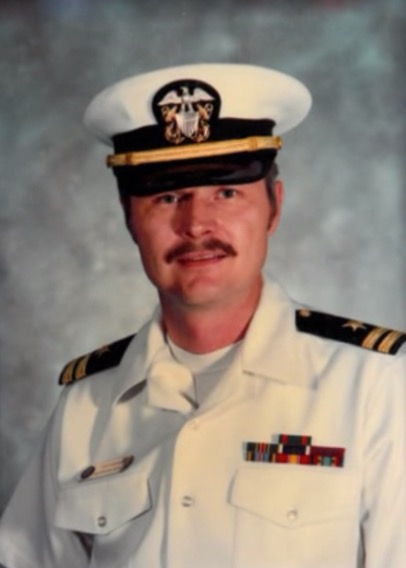
Just off the coast of Spain, the U.S.S. Forrestal cruised through open waters on the Mediterranean Sea. This particular aircraft carrier had the ability to unleash total devastation on the enemy. But below deck, one Navy sailor was fighting off an enemy in his body. Lt. Lee Hartley was complaining of diarrhea and lethargy. He also experienced excessive weight loss and there was a grayness to his skin. Hartley was a career Navy sailor, having served nineteen years, and the Lt. in the ship’s disciplinary office. A month into his current deployment, Lee became violently ill with severe stomach pains and a strange tingling in his hands and feet. He was treated by the ship’s medics for gastrointestinal problems. A couple weeks went by and the symptoms reappeared, each time getting progressively worst. The onboard medics thought maybe he was exposed to something in a foreign port.
Lee Hartley also assumed it was food or water he consumed while visiting one of the foreign ports. Whatever the cause, Lee’s symptoms were spiraling out of control. He endured nearly two months of agony. When Lee wasn’t getting better, the Navy decided to ship him off to a hospital so he was medi-vaced to Jacksonville, Florida. Lee’s wife Pamela rushed to his bedside. Pam and Lee were newlyweds; they were married a year earlier. Doctors ran a battery of tests to help make a diagnosis. Some believed he might have liver disease or hepatitis or even some kind of poisoning but they couldn’t come up with a definitive diagnosis. Lee commented to multiple people that he thought he was dying because he was so gravely ill. On November 18, 1982, after nearly five months of terrible suffering, Lt. Lee Hartley succumbed to massive organ failure.
Before he set out on his final deployment, Lee Hartley was living the life he had always dreamed of. Lee loved the Navy and his family was very proud of him. He joined the Navy as an enlisted man and then became an officer. Lee was happy with Pam and was looking forward to the end of long deployments so he could spend more time with her. They didn’t have children of their own but Lee had a daughter from a previous marriage. Pam was now a devastated widow and waited for the autopsy to determine the cause of her husband’s death. When the results came back, they revealed Lee died from arsenic poisoning, nearly 1000 times the normal level. His liver, kidneys and blood was full of arsenic and Lee had enough arsenic in him to kill several people. Arsenic is a odorless, colorless, and tasteless chemical. This information led to a murder investigation.
An investigation was immediately launched to find out how that much arsenic entered Lee’s body. Investigators could not imagine how Lee came into contact with that much arsenic aboard a ship. Special Agents Jerry Whitaker and Walter O’Brien of the Naval Criminal Investigation Services (NCIS) were assigned to the case. The two actually knew Lee Hartley and served side by side on the U.S.S. Forrestal with him. They start with the simplest possibility: was this an accidental poisoning? They checked to see if there were large amounts of arsenic on the ship but that theory was instantly put to rest. The supply officer on the ship maintained records of everything that was onboard the ship and according to him, there was no substance on board the ship that contained arsenic. This meant there was no way Lee came into contact with arsenic onboard the ship, at least not by accident. Agents wondered if someone deliberately dosed Lt. Lee Hartley.
The NCIS agents broke the news to Lee’s family. When Pam found out about the arsenic poisoning, she reacted with shock. Pam’s mother-in-law was the one to break the news to Pam that someone may have killed her husband. The agents didn’t know who killed Lee but they knew how so they launched a search for suspects. They looked at who had something to gain if Lee died and one main suspect emerged, his wife Pamela Hartley. Pam had the motive because she stood to inherit a lifetime of military benefits but how did she poison her husband while he was on a ship thousands of miles away? When agents checked her travel itinerary, they discovered Pam traveled to port in Spain to spend time with Lee. Quite often, when a ship visits a foreign port, it’s common for a group of wives to visit that port. One of those wives was Pam Hartley.
Pam traveled to Spain and met with Lee and another military couple. On one of those days, Pam offered to cook breakfast for everyone and she even made drinks too. Soon after that visit, Lee got violently ill, along with his friend who had eaten breakfast with him. At the time, they both thought they got sick from drinking Spanish water, the friend recovered but Lee kept getting worse. Over the next two weeks, Lee had severe cramps, diarrhea, nausea, and vomiting so he reported to the ship’s medical department. Agents wondered if Pam laced her husband’s food and drink with arsenic during that Spanish shore leave. It was a chilling scenario but one that became more plausible as agents found out about Pam’s unique job experience. They learned that Pam worked at the Department of Energy facility in Akon, South Carolina for one year.
Pam used to be an environmental technician and one of her job duties was to analyze water samples to determine heavy metal levels. At her job site, she came in contact with a range of toxic chemicals, including arsenic. Was Pam the victim of circumstantial evidence or heartless black widow? Agents wanted to perform a polygraph because they were convinced she wouldn’t pass. She was their prime suspect because she had the opportunity to spike her husband’s food and drinks when she went to Spain at his port of call. On the surface, there was nothing suspicious about Pam so agents conducted interviews of Hartley’s neighbors. The pair appeared to have a normal family and were described as nice people. But gossip soon found its way from officer’s wives club and this information painted another picture.
With their husbands overseas, the Navy wives would get together at parties and drink. And after a few drinks, they weren’t afraid to say anything. There was talk among the wives that life was so much better when the men were at sea. Some even suggested they get rid of them. But it was a party atmosphere so nobody really took it seriously, except maybe Pam. In one interview, Pam made a comment to a friend about hiring a hitman to kill Lee but was taken as a joke by the witness because they had been drinking. As special agents dug deeper, they found out Pam and Lee were having some marital problems. Pam was a free spirit who liked to go to the officer’s club and dance with other men. Apparently, this made Lee extremely jealous. And Lee may have had reason to be jealous because Pam admitted to friends that while Lee was off at sea, she found it to be difficult to be faithful.
For NCIS agents, it all added up to a classic scenario: a bored wife feels trapped in her marriage so she poisons her husband… Under questioning, Pam insisted that she loved Lee and swore she has nothing to do with his death. And she agreed to take a polygraph test to prove her innocence. Agents were convinced she wouldn’t pass the polygraph but the results indicated that she wasn’t being deceitful. The agents concluded Pam didn’t have anything to do with Lee’s death. In addition, lab results blew a hole in their theory because the toxicology analysis on Lee’s hair pinpointed the dates he was exposed to the arsenic. His first dose was before Pam’s trip to Spain. Hair grows about a centimeter a month and testing of the hair provided a timeline of when the poison entered his body. The hair samples indicated that Lee was poisoned 5-6 months prior to his death.
The arsenic timeline showed Lee Hartley was first poisoned while Pam was thousands of miles away in Jacksonville, she had a persuasive chemical alibi. Armed with the new evidence that Lee was poisoned while on board the U.S.S. Forrestal, NCIS agents confronted a massive crime scene. The U.S.S. Forrestal was a floating city with 5000 potential suspects. And like any large city, the carrier had personnel dedicated to maintaining law and order. As the ship’s discipline officer, when sailors ran afoul with Navy regulations, it was up to Lee to administer punishment. This likely didn’t make him a lot of friends on board. Because of his work, Lee was exposed to people who might have had a grudge or an axe to grind against the Navy or the legal office or a person. As agents conducted more interviews, they learned of a disturbing rumor involving Lee.
During the investigation, there was an indication that Lee had received an anonymous death threat. The rumor about the death threat was backed up by Lee’s parents. They told agents what Lee shared with them while he was home in Mayport. Lee told them he was walking about the ship when someone angrily confronted him. Now Agents wanted to eliminate or find somebody who may help them understand what happened. A search of Lee’s cabin revealed a clue. They found a collection of letters written by Lee himself. In one of those letters, Lee described a near death confrontation with another sailor aboard the ship. He described how he came across someone who had a sword. But, if there was an altercation, Lee never reported to his superiors. Why would Lee choose to keep it secret but share it with his parents? Was Lee leaving a trail of evidence?
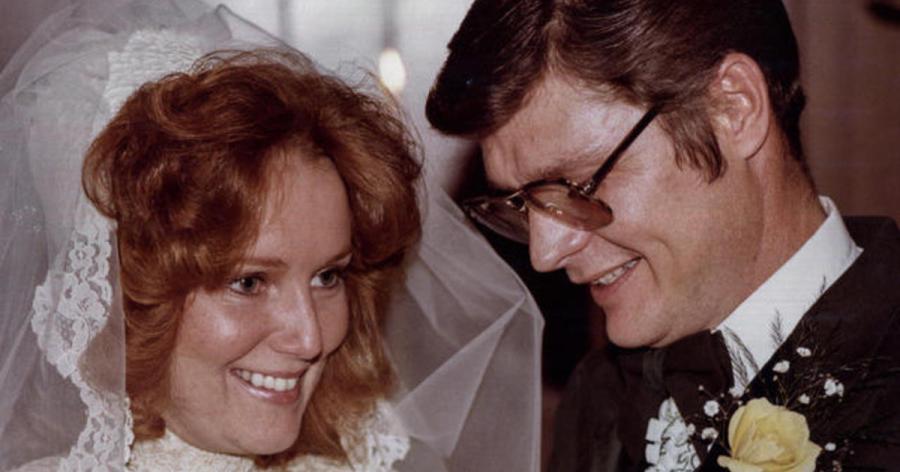
Pamela and Verle Lee Hartley, U.S. Navy (photo: CBS)
In an effort to track down subjects, agents used Lee’s toxicity reports which showed a continuous pattern of poisoning over a 5-6 month period of time. Agents shared when investigating poisoning deaths, you need to establish an opportunity of who during that time would have had access to both Lee and poison. There were spikes in Lee’s arsenic levels during his deployment at sea, at the port of call in Spain, and even when he was at the hospital in Jacksonville. One person who was at Lee’s side throughout his months of agony was his cabin mate Lt. Samuel Yates. They seemed to get along well but tension builds up month after month when living in close proximity together trapped on a ship. Lee was also in direct competition with his roommate for advancement.
Both Lee Hartley and Lt. Yates wanted desperately to be promoted to Lt. Commander. Was there a feud simmering between them, a rivalry that turned deadly? As agents developed information on the roommate, rumors began to circulate that had already been rampant on the ship. After Lee’s death, Lt. Yates allegedly waisted no time going after his roommate’s young wife who was grieving and vulnerable. At Lee’s funeral, he paid his respects by reportedly seducing the pretty widow. Agents knew they needed to take a closer look at Yates. And when they did, they found a chilling piece of evidence. Lee’s cabin mate was asked to give them a blood sample to see if it tested positive for arsenic or other heavy metals. As a result, they learned Yates had some elevated amounts of arsenic in his blood stream, the same poison that killed Lee.
Lt. Yates’ low level arsenic exposure was consistent with someone who had handled the substance. But the test results were not remarkable because Yates would have been exposed to all the same environmental factors as Lee. If someone was trying to harm Lee, Yates could have easily been exposed to the same food and drinks in foreign ports. Although a lot of circumstantial evidence pointed to the roommate, a thorough search of Yates’ belongings showed no traces of arsenic. They could only conclude that Yates was a collateral victim of whoever was poisoning Lee. As suspects were eliminated one by one, agents had to consider the possibility that the suspect they were looking for may be Lee Hartley himself. One of the NCIS agents said when they don’t have anymore theories, they have to think outside the box. The agents considered that Lee may have ingested the arsenic intentionally.
It appeared Lee Hartley had everything going for him and he loved his job on the U.S.S. Forrestal. He also had a beautiful young wife waiting for him in Florida. But NCIS agents wondered if the image of that perfect life was just a sham. The two agents knew Lee while serving with him on the carrier. When they reflected back on their time with him, they did observe some unusual behavior. After lunch, Lee regularly met up with a small group and he always appeared disgruntled. They learned Lee was drinking heavily before his deployment and thought maybe he was going through some depression. Was Lee suicidal? Did he deliberately consume the arsenic to poison himself? The pair thought the odds were high that Lee ingested the poison and brought in in a psychologist to analyze Lee’s life and letters; they found no suicidal ideation in any of his writings.
The medical evidence in this case didn’t fit the pattern of someone trying to kill themselves. Typically in a suicide case, it would be a major ingestion of poison and then it would drop off. Lee was poisoned consistently over several months. He was in horrible condition to the point that he had an ulcerated esophagus, open sores in his mouth, couldn’t talk, and could’t eat. Would Lee have voluntarily chosen to kill himself in such a slow, agonizing way? They ruled out suicide and wondered if the poisoning was an attempt to help get him off the ship. Lee made some statements to family members that he really didn’t want to go on this last deployment and his heart wasn’t in it anymore. He was upset about having more sea duty. He wanted a stateside desk job close to his wife. Did he use the arsenic to get himself off the ship? Would they send him home?
Agents considered that maybe Lee wanted to take just enough of the poison to get himself sent back home. But arsenic doesn’t leave the body and instead builds up over time. The agents theorized Lee may not have understood its cumulative effect over time. Maybe, Lee didn’t realize it made him sicker and sicker with every dosage. Did his scheme backfire by taking one dose too many? This theory didn’t hold water though because there were no tell tale signs in Lee’s belongings that led anyone to believe he had handled arsenic. And toxicology evidence showed that the poisoning continued even after he got back to Jacksonville. NCIS had no choice but to put the latest theory to rest. At this point, they ran out of theories, suspects, and direction and chose to close the case.
Thirteen years later in 1995, NCIS formed a cold case homicide unit. Lee Hartley’s poisoning case was one of the first cases brought to their attention. Lee’s death was reviewed at headquarters and a new team of special agents were assigned. They quickly learned that all of the physical evidence in the Lee Hartley case had been destroyed. The team had to work the case the old fashioned way so they started re-interviewing people involved in the initial investigation. Agents said its helpful to go back and talk to people because their stories change and some are more willing to tell the truth after 10-15 years has passed. Agents spoke with family, friends, and neighbors and the same name that kept coming back up was the original suspect in the case, Pam Hartley. But their big break came when Lee Hartley’s brother-in-law helped them uncover the truth.
Pam’s brother knew the dynamics of Pam and Lee’s relationship so agents wanted to speak with him. The fact the case had been reopened after all these years, caught Pam’s brother by surprise and he dropped a bombshell no one expected. He shared that Pam tried to hire him to kill Lee and offered him some of the insurance money if he did it. He kept this secret for years and when agents interviewed him this time, he told them the truth. NCIS was now convinced Pam was the killer but building a case against her wasn’t going to be easy. After all, she passed a polygraph test that indicated no deception. When NCIS had the results re-examined by current staff, they found the findings of ‘no deception’ were probably erroneously reached. The results should have been inconclusive. It was more evidence of Pam’s involvement in Lee’s death.
But after so many years, they had no physical proof, no eyewitnesses, and no way to tie Pam to the actual crime. She also had what seemed to be an ironclad alibi. She was on the other side of the world when her husband was poisoned. If she was the killer, how did she do it? Could they get her to confess? They only had one shot and needed to get Pam alone, because thirteen years ago her controlling mother was beside her running interference. The cold case team placed Pam under surveillance and tracked her every move. They learned the years since Lee’s death had not been good to her. Having squandered her inheritance, she lived with her mother and struggled with substance abuse. She treated her addiction at a hospital on a military base. On one of those occasions, she arrived alone for the appointment. The NCIS used the structured environment of the Army base to conduct the interview.
This approach allowed NCIS to conduct an interview without Pam’s mother being there. Pam nervously agreed to answer their questions. They told her there was no doubt in their mind that she did it and most of the problems in her life were most likely attributed to what she had done to her husband. They played on her guilt and told her to put it behind her and tell the truth. Pam Hartley broke down and told them what she did. She told them everything and filled in the missing puzzle pieces. She didn’t want to be married anymore. She said she was miserable and hated how possessive Lee was. But, she really liked the status of being an officer’s wife and didn’t want to lose that lifestyle. She wanted him gone but wanted to maintain her status. It was almost the perfect murder. The last time she saw Lee, she bid him farewell and then ran to a feed store to purchase rat poison. Pam sent Lee poisoned treats while he was deployed at sea.
Like a model wife, Pam created treats for Lee because she knew he had a sweet tooth. Agents learned that both Lee and his cabin mate sampled some whiskey cake that she sent Lee. Yates said he ate one piece, it was too strong, and didn’t like it. Pam wanted Lee to die at sea but the call never came so she upped the anti and traveled to Spain to poison him in person at breakfast. But it still didn’t do the job. When Lee was airlifted to the hospital in Jacksonville, Pam rushed to his side. This time, she poisoned his apple juice. Pam gave Lee the lethal dose the night before he died while pretending to care about him. After Lee died, Pam took the rest of the poison and dumped it in a pond behind their house. Her persistence finally paid off; she collected on a lifetime of military benefits minus the annoying husband. How could she have hatched such a diabolical plot? When asked why poison, she said “ladies have been using poison for years.”
Pam’s confession sealed her fate. On October 16, 1996, Pamela Hartley pleaded guilty to second degree murder in a Florida state court. Agents reminded us that Pam had a psychotic personality. She didn’t think about the cause and effect on other people; she only thought of herself and the effect on her. After nineteen years of service, Lee Hartley didn’t die in battle, his mortal enemy was the one person he loved most. Not long before Lee’s death, Lee and Pam’s brother had a conversation where Lee told him if anything happened to him, his sister would be well taken care of. He died thinking he still needed to take care of Pam. Pamela received $35,000 in life insurance money, $10,000 a year in veterans benefits, and free military medical benefits for life. Lee was a good man and the pain from the loss endures. Pamela Hartley was sentenced to 40 years in a state prison and served 16 years when she was paroled.
When a Navy lieutenant onboard a US aircraft carrier falls victim to a rare case of arsenic poisoning, NCIS investigators must scour both land and sea for his killer. With no crime scene and little physical evidence, agents must separate rumor from truth and use their best interrogative know-how to solve a deadly crime. Follow real NCIS agents as they hunt down suspects on one of the world’s largest ships and after a long 13 years finally uncover the bizarre truth behind the poisoning death of a Lt. Lee Hartley. -Dark Minds in Crime
Investigation Discovery:
John Prudhont as NCIS Special Agent Tom Assimos and John Bridell as NCIS Special Agent Dave Early and Mocean Melvin as the Narrator in an edited clip from Season 4, Episode 13 of the Discovery ID TV show “Unusual Suspects.”
ID Go:In 1982, a Naval Officer dies from a mysterious illness. When toxicology reports reveal he was poisoned, Naval Investigators sift through a ship of thousands, and countless theories before the truth behind the victim’s painful death is revealed. -Maritime Murder, Unusual Suspects (S4,E13)
[CANNOT LOCATE UNUSUAL SUSPECTS SEASON 4 ON-LINE ANYWHERE]
Editor’s note: With a cable subscription, you can download the free ID Go app and watch all of the Investigation Discovery programming at your convenience. And for those who do not have cable, you can watch “unlocked” episodes on the ID Go app including the latest premieres. Download the ID Go app and binge away. For those who prefer commercial free programming during your binge session, Prime Video has an ID channel: ‘True Crime Files by Investigation Discovery” available for $2.99 a month. It’s a compilation of older seasons but totally worth the cost if you are a true crime addict.
Navy Petty Officer Elise Makdessi worked as an Air Traffic Controller at Naval Air Station Oceana in Virginia. Elise was married to Eddie Makdessi for five years and they lived off base in Virginia Beach. Elise unknowingly helped plan, organize, and carry out her own murder and it is unclear if she was a willing participant in the original plot with Eddie to scam the government out of money or if she was controlled by Eddie. Eddie Makdessi murdered Elise Makdessi and Navy Petty Officer Quincy Brown on May 14, 1996 as part of an elaborate scam. The whole thing was a set up. Elise thought she was part of an arrangement where she would invite Quincy Brown to the house, have sex with him, then accuse him of rape. She also manufactured evidence to make it look like she was documenting sexual abuse in an effort to sue the Navy and make millions. She had journals and created what looked like a rehearsed video outlining what four Navy men, including Quincy Brown, did to her on the job.
Five years earlier in 1991 the Navy Tailhook scandal in Nevada made national headlines. Navy Lieutenant Paula Coughlin was one of the alleged victims who went public with her story. Two years before Elise and Quincy were murdered, Paula Coughlin won 1.7 million after suing the Las Vegas Hilton hotel where the Tailhook Association convention was held. Eddie must have convinced Elise that they too could make millions if they alleged that Elise was sexually assaulted on the job. What they didn’t realize is that you can’t sue the Navy; Coughlin won a lawsuit against the Hilton hotel. The Feres Doctrine prevents any soldier or their family from suing the Department of Defense for compensatory damages. Investigators believe that knowledge of this information gave Eddie and Elise Makdessi the motive to come up with the false accusation scheme to sue the Navy. Eddie was a scammer and always looking for new ways to make quick money. Elise didn’t know she was double crossed until Eddie was plunging the knife. A month before the murders, Eddie purchased $700,000 worth of life insurance on Elise.
Eddie and Elise Makdessi invited Petty Officer Quincy Brown over to the house under the guise of having a threesome. DNA evidence revealed that Elise and Quincy Brown had sex. Investigators would learn that Eddie shot Quincy first, then stabbed Elise. He hurt himself to make it appear that Quincy invaded the house, knocked him out, raped and killed Elise, and then he awoke from unconsciousness and shot the intruder. Eddie staged the crime scene and he almost got away with it. But investigators figured out this was a ‘set up’ based on the crime scene evidence, interviews with Elise’s co-workers, the video tape, and the large insurance policy. They were also savvy enough to recognize that this was a copycat case. Elise’s sexual harassment and sexual assault claims were in fact fabricated. All the men she accused of sex crimes in the video passed a polygraph examination and her supervisors testified that Elise never reported sexual harassment or sexual assault like she claimed in her video testimony. Unfortunately Quincy Brown was the pawn they used in their game and he never got the chance to see that the allegations were proven false.
Eddie was indicted in 2001. But by the time investigators were ready to arrest Eddie Makdessi for the murder of Elise Makdessi and Quincy Brown, Eddie had fled the country. They eventually caught up with him in Russia. Unfortunately, Russia did not have an extradition treaty with the United States so police could not force Eddie to come back to the states. Mike Mather, an investigative reporter, went to Russia to interview Makdessi and learned that he was remarried with a child yet things weren’t going so well for Eddie financially in Russia. After that interview, Eddie decided to leave his wife and child in Russia and go back to America to face the charges. He was going to prove his innocence and clear his name. He was sure he would beat the charges. It would be ten years after he committed the first degree murders of Elise and Quincy Brown before he went to trial. On March 16, 2006, Eddie Makdessi was convicted of two counts of murder, sentenced to life in prison, and ordered to pay a $202,500 fine. The motive was the life insurance money. He used the $700,000 payout to travel the world before settling in Russia. Eddie continues to deny committing the crimes.
Elise Makdessi’s sister, Dawn Crosby, asked the jury to “show Eddie Makdessi that my sister’s life was worth more than $700,000.” –The Virginia-Pilot (March 17, 2006)
Forensic Files:
Full Episode: Virginia Beach police arrive at the Makdessi apartment to find Elise Makdessi and her lover, Quincy Brown, dead. Elise’s husband Eddie had reported that he killed Quincy Brown in self-defense after Brown had murdered Elise. Eddie gave the police a videotape Elise had made a week before, alleging that she had been the victim of sexual harassment. -Double Cross, Forensic Files (S13,E5)
Investigation Discovery:
Paramedics respond to a horrific crime scene – a woman is found tied to a bed with slashes across her body. Next to her on the floor, a man with three gunshot wounds. Detectives spend the next several years unraveling this bizarre mystery. -Last Man Standing, Solved (S2,E10)
When a Naval Officer is apparently raped and stabbed by a coworker, a mysterious VHS tape suggests the victim may have been silenced to prevent a scandal. Dogged investigation and cutting edge forensic science reveals a shocking murder plot. -Deadly Accusations, Unusual Suspects (S7,E4)
Editor’s note: With a cable subscription, you can download the free ID Go app and watch Investigation Discovery programming at your convenience. And for those who do not have cable, you can watch “unlocked” episodes on the ID Go app including the latest premieres. For those who prefer commercial free programming during your binge session, Prime Video has an ID channel: ‘True Crime Files by Investigation Discovery” available for $3.99 a month. It’s a compilation of older seasons but totally worth the cost if you are a true crime addict. Download the ID Go app or purchase ID True Crime Files & binge away.
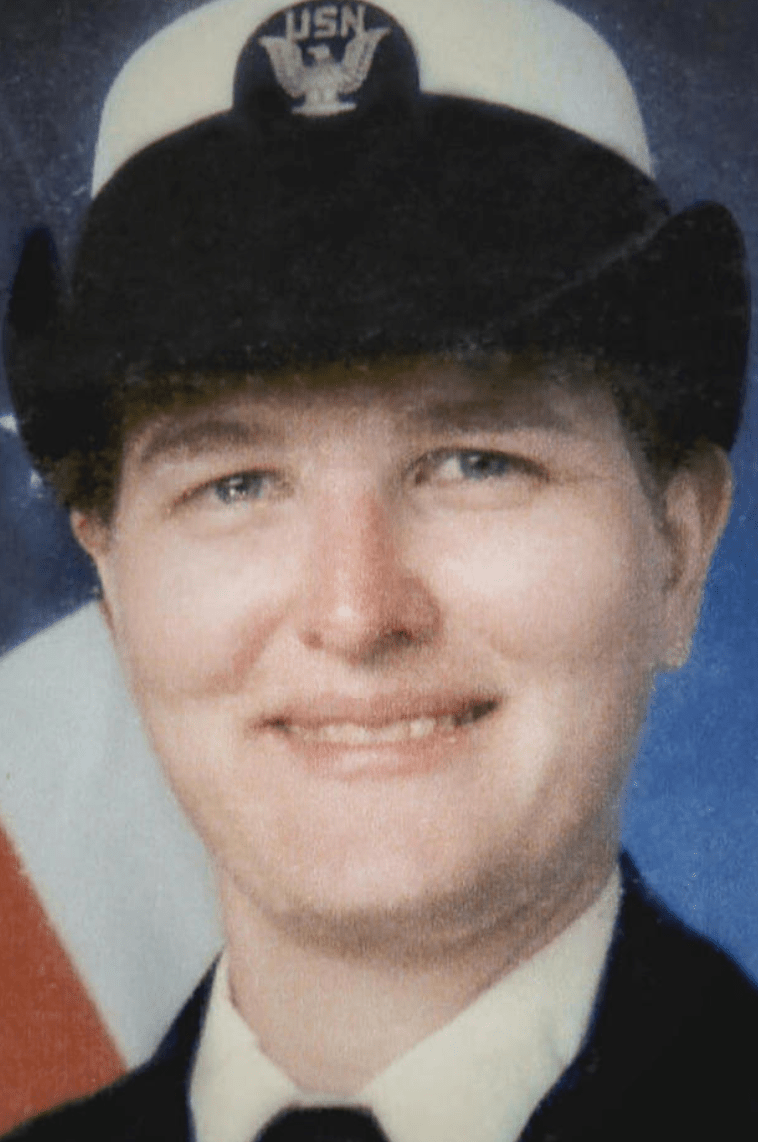
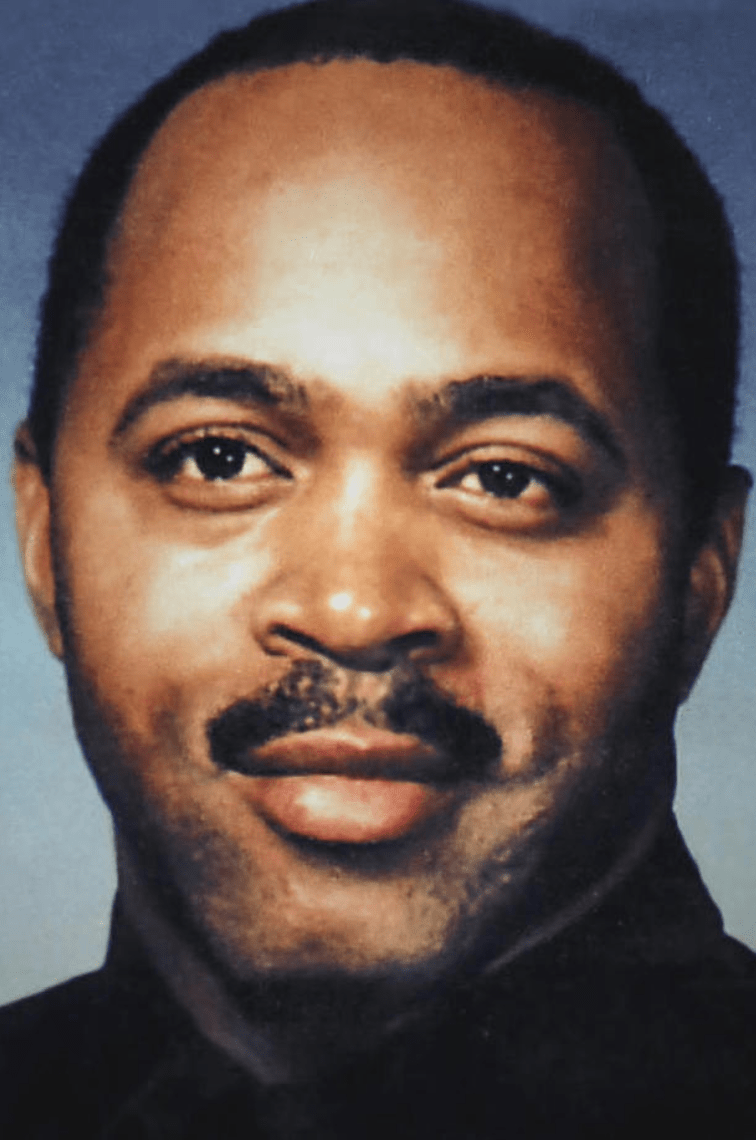
Honoring Navy Petty Officer Quincy Brown who died on May 14, 1996 in Virginia Beach, Virginia. Petty Officer Brown and Petty Officer Elise Makdessi were murdered by Elise’s husband Eddie Makdessi in the Makdessi home. Quincy Brown was lured to the residence under false pretenses, not aware that he was part of a plot that ended with murder. Eddie shot Quincy Brown and then stabbed Elise Makdessi. He told the police that Quincy Brown broke into his home, knocked him out, raped and murdered Elise, and when he awoke he shot the intruder. Forensic science proved that Eddie’s version of events were not supported by the evidence. Investigators concluded that Eddie was most likely motivated to kill by his wife’s $700,000 life insurance policy he had purchased a month earlier. Eddie Makdessi was indicted in 2001 but wouldn’t go to trial for his crimes until 2006 as he fled the country with his life insurance money. Unfortunately, the United States didn’t have an extradition treaty with Russia. After Eddie Makdessi finally returned to the US, he was charged with two counts of first degree murder, found guilty, and sentenced to life in prison. He continues to deny that he committed the crimes.
Investigation Discovery:
Paramedics respond to a horrific crime scene – a woman is found tied to a bed with slashes across her body. Next to her on the floor, a man with three gunshot wounds. Detectives spend the next several years unraveling this bizarre mystery. -Last Man Standing, Solved (S2,E10)
When a Naval Officer is apparently raped and stabbed by a coworker, a mysterious VHS tape suggests the victim may have been silenced to prevent a scandal. Dogged investigation and cutting edge forensic science reveals a shocking murder plot. -Deadly Accusations, Unusual Suspects (S7,E4)
Deadly Women on Investigation Discovery featured yet another military spouse who murdered because they were motivated by greed, selfishness, and sociopathic tendencies. While Navy sailor David Russo was at work at the Lemoore Naval Air Station in California, his wife was getting high on meth with her secret lover. Susan didn’t like that David controlled the purse strings because he might find out that she was blowing their cash on drugs. Then one day a military advisor stopped by the house to advise them of their financial affairs and Susan learned that her husband David was worth more dead then he was alive. He had a grand total of 1 million dollars worth of Servicemen’s Group Life Insurance and other insurance policies on himself. Susan saw her way out of domestic boredom and hatched up a plan with two of her drug addicted buddies, Jason Andrews and Bobby Morris. She offered them $100 to kill her husband and promised them more later after she got her hands on the life insurance payout.
On July 14, 1994, the trio striked. While David lay sleeping in his bed, the two men entered the Fresno, California marital home with Susan’s assistance, walked into David’s bedroom, and shot him one time in the back of the head. They then drove the body to a remote location so they could torch David and the car in an effort to destroy evidence. This plan would never come to fruition because they ran out of gas and then didn’t have enough gas to torch the car. When military personnel stopped by David’s home to see why he hadn’t showed up to work, Susan told them she didn’t know where he was and asked if she would still get his paycheck that week. Eventually David’s car and body was discovered by a local farmer. Of course investigators looked to the spouse first to determine what may have happened to David. Susan told investigators during the interview that they would find no evidence of wrong doing which of course intrigued them to probe further.
Susan Russo was a self proclaimed clean freak and cleaner by trade and was confident she had covered her tracks. But she did not account for the microscopic blood spatter on the headboard of the bed or the spent bullet casing located in the bedroom. Police charged Susan Russo and her two friends with the murder of her husband David Russo. Jason Andrews and Bobby Morris were both convicted of first degree murder and sentenced to 25 years to life. In 1996, Susan Russo was convicted of first degree murder and sentenced to life without the possibility of parole. Investigators described Susan as an evil, psychopathic person who manipulated her two drug addicted friends with the promises of money for more drugs. She didn’t care about David whatsoever, she only saw David as a way to cash in.
Preview: Susan Russo was a Navy wife who ran a tight ship. But she had a secret life, and devised a way to profit off her husband’s substantial military life insurance. -Cash In, Deadly Women (S10, E6)
ID Go: The stakes are high and the chips are down when these Deadly Women decide to “Cash In.” -Cash In, Deadly Women (S10, E6)
Editor’s note: With a cable subscription, you can download the free ID Go app and watch Investigation Discovery programming at your convenience. And for those who do not have cable, you can watch “unlocked” episodes on the ID Go app including the latest premieres. For those who prefer commercial free programming during your binge session, Prime Video has an ID channel: ‘True Crime Files by Investigation Discovery” available for $3.99 a month. It’s a compilation of older seasons but totally worth the cost if you are a true crime addict. Download the ID Go app or purchase ID True Crime Files & binge away.
‘Love, Blood, and War’ (S3,E4) features the military murder case of Army Spc. Anthony Riggs who was gunned down in front of his Detroit, Michigan home on March 18, 1991. Spc. Riggs was packing up his family to move to Fort Bliss, Texas when he was murdered therefore his death on active duty status included a hefty life insurance policy. Since the name of the show is in and of itself a “spoiler alert,” it should be no surprise that wife Toni Cato Riggs conspired to have her husband murdered. Although she would pretend to be the grieving widow initially, her greed and evil caught up with her in the end. Check out the show and learn more about the modus operandi of female killers. Given the make up of the military (85% male & 15% female) and the fact they are targets because of their guaranteed salary and benefits, we tend to see higher rates of female crime in this population. Research has revealed the Servicemen’s Group Life Insurance is a common motive for murder. [Happily Never After, Investigation Discovery]
Sparks fly when Toni Cato meets Army soldier, Anthony Riggs. But soon after wedding bells chime a – shadowy gunman shatters their future with five bullets to the head. Police are left with a twisted tale of family betrayal, greed, and deception. -Love, Blood and War, Happily Never After (S3,E4)
Editor’s note: With a cable subscription, you can download the free ID Go app and watch Investigation Discovery programming at your convenience. And for those who do not have cable, you can watch “unlocked” episodes on the ID Go app including the latest premieres. For those who prefer commercial free programming during your binge session, Prime Video has an ID channel: ‘True Crime Files by Investigation Discovery” available for $3.99 a month. It’s a compilation of older seasons but totally worth the cost if you are a true crime addict. Download the ID Go app or purchase ID True Crime Files & binge away.
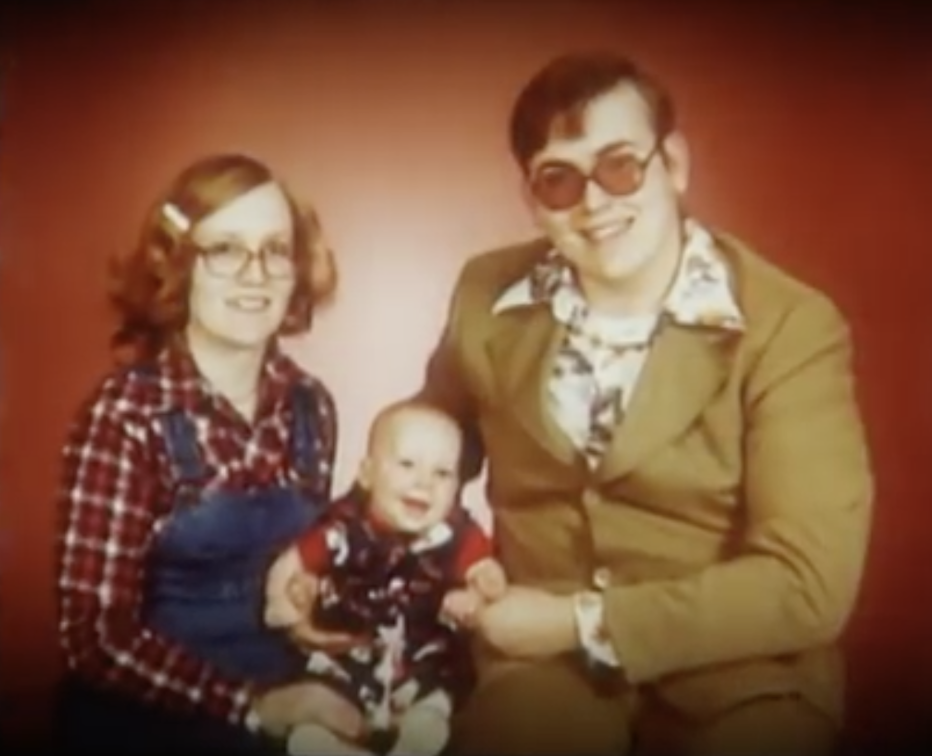
Julie Snodgrass and MSgt Joseph Snodgrass, U.S. Air Force (Photo: Forensic Files)
Military spouse Julie Snodgrass, 33, was found stabbed to death near Clark Air Force Base in the Philippines on February 26, 1991. Julie was discovered in the cab of her pickup truck on an isolated road off base and an autopsy revealed that she was stabbed more than 42 times. The Air Force Office of Special Investigations (AFOSI) had jurisdiction of the case. During the investigation, they found evidence on Air Force Sgt. Joseph Snodgrass’ work computer that linked him to the crime. AFOSI found a letter addressed to his mistress asking for help with the murder of his wife. He also talked about the life insurance policy he had purchased in the event his wife died. The letter disclosed that Snodgrass elicited the help of his housekeeper (and lover), a Philippine native, to hire three hitmen to carry out the crime. The pair could then be together and live off the $400,000 life insurance pay out. During an interview with AFOSI, Sgt. Snodgrass grabbed the floppy disks and cut them to pieces with some shears.
Computer forensic scientists were able to find a way to put the disks back together so the data was readable again. This was the evidence the Air Force needed to make their murder-for-hire case. In the meantime in June 1991, Mount Pinatubo erupted resulting in layers of volcanic ash falling on Clark Air Force Base and Naval Base Subic Bay. Amidst the chaos, Snodgrass attempted a jail break in August 1991 while awaiting trial but lost his bearings in the ashy mess and eventually surrendered. The eruption’s aftermath triggered the decision to withdraw all American Forces from the Philippines. Joseph Snodgrass pleaded guilty to the solicitation of his wife’s murder and was sentenced to life with no parole in a military prison. As a result of the forensic history made by piecing the floppy disk back together making it usable again, the military changed the policies pertaining to the destruction of classified data on floppy disks. The AFOSI’s “catastrophic blunder” was made right and secure communications destruction policy was changed as a result of the lessons learned when forensic scientists made history.
When the wife of a serviceman was brutally murdered in the Philippines, the Air Force Office of Special Investigators swung into action. Clues led to the victim’s husband, but he insisted he was innocent. Investigators would have to do something unprecedented: Reassemble a 5 1/4 inch computer disk which had been cut to pieces with pinking shears. -Shear Luck, Forensic Files (S10,E9)
Editor’s Note: Full episodes of Forensic Files are available on a variety of media platforms. Medical Detectives Channel features full episodes of Forensic Files on YouTube. You can also find full episodes of Forensic Files on both Netflix and Amazon Prime Video. On Netflix, the seasons are grouped as collection 1-9. On Amazon Prime Video, you can find Season 1-10 here; Season 11; Season 12; Season 13; Season 14; Season 15; Season 16; Season 17; Season 18; Season 19; Season 20; and Season 21. Start bingeing and see for yourself why Forensic Files is such a hit!
Update (April 11, 2021:
Today, we were informed that Forensic Files got the narrative wrong and Air Force OSI did not commit a “catastrophic blunder.” MJFA reminded said person that if they weren’t hiding all the crime and death from the public, we’d know more about the case details. We simply are repeating what the crew at Forensic Files said. First this person reminded us, the floppy disk was destroyed in their presence because according to Forensic Files, they were “momentarily distracted.” Then they failed to address the fact an accused killer had a pair of scissors on his person, both a danger to OSI and other Air Force personnel. And finally, Joe Snodgrass worked with AFOSI and knew prior to his interview he was going to be questioned about the floppy disks, so he came prepared to destroy them.
Lt. Joe Kenda, a homicide detective with the Colorado Springs Police Department, was angry when he found out about this murder. Whoever did it gunned down a housewife and mother and he vowed to catch them. On September 12, 1990, a Lupus support meeting was held in a recreational area in Colorado Springs, Colorado. One of the participants was Dianne Hood, who just 18 months earlier after her third child was born, was diagnosed with Lupus. But Dianne was a fighter and was in remission. After the meeting let up, she walked outside with a fellow Lupus support group member, Karen Johnson, and was robbed and shot twice. Karen went flying back into the building and informed the others that Dianne had been shot. Another support group member Sarah was a registered nurse so she ran outside to help. Sarah found Dianne laying in a pool of blood and observed her gasping for breath as she began compressions. EMTs arrived on the scene and took over for Sarah. Dianne had two bullet wounds, one in the shoulder and the other in her chest area. She was pronounced dead at the hospital. This crime sent a shockwave through the community.
After Lt. Kenda arrived on the scene, he found blood on the ground and a couple shocked witnesses. It was assumed initially that this was a robbery gone bad. Kenda interviewed Karen Johnson first because she was the best witness he had. Karen reported that she and Dianne were walking to their cars when they heard footsteps from behind. The person was wearing dark clothes and a ski mask. Dianne gave up her purse to the robber and began to run. The shooter first fired at her shoulder and that put her down and then this person fired a fatal shot at her chest. Everything did in fact look like a robbery gone bad. Unfortunately, Karen didn’t know much about the shooter aside from they were shorter they she was. Kenda and fellow police officers began canvassing the area to see if they could find any additional evidence. Criminals usually have a planned exit so Kenda used a K9 unit to comb the area looking for the scent of the shooter. About about a mile, the dog locked onto a scent. The dog led officers to a garbage can and then sat down. This is dog’s alert system. Inside the garbage can the police found an olive drab field jacket, a pair of gloves, a black ski mask, and some camouflage pants.
The items in the garbage can matched the witnesses description of the shooter at the scene. They also found brown hair in the ski mask and evidence of gun residue on the gloves upon testing at the forensic’s lab. The K-9 dog eventually lost the scent of the shooter because this person most likely got in a car and drove away. The only promising lead just hit a dead end. Kenda didn’t have a suspect, he had a masked maniac so he decided to look into Dianne Elaine Hood’s life; he wanted to know everything about her to find out who in her life wanted her dead. With no other substantial leads, police started canvassing the neighborhood, knocking on every door, to see if anyone saw anything. They encountered a woman who indicated David Burns could have had something to do with it. Kenda learned the locals gave Burns the nickname Homicidal Dave. Kenda wanted to know who this guy was because he wore camouflage similar to that of the shooter. Kenda learned Burns was a veteran of the first Gulf War, spoke loudly and obnoxiously to others, and the community felt he was dangerous. Upon further investigation, David Burns was cleared because he alibi checked out on the night of the murder. With no suspect or person of interest to investigate further, Kenda needed to expand the investigation.
Expanding the investigation meant combing through all the evidence to find new clues. After reading through Karen Johnson’s testimony again, Kenda deduced that someone wanted to make this look like a robbery. Kenda believed Dianne Hood was targeted and that this was an assassination. During the autopsy, two bullets were recovered from Dianne Hood’s body so they were sent to ballistics. Kenda received a call the next day informing him he was looking for very rare and valuable gun, a Colt Peacemaker patent 1872 single action Army revolver, a cowboy gun. This was a huge limiting factor because this rare gun was worth thousands, maybe this person was a gun collector. During a homicide investigation, the police look at everything. Dianne’s life didn’t raise any red flags; she was a devoted mother of three and housewife. Kenda turned to Dianne’s husband Brian Hood and after bringing him to the station, Brian’s life appeared to be just as idyllic as Dianne’s was. Brian Hood was extremely well liked by his neighbors and co-workers. He used to play football and Dianne was a cheerleader; that’s how they met. Brian’s physical stature eliminated him as the shooter.
During the interview, Brian admitted that he was addicted to working out and went to the gym almost every day to keep up his physique. So Kenda went to the gym, spoke with a couple employees, and learned that Brian spends a lot of time with a girl named Jennifer, who worked at a flower shop. Joe went to the flower shop and learned her full name was Jennifer Reali. She was married to Benjamin Reali who was a Captain in the Army and an intelligence officer. The shop owner shared that he liked Ben because they both collected antique guns. This was a solid lead for Kenda. Does Ben own the same antique gun used in the shooting? Did Ben shoot Dianne Hood because of the relationship Brian had with Jennifer at the gym? Did Jennifer shoot Dianne? Ben worked at Fort Carson as a criminal investigator for the US Army so he knew as a soldier, he is an expert in killing and as an investigator, he knew how to get away with it. The clothing recovered in the garbage can was military clothing. Was this his clothing? Ben’s stature did match that described by the shooter. Kenda surprised Ben at work and he immediately went on the defensive. Ben admitted to owning several antique guns and one of them was a Colt 45 Peacemaker (patent 1872).
Kenda wanted the antique gun so it could be analyzed. Ben appeared to be confused and concerned but he handed over the gun. The police couldn’t recover any fingerprints on it. Kenda then invited Ben to go to the police station so they could interview him. The police put Ben on their turf so he wouldn’t be in his normal comfortable setting. Ben was seated and Kenda laid out the clothing they found in the garbage can. Without even looking, Ben said he didn’t recognize the clothing. Kenda said, Ben you need to look at these clothes and examine them. Kenda then threatened to call his military Commander and ruin his career overnight or at a maximum arrest him for murder. Ben admitted the clothing were his and the ballistics office confirmed his gun matched the one they were looking for. Ben claimed he last saw the clothing in his closet at his house but he hadn’t been living there for about 3 weeks; he was staying on post. Ben then told Kenda his wife asked him to hold the gun that morning and a couple weeks ago, she wanted to shoot it so he took her to the gun range to practice. Ben went from a person of interest to a witness. Kenda remembered the witness telling him the shooter put the purse over their shoulder like a woman would do.
Ben Reali was eliminated as a suspect because Kenda knew they were looking for a woman. Forty-eight hours after Dianne was murdered, Kenda was on the hunt for twenty-eight year old Jennifer Reali. He needed to find out more about his prime suspect. He learned she was a college graduate and a mother of two daughters. From outward appearances, she didn’t fit the modus operandi of a killer. Kenda brought Jennifer to the station in the hopes that she would break after he pressed her. While at the station Kenda realized Ben was not a co-conspirator but was struggling with the fact that his wife might be a murderer. The clothing was Ben Reali’s and the bullet casings matched the same gun owned by Ben Reali; as a result Jennifer was arrested for first degree murder and Ben had a hard time with it. After the arrest, Kenda turned all his attention to Jennifer Reali. She denied any knowledge of anything so Kenda presented the evidence to her and backed her into a corner. He could tell she was used to being in control and didn’t like being cornered. Jennifer tried to say the gun must have been stolen but that was ludicrous, as if someone would return the gun after stealing it. Jennifer finally broke and admitted that she did it; Kenda got his confession.
Jennifer Reali admitted to killing Dianne Wood and that she did try to make it look like a robbery. She also shared that someone else was involved in the plot to kill Dianne; she claimed it wasn’t her idea. Jennifer disclosed that she killed Dianne for Brian Hood. She admitted to having an affair with him for the past eight months. She met him at the gym and they became close; this is how the personal and romantic relationship started. Their innocent flirtation eventually turned into a full-blown affair, she says they were in love. She brought Brian to her house when Ben was out of town. Jennifer was very specific about all the details with her affair with Brian. Brian told Jennifer that killing Dianne would help end her suffering with Lupus, a disease he said was going to kill her. He also had an insurance policy on her for $100,000 and if she was murdered, it would double the pay out to $200,000. For a period of months, Brian brainstormed various ways to kill his wife as if he was her mercenary. In the end, Brian decided a staged robbery in a parking lot would do.
Brian told Jennifer they already committed the sin of adultery and the sin of murder was no worse. He claimed that Jennifer was his whole life and he used passages from the Bible to let her know it was okay to kill Dianne as long as she repented. Brian also believed the police were stupid and would assume this was an armed robbery. This was his final plan to convince her they would get away with it. Brian pressured Jennifer for three months to kill his wife and then on September 12th, she went through with it. Jennifer was held in the El Paso County jail for first degree murder but the architect of the plot was still at large. The police hunted down and arrested Brian for conspiracy to commit first degree murder, solicitation to commit first degree murder, and first degree murder. In the meantime, one of Brian’s friends came forward with damning information after reading about his arrest in the paper. He told the witness that he wanted his wife dead. Police learned Brian’s friends were afraid of him because they wondered if he was capable of killing them too. Brian Hood pressured his friends until he found one that would do his bidding; he used his wife’s disease as an excuse to justify murder.
Brian maintained his innoncene throughout the investigation and trial. But the family doctor testified at trial that he told Dianne and Brian that she had the mildest form of Lupus and it could be easily managed; she was not going to die. Brian told his friends he wanted Dianne dead because she was going to die anyways; he knew that wasn’t true. A year after Dianne Hood was shot and killed on December 23, 1991, Brian Hood was found guilty of two counts of criminal solicitation, one count of conspiracy to murder his wife, however on the charge of first degree murder, he was found not guilty. Instead of life in prison, he was sentenced to 37 years. The police felt like he got away with murder. Jennifer Reali plead insanity claiming she had been brainwashed by Brian Hood. The jury didn’t buy it and she was found guilty of first degree murder and conspiracy to commit first degree murder. Jennifer Reali was sentenced to life in prison with the possibility of parole at the Colorado State Penitentiary. The police got justice for Dianne when she couldn’t do it for herself but this murder was devastating to the Hood and Reali families. They couldn’t help but ask: Why would Brian do this? Why not get a divorce? Why kill her? Kenda explained that this was human nature at its worse.
What does a murderer look like? As it turns out they look like the cute mom next door. -Lt Joe Kenda, Retired Homicide Detective
The Colorado Springs woman, who’s been called the “fatal attraction killer,” Jennifer Reali, has a new address. -KRDO Colorado (August 5, 2014)
Gazette city editor Cary Vogrin talks with Eric Singer on Between the Lines about Jennifer Reali’s release to a halfway house from prison after years of serving time for a “fatal attraction” killing. -Colorado Springs Gazette (August 5, 2014)
A rare interview from three years ago sheds new light about the “fatal attraction killer.” -KRDO Colorado (August 6, 2014)
The Department of Corrections says Jennifer Reali has been transferred to a halfway house, despite having her parole denied three years ago. -KRDO Colorado (August 6, 2014)
Audio from the recent parole hearing for Jennifer Reali. The Colorado Springs woman explains why she killed Dianne Hood and why she’s sorry. -Colorado Springs Gazette (November 7, 2014)
Audio from Jennifer Reali’s recent parole board hearing telling officials why she can do more good being free to help others not follow the same path she did. She was convicted of killing her boyfriend’s wife. -Colorado Springs Gazette (November 7, 2014)
No parole for convicted killer, Jennifer Reali (2015) -KRDO Colorado (October 14, 2015)
Reali shot and killed her lover’s wife in 1990. -CBS Denver (April 6, 2018)</p
Investigation Discovery:
Preview: She was broken down by every man who crossed her path, so when Jennifer’s lover told her that his wife had to die – Jennifer made sure she did. -Under His Control, Deadly Women (S4, E10)
Jennifer Reali was having a wild affair with Brian Hood, he made her shoot his wife to death in a parking lot. She did, and now she is serving life in prison. Former FBI profiler Candice DeLong talks face to face with Jennifer to find out the truth -Love Before Life, Facing Evil (S1, E3)
ID Go: Mother of three Dianne Hood is shot to death by a masked gunman on her way home from a Lupus support meeting. Police initially assume it’s a robbery, but Lt. Joe Kenda uncovers a sordid web of lust and greed, revealing a killer no one ever expected. -I Now Pronounce You Dead, Homicide Hunter (S2, E1)
Editor’s note: With a cable subscription, you can download the free ID Go app and watch Investigation Discovery programming at your convenience. And for those who do not have cable, you can watch “unlocked” episodes on the ID Go app including the latest premieres. For those who prefer commercial free programming during your binge session, Prime Video has an ID channel: ‘True Crime Files by Investigation Discovery” available for $3.99 a month. It’s a compilation of older seasons but totally worth the cost if you are a true crime addict. Download the ID Go app or purchase ID True Crime Files & binge away.











 MILITARY JUSTICE FOR ALL