Jennifer Norris: Senate bill will still keep military sexual abuse cases within the chain of command of the military, leaving victims vulnerable to retaliation
Day after day I hear first hand accounts of not only the Army but all of the Armed Forces forcing troops out for PTSD or some trumped up misconduct charge. And what really gets my goat is that these are people who have been in the military for a long time, have deployed overseas, and now suffer from some kind of war injury. Is this the way that you envisioned the military would treat our troops after all that they have sacrificed.
I find it ironic that Officers who get caught with felony charges can quietly retire after the media blows it up to hold them accountable. Yet a soldier who has been in 19 years, did four rotations overseas, and snapped on the fourth rotation because you sent them there knowing they had PTSD, gets the bad conduct discharge. This is criminal. How dare you Army do this to someone with 19 years of dedicated service. What happened to the whole person concept? Why is it that a fight or flight response is now being used against a soldier when the symptoms include disassociation, irritability, distrust, fear, etc. Why is it that you act like people are faking when they just did four tours of duty.
WASHINGTON, D.C. – U.S. Senator Susan Collins spoke on the Senate floor today in strong support of legislation coming before the Senate that would address the crisis of sexual assault in the military.
“Since 2004, I have been sounding the alarm over the military’s ineffective response to the growing crisis of sexual assault in the military, including the need to ensure appropriate punishment for the perpetrators, to provide adequate care for the survivors of such reprehensible crimes, and to change the culture across the military so that sexual assault is unthinkable,” said Senator Collins, who first raised this issue during an Armed Services Committee hearing ten years ago.
In her remarks on the Senate floor, she singled out for praise the courage of two Mainers who have come forward to tell their stories.
“I also want to acknowledge the courage and conviction of Jennifer Norris and Ruth Moore – two Mainers who were sexually assaulted while serving and have made it their mission to change the broken system that does not put victims first. Through their advocacy, they have helped to shine a light on this crisis and deserve our gratitude.”
Sen. Claire McCaskill is on the verge of a historic victory reforming the Pentagon’s sexual assault policies.
But rather than basking in acclaim during the debate’s climatic week in the Capitol, the Missouri Democrat finds herself paying a political cost for being an outlier within her own caucus. She’s the only one of the Senate’s 16 Democratic women opposing a much more sweeping change that removes the chain of command from prosecuting sexual assault and other major military crimes.
“Dear @clairecmc Thanks 4 railroading the Military Justice Improvement Act. Is it true that you have never served a day in your life? #MJIA,” Jennifer Norris, a Maine-based Air Force veteran who works with sexual assault victims…tweeted, referring to Gillibrand’s legislative proposal by its official name. -Politico
Editor’s Note: It appears the original tweet has disappeared and it was never deleted by Jennifer Norris. Also the tweet is not on the web version of the article but is still part of the mobile version of the article.
I support the Military Justice Improvement Act for a number of reasons but first and foremost because it will provide a safe place for survivors to report. And if survivors can report, we can prevent others from becoming victims of these same criminals. The whole premise behind this law is to remove the gatekeepers (Commander and Chain of Command). Not because they all are incapable and incompetent of doing the right thing but because they are trained to be warriors not police, detectives, and prosecutors. Therefore, they can quite potentially hurt a case by meddling in it.
The Commander may know both parties and cannot be impartial in this case. Therefore, we need to treat all cases as if they are worst case scenario so that our response is uniform and consistent. This law is only the first of many steps that need to be taken in order to ensure a fair process for both the victim and the accused. No one wants special rights; no one wants bias in the process. As a matter of fact, we are making the military’s response to violent crime similar to that of the civilian system. For example, would you report a crime to your boss? No. You would report a crime to the police, a rape crisis center, etc.
Since not all bases have legal and support services available to them, the next logical step is to turn to the Judge Advocate General, who is more of a legal professional then the Commander. Commanders are not trained to assist traumatized victims, conduct investigations, or study the modus operandi of predators. Most prosecutors are schooled in these techniques automatically just because of their legal training. The ideal scenario would include one place to call or go to assist them with the process. We can’t do this until they report. The SARC or SAPRO can act as a support system but only if they have a supportive Command. Therefore, we need to guarantee a support system that will review the situation from an objective point of view. The good soldier defense and how long you have served should not determine your credibility.
If you don’t believe the military has a reporting problem, then you don’t know the numbers. The numbers are staggering and illusive. The 26,300 troops that the Department of Defense reports are sexual assaulted per year does not include the military service academies, the Coast Guard, or sexual harassment cases. Unfortunately, the Department of Defense is still referring sexual harassment cases to the Equal Employment Opportunity office, which is a Commander’s program. Therefore once again, if the EEO representative is not supported by the Commander then they cannot help you. Of the 26,300 estimated troops, only 3,374 reported the crimes perpetrated against them. Sixty-two percent of those that did not report the crime did not report because of fear of retaliation and the impact on their career, and rightly so.
Time to learn more about drug facilitated sexual assaults since they seem to be so prevalent in the US military. Not only did I personally go through this kind of chemical restraint as a new recruit in the Air National Guardbut in my work as a victim advocate, I have seen the same modus operandi used over and over by enemies within the ranks. These very skilled perpetrators are using alcohol and illegal drugs to create an opportunity or carry out a premeditated plan to take control of their victim. As a result of going through the experience of being drugged, I can tell you that because I never thought I would be a victim of a crime like this, I had a hard time accepting that it happened. I was stunned that someone was able to overpower me either physically or through the use of illicit drugs. I never imagined that others would use a drug or alcohol as a weapon to facilitate the crime. It is an insidious form of violence and it’s time to call it what it actually is: Drug Facilitated Sexual Assaults.
Drug facilitated assault: when drugs or alcohol are used to compromise an individual’s ability to consent to sexual activity. In addition, drugs and alcohol are often used in order to minimize the resistance and memory of the victim of a sexual assault.
According to RAINN, “Alcohol remains the most commonly used chemical in crimes of sexual assault, but there are also substances being used by perpetrators including: Rohypnol, GHB, GBL, etc.” Perpetrators will often groom the victim so that they can set up the environment to use the alcohol or drugs to incapacitate their victims. Grooming involves the process of attempting to set up or stage individuals for sexual abuse by using a variety of methods to promote trust. Offenders who are strangers to the survivor as well as offenders who are family or known to the survivor will use grooming behaviors. Grooming will often build trust between offenders and other people (the survivor, caretakers of the survivor, etc.) to break down defenses, and give offenders easier access to others (Help in Healing, A Training Guide for Advocates).
Diminished capacity exists when an individual does not have the capacity to consent. Reasons for this inability to consent include, but are not limited to: sleeping, drugged, passed out, unconscious, mentally incapacitated, etc. It is important to understand diminished capacity because oftentimes victims of sexual assault in these situations blame themselves because they drank, did drugs, etc. It is essential to emphasize that it is not his or her fault, that the aggressor is the one who took advantage of his or her diminished capacity. Some of the drugs used to facilitate the drug induced sexual assault include Rohypnol, GHB, GBL, Benzodiazepines, Ketamine, and Ecstasy. (RAINN.org)
As we learn more about the modus operandi of predators, we learn that not only do they groom their victims and use alcohol and drugs to incapacitate them, but they also have behaviors that are specific to sex offenders (Salter, 1995):
Attitudes of ownership and entitlement
Engaging in anti-social behavior
Engaging in other criminal, possible non-sexual crimes
Isolating others, particularly women
Failure to consider injury to others
As a result of losing that control, I no longer trust the bar environments, drinking with others, or drinking and losing control in any fashion. But for those of you who do want to go out and have fun, here are some safety tips for safe drinking from RAINN.
Don’t leave your drink unattended while talking, dancing, using the ladie’s room, or making a phone call.
At parties, don’t drink from punch bowls or other large, common open containers.
If someone offers to get you a drink from the bar at the club or party, go with them to the bar to order it, watch it being poured, and carry it yourself.
Watch out for your friends, and vice versa. Always leave the party or bar together. If a friend seems out of it, is way too drunk for the amount of liquor she’s had, or is acting out of character, get her to a safety place immediately.
If you think you or a friend has been drugged, call 911, and be explicit with doctors so they’ll give you the right tests (you’ll need a urine test and possibly others). The National Sexual Assault Hotline (800-656-HOPE) can often send an advocate to the hospital to help you through the whole process.
Lastly, if you are in the military and you want safe and confidential service from a non-governmental organization created by one of our own (free of worrying about whether or not your Chain of Command is going to find out), please contact us at www.stopmilitaryrape.org. We will support you and help you navigate the military sexual assault services available to you.
The Military Justice Improvement Act was introduced on May 16th by Senator Kirsten Gillibrand. Of the six bills that have been introduced, this is the one that has gotten the most attention, likely because it dismantles the policies that allow the military’s rape culture to thrive.
“Under the legislation, discretion on whether to prosecute sexual assaults and other crimes punishable by more than a year in prison would be given to military prosecutors instead of the commanding officers.”
The bill also bans convening authorities from overturning a conviction or changing a conviction to a lesser offense. Taking the power away from the chain of command, giving it to legal professionals, and keeping it within the authority of military courts will fundamentally change the way that sexual assault cases are reported and prosecuted. This type of system has a much higher chance of being trusted and utilized by survivors.
Tamron Hall, host of News Nation on MSNBC, spoke with Jennifer Norris, a military rape survivor who was part of Senator Gillibrand’s press announcement on her new bill. She asked Norris about the confidence that women have in receiving justice under current policies.
“Women lost the confidence a long, long time ago. Hence the reason that today’s introduction of Senator Gillibrand’s bill was just so touching to me. It’s the first piece of legislation that actually has real substance to it to give us that confidence back.”
The kind of changes this bill would enact is being criticized by some who believe that making structural changes will cause more harm than good. The critics don’t seem to understand that wanting to hold on to this structure is the basis of the problem to begin with. Senator Lindsey Graham, for example, has said he is “adamantly opposed” to the bill and thinks “it will do a lot of damage.”
“For 200 years, military commanders have been the court martial authority.”
“And sexual assaults are not on the rise because the military justice system lets people go. It’s on the rise because of the culture that’s created in the military.”
What the Senator doesn’t realize is that the culture of the military is what allows the military justice system to “let people go.” That’s how rape culture works. It’s structural. And unless and until you change that structure, the problem will remain the same.
Jennifer Norris: Even with 1 out of 3 women facing sexual assault in the military, the Defense Department refuses to hold sexual predators accountable within the military justice system. -The Real News Network (August 8, 2013)
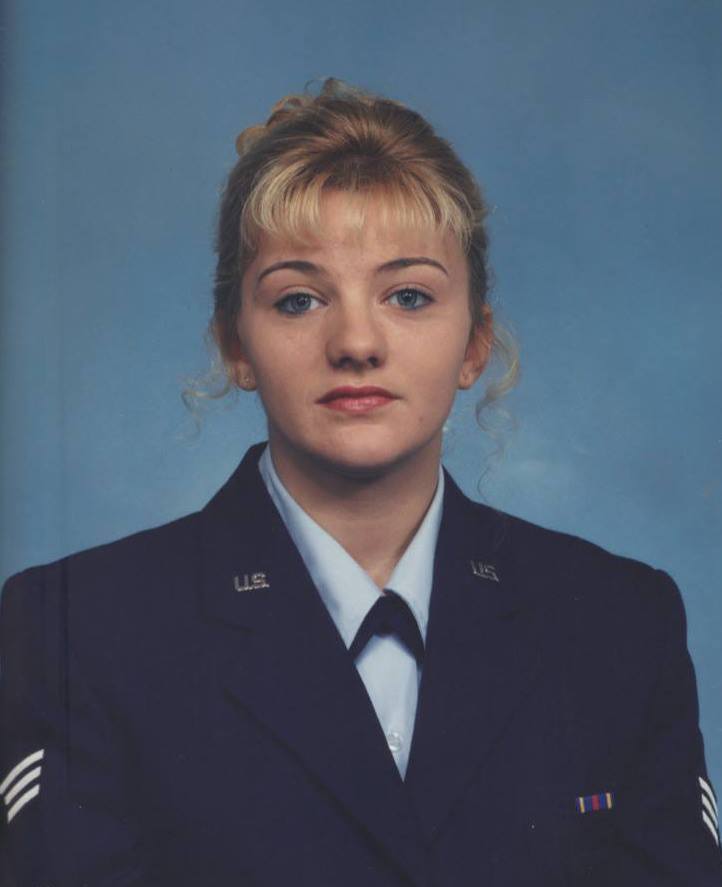
NOOR: One in three–that’s the astounding number of women who have been sexually assaulted in the military, a rate twice as high as civilian numbers. Those are astonishing, especially in light of the fact that only 10 percent of reported incidents go to trial. This harsh reality has put the Defense Department in the hot seat with Congress, pressuring them to make substantive changes. Now Defense Secretary Chuck Hagel is planning a new round of sexual assault policies that include expanding an advocacy program for victims to all military branches and recurring inspector-general audits of all closed investigations. Now joining us to unpack this and respond to this latest news is Jennifer Norris. She has served 15 years in the U.S. Air Force and retired for PTSD due to military sexual trauma. She started working for the Military Rape Crisis Center as a national victim advocate for active duty and veterans in 2011, and she’s testified before Congress to support the passage of the Military Justice Improvement Act and STOP Act. So, Jennifer, you know firsthand what it’s like to deal with being sexually assaulted in the military. Can you share some of your stories? You were drugged and raped by your recruiter and also sexually assaulted by an instructor. Can you describe, as much as, of course, you feel comfortable, what happened in these incidents and the challenges you faced in getting accountability for what happened to you?
NORRIS: Well, I guess you can start out by saying that I was completely naive to what rape or assault or harassment or violence of any kind was. I was a small town girl. I just didn’t get–I didn’t grow up with that kind of stuff. So when I joined the military, it came as quite a surprise to me that I was being randomly targeted by predators who were basically not going to take no for an answer, no matter what. And I was trapped in the situation. And the only way to get out of it was to report. And, of course, we’re too scared to report, because we see what happens to other people that report. And just this past year, it’s been confirmed once again that 62 percent of those folks in the military that don’t report don’t report due to a fear of retaliation, whether it includes losing your career, getting treated like crap, getting isolated from others, whatever it might be. And the reason I’m telling you this is this is what happened to me. I had four different perpetrators approach me within my first two years of service, but I didn’t dare say anything, because I was afraid it would have negative repercussions on my career. But by the fourth predator, who was escalating and becoming more and more abusive–of which I could not escape, because when you’re in the military, you can’t just quit your job; you’ve got to go back to work with these folks the next day, even if he did attempt to rape you the night before, which is exactly what happened to me. And I just got to a point where I said, I can’t do this anymore. I’m either getting out of the military or, you know, something’s got to give. And this whole time, I wasn’t thinking about reporting at all, because I knew if I did that, my career would be over. But in the end I ended up reporting all four of them. And sure enough, I got retaliated against so badly by those in my squadron that I ended up having to transfer to another duty station that was four hours away.
NOOR: One rule under consideration by Secretary of Defense Chuck Hagel would be to expand the role that victims have throughout the court-martial process, including the sentencing phase. In a handful of cases that have come under congressional focus, senior commanders have actually overturned convictions of their subordinates. What do you make of this proposal?
NORRIS: At this point, they’ve had since Tailhook to deal with this situation. All this stuff should have been done back in 1992, when they told the American public it would be done by then. And instead we’ve got 2013, and now it’s become an epidemic that’s not only impacted our soldiers, both males and females, but also civilians, children, wives. They’re all–nobody’s immune. Predators do not discriminate. And if you don’t stop them, they only escalate and progress. And there’s been basically no accountability for these predators. As you stated earlier, a 10 percent conviction rate, a lot of that for charges lesser than what they were originally accused for. And where do they go when they leave the military? Your neighborhood. That’s why we’re at where we’re at today. We don’t want to hear what the Department of Defense has to say anymore. I don’t want to hear zero-tolerance one more time. I can’t take it. As a survivor, I cannot take it, based on what I do every day with my clients and see how badly they’re being treated by their command simply because they reported a sexual assault or harassment. There is a hardcore retaliation happening now. There was in the past. Part of the retaliation that I experienced was I got beat by one of the predator’s friends for reporting. These people are scared to come forward. So the DOD has lost their chance. They’ve lost the trust. Now it’s time for someone else to come in, which is why we’re pushing the Military Justice Improvement Act. We no longer want those commanders to be gatekeepers of justice. They’re not professionals. They don’t know how to investigate. Therefore they should not be involved in any of the process, aside from maybe knowing that there’s a predator within their ranks. We want to give the victim confidentiality. We want them to be able to have an impartial person that’s going to decide whether or not they’re going to push forward with a case and how they can do that without beating up the victim in the process. The only way we’re going to be able to clean this mess up is to move forward with prosecutions and get these people jailed. We certainly don’t want to just start kicking them out and tossing them out, ’cause then they’re moving to your neighborhood. The DOD has got to deal with this. And we don’t trust them at this point, hence the reason we want the STOP Act, which would provide the civilian oversight to hold them accountable on every single move they make when it comes to trying to discharge a soldier or punish one, because we’ve basically been dealing with (A) you’re all of a sudden a bad person if you reported a sexual assault, and then the retaliation begins, and eventually you can lose your career. They’re going to use, like, some mental diagnosis to get rid of you with, right, saying it’s a pre-existing condition, when in fact it wasn’t; it’s PTSD from getting gang raped. Right? We want them to be held accountable to someone when they make these decisions, just decide for themselves that, oh, well, I’ll just get rid of her ’cause I don’t feel like dealing with this, or I’ll just get rid of him because, you know, if I have a rape under my command it’s going to make me look bad. We want to yank these commanders out of this situation and give real justice to the victims and caring.
NOOR: And as you stated, changes to this policy action has been promised for a very long time now. What do you account for these delays? And talk–and so far the White House has been silent. Can you respond to the White House and just the delays that have been going on for years now?
NORRIS: Well, first of all, it’s pretty upsetting as a survivor to know that they knew about this in ’92. And don’t tell me they didn’t have enough money to be able to get experts to tell them that predators, there’s few and far between, but they can do lots and lots of damage if not stopped. Well, now, because they haven’t stopped them, they’re now in our higher-ranking positions like Colonels, like commanders, like SARC coordinators, because they never were held accountable. And so they’ve let it spin out of control like this now. And we’re saying, you’ve had your chance. It’s too late. We need to take care of this, because it’s basically at a point where if these guys just decide, oh, well, we’ll just toss them out as we find out about this stuff, they’re just basically pushing it off to the civilian sector. So Obama not standing up right now, it’s upsetting, because him of all people should know that, you know, if you just toss people out of the military because you don’t want to deal with them, it just becomes someone else’s problem. And so we’re basically–everywhere this predator goes, they’re causing a path of destruction. That’s costing everybody more money, because the people to begin with that should have dealt with it didn’t. We need to go back. We need to find out who was raped, when, by who. And we’ll probably find that these same predators have multiple victims across branches. And then we could possibly move forward with one case against one predator with, you know, ten victims, for example. And I don’t understand why people aren’t talking about this, why they’re not saying, why Obama isn’t saying, I want you to go back and determine who these people are that are being accused. It doesn’t mean they’re automatically guilty. But why can’t we start tracking who’s doing what and when it was done and what the patterns are and start getting these guys so we can move forward with an awesome military?
NOOR: This issue has gained a lot of traction recently, a lot more than it had in the past. You had the documentary The Invisible War that came out. You’ve had hearings in Congress. What more pressure–like, how much more pressure is it going to take to get these changes put in place?
NORRIS: Well, I mean, what it’s going to take is the American people, which is what our country’s all about anyways. So while these guys, while the Department of Defense and Congress are dragging their feet on making these changes, they’re hurting people. Whether they want to admit it or not, they are. And we feel, as survivors, it needs to be dealt with immediately. It needs to be a national emergency where we make sure that everybody is good to go and they’re not trapped under some predator that they can’t escape from, and if they are, that they’re not going to get retaliated against for turning them in. Right? We take it that seriously, that in order–’cause they haven’t done anything since Tailhook. So you go back 25 years and imagine the destruction and amount of damage that’s been done by not holding anyone accountable. They have gotten better and better and better at what they do. And we often see them using alcohol and drugs as their weapons. But then we hear the military saying, oh, well, don’t drink, ’cause you might get raped, or be careful no one puts anything your drink, like it’s somehow the victim’s responsibility to make sure they don’t get raped. We still haven’t even gotten there yet. So the DOD has had their chance. We’ve had it. And, of course, they’re in good with Congress. Some people in Congress, this is how it works. It’s all about the power. And we got shut down by Senator Carl Levin, who has recently promoted three other senators to fight keeping things in the chain of command, which is–basically what they’re saying is, we’re going to keep it in the chain of command even though we know that 62 percent won’t report to this commander because they’re afraid of retaliation. That’s what they’re telling us survivors. And that’s what the American public needs to know. The only way we can get this now is the support of the American public. That’s why we’re out here right now pushing it, trying to get it, and asking people to contact their senators and representatives and ask them to pass the Military Justice Improvement Act, which would remove all violent crimes from the chain of command. And then, once we get that barrier broken down, we’ll start pushing for the civilian oversight that the STOP Act would call for.
NOOR: Jennifer Norris, thank you so much for joining us and sharing that very powerful story.



 Sen. Claire McCaskill is on the verge of a historic victory reforming the Pentagon’s sexual assault policies.





 MILITARY JUSTICE FOR ALL