Georgia Army National Guard Spc. Miranda Nichols, 28, was shot and killed outside of her mother’s home in Vidalia, Georgia two days after Thanksgiving on November 24, 2012. It is believed that her boyfriend of six months Army Spc. Samuel Tellu shot Miranda in an apparent domestic dispute. After Tellu shot Miranda, he jumped in his vehicle and took off. Tellu was later found in his vehicle with a fatal gunshot wound to his head. Tellu was assigned to the 3rd Combat Aviation Brigade, 3rd ID, as a petroleum specialist. Nichols served in the 3rd ID and the Georgia Army National Guard. They had both deployed overseas. The Fort Stewart Criminal Investigation Division (CID) informed the public they were assisting local authorities with the apparent murder-suicide investigation.
72% of all murder-suicides involve an intimate partner
94% of the victims of these murder suicides are female
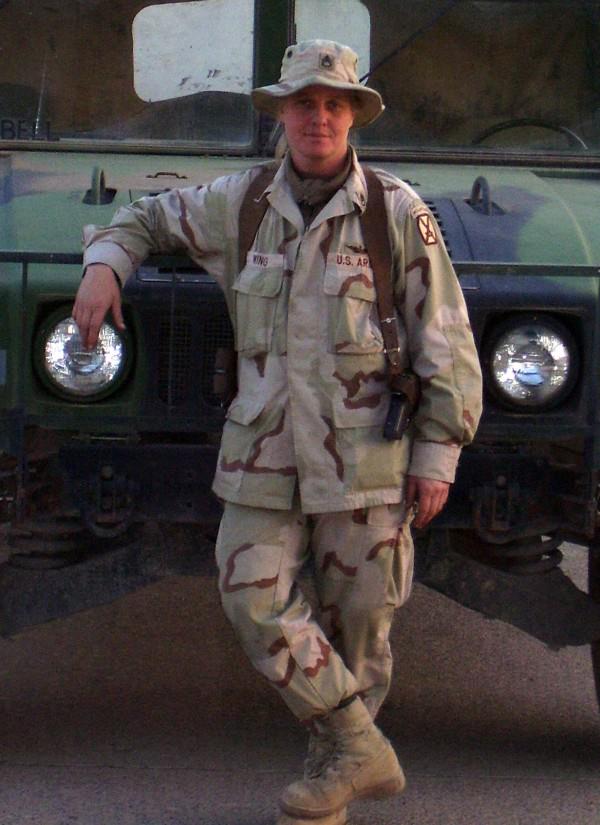
Army SSG Jessica Wing, 42, died of a non combat related incident in Kuwait City, Kuwait on August 27, 2012. SSG Jessica Wing was supporting Operation Enduring Freedom on behalf of the 1st Battalion, 126th Aviation Regiment, Maine Army National Guard in Bangor, Maine.
“The tags belonged to Staff Sgt. Jessica Wing, 42, who took her own life on Aug. 27, 2012, in Kuwait while serving with the 126th Aviation Medevac Unit, based in Bangor. It was her sixth deployment. With 23 years of military duty, she spent nearly all of her adult years in uniform.” -Bangor Daily News
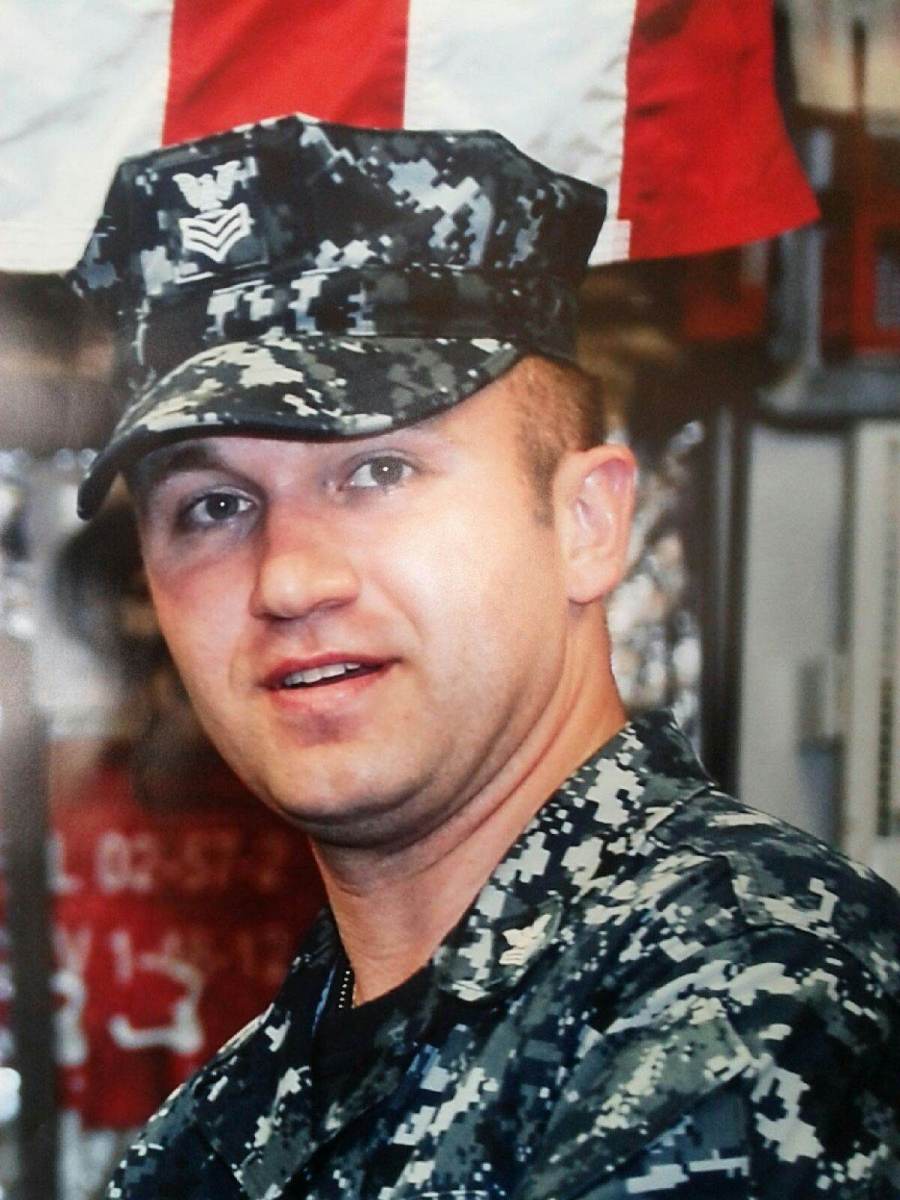
Navy CPO John Keith Bemis, 30, was found fatally shot in his Spring Valley, California residence on August 7, 2012. Keith enlisted in the U.S. Navy in 2000 and was an air conditioning and refrigeration mechanic assigned to the U.S.S. Independence docked in San Diego, California. Although the exact time of death is unknown, Keith was found dead on Tuesday morning, August 7th, by Navy co-workers and the Sheriff’s Department. Keith was found in his bedroom lying on his back in full uniform wearing a motorcycle helmet with a single intraoral gunshot wound. Keith’s death was quickly ruled a suicide but Keith’s parents, Tony and Sue Bemis, who never believed Keith died by suicide, want Keith’s death to be reopened and investigated as a homicide. They have conducted their own investigation and have determined the evidence simply doesn’t add up. Keith was a happy and healthy young man with a stellar military career; he was a suicide prevention advocate for the Navy; there were no medical or mental health issues or stressors noted in Keith’s naval medical records; and he did not leave a note. The San Diego County Sheriff’s Department (Lemon Grove) were tasked with investigating and documenting the incident and the San Diego County Medical Examiner’s office conducted an autopsy. Photos were taken at the scene and at autopsy.
Tony and Sue Bemis elicited the help of the Armed Forces Medical Examiner (AFME) because they wanted a second autopsy conducted. Now both the San Diego County Medical Examiner and the AFME had ruled the cause of death suicide. After the family received a copy of the autopsy reports and photos, they began to notice upon closer examination that there were words like “gay” and “fag” written on Keith’s body. They found other oddities like numbers and words written on Keith’s body and on items in the bedroom where he was found. They found markings consistent with writing on the back of Keith’s neck. They observed two bullet holes in the ceiling; only one bullet was recovered. And were surprised by the damage caused to the motorcycle helmet where the bullet that killed their son apparently exited. They learned Keith was last seen on August 6 around 9 p.m. and suspect Keith was met with foul play shortly after returning home. Neighbors told the family he parked his truck in handicap parking (which he normally would not do) upon returning home. Neighbors also reported hearing a loud thud. After the family examined the evidence known to them (and to police), they found enough compelling evidence to warrant concern. Keith didn’t have any of the associated risk factors with suicide. But Keith did have a recent break up with a woman he had dated off and on for three years.
Keith met his ex-girlfriend in Tijuana and the relationship dynamics and reasons why they broke up are unknown. Those who interacted with Keith prior to his death did not observe any depression associated with the break-up. In the days following the break-up Keith celebrated an upcoming promotion on Sunday August 5, 2012; he spoke with family during a party at his condominium. He had recently purchased some new t-shirts and none of his electronic communications prior to the incident indicated any kind of unusual behavior. Unfortunately, Keith’s computer was of no use; the hard drive was wiped. Some mystery could have been alleviated with gun shot residue (GSR) testing of Keith’s hands but this testing was not conducted by either the San Diego County or Armed Forces medical examiners. The family tested Keith’s three guns for forensic evidence (including the gun allegedly used to take his own life) and no blood, blowback, or remains were found on any of Keith’s guns. The family wants homicide investigators to explore the various motives and theories because they know Keith didn’t die by his own hand. They can’t have peace until there is justice for their son. And none of us are safe if we turn the other way and ignore what quite possibly could be a homicide. Keith was concerned about a missing key to his place. Was a known offender able to gain access with the missing key? Nothing appeared to be stolen from Keith’s residence. Was it a personal crime?
If Keith’s death was a homicide, then a killer roams free. And because of this, we need to make death and missing persons investigations a priority. Every death investigation should be a homicide investigation initially until evidence proves otherwise. And we should always use gun shot residue testing to confirm suicide by gun. We should conduct a victimology, interview family and friends, and look at the totality of the evidence before making premature determinations that control the future of an investigation. The interviews, electronic records, and necessary forensic testing speak for the victim. We should take a look at all the possible theories. Some theories in this case include but are not limited to: ex-girlfriend angry Keith broke off with her, feels rejected, wants revenge; mistaken identity, intruder meant to target roommate; the missing house key was used to enter residence, intruder known; roommate was in Navy, maybe Keith suspected illegal activity and co-workers wanted him to remain silent; was this a national security incident or an act of terrorism? Tony and Sue Bemis created a website in Keith’s name. They are determined to find out what happened to their son because the evidence collected doesn’t support a suicide ruling. Take a look at the evidence for yourself and make your own determination. The more eyes on the case, the better. Please sign the petition, follow Death of Navy CPO John Keith Bemis on Facebook, and for tips, please contact Tony and Sue by e-mail.
CPO John “Keith” Bemis’ death was declared a suicide in August 2012, but the evidence doesn’t add up and his parents need your help. -Unsolved Mysteries (February 27, 2015)
San Diego County Sheriff’s Department Report (August 7, 2012):
San Diego County Sheriff’s Department Report (Download PDF)
Armed Forces Medical Examiner’s Report (August 17, 2012):
Armed Forces Medical Examiner’s Report (Download PDF)
San Diego County Medical Examiner’s Report (September 28, 2012):
San Diego County Medical Examiner’s Report (Download PDF)
Able Legal Investigations Summary Report (January 12, 2014):
Able Legal Investigations Summary Report (Download PDF)
Ryan Forensic DNA Consulting Report (September 2, 2014):
Ryan Forensic DNA Consulting Report (Download PDF)
DNA Diagnostics Center Forensic Report (October 27, 2017):
DNA Diagnostics Center Forensic Report (Download PDF)
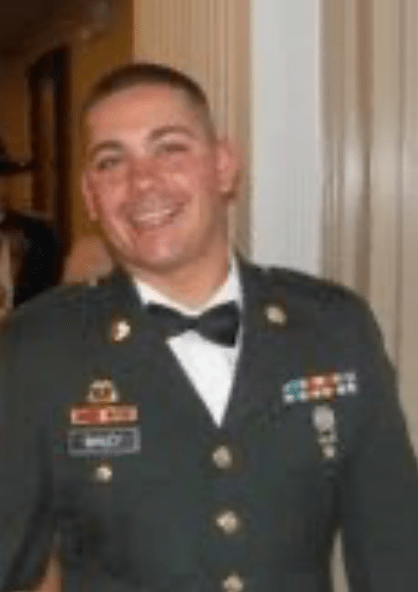
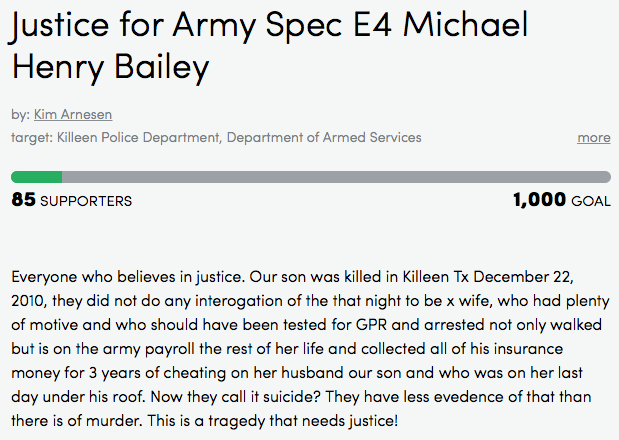
Army Spc. Michael Henry Bailey II, 26, died on December 29, 2011 from injuries sustained from a gunshot wound on December 23, 2011. He was assigned to 4th Squadron, 9th Cavalry Regiment, 2nd Brigade Combat Team, 1st Cavalry Division, in Fort Hood, Texas. Spc. Bailey deployed in support of Operation Iraqi Freedom from May 2011 to November 2011. At the time of the Army press release, the incident was under investigation. According to a family petition, they believe that there was more evidence supporting murder then suicide. They asked the Army and the Killeen Police Department to investigate the circumstances further as they believe that someone close to Spc. Bailey’s life had motive (life insurance) and this person was allegedly present at the location on the day of the shooting.
Army Specialist Mikayla Bragg died of a non combat death in Khowst province, Afghanistan on December 21, 2011. Spc. Bragg was supporting Operation Enduring Freedom on behalf of the 201st Brigade Support Battalion, 3rd Brigade Combat Team, 1st Infantry Division in Fort Knox, Kentucky. The Army ruled that Spc. Bragg’s cause of death was suicide. After an investigation it was revealed that commanders at Fort Knox failed to properly track Spc. Bragg as a “high-risk” soldier who could potentially hurt herself or others before she was cleared to deploy to Afghanistan. The Army investigators also made three recommendations in the report.
Mental-health providers stateside should share more information about high-risk soldiers with mental-health providers in war zones. Camp Salerno’s behavioral-health officer said she had been unable to get mental-health records for Bragg because of privacy laws.
Commanders should develop better procedures to ensure personnel data is not lost while transferring soldiers between units.
No soldier, regardless of gender, should be stationed in a guard tower alone.
According to the U.S. Army Europe Public Affairs, unit officials conducted a health and welfare inspection of Sgt. Kimberly D. Agar’s barracks room after Agar missed a medical appointment. The corporal was found unresponsive and German emergency medical personnel were contacted. A German doctor pronounced Kimberly dead at the scene on October 3, 2011. An investigation into the cause of death determined Kimberly died by suicide. Kimberly’s mother has since dedicated her life to raising awareness of active-duty suicide rates in an effort to prevent suicide within the active-duty ranks.
Airman First Class Kelsey Anderson was found dead of an apparent self-inflicted gunshot wound at Andersen Air Force Base in Guam on June 9, 2011. According to media reports, she was found in a locked stall in a second-floor women’s bathroom inside an aircraft maintenance hangar at the base. The military investigation indicated that a few months after Kelsey arrived at Guam, she was stripped of her service revolver over mental health concerns. Although Kelsey’s weapons privileges had been restored about a month prior to her death. The reports stated that Kelsey may have been unhappy after trying and failing to be transferred from Guam or released from military service. Kelsey’s parents had to file a lawsuit in U.S. District Court to get the Air Force to turn over its investigation records. They simply wanted answers for their daughter’s tragic and unexpected, untimely death yet the Air Force concealed the details. Chris and Adelia Sue Anderson received the mostly redacted investigation reports almost two years after their daughter’s death. The final court settlement with the Air Force in September 2013 was for the cost of the attorney they had to hire in their quest to get the information they were entitled to have. It’s unfortunate that this family had to wait two years for answers and even more unfortunate that they were forced to go to court during one of the most difficult times of their life.
What could have been done to prevent this? What kind of mental health services were offered to Kelsey? Why did Kelsey want to leave Guam and/or get out of the military? Why was she upset after finding out that she was not able to transfer or get out of the military? What were the extenuating circumstances that made Kelsey feel like she had no options other then suicide? Is this a suicide? After so many families have come forward with concerns that their loved one was murdered despite a ruling of suicide, do we know for sure that this was a suicide? It happened in Guam. There is absolutely no one to hold the Air Force accountable in that setting. There is no way to ensure that the Air Force investigated the scene as both a potential homicide or suicide. It’s as simple as what the Air Force says happens is what happened. Every government entity should have a mechanism by which they are held accountable. Where does a grieving parent turn to when they do not agree with the military investigator’s or medical examiner’s findings? Who holds the individual branches or Department of Defense accountable? The only body of people that can hold the military industrial complex accountable is the US Congress and even they struggle. Time and time again we hear accounts from service members and families that contacting their congressional Representative or Senator did not help. Some help, some don’t, and some never call you back. Every level of government should have accountability of some kind because this country was founded on the principles of checks and balances in our system.
“Enlisting U.S. Sen. Jim Risch‘s office for help still didn’t yield results.” -Chris & Adelia Sue Anderson
In an interview the Andersons’ lawyer emphasized that the prolonged wait and anxiety of suing the federal government in a last-ditch effort for information intensified the couple’s pain after the loss of their daughter. He empathized as a father of three and shared that he could not imagine losing a child thousands of miles away and not knowing what happened to her. No parent should have to wait nearly two years before the government decides to produce the information they deserve to have.
The grieving parents of a 19-year-old Idaho woman who died serving her country thousands of miles from home say the U.S. Air Force won’t give them information about the circumstances of her death. -NewsMedia24
A profile of Clay Hunt, a Marine who recently took his own life while waiting for upgraded benefits from the VA. (May 31, 2011)
“Clay had the world at his fingertips,” a friend recalls. Why did the Marine combat vet take his own life? -CBS News (March 3, 2013)
President Obama makes remarks before signing the Clay Hunt Suicide Prevention for American Veterans Act. -CBSN (February 12, 2015)
On February 12, 2015, President Obama signed the Clay Hunt Suicide Prevention for American Veterans Act into law at the White House. -The Obama White House (February 12, 2015)
President Obama signed the Clay Hunt Suicide Prevention for American Veterans Act. -C-Span (February 12, 2015)
The Clay Hunt Suicide Prevention for American Veterans Act is law tonight. -WGAL TV (February 12, 2015)
Clay Hunt, U.S. Marine Corps Veteran
Marine and veteran advocate Clay Hunt died by suicide in his Sugar Land, Texas home on March 31, 2011. Clay Hunt was open about his journey with Post Traumatic Stress Disorder from combat and used his advocacy to help other service members and veterans struggling with the invisible battle. His unexpected death prompted his family to speak out and they shared that his perceived ill treatment by the Department of Veterans Affairs was part of the reason he took his own life. In their quest to get justice for their son, they were able to inspire the Clay Hunt Suicide Prevention Act for Veterans passed by Congress and signed by President Barack Obama on February 12, 2015. According to President Obama’s website, the bill would require annual third-party evaluations of VA’s mental health care and suicide prevention programs; create a centralized website with resources and information for veterans about the range of mental health services available from the VA; and require collaboration on suicide prevention efforts between VA and non-profit mental health organizations. On March 13, 2019, AMVETS published a press release revealing their outrage with the Department of Veterans Affairs Clay Hunt Report. They requested a new report from the Veterans Affairs immediately, one that utilizes an outcomes based approach.
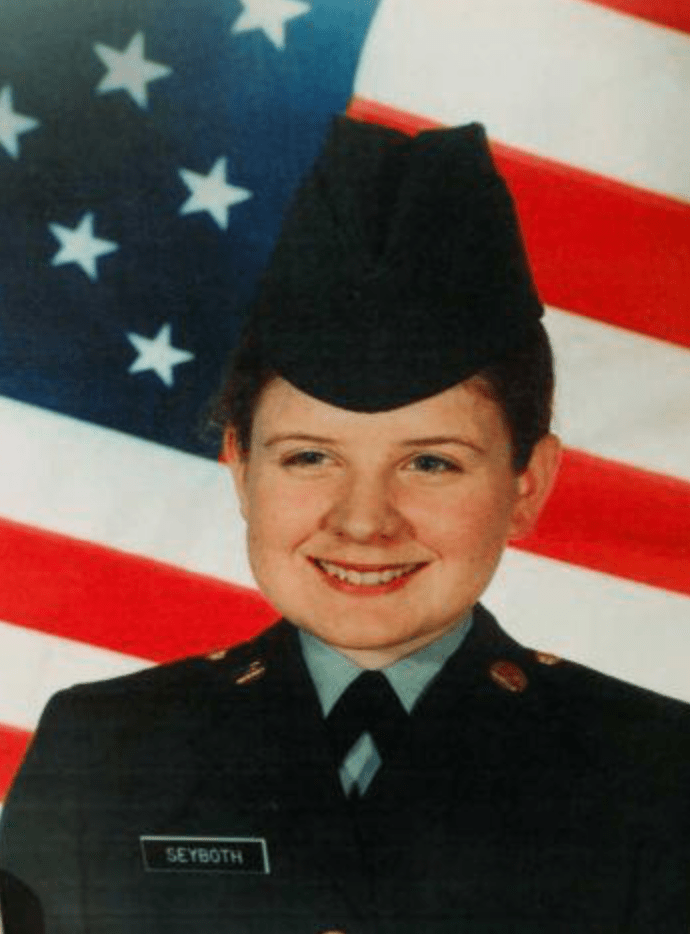
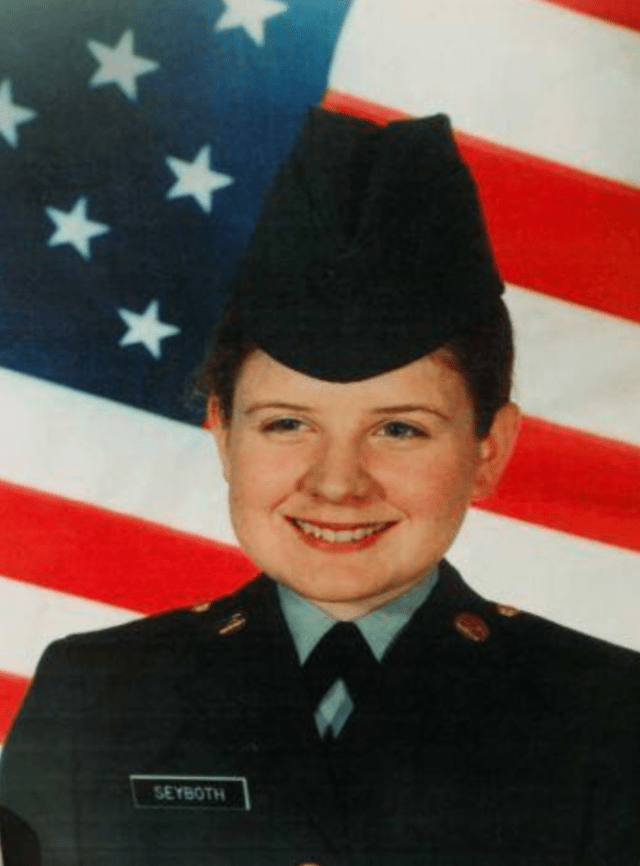
Army Staff Sgt. Amy (Seyboth) Tirador died of injuries sustained from a non-combat related incident in Kirkush, Iraq on November 4, 2009. Staff Sgt. Tirador was supporting Operation Iraqi Freedom on behalf of the 209th Military Intelligence Company, 1st Squadron, 14th Cavalry Regiment, 3rd Stryker Brigade Combat Team, 2nd Infantry Division in Fort Lewis, Washington. This was Amy’s third tour of duty in support of Operation Iraqi Freedom. The Department of Defense announced the circumstances surrounding the incident were under investigation at the time of the press release. Media reports declared that Amy was found by a maintenance worker in the base’s small generator room with a single gunshot wound to the back of the head. The Army pathologist ruled the cause of death as a ‘self inflicted gunshot wound’ but Amy’s mother Colleen Murphy disagreed and vowed to launch a private investigation. The family expressed concerns publicly that this was an execution style murder on a secure base and that she was killed in the generator room to muffle the sounds of the gunshot. Amy’s DNA evidence was found on the 9mm and that of another person. The family shared that the investigation report attempted to lead one to believe that Amy was considered high risk for suicide because of pressures at work as an Arabic translator and a strained marriage. Amy’s husband Michael Tirador was living at the same deployed location in Iraq as Amy at the time of her death. Amy’s mother denied any history of depression or substance abuse and does not believe her daughter died by suicide.
A year after Amy’s death the Army Criminal Investigation Division indicated in media reports that the investigation was not completed and no final rulings had been made. Yet Colleen Murphy shared that she was told the case was officially closed and expressed frustration with the miscommunication she typically experienced with Army bureaucracy. Amy’s mother also indicated that a lot of women in the military who have died have had their deaths falsely ruled as suicides. Colleen learned from other families who have lost their loved ones that they have even exhumed their daughters’ bodies and found that, without a shadow of a doubt, they did not kill themselves. Colleen indicated that she was going to get a second autopsy in light of the Army pathologist’s determination of cause of death. Michael Tirador expressed in interviews that he did not believe that his wife committed suicide and ordered that her body be exhumed for a second autopsy. Michael was of course a person of interest but his DNA did not match the second DNA profile on the gun. Colleen Murphy indicated that despite Michael’s claims that they had a good marriage, Amy wanted to divorce him. Amy’s father Greg Seyboth expressed concern that her work as a interrogator made her a high-profile target. Retired Army Colonel Ann Wright validated Amy’s family when she published an article stating that several female soldier’s deaths have been grossly mislabled by the military yet when faced with further evidence, they refused to change their findings. Colleen Murphy stated that she will never accept that her daughter committed suicide and that the Army is covering up the real reason that she was killed.
Tirador’s “greatness” has been shrouded in military “secrecy”. Her military legacy clouded by the military’s label of a “non-combat” death. An execution-style death in a “secure area” on an American military base in a war zone. –Family of Amy Tirador
Amy Seyboth-Tirador should have been coming home from her tour of duty overseas very soon. Instead, family and friends are planning a big memorial event in her honor. It’s a ride to remember the Army staff sergeant whose death still remains a mystery to loved ones. -WNYT NewsChannel 13 (August 6, 2010)
Interview with Amy Seyboth Tirador’s mother, 2 of 4 -810 WGY News (February 4, 2010)
Interview with Amy Seyboth Tirador’s mother, 4 of 4 -810 WGY News (February 4, 2010)




 MILITARY JUSTICE FOR ALL