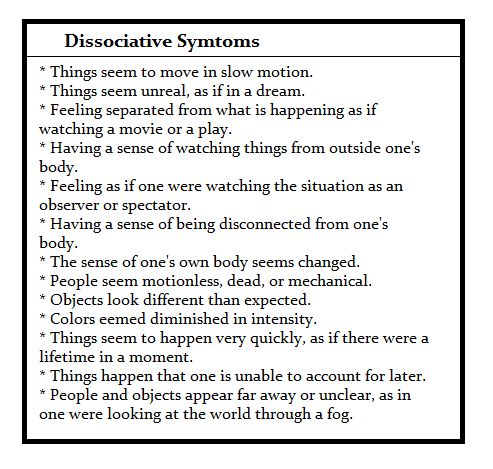
“Dissociation can be defined as disruptions in aspects of consciousness, identity, memory, physical actions and/or the environment.” –Healthy Place
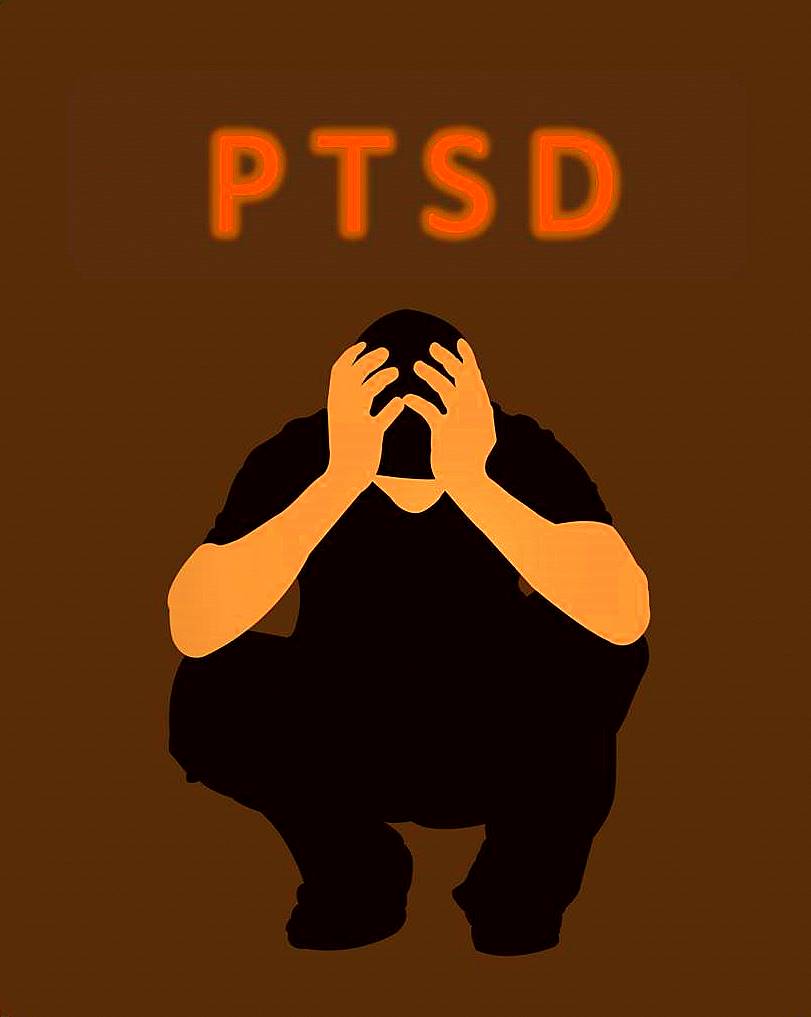
Dissociation in military and veterans is an issue that doesn’t get nearly the attention it deserves yet explains a lot of things. Dissociation tends to occur mostly with those who have complex Post Traumatic Stress. It is also referred to as blacking out.
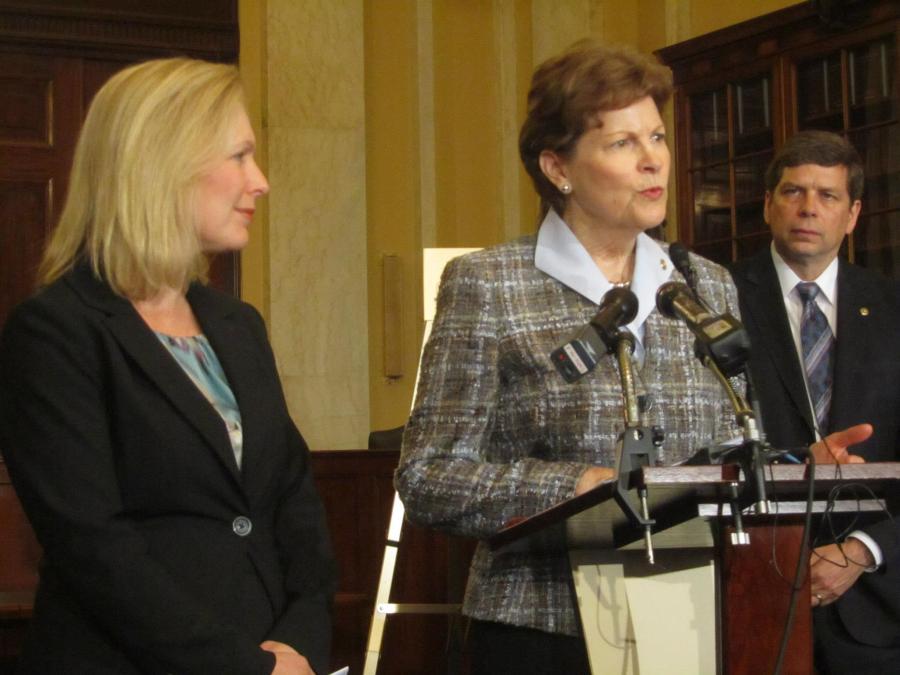
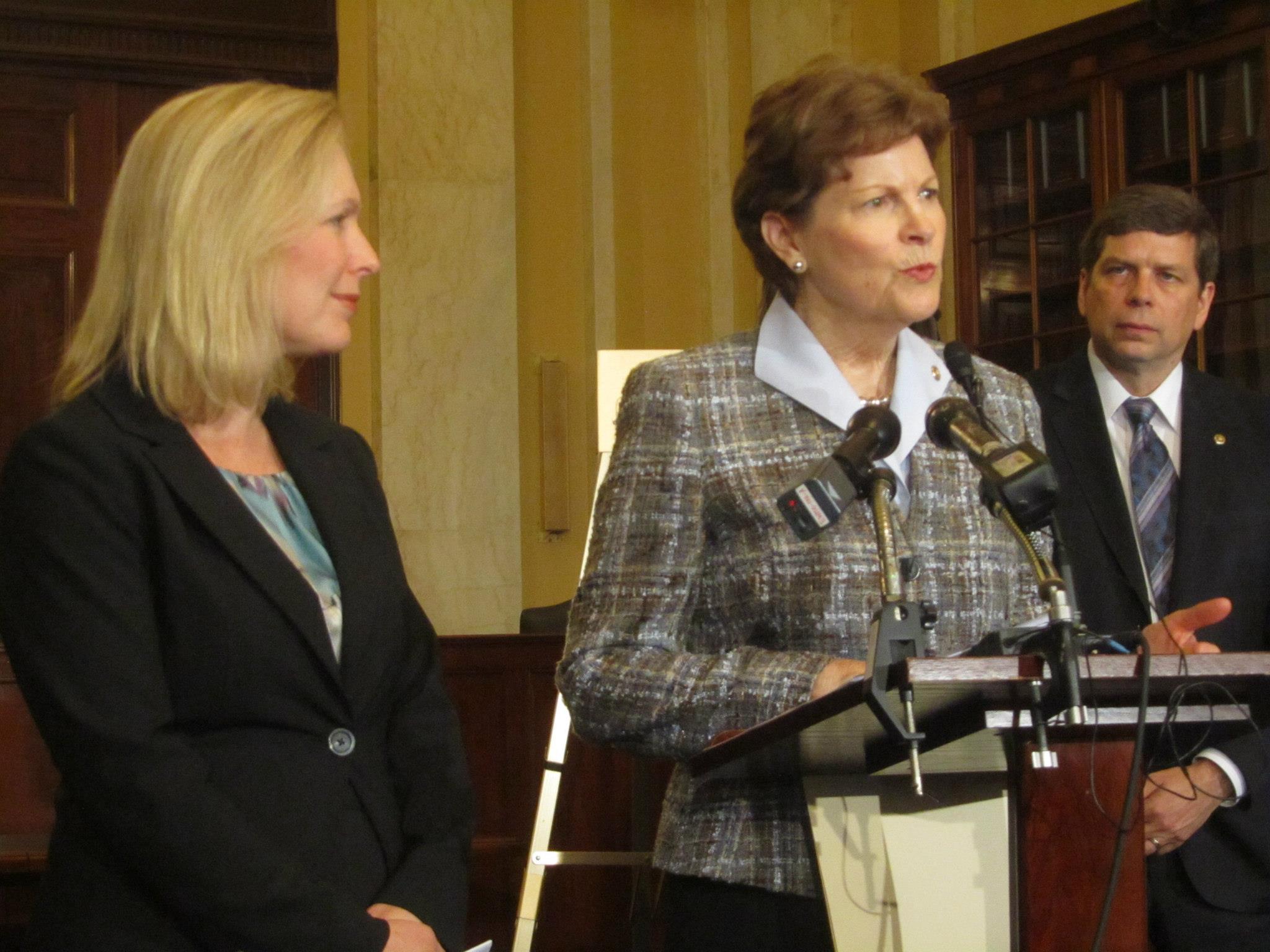
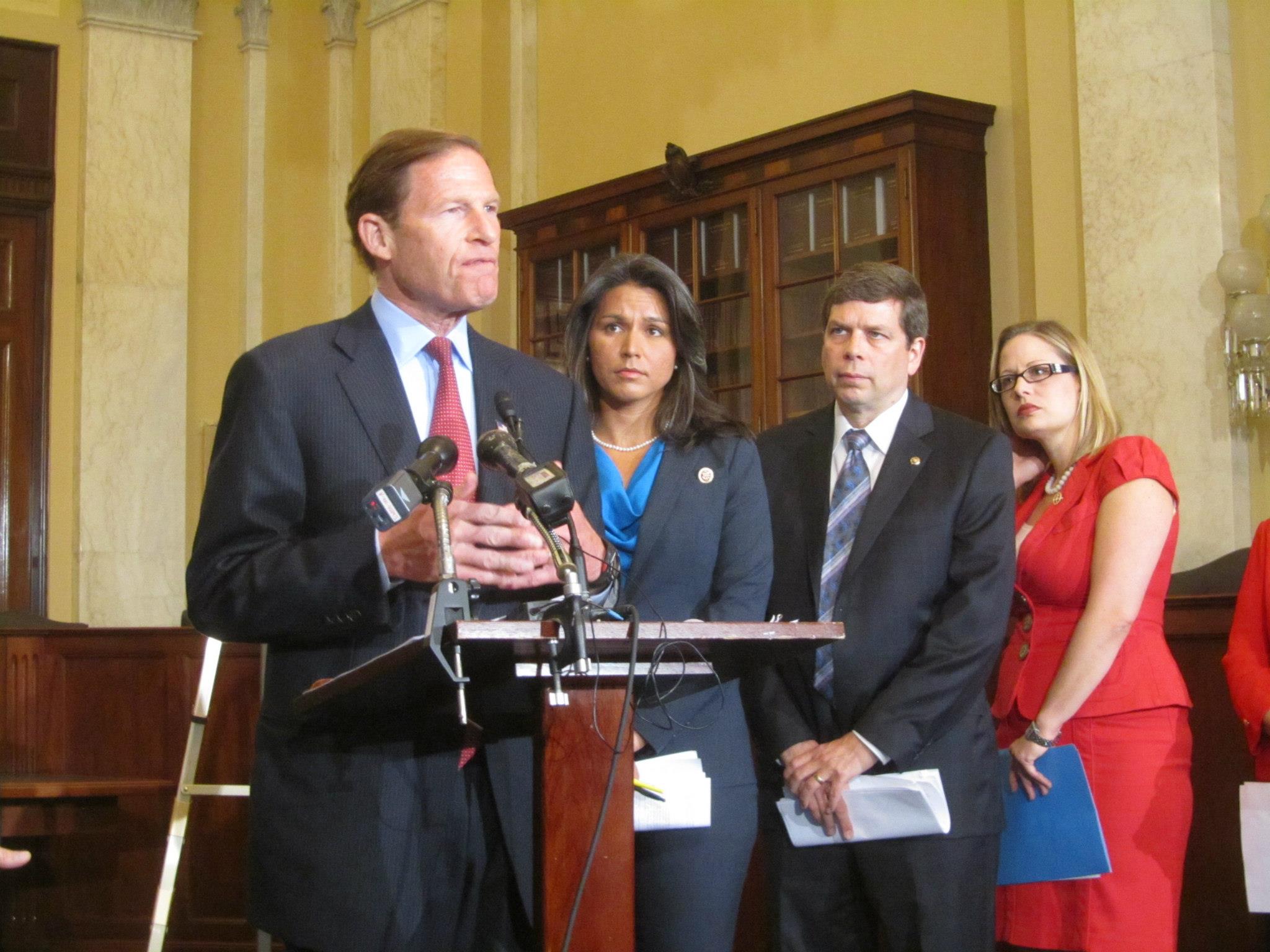
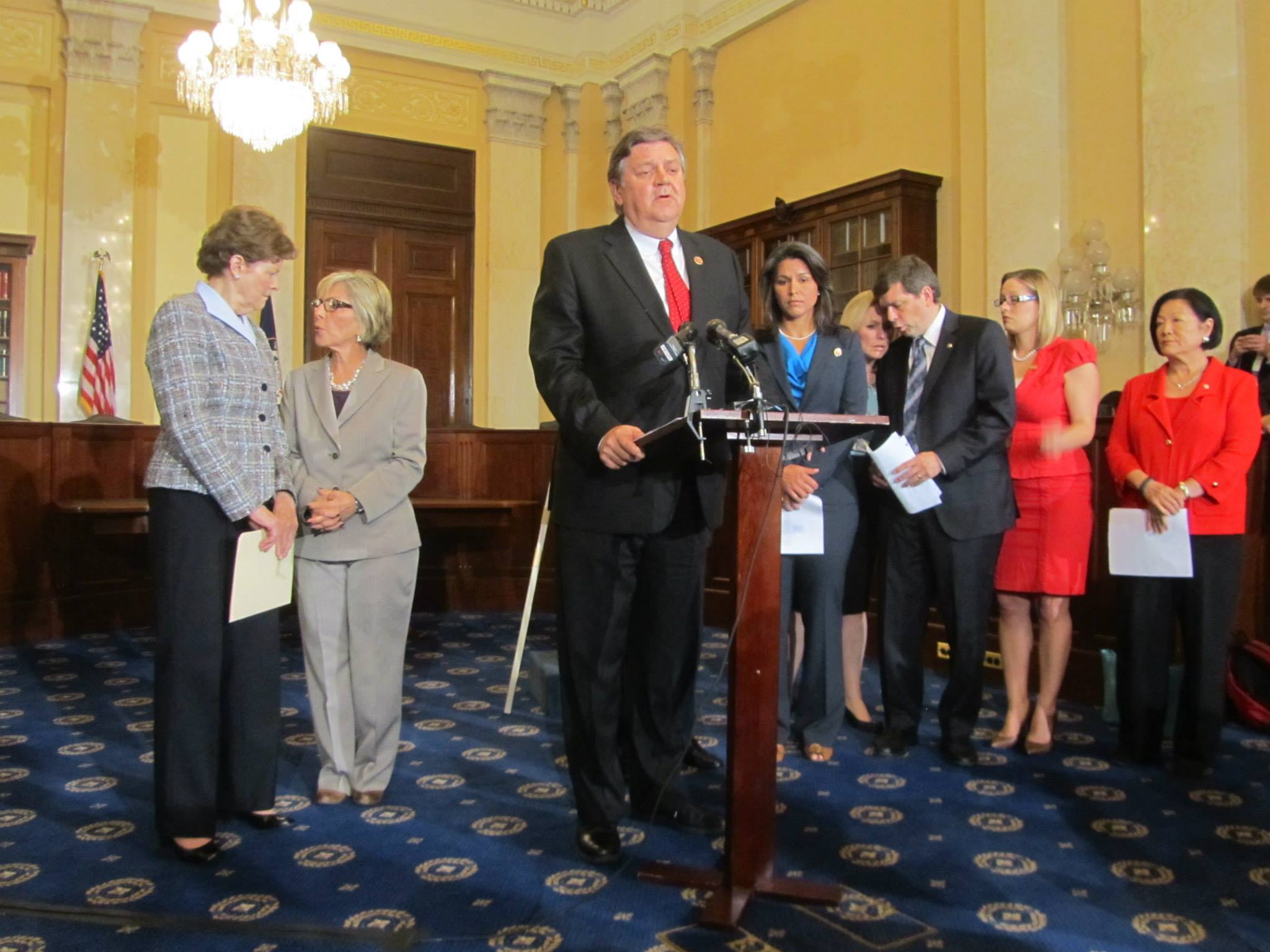
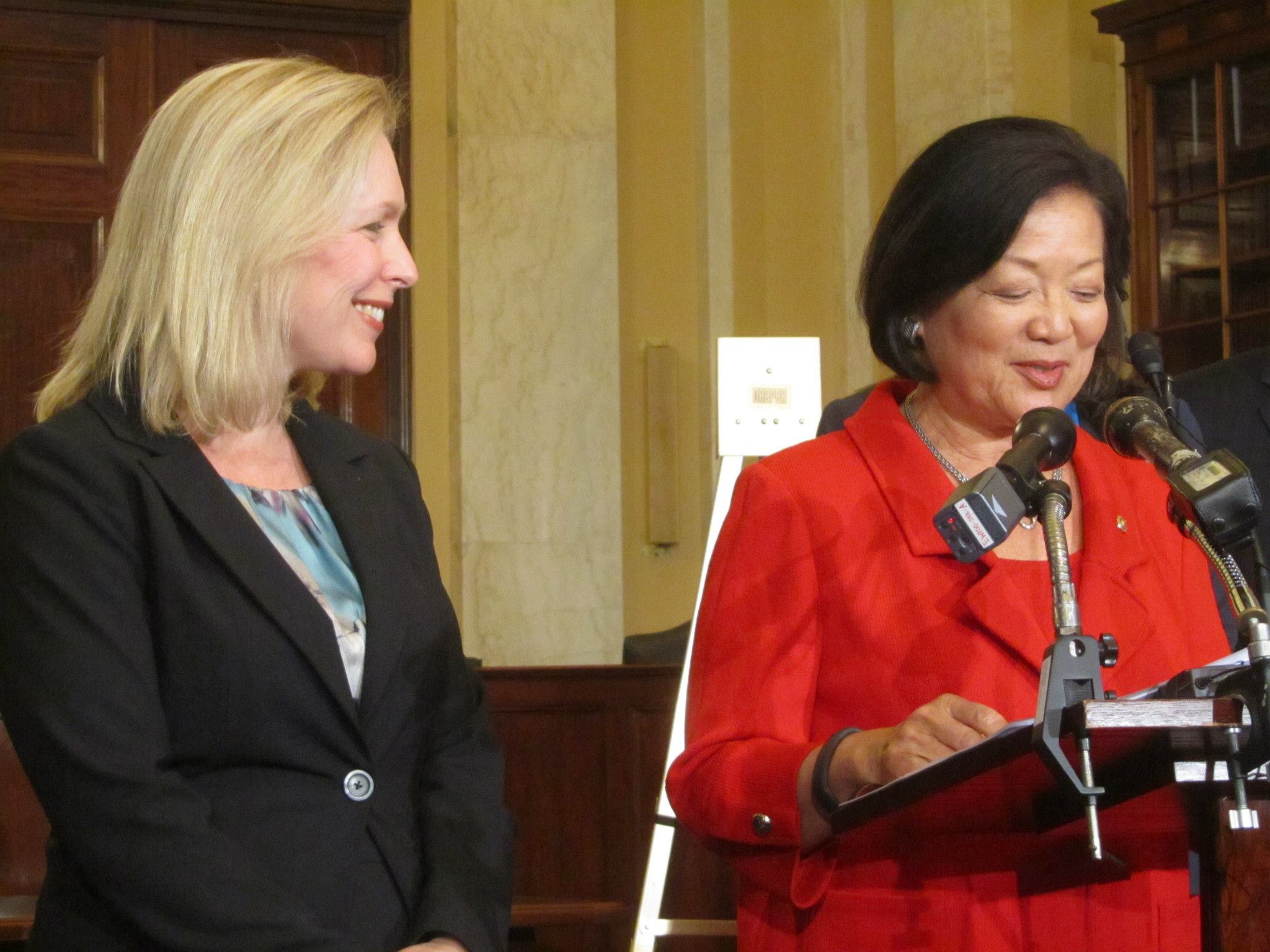
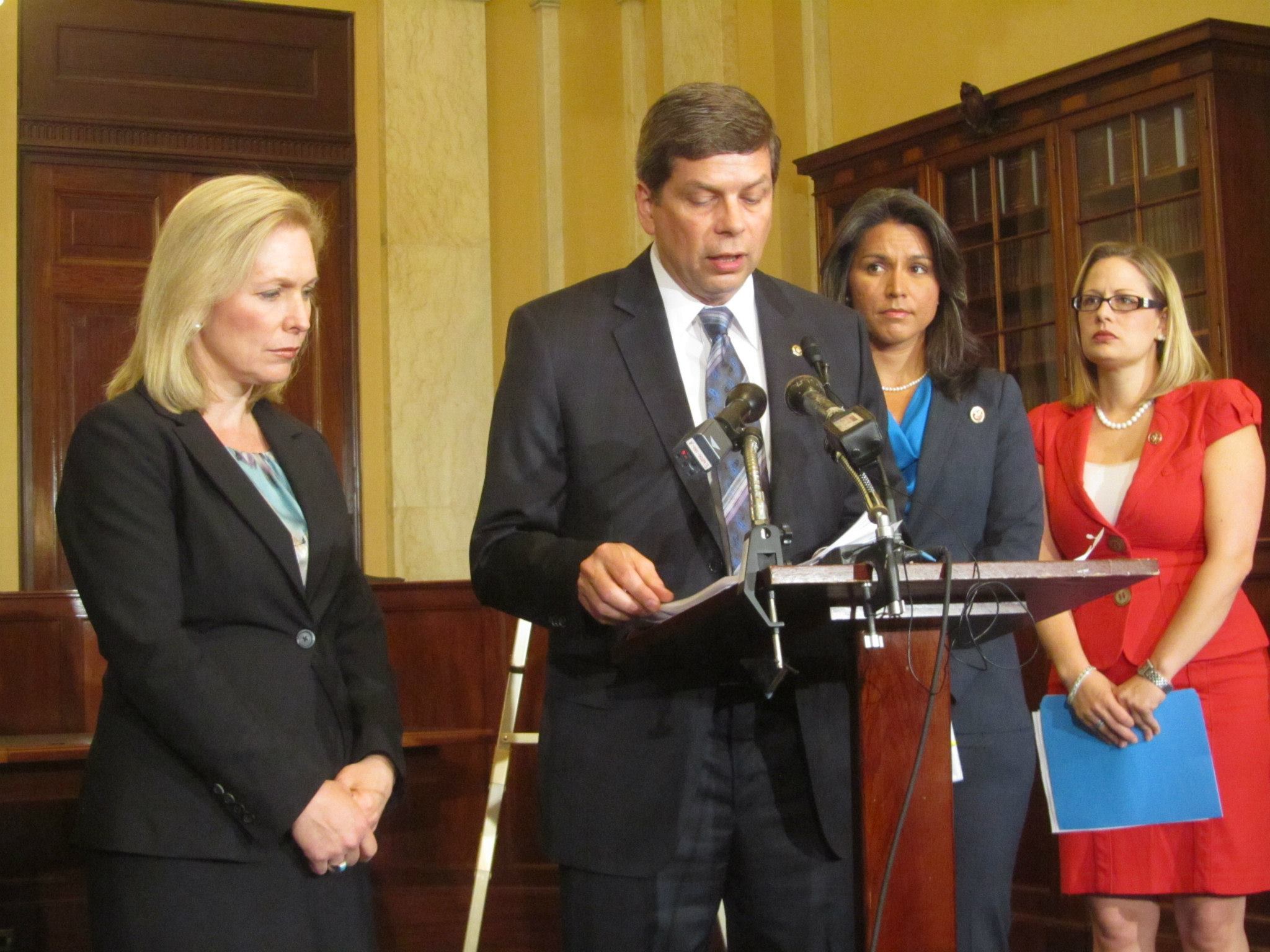
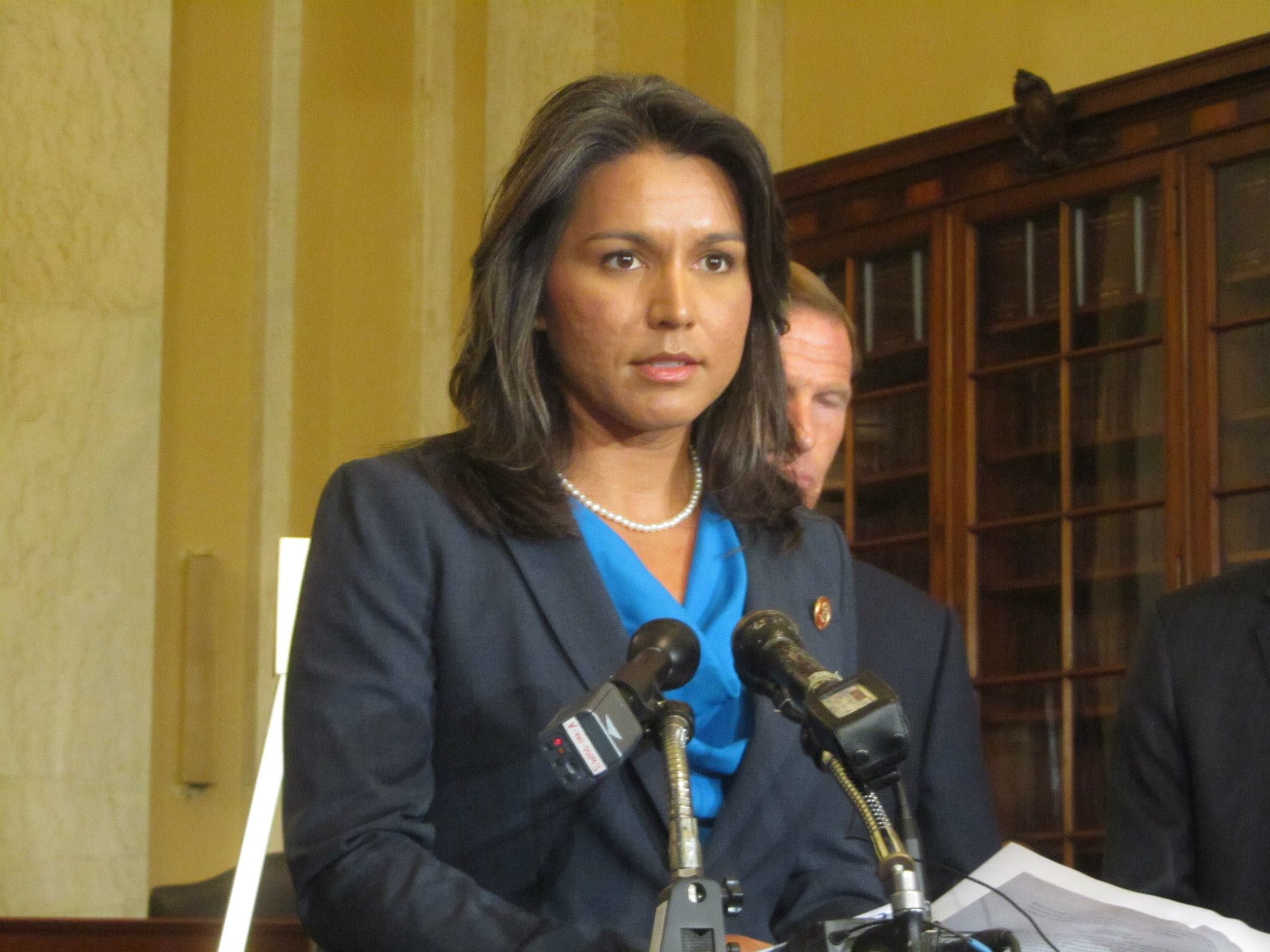
Washington D.C. – During a news conference today, U.S. Senators Susan Collins and Kirsten Gillibrand (D-NY), along with a bipartisan group of their colleagues in the Senate and House, announced new legislation that would reform the military justice system by removing the prosecution of all crimes punishable by one year or more in confinement from the chain of command, except crimes that are uniquely military in nature, such as disobeying orders or going Absent Without Leave.
Senators Collins and Gillibrand were joined by survivors of sexual assault in the military, including Jennifer Norris of Maine, and by representatives from organizations who assist victims of Military Sexual Trauma. The Military Justice Improvement Act would for the first time remove the decision whether to take a case to special or general court-martial completely out of the chain of command and give that discretion to experienced military prosecutors for all crimes punishable by one year or more in confinement, except crimes that are uniquely military in nature, such as disobeying orders or going AWOL.
“To be sure, the vast, overwhelming majority of our military personnel are honorable, conscientious, and respectful individuals, not rapists or harassers. It is for their sake that the pattern of covering up, blaming the victim, and failing to provide even the most basic protections that has been all too common for far too long must end,” said Senator Collins. “What does it say about us as a people, as the nation, as the foremost military in the world when some of our service members have more to fear from their fellow soldiers than from the enemy? This epidemic of sexual abuse cannot stand. We must ensure that justice is swift and certain to the criminals who have perpetuated these crimes.”
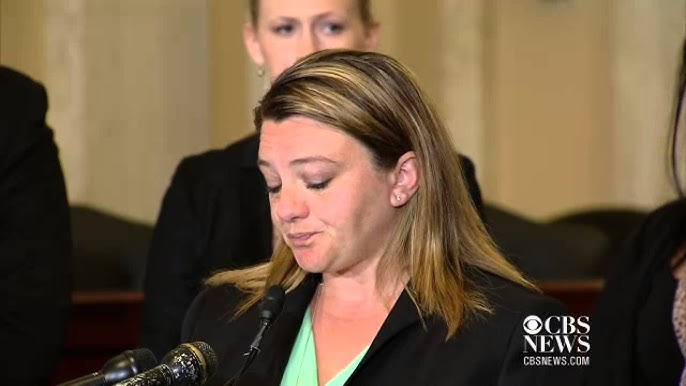
With tears streaming down her face, Jennifer Norris, a former Technical Sergeant in the Air Force, describes her harrowing experience with sexual assault and the difficulty she had in seeking justice within the military chain of command, saying, “The system is rigged against the victims” and in favor of the “often higher-ranking perpetrators.” [VIDEO]
Norris, who did not serve in Hawaii, said she’d been reluctant to report the rape because, “in the Air Force, I witnessed first hand what happens to those who stepped forward to report their assaults. I did not want to be stigmatized for reporting my assault — as I tried to move forward with my career. Instead, the best option for me was to try and endure it, to suck it up and try and make it until I could get transferred somewhere else — only to have it happen over and over again, like a recurring nightmare.”
She never did get justice, she said, even when she did come forward. “My perpetrators were allowed to resign in lieu of Administrative Hearings, which would have become a matter of public record. My command never offered the chance to proceed with a court martial.”
She said, “If the chain of command had been removed from handling sexual assault cases before I was attacked I believe justice would have been served or perhaps it would have been prevented in the first place.”
“At first I was too afraid to report my assault to my chain of command, but two years later I was forced to report due to the escalation of the behavior and the fear that I would be raped again.” -Jennifer Norris (Civil Beat, May 16, 2013)
Gillibrand: “I’m Distressed That The Victims’ Voices Aren’t Being Heard In This Debate








 MILITARY JUSTICE FOR ALL