Air Force Major Melissa Birtzer, 42, went missing from the Fort Walton Beach area in Florida on November 17, 2012. A few days later on Nov 20th, Major Birtzer was found dead at the Eglin Air Force Base range. The Air Force reported that the case was under investigation and then updated the public with the announcement that there was no foul play suspected. The official cause of death is unknown but was not ruled a homicide. Co-workers shared she may have been ‘depressed’ prior to her disappearance. Major Birtzer served honorably for 18 years first as an enlisted Intelligence Specialist and then as a Nurse. She also completed two tours in Afghanistan. Melissa is survived by a spouse and two children.
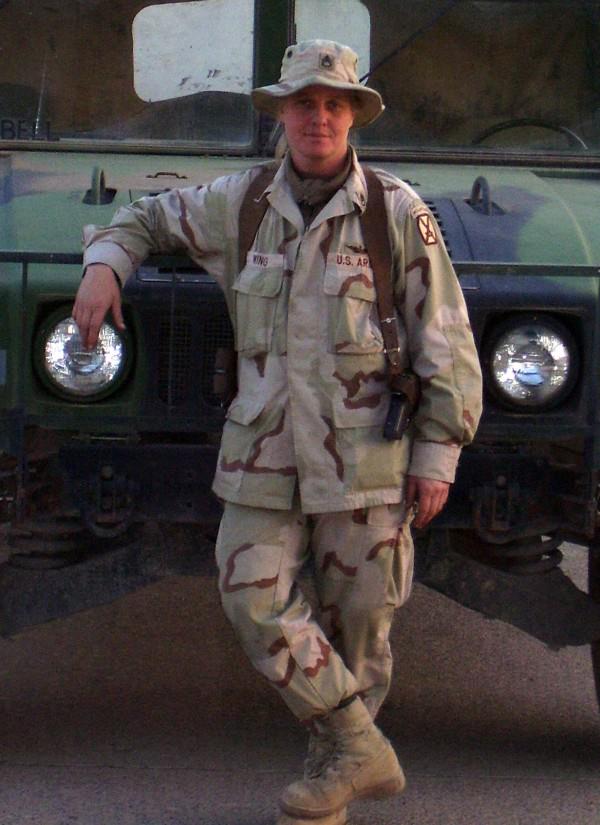
Army SSG Jessica Wing, 42, died of a non combat related incident in Kuwait City, Kuwait on August 27, 2012. SSG Jessica Wing was supporting Operation Enduring Freedom on behalf of the 1st Battalion, 126th Aviation Regiment, Maine Army National Guard in Bangor, Maine.
“The tags belonged to Staff Sgt. Jessica Wing, 42, who took her own life on Aug. 27, 2012, in Kuwait while serving with the 126th Aviation Medevac Unit, based in Bangor. It was her sixth deployment. With 23 years of military duty, she spent nearly all of her adult years in uniform.” -Bangor Daily News
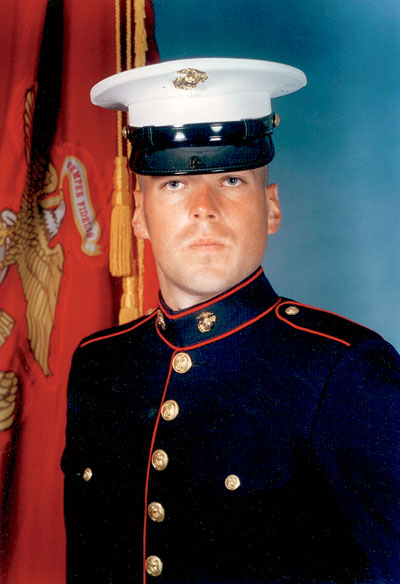
Noah Pippin, U.S. Marine Corps, California Army National Guard
On September 11, 2010, the California National Guard called the parents of Noah Pippin, 31, to ask where he was because he didn’t show up for military duty and that wasn’t like him. Nonetheless, Noah was listed as Absent Without Leave (AWOL). It was this phone call that would set off a series of events for the family of Noah Pippin who also knew that he wouldn’t normally shirk his responsibilities but they were concerned about him. Noah’s parents knew that he once served in the Marines and deployed to Iraq three times. To them, he seemed troubled, preoccupied and depressed the last time they saw him. They wondered if he committed suicide. The family began to trace his steps. Noah left Michigan on August 25, 2010 in a cab to go to the airport to get a rental car. In October 2010, the family remembered they had a picture of the cab and the number. They called the cab company and it was confirmed that Noah did go to airport and rented a car. Records indicate that Noah drove to Kalispell, Montana. The family questioned why Montana instead of California and wondered what happened to him.
At his family’s insistence, Noah visited with them for a week in Traverse, Michigan prior to his deployment with the National Guard to Afghanistan. Noah drove from California to Michigan with a U-haul full of his belongings so he could store them while he was deployed. He had abruptly quit his job 3 months earlier at the Los Angeles Police Department where he had been working for a year a half as a police officer. He decided the job was not working out so he left the position and volunteered to go back on active duty with the Army. Noah volunteered to go on a 13 month deployment to Afghanistan. Noah became a police officer after getting out of the US Marine Corps so when he became disillusioned about the job, he went back to what felt comfortable. Noah got rid of his apartment in California and then when he got to Michigan, he started giving away everything he owned. Noah’s parents questioned his decision to give away all his belongings and told him he could store some of his stuff in their basement. They also knew he deployed to Iraq 3 times and as a result of their observations asked him about his mental health. But he assured them he was okay.
Noah’s parents were already concerned about suicide and worried when Noah didn’t show up for his National Guard duty. They contacted police on September 24, 2010. Initially it appeared the police didn’t share their same concerns about Noah and even made assumptions about his AWOL status as if he was a malingerer. But after the family shared the information they had confirmed with the cab company, the police began to take notice. The police investigated and learned from cell phone records that Noah called a taxi in Hungry Horse but the taxi didn’t know where he went to. On August 31, 2010, all activity stopped on Noah’s cell phone. The family and police wondered if Noah stopped in Montana to do some hiking as a form of rest and relaxation before he was deployed. Credit card activity showed that Noah checked into a hotel on August 28, 2010 and stayed for two nights. Aside from credit card activity at local stores for supplies and a couple restaurants for meals, there was no more activity on his cell phone and credit card and it appears that Noah Pippin disappeared on August 31, 2010. Noah’s dad couldn’t help but wonder if he went to Montana to die. Where Noah went after he left the hotel in Hungry Horse remained a mystery for two years.
In December 2010, the family felt like Noah was probably was dead. His mom continued to send messages to his e-mail but he never responded. Then Noah’s brothers reminded their parents that some of Noah’s stuff was in the basement. The brothers suggested they go through his belongings to see if there were any clues to his disappearance. Noah’s parents admitted it was hard to go through his stuff but they began the process and found a notebook that contained detailed directions to a place called Blue lakes which was south of Glacier National Park in Montana. They also found a list of supplies one would take on a wilderness trek. It appeared that Noah planned on going to Glacier National Park but didn’t mention it to his family. After learning this information, they couldn’t help but assume Noah went there to clear his head. Now the concern was why didn’t he show up for military duty and why haven’t they heard from him. The hotel in Hungry Horse called a month later and informed the police they found some of Noah’s property in the lost and found. This property included cell phone and computer chargers but the cell phone and computer were not present. At this point police thought maybe Noah was a victim of robbery and foul play, maybe even a homicide victim.
The police needed an eye witness who may have seen Noah. In February 2011, the family shared developments in the case with the media while the police contacted the Forest Service. The police talked to people who occupied cabins in the area but no one had seen him. Some witnesses thought they saw Noah walking on the road but couldn’t confirm it was him. At this time, police had no more leads to follow and they all had to wait for the snow to melt before they could begin searching for him. In June 2012, Noah’s parents went to the Blue Lakes to look for him. They noted that they were pleased Noah’s last known location was in such a beautiful place. Eventually witnesses contacted the family to share that Noah showed up to their camping spot. They provided details that he talked about being in the military and deploying to Iraq, therefore he was positively identified. It appears that Noah followed through with his plans to hike to the Blue Lakes and then he headed to the Bob Marshall Wilderness. Noah’s parents were relieved to know he was alive two weeks after his cellphone activity stopped. But now it appears Noah deliberately didn’t go back to active duty with the National Guard. Shirking his responsibilities was not like Noah so why would he go AWOL?
It was September 15, 2010 when the witnesses ran into Noah while they were setting up their camp. They said it appeared that he only had a day pack which wasn’t the norm for someone so far back in the wilderness. Noah said he was going to hike along the Chinese Wall where there was no trail. The family offered Noah dinner and to put him up for the night but he declined and insisted on continuing on his hike. The next day, the weather pattern changed and the family sensed a snow storm was on the way so they left immediately and got caught in blizzard like conditions on the way out. The family thought if Noah got caught up in these conditions, it could be dangerous. A ranger also contacted the family and confirmed that he witnessed Noah sleeping on the trail on September 15, 2010 and it appeared he was heading towards the Chinese Wall. The ranger observed Noah wasn’t equipped for the trip too. Everyone acknowledged that a two day’s hike from civilization could be very dangerous in winter conditions. It was hard to anticipate what could happen in the mountains in blizzard like conditions and the outlook was bleak. Police began a recovery mission after learning this information and a helicopter search team looked for him in August 2011 but he was not spotted. The inconclusive search gave the family hope but they wanted closure.
UPDATE: On August 24, 2012, Noah Pippin’s body was recovered and reports indicate that Noah died from exposure. Noah Pippin froze to death in the Bob Marshall Wilderness.
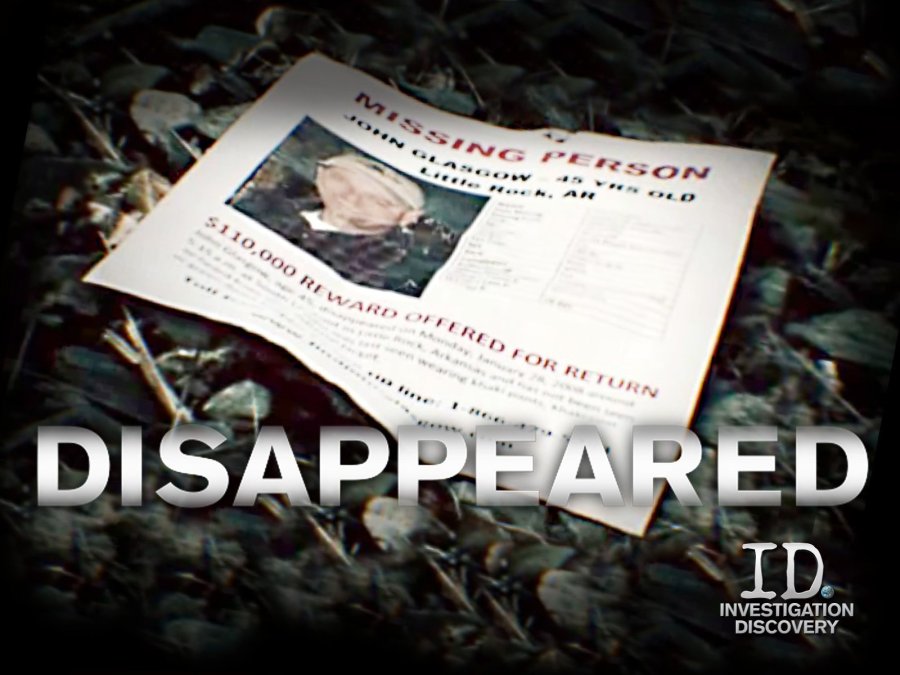
Investigation Discovery:
Former Marine Noah Pippin is reported missing after failing to appear at drill. -A Soldier’s Story, Disappeared (November 21, 2011)
ID Go: In August 2010, 31-year-old ex-marine Noah Pippin left Michigan to report to the California National Guard. But Noah never shows up. Police trace his path to the forests of Montana, leaving Noah’s parents to wonder why he is venturing into the wild. -A Soldier’s Story, Disappeared (S5,E8)
Editor’s note: With a cable subscription, you can download the free ID Go app and watch all of the Investigation Discovery programming at your convenience. And for those who do not have cable, you can watch “unlocked” episodes on the ID Go app including the latest premieres. Download the ID Go app and binge away. For those who prefer commercial free programming during your binge session, Prime Video has an ID channel: ‘True Crime Files by Investigation Discovery” available for $2.99 a month. It’s a compilation of older seasons but totally worth the cost if you are a true crime addict.
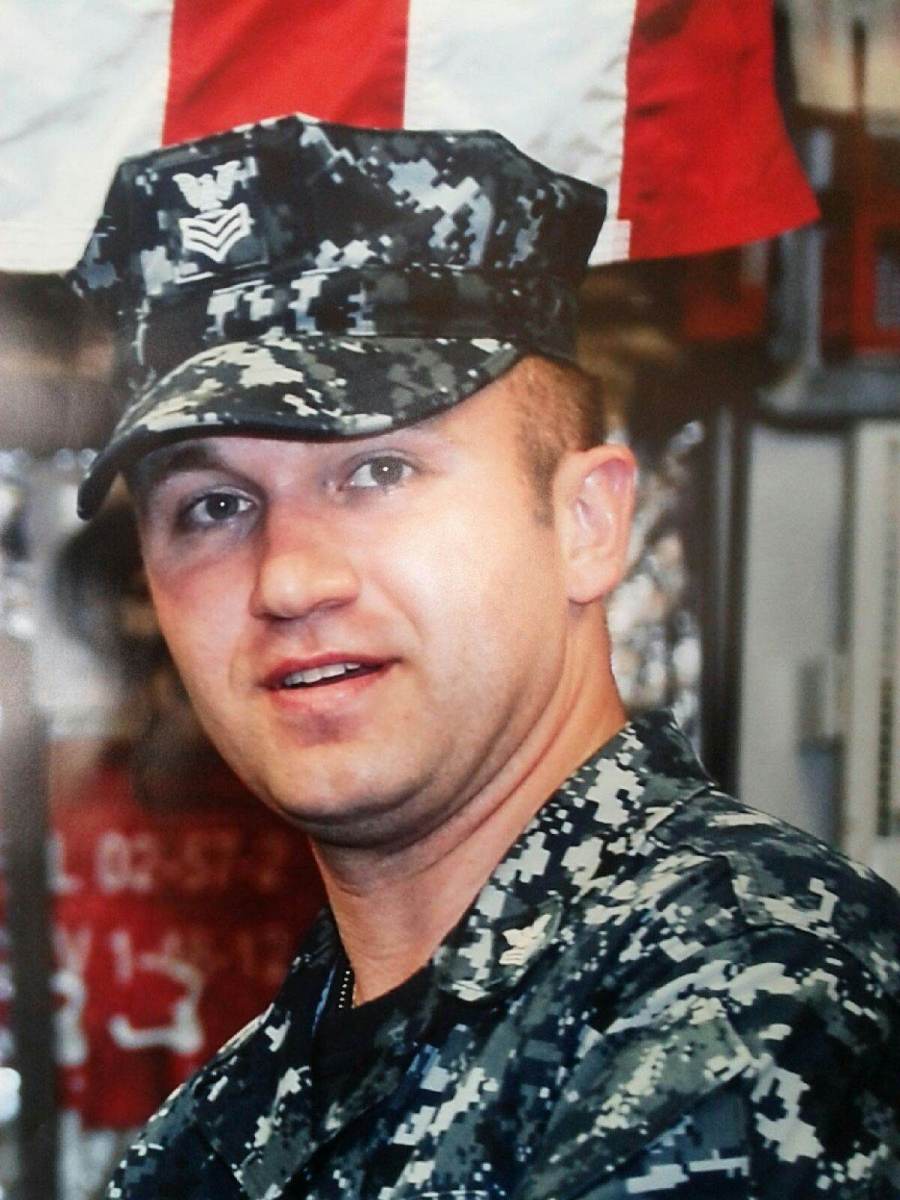
Navy CPO John Keith Bemis, 30, was found fatally shot in his Spring Valley, California residence on August 7, 2012. Keith enlisted in the U.S. Navy in 2000 and was an air conditioning and refrigeration mechanic assigned to the U.S.S. Independence docked in San Diego, California. Although the exact time of death is unknown, Keith was found dead on Tuesday morning, August 7th, by Navy co-workers and the Sheriff’s Department. Keith was found in his bedroom lying on his back in full uniform wearing a motorcycle helmet with a single intraoral gunshot wound. Keith’s death was quickly ruled a suicide but Keith’s parents, Tony and Sue Bemis, who never believed Keith died by suicide, want Keith’s death to be reopened and investigated as a homicide. They have conducted their own investigation and have determined the evidence simply doesn’t add up. Keith was a happy and healthy young man with a stellar military career; he was a suicide prevention advocate for the Navy; there were no medical or mental health issues or stressors noted in Keith’s naval medical records; and he did not leave a note. The San Diego County Sheriff’s Department (Lemon Grove) were tasked with investigating and documenting the incident and the San Diego County Medical Examiner’s office conducted an autopsy. Photos were taken at the scene and at autopsy.
Tony and Sue Bemis elicited the help of the Armed Forces Medical Examiner (AFME) because they wanted a second autopsy conducted. Now both the San Diego County Medical Examiner and the AFME had ruled the cause of death suicide. After the family received a copy of the autopsy reports and photos, they began to notice upon closer examination that there were words like “gay” and “fag” written on Keith’s body. They found other oddities like numbers and words written on Keith’s body and on items in the bedroom where he was found. They found markings consistent with writing on the back of Keith’s neck. They observed two bullet holes in the ceiling; only one bullet was recovered. And were surprised by the damage caused to the motorcycle helmet where the bullet that killed their son apparently exited. They learned Keith was last seen on August 6 around 9 p.m. and suspect Keith was met with foul play shortly after returning home. Neighbors told the family he parked his truck in handicap parking (which he normally would not do) upon returning home. Neighbors also reported hearing a loud thud. After the family examined the evidence known to them (and to police), they found enough compelling evidence to warrant concern. Keith didn’t have any of the associated risk factors with suicide. But Keith did have a recent break up with a woman he had dated off and on for three years.
Keith met his ex-girlfriend in Tijuana and the relationship dynamics and reasons why they broke up are unknown. Those who interacted with Keith prior to his death did not observe any depression associated with the break-up. In the days following the break-up Keith celebrated an upcoming promotion on Sunday August 5, 2012; he spoke with family during a party at his condominium. He had recently purchased some new t-shirts and none of his electronic communications prior to the incident indicated any kind of unusual behavior. Unfortunately, Keith’s computer was of no use; the hard drive was wiped. Some mystery could have been alleviated with gun shot residue (GSR) testing of Keith’s hands but this testing was not conducted by either the San Diego County or Armed Forces medical examiners. The family tested Keith’s three guns for forensic evidence (including the gun allegedly used to take his own life) and no blood, blowback, or remains were found on any of Keith’s guns. The family wants homicide investigators to explore the various motives and theories because they know Keith didn’t die by his own hand. They can’t have peace until there is justice for their son. And none of us are safe if we turn the other way and ignore what quite possibly could be a homicide. Keith was concerned about a missing key to his place. Was a known offender able to gain access with the missing key? Nothing appeared to be stolen from Keith’s residence. Was it a personal crime?
If Keith’s death was a homicide, then a killer roams free. And because of this, we need to make death and missing persons investigations a priority. Every death investigation should be a homicide investigation initially until evidence proves otherwise. And we should always use gun shot residue testing to confirm suicide by gun. We should conduct a victimology, interview family and friends, and look at the totality of the evidence before making premature determinations that control the future of an investigation. The interviews, electronic records, and necessary forensic testing speak for the victim. We should take a look at all the possible theories. Some theories in this case include but are not limited to: ex-girlfriend angry Keith broke off with her, feels rejected, wants revenge; mistaken identity, intruder meant to target roommate; the missing house key was used to enter residence, intruder known; roommate was in Navy, maybe Keith suspected illegal activity and co-workers wanted him to remain silent; was this a national security incident or an act of terrorism? Tony and Sue Bemis created a website in Keith’s name. They are determined to find out what happened to their son because the evidence collected doesn’t support a suicide ruling. Take a look at the evidence for yourself and make your own determination. The more eyes on the case, the better. Please sign the petition, follow Death of Navy CPO John Keith Bemis on Facebook, and for tips, please contact Tony and Sue by e-mail.
CPO John “Keith” Bemis’ death was declared a suicide in August 2012, but the evidence doesn’t add up and his parents need your help. -Unsolved Mysteries (February 27, 2015)
San Diego County Sheriff’s Department Report (August 7, 2012):
San Diego County Sheriff’s Department Report (Download PDF)
Armed Forces Medical Examiner’s Report (August 17, 2012):
Armed Forces Medical Examiner’s Report (Download PDF)
San Diego County Medical Examiner’s Report (September 28, 2012):
San Diego County Medical Examiner’s Report (Download PDF)
Able Legal Investigations Summary Report (January 12, 2014):
Able Legal Investigations Summary Report (Download PDF)
Ryan Forensic DNA Consulting Report (September 2, 2014):
Ryan Forensic DNA Consulting Report (Download PDF)
DNA Diagnostics Center Forensic Report (October 27, 2017):
DNA Diagnostics Center Forensic Report (Download PDF)
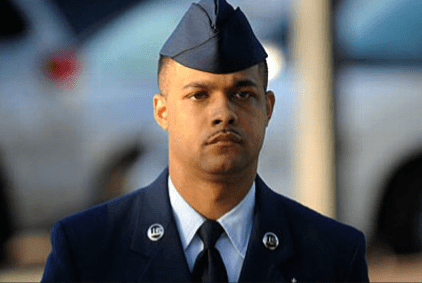
SSgt Luis Walker, U.S. Air Force (Photo: Billy Calzada/San Antonio Express-News via AP)
Air Force SSgt. Luis Walker was a basic training instructor at Lackland Air Force Base in Texas. After an investigation into allegations of improper relationships and abuse of power at the training facility in 2011, SSgt Walker was charged with sexual assault. One of his victims stated under sworn testimony that he had raped her. As a result of the court martial, he was found guilty and sentenced to 20 years in prison as opposed to the original life sentence he was faced with. Shortly after the conviction, his wife spoke out publicly claiming that her husband was innocent and that he did not get a fair trial. SSgt Walker also echoed those sentiments when asked for a statement from the Air Force Times (see quote below). A few months later, one of the victims in the trial went public with her story. Virginia Messick shared that she was raped by SSgt Walker and that it was a harrowing experience. She also later reported that she was facing battles trying to get disability benefits for Post Traumatic Stress Disorder (PTSD) from the Department of Veterans Affairs. SSgt Walker’s attempt to overturn the sexual assault conviction on appeal were eventually denied. It was only a few months later that he would be found dead in his cell at Fort Leavenworth from an apparent suicide.
“These setbacks have discouraged me and at times I have wanted to give up, but because of my family, I can not. I am a human being and an American, I deserve the right to a fair trial. There has been a lot of focus on the number of alleged victims in my case, instead of the charges against me, when in fact each charge should stand on its own.” -SSgt Luis Walker (USA Today, September 3, 2014)
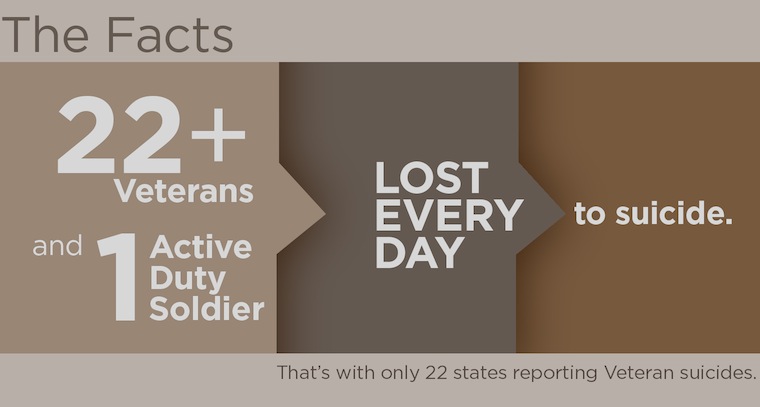
The U.S. military is grappling with a disturbing trend—soldiers are killing themselves at an alarming rate. So far this year, an average of one soldier a day is committing suicide. The suicide rate is outpacing the number of soldiers killed in Afghanistan this year by some 50-percent. -Fox 31 Denver
DENVER – The U.S. military is grappling with a disturbing trend—soldiers are killing themselves at an alarming rate. So far this year, an average of one soldier a day is committing suicide.
The suicide rate is outpacing the number of soldiers killed in Afghanistan this year by some 50-percent. And there have been high-profile cases here in Colorado.
It’s gotten so bad, that the defense department has even set up a suicide prevention office. Soldiers we talk to say the reasons for their life-threatening depression are many.
Former Marine Noah Pippin is reported missing after failing to appear at drill. -A Soldier’s Story, Disappeared (November 21, 2011)
ID Go: In August 2010, 31-year-old ex-marine Noah Pippin left Michigan to report to the California National Guard. But Noah never shows up. Police trace his path to the forests of Montana, leaving Noah’s parents to wonder why he is venturing into the wild. -A Soldier’s Story, Disappeared (S5,E8)
Editor’s note: With a cable subscription, you can download the free ID Go app and watch all of the Investigation Discovery programming at your convenience. And for those who do not have cable, you can watch “unlocked” episodes on the ID Go app including the latest premieres. Download the ID Go app and binge away. For those who prefer commercial free programming during your binge session, Prime Video has an ID channel: ‘True Crime Files by Investigation Discovery” available for $2.99 a month. It’s a compilation of older seasons but totally worth the cost if you are a true crime addict.
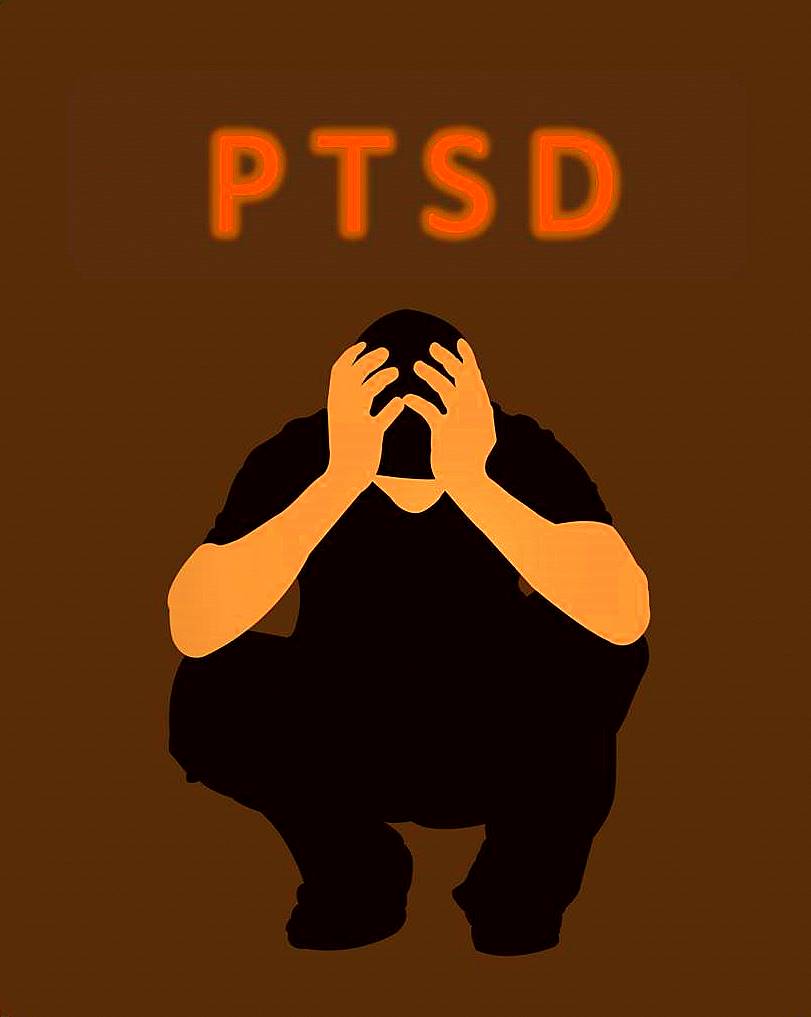
Court documents show triple murder suspect, Roy Murry, an Iraq war veteran, suffered from post traumatic stress disorder, and now local veterans coping with PTSD are speaking out, wanting to clear the air that, just because you have it, it does not make you a threat to the community. -KXLY 4
“A man opens fire in a national park, killing a ranger who was attempting to stop him after he blew through a vehicle checkpoint. A second man is suspected in the stabbing deaths of four homeless men in Southern California.
Both men, U.S. military veterans, served in Iraq — and both, according to authorities and those who knew them, returned home changed men after their combat service.”
The U.S. military is grappling with a disturbing trend—soldiers are killing themselves at an alarming rate. So far this year, an average of one soldier a day is committing suicide. The suicide rate is outpacing the number of soldiers killed in Afghanistan this year by some 50-percent. -Fox 31 Denver








 MILITARY JUSTICE FOR ALL