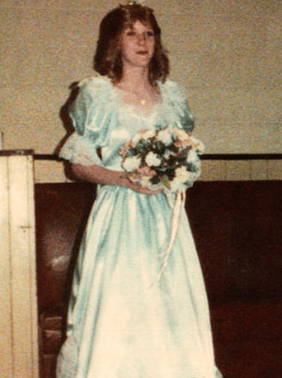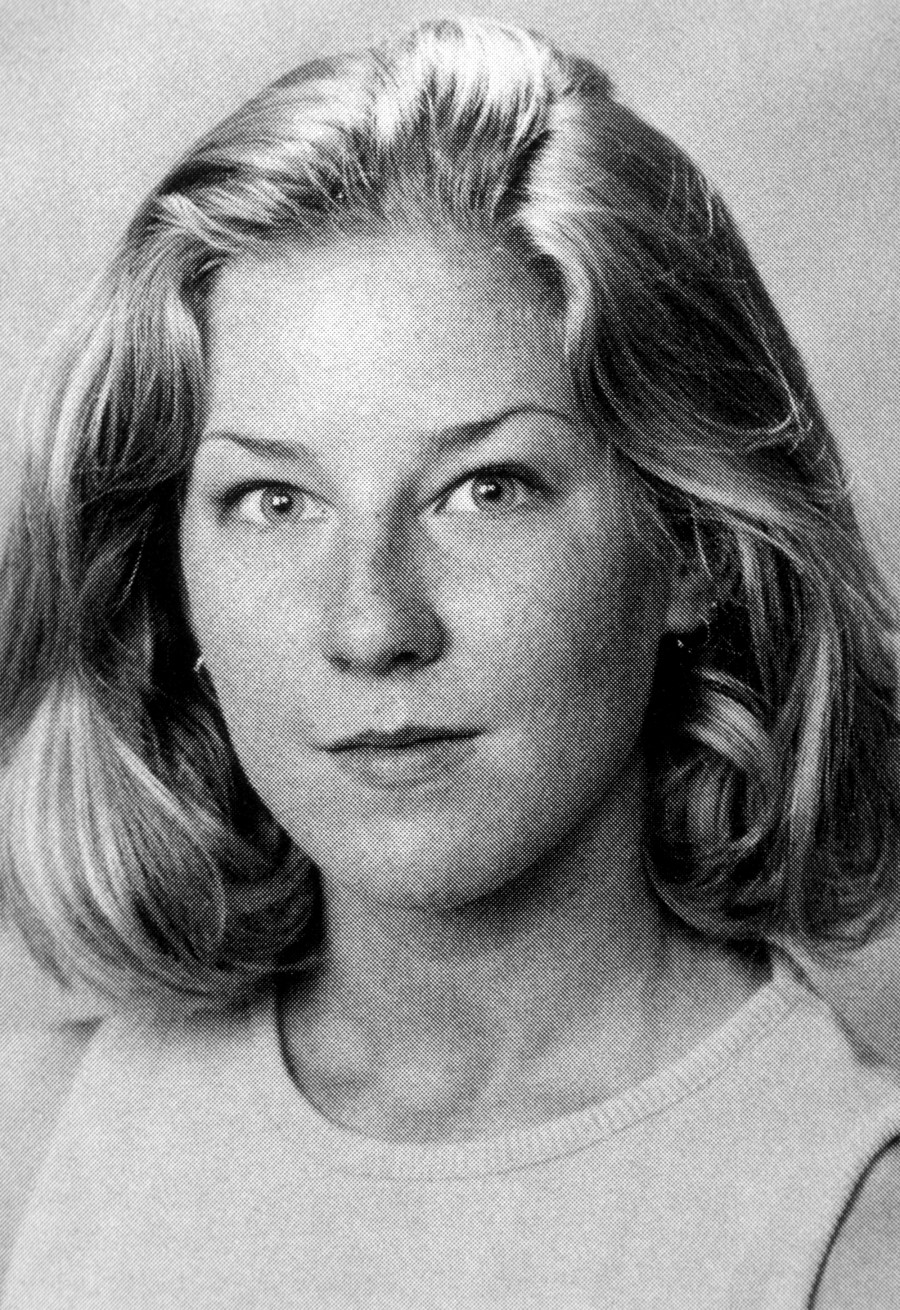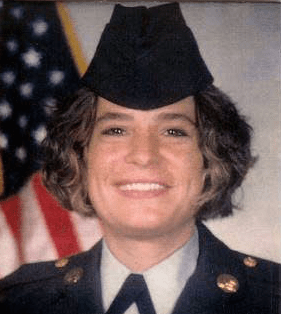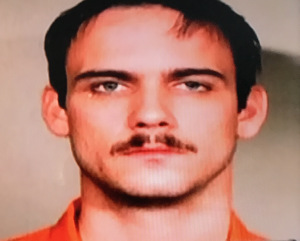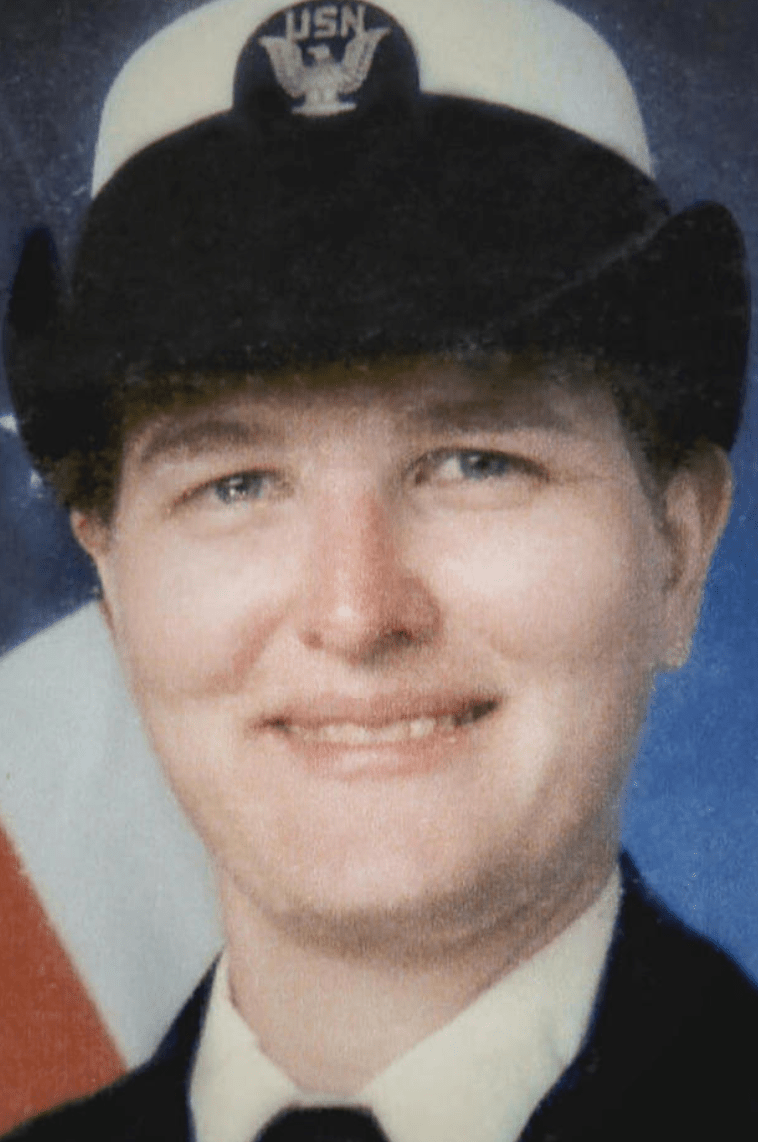
Honoring Navy Petty Officer Quincy Brown who died on May 14, 1996 in Virginia Beach, Virginia. Petty Officer Brown and Petty Officer Elise Makdessi were murdered by Elise’s husband Eddie Makdessi in the Makdessi home. Quincy Brown was lured to the residence under false pretenses, not aware that he was part of a plot that ended with murder. Eddie shot Quincy Brown and then stabbed Elise Makdessi. He told the police that Quincy Brown broke into his home, knocked him out, raped and murdered Elise, and when he awoke he shot the intruder. Forensic science proved that Eddie’s version of events were not supported by the evidence. Investigators concluded that Eddie was most likely motivated to kill by his wife’s $700,000 life insurance policy he had purchased a month earlier. Eddie Makdessi was indicted in 2001 but wouldn’t go to trial for his crimes until 2006 as he fled the country with his life insurance money. Unfortunately, the United States didn’t have an extradition treaty with Russia. After Eddie Makdessi finally returned to the US, he was charged with two counts of first degree murder, found guilty, and sentenced to life in prison. He continues to deny that he committed the crimes.
Investigation Discovery:
Paramedics respond to a horrific crime scene – a woman is found tied to a bed with slashes across her body. Next to her on the floor, a man with three gunshot wounds. Detectives spend the next several years unraveling this bizarre mystery. -Last Man Standing, Solved (S2,E10)
When a Naval Officer is apparently raped and stabbed by a coworker, a mysterious VHS tape suggests the victim may have been silenced to prevent a scandal. Dogged investigation and cutting edge forensic science reveals a shocking murder plot. -Deadly Accusations, Unusual Suspects (S7,E4)
April 14, 1996: Laura Uylaki, 25, Hammond, Indiana
Marine veteran Andrew Urdiales is accused of murdering eight women from 1986 to 1996, five in California and three in Illinois, and raping and abducting 19 year old Jennifer Asbenson who escaped and survived. Urdiales was indicted for three murders in Illinois and was sentenced to death but the death sentence was commuted after Governor Pat Quinn of Illinois abolished capital punishment in 2011. Instead he received three life sentences for the murders of Laura Uylaki, Cassandra Corum, and Lynn Huber. A gun confiscated in a separate incident linked the three murders in Illinois together and during an interrogation, Urdiales admitted in detail to five cold case murders in California too.
After years of legal wrangling, Urdiales was eventually extradited to California and indicted in 2009 on five counts of first degree murder. He was accused of killing Robbin Brandley, Julie McGhee, Mary Ann Wells, Tammie Erwin, and Denise Maney while stationed at Camp Pendleton Marine Corps base. On May 23, 2018, Andrew Urdiales was convicted of five murders by a jury that deliberated for about a day before recommending in June 2018 that he be sentenced to death for each of the five murders. On November 2, 2018, corrections officials said they found Urdiales unresponsive during a security check at San Quentin State Prison; former Marine and serial killer Andrew Urdiales died by suicide.
In the News:
The murders occurred when Andrew Urdiales was stationed at various Marine Corps facilities in Southern California. -CBS Los Angeles (October 5, 2018)
Adrianne Jones was murdered December 4th, 1995 by Air Force Academy Cadet David Graham and his girlfriend and Naval Academy Cadet Diane Zamora. The crime occurred while they were all still in high school in Texas prior to David joining the Air Force Academy and Diane joining the Naval Academy. All three of them had very bright futures. Adrianne Jones was missing for quite some time before her body was discovered. The case went unsolved until Diane Zamora admitted to some friends at the Naval Academy that she had killed someone with her boyfriend. David Graham admitted to his role in the crime; he was sentenced to life in prison. Diane Zamora denies her role in the crime to this day; she was sentenced to life in prison.
“In 1995, bright 16-year old student Adrianne Jones is found shot to death in Grand Prairie, Texas. Police don’t have any strong suspects, until nine months later when a game of Truth-or-Dare leads to a startling confession.” -Investigation Discovery
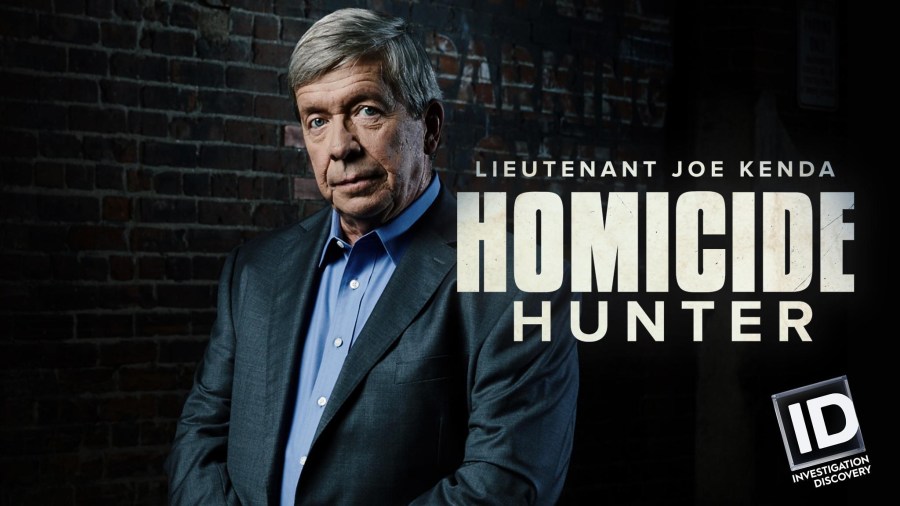
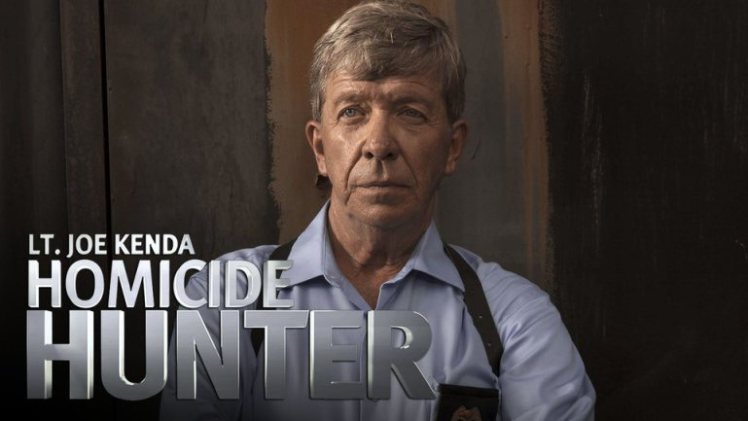
Housewife Elsie Jennes is found dead in the basement of her burning home. Lt Joe Kenda has no leads until Elsie’s son, William, turns up in a police station over 50 miles away, equipped with a suitcase, a pet yellow labrador, and a bizarre story to tell. -The Spy Who Killed Me, Homicide Hunter (S2, E4)
Elspeth ‘Elsie’ Troost Jennes was murdered by her husband Army veteran William Jennes II on July 17, 1995 in Colorado Springs, Colorado. According to William’s confession, he was sick and tired of Elsie nagging him about the finances and getting a job so he retrieved his gun and shot her in the face and back. Jennes admitted to pouring gasoline all over the house and setting it on fire in an attempt to destroy the evidence. He quickly left with their son and dropped him off in Canyon City, Colorado where he went to the police because he didn’t know what was going on. Jennes then drove west along Highway 50 where he threw his gun into the Arkansas River. The police knew it would be virtually impossible to recover the gun because of the strength of the current in that particular river. But Jennes’ confession gave the police the evidence they needed to charge him with murder. Apparently, Jennes became overwhelmed with the financial situation in his life and after 14 years of marriage decided to murder his wife Elsie instead of making things right. William Jennes II pleaded guilty to second degree murder in an attempt to protect his son from having to testify in court and was sentenced to 48 years in prison.
Editor’s note: With a cable subscription, you can download the free ID Go app and watch Investigation Discovery programming at your convenience. And for those who do not have cable, you can watch “unlocked” episodes on the ID Go app including the latest premieres. For those who prefer commercial free programming during your binge session, Prime Video has an ID channel: ‘True Crime Files by Investigation Discovery” available for $3.99 a month. It’s a compilation of older seasons but totally worth the cost if you are a true crime addict. Download the ID Go app or purchase ID True Crime Files & binge away.
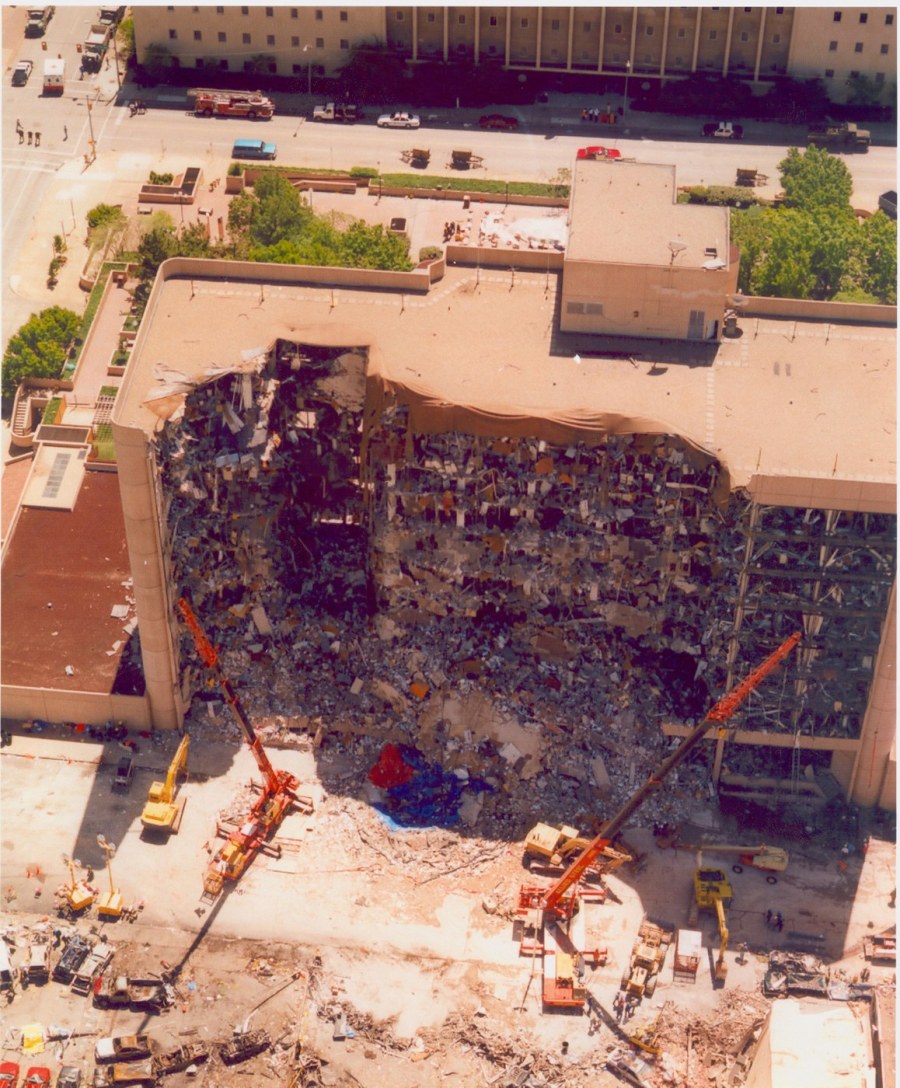
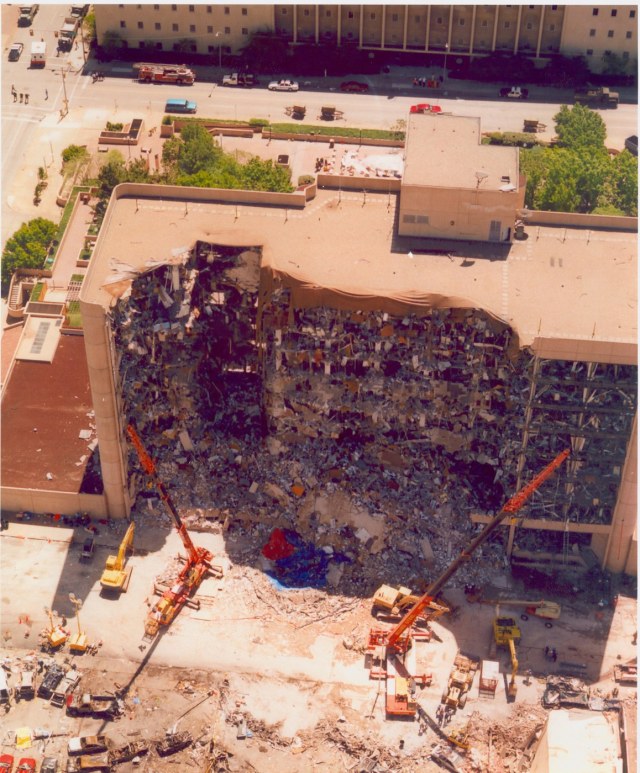
Alfred P. Murrah Federal Building, Oklahoma City, Oklahoma (Photo: FBI.gov)
“On the morning of April 19, 1995, an ex-Army soldier and security guard named Timothy McVeigh parked a rented Ryder truck in front of the Alfred P. Murrah Federal Building in downtown Oklahoma City. He was about to commit mass murder.
Inside the vehicle was a powerful bomb made out of a deadly cocktail of agricultural fertilizer, diesel fuel, and other chemicals. McVeigh got out, locked the door, and headed towards his getaway car. He ignited one timed fuse, then another.
“The events of April 19, 1995, dramatically changed Oklahoma City and all of us who remember that spring morning. But the stories of the 168 people killed live in our hearts as well as in the Oklahoma City National Memorial & Museum. Learn more about the victims here.” -Oklahoma City National Memorial
Learn what motivated domestic terrorists Timothy McVeigh and Terry Nichols to commit the Oklahoma City Bombing, which killed 168 people on April 19, 1995. Discover the federal and local clean up efforts and the fate of McVeigh and Nichols. -History
USA: Oklahoma City Bombing Rescue – 1995 | Today in History | 19 Apr 16 -AP Archive
In the News:
The FBI has released long-secret security tapes showing the chaos immediately after the 1995 bombing of the Oklahoma City federal building. The soundless recordings show people rushing from nearby buildings after the fertilizer bomb went off. (Sept. 27) -Associated Press
Don Lemon talks with the child survivors of the Oklahoma City bombing 15 years after the attack. -CNN
20 years after the terror attack, survivors and families of victims look back on the devastating terror attack. -CBS News
20 years ago tomorrow, domestic terrorist Timothy McVeigh and his co-conspirators set off an enormous truck bomb in downtown Oklahoma City. The blast killed 168 people, including 19 children. Anna Werner reports on that awful day after visiting the site. -CBS This Morning
Americans remember the bombing that killed 168 people and injured hundreds more. -ABC News
Remembering the April 19, 1995 tragedy in Oklahoma when a truck bomb exploded outside of the Alfred P. Murrah Federal Building injuring hundreds and leaving 168 people dead. -NBC News
Today marks the 23rd anniversary of the Oklahoma City bombing, a time to remember the 168 lives lost in an act of domestic terrorism that rocked the nation. -CBS News
On the morning of Wednesday, April 19, 1995, a former Army soldier parked a rented Ryder truck in front of the Alfred P. Murrah Federal Building in Oklahoma City, Oklahoma.He got out, locked it and ignited two fuses. At 9:02 a.m., the explosion ripped through the building where 500 people worked and children attended America’s Kids day care. The blast killed 168 people including 19 children under the age of 6. -PennLive.com
USA: Oklahoma City: Remains of Bombed Building to be Demolished. -AP Archive
Oklahoma City National Memorial & Museum:
At the 20th anniversary remembrance for the Oklahoma City bombing, the former president says it’s important for all Americans to remember how much they owe Oklahomans. -CBS News
Video of The Oklahoma City National Memorial and Museum. -CNN
American Experience PBS:
Premiering at the 2017 Sundance Film Festival. Coming to American Experience PBS on February 7, 2017 at 9/8c. -American Experience, PBS
After the Oklahoma City Bombing, Clinton’s ability to reach Americans on a personal level did much to help the nation’s grief. “It’s kind of a throwaway line now, I feel your pain, but he literally could,” says Robert McNeely. “I mean he could take people and just hug them and connect to them in a way and really listen to them.” -American Experience, PBS
Oklahoma City explores how a series of deadly encounters between American citizens and federal law enforcement—including the standoffs at Ruby Ridge and Waco—led to the bombing of the Murrah Building in Oklahoma City in April 1995, the worst act of domestic terrorism in American history. -American Experience, PBS
At the time of the Oklahoma City bombing in 1995, the Alfred P. Murrah Federal Building was home to several government agencies — and a daycare. -American Experience, PBS
During the stand-off between federal agents and the Branch Davidians in Waco, Texas in 1993, people gathered on a hill roughly three miles away to see what was happening at the compound. One of those drawn to Waco was a 24-year-old Army veteran named Timothy McVeigh. -American Experience, PBS
Filmmaker Barak Goodman and editor Don Kleszy discuss their newest documentary, “Oklahoma City” and how it led to the creation of another one-hour film about Ruby Ridge. -American Experience, PBS
The 1995 Oklahoma City Bombing was the largest act of domestic terrorism in U.S. history. A new documentary on the PBS series American Experience takes a fresh look at the events and motivations that led to the attack by Timothy McVeigh, and finds resonance for today. -PBS NewsHour
At the 20th anniversary, we look back at the Oklahoma City bombing. Public television station OETA shares reflections from survivors and victims’ families, and Judy Woodruff talks to former Deputy Attorney General Jamie Gorelick, former Director of Homeland Security of Oklahoma Kerry Pettingill and Barry Grissom, U.S. attorney for the district of Kansas, for lessons learned from the attack. -PBS NewsHour
On April 19, 1995, Timothy McVeigh, a former soldier deeply influenced by the literature and ideas of the radical right, parked a Ryder truck with a five-ton fertilizer bomb in front of the Alfred P. Murrah Federal building in Oklahoma City. Moments later, 168 people were killed and 675 were injured in the blast. OKLAHOMA CITY traces the events — including the deadly encounters between American citizens and law enforcement at Ruby Ridge and Waco — that led McVeigh to commit the worst act of domestic terrorism in American history. With a virulent strain of anti-government anger still with us, the film is both a cautionary tale and an extremely timely warning. -YouTube Movies
March 11, 1995: Denise Maney, 32, Palm Springs, California
Marine veteran Andrew Urdiales is accused of murdering eight women from 1986 to 1996, five in California and three in Illinois, and raping and abducting 19 year old Jennifer Asbenson who escaped and survived. Urdiales was indicted for three murders in Illinois and was sentenced to death but the death sentence was commuted after Governor Pat Quinn of Illinois abolished capital punishment in 2011. Instead he received three life sentences for the murders of Laura Uylaki, Cassandra Corum, and Lynn Huber. A gun confiscated in a separate incident linked the three murders in Illinois together and during an interrogation, Urdiales admitted in detail to five cold case murders in California too.
After years of legal wrangling, Urdiales was eventually extradited to California and indicted in 2009 on five counts of first degree murder. He was accused of killing Robbin Brandley, Julie McGhee, Mary Ann Wells, Tammie Erwin, and Denise Maney while stationed at Camp Pendleton Marine Corps base. On May 23, 2018, Andrew Urdiales was convicted of five murders by a jury that deliberated for about a day before recommending in June 2018 that he be sentenced to death for each of the five murders. On November 2, 2018, corrections officials said they found Urdiales unresponsive during a security check at San Quentin State Prison; former Marine and serial killer Andrew Urdiales died by suicide.
In the News:
The murders occurred when Andrew Urdiales was stationed at various Marine Corps facilities in Southern California. -CBS Los Angeles (October 5, 2018)
Army Officer Training School (OTS) candidate Lisa Gaudenzi, 31, disappeared from her Caroline County residence in Ruther Glen, Virginia on January 26, 1995. Lisa was a married, mother of two children, and was supposed to report for duty in Fort Lee, Virginia but never showed up. Her husband Lawrence Gaudenzi said the last time he saw Lisa was when he dropped her off at the bus station. The military police looked into the absence but after no solid leads, deemed Lisa absent without leave (AWOL); she was eventually dishonorably discharged. After an extensive investigation, spanned over 15 years, Lawrence Gaudenzi was charged with Lisa’s murder on May 16, 2008, despite Lisa’s body never being found.
For no apparent reason, during the middle of his trial, Lawrence Gaudenzi pleaded guilty to second degree in May 2009 and was sentenced to 25 years in prison. Prosecutor’s theorized that Lawrence overheard Lisa tell a friend that she was getting a divorce from Lawrence after OTS. Lisa was tiring of Lawrence’s violence and control issues; she was ready to move on. After about a year in prison, Lawrence Gaudenzi finally led investigators to where he hid Lisa’s body in Spotsylvania County 15 years prior. Virginia State Police found the last of Lisa’s remains on June 9, 2010 and delivered them to her family. Lisa’s AWOL and Army discharge status were upgraded and she was buried with full military honors.
A mother of two vanishes the day before she reports for Officer Training School. Her husband claims she ran off with another lover, but her family suspects something much worse. It takes 14 years for the truth to emerge…from the least likely of sources. -The Perfect Suspect
Preview | Every Body Tells Its Own Story | Homicide Hunter | Investigation Discovery
Recently discharged Army veteran Brandin Penza was found stabbed to death in a Colorado Springs, Colorado parking lot on September 23, 1994. Apparently Brandin was on his way home when he was attacked. Detective Lt. Joe Kenda of the Colorado Springs Police Department was assigned to investigate the homicide. Lt. Kenda turned to Brandin’s friends first to learn more about him. He learned from his roommates that he had got out of the Army two weeks earlier and was only staying with friends temporarily until he moved back to Kansas to be with his girlfriend. Brandin was figuring out what he wanted to do next. He had a large group of friends in the military that he considered his family. They spent a lot of time together barbecuing and having fun. He was described as a happy-go-lucky guy who would give anyone the shirt off his back. They couldn’t think of anyone who had a motive to hurt him. His roommates informed Lt. Kenda that Brandin told them he was going out to the Rodeo Night Club. Lt. Kenda had very little evidence to work with so he turned to Brandin because his body tells a story.
Lt. Kenda discovered that Brandin Penza was stabbed 74 times. Kenda also deduced, based on where the stab wounds were located, that the killer was probably left handed. Only 10% of the world is left-handed. Kenda then ordered a K-9 unit to the scene of the crime to see if they could get a scent on their killer. Dogs can track the existence of a subject and where they may have gone. The K-9 and handler proceed about one hundred yards and then stop. It was a dead end. Kenda continues the investigation into the daylight which offers up more evidence. They found a tear drop of blood which helped them determine which way the person was going. Kenda and the team follow the trail of blood all the way to the door of one of the nearby apartments. Blood smears were present outside and inside the building and on the door where the apartment was located. They knocked on the door to find out who was behind it and they got no response. As they were about to kick the door, it opened and a scared kid in his underwear was standing there with his hands up. His name was Kevin Gooley, 21, and he was covered in blood and had injuries consistent with a knife attack. Kevin Gooley’s injuries suggested to Lt. Kenda that he was Brandin Penza’s killer.
Kevin Gooley
Lt. Kenda asked for his signature and discovered he was left handed as well. They searched his apartment and found blood soaked cowboy boots under his bed. Lt. Kenda opened the dresser drawers and discovered they were not drawers, they were cabinets with an arsenal of weapons. Lt. Kenda arrested Kevin Gooley for the murder of Brandin Penza. Lt. Kenda interrogated Gooley to find out why he killed him. This type of stabbing usually accompanies a very close, personal relationship. Gooley claimed he didn’t even know him but ran into him on the way home after having a few drinks at the bar. He claimed he was approached by an individual (Brandin) who asked him for money and it caused him alarm. He claimed Brandin put his arm around him as if to suggest that he was hitting on him. Kenda was suspicious of his reasoning for the crime. Regardless of the reason, Gooley admitted to killing Brandin Penza. He claimed he freaked out but his claims of self defense were hallow. Most likely, Kevin Gooley had no reason why he stabbed Brandin. Lt. Kenda suspected that Gooley most likely had a psychotic episode. Facing a death sentence if convicted of murder, Kevin Gooley took a plea deal in exchange for a 32 year prison sentence.
Investigation Discovery:
A popular army vet is found bleeding to death on the cold asphalt of a shadowy parking lot -his chest littered with too many knife wounds to count. A gruesome clue leads Kenda’s team to an unlikely killer whose motive for murder is as heartless. -Bad Blood, Homicide Hunter (S5,E1)
Editor’s note: With a cable subscription, you can download the free ID Go app and watch Investigation Discovery programming at your convenience. And for those who do not have cable, you can watch “unlocked” episodes on the ID Go app including the latest premieres. For those who prefer commercial free programming during your binge session, Prime Video has an ID channel: ‘True Crime Files by Investigation Discovery” available for $3.99 a month. It’s a compilation of older seasons but totally worth the cost if you are a true crime addict. Download the ID Go app or purchase ID True Crime Files & binge away.
Hard-working fast food manager Missy Berry is found dead in an idling car at a deserted intersection. Kenda discovers suspects from Missy’s past who may have wanted her dead. But a surprise twist in the investigation leads him into uncharted territory. -Drive Thru Murder, Homicide Hunter (S2,E6)
Missy Berry was found shot execution style in a stopped vehicle at a Colorado Springs intersection on September 17, 1994. As Lt. Joe Kenda investigated the homicide, he learned Missy Berry dropped off the deposits every night after she left work. Lt. Kenda found out the money was never deposited and was not in her vehicle; he suspected robbery was the motive. Lt. Kenda learned from a fellow officer that a man who looked like he worked at the restaurant was hanging out in the parking lot around the time Missy left work. It was believed this man most likely asked Missy for a ride but at the time the police officer thought nothing of the interaction. Kenda wondered who at work might have asked Missy for a ride. Kenda spoke with the restaurant manager to find out who might have a motive to kill Missy. The store manager thought maybe it was a guy named Darren who she suspected was into drugs. Kenda tracked down Darren Haney and found him in the hospital waiting for his child to be born. He was cleared.
Darren offered Kenda a valuable piece of information. He suggested that his co-worker George Clifford McDaniel may have a motive to kill Missy Berry because he hated her. He said he wanted that bitch dead a couple weeks earlier. Apparently, Missy gave Cliff a hard time about his work and the fact that he was a mommy’s boy. Kenda learned Cliff lived one block away from the scene of the crime. At this point, Cliff was Kenda’s primary suspect after learning he fit the description offered by the police officer who observed him hanging around the parking lot. Kenda learned Cliff was the son of a former military police officer. He was born in England and his mother married a serviceman. Cliff too served in the U.S. Army for a couple years. He appeared helpful, cooperative, and didn’t raise any red flags with Kenda. His family was having a hard time financially and Cliff was working at the restaurant to help the family. He said he was with his friend Ronnie Houston watching a movie until 1:20 a.m.
Before the interview wrapped up, Cliff McDaniel suggested it was someone who asked Missy for a ride. Kenda checked out McDaniel’s alibi. Ronnie Houston admitted Cliff was there but Ronnie’s rendition of events did not match those shared by Cliff. Cliff said he left Ronnie’s at around 1:30 a.m. but Ronnie said Cliff left at 11:30 p.m. Cliff could not account for this two hour gap. Ronnie shared another important piece of information. He said Cliff had a gun and said he was planning to rob the restaurant. Kenda now believed Cliff asked for a ride from Missy, shot her at the intersection, and stole the night deposit. When Kenda went to arrest Cliff for suspicion of murder, he learned Cliff was no longer in town. They searched his home but didn’t find any physical evidence in the house tying him to the crime. After Kenda reminded the family they could be charged with accessory to murder, Cliff’s mother told Kenda he was in London, England. The police needed to find Cliff McDaniel because they were afraid he would do this again.
Kenda interviewed the travel agent who arranged the one-way ticket for Cliff. Kenda believed Cliff’s escape to London was a sure sign of guilt and he was going to bring this international fugitive to justice. They contacted New Scotland Yard to ask for assistance with the search of Cliff McDaniel. He was staying with family, the same aunt he told the travel agent had died. New Scotland Yard arrested Cliff McDaniel however getting him back to the states was a whole new battle. England would not honor the extradition unless the State of Colorado agreed not to execute him. With the help of the U.S. State Department, Kenda was able to extradite Cliff McDaniel back to the United States. The Crown Judge agreed to sign an international extradition warrant. Cliff thought he would get away with this murder and move on in England. The stolen money and murder weapon were never recovered but nonetheless McDaniel was convicted. George Clifford McDaniel was found guilty of one count of first degree murder and sentenced to life in prison without the possibility of parole.
Editor’s note: With a cable subscription, you can download the free ID Go app and watch Investigation Discovery programming at your convenience. And for those who do not have cable, you can watch “unlocked” episodes on the ID Go app including the latest premieres. For those who prefer commercial free programming during your binge session, Prime Video has an ID channel: ‘True Crime Files by Investigation Discovery” available for $3.99 a month. It’s a compilation of older seasons but totally worth the cost if you are a true crime addict. Download the ID Go app or purchase ID True Crime Files & binge away.