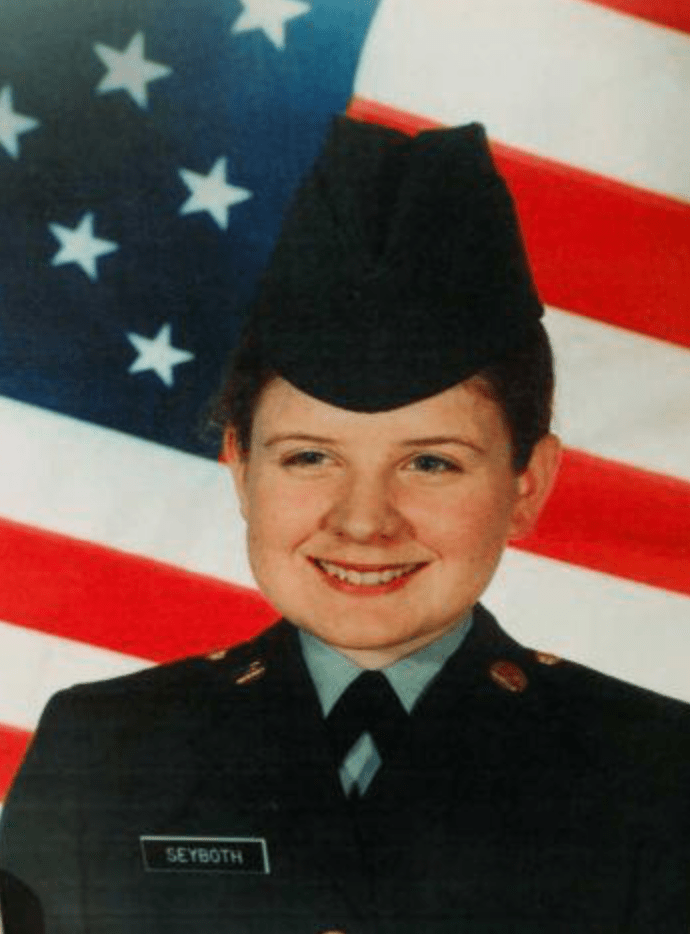
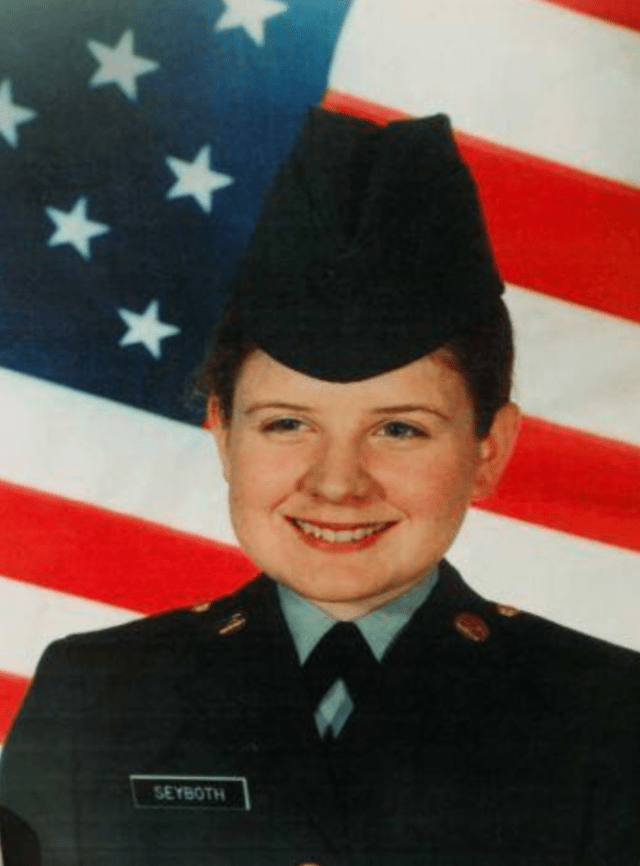
Army Staff Sgt. Amy (Seyboth) Tirador died of injuries sustained from a non-combat related incident in Kirkush, Iraq on November 4, 2009. Staff Sgt. Tirador was supporting Operation Iraqi Freedom on behalf of the 209th Military Intelligence Company, 1st Squadron, 14th Cavalry Regiment, 3rd Stryker Brigade Combat Team, 2nd Infantry Division in Fort Lewis, Washington. This was Amy’s third tour of duty in support of Operation Iraqi Freedom. The Department of Defense announced the circumstances surrounding the incident were under investigation at the time of the press release. Media reports declared that Amy was found by a maintenance worker in the base’s small generator room with a single gunshot wound to the back of the head. The Army pathologist ruled the cause of death as a ‘self inflicted gunshot wound’ but Amy’s mother Colleen Murphy disagreed and vowed to launch a private investigation. The family expressed concerns publicly that this was an execution style murder on a secure base and that she was killed in the generator room to muffle the sounds of the gunshot. Amy’s DNA evidence was found on the 9mm and that of another person. The family shared that the investigation report attempted to lead one to believe that Amy was considered high risk for suicide because of pressures at work as an Arabic translator and a strained marriage. Amy’s husband Michael Tirador was living at the same deployed location in Iraq as Amy at the time of her death. Amy’s mother denied any history of depression or substance abuse and does not believe her daughter died by suicide.
A year after Amy’s death the Army Criminal Investigation Division indicated in media reports that the investigation was not completed and no final rulings had been made. Yet Colleen Murphy shared that she was told the case was officially closed and expressed frustration with the miscommunication she typically experienced with Army bureaucracy. Amy’s mother also indicated that a lot of women in the military who have died have had their deaths falsely ruled as suicides. Colleen learned from other families who have lost their loved ones that they have even exhumed their daughters’ bodies and found that, without a shadow of a doubt, they did not kill themselves. Colleen indicated that she was going to get a second autopsy in light of the Army pathologist’s determination of cause of death. Michael Tirador expressed in interviews that he did not believe that his wife committed suicide and ordered that her body be exhumed for a second autopsy. Michael was of course a person of interest but his DNA did not match the second DNA profile on the gun. Colleen Murphy indicated that despite Michael’s claims that they had a good marriage, Amy wanted to divorce him. Amy’s father Greg Seyboth expressed concern that her work as a interrogator made her a high-profile target. Retired Army Colonel Ann Wright validated Amy’s family when she published an article stating that several female soldier’s deaths have been grossly mislabled by the military yet when faced with further evidence, they refused to change their findings. Colleen Murphy stated that she will never accept that her daughter committed suicide and that the Army is covering up the real reason that she was killed.
Tirador’s “greatness” has been shrouded in military “secrecy”. Her military legacy clouded by the military’s label of a “non-combat” death. An execution-style death in a “secure area” on an American military base in a war zone. –Family of Amy Tirador
Amy Seyboth-Tirador should have been coming home from her tour of duty overseas very soon. Instead, family and friends are planning a big memorial event in her honor. It’s a ride to remember the Army staff sergeant whose death still remains a mystery to loved ones. -WNYT NewsChannel 13 (August 6, 2010)
Interview with Amy Seyboth Tirador’s mother, 2 of 4 -810 WGY News (February 4, 2010)
Interview with Amy Seyboth Tirador’s mother, 4 of 4 -810 WGY News (February 4, 2010)
Dark Secrets are the stock-in-trad of Deadly Women. -Dark Secrets, Deadly Women (S2, E4)
Judy Buenoano
1. Judy Buenoano
Date: June 25, 1983 (the date of the explosion that was her downfall) Victims: John Goodyear (husband), Michael Buenoano (son), and John Gentry (fiancé, survived) Location: Pensacola, Florida Circumstances: John Gentry found out his wife Judy was pregnant and he was excited about their future; then John left the house, got into his car, and the car blew up; someone blew the car up with dynamite and it got the attention of investigators; John survived the blast but the discovery of dynamite residue meant this was no accident; four days later, detectives asked John who would profit from his death; they learned his mother and his fiancé Judy did; although John never imagined Judy had anything to do with it because he thought the policy was cancelled; a reporter recognized Judy from the nail salon she went to; news of the explosion was on at the nail salon; Judy didn’t say a word and just quietly kept working on her nails; the reporter noticed she had a darkness about her; the reporter took notice of the feelings she had about her; investigators learned that Judy told John she was pregnant with his child but she was lying because she had been surgically sterilized five years earlier; investigators found an insurance policy that showed she took out $500,000 on John; John thought the policy was cancelled but it was not; John was in denial initially but began to realize this may not have been Judy’s first attempt to kill him; Judy pushed John to take vitamins and after he took them he would get sick and throw up; he went to the hospital and they couldn’t figure out what was wrong; he stopped taking them but hid it from Judy; they were Judy’s poison pills; John was shocked to learn she had a secret life insurance policy on him for half a million dollars; investigators believe Judy may have killed before; 12 years earlier, Judy was married to James Goodyear; James was an Air Force sergeant who served in Vietnam; he was home on leave enjoying some R&R with his new wife but what he got was arsenic poisoning; it had no odor and dissolved easily; Judy served up tiny amounts so it went unnoticed; it progressively damages the liver and the heart; chronic arsenic poisoning is hard to detect; within 3 months, James was dead and Judy collected a large insurance settlement; this first murder set the stage for Judy’s career as a serial killer because she killed for profit; a decade later, James spoke from the grave when he was exhumed and they found arsenic in his system; Judy got away with murder for 12 years; investigators also learned when her son Michael turned 18, he wanted to join the military; on his way to a post in Georgia, he visited with his mom at which time Judy fed him arsenic because she had several life insurance policies on her son too; sociopaths don’t feel love and lack empathy; to Judy, her son was just another check waiting to get in her bank account; Michael didn’t die but he became crippled from the arsenic and was discharged from the Army as a result; he wore braces on both his arms and legs because he was paralyzed from the elbow down and the knee down; he was back in Judy’s care at it wasn’t long before Judy took Michael on a canoeing trip; he had 15 lbs of weighted braces on his arms and legs and could barely walk, let alone swim; she took him out of site of the landing and public view and the canoe some how capsized; one of her stories was they hit a log and the canoe overturned; she also said a snake fell in the boat; Michael, weighted down by the braces, could not swim and sunk to the bottom of the lake; Judy never attempted to save her son and he drowned; most parents would do whatever they could to save their child; later Judy hailed a passing fisherman, told him about the accident and drank a cold beer; she collected from two life insurance policies; she knew the braces would render Michael helpless; the police finally pieced together Judy’s secrets; she went too far when she used the dynamite because she wanted too much, too soon; the prosecutor said he never witnessed the sense of evil he did with Judy in his 30 years of prosecuting cases; Judy insisted she was innocent to her grave but those who knew her had no question about her guilt Motive: Greed (life insurance money) Disposition: Judy Buenoano was found guilty of first degree murder and first degree grand theft and sentenced to death; Judy was executed on March 30, 1998 by the State of Florida
Date: September 28, 1917 Victim: Annie Burkett (wife) Location: Australia Circumstances: Harry Crawford was barely scraping by in life; he had a lot of different jobs and moved often; if people asked too many questions, he would move again; Annie Burkett was married to Harry and he was a stepfather to her son; they were a typical family and Annie didn’t know Harry was living a lie; his name really wasn’t Harry Crawford because he wasn’t even a man; his name was Eugenia Falleni, and she wasn’t a Scotsman, she was an Italian woman; it was a secret he would kill to protect; he deceived everyone for decades; Eugenia was a woman living as a man at a time transsexuals were not accepted; she could be discovered at any time and jailed for living as a deviant; what she was doing was actually quite dangerous in those times because she would experience a lot of hostility; the marriage to Annie was actually null and void because she entered into a marriage as a man under false pretenses; Annie had no idea her husband was a woman because Eugenia hid it from her in the bedroom too; but after 4 years of marriage, Annie realized she’d been duped and she was devastated; she discovered the true gender of her life partner and threatened to expose Harry; he was afraid he would go to prison; Harry lured Annie to a secluded park for a picnic and smashed Annie over the head with a bottle, then she panicked; while Annie was still alive, Eugenia set her body on fire in a campfire because she believed she could burn the body beyond recognition; but Eugenia’s body was found yet not identified right away; Eugenia’s motivation for killing was to save herself and her standing in the community, she wanted to protect her identity; now her biggest concern was Annie’s son Harry; with Annie out of the way, there was only one other obstacle so she took Harry to a notorious suicide spot and tried to lure him to the edge; Harry hung back and it literally saved his life because she couldn’t convince him to go to the edge; the fear and panic was not enough to drive her to kill Harry; Eugenia kept this dark secret hidden for another 3 years; she went on to marry another woman and after 12 months, she was arrested by the police and charged with the murder of Annie Burkett whose body was finally identified; after the arrest, she became a freak show and even the media referred to her as a “freak,” “monster,” and “pervert” Motive: Wife Annie threatened to reveal the true identity of Eugenia; she did not want to go to prison or lose standing in the community Disposition: On July 5, 1920, Eugenia Falleni was charged with the murder of Annie Burkett; on October 6, 1920, she was convicted of murder and sentenced to death; although in the end, she was spared execution and released after 11 years in prison; she lived the rest of her life as a woman
Date: 1977-1982 Victims:Chelsea McClellan (Genene is suspected of killing up to 60 infants) Location: Bexar County, Texas (San Antonio and Kerrville) Circumstances: Babies were dying without cause at a medical center in San Antonio, Texas; they saw an increase in pulmonary arrests in the children’s ward; the death rate went from one a week to 3-5 a week; staff knew they had a murderer inside the hospital and the prime suspect was nurse Genene Jones, a 31 year old vocational nurse who had a hero complex; she liked the idea that she could save lives in an emergency; when someone has a strong need to be seen as a hero or savior, this is the hero complex; when someone creates a scenario where they can rush in and save the person, that’s dangerous; Genene used a variety of drugs to stress her patients like blood thinners and cardiac arrest agents; she didn’t necessarily want to kill her victims, just make them sick enough so she can rescue them; this was her way of getting attention; she would call a code red and people would rush to the scene; she would resuscitate them and bring them back to life when she could but all too often Genene miscalculated her poison; she was searching for respect; she felt important and powerful when she was tending to defenseless children; perhaps Genene was overcompensating for previous losses; soon after birth, Genene was abandoned by her natural parents and given up for adoption; at 16, her closest brother died in a car accident; another brother succumbed to cancer 8 years later; cancer also took her father at age 56; if someone feels unloved, they may spend the rest of their adult life trying to acquire the attention they did not get as a child and engage in various behavior including criminal behavior to gain the attention; in one two week period at the San Antonio medical center, 7 children died; but co-workers started to connect the dots and asked questions; they discovered all of the deaths were on the same shift and were taken care of by Genene; they thought it was suspicious and reported it to administrators; but administrators failed to report the information to the medical examiner’s office and didn’t instantly remove Nurse Jones; she was left on the ward even after they knew what was going on; they finally did something when staff insisted but they were fearful of getting sued more than saving the lives of the children; according to the medical examiner at the time, Genene was the worse serial murderer in the history of Texas; and what’s worse is that a nurse could murder and it was covered up; no one is sure how many children died because a lot of the records disappeared and the deaths were not reported or autopsied; eventually the hospital raised the qualifications for nurses in the ward and Genene no longer qualified so they let her go but gave her an excellent letter of recommendation; she was free to kill again; soon she was working in a pediatric facility in Kerrville, Texas; her new boss had no idea about Genene’s past; Genene was asked to look after a child with a cold and suddenly Chelsea stopped breathing; she saved her and was hailed a hero; the need to do this is a bottomless pit that is never filled; one month later, Chelsea is once again in respiratory arrest after another routine check up by Nurse Jones; she was rushed to the ER but didn’t survive this time; death was incidental to all the excitement Genene got from trying to save a child; Chelsea’s death was initially ruled Sudden Infant Death Syndrome (SIDS) but upon closer inspection, Genene’s secret was discovered; the death was suspicious and Genene was once again investigated; the autopsy revealed that the baby suffocated to death from Succinylcholine poisoning; and after Chelsea’s death, Genene visited Chelsea’s grave and appeared genuinely remorseful; Chelsea’s mother happened to visit at the same time and she was curious why this nurse was at the gravesite, so distraught; more evidence was discovered; hospital staff noticed pinholes in the agent used to kill little Chelsea; she replaced what she took with saline solution; Chelsea’s body revealed traces of Succinylcholine (anectine); Genene’s colleagues at her last job confirmed that she was a suspected killer long before she arrived at the Kerrville clinic; Chelsea’s murder was the one that finally put her way for good but no one was ever charged for the several deaths at the medical center in San Antonio; to this day, Genene insists that she’s innocent; professionals acknowledge this is a common form of denial that comes with who have the hero complex; they need to be incarcerated for the rest of their lives because there is no way to know if they won’t kill again Motive: Attention, hero complex Disposition: Genene Jones was found guilty of first degree murder and causing injury to seven other children; she was sentenced to 99 years in prison
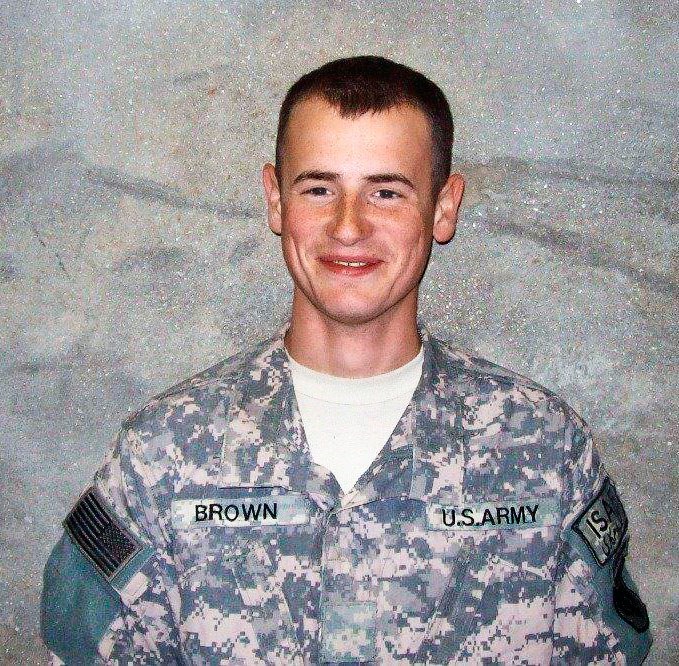
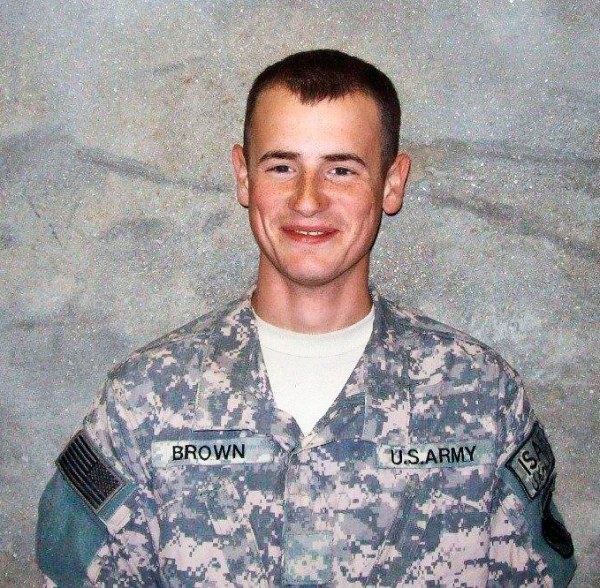
Pvt. Matthew Brown, U.S. Army (photo: Vanity Fair)
Army Pvt. Matthew W. Brown, 20, of Zelienople, Pennsylvania, died May 11, 2008 in Asadabad, Afghanistan from injuries suffered in a non-combat related incident. Pvt. Brown was supporting Operation Enduring Freedom on behalf of the 3rd Battalion, 321st Field Artillery Regiment, 18th Fires Brigade (Airborne) at Fort Bragg, North Carolina. At the time of the incident, the Department of Defense announced Pvt. Brown’s death was under investigation. On January 8, 2019, the family alleged Matthew was murdered in a Vanity Fair publication titled “Leave No Soldier Behind”: The Unsolved Mystery of the Soldier Who Died in the Watchtower.
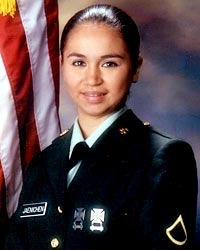
Army Spc. Mary Jaenichen, 20, died of a non-combat related injury on May 9, 2008 in Iskandariyah, Iraq. Spc. Jaenichen was supporting Operation Iraqi Freedom on behalf of the Brigade Troops Battalion, 2nd Brigade Combat Team, 3rd Infantry Division at Fort Stewart, Georgia. At the time of the Department of Defense press release, the incident was under investigation. The official cause of death is unknown.
The 2006 graduate had signed up for the Army Reserve at age 17 with the promise of a military-funded college education. She attended boot camp between her junior and senior years. At the time of her death, she was assigned to the Brigade Troops Battalion, 2nd Brigade Combat Team, 3rd Infantry Division at Ft. Stewart, Ga. Her father, Alfred Alan “Jay” Jaenichen of Santa Ana, who recently retired as a Marine master sergeant, said she was serving as a military police officer at a “detainee holding area” — a prison. ~LA Times
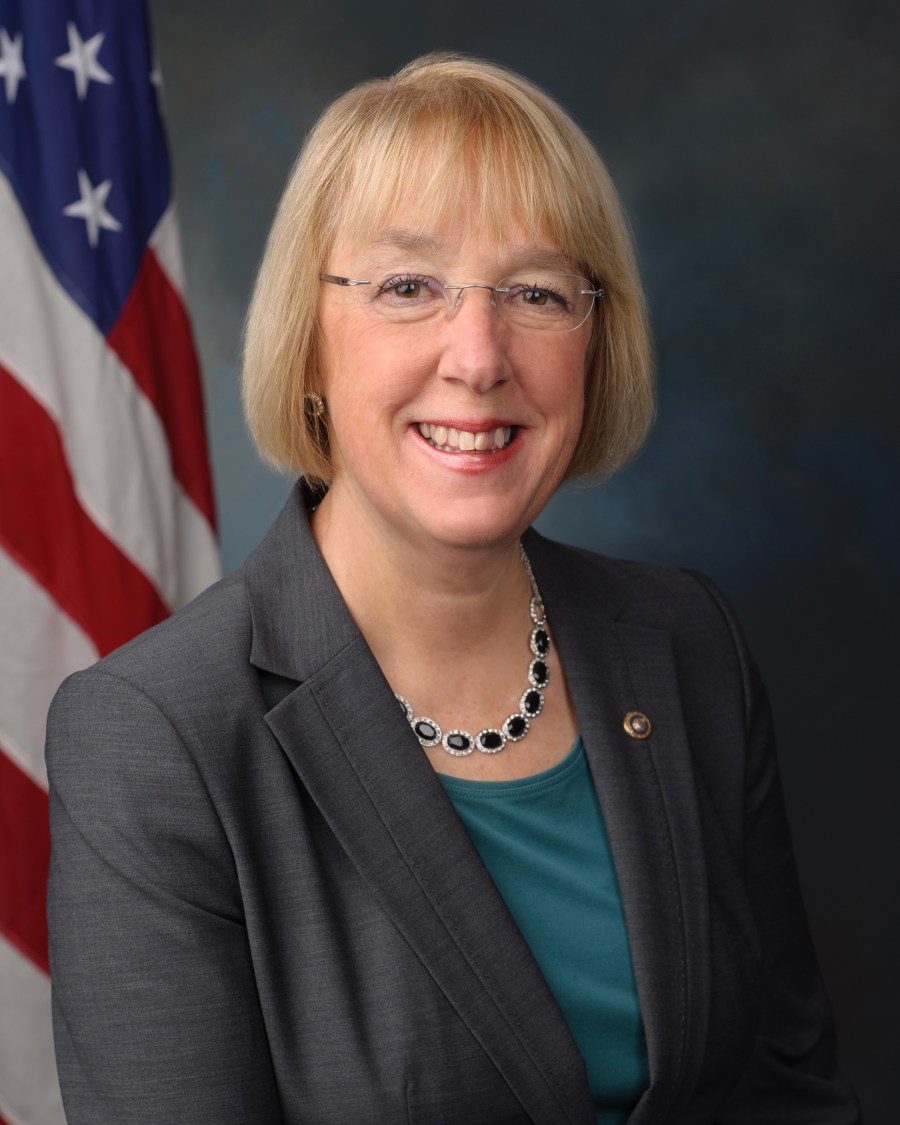
Despite recent efforts by the Veterans Administration to prevent veteran suicide, seven have committed suicide in the Inland Northwest in the last four months and US Senator Patty Murray is calling the situation unacceptable. -4 News Now (May 1, 2008)
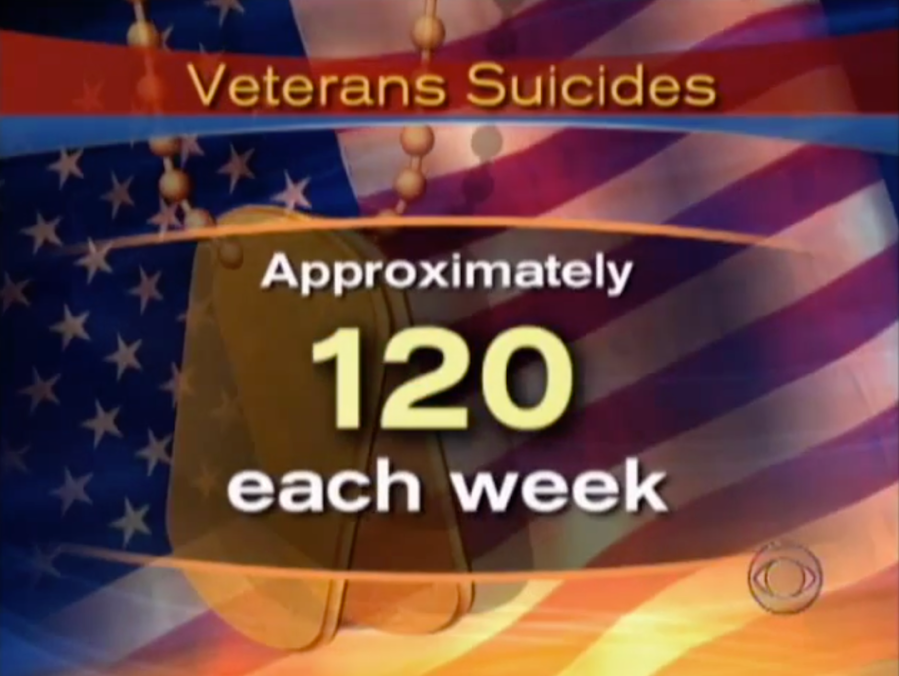
CBS News first reported on the staggering number of veteran suicides in a report last year. Now, newly-released data shows that vets who get help from the VA are still at risk. Armen Keteyian reports. -CBS News (March 20, 2008)
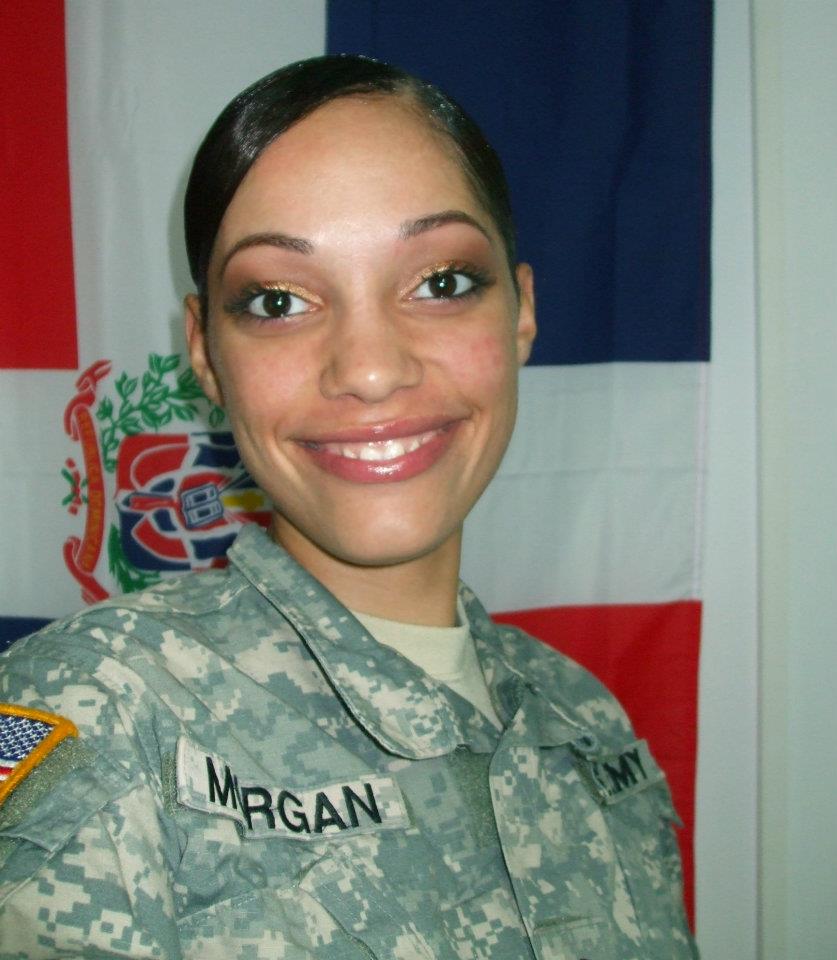
Army Spc. Keisha M. Morgan, 25, died of a non-combat related cause in Baghdad, Iraq on February 22, 2008. Spc. Morgan was supporting Operation Iraqi Freedom on behalf of the Division Special Troops Battalion, 4th Infantry Division at Fort Hood in Texas. Army investigators ruled her death a suicide by overdose of her military-dispensed prescription anti-depressants. The family suspects Keisha may have been raped and murdered.
“But Keisha had confided in her mother about a night when she was certain a fellow soldier had slipped something in her drink at a local bar. When she awoke the following morning–failing to remember how she left the bar and returned to barracks–the soldier was in her room. This same man was on base at the time of Keisha’s death, says her mother, recalling her daughter’s concern about this. A week later, a roommate found Keisha lying on the floor and couldn’t tell if she was sleeping. Keisha erupted in seizures and the roommate ran for help. Medics could not stabilize her and she passed away.” ~WomensENews (December 17, 2010)
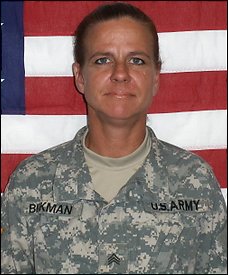
Army Sgt. Tracy Birkman, 41, died from non combat related injuries in Owesat, Iraq on January 25, 2008. Sgt. Birkman was supporting Operation Iraqi Freedom on behalf of the 626th Brigade Support Battalion, 3rd Brigade Combat Team, 101st Airborne Division (Air Assault) at Fort Campbell in Kentucky. At the time of the Department of Defense press release, the incident was under investigation which is typical of non combat death. But the official cause of death is unknown.
Birkman’s father, Jerald Griffith, a Vietnam War veteran, said he was angry with military officials for releasing information about his daughter’s death and with the news media for its portrayal of soldiers such as himself. “I didn’t want it released. I am so [furious] about all this I can just scream,” said Griffith, also of New Castle. “I hate the media with just an unmitigated passion. You . . . lied about me when I was in Vietnam.” He said his daughter was on her third deployment.” She’s over there in a war we shouldn’t even be involved in, on her third tour,” Griffith said. –The Washington Post (January 29, 2008)
Paul Sullivan of Veterans for Common Sense tells Armen Keteyian that the No. 1 problem facing vets of Afghanistan and Iraq will be mental health. -CBS News (November 13, 2007)
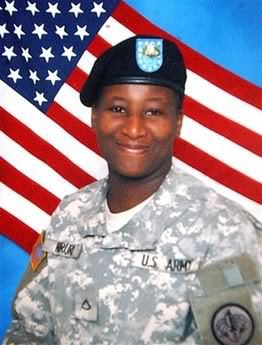
Army Spc. Christine Ndururi, 21, died from a non combat related illness at Camp Arifjan, Kuwait on November 6, 2007. Spc. Ndururi was supporting Operation Iraqi Freedom on behalf of the 4th Squadron, 3rd Armored Cavalry Regiment in Fort Hood, Texas. At the time of the press release, the Department of Defense announced that Christine’s death was under investigation.
“She has not been sick,” Ndururi’s father, Wilson Wachira, 45, said yesterday at the family’s home. “I’m waiting for them to tell me what happened. She was not ill, unless she was ill after 9 o’clock when she talked to her mother. Before she was deployed there, she had to have a medical checkup.” ~Eagle Tribune







 MILITARY JUSTICE FOR ALL