Defense Secretary Chuck Hagel is soliciting advice on what else he can do to stop sexual assault in the ranks by turning to a panel of experts from outside the Pentagon.
But there’s a big catch: The nine-person committee he has chartered to study the issue doesn’t plan to release any recommendations until several months after the Senate votes on the key question of whether to remove the chain of command from major criminal prosecutions.
In January, veterans were able to address the House Armed Services Committee regarding crime and non combat death in the military. The testimony was on the heels of what was referred to in the media as the “Lackland Sex Scandal.” The veterans specifically emphasized that crime is military wide and not specific to the Air Force. The veterans also shared that most service members are not reporting because of a fear of retaliation. Shortly after the testimony was given, Secretary of Defense Leon Panetta announced the combat exclusion policy was lifted and the media was poised to move in that direction.
Then in March, Senator Kirsten Gillibrand asked for a hearing on Military Sexual Assault with those on the personnel subcommittee to the Senate Armed Services Committee. At that time four other veterans testified and affirmed that removing the Chain of Command would have helped prevent their current situations due to the retaliation.
Senator Gillibrand announced in May that she was going to sponsor the Military Justice Improvement Act, which is a law that would restrict the Commanders from handling felony crimes of over a year or more sentence. She introduced it to the Senate Armed Services Committee and Senator Carl Levin shut the whole thing down. It was at this time that Senator Claire McCaskill, Senator Kelly Ayotte, Senator Jon Tester, Senator Jim Inhofe, and Senator Levin started to fight for the Department of Defense and keep everything status quo.
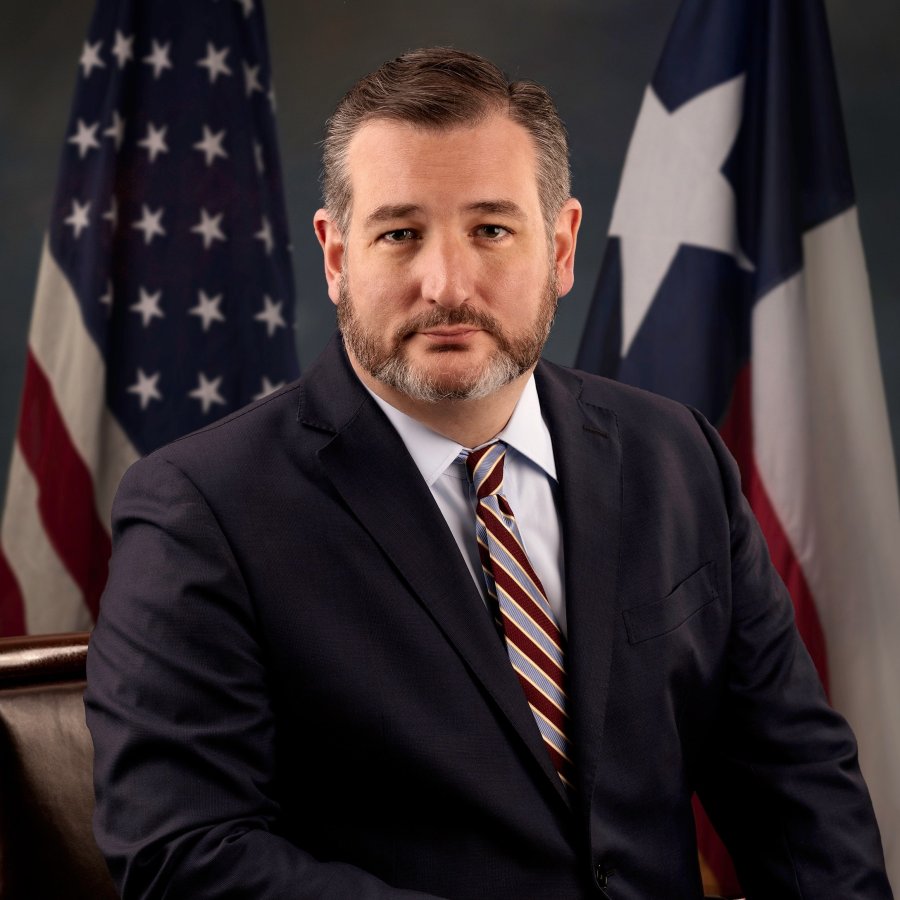
Right now we are trying to get support from the other Senators to force the MJIA bill back on the table. We have both Democrats and Republicans on board and recently Conservatives like Senator Rand Paul, Senator Chuck Grassley, and Senator Ted Cruz have signed on because they understand the constitutional aspect of this dilemma. We should not be reporting felony crimes to our boss. We should be reporting violent crimes to a legal authority of some sort. One person, ie the Commander, should not have sole discretion over whether or not we proceed with justice.
Please contact your Senators and Representatives and ask them to sponsor legislation that mirrors that of the civilian justice system. Victims of crimes should report to police, the police should investigate the claims, the police should enter the information into the FBI national database, and then a prosecutor can make a decision as to whether one can move forward with a case in a court of law. A person’s claim needs to be corroborated in some way so that we have the evidence necessary to go to court, win, and put a criminal behind bars.
Full Episode: A beautiful, vibrant young woman fell to her death from a cliff overlooking the Pacific Ocean. Initially, investigators thought it was just a terrible accident. But after a closer forensic examination of photographs taken at the scene, police had a very different story of what had happened. -The Financial Downfall, Forensic Files (S9, E12)
Name: Virginia Reardon, Billie Joe McGinnis Occupation: Reardon was a Retired Hospital Worker; McGinnis-Unknown Pathology: Conspiracy, Premeditated Murder, First Degree Murder Dates: April 2, 1987 Location:Big Sur, California (Central Coast) Motive: Greed, Financial Gain, Life Insurance Money Victims: Deanna Hubbard Wild (son’s wife) M.O.: Purchased Life Insurance Policy, Pushed off Cliff Next Day, Claimed Accident Conviction: Reardon Sentenced to Life, No Parole Status: McGinnis Dead in 1991, Reardon Dead in 2011 Appearance: Financial Downfall (Forensic Files), Vicious Vixens (Deadly Women)
Investigation Discovery:
ID Go: Cross these deadly vixens at your own risk. An English beauty spars with her boyfriend, a middle-aged woman sacrifices lives for money, and a couple of game players lure an innocent man into a deadly trap: these women will certainly fight to the death. -Vicious Vixens, Deadly Women (S7, E5)
Editor’s note: With a cable subscription, you can download the free ID Go app and watch Investigation Discovery programming at your convenience. And for those who do not have cable, you can watch “unlocked” episodes on the ID Go app including the latest premieres. For those who prefer commercial free programming during your binge session, Prime Video has an ID channel: ‘True Crime Files by Investigation Discovery” available for $3.99 a month. It’s a compilation of older seasons but totally worth the cost if you are a true crime addict. Download the ID Go app or purchase ID True Crime Files & binge away.
Jennifer Norris: Even with 1 out of 3 women facing sexual assault in the military, the Defense Department refuses to hold sexual predators accountable within the military justice system. -The Real News Network (August 8, 2013)
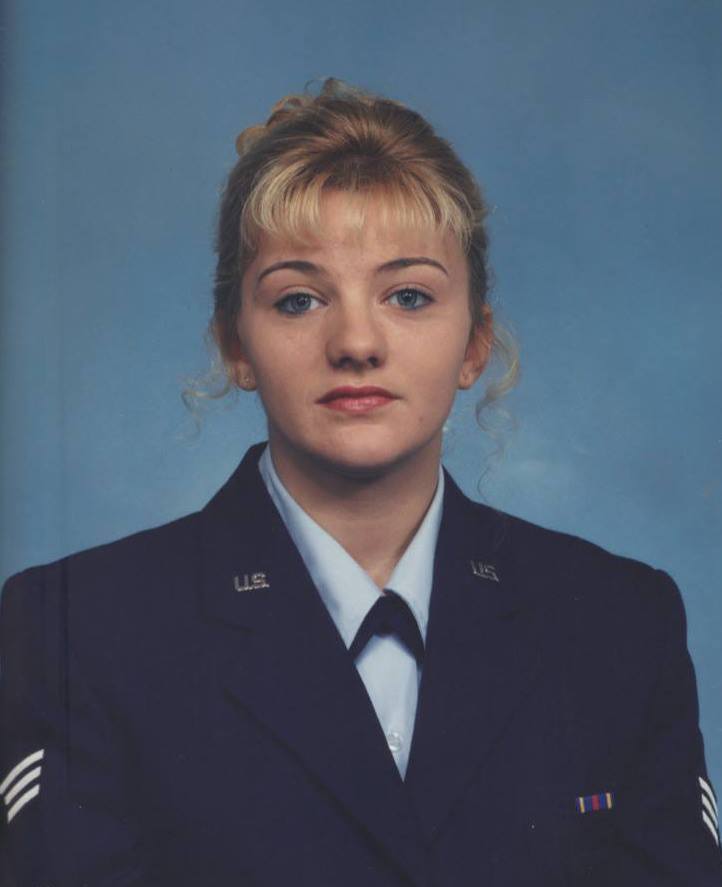
NOOR: One in three–that’s the astounding number of women who have been sexually assaulted in the military, a rate twice as high as civilian numbers. Those are astonishing, especially in light of the fact that only 10 percent of reported incidents go to trial. This harsh reality has put the Defense Department in the hot seat with Congress, pressuring them to make substantive changes. Now Defense Secretary Chuck Hagel is planning a new round of sexual assault policies that include expanding an advocacy program for victims to all military branches and recurring inspector-general audits of all closed investigations. Now joining us to unpack this and respond to this latest news is Jennifer Norris. She has served 15 years in the U.S. Air Force and retired for PTSD due to military sexual trauma. She started working for the Military Rape Crisis Center as a national victim advocate for active duty and veterans in 2011, and she’s testified before Congress to support the passage of the Military Justice Improvement Act and STOP Act. So, Jennifer, you know firsthand what it’s like to deal with being sexually assaulted in the military. Can you share some of your stories? You were drugged and raped by your recruiter and also sexually assaulted by an instructor. Can you describe, as much as, of course, you feel comfortable, what happened in these incidents and the challenges you faced in getting accountability for what happened to you?
NORRIS: Well, I guess you can start out by saying that I was completely naive to what rape or assault or harassment or violence of any kind was. I was a small town girl. I just didn’t get–I didn’t grow up with that kind of stuff. So when I joined the military, it came as quite a surprise to me that I was being randomly targeted by predators who were basically not going to take no for an answer, no matter what. And I was trapped in the situation. And the only way to get out of it was to report. And, of course, we’re too scared to report, because we see what happens to other people that report. And just this past year, it’s been confirmed once again that 62 percent of those folks in the military that don’t report don’t report due to a fear of retaliation, whether it includes losing your career, getting treated like crap, getting isolated from others, whatever it might be. And the reason I’m telling you this is this is what happened to me. I had four different perpetrators approach me within my first two years of service, but I didn’t dare say anything, because I was afraid it would have negative repercussions on my career. But by the fourth predator, who was escalating and becoming more and more abusive–of which I could not escape, because when you’re in the military, you can’t just quit your job; you’ve got to go back to work with these folks the next day, even if he did attempt to rape you the night before, which is exactly what happened to me. And I just got to a point where I said, I can’t do this anymore. I’m either getting out of the military or, you know, something’s got to give. And this whole time, I wasn’t thinking about reporting at all, because I knew if I did that, my career would be over. But in the end I ended up reporting all four of them. And sure enough, I got retaliated against so badly by those in my squadron that I ended up having to transfer to another duty station that was four hours away.
NOOR: One rule under consideration by Secretary of Defense Chuck Hagel would be to expand the role that victims have throughout the court-martial process, including the sentencing phase. In a handful of cases that have come under congressional focus, senior commanders have actually overturned convictions of their subordinates. What do you make of this proposal?
NORRIS: At this point, they’ve had since Tailhook to deal with this situation. All this stuff should have been done back in 1992, when they told the American public it would be done by then. And instead we’ve got 2013, and now it’s become an epidemic that’s not only impacted our soldiers, both males and females, but also civilians, children, wives. They’re all–nobody’s immune. Predators do not discriminate. And if you don’t stop them, they only escalate and progress. And there’s been basically no accountability for these predators. As you stated earlier, a 10 percent conviction rate, a lot of that for charges lesser than what they were originally accused for. And where do they go when they leave the military? Your neighborhood. That’s why we’re at where we’re at today. We don’t want to hear what the Department of Defense has to say anymore. I don’t want to hear zero-tolerance one more time. I can’t take it. As a survivor, I cannot take it, based on what I do every day with my clients and see how badly they’re being treated by their command simply because they reported a sexual assault or harassment. There is a hardcore retaliation happening now. There was in the past. Part of the retaliation that I experienced was I got beat by one of the predator’s friends for reporting. These people are scared to come forward. So the DOD has lost their chance. They’ve lost the trust. Now it’s time for someone else to come in, which is why we’re pushing the Military Justice Improvement Act. We no longer want those commanders to be gatekeepers of justice. They’re not professionals. They don’t know how to investigate. Therefore they should not be involved in any of the process, aside from maybe knowing that there’s a predator within their ranks. We want to give the victim confidentiality. We want them to be able to have an impartial person that’s going to decide whether or not they’re going to push forward with a case and how they can do that without beating up the victim in the process. The only way we’re going to be able to clean this mess up is to move forward with prosecutions and get these people jailed. We certainly don’t want to just start kicking them out and tossing them out, ’cause then they’re moving to your neighborhood. The DOD has got to deal with this. And we don’t trust them at this point, hence the reason we want the STOP Act, which would provide the civilian oversight to hold them accountable on every single move they make when it comes to trying to discharge a soldier or punish one, because we’ve basically been dealing with (A) you’re all of a sudden a bad person if you reported a sexual assault, and then the retaliation begins, and eventually you can lose your career. They’re going to use, like, some mental diagnosis to get rid of you with, right, saying it’s a pre-existing condition, when in fact it wasn’t; it’s PTSD from getting gang raped. Right? We want them to be held accountable to someone when they make these decisions, just decide for themselves that, oh, well, I’ll just get rid of her ’cause I don’t feel like dealing with this, or I’ll just get rid of him because, you know, if I have a rape under my command it’s going to make me look bad. We want to yank these commanders out of this situation and give real justice to the victims and caring.
NOOR: And as you stated, changes to this policy action has been promised for a very long time now. What do you account for these delays? And talk–and so far the White House has been silent. Can you respond to the White House and just the delays that have been going on for years now?
NORRIS: Well, first of all, it’s pretty upsetting as a survivor to know that they knew about this in ’92. And don’t tell me they didn’t have enough money to be able to get experts to tell them that predators, there’s few and far between, but they can do lots and lots of damage if not stopped. Well, now, because they haven’t stopped them, they’re now in our higher-ranking positions like Colonels, like commanders, like SARC coordinators, because they never were held accountable. And so they’ve let it spin out of control like this now. And we’re saying, you’ve had your chance. It’s too late. We need to take care of this, because it’s basically at a point where if these guys just decide, oh, well, we’ll just toss them out as we find out about this stuff, they’re just basically pushing it off to the civilian sector. So Obama not standing up right now, it’s upsetting, because him of all people should know that, you know, if you just toss people out of the military because you don’t want to deal with them, it just becomes someone else’s problem. And so we’re basically–everywhere this predator goes, they’re causing a path of destruction. That’s costing everybody more money, because the people to begin with that should have dealt with it didn’t. We need to go back. We need to find out who was raped, when, by who. And we’ll probably find that these same predators have multiple victims across branches. And then we could possibly move forward with one case against one predator with, you know, ten victims, for example. And I don’t understand why people aren’t talking about this, why they’re not saying, why Obama isn’t saying, I want you to go back and determine who these people are that are being accused. It doesn’t mean they’re automatically guilty. But why can’t we start tracking who’s doing what and when it was done and what the patterns are and start getting these guys so we can move forward with an awesome military?
NOOR: This issue has gained a lot of traction recently, a lot more than it had in the past. You had the documentary The Invisible War that came out. You’ve had hearings in Congress. What more pressure–like, how much more pressure is it going to take to get these changes put in place?
NORRIS: Well, I mean, what it’s going to take is the American people, which is what our country’s all about anyways. So while these guys, while the Department of Defense and Congress are dragging their feet on making these changes, they’re hurting people. Whether they want to admit it or not, they are. And we feel, as survivors, it needs to be dealt with immediately. It needs to be a national emergency where we make sure that everybody is good to go and they’re not trapped under some predator that they can’t escape from, and if they are, that they’re not going to get retaliated against for turning them in. Right? We take it that seriously, that in order–’cause they haven’t done anything since Tailhook. So you go back 25 years and imagine the destruction and amount of damage that’s been done by not holding anyone accountable. They have gotten better and better and better at what they do. And we often see them using alcohol and drugs as their weapons. But then we hear the military saying, oh, well, don’t drink, ’cause you might get raped, or be careful no one puts anything your drink, like it’s somehow the victim’s responsibility to make sure they don’t get raped. We still haven’t even gotten there yet. So the DOD has had their chance. We’ve had it. And, of course, they’re in good with Congress. Some people in Congress, this is how it works. It’s all about the power. And we got shut down by Senator Carl Levin, who has recently promoted three other senators to fight keeping things in the chain of command, which is–basically what they’re saying is, we’re going to keep it in the chain of command even though we know that 62 percent won’t report to this commander because they’re afraid of retaliation. That’s what they’re telling us survivors. And that’s what the American public needs to know. The only way we can get this now is the support of the American public. That’s why we’re out here right now pushing it, trying to get it, and asking people to contact their senators and representatives and ask them to pass the Military Justice Improvement Act, which would remove all violent crimes from the chain of command. And then, once we get that barrier broken down, we’ll start pushing for the civilian oversight that the STOP Act would call for.
NOOR: Jennifer Norris, thank you so much for joining us and sharing that very powerful story.
Army spouse Dana Mackay, 42, was found murdered in her Williamsburg home in Virginia on July 27, 2013. The intruders entered Dana’s home and snuck into her bedroom in the middle of the night; she was bludgeoned to death by a blunt instrument in the midst of sleeping. She died from multiple blunt force trauma. A concerned neighbor found Dana nude on the floor next to her bed; there was blood everywhere. Initially investigators thought the homicide occurred after a sexual assault. But after further investigation, authorities would learn that Dana’s husband, John Mackay, 45, and his lover, Nicole Houchin, 37, planned the murder because Dana didn’t want a divorce. John admitted to investigators that he wanted a divorce from Dana but she refused and threatened to report his affair to his commanding officer if he didn’t stop. John was a Staff Sergeant (SSG) stationed at Fort Eustis in Virginia and adultery was a crime punishable by the Uniform Code of Military Justice (UCMJ). John did not want to risk his long standing career and apparently wanted to be with Nicole Houchin, not Dana.
John and Nicole elicited the help of Nicole’s Army husband, Nace Houchin, 35, who was also stationed at Fort Eustis, and Gregory Crawford who worked with John and Nicole at an Auto-Zone store in Williamsburg, Virginia. John Mackay promised both Nace Houchin and Gregory Crawford twenty thousand dollars ($20,000) if they would kill Dana. Did John expect a hefty pay-out from a life insurance plan on his wife? Did John promise to pay the deadly duo as soon as the money hit his bank account? John wanted the easy way out so he could be with Nicole. Dana Mackay didn’t want a divorce from John; she wanted to save the four year marriage. And although Dana innocently threatened to report John’s adulterous affair to his commander, how was she to know that it would be a motive for murder? John Mackay wanted to save his career and be with his new girlfriend. John Mackay, Nicole Houchin, and Nace Houchin confessed to the crime and pleaded guilty to first degree murder. All three were sentenced to life in prison. Gregory Crawford confessed to the crime and pleaded guilty to conspiracy to commit capital murder; he was sentenced to 20 years in prison with three years suspended (17).
John Mackay, Nicole Houchin (Top); Nace Houchin, Gregory Crawford (Bottom) Photo Courtesy of WAVY.com
Full jailhouse interview with husband charged in wife’s murder -WAVY TV 10 (July 30, 2013)
Investigation Discovery:
Dana MacKay is found viciously beaten to death while her husband is out of town. One suspect comes to mind: a woman who’s been stalking Dana for the last month. But it will take a cellphone with X-rated text messages to unravel this mystery. -Sick and Twisted, Married with Secrets (S2,E8)
Editor’s note: With a cable subscription, you can download the free ID Go app and watch all of the Investigation Discovery programming at your convenience. And for those who do not have cable, you can watch “unlocked” episodes on the ID Go app including the latest premieres. Download the ID Go app and binge away. For those who prefer commercial free programming during your binge session, Prime Video has an ID channel: ‘True Crime Files by Investigation Discovery” available for $3.99 a month. It’s a compilation of older seasons but totally worth the cost if you are a true crime addict.
Amber Lowery, 34, went missing on July 23, 2013. Her brother reported her missing on July 24th. Days later on July 31st, human remains were found on the Lowery property; they were later identified as Amber Lowery. As a result, Army veteran Michael Lowery, 34, was arrested and charged with the murder of his wife. Amber’s siblings described Mike Lowery as a controlling individual who received counseling for anger management, was “kicked out” of the Army for drug use and insubordination, and was fired from several jobs because of the abuse of his wife while on the job. A Texas jury found Lowery guilty of murdering Amber, dismembering her body, placing her remains in a pile, and burning them. Michael Lowery was sentenced to life in prison for first degree murder.
Sen. Ted Cruz Q&A in Senate Armed Services Committee Hearing on Sexual Assaults in the Military -Senator Ted Cruz (June 4, 2013)
Gillibrand Leads Bipartisan Senate Coalition to End Military Sexual Assault -U.S. Senator Kirsten Gillibrand (July 16, 2013)
Sen. Ted Cruz Supports Sen. Gillibrand’s Push to Stop Sexual Assault in the Military -Senator Ted Cruz (July 16, 2013)
Sen. Ted Cruz Joins Sen. Gillibrand in Press Conference on Preventing Sexual Assault in the Military -Senator Ted Cruz (November 6, 2013)
Senator Kirsten Gillibrand stops by to talk about what she’s doing to protect our soilders from military sexual assault. Find out why she’s getting support from both sides of the aisle and tune in to hear from a survivor. -Katie Couric (November 19, 2013)
Sen. Ted Cruz Speaks In Favor of Gillibrand Amendment to Combat Sexual Assault in the Military (November 20, 2013)
Senators Rand Paul and Ted Cruz joined the New York Democrat in support of taking the chain of command out of military sexual assault cases. -The Washington Examiner (February 18, 2014)
Senator Ted Cruz speaks out in support of a military sexual assault bill that was blocked in the Senate. -CNN (March 6, 2014)
Sen. Ted Cruz at MJIA Press Conference -Senator Ted Cruz (December 2, 2014)
[Full Video] Senator Gillibrand was joined by Senators Grassley, Blumenthal, Cruz and Wyden to discuss next steps in the effort to pass the Military Justice Improvement Act. -U.S. Senator Kirsten Gillibrand (June 16, 2015)
Sen. Ted Cruz at Military Justice Improvement Act Press Conference. -Senator Ted Cruz (June 16, 2015)
Ted Cruz speaks out on sexual assault in the military. -CNN (April 1, 2016)
Senator Kirsten Gillibrand is reaching across the aisle to prevent military officers from reaching into their subordinates’ pants. #passMJIA -Full Frontal with Samantha Bee (June 7, 2016)
Support the Military Justice Improvement Act, and help protect our privates’ privates. #PassMJIA -Full Frontal with Samantha Bee (June 7, 2016)
“Sexual assault in the US military is accelerating toward likely change in the way such cases are handled by senior uniformed officers – which is to say, it may be taken out of their hands. It’s a function of changing public attitudes regarding military service and sexual misconduct beyond ‘he said, she said’ – given greater strength by the growing ranks of women in senior elected positions.
In Congress, women lawmakers are leading the charge, pushing legislation that would take the authority to investigate and punish instances of sexual assault out of the chain of command, away from commanding officers whose potential conflict of interest may favor the military’s ‘good order and discipline’ as it applies to unit cohesion and war-fighting ability over vigorously prosecuting sexual offenders in the ranks, including fellow officers.”
Read more from the Christian Science Monitor here.


 Defense Secretary Chuck Hagel is soliciting advice on what else he can do to stop sexual assault in the ranks by turning to a panel of experts from outside the Pentagon.








 MILITARY JUSTICE FOR ALL