Defense Secretary Chuck Hagel is soliciting advice on what else he can do to stop sexual assault in the ranks by turning to a panel of experts from outside the Pentagon.
But there’s a big catch: The nine-person committee he has chartered to study the issue doesn’t plan to release any recommendations until several months after the Senate votes on the key question of whether to remove the chain of command from major criminal prosecutions.
The family of slain Marine Lance Cpl. Maria Lauterbach is hailing recent provisions in the National Defense Authorization Act that profoundly change the way the Department of Defense will handle sexual assault charges.
The Defense STRONG Act has cleared both the House and the Senate and is awaiting President Barack Obama’s signature. Provisions include access to legal counsel for victims and the right to request a base transfer.
Lauterbach’s mother, Mary Lauterbach of Vandalia, said the new law would have made the difference in the case of her daughter, who was denied a base transfer after accusing fellow Marine Cesar Laurean of sexual assault. “Maria would be alive today if the base transfer had been available to her,” she said.
Turner concurred, “In civilian life you have complete control of your movements, and if you’re in an unsafe situation you can remove yourself. In military life, the victim needs permission to take even basic self-preservation actions.”
In the News:
New provisions handed down from the Department of Defense are giving sexual assault victims in the military rights they never had before. It’s all thanks to the fight from Congressman Mike Turner and a local mother Mary Lauterbach. The provisions make certain that a victim has legal counsel throughout the whole process so they understand what their legal rights are and how to protect themselves. The provisions also remove the accused from the situation and not the victim. -WKEF/WRGT (August 15, 2013)
A major hurdle cleared for sexual assault victims in the military. Congress passed a bill that would give victims rights and protection they never had before. The push came after the tragic murder of local marine Maria Lauterbach and her unborn son. Congress approved a bill that would give military sexual assault victims legal counsel and criminalize retaliation against any victim. “If Maria had had this, she would be alive today, it’s very important.” The bill now heads to President Barack Obama for his signature. -WKEF/WRGT (December 20, 2013)
Law protecting military victims of sexual assault discussed. -WDTN-TV (May 1, 2018)
Key changes in military policy
By executive order, communication between victims and victim advocates will now be privileged. Previously conversations between victim and victim advocates can be subpoenaed in court, making victims reluctant to come forward. Pending legislation HR 1540, passed by both the House and Senate, provides for:
Legal assistance for victims of sexual assault. Previously, only defendants in the military have been guaranteed access to a lawyer.
Stricter training guidelines and greater oversight for Sexual Assault Response Coordinators and Sexual Assault Victim Advocates.
Retention of sexual assault records with lifetime access for service members.
The victim’s right to a base transfer or unit transfer. Under the new law, these requests will be expedited, with decisions being made within 72 hours and the bias should be in favor of the victim.
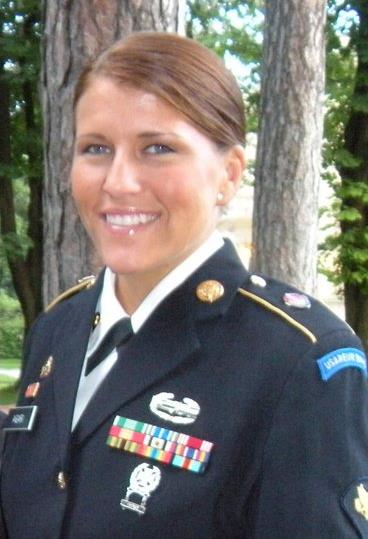
According to the U.S. Army Europe Public Affairs, unit officials conducted a health and welfare inspection of Sgt. Kimberly D. Agar’s barracks room after Agar missed a medical appointment. The corporal was found unresponsive and German emergency medical personnel were contacted. A German doctor pronounced Kimberly dead at the scene on October 3, 2011. An investigation into the cause of death determined Kimberly died by suicide. Kimberly’s mother has since dedicated her life to raising awareness of active-duty suicide rates in an effort to prevent suicide within the active-duty ranks.
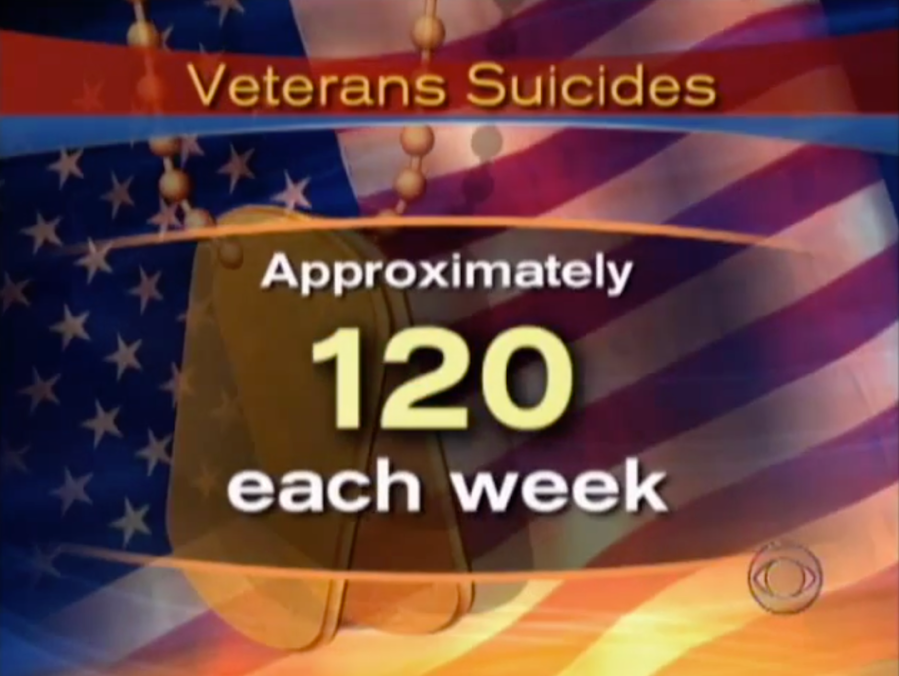
CBS News first reported on the staggering number of veteran suicides in a report last year. Now, newly-released data shows that vets who get help from the VA are still at risk. Armen Keteyian reports. -CBS News (March 20, 2008)


 Defense Secretary Chuck Hagel is soliciting advice on what else he can do to stop sexual assault in the ranks by turning to a panel of experts from outside the Pentagon.

 MILITARY JUSTICE FOR ALL
