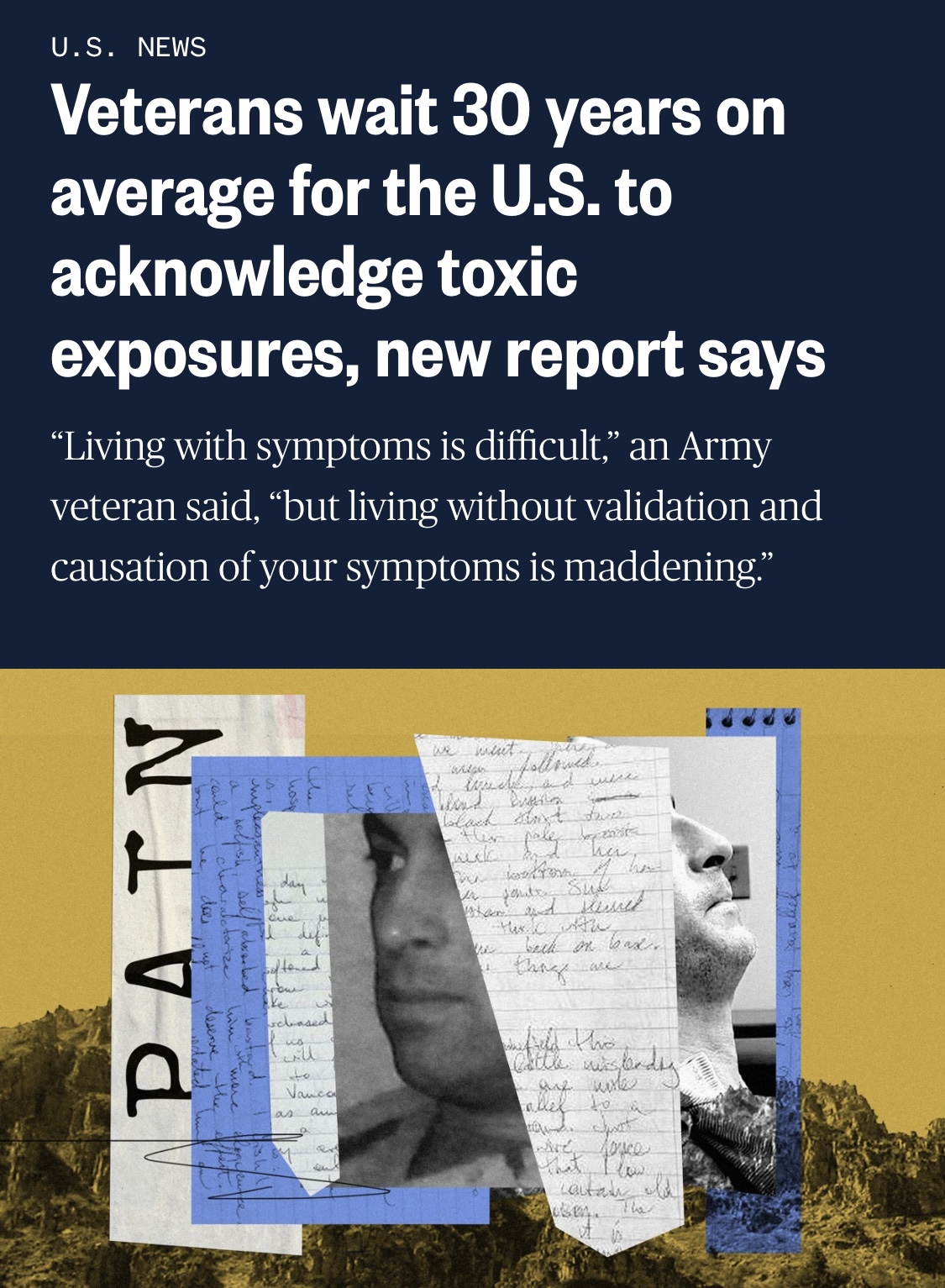
NBC News: Veterans Wait 30 Years on Average for the U.S. to Acknowledge Toxic Exposures (September 18, 2024)

“Veterans exposed on U.S. soil have had to wait even longer.” 

The New York Times Magazine: The Army Thought He Was Faking His Health Issues. Turns Out He Had Chronic Lead Poisoning.

My Toxic Exposure Story:
After Lead Poisoning Symptoms Dismissed by PTSD Diagnosis, It Results in Brain Inflammation, Fatigue, Muscle Weakness, Digestion Issues & Chronic Pain
I Watched My Father Die From a Brutal & Painful Battle with Terminal Bone Cancer… And My Toxic Military Leadership Kicked Me While I Was Down

My Treatment to Prevent Cancer:

Ozone Saunas Help You Detox Lead From the Body #leadpoisoning
  1. Weekly Ozone Sauna to Sweat the Lead Out
  2. Weekly Homeopathic Infusion to Push the Lead Out of the Body
  3. Supersmart – EDTA 1000mg per Day – Calcium Disodium EDTA Supplement | Non-GMO & Gluten Free – 180 Vegetarian Capsules to detox the lead out of the body
  4. BioPure ZeoBind – 100% Natural Mineral Blend of Clinoptilolite and Mordenite Powder That Detoxes and Cleanses The Body to Support Immunity, Gastrointestinal Health, and Microbiome Balance – 200g to detox the lead out of the body
  5. Chelation Therapy (EDTA) infusions (this stopped after 8 infusions because the California Board of Pharmacy banned it from the State of California despite the fact that it’s the only recommended form of treatment by the CDC in the United States)
  6. Replaced all teeth after chronic lead poisoning went untested and untreated for over 20 years and created Burton’s line
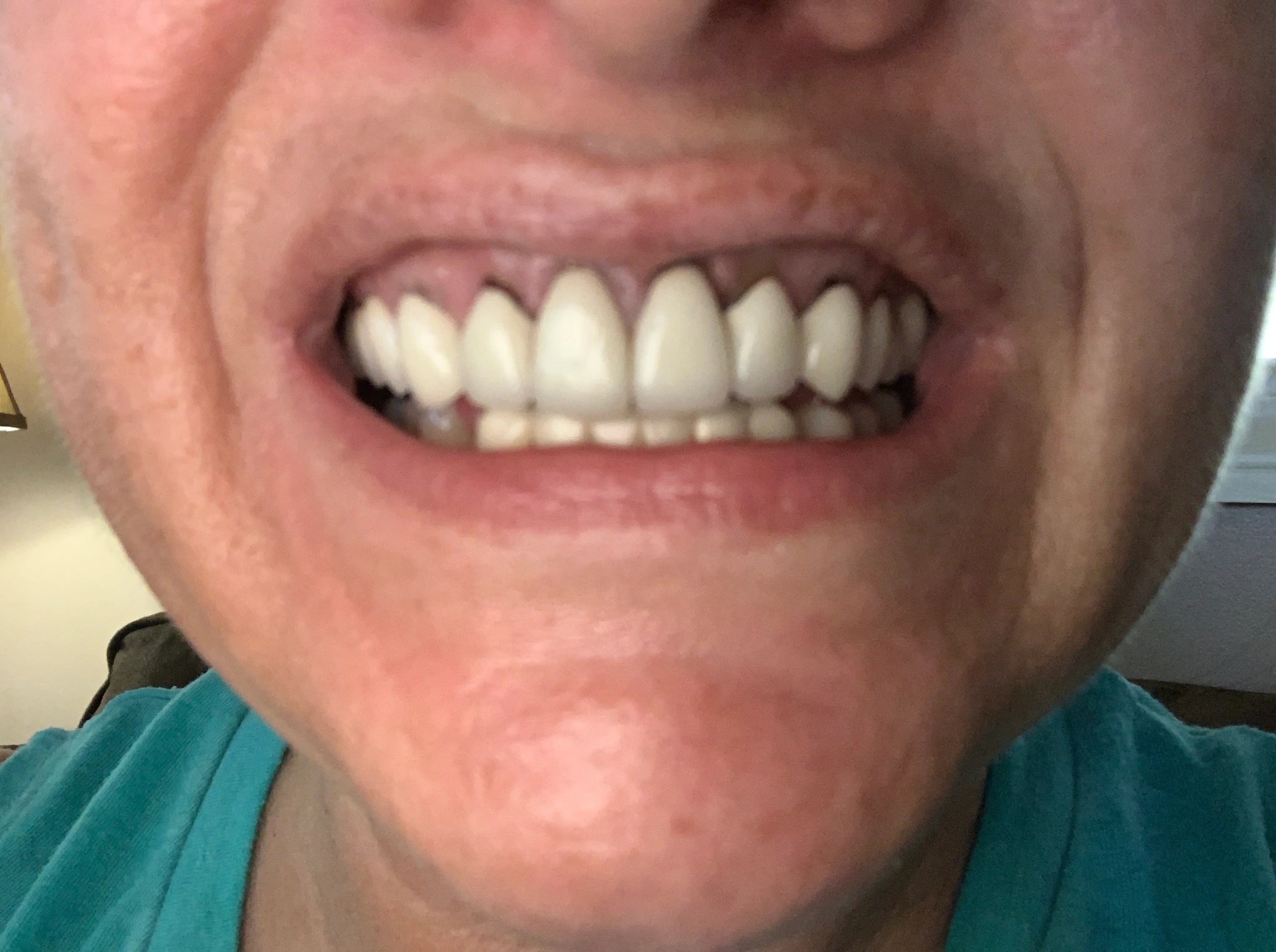
This is the Burton’s Line that showed up in 2019 around 15 years after leaving a toxic military base. Jennifer’s lead levels were 12x higher than what’s acceptable in the body. Jennifer experienced long term exposure to lead contaminated water and soil while stop lossed for four years at Joint Base Cape Cod in Massachusetts, also an EPA superfund site still under the supervision of multiple agencies.

“Living with symptoms is difficult,” an Army veteran said, “but living without validation and causation of your symptoms is maddening.”

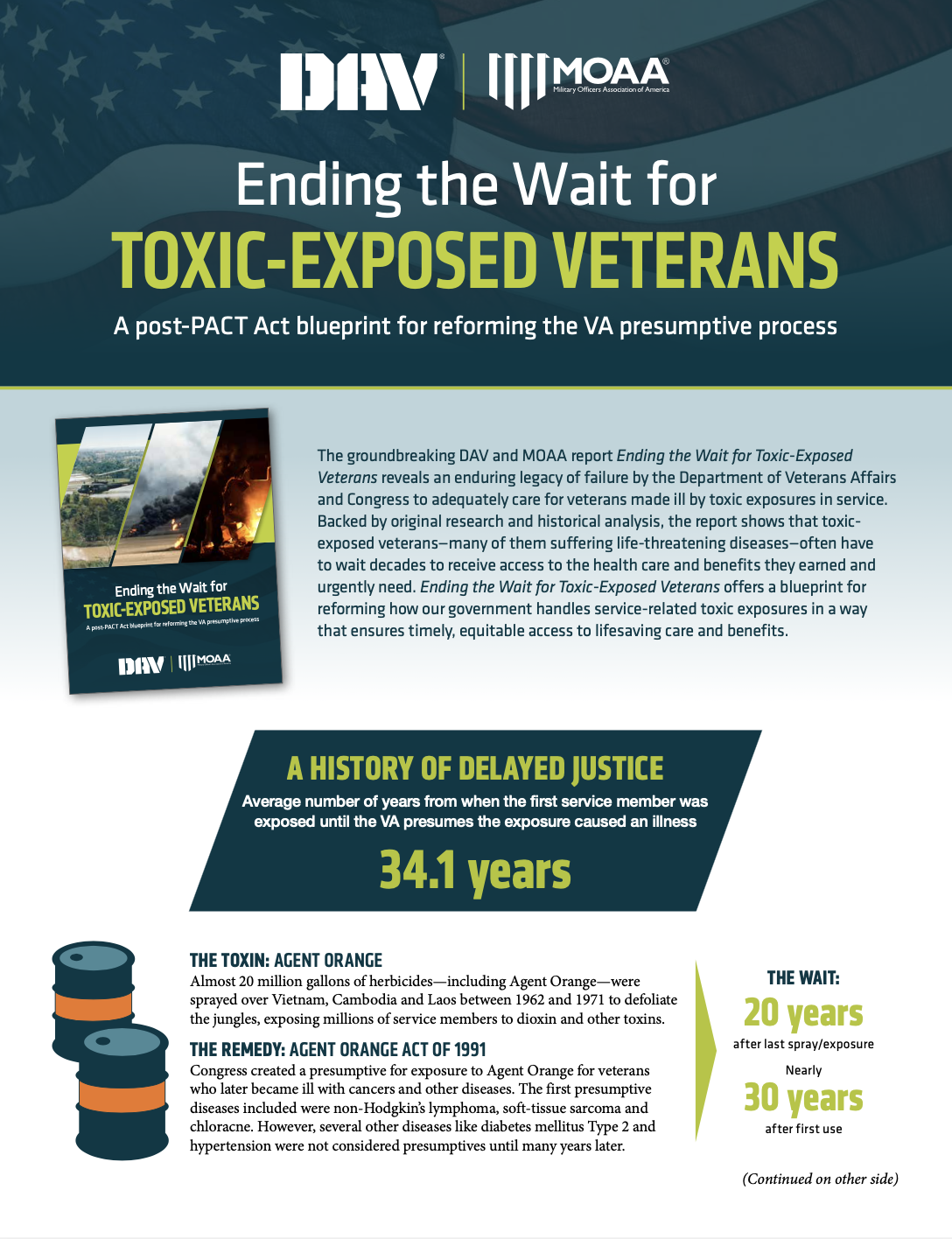
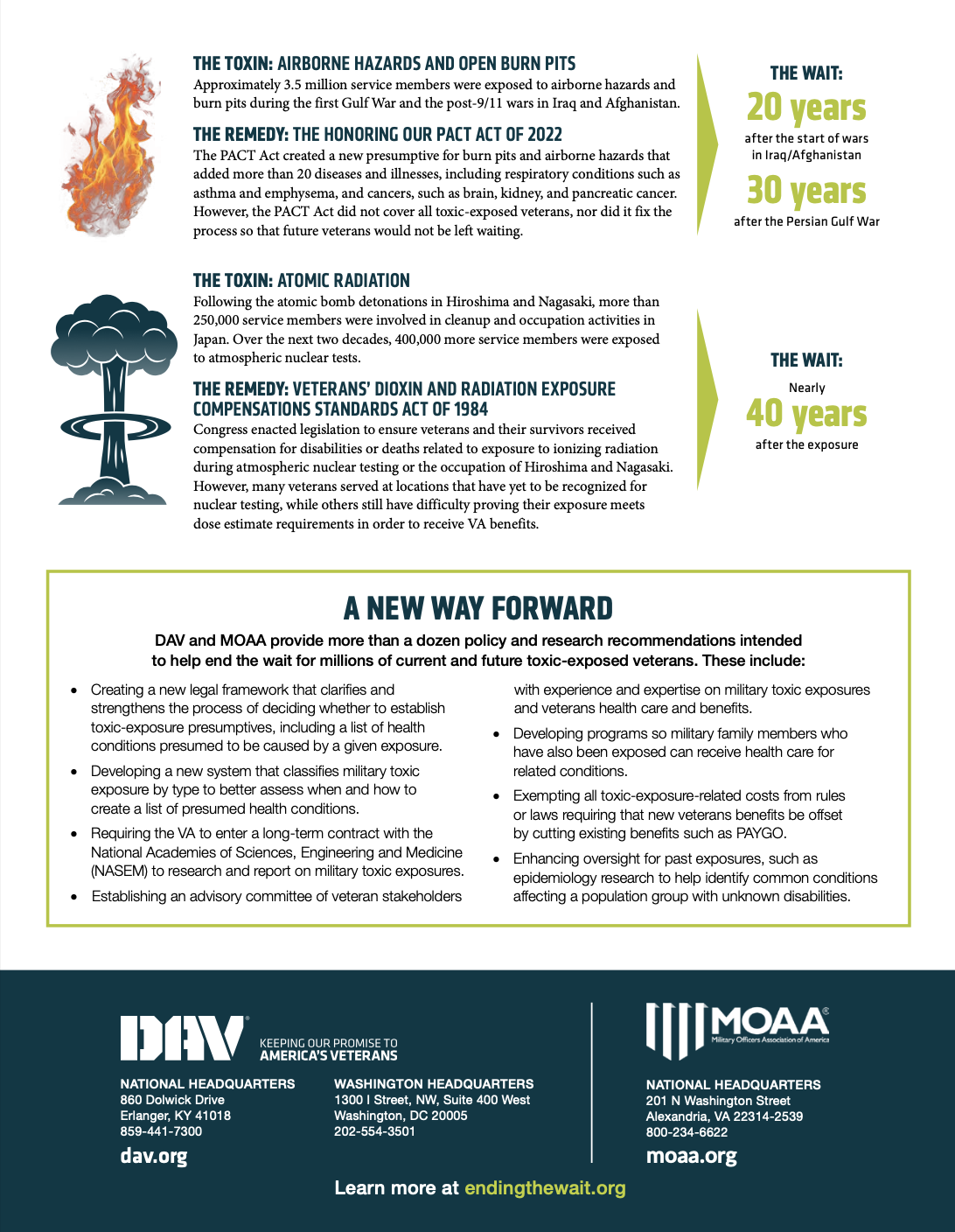
REPORT: Ending the Wait for Toxic-Exposed Veterans

INFOGRAPHICS: A Century of Military Toxic Exposures and Presumptives

According to NBC News:

“…The symptoms emerged one by one throughout the pages: stomach cramps, incessant headaches and extreme exhaustion. By the time [Mark] Jackson made it back to Melbourne, Florida, in April 2004, the former marathoner said he could barely walk up a flight of stairs.”

“Jackson filed for disability compensation for all his ailments but said he only got approved for the thyroid disease. He is among many veterans who say they are waiting for the government to recognize that their illnesses are related to military toxic exposure, advocates say.”

“A report released Wednesday found that sick veterans have waited an average of 31.4 years from when they first made contact with dangerous toxins on duty to when the government acknowledged they were exposed.”

“Most recently, in August 2022, lawmakers passed the PACT Act, which expanded benefits to millions of veterans exposed to burn pits in Iraq and Afghanistan and other toxic substances. Before then, advocates said it was challenging for veterans to prove their sickness was related to their service in order to receive disability compensation. ‘In both those instances, and for many other military toxic exposures, it took decades for the VA and Congress to finally act,’ Wednesday’s report said. ‘Some died before achieving justice.'”

“Veterans exposed on U.S. soil have had to wait even longer.”

“In one of the largest water contamination cases in U.S. history, up to 1 million people who lived or worked at Camp Lejeune from 1953 to 1987 may have been exposed to a drinking water supply contaminated with chemicals that have been linked to severe health problems, including cancers and birth defects, federal health officials said.”

“The agency [VA] said it is conducting a scientific review to determine whether there is a relationship between toxic exposures and three conditions — acute leukemias, chronic leukemias, and multiple myeloma outside of the head and neck — for service members who deployed to Uzbekistan and other locations.”
Read more: https://www.nbcnews.com/news/us-news/veterans-wait-30-years-average-us-acknowledge-toxic-exposures-new-repo-rcna171371

RELATED LINKS:
The Army Thought He Was Faking His Health Issues. Turns Out He Had Chronic Lead Poisoning.
Why Are Military Women Affected by Toxic Exposure More than Men?
‘Ending the Wait’: How MOAA Is Making a Difference for Toxic-Exposed Veterans
Ending the Wait for Toxic-Exposed Veterans – DAV


Department of Veterans Affairs Becomes First Hospital System to Release Opioid Prescribing Rates (January 11, 2018)

VA Opioid Interacive Map
Interactive map expands transparency, shows opioids dispensed among VA health care centers.

Timeline of Veteran Suicides, Legislative Efforts, and Nationwide Negligence at the Department of Veterans Affairs

Today U.S. Secretary of Veterans Affairs Dr. David J. Shulkin announced that VA has begun publicly posting information on opioids dispensed from VA pharmacies, along with VA’s strategies to prescribe these pain medications appropriately and safely.

With this announcement, VA becomes the only health-care system in the country to post information on its opioid-prescribing rates.

The disclosure is part of VA’s promise of transparency to Veterans and the American people, and builds on VA’s strong record of transparency disclosures — including on wait times, accountability actions, employee settlements and the Secretary’s travel — under the leadership of President Donald J. Trump over the past year.

“Many Veterans enrolled in the VA health-care system suffer from high rates of chronic pain and the prescribing of opioids may be necessary medically,” Secretary Shulkin said. “And while VA offers other pain-management options to reduce the need for opioids, it is important that we are transparent on how we prescribe opioids, so Veterans and the public can see what we are doing in our facilities and the progress we have made over time.”

Counselor to the president Kellyanne Conway said, “Declaring the opioid crisis a nationwide public health emergency was a call to action by the president.  His administration is exploring all tools and authorities within their agencies to address this complex challenge costing lives. Veterans Affairs Secretary Dr. Shulkin is heeding that call; the VA is now the first hospital system in the country to post information on its opioid prescribing rates.  This is an innovative way to raise awareness, increase transparency and mitigate the dangers of over-prescribing.”

The interactive map shows data over a five-year period (2012-2017) and does not include Veterans’ personal information. The posted information shows opioid-dispensing rates for each facility and how much those rates have changed over time.

It is important to note that because the needs and conditions of Veterans may be different at each facility, rates may also be different for that reason, and cannot be compared directly.

The prescribing rate information will be updated semi-annually, on January 15 and July 15 of each year.

As a learning health system using the current best evidence to learn and improve, VA continually develops and refines best practices for the care of Veterans. Releasing this data will facilitate the sharing of best practices in pain management and opioid prescribing among doctors and medical center directors.

Highlights from the data include:

  • A 41-percent drop in opioid-prescribing rates across VA between 2012 and 2017
  • Ninety-nine percent of facilities decreased their prescribing rates.
  • San Juan, Puerto Rico, and Cleveland, Ohio, top the list of medical centers with the lowest prescribing rates, at 3 percent.
  • El Paso, Texas, and Fayetteville, North Carolina, are most improved, and decreased prescribing rates by more than 60 percent since 2012. El Paso’s prescribing rate decreased by 66 percent, and Fayetteville’s decreased by 65 percent.

VA currently uses a multifaceted approach to reduce the need for the use of opioids among Veterans. Since 2012, the Opioid Safety Initiative has focused on the safe use and slow and steady decrease in VA opioid dispensing. VA also uses other therapies, including physical therapy and complementary and integrative health alternatives, such as meditation, yoga and cognitive-behavioral therapy.

Information about the VA Opioid Safety Initiative may be found here. A link to the interactive map on VA’s opioid use across the nation may be found here.

Source: VA becomes first hospital system to release opioid prescribing rates

Related Links:
VA doctors freely handed out pain medications to veterans for years.
Then they stopped. The results have sometimes turned tragic

The VA Hooked Veterans on Opioids, Then Failed Them Again
VA Says 68,000 Vets Addicted to Opioid Painkillers
Veterans Face Greater Risks Amid Opioid Crisis
How the VA Fueled the National Opioid Crisis and Is Killing Thousands of Veterans
The Best Effort To Fight Opioid Addiction May Be At This VA Hospital In The Center Of America’s Epidemic
VA OIG Releases Report on Opioid Prescribing Habits
H.R. 5829 (115th): VA Opioid Prescribing Rates Accountability Act
Missouri’s VA Medical Centers Reduced Opioid Prescriptions—McCaskill Applauds Efforts, Seeks Additional Details
Who Overdoses on Opioids at a VA Emergency Department?
VA becomes first hospital system to release opioid prescribing rates
Department of Veterans Affairs Opioid Prescribing Data
Department of Veterans Affairs Opioid Prescribing Data 2
VA Health Services Research & Development: Opioids
Progress Made Towards Improving Opioid Safety, but Further Efforts to Assess Progress and Reduce Risk Are Needed
GAO Recommendations for Executive Action at Department of Veterans Affairs
VA publicly releases opiate prescribing rates for all its hospitals for the first time
VA publicly posts opioid prescription rates for all facilities
San Diego VA cuts opioid prescribing rate from 18% to 10%
How the Military Health System Registry Targets the Opioid Epidemic
Vets on painkillers: See opioid prescribing rates at VA hospitals in NY
Fighting Pain and Addiction for Veterans | The White House
How the VA Is Battling Opioid Use Disorder | PEW
The VA is Prescribing Fewer Opioids – But Not for the Reason You Think
Watchdog: VA cuts opioid prescription rate by 41 percent in past 5 years
Study finds VA prescribes far more opioids to rural veterans than urban counterparts
Charleston VA hospital reducing opioid use for chronic pain treatment
Study shows veterans obtaining opioids from multiple health systems experience higher rates of unintentional overdose
As Opioids Kill More Veterans, Study Shows Treatment Needs
As more veterans die of opioid overdoses, study shows need to focus beyond prescription opioids
Stop persecuting doctors for legitimately prescribing opioids for chronic pain
Millions of opioid pills passed through SC as drug makers allegedly targeted veterans
Local veteran struggles to get prescribed medication in light of drug epidemic
VA mail-out pharmacy responsible for high number of opioids in Charleston Co., data shows
VA Working to Slash Opioid Use Amid New Research on Painkiller Alternatives
VA opioid prescriptions are down but there’s still work to be done
Amarillo VA has highest opioid prescribing rate in Texas, working to cut back
Data shows Roseburg VA has highest opioid prescribing rate in U.S.
El Paso VA leads US in cutting opioid prescribing
Fayetteville VA leading efforts to reduce opioid prescriptions
Opioid prescribing rate drops at Buffalo VA, other medical centers
Opioid prescriptions down at Salt Lake VA hospital since 2012
Tex. Veterans Affairs Doctors Prescribing Less Opioids
Federal Investigation Finds Tomah VA Not Prescribing Opioids ‘Like Candy’
Military veterans defy Jeff Sessions, fight for medical marijuana to kick opioid addiction
Report: Prescriptions Aren’t Causing The Opioid Epidemic
Opioid Abuse in the U.S. Military – PCSS