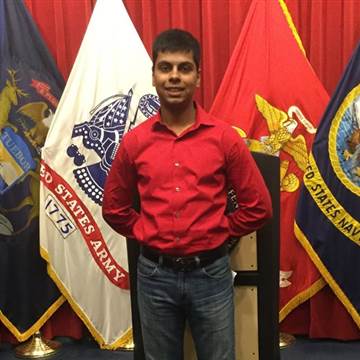
Why did a 20-year-old recruit jump to his death at the Marine Corps training facility at Parris Island? That question spurred an internal investigation, which uncovered a larger pattern of hazing and abuse. William Brangham joins Judy Woodruff to offer a closer look at the investigation. -PBS NewsHour
“One of the women interviewed was Lt. Col. Teresa James, the highest ranking officer to come forward with a rape claim in the National Guard, according to a recent report by the Guard. The News4 I-Team first brought you her story when she said she believes her 34-year military career with the West Virginia National Guard was destroyed after she reported her rape. Lt. Col. James attended the news conference and told the I-Team, ‘There’s nothing else they can do to hurt me. They did everything they could possibly do. It’s effecting change. That’s why I’m out today. It’s effecting change, and if I have to speak it, shout it from the rooftops, that’s what I’m going to do.’ Read more from NBC Washingtonhere.
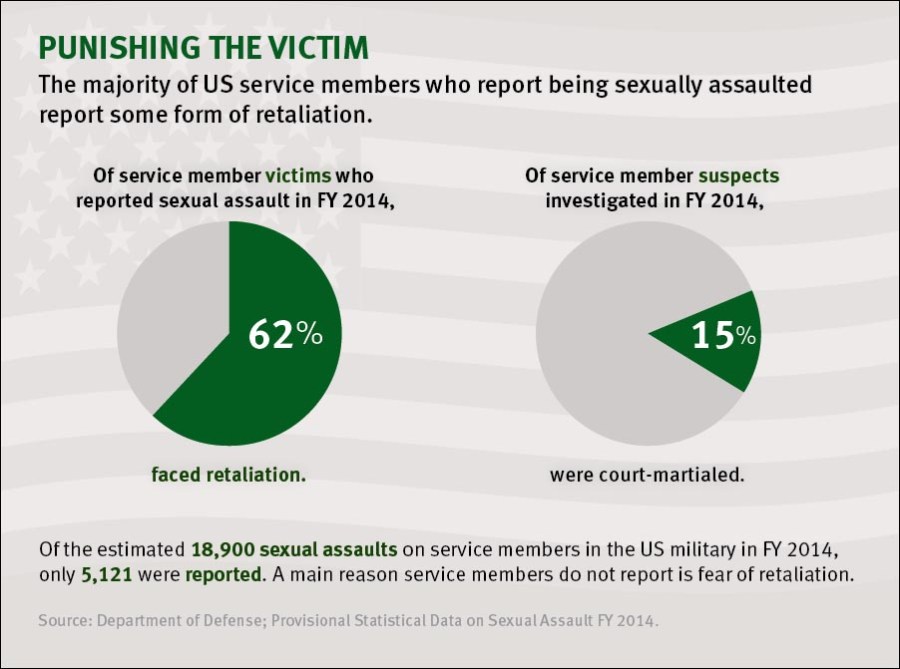
ALEXANDRIA, Va., March 19 (UPI) — The acceptance of bullying in U.S. culture contributes to sexual assault in the armed forces, experts say.
Mary Ellen O’Toole, editor-in-chief of Violence and Gender and retired FBI profiler and criminal investigator analyst led a roundtable discussion with Christopher Kilmartin of the U.S. Air Force Academy and Col. Jeffery Peterson of Center for Naval Analyses in Alexandria, Va., discussed specific factors that likely contribute to the sexual assault problem.
“The evidence is that the population of people who come into the U.S. military have more experience with sexual assault than the general population, both as offenders and as survivors. Survivors are at statistically increased risk of being revictimized, and offenders are at an increased risk for reoffending,” Kilmartin said at the roundtable.
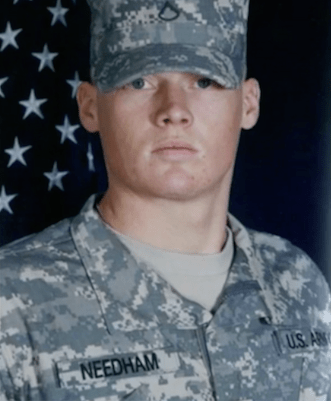
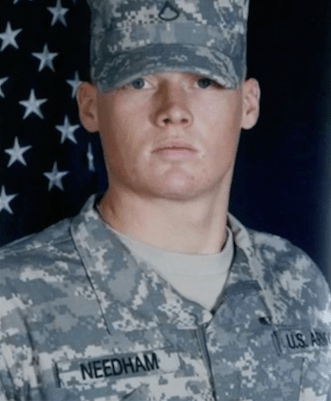
U.S. Army Ranger John Needham, who was awarded two purple hearts and three medals for heroism, wrote to military authorities in 2007 reporting war crimes that he witnessed being committed by his own command and fellow soldiers in Al Doura, Iraq. His charges were supported by atrocity photos which, in the public interest, are now released in this video. John paid a terrible price for his opposition to these acts. His story is tragic. –On the Dark Side in Al Doura (December 17, 2011)
After watching the 2011 documentary ‘On the Dark Side in Al Doura’ which profiles the case of Army Private John Needham, one can clearly observe the similarities to ‘The Kill Team’ PBS documentary released in 2014. On the Dark Side in Al Doura interviewed Michael Needham, the father of John Needham, who was an Army whistleblower from Fort Carson, Colorado and reported witnessing war crimes and atrocities in Iraq; The Kill Team profiled Adam Winfield, an Army whistleblower from Fort Lewis, Washington who witnessed and tried to report the same war crimes and atrocities in Afghanistan. For the sake of preservation, both John Needham and Adam Winfield admitted feeling pressured to conform or risk their own lives if they didn’t. They both felt like they were being set up to die or participate in the war crimes. Both soldiers at times felt like suicide was their only way out because there was no safe place for them to report overseas nor could they escape the situation. If they made it out of the war zone alive, the return home didn’t fair well for them. The PBS documentary ‘The Wounded Platoon’ released in 2010 reveals the impacts the wars overseas had on Fort Carson soldiers. After watching these three documentaries, it’s clear why our soldier’s combat experiences traumatized and changed some of them. They not only had to fight a credible threat on the battlefields but some were betrayed by the very team they depended on for their lives.
Michael Needham takes us through the series of events that occurred in the course of John’s short Army career. He shared how John was the fifth generation in the family to fight in a war. John volunteered to join the Army in the spring of 2006, went to Fort Benning, Georgia for training, and then got stationed at Fort Carson. John was an Army Ranger assigned to the 212th, 2nd Combat Team, 12th Regiment, 2nd Infantry Division. He was part of the infamous team known as the ‘Lethal Warriors’ which now appears to be disbanded. Part of his initiation into his new band of brothers was fighting other soldiers to determine where one fell in the pecking order. John held his own in the fights and was respected for his wins. According to John, the soldiers that didn’t fair so well in the fights were ‘smoked’ by leadership and peers, which ultimately forced them to leave, quit, or commit suicide. In October of 2006 John was deployed with his Fort Carson team to Al Doura, Iraq. His team was assigned to the Quarter Cav which was known for having some of the deadliest fights in the Iraq war.
Private John Needham, U.S. Army
John was a good soldier. He worked hard, saved lives in Iraq, and was awarded three medals for heroism and two Purple Hearts. John excelled as part of team, was brave, and his resilience was admirable. But during the course of John’s deployment, he witnessed war crimes and other atrocities committed by leadership and his fellow soldiers that affected his morale. John would also admit that initially he wasn’t quiet about it and when he did question superiors, he was told he didn’t have the right to question leadership. He didn’t dare report the war crimes via e-mail or telephone because he knew leadership could monitor everything. So for the sake of preservation and life’s sake, he did what he had to do to get by and stay alive. John would share that the Army was short of personnel so most of the soldiers got driven into the ground and deprived of sleep. After awhile John felt that he was forced into committing war atrocities that were illegal but feared if he didn’t do it, he would become a liability to the team and ultimately a casualty of his own people.
One night John was sent out on a mission with a Lieutenant (who did not commit war crimes yet remained silent). John thought this was unusual because they didn’t usually get sent out in pairs. They were ambushed by three shooters in the middle of the night who were determined to see them dead. When the shooting began, John pushed the Lieutenant to safety and kept the shooters at bay. He shot every round he had and when he was almost out of ammunition, he called the 212th for back-up on the radio but nobody answered him. Luckily another team was nearby who did answer him and was able to extract the soldiers from the situation and save their lives. It would be this incident that would break John’s spirit. He immediately suspected that he and the other soldier were sent on this mission to be killed. When he got back to the base, he began yelling “Why did you set us up?” And “If you want to kill me, kill me to my face!” But nobody acknowledged him so he went back to his tent where he decided that he would commit suicide. John was exhausted, irate, and he saw no way out. He didn’t want to live anymore. He felt that committing suicide was his only way out. John put a handgun to his head but just as he got ready to pull the trigger, his roommate dove and pushed the gun away from his head. The gun discharged and put a hole in the wall. Soldiers immediately began ascending upon the area. According to John, once leadership learned what happened, they held him down and beat him then locked him in captivity in a small room. The Battalion Commander was the one who kept John captive yet he didn’t press any formal charges.
John’s father Michael learned through John’s friends in Afghanistan that John was being held captive by the Battalion Commander. They were concerned about him. John’s family was already concerned about John’s earlier e-mails and posts on MySpace because it sounded like he had given up, which was not like him. With this information Michael Needham contacted Army commands, Fort Carson, Congressional leaders and the Army Inspector General (IG). He reports that the only office that took him seriously at the time was the IG. Michael was trying to save his son’s life. He told the IG that he didn’t want him to die. The IG’s office shared a list of rights for both John and Michael. And it was at this time Michael learned that he had third party rights and could intervene and act on John’s behalf. Michael was finally able to get in touch with the Battalion Commander only to learn that John was being treated like a criminal. The Battalion Commander informed Michael that John committed crimes and was being sent to prison in Kuwait. But Michael was able to intervene and get the Command to send him to medical instead. Medical determined that John was severely injured both physically and mentally. He had significant back injuries from the multiple explosions and blasts, shrapnel in his body, Traumatic Brain Injury, and Post Traumatic Stress Disorder. Army medical in Iraq referred John to medical in Germany and from there he would be sent to Walter Reed Army Medical Center in the states. But not before the Battalion Commander would put up one more roadblock. Instead, Michael Needham won this battle and John was flown to Germany.
Eventually, John was sent to Ward 54 which is the psychiatric ward at Walter Reed. Michael shared that John appeared to like the psychiatric help he was getting. A month into John’s stay at Walter Reed, he was informed that the Iraq Battalion Commander contacted the 212th Command in Colorado and requested that John be sent back to Fort Carson where he was facing criminal charges including unlawful discharge of a weapon. They were making him go and sent armed guards to accompany him back to Fort Carson. Michael Needham tried to intervene with the 212th at Fort Carson but they said they couldn’t do anything because they had orders from the Battalion Commander. John was sent back to Fort Carson and the harassment he endured in Iraq continued with the 212th in Colorado. John shared that they mentally tortured him, banged on his barracks door, stole his things, and isolated him. It was at this time Michael elicited the help of a veteran advocate Andrew Pogany who went to the command in Colorado and held these people personally accountable. Andrew helps soldiers in John’s situation because he understands how important it is to intervene. John could not get the kind of help that he needed at Fort Carson. Michael shared that the soldiers could see a professional once a week if they were suicidal and once a month if they were not. John’s father wanted him transferred to a Naval Medical Center in San Diego for intensive treatment and so he could be closer to home. Andrew helped make that happen.
Michael began to understand the impacts the war had on his son after John got back to California. John couldn’t handle driving above 35 mph, was suspicious of trash on the side of the road, and was easily startled by loud noises. He could not function in public and suffered with what is known as flashbacks. The Naval Medical Center in San Diego recommended that John get surgery on his back right away. They warned him that he could become paralyzed if he didn’t get the surgery. In the meantime Johns father spoke candidly with one of the Navy doctors about the treatment John received both in Iraq and at Fort Carson. He reiterated that he was concerned about his well being and asked him to help him find a way to prevent John from being sent back to Fort Carson, Colorado. Michael Needham feared that if John got sent back to Fort Carson that he would not return. This doctor agreed to help John. And Andrew Pogany recommended that John report the war crimes to the Army in an effort to protect John from being complicit and implicated in the future. John reported to the Army that he witnessed both leadership and peers killing innocent Iraqi civilians during the October 2006 to October 2007 timeframe in and around Al Doura. It wasn’t long after John made the report that all the charges against him were dropped and Fort Carson gave the necessary approval to transfer him to Balboa Naval Command. John went in front of the medical board and was medically retired for Post Traumatic Stress Disorder, Traumatic Brain Injury, and back injuries. He was discharged honorably from the Army. The Army investigated John’s claims but concluded that no war crimes were committed.
Michael and John won a lot of battles with the US Army but soon they would lose the war. Just days after John was discharged from the Army, he would be accused of beating his new girlfriend to death with his bare hands. John Needham was charged with the murder of Jacqwelyn Villagomez and jailed for ten months until his family raised enough money to get him out on bail. John was not given treatment while jailed so the family was motivated to get him out so he could get the treatment he needed. John did in fact follow through with getting treatment and he learned a lot about himself in the process. He spent some time on camera talking about how the combat stress and the betrayal from his team impacted him. He talked about how he didn’t realize the significant impacts from Post Traumatic Stress Disorder and Traumatic Brain Injury. John recognized how PTSD and TBI did in fact play a role in his fight or flight response mechanisms and that it may be because these conditions went untreated that he disocciated, snapped and beat his girlfriend to death. The two were in a heated argument after Jacqwelyn attacked one of John’s female friends. Both of them were volatile but unfortunately there were no witnesses to the event as John’s friend was outside the home calling the police to report Jacqwelyn. While John was awaiting trial, he went to Arizona to get another surgery and visit with his mom. On February 19, 2010 following treatment at the Department of Veterans Affairs, John would be found dead in his room from an overdose on painkillers. The cause of death at autopsy was considered undetermined and it is unclear if John accidentally overdosed or committed suicide.
Brig. Gen. Stephen Xenakis, M.D. (Ret.), a former top military psychiatrist who until recently was a consultant to the Joint Chiefs of Staff, told us: “[TBI ]most sensitively affects executive functioning, that part of the brain that we use for judgment and we use for decision making … when we are in situations of intense emotion. So if a person is affected neurologically … they don’t have the controls that they had before. … They can’t think as clearly. …They are really vulnerable to just reacting, overreacting, particularly maybe doing something that they had done when they’d been in combat.” –The Wounded Platoon
As a parent, Michael Needham has questions for the Army. Why don’t they even recognize the problem? Why don’t they take care of the soldiers? And why did they leave his son John Needham behind? The documentary ‘On the Dark Side in Al Doura’ concludes with the reminder that since the Patriot Act was passed and Dick Cheney declared that we needed to go into the shadows, the definition of torture has been blurred. The Abu Ghraib prisoner torture and abuse scandal erupted under the Bush administration in 2003 but no war crimes have been investigated under President Barack Obama’s administration. If the rule of law has been lost, what do we have? Our military personnel have a responsibility to abide by the rules established by the Geneva Conventions. John Needham and Adam Winfield both reported witnessing innocent civilians murdered by their fellow leadership and peers in Iraq and Afghanistan. They both also shared the impact the crimes had on their mental health and morale. They wished they could have reported the crimes to someone who would have listened and understood that their lives were in danger. We can learn a lot from John Needham and Adam Winfield; they have experienced what it’s like to be a whistleblower in the US Army. They have clearly illustrated what toxic leadership in the Army looks like and how whistleblowers in the US military have nowhere to turn.
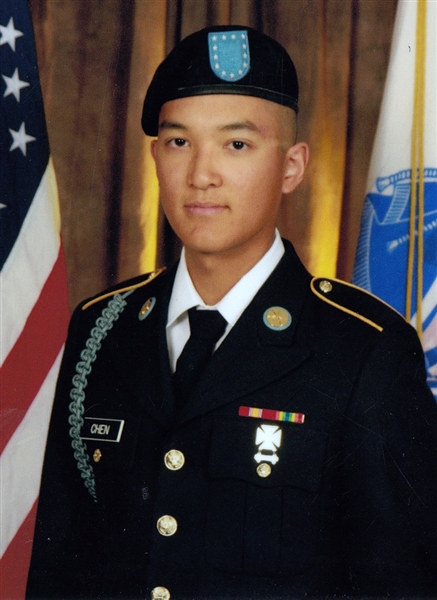
Pvt. Danny Chen, 19, US Army, died of a non combat-related incident in Kandahar province, Afghanistan on October 3, 2011. Pvt Chen was supporting Operation Enduring Freedom on behalf of the 3rd Battalion, 21st Infantry Regiment, 1st Stryker Brigade Combat Team, 25th Infantry Division in Fort Wainwright, Alaska.
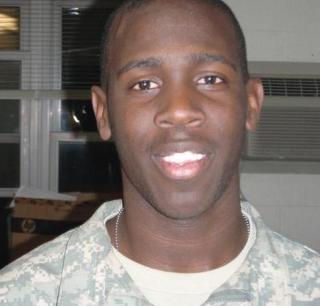
Spc Brushaun X. Anderson, 20, US Army, died of a non combat related incident in Baghdad, Iraq on January 1, 2010. Spc Anderson was supporting Operation Iraqi Freedom on behalf of the 2nd Battalion, 14th Infantry Regiment, 2nd Brigade Combat Team, 10th Mountain Division (Light Infantry) in Fort Drum, N.Y. According to the Department of Defense, the circumstances surrounding the incident are under investigation.
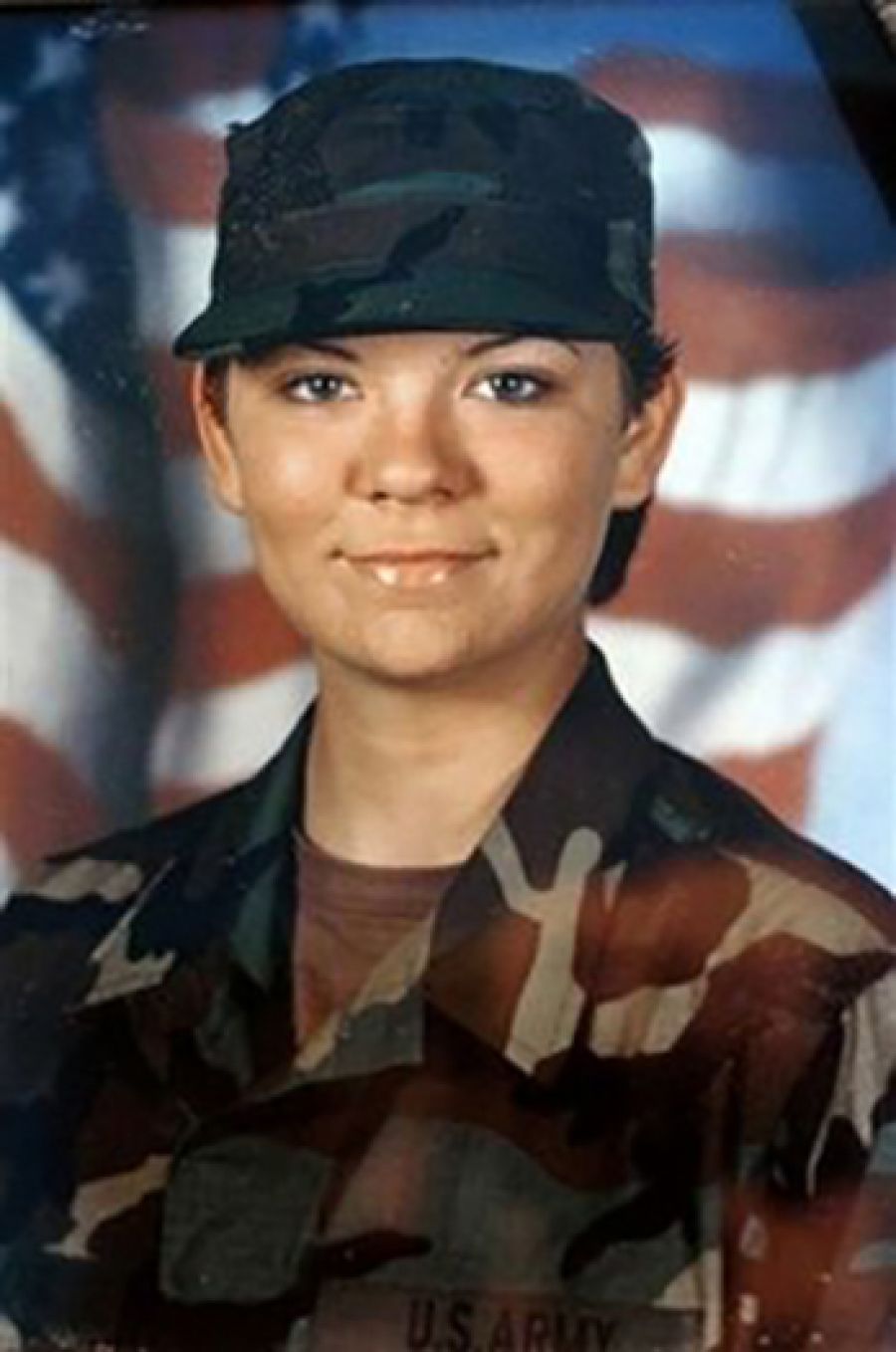
Fort Hood Army Spc. Kamisha Block, 20, died of a non combat related incident in Baghdad, Iraq on August 16, 2007. Spc. Block was supporting Operation Iraqi Freedom on behalf of the 401st Military Police Company, 720th Military Police Battalion, 89th Military Police Brigade in Fort Hood, Texas. The Department of Defense announced at the time of the press release that the circumstances surrounding the incident were under investigation. Media reports indicate that Kamisha died of gunshot wounds after she was shot in the shoulder, chest, and head area five times by a fellow Army soldier, Staff Sgt. Paul Norris. Norris then turned the gun on himself putting a single bullet into the right side of his head. Medics found Norris dead at the scene and Kamisha with a sucking chest wound. Kamisha Block was pronounced dead a few minutes later at the Camp Liberty Troop Medical Clinic. The family claims there was no serious relationship with Norris yet he became possessive and began abusing her. They believe she was not protected by the Army. (Get the latest updates on the case here)
“She spent a year in Korea, and then returned for a few months to Fort Hood before she left for Iraq in 2007. While in Texas she began a relationship with Staff Sgt. Brandon Norris, her parents said, a man in the same battalion. Although the Blocks never believed Norris and Kamisha Block had a serious relationship, Norris became attached and possessive of her, Army investigators told the family. Before they left Fort Hood for Iraq, Norris physically assaulted Kamisha Block, her family learned through later Army reports. He was disciplined and received counseling, but he did not lose his jealous nature.” ~Home of the Brave
The family learned Kamisha Block was shot and killed while serving in Iraq. The Department of Defense told the Block family Kamisha was shot in the chest by friendly fire. -12NewsNow (February 12, 2019)
Families from across the U.S. held a rally outside Fort Hood demanding answers about the deaths of their loved ones who died while serving. -KCEN News (July 11, 2020)
The Story (Love is a Battlefield, Forbidden: Dying for Love):
Fort Hood is the largest military base in world. It’s home to 53,000 soldiers and located in the heart of Texas. Kamisha Block joined the Army straight out of high school and was a specialist with the 401st Military Police Company. She was the first born in her family and her loved ones said she was a bright light. “She was always smiling and positive about everything.” Kamisha’s squad was in training for a deployment to Iraq in four months. Her fellow comrades called her “wonder woman” and said she always seemed happy. She was the kind of person who would always make others feel better even if they were having a bad day. She was described as loving, caring, and a great listener. Kamisha even worked on her own vehicles and her father taught her everything she knew. She was very independent and loved serving in the Army. Thirty-year-old Staff Sgt. Brandon Norris was a veteran of two tours in Iraq and one in Afghanistan. One of his military comrades said he did some outstanding things in the Army because Brandon was a go-getter. Brandon wanted to achieve and he quickly climbed the ladder. Brandon had also experienced some tough times. His wife had recently left him and took their daughter and he lost two sisters in a preventable car accident the year before. But Brandon was a squad leader and damn good at what he did.
Both Brandon and Kamisha were out one night at the same bar having some drinks with friends. Brandon noticed Kamisha on the dance floor and pushed his way to get to her. Upon introducing himself, they both realized they were stationed at Fort Hood. And although they were attracted to one another immediately, Brandon reminded Kamisha that what they were thinking of doing was against the rules. Fraternizing in the Army was against the law but Brandon and Kamisha didn’t care. In the Army, a relationship between an NCO and a junior enlisted soldier, especially in the same platoon, is against the Uniform Code of Military Justice (UCMJ). Both of them were taking a huge risk because if they were ever seen together, they could lose everything. In reality, they would be kicked out of the Army, lose their benefits, and get a dishonorable discharge. Brandon and Kamisha both knew it was a bad idea but over the next few weeks, they found every opportunity to see each other. According to Brandon’s military comrade, there was a real genuine connection between the two of them. And they managed to keep it secret aside from a few close friends who knew what was going on. They would say they were seeing someone but never named names. Kamisha regularly visited Brandon at his apartment eight miles away from the post.
Brandon was in love and it was obvious that the Army and Kamisha was his life. They both loved each other. Meanwhile, their squad knew they were deploying soon but they didn’t know the exact date. And then they were tasked to deploy four days before they were supposed to leave. Brandon found out that he wasn’t going to Iraq with the squad because he had to go to a leadership training session first. He would fly to Iraq at a later time. He wasn’t happy that he wasn’t going with the squad and with Kamisha and as a result, Brandon’s mood started changing. According to friends, he was getting more aggressive and angry. Brandon could control his demons until he started drinking alcohol. He was drinking more and began pushing Kamisha away and accusing her of being with other men in Iraq if he wasn’t around. Brandon was fragile and his current state of mind reflected what appeared to be attachment issues, he couldn’t handle losing anyone else he loved. Kamisha assured Brandon that they were all good but no one could deny that Brandon was possessive of Kamisha. Before deploying to Iraq, Kamisha took Brandon to meet her family. Her mom said Brandon didn’t introduce himself and they thought that was strange. They observed that he kept his head down and unless he was spoken to, he didn’t speak.
Kamisha’s family was worried about her with the upcoming deployment. The family sensed something was wrong but she said she really couldn’t talk about it. Twelve hours prior to the deployment, Brandon and Kamisha spent some quality time together. He told her he wanted to talk to her everyday on the phone until he got there. Because Brandon was possessive and controlling of Kamisha, he wanted to make sure she was okay everyday while she was away. Once Kamisha got to Iraq, Brandon called her daily and started becoming jealous and afraid that she was with other guys. Brandon admitted to his mom that he loved Kamisha and she was a special person. He also shared with his family that he couldn’t sleep and was only getting one hour a night of sleep on some nights. Brandon’s family was worried about losing him overseas because they couldn’t handle losing another child after losing two daughters the year before. Brandon Norris deployed to Iraq and he was transferred to Kamisha’s squad. Everyone knew there were tents in Iraq that had cots and they weren’t the only ones using them. Then there were signs that Brandon was giving Kamisha preferential treatment and she didn’t like it. Kamisha wanted to do the job and was irritated with Brandon.
Brandon’s biggest hang up was his jealousy. He would get jealous if Kamisha was talking to another guy. His friend said he’d get pretty fired up about that really quick. One day, the squad was in a convoy on a routine mission to an outpost. Kamisha was back at the base and Brandon was distracted. According to a comrade, Brandon stopped focusing on the task at hand and was paying attention to Kamisha instead. The squad was consistently concerned about Improvised Explosive Devices (IEDs) and they turned down a road where they were met with an IED. It blew one of their trucks clear into the air. Brandon’s convoy had been hit by a roadside bomb and he jumped out of his vehicle and started firing despite the fact that they were not taking on any small arms fire or anything. Brandon easily could have killed an innocent civilian and gone to jail. They discovered three soldiers were injured in the IED explosion. Brandon’s squad questioned him after firing indiscriminately and were even more concerned when he didn’t have any response. Brandon felt guilty and responsible because he wasn’t paying attention and missed the road side bomb. He was in the lead truck and this was his job. One of his comrades decided he needed to be reported to the Chain of Command.
Brandon’s military comrade told the Chain of Command he knew something bad was going to happen because Brandon’s jealousy and possessiveness was getting out of hand. He explained how he was not the same leader that he had been at Fort Hood. And this same comrade said the military Chain of Command could have helped if they had moved either one of them and got them away from each other. Instead of transferring Kamisha or Brandon, the Chain of Command transferred the guy who reported them to another squad. He said they needed Norris and as a result, they didn’t dig or investigate to get to the bottom of of the whole relationship. They questioned Kamisha and Brandon and took them at their word when they denied a relationship. They issued a ‘no contact order’ but everyone knew that it was difficult to monitor. Over time, Kamisha was getting more agitated and less comfortable with the direction the relationship was heading. Brandon consistently accused her of talking to other men. Something was wrong. This relationship was anything but love. Kamisha was trying to get away from him but he would not leave her alone. Kamisha was getting scared and ended the relationship with Brandon. Brandon didn’t take it very well and told her he couldn’t live without her.
Brandon and Kamisha cooled things down for about three days and Kamisha tried hard not to have contact with Brandon. But Brandon was unraveling and drinking. Kamisha called home on her sister’s birthday and they had a really nice conversation but she had to go because the squad had another mission. The next day, the Casualty Assistance Officers (CAOs) showed up at Kamisha’s parent’s home. The CAOs told Kamisha’s family that Kamisha had died in Iraq as a result of a non-combat incident. Kamisha’s mom and dad broke down. The CAOs told the family she was killed by one shot to the chest. All the family wanted was the truth. They wanted answers and they wanted to know what happened. Kamisha’s body was flown back to Texas. The family was in shock. They knew it was her but they didn’t want to believe it was her. They were all so upset. Then Kamisha’s mom noticed what appeared to be a patch on the side of her head. The Army told her she was shot in the chest but it appeared she was shot in the head too. Jane Block admitted she cried for days. The military wasn’t telling her everything, they held back. Jane accused the Army of waiting until Kamisha got to the funeral home before they found out the truth. Now they were determined to find out who shot Kamisha and what happened. Jane Block called the CAO who confirmed that Kamisha was shot five times by Brandon Norris. The family was devastated.
And eventually the details of what happened in Iraq were revealed to Kamisha’s family. Brandon wasn’t doing well and he wanted to talk to Kamisha. Brandon’s friends said his eyes were glazed over and he was in a mood. During the discussion, Kamisha reminded Brandon that she didn’t want to be in the relationship anymore. Then Brandon brandished a gun and shot Kamisha five times. He also shot at another soldier who luckily missed the bullets. When they found Kamisha, she was bleeding profusely. They observed she had been shot in the head. Brandon had also shot himself and was still breathing. His comrade said the last thing he said to Brandon was ‘F^*k You’. Kamisha’s family believes the military failed Kamisha. They could have moved her out of there and they didn’t. The Army also knew Brandon had PTSD and deployed him anyways. Kamisha’s family felt like it was a cover-up. The Army failed Kamisha and they failed Brandon Norris. Before deploying to Iraq, Brandon told a family member that he didn’t know if he could handle another tour in Iraq. But he was insistent that he needed to be there for his squad and Kamisha. Now, there’s a hole in both families. Brandon’s friend admits he has survivor guilt because he wished there was more he could do. Jane Block said Kamisha didn’t get to finish her mission to live out her hopes and dreams.
ID Go: A young Army recruit enlists with dreams of serving her country. What she doesn’t expect is to find love with a commanding officer in her platoon. The two battle to keep their forbidden affair secret but can they defeat the enemy within? -Love is a Battlefield, Forbidden: Dying for Love (S3, E1)
Editor’s note: With a cable subscription, you can download the free ID Go app and watch all of the Investigation Discovery programming at your convenience. And for those who do not have cable, you can watch “unlocked” episodes on the ID Go app including the latest premieres. Download the ID Go app and binge away. For those who prefer commercial free programming during your binge session, Prime Video has an ID channel: ‘True Crime Files by Investigation Discovery” available for $2.99 a month. It’s a compilation of older seasons but totally worth the cost if you are a true crime addict.
A young woman disappeared after working the late shift in a department store. Days later, her body was found in an isolated ravine. Tiny clues told police a great deal about the killer. He would own olive-colored carpeting, a white blanket, and distinctive bullets made from wax, not lead. -Blacket of Evidence, Forensic Files (S11,E38)
Editor’s Note: Full episodes of Forensic Files are available on a variety of media platforms. FilmRise Channel and Forensic Files Channel both feature full episodes of Forensic Files on YouTube. You can also find full episodes of Forensic Files on both Netflix and Amazon Prime Video. On Netflix, the seasons are grouped as collection 1-9. On Amazon Prime Video, you can find Season 1-10 here; Season 11; Season 12; Season 13; Season 14; Season 15; Season 16; Season 17; Season 18; Season 19; Season 20; and Season 21. Start bingeing and see for yourself why Forensic Files is such a hit!
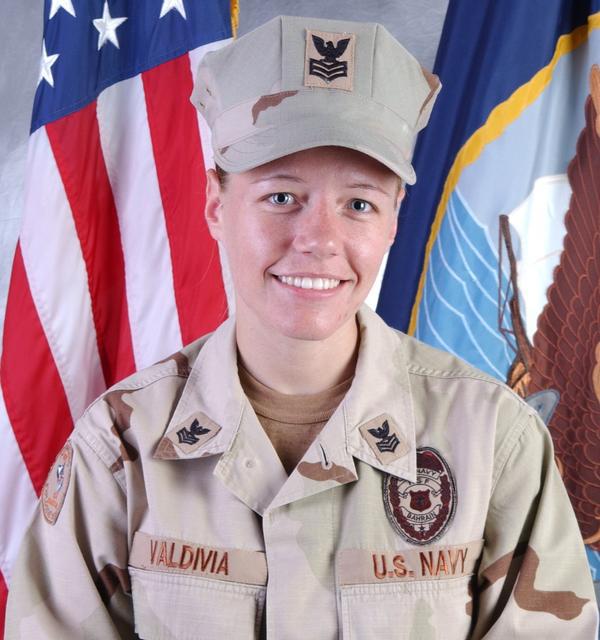
MA1 Jennifer Valdivia, 27, US Navy, died in a non combat related incident in Bahrain on January 16, 2007. MA1 Valdivia was supporting Operation Iraqi Freedom on behalf of the naval security force for Naval Support Activity in Bahrain. At the time of the press release the Department of Defense announced that her death was under investigation and Bahrain was located within the designated hostile fire zone. Naval Criminal Investigation Services (NCIS) eventually ruled her death suicide by carbon monoxide poisoning.
Toussaint, who led the Bahrain unit until March 2006, was at the center of a 2007 command investigation that documented more than 90 instances of abuse, including sailors being ordered to simulate homosexual sex in training videos, hogtied to chairs and force-fed dog treats. “If my daughter didn’t do what he told her to do, he would embarrass her in front of everybody in the kennel, belittle her,” Young said. “Everybody who was friends with Jennifer tells me the same story: She was the fall person. She was the scapegoat.” ~Pilot Online
Jennifer was at the center of command directed investigation of abuse of prisoners in Bahrain. It was reported that she did not want to participate in war crimes yet was belittled, harassed, and abused by a supervisor if she didn’t do what he told her to do. If she had a way out, could this suicide have been prevented? Was it a suicide? Was it ever investigated as a homicide? Who found her? Was it reported to the Commander first? Did the Commander do an initial investigation? Does the Navy have NCIS located in Bahrain? How quickly did NCIS respond to the scene located in what is described as a designated hostile fire zone?
“The sergeants and fellow soldiers in A Co., 2nd Battalion, 1st Infantry Regiment, Ft. Wainwright, AK began tormenting and threatening one of their own. A portion of his unit even paid a visit to one of Nick’s friends from college, threatening to beat him up if he did not stop associating with Nick. He was an injured, isolated soldier who wanted to serve his country however he could. He would have done anything in his power to remain one of the elite. But he was no good to his unit and they saw him as an easy target. He feared for his life several times. It became hell for him and Nicholas saw no way to survive other than to leave.”
“Nick went AWOL for the month of February 2005. He was set up by an acquaintance and caught by his company commander and the MP’s. It was reported to me that he was not taken in easily. The MP’s turned their backs while the unit beat him up. It was soon after this that Nicholas attempted suicide. I’ve been told that the mental ward was where my son felt safe. After a couple of weeks he was returned to his unit. In April he left again, this time flying to his home town in West Virginia. He stayed with some friends, got a job and enrolled in college. But Nick was a patriot and knew the commitment he had made. He decided to return to the Army, hoping that he would not be sent back to his unit in Alaska.”
“He was taken to the US Army Personnel Control Facility (PCF), US Army Armor Center, Ft. Knox, KY. The day he arrived. near the end of May, he signed paperwork for a dishonorable discharge in lieu of a court martial. Somehow, the abuse he suffered in Alaska found him at Ft. Knox. On June 15th he was admitted to a hospital in Radcliff, KY for another suicide attempt. Again, he chose the safety of the mental ward. On June 27th his discharge was approved. Nick was released from the hospital on July 12th. He made arrangements to go home on the 14th but he never made it. Nicholas was murdered in the latrine and hung on the back of a latrine door in the 7pm hour of July 13, 2005.”
Hundreds of suspicious deaths occur within our military branches each year. Our military kills their own soldiers to satisfy their needs.
Be careful: if you see too much, they’ll kill you.
If you struggle with something, they will kill you.
If you ask the wrong questions, they’ll kill you.
If you are in the wrong place… even simply by chance… they will kill you.
You are not protected by the government you serve. The people who “stand behind you” are the ones who will stab you in the back. They will give the order to have you killed.
Kim Slapak-Smith
If you have any information about this case, please contact me through this website.



 MILITARY JUSTICE FOR ALL