New legislation in Iowa would address sexual assault and retaliation in the National Guard
“I was one of many that had a career ended shortly because I simply reported a sexual assault,” Jennifer Norris said.
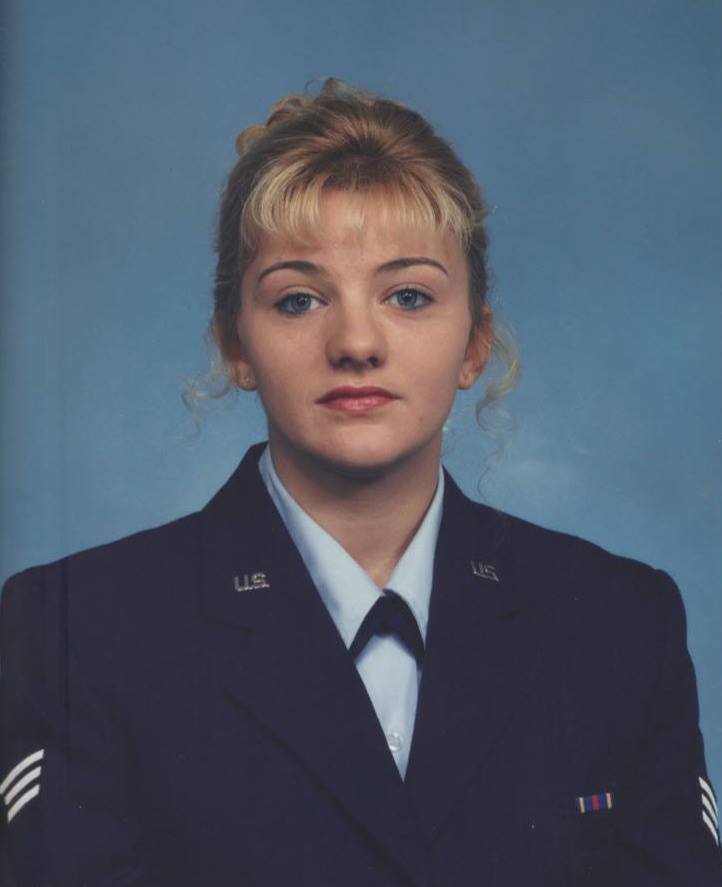
Norris retired as a technical sergeant from the United States Air Force in 2010 and also served in the Maine and Massachusetts National Guards. Norris testified before Congress that during her military career, she was sexually assaulted four times between 1996 and 1998. She says after she finally reported the attacks to her supervisor, she faced retaliation.
“I went back and was blown away at how much disdain and hatred I faced as a result of standing up for what was right and protecting other women,” Norris said. “That right in and of itself was the biggest betrayal I ever experienced in my life….When you have zero support and you are alone, it will push you to the place Jessica Brown has been. I have been there.”
Air National Guard Master Sgt. David Poirier, 52, died from a non-combat related incident on February 28, 2014. There was no location noted in the DoD press release but MSgt. Poirier was assigned to the Al Udeid Air Base in Qatar at the time of his passing. According to Sea Coast Online, MSgt. Poirier was deployed to Southwest Asia when his death occurred but the Air National Guard was not able to release the country due to host nation sensitivities. MSgt. Poirier was a post master from North Smithfield, Rhode Island. MSgt. Poirier was supporting Operation Enduring Freedom on behalf of the 157th Operations Support Squadron at Pease Air National Guard Base in New Hampshire. On March 5, 2014, news reports indicated that MSgt. Poirier died of a heart attack while serving overseas.
Air Force SSgt. Samuel Davis, 33, died at his off base home in Alaska on February 23, 2014. According to his family, he died from complications after a back surgery. SSgt. Davis was assigned to Joint Base Elmendorf-Richardson (JBER) in 2011 where he worked as an aerospace maintenance craftsman with the 703rd Aircraft Maintenance Squadron. Media reports indicate that SSgt. Davis was the fourth serviceman from JBER found dead this month: Army Sgt. Okan Cetinbag, February 11; SrA Katrina Jackson on February 15; and SSgt. Darian Miller on February 18.
SSgt. Darian Miller, US Air Force (2008 USAF photo by Kemberly Groue)
SSgt. Darian Miller, 38, of Marion, South Carolina was pronounced dead at Joint Base Elmendorf-Richardson (JBER) in Alaska on February 18, 2014. SSgt. Miller joined the Air Force in 1994 and was assigned to JBER in 2011 where he worked in operations management for the 3rd Air Support Operations Squadron. The Air Force Office of Special Investigations (AFOSI) was assigned to investigate the circumstances surrounding his death. The final determination of cause of death was not indicated in media reports. SSgt. Miller was one of four servicemen from JBER found dead this month: Army Sgt. Okan Cetinbag on February 11; SrA Katrina Jackson on February 15; and SSgt. Samuel Davis on February 23.
Air Force SrA Katrina Jackson, 22, of Universal City, Texas died from injuries sustained from an apparent self-inflicted gunshot wound in Alaska on February 15, 2014. SrA Jackson joined the Air Force in 2010 and was stationed at Joint Base Elmendorf-Richardson (JBER) in 2011 where she was assigned as a patrolman with the 673rd Security Forces Squadron. Media reports indicate that the circumstances surrounding her death were investigated by the Air Force Office of Special Investigations (OSI). SrA Jackson was one of four servicemen from JBER found dead this month: Army Sgt. Okan Cetinbag on February 11; and SSgt. Darian Miller on February 18; and SSgt. Samuel Davis on February 23.
SSgt Sean Oliver, US Air Force, was found guilty of strangling Navy Petty Officer Dmitry Chepusov after a night of drinking on December 14th , 2013 in Kaiserslautern, Germany. The two were colleagues at the American Forces Network (AFN) at Ramstein Air Force Base. SSgt Oliver was charged with pre-meditated murder. The military prosecutors were considering the death penalty but the German authorities withheld evidence in an effort to get the death penalty off the table in this case. SSgt Oliver was found guilty of the murder of Dmitry Chepusov by the military courts and sentenced to life with parole. Military prosecutors believed the motive for the murder was to silence Dmitry Chepusov who found out about an affair that SSgt Oliver was having with his wife.
Facing pressure to combat drug use and sexual assault at the Air Force Academy, the Air Force has created a secret system of cadet informants to hunt for misconduct among students.
Cadets who attend the publicly-funded academy near Colorado Springs must pledge never to lie. But the program pushes some to do just that: Informants are told to deceive classmates, professors and commanders while snapping photos, wearing recording devices and filing secret reports.
For one former academy student, becoming a covert government operative meant not only betraying the values he vowed to uphold, it meant being thrown out of the academy as punishment for doing the things the Air Force secretly told him to do.
In 2000, the manager of a Florida hotel is doused with acid in broad daylight. He dies from his wounds 11 days later. Investigators must contend with bum tips, false identities and a nationwide manhunt before the shocking culprit is revealed. -The Last Resort, Unusual Suspects (S5,E12)
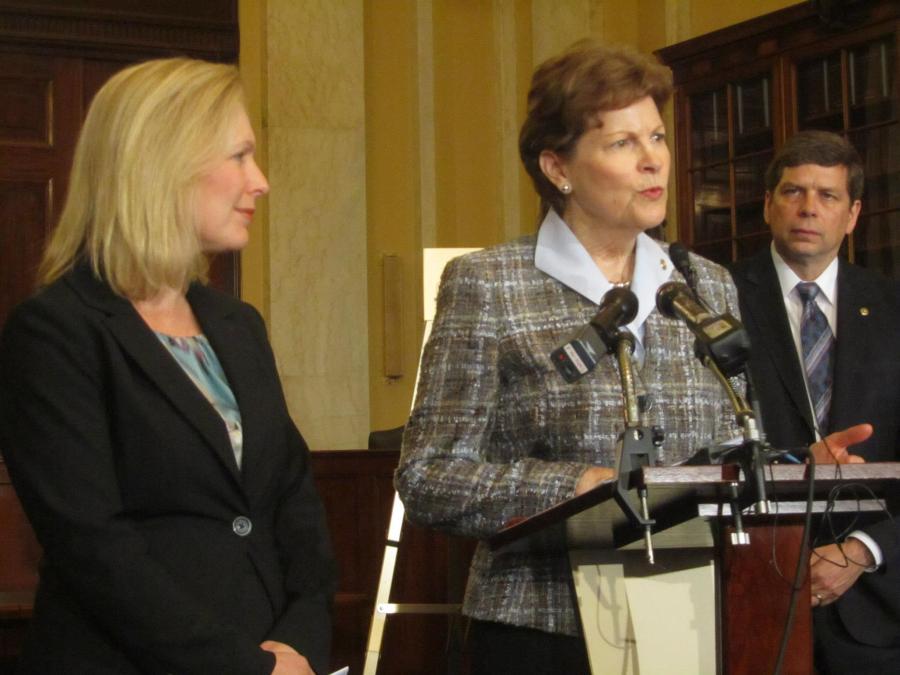
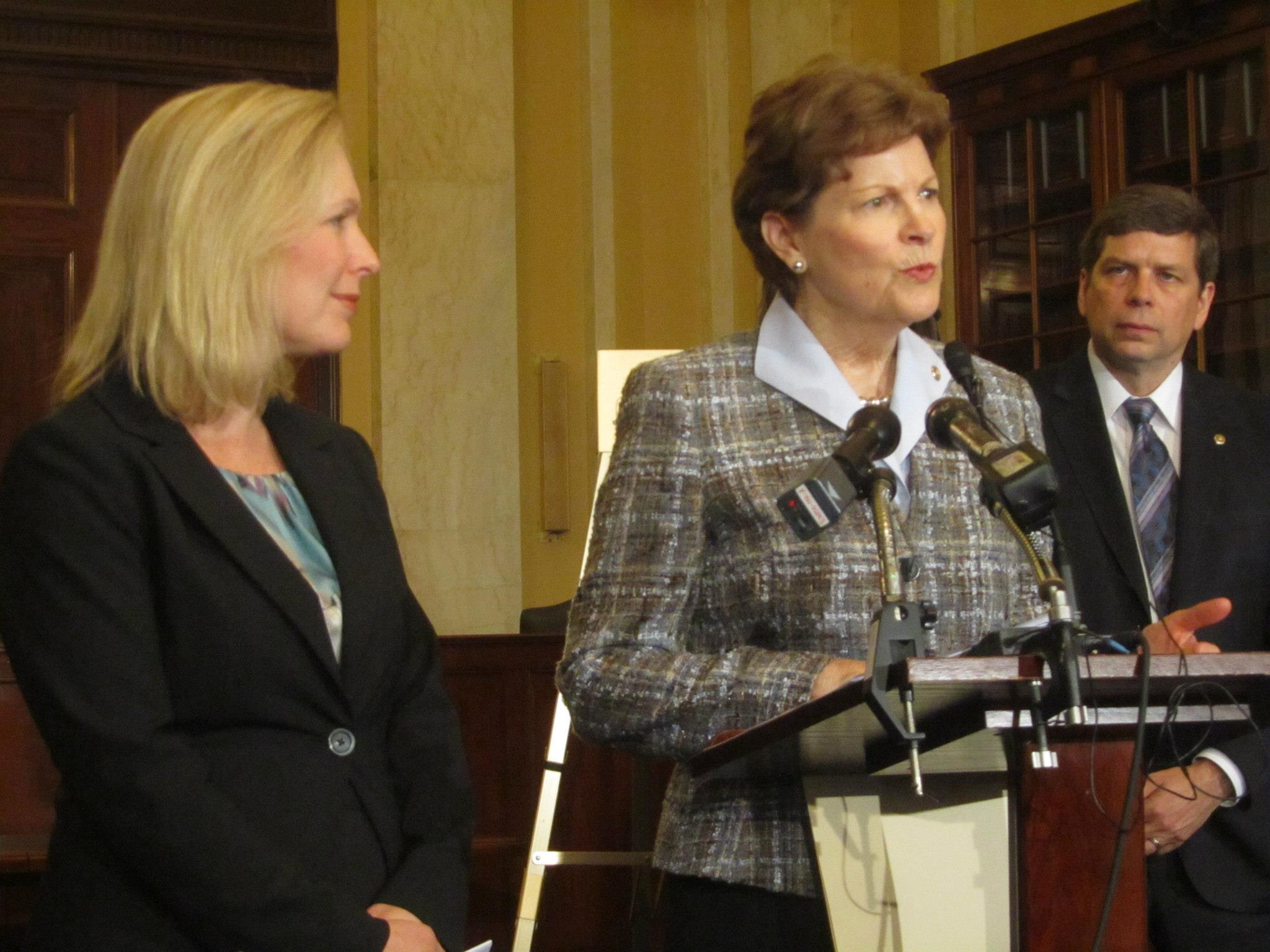
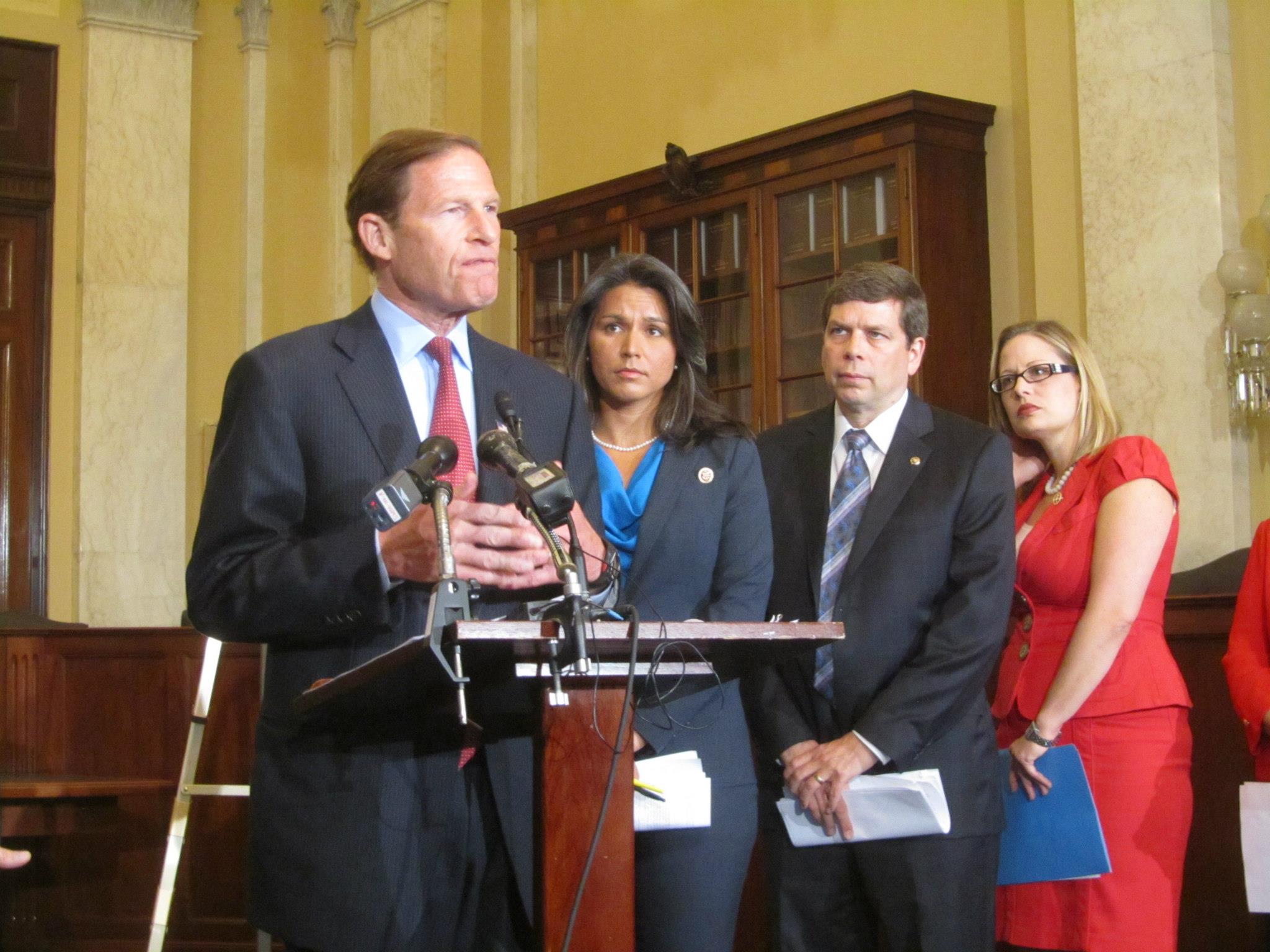
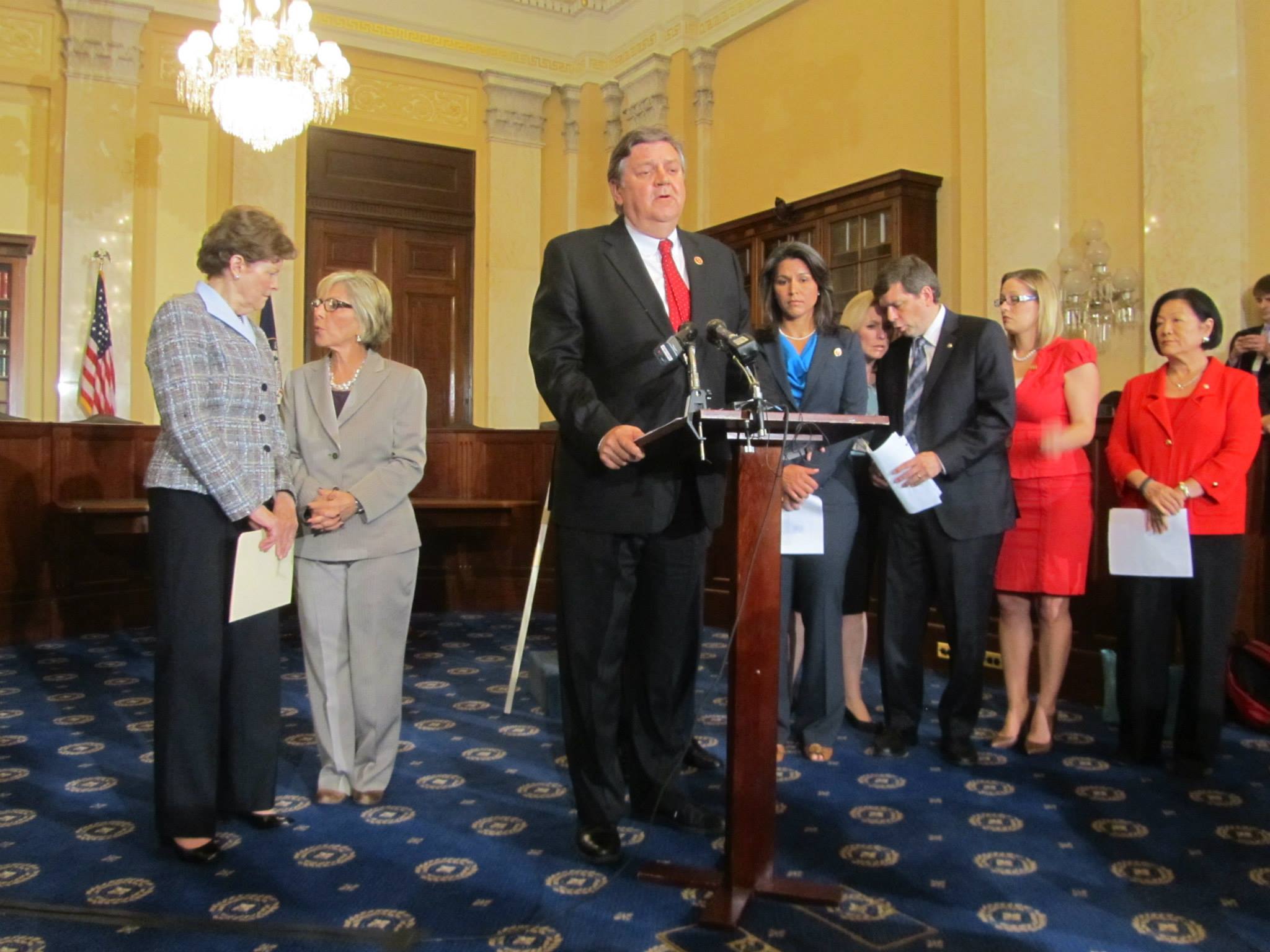
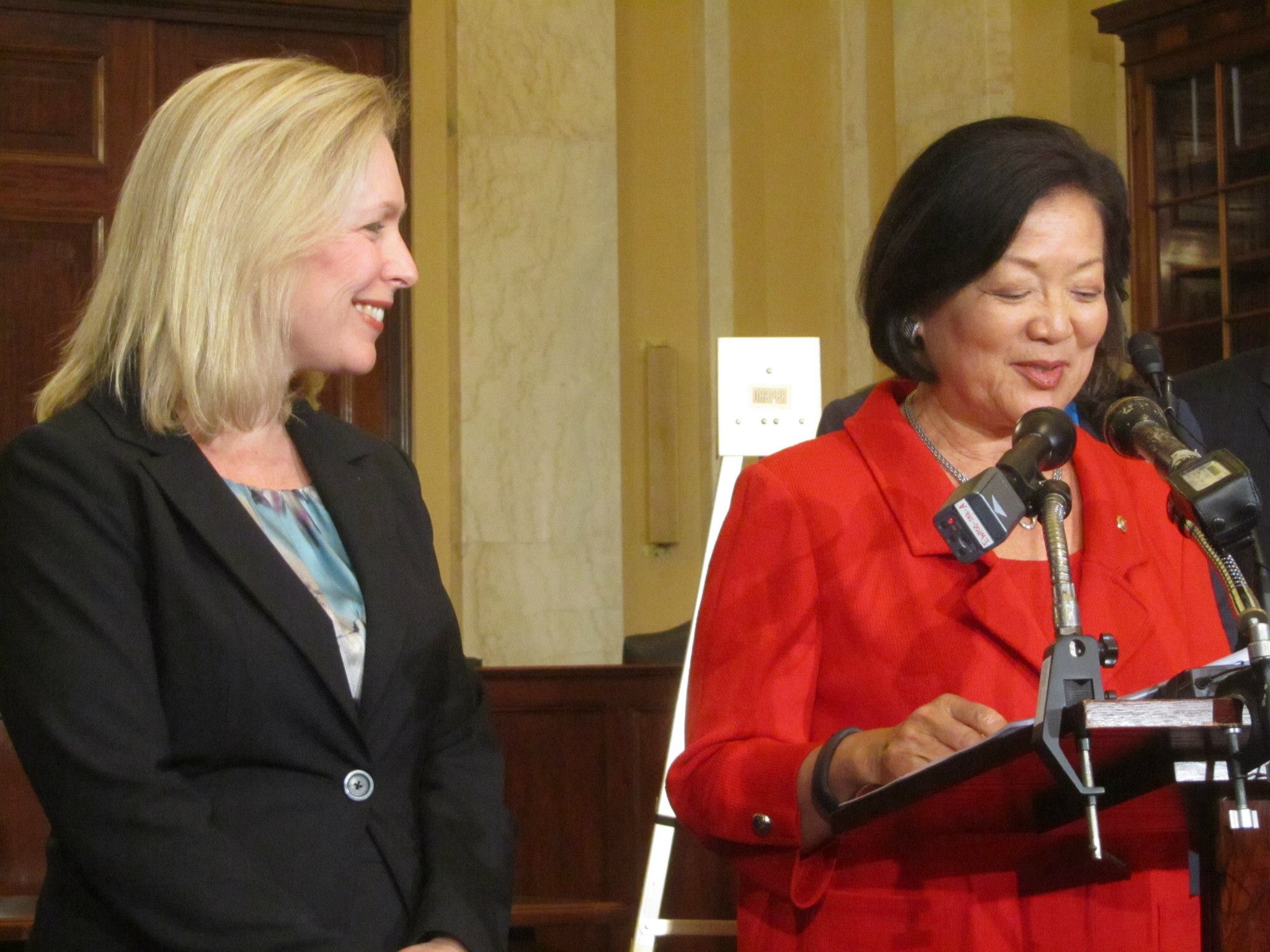
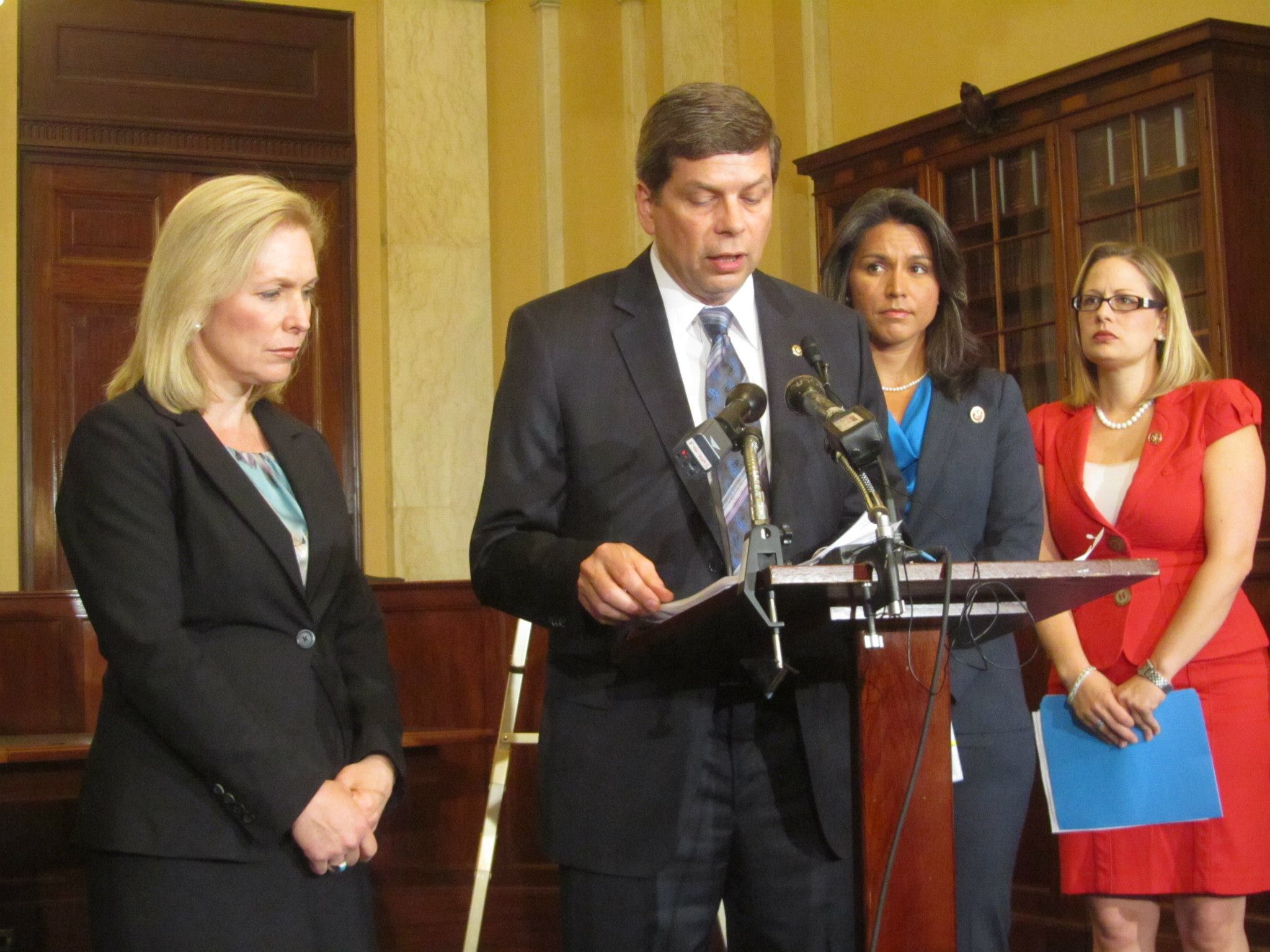
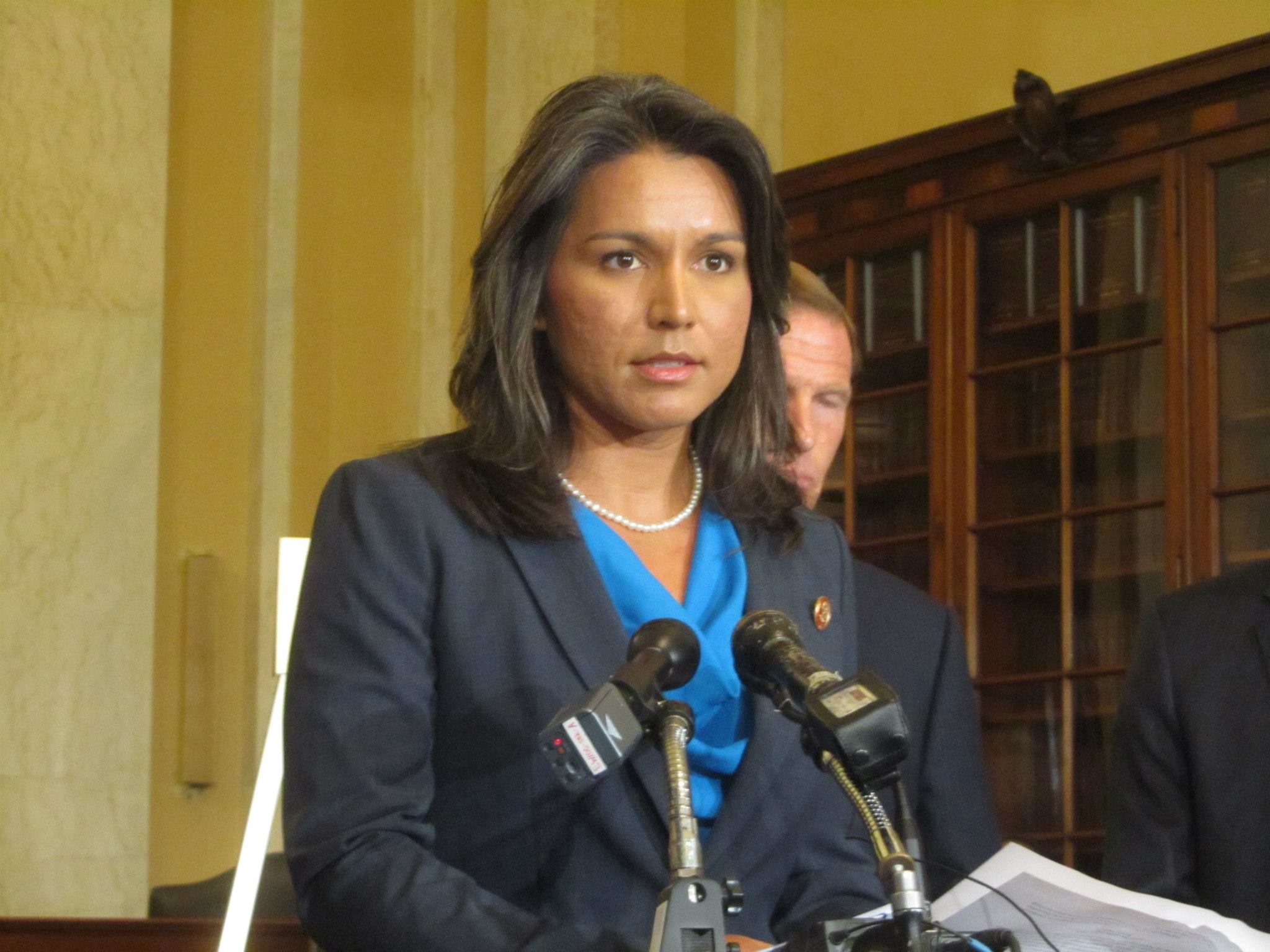
Washington D.C. – During a news conference today, U.S. Senators Susan Collins and Kirsten Gillibrand (D-NY), along with a bipartisan group of their colleagues in the Senate and House, announced new legislation that would reform the military justice system by removing the prosecution of all crimes punishable by one year or more in confinement from the chain of command, except crimes that are uniquely military in nature, such as disobeying orders or going Absent Without Leave.
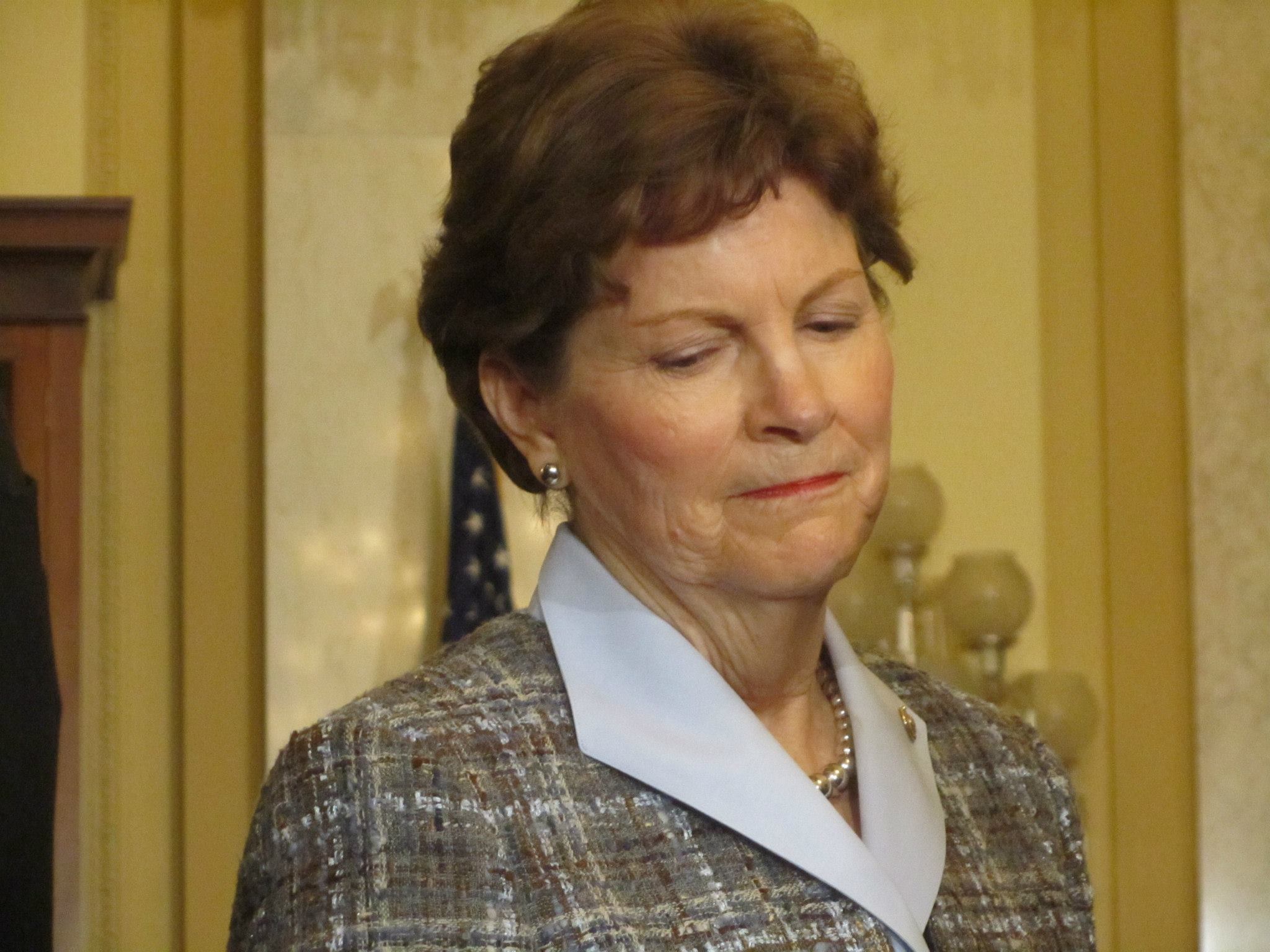
Senators Collins and Gillibrand were joined by survivors of sexual assault in the military, including Jennifer Norris of Maine, and by representatives from organizations who assist victims of Military Sexual Trauma. The Military Justice Improvement Act would for the first time remove the decision whether to take a case to special or general court-martial completely out of the chain of command and give that discretion to experienced military prosecutors for all crimes punishable by one year or more in confinement, except crimes that are uniquely military in nature, such as disobeying orders or going AWOL.
“To be sure, the vast, overwhelming majority of our military personnel are honorable, conscientious, and respectful individuals, not rapists or harassers. It is for their sake that the pattern of covering up, blaming the victim, and failing to provide even the most basic protections that has been all too common for far too long must end,” said Senator Collins. “What does it say about us as a people, as the nation, as the foremost military in the world when some of our service members have more to fear from their fellow soldiers than from the enemy? This epidemic of sexual abuse cannot stand. We must ensure that justice is swift and certain to the criminals who have perpetuated these crimes.”
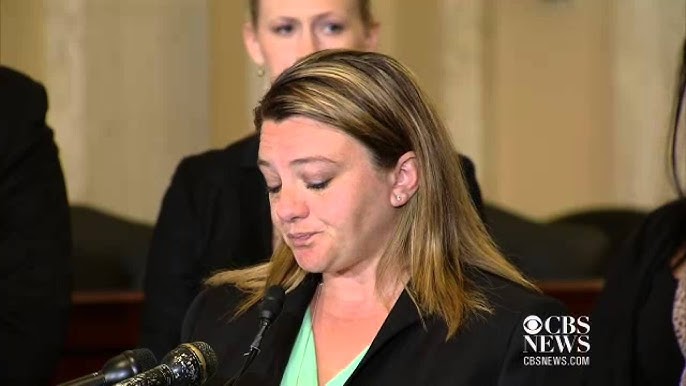
With tears streaming down her face, Jennifer Norris, a former Technical Sergeant in the Air Force, describes her harrowing experience with sexual assault and the difficulty she had in seeking justice within the military chain of command, saying, “The system is rigged against the victims” and in favor of the “often higher-ranking perpetrators.” [VIDEO]
Norris, who did not serve in Hawaii, said she’d been reluctant to report the rape because, “in the Air Force, I witnessed first hand what happens to those who stepped forward to report their assaults. I did not want to be stigmatized for reporting my assault — as I tried to move forward with my career. Instead, the best option for me was to try and endure it, to suck it up and try and make it until I could get transferred somewhere else — only to have it happen over and over again, like a recurring nightmare.”
She never did get justice, she said, even when she did come forward. “My perpetrators were allowed to resign in lieu of Administrative Hearings, which would have become a matter of public record. My command never offered the chance to proceed with a court martial.”
She said, “If the chain of command had been removed from handling sexual assault cases before I was attacked I believe justice would have been served or perhaps it would have been prevented in the first place.”
“At first I was too afraid to report my assault to my chain of command, but two years later I was forced to report due to the escalation of the behavior and the fear that I would be raped again.” -Jennifer Norris (Civil Beat, May 16, 2013)
Gillibrand: “I’m Distressed That The Victims’ Voices Aren’t Being Heard In This Debate

 New legislation in Iowa would address sexual assault and retaliation in the National Guard