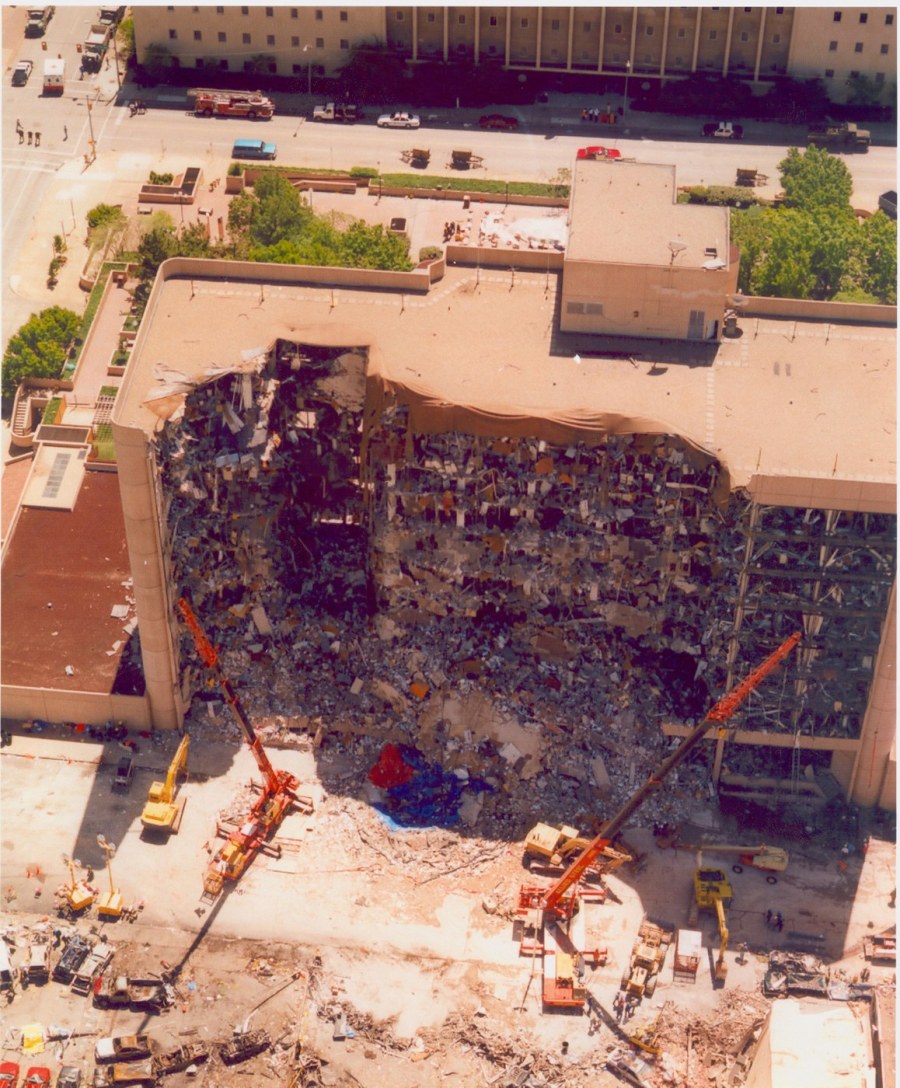
Alfred P. Murrah Federal Building, Oklahoma City, Oklahoma (Photo: FBI.gov)
“On the morning of April 19, 1995, an ex-Army soldier and security guard named Timothy McVeigh parked a rented Ryder truck in front of the Alfred P. Murrah Federal Building in downtown Oklahoma City. He was about to commit mass murder.
Inside the vehicle was a powerful bomb made out of a deadly cocktail of agricultural fertilizer, diesel fuel, and other chemicals. McVeigh got out, locked the door, and headed towards his getaway car. He ignited one timed fuse, then another.
“The events of April 19, 1995, dramatically changed Oklahoma City and all of us who remember that spring morning. But the stories of the 168 people killed live in our hearts as well as in the Oklahoma City National Memorial & Museum. Learn more about the victims here.” -Oklahoma City National Memorial
Learn what motivated domestic terrorists Timothy McVeigh and Terry Nichols to commit the Oklahoma City Bombing, which killed 168 people on April 19, 1995. Discover the federal and local clean up efforts and the fate of McVeigh and Nichols. -History
USA: Oklahoma City Bombing Rescue – 1995 | Today in History | 19 Apr 16 -AP Archive
In the News:
The FBI has released long-secret security tapes showing the chaos immediately after the 1995 bombing of the Oklahoma City federal building. The soundless recordings show people rushing from nearby buildings after the fertilizer bomb went off. (Sept. 27) -Associated Press
Don Lemon talks with the child survivors of the Oklahoma City bombing 15 years after the attack. -CNN
20 years after the terror attack, survivors and families of victims look back on the devastating terror attack. -CBS News
20 years ago tomorrow, domestic terrorist Timothy McVeigh and his co-conspirators set off an enormous truck bomb in downtown Oklahoma City. The blast killed 168 people, including 19 children. Anna Werner reports on that awful day after visiting the site. -CBS This Morning
Americans remember the bombing that killed 168 people and injured hundreds more. -ABC News
Remembering the April 19, 1995 tragedy in Oklahoma when a truck bomb exploded outside of the Alfred P. Murrah Federal Building injuring hundreds and leaving 168 people dead. -NBC News
Today marks the 23rd anniversary of the Oklahoma City bombing, a time to remember the 168 lives lost in an act of domestic terrorism that rocked the nation. -CBS News
On the morning of Wednesday, April 19, 1995, a former Army soldier parked a rented Ryder truck in front of the Alfred P. Murrah Federal Building in Oklahoma City, Oklahoma.He got out, locked it and ignited two fuses. At 9:02 a.m., the explosion ripped through the building where 500 people worked and children attended America’s Kids day care. The blast killed 168 people including 19 children under the age of 6. -PennLive.com
USA: Oklahoma City: Remains of Bombed Building to be Demolished. -AP Archive
Oklahoma City National Memorial & Museum:
At the 20th anniversary remembrance for the Oklahoma City bombing, the former president says it’s important for all Americans to remember how much they owe Oklahomans. -CBS News
Video of The Oklahoma City National Memorial and Museum. -CNN
American Experience PBS:
Premiering at the 2017 Sundance Film Festival. Coming to American Experience PBS on February 7, 2017 at 9/8c. -American Experience, PBS
After the Oklahoma City Bombing, Clinton’s ability to reach Americans on a personal level did much to help the nation’s grief. “It’s kind of a throwaway line now, I feel your pain, but he literally could,” says Robert McNeely. “I mean he could take people and just hug them and connect to them in a way and really listen to them.” -American Experience, PBS
Oklahoma City explores how a series of deadly encounters between American citizens and federal law enforcement—including the standoffs at Ruby Ridge and Waco—led to the bombing of the Murrah Building in Oklahoma City in April 1995, the worst act of domestic terrorism in American history. -American Experience, PBS
At the time of the Oklahoma City bombing in 1995, the Alfred P. Murrah Federal Building was home to several government agencies — and a daycare. -American Experience, PBS
During the stand-off between federal agents and the Branch Davidians in Waco, Texas in 1993, people gathered on a hill roughly three miles away to see what was happening at the compound. One of those drawn to Waco was a 24-year-old Army veteran named Timothy McVeigh. -American Experience, PBS
Filmmaker Barak Goodman and editor Don Kleszy discuss their newest documentary, “Oklahoma City” and how it led to the creation of another one-hour film about Ruby Ridge. -American Experience, PBS
The 1995 Oklahoma City Bombing was the largest act of domestic terrorism in U.S. history. A new documentary on the PBS series American Experience takes a fresh look at the events and motivations that led to the attack by Timothy McVeigh, and finds resonance for today. -PBS NewsHour
At the 20th anniversary, we look back at the Oklahoma City bombing. Public television station OETA shares reflections from survivors and victims’ families, and Judy Woodruff talks to former Deputy Attorney General Jamie Gorelick, former Director of Homeland Security of Oklahoma Kerry Pettingill and Barry Grissom, U.S. attorney for the district of Kansas, for lessons learned from the attack. -PBS NewsHour
On April 19, 1995, Timothy McVeigh, a former soldier deeply influenced by the literature and ideas of the radical right, parked a Ryder truck with a five-ton fertilizer bomb in front of the Alfred P. Murrah Federal building in Oklahoma City. Moments later, 168 people were killed and 675 were injured in the blast. OKLAHOMA CITY traces the events — including the deadly encounters between American citizens and law enforcement at Ruby Ridge and Waco — that led McVeigh to commit the worst act of domestic terrorism in American history. With a virulent strain of anti-government anger still with us, the film is both a cautionary tale and an extremely timely warning. -YouTube Movies
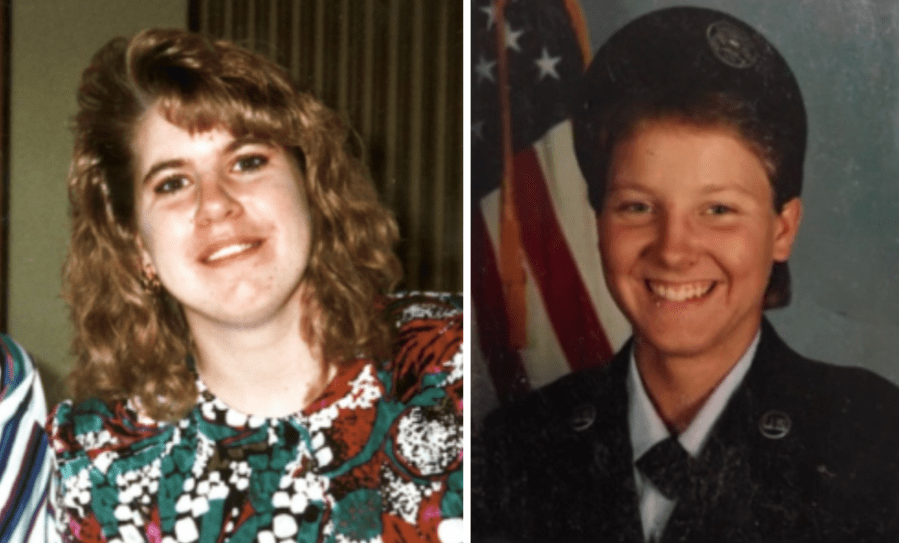
Air Force veteran Penny Brummer was convicted on October 1, 1994 of murdering her ex-girlfriend’s best friend 21-year-old Sarah Gonstead in Madison, Wisconsin. On March 14, 1994, after a night of heavy drinking with Penny, Sarah was shot in the back of the head execution style and found three weeks later in a secluded field. Detectives theorized that Sarah most likely trusted her killer. On this episode of Investigation Discovery’s Reasonable Doubt, Penny’s mother, Nancy Brummer, turned to Detective Chris Anderson and criminal defense attorney Melissa Lewkowicz to help her prove Penny’s innocence. Nancy believes the prosecution had no concrete evidence except for circumstantial evidence and she also believes the the jury was biased and led to believe that lesbians are inherently violent. Detective Anderson and Melissa Lewkowicz worked with Nancy Brummer by taking a second look at Penny Brummer’s case featured in the ninth episode of Reasonable Doubt aptly titled ‘Failure to Remember’. It’s their job to investigate the cases that family members swear are wrongful homicide convictions and in the end the duo share their assessment of guilt or innocence based on meticulous investigative work.
Nancy Brummer has been fighting to free her daughter for twenty-two years. She told Detective Anderson and Melissa that they were her last hope. The two learned that Sarah Gonstead left her mother’s house to go out for a night of drinking to celebrate her 21st birthday with her friend Penny but Sarah never came home. Twenty-five days later, Sarah was found in a secluded field in Madison. Sarah had been shot execution style in the back of the head and Penny was the last known person to see her alive. Eight days later, Penny was arrested and charged with first degree murder. Penny claims she pulled over to clean up some beer that spilled in her vehicle and Sarah exited the vehicle to walk half a block to her best friend Glenda’s house. But prosecutors painted a darker picture. They theorized the two got drunk and Penny drove Sarah out to a empty soy field and murdered her. Prosecutors believed the motive was jealousy because Glenda had just broken up with Penny and Penny blamed Sarah for the break-up. They claimed Penny wanted revenge and the jury bought it. Penny Brummer is currently serving life in prison and her first opportunity for parole is in 2045.
Detective Anderson and Melissa met with the Nancy Brummer first to hear her plea for justice. Nancy stated that she wanted to find the person who committed the crime and free Penny so she can come home. Nancy confirmed that Glenda and Penny were dating and broke up about a month prior to Sarah’s disappearance. Sarah was Glenda’s best friend and the three of them would hang out and party together. Penny was in her early twenties at the time of the homicide so her behavior was typical of most young people at that stage in their life. Nancy Brummer described Penny as very social and happy-go-lucky. She said Penny was really into sports and she was on the softball team and volleyball team in high school. Nancy opined Penny was a typical teenager and started drinking around the age of seventeen. After high school, Penny joined the Air Force and shared with her mom that it was hard being in the military because of the secrecy she had to maintain regarding her sexual orientation. Nancy Brummer believes that the jury was biased and led to believe that a lesbian is more prone to violence. She referenced a questionnaire that Melissa agreed was inflammatory and would need a second look.
The prosecution painted a picture that Penny was jealous of the friendship between Glenda and Sarah. The two were strictly friends and Sarah was straight. Nancy observed that Penny was sad and disappointed about the break-up but not what one would consider obsessive. She reminded Detective Anderson and Melissa that the prosecution had nothing: no physical evidence, no DNA, no blood evidence, nothing that tied Penny to the murder. The prosecution said the gun that was used in the commission of the crime was a 22 handgun that belonged to Penny’s father. Nancy admits that her husband’s gun did go missing and was never recovered. When Sarah’s body was found, Nancy said a witness came forward to the police and said that he had driven by the scene of the crime a day or two after the murder and saw a suspicious vehicle along the side of the road. He saw a man standing behind the vehicle with what looked like a pink and purple duffle bag and as it turns out, Sarah’s jacket was the same pink and purple color. Nancy said this evidence was ignored. Nancy informed both Detective Anderson and Melissa that even if they don’t find Penny innocent, she will keep fighting for her release.
Detective Anderson and Melissa began their investigation. Detective Anderson started with the man who was the eyewitness. This man told Detective Anderson that he did in fact see a vehicle by the side of the road near the location of where Sarah’s body was found in the field. He claims he made eye contact with the man in question but that was about the extent of it. He said after the man made eye contact with him, he put his head down. The eyewitness was concerned that this man was trying to move the body, after all it was only a couple days after she had gone missing. He said the police informed him that they already had a suspect in the case and he felt that his testimony was largely discounted and ignored. Melissa investigated the prosecutors jealousy motive. One of Penny’s close friends described her as a great friend and a someone she went bar-hopping with. Penny’s friend believes that she was a binge drinker and most likely an alcoholic because she would drink until she blacked out. Penny’s friends said she hoped she would get back together with Glenda but certainly didn’t act like a jealous ex-girlfriend. Penny’s friend Mary believes she is innocent.
Detective Anderson met with a forensic expert to go over the physical evidence or lack there of. The two examined the crime scene photos and other evidence available. The forensic expert didn’t see any signs of struggle and it appeared Sarah’s body fell forward after she was shot in the head. There was no sexual assault and no beating. It was an execution style killing and Sarah most likely knew and trusted the person who shot her. Sarah was walking in front of the perpetrator when she was shot in the back of her head. Detective Anderson visited the last known location of both Penny and Sarah, a local bar in Madison. A witness said Sarah and Penny were celebrating Sarah’s birthday because she had just turned twenty-one. The two had been drinking prior to their arrival at the bar but the witness didn’t think either appeared to be drunk. She said they showed up at the bar around 10:30 p.m. and left a couple hours later; they had a couple drinks while they were there. The witness observed they were both in great spirits and having fun and they were both able to carry on a conversation. On the night in question, Sarah was kind of quiet while Penny appeared to be enjoying herself with others at the bar. Neither of them were agitated or upset; they both appeared to be in a really good mood.
Detective Anderson interviewed Penny via the telephone. Penny said she dated Glenda for 8 or 9 months and admits she fell in love with her. She also claimed to have a nice friendship with Sarah. She shared that Sarah never did anything bad to her and never meddled in her relationship with Glenda. Penny said Glenda just decided one day to end things and told her she was going back on birth control. Penny assumed Glenda wanted to go back to guys. After the break-up, Penny was heartbroken. She admitted she got physical with Glenda one time; they pushed each other during an argument. On March 14, 1994, Penny said she got out of work around 7:30 p.m., got some beer, and went to Sarah’s house. Penny said they stopped at a couple bars and drank more beer. Penny said she doesn’t remember being at Jakes (the bar where the eyewitness last saw both Penny and Sarah at around midnight). Penny admitted she was an alcoholic then and was very intoxicated. Penny and Sarah were on their way to pick up Glenda when Penny spilled some beer in her car and stopped to clean it up. Penny said Sarah wasn’t feeling well so she started walking to Glenda’s house which was about a half a block away. Penny told Detective Anderson she doesn’t know why she didn’t take Sarah to Glenda’s house but she went home after cleaning her car. Penny reminded Detective Anderson that she isn’t the type to kill anyone, she didn’t have a weapon, and she had absolutely no reason to hurt Sarah.
In the meantime, Melissa looked at the questionnaire that was given to the jury asking them about their thoughts about lesbians and violence. Melissa said, as a criminal defense attorney, she would insist that the jury not be subjected to or see the questionnaire because it is inflammatory. Melissa also spoke with Glenda who was the glue that held the case together. Glenda claimed she dated Penny for about a year but wasn’t necessarily in love with her. Glenda claimed Penny drank a lot but could still function; she just wouldn’t remember it. Glenda described Sarah as a shy, soft-hearted, and loyal friend. Glenda believed that Penny was jealous of her friendship with Sarah. Glenda admitted that Penny did in deed find her birth control pills and assumed that she was breaking up with her so she could date men again. Glenda admitted she broke up with Penny because she was way too controlling. Glenda also claimed Penny was pissed that she broke up with her. When Glenda ended it, Penny shoved her and she shoved her back and kicked her out of her house. Glenda said the look in her eyes scared the crap out of her and she began to cry. Glenda believes they have the right person and is still grieving the loss of her friend.
Detective Anderson and Melissa met with Nancy Brummer to share the results of their investigation. Nancy claimed the jury was bias because of Penny’s sexual orientation and Melissa believes she was absolutely right. Melissa said the questions asked of the jury were highly prejudicial. Penny’s close friend felt that the motive of jealousy was crap but Glenda was 100% convinced Penny was the killer. Glenda claimed the motive in this case was vengeance. Glenda declared that if Penny gets out of jail, she is moving to another state because she is scared of her; if Penny did this once, who is to say she won’t do this again? Nancy doesn’t believe Glenda and said she is a good actress. Detective Anderson told Nancy he followed up with the eye witness at the scene of the crime and said this was a problem because each and every lead needs to be taken seriously. He also shared that only one of the detectives was alive and he refused to meet with him. Melissa confirmed that there is no physical evidence tying Penny to the crime. Detective Anderson addressed the gun they believed was used in the commission of the crime and Nancy confirmed the 22 they owned had indeed gone missing. Detective Anderson addressed the autopsy photos and shared that the forensic expert did not observe any signs of struggle. It was a cold night and if someone ran towards Sarah, she definitely would have heard it. Detective Anderson deduced Sarah was shot by someone she knew or was led into the field at gunpoint.
“Circumstantial cases are a series of little things that add up until they point in one direction.” -Detective Chris Anderson, Reasonable Doubt
Nancy Brummer said there was no way her daughter would have shot Sarah in the back of the head. But Detective Anderson had some serious issues with the fact that the only person who claims Penny was in a black out that night is Penny. He spoke with a bartender who claimed that Penny appeared to be functional. Jake’s bar is significant because it is less than two miles from where Sarah’s body was found. Detective Anderson noted that Penny said she couldn’t remember being at Jake’s that night but she remembered very specific things earlier and later that night. Detective Anderson felt it was suspicious that Penny remembered everything really well that night except being at this bar. Is this a form of convenient amnesia? Melissa empathized with why Nancy felt a sense of injustice all these years. The biased questionnaire, the ignored witnesses, and the overall investigation had major problems; the evidence was highly circumstantial. Penny was the last known person to see Sarah alive that night; Penny was last seen at a bar with Sarah which is located less than two miles from where Sarah’s body was found; Penny said she can’t remember being there but does remember a lot of details earlier and after Sarah went missing; Sarah was killed with a 22 and Penny’s father owned a 22 that was now missing; Penny was a military vet who was trained to shoot guns; and Sarah wasn’t trying to run away, she didn’t struggle, and she most likely knew and trusted her killer.
Why would Penny do this? Melissa shared that she read through the police reports and noted that Penny admitted she was heartbroken when things ended with Glenda. Penny also admitted that after the break-up she wondered who Glenda was with, where she was, and what she was doing. Penny also said Glenda was in her head 24 hours a day (obsessed) and that she resented Sarah because she assumed Sarah was trying to drag her back into the straight world. On the night of March 14, 1994, Penny did what she always did. Melissa explained Penny got really drunk, the break-up was fresh, her feelings were raw, and she spent the entire night with the person she believed came between her and the woman she loved. Melissa asked, “did Penny plan to walk Sarah into the woods or was it just a horrific idea fueled by fifteen drinks? Did she remember shooting Sarah, does she remember her falling to the ground, or does she not remember anything at all?” Ironically, Penny admits that prison saved her life. Penny believes she would not have made it to thirty had it not been for prison. Penny said she turned her life around behind bars. Based on the leads Nancy provided and an independent investigation, Detective Anderson and Melissa revealed there was nothing new in the investigation that would bring Penny home. They both suggested Nancy ask her daughter the tough questions and then she will know, even 22 years later.
“The problem is that the things Penny remembers are the things that will help her and the things that she can’t remember are the things that would potentially hurt her.” -Melissa Lewkowicz, Reasonable Doubt
Source: Failure to Remember, Reasonable Doubt, Investigation Discovery
Investigation Discovery:
Penny Brummer, a military vet, is accused of murdering her ex-girlfriend’s best friend in a jealous rage. However, Penny was so drunk that night she was in a blackout state. Can Chris and Melissa help fill in the gaps of her memory to prove her innocence? -Failure to Remember, Reasonable Doubt (S1,E9)
In The News:
Twenty-one years ago a jury found Penny Brummer guilty in the murder of Sarah Gonstead. The family of Brummer has spent those 21 years working to prove her innocence. Dave Delozier reports. -Channel 3000 / News 3 Now (December 14, 2015)
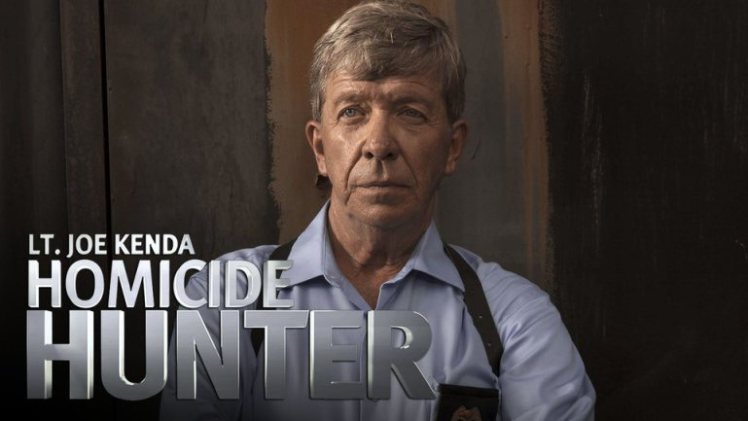
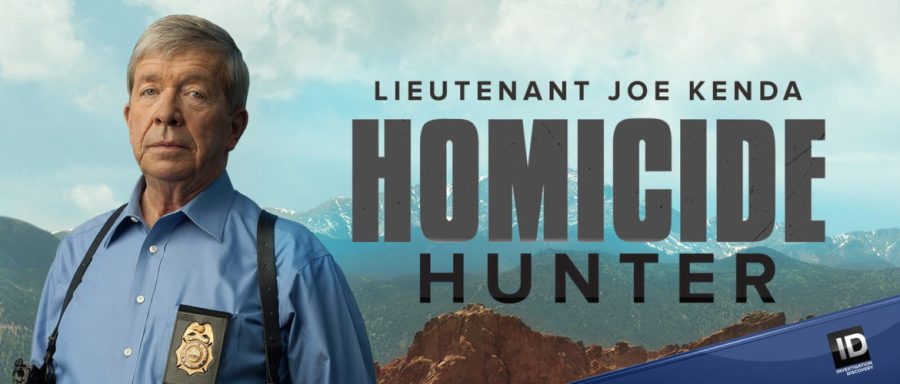
Hard-working fast food manager Missy Berry is found dead in an idling car at a deserted intersection. Kenda discovers suspects from Missy’s past who may have wanted her dead. But a surprise twist in the investigation leads him into uncharted territory. -Drive Thru Murder, Homicide Hunter (S2,E6)
Missy Berry was found shot execution style in a stopped vehicle at a Colorado Springs intersection on September 17, 1994. As Lt. Joe Kenda investigated the homicide, he learned Missy Berry dropped off the deposits every night after she left work. Lt. Kenda found out the money was never deposited and was not in her vehicle; he suspected robbery was the motive. Lt. Kenda learned from a fellow officer that a man who looked like he worked at the restaurant was hanging out in the parking lot around the time Missy left work. It was believed this man most likely asked Missy for a ride but at the time the police officer thought nothing of the interaction. Kenda wondered who at work might have asked Missy for a ride. Kenda spoke with the restaurant manager to find out who might have a motive to kill Missy. The store manager thought maybe it was a guy named Darren who she suspected was into drugs. Kenda tracked down Darren Haney and found him in the hospital waiting for his child to be born. He was cleared.
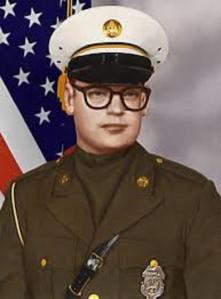
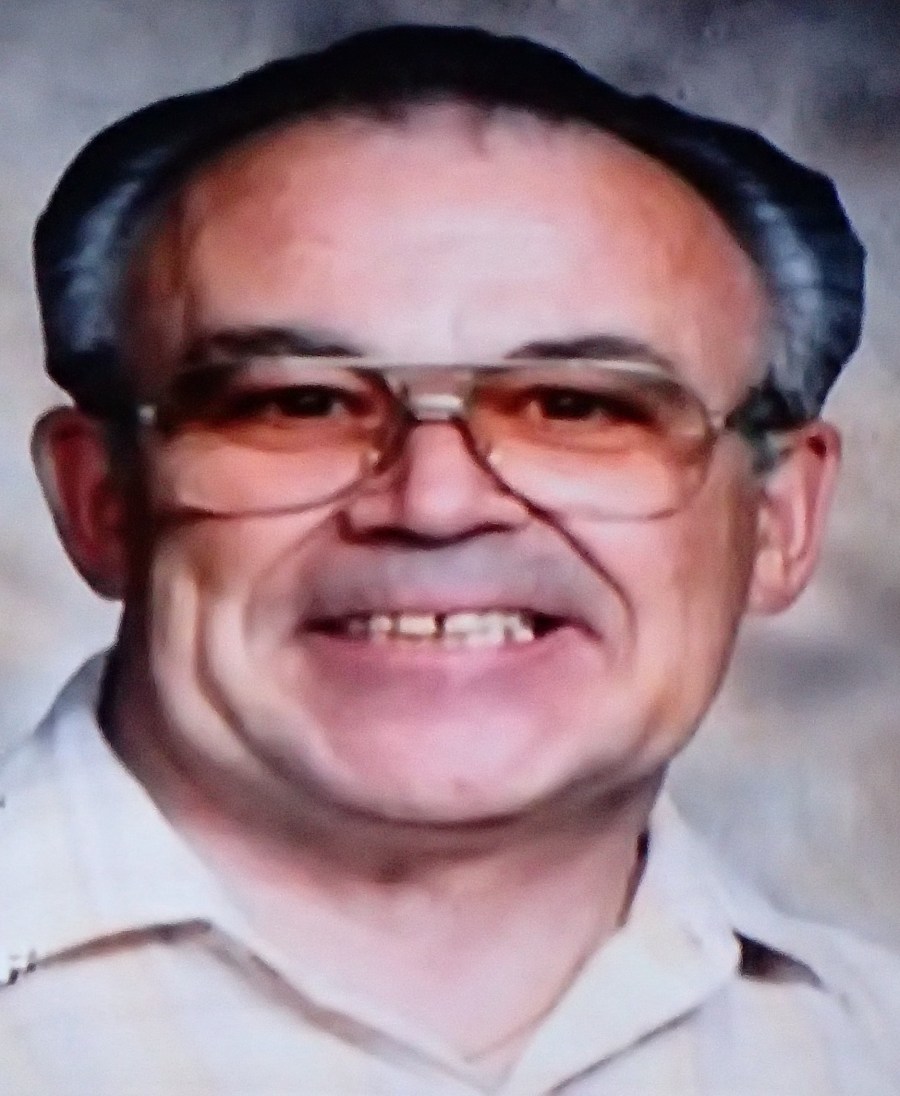
Darren offered Kenda a valuable piece of information. He suggested that his co-worker George Clifford McDaniel may have a motive to kill Missy Berry because he hated her. He said he wanted that bitch dead a couple weeks earlier. Apparently, Missy gave Cliff a hard time about his work and the fact that he was a mommy’s boy. Kenda learned Cliff lived one block away from the scene of the crime. At this point, Cliff was Kenda’s primary suspect after learning he fit the description offered by the police officer who observed him hanging around the parking lot. Kenda learned Cliff was the son of a former military police officer. He was born in England and his mother married a serviceman. Cliff too served in the U.S. Army for a couple years. He appeared helpful, cooperative, and didn’t raise any red flags with Kenda. His family was having a hard time financially and Cliff was working at the restaurant to help the family. He said he was with his friend Ronnie Houston watching a movie until 1:20 a.m.
Before the interview wrapped up, Cliff McDaniel suggested it was someone who asked Missy for a ride. Kenda checked out McDaniel’s alibi. Ronnie Houston admitted Cliff was there but Ronnie’s rendition of events did not match those shared by Cliff. Cliff said he left Ronnie’s at around 1:30 a.m. but Ronnie said Cliff left at 11:30 p.m. Cliff could not account for this two hour gap. Ronnie shared another important piece of information. He said Cliff had a gun and said he was planning to rob the restaurant. Kenda now believed Cliff asked for a ride from Missy, shot her at the intersection, and stole the night deposit. When Kenda went to arrest Cliff for suspicion of murder, he learned Cliff was no longer in town. They searched his home but didn’t find any physical evidence in the house tying him to the crime. After Kenda reminded the family they could be charged with accessory to murder, Cliff’s mother told Kenda he was in London, England. The police needed to find Cliff McDaniel because they were afraid he would do this again.
Kenda interviewed the travel agent who arranged the one-way ticket for Cliff. Kenda believed Cliff’s escape to London was a sure sign of guilt and he was going to bring this international fugitive to justice. They contacted New Scotland Yard to ask for assistance with the search of Cliff McDaniel. He was staying with family, the same aunt he told the travel agent had died. New Scotland Yard arrested Cliff McDaniel however getting him back to the states was a whole new battle. England would not honor the extradition unless the State of Colorado agreed not to execute him. With the help of the U.S. State Department, Kenda was able to extradite Cliff McDaniel back to the United States. The Crown Judge agreed to sign an international extradition warrant. Cliff thought he would get away with this murder and move on in England. The stolen money and murder weapon were never recovered but nonetheless McDaniel was convicted. George Clifford McDaniel was found guilty of one count of first degree murder and sentenced to life in prison without the possibility of parole.
Editor’s note: With a cable subscription, you can download the free ID Go app and watch Investigation Discovery programming at your convenience. And for those who do not have cable, you can watch “unlocked” episodes on the ID Go app including the latest premieres. For those who prefer commercial free programming during your binge session, Prime Video has an ID channel: ‘True Crime Files by Investigation Discovery” available for $3.99 a month. It’s a compilation of older seasons but totally worth the cost if you are a true crime addict. Download the ID Go app or purchase ID True Crime Files & binge away.
When an Air Force veteran dies unexpectedly, Kenda and his team must determine if it was a tragic accident or premeditated murder. But before long, they discover that their clean-cut victim had a secret life. -Rest in Peace, Homicide Hunter (S9,E5)
Air Force Retiree Willy Jackson, 65, was found dead on the bedroom floor of his Colorado Springs home on June 24, 1994. At initial observation, there were no ligature marks, no bullet wounds, and no trauma observed at all. Willy’s wife Tony suggested he died of alcohol poisoning. Nonetheless, this was a suspicious death and detectives began their investigation. After the medical examiner arrived on scene, he turned the body over and observed a small puncture wound in Willy’s thigh. Investigators also found blood on the mattress and it was concealed with new sheets. Lt. Joe Kenda suspected either Tony or her son had something to do with this incident. After the autopsy was conducted, investigators learned Willy was stabbed with a steak knife and bled to death. Kenda got a warrant to search Willy’s home. The police sprayed luminal and discovered the stabbing occurred in the kitchen. There were blood stains all over the house.
Kenda wanted Tony to take a polygraph test. Before the polygraph was conducted, Willy’s wife Tony Jackson stopped the process and admitted she stabbed Willy. She claimed she did it in self-defense because he was drunk and annoyed that Tony was on the phone with her son’s dad. She said he began choking her and she grabbed a knife from the kitchen and poked him in the leg. Willy went to bed and she never suspected his wound would kill him. She cleaned up the house. After reviewing the case, the District Attorney concluded that Tony Jackson was acting in self-defense and declined to press murder charges. The investigators believed her too. Her crime was cleaning up blood and she was charged with that. She was sentenced to three years of supervised probation. If Willy wasn’t so drunk and passed out, he may have been able to save his own life.
Editor’s note: With a cable subscription, you can download the free ID Go app and watch Investigation Discovery programming at your convenience. And for those who do not have cable, you can watch “unlocked” episodes on the ID Go app including the latest premieres. For those who prefer commercial free programming during your binge session, Prime Video has an ID channel: ‘True Crime Files by Investigation Discovery” available for $3.99 a month. It’s a compilation of older seasons but totally worth the cost if you are a true crime addict. Download the ID Go app or purchase ID True Crime Files & binge away.
“Milwaukee, Wisconsin, police officers spot Tracy Edwards running down the street in handcuffs, and upon investigation, they find one of the grisliest scenes in modern history: Jeffrey Dahmer’s apartment.
A forensic examination of the apartment turned up 11 victims–the first of whom disappeared in March 1989, just two months before Dahmer successfully escaped a prison sentence for child molestation by telling the judge that he was desperately seeking to change his conduct. Dahmer later confessed to 17 murders in all, dating back to his first victim in 1978.”
Investigators Probing Whether Accused Killer Had German Victims With AM-Body Parts, Bjt (AP, July 26, 1991):
“BONN, Germany (AP) – Police across Germany on Friday reopened files of unsolved murders and disappearances, seeking possible links to an accused mass killer in Milwaukee who served with the U.S. Army here. Dahmer was stationed from July 1979 to March 1981 with the 68th Armored Regiment in Baumholder in central Germany’s Rhineland-Palatinate state, where officials say five unsolved murder cases were being re-examined to seek any connection to Dahmer.
But four of the five murder victims were women, and no links to Dahmer have been made, said Christiana Kleinschmidt, a federal police spokeswoman in Wiesbaden. In addition, federal authorities said they were reviewing all cases of unidentified male murder victims or missing men during the time Dahmer was in Germany. Dahmer joined the Army in 1978 after dropping out of Ohio State University. He was discharged from service early because of alcohol problems.” Read more from AP here.
Little-Known Fact #5 about Dahmer from The Lineup:
#5 He served as a combat medic in the U.S. Army
“In January 1979, Dahmer enlisted in the U.S. Army. He trained as a medical specialist in San Antonio, Texas, and was deployed to Baumholder, West Germany. From 1979 to 1981, Dahmer served as a combat medic, during which time he reportedly raped two soldiers; the first victim claimed Dahmer raped him once after drugging him. The second, who was Dahmer’ roommate, stated that he was raped repeatedly while they shared a living space. Dahmer’s alcoholism followed him to West Germany as well. In 1981, after being declared unsuitable for military service, Dahmer was honorably discharged and sent back to the United States.” Read more from The Lineup here.
Six weeks after the murder of Steven Hicks, Dahmer enrolled at Ohio State University with hopes of majoring in business. However, his alcoholism meant that he only achieved low grades and he dropped out after just three months. In 1979, his father then encouraged him to join the U.S. Army where he trained as a medical specialist.
During his time in the army, two soldiers came forward with claims they had been drugged and raped by Dahmer. In 1981, he was deemed unfit for military service and received an honourable discharge.
Preston Davis, who was in the military service at the same time as Dahmer, recalled, “Jeffrey had killed his first victim a year before joining the military, and he would get drunk in the barracks and say, ‘I killed the guy in Ohio,’ and we’d say, ‘You didn’t kill nobody!’ He became a monster once he started drinking. Alcohol is what turned him into a monster.”[5] Read more from Listverse here.
Philip Inhofer was an Air Force retiree hired as a civil servant at McClellan Air Force Base in Sacramento, California after retirement from the military. He was recently divorced from his second wife and enjoying retirement as a single man. Philip moved back to North Natomas in Sacramento to be closer to his family. He adored his grandkids and enjoyed being a grandfather. On March 7, 1991, Philip’s boss at McClellan AFB called Philip’s son Henry because he hadn’t shown up to work which was not like him and they were worried. Henry went to Philip’s home and found that his car was gone and his lights were off. He went inside the house, saw blood, and thought maybe he was hurt. Henry was frantic and as a result, he checked the entire house; he eventually found his dad in a closet. Philip was face down and naked with a plastic bag over his head. Henry called his wife who came right over and initially they thought maybe Philip killed himself; they called the police together. Henry took his father’s death hard. He admitted to feeling bummed and having no passion about anything after this tragedy. Henry was in the process of rebuilding his relationship with his dad because when he was young, he was a rebellious teen and Philip was gone a lot while he was in the military.
Henry shared that Philip had been to Korea, Vietnam, and Thailand in his military travels. Henry was using this chance as an opportunity to get to know his father and was looking forward to many more years with him. In retirement, Philip Inhofer loved square dancing and enjoyed his social life but he was getting bored so he bought a two-door 1975 Mercedes convertible. Henry found a list of escort services in his dad’s home and was shocked. He didn’t know anything about his father’s lifestyle. Henry assumed since Philip was recently divorced, he was looking for love in all the wrong places. Henry was embarrassed that his father was purchasing escorts. Apparently Philip did not like being alone so one night he called an escort service and asked for two women. One of those women was an escort by the name of Jade. Jade did not look like a prostitute and was very pretty although she was a prostitute at a Nevada brothel. After meeting Jade that first time, Philip was struck by her and asked for her by name after that because he only had eyes for Jade. In addition to paying Jade for her services, Philip helped her financially; he gave her money to pay her debts, bought her designer clothes, took her shopping, and paid all her expenses. He began spending more and more time with Jade and spending more and more money.
Meanwhile, Henry noticed that Philip would stop by briefly to visit with them but would not sit down and would not stay. He appeared fidgety. Philip was not depressed but looking back in retrospect, he was in love. Philip got rid of his dog for Jade after she complained about it. Then out of the blue he talked about selling his beloved car. We would later learn that Jade wanted his car and he needed another one to replace it. Investigators determined that Jade wanting Philip’s Mercedes became a problem in the relationship because Philip wanted to keep his beloved car. Jade also wanted to continue to shop endlessly but Philip had to put his foot down because he didn’t have the money. Despite Jade’s persistence about the car, Philip could not part with it. Regardless, Philip and Jade started making serious plans together. Philip wanted Jade to move in with him and on March 6, 1991, Jade left the Mustang Ranch in Nevada to move in with her new man in California. Jade and a friend drove through a snow storm to get to California and Philip was very happy to see her. One day later, Philip Inhofer was found dead in his home. First responders at the scene knew right away that Philip Inhofer’s death was no suicide.
A homicide detective was called to the scene to investigate what appeared to be a brutal murder. Detectives discovered a large blood stain on the carpet and found Philip lying on his stomach with a plastic bag on his head. They observed that Philip had suffered from numerous stab wounds and his throat had been slashed. Whoever killed Philip did so in a rage. Philip’s skull was fractured and his teeth were smashed in which was evidence tremendous amounts of blunt force were used. Philip’s shower curtain was shredded and there was blood everywhere including in the tub, on the walls, and on the shower curtains. Detectives found two pieces of paper in the home with Jade’s name on it, one of them was located on the bed stand. They learned Jade was an escort but Philip never told his family that piece of information. Using Philip’s phone records, detectives were able to track down persons of interest in an effort to find Jade. Detectives learned from a friend that Jade was going to Sacramento, California to pick up a Mercedes. The friend who gave Jade a ride to Sacramento informed police that Jade asked her to stop at a store so she could pick up some rat poisoning. She claimed she was going to use it to kill someone but her friend thought she was just kidding.
Investigators also learned that Jade or Michelle Cummisky was accused of electrocuting a previous husband; she threw a radio in his tub. But there was not enough evidence to charge her. Some of her friends said she worshipped Satan and Black Magic, and had tried to kill every man she was ever involved with. A previous husband thought she used rat poison on him because he got very ill when he was with her. Police were concerned that a beautiful, lethal woman was on the run so they called in the Federal Bureau of Investigation to assist. And the media was contacted; they called Michelle Cummisky ‘Batgirl’ in reports. In Biloxi, Mississippi, a police officer pulled over two girls in a Ryder rental truck with a freshly painted Mercedes in the back. The police ran the vehicle identification number and it came back as a hit to the murder victim, Philip Inhofer. Sacramento detectives went to Mississippi. Michelle’s friend Crystal Woodruff was clueless about Michelle’s crimes so she was released but Michelle on the other hand admitted to the crime. She told investigators that she hurt the man she loved because she was high on a lot of LSD and didn’t know what she was doing. Michelle loved her LSD. She claimed she went to get in the shower with Philip but instead saw monsters and beasts. She described Philip as a dark force that she needed to get rid of.
As Michelle committed the murder, she was reminded that Satan would protect her. She started stabbing Philip through the shower curtain as he was taking a shower. He was completely vulnerable, defenseless, and taken off guard. He attempted to fight off the attack as evidenced by the numerous defense wounds on his body but would succumb to the multiple stab wounds. An autopsy revealed that Philip had been stabbed thirty-two times. After he collapsed, Michelle hit him in the head with a bat a few times to make sure he was dead then dragged his body to a closet. Michelle ate dinner and went to bed. She described to investigators that Satan guided her through everything. The next day, Michelle left North Natomas with the bloody rugs and stole Philip’s Mercedes. Michelle Cummisky was charged with murder. At her trial a couple years later, she used the fact that she had a horrible upbringing and difficult childhood as her defense. The prosecutors reminded the jury that the murder was a cold calculated crime and Michelle would go to any lengths to get what she wanted. On April 14, 1994, Michelle Cummisky was sentenced to twenty-five years to life in prison. In April 2011, Michelle Cummisky was denied her first chance at parole. Michelle Cummisky is a greedy, sociopath and her selfish actions altered the destiny of several people forever.
A lonely ex-military man meets up with a much younger beautiful woman, and together they fall in love. Or so they think. Until a deadly combination of greed, worry, and secrets leaves one dead and the other on the run… wanted for murder. -Shades of Jade, A Stranger in My Home (S3, E8)
Editor’s note: With a cable subscription, you can download the free ID Go app and watch Investigation Discovery programming at your convenience. And for those who do not have cable, you can watch “unlocked” episodes on the ID Go app including the latest premieres. For those who prefer commercial free programming during your binge session, Prime Video has an ID channel: ‘True Crime Files by Investigation Discovery” available for $3.99 a month. It’s a compilation of older seasons but totally worth the cost if you are a true crime addict. Download the ID Go app or purchase ID True Crime Files & binge away.
Susan Peterson, U.S. Navy Veteran (Photo: NY Daily News)
‘The second victim was found on a Sunday morning, on the same south Dallas road where Mary Pratt was dumped. Like Pratt, she was mostly naked. Like Pratt, she was a prostitute. Her name was Susan Peterson, age 27. She had been shot in the head, chest, and stomach. Her eyelids were closed.” Read more from Texas Monthlyhere.
Forensic Files:
Full Episode: A serial killer is prowling the streets of Dallas, targeting prostitutes. All the police know is that the killer has a bizarre signature. See No Evil, Forensic Files
Oxygen:
Rookie police officers Regina Smith and John Matthews gained intelligence from the sex workers on their beat. -Oxygen (February 7, 2019)
A prostitute in the Dallas spoke to police about a man who attempted to attack her, and his possible link to the string of other murders in the Dallas area. -Oxygen (February 11, 2019)
Elizabeth Peacock discovered Charles Albright’s victim had had her eyeballs cut out. -Oxygen (February 11, 2019)
Dallas Police find one of Charles Albright’s victims lying nude in the street, with a gunshot to the head. -Oxygen (February 11, 2019)
Dallas police discover three women murdered with their eyes surgically removed. Police believe they have a deranged doctor on the loose until two rookie cops find themselves on the trail of a man with a Psycho-esque mother, a talent for taxidermy, and a hatred for women. -Oxgen (February 12, 2019)
Serial killer, Charles Albright, removed the eyeballs of sex workers in Dallas,Texas. -Oxygen (February 14, 2019)
Dr. Michael Stone explains Charles Albright’s narcissistic behavior. -Oxygen (February 14, 2019)
Officer Regina Smith recounts the night she drove Charles Albright to the Dallas Homicide Division after he had murdered several sex workers in the Dallas area. -Oxygen (February 15, 2019)
Psychologist Dr. Michael Stone makes note that there are passages in the New Testament that talk about eyes in a special way. -Oxygen (February 15, 2019)
Serial Killer Charles Albright Documentaries:
Full Episode: Charles Albright is a convicted American serial killer, he is a diagnosed psychopath who was found guilty of killing a woman in 1991 by means of shooting her in the head and removing her eyeballs. -Serial Killer – Charles Albright | Documentary Galore
Full Episode: Charles Frederick Albright is an American serial killer and diagnosed psychopath from Dallas, Texas, who was convicted of killing one woman. -Serial Killer – Charles Albright – HD Documentary | Aristotle Documentary
Investigation Discovery:
Dallas has its dark side, but nothing compares the horror of a series of women found murdered with their eyeballs surgically removed. A pair beat cops use their street savvy to lead detectives to a sadistic killer and his bizarre motive. -The Eyeball Killer, Murder by Numbers (S2, E5)
Editor’s note: With a cable subscription, you can download the free ID Go app and watch Investigation Discovery programming at your convenience. And for those who do not have cable, you can watch “unlocked” episodes on the ID Go app including the latest premieres. For those who prefer commercial free programming during your binge session, Prime Video has an ID channel: ‘True Crime Files by Investigation Discovery” available for $3.99 a month. It’s a compilation of older seasons but totally worth the cost if you are a true crime addict. Download the ID Go app or purchase ID True Crime Files & binge away.
In 1986, 26-year-old Ellen Boehm of St. Louis, Missouri was tired of the constraints of family life. She was married to a much older Vietnam veteran and after five years of marriage, they had two children with a third baby on the way. It became quickly apparent, Ellen may not have been ready for the role of mom as she wasn’t your typical stay-at-home mom. Ellen loved professional wrestling and she spent a lot of time watching the matches. Ellen admitted her marriage was in trouble when she confided in friends. When she was eight months pregnant with the third child, her husband Paul told her when he was in Vietnam, he was exposed to Agent Orange and the only way he could be cured is if he went to Texas for treatment. But it was all a lie because Paul was not sick, he left her for another woman he met on-line. As a result, Ellen was broke. She had been abandoned by her husband but it didn’t stop her from indulging in her favorite pastime. But her favorite professional wrestling hobby started interfering with her life. By the time Ellen Boehm was 28-years-old, she was bankrupt. Her children were more of a burden than a joy.
Ellen’s two-year-old son David was fussy and she couldn’t deal with it. On Thanksgiving Day, November 24, 1988, she settled the two older children in bed and she let David stay up. As he was lying on the floor, she took a cushion off the couch and smothered him. When she thinks he was dead, she called for help and said she found little David unconscious. Emergency personnel rushed him to the hospital where David was put on life support. But the doctor said there was nothing they could do; he was brain dead. The doctor asked for permission to take David off life-support and Ellen eventually turned to the doctor and said “Pull it”. She never shed a tear. As a result, Ellen received a life insurance pay-out of $5000. Ironically, only eight months after David’s death, Ellen went shopping for life insurance policies for children. According to investigators, there was a total of $94,000 in life insurance taken out on her children. On September 13, 1989, Ellen’s 8-year-old daughter was taking a bath and Ellen dropped a hairdryer in the tub. She didn’t die so Ellen brought her to the hospital. Ellen’s daughter survived with no permanent injuries and everyone just accepted that it was an unfortunate accident.
Twelve days later, Ellen tried again. Her son Stevie was sleeping on the living room floor when Ellen decided to put a pillow over his face and smother him; he died. Steven’s passing created a sense of unease with Ellen’s friends because they couldn’t understand her reaction. It was as if it was just another day. For long time friend Deanne Bond, a third tragedy was just too much and she called the police. She suspected foul play and police conducted a thorough investigation. Realizing the police were closing in on two murders and one attempted murder, Ellen confessed to everything. She broke down and admitted she did it; she explained how she did it but never explained why. But it didn’t take a rocket scientist to observe that Ellen could not have the life she wanted with children so she chose murder. In 1993, Ellen Boehm pleaded guilty to one count of first degree murder and one count of second degree murder. She received two life sentences with no possibility of parole. Her friend Deanne suspected after she received the first $5,000 life insurance pay-out for her youngest son David, it set the whole thing in motion. Ellen killed her children for money, it was all about the pay-day.
In the 1980s, when Ellen Boehm couldn’t pay her debt, she turned to the quickest payout she knew: life insurance. She murdered her two sons and attempted to kill her daughter. In 1992, Ellen was sentenced to two life terms in prison and is currently incarcerated in Vandalia.
A mother’s role is to love & protect her children, but for some, that doesn’t ring true. When a Missouri mom uses her children for money, it’s clear they lack motherly love. -Deadly Women, Investigation Discovery (S7, E6)
Editor’s note: With a cable subscription, you can download the free ID Go app and watch Investigation Discovery programming at your convenience. And for those who do not have cable, you can watch “unlocked” episodes on the ID Go app including the latest premieres. For those who prefer commercial free programming during your binge session, Prime Video has an ID channel: ‘True Crime Files by Investigation Discovery” available for $3.99 a month. It’s a compilation of older seasons but totally worth the cost if you are a true crime addict. Download the ID Go app or purchase ID True Crime Files & binge away.
On August 2, 1988, nine year old Dolana Clark vanished from Great Falls, Montana without a trace. A year later, a hunter found Dolana’s remains in the Little Belt Mountains southeast of Great Falls. She died of a gunshot wound to the back of the head. Retired Air Force Sergeant Wilfred “Bill” Morrisey lived a couple of blocks from the Clark residence and had a close relationship with the family during the years preceding Dolana’s disappearance. Police considered Morrisey a person of interest but he repeatedly denied any involvement. A few months later, Morrisey left Great Falls and eventually settled in Colorado. Dolana Clark’s disappearance and homicide case went cold.
Four years later in 2002, the Great Falls Police Department renewed the investigation into Dolana’s death. Detectives reviewed the case file including statements Morrisey had given back in 1988 and found inconsistencies. This peaked a renewed interest in Wilfred Morrisey. After an investigation, detectives developed the theory that Dolana went to Morrisey’s house the evening of August 2, 1988 after her father refused to give her money to purchase a Siamese cat on layaway at a local pet store. Investigators deduced that Dolana went to Bill and asked for money to purchase the cat. They believe Morrisey took advantage of this opportunity. Police suspected that Morrisey most likely sexually abused Dolana in exchange for the money, hit her, and realized he went too far.
Wilfred Morrisey most likely killed young Dolana Clark in an effort to hide his crimes. Police believe he placed Dolana’s body in the trunk of his vehicle and then joined family members in searching for Dolana but refused to use either of his vehicles in the search. After the search, he drove up to the mountains where he dumped her body in a remote location. Detectives learned from a friend of Bill’s that he did in fact own a gun of the same caliber used in the death of Dolana. They also learned that Bill went to the pet store and purchased the Siamese cat that Dolana wanted and kept the cat as his own. The State of Montana charged Wilfred Morrisey on September 4, 2002 with deliberate homicide. In 2005, a jury found Morrisey guilty and sentenced him to life in prison with no eligibility for parole.
Investigation Discovery:
Preview: In 1988, a nine year-old girl goes missing in Great Falls, Montana. Years after the case goes cold, a chance bus stop encounter breathes new life into the investigation, leading detectives to the horrifying truth behind the girl’s disappearance. -Little Girl Gone, Unusual Suspects (S7,E12)
Editor’s note: With a cable subscription, you can download the free ID Go app and watch Investigation Discovery programming at your convenience. And for those who do not have cable, you can watch “unlocked” episodes on the ID Go app including the latest premieres. For those who prefer commercial free programming during your binge session, Prime Video has an ID channel: ‘True Crime Files by Investigation Discovery” available for $3.99 a month. It’s a compilation of older seasons but totally worth the cost if you are a true crime addict. Download the ID Go app or purchase ID True Crime Files & binge away.
When 22 year-old Micki Filmore is found raped and murder in her apartment, detective Kenda focuses his investigation on her activities the previous night. Micki was seen dancing with a man who then paid a late night call to her door. -A Killer Always Rings Twice, Homicide Hunter (S1, E3)
Colorado Springs is the home of five military bases made up of about 40,000 personnel. A lot of them live off-base in local apartment units. On July 19, 1986, as Army Spc. Tracy Spencer was walking by, he noticed his neighbor Micki Filmore was laying lifeless on the floor in her apartment. He was alarmed and ran to his wife Lisa to seek help. She claims she went through the window of the apartment because of her own concern for Micki and discovered that she was in fact dead. They called the police. Lt. Joe Kenda of the Homicide Unit at the Colorado Springs Police Department was assigned to investigate the case. Kenda deduced from the observation of the crime scene that there did not appear to be any struggle, the victim’s wallet and cash were present, and she was naked with her legs open and bruising around her neck. He suspected Micki Filmore was raped and strangled in a quick and brutal attack.
Joe talked about the crimes of rape and murder for a bit. He talked about how rape is unfortunately a very common crime but he also noted that rape and murder is not that common. Lt. Kenda educated the public about the fact that rape and sexual assault is mostly a punishment of women. And in this particular case, the perpetrator surprised Micki Filmore while she was in bed. His only purpose was to rape and kill her. While Joe waited on the results of the autopsy, he tried to figure out the modus operandi of this particular offender because he would strike again. Joe wondered why it was so important for this person to get in and out of the apartment quickly. Was he a local and making sure that nobody saw and recognized him? Neighbors Lisa and Tracy Spencer reported they saw Micki the night before; she was happy, eating pizza, and nothing appeared out of the ordinary.
Joe canvassed the neighbors in the apartment complex and learned that Micki was having troubles: he heard from neighbors that her fiancé left her, she was pregnant, and broke but nobody knew who the father of the child was. One neighbor told Lt. Kenda that he went to a night club with her the night before. He claimed that while they were there, she saw someone she knew. She left the club with her neighbor around 2 a.m. but she did give a piece of paper to the friend she ran into at the club. The neighbor claimed they talked for a little bit and then went their separate ways. After lying down, the neighbor heard knocking on her door. He looked out briefly and saw the same man from the club standing there. Another neighbor said she was awoken by a loud scream and then a thumping noise around 3:45 a.m. She assumed whoever it was they were fighting. Joe still had little evidence to go on but the autopsy helps tell a story.
The autopsy revealed that Micki Filmore’s last moments were met with violence, anger, and rage. And she had engaged in sexual relations within the last twelve hours. Despite what her neighbors said, she was not pregnant and there were no drugs or alcohol in her system. Lt. Kenda learned Micki was twenty-two years old and originally from a rural community in North Carolina. She joined the Army straight out of high school, did a three year tour of duty, traveled the world, and her service ended in December 1985. She was looking forward to leaving to be with her fiancé in a few weeks. Lt. Kenda contacted the fiance and learned that he had not abandoned Micki. The fiance was finalizing a divorce so he could marry Micki and he could verify his whereabouts at the time of the murder. The fiance shared he asked his friend Frank Lynch to look out for Micki while he was gone; but now he had concerns that maybe he was involved. This gave Kenda a new lead and potentially a new suspect.
Kenda met with Frank Lynch who denied any involvement in the murder and could account for himself on the night in question. As a result, Kenda closed out Lynch and in the meantime got a phone call from DiCarlo Dowden. DiCarlo was the man at the club that Micki gave a piece of paper to and the same man suspected of showing up at her apartment the night of the murder. DiCarlo admitted that he ran into Micki at the club, they chatted, they danced, she told him she was not ‘with’ her neighbor (he was an escort), and then gave him her number. She also gave him her address which to him was an invitation so DiCarlo dropped by her apartment but no one answered the door so he left. DiCarlo noticed that a neighbor did see him after looking out their window, which also matched the neighbor’s story. DiCarlo denied any involvement in the crime and there was no probable cause to arrest him, he did volunteer to provide biological evidence for testing.
It takes several weeks for the comparative analysis testing to be completed at the labs. Joe reiterated that DiCarlo was not off the hook yet. On August 12, 1986, another body was discovered in the same apartment complex. Lt. Joe Kenda knew this was not a coincidence. The victim was twenty-four year old Barbara Kramer who was a nurse at Eisenhower Hospital in Colorado Springs. She didn’t show up to work so her sister and a friend went over to her apartment to check in on her. They discovered the newspaper outside her door, signs of a struggle in the apartment, and the friend found Barbara Kramer dead in her bedroom. The family was devastated because they were already worried about her safety after the first murder in that apartment complex but they reported that Barbara was cautious and playing it safe. Kenda was horrified by what he saw at the crime scene because he immediately knew it was the same guy.
The modus operandi of both crimes was exactly the same aside from one woman was black and one woman was white. Both were displayed with their legs open after they were murdered; both were attacked in the middle of the night between the hours of 4 and 7 a.m.; both were single females living alone; both were strangled; and both were living in the same apartment complex. Lt. Kenda was feeling an even more heightened sense of urgency because this guy was a serial killer and was not going to stop; he wanted to prevent a third victim. He also deduced that the killer probably lived in the area and he was carrying on as if nothing mattered. He questioned DiCarlo about his whereabouts and DiCarlo was cleared as a suspect because his girlfriend could alibi him. Kenda knew DiCarlo wasn’t his man because the person he was looking for killed Micki Filmore and Barbara Kramer.
Lt. Kenda knew these murders were similar offenses; they were the same crime, different targets. He wondered how many more had to die before the Colorado Springs Police Department could stop him. Kenda theorized that the perpetrator most likely stalked his victims before the attacks. He did not feel that these crimes were random and he believed that the perpetrator surveilled his victims. This offender simply waited for the right place and right time. Kenda noted that these guys are not as intelligent as one would think but they are cunning. He knew the guy made mistakes and he had to be the one to find them. After interviewing more neighbors about the night before, Kenda learned that one neighbor was awakened to screams around 6 a.m. and another neighbor saw Tracy Spencer banging on Barbara’s door with a piece of paper in his hand around 6:25 a.m. She saw the door open, Spencer enter the apartment, and then the door slam.
This new information intrigued Lt. Kenda because now Tracy Spencer not only found Micki Filmore’s body but a witness saw him knocking on Barbara Kramer’s door around the time that she died. Kenda looked into his criminal history and found only minor offenses, nothing to indicate a propensity for violence. But Kenda was going to apply for a warrant regardless and arrest Tracy Spencer based on the evidence he had. But first he wanted to talk to Tracy’s wife. Lisa was still claiming that Tracy was with her the night of the murders so Kenda told her that a witness saw him and she began to cry. Kenda did not understand why she would protect him and told her she could be arrested next. She told him she did lie and that Tracy was not with her all night. As a matter of a fact, she admitted that he left the apartment in the middle of the night often and went for walks. She claimed Tracy told her he kept finding Barbara’s mail on the ground and wanted to return it to her, despite locked mailboxes at the apartment complex.
Lisa Spencer also admitted to finding an empty envelope with Barbara’s name on it so she threw it away. She observed Tracy get angry when he couldn’t find it but she never told him she threw it away. She also confessed that she did not go through the Micki’s apartment window like she originally shared with the police; she went into the apartment to help Tracy cover up the crime. When Kenda asked her why, her response was that she loved him. Kenda learned that Tracy was on the move so he made a decision to arrest and take him to the station before he hurt someone else. Kenda got a search warrant for his apartment and found the letter he couldn’t find right in the trash where his wife said she put it. And it did in deed have Barbara Kramer’s name on it. Kenda questioned Tracy at the station and even after he was told there were witnesses, Spencer stuck to his story. Eventually he folded some and admitted to taking mail to Barbara but said he didn’t go inside her apartment.
Kenda realized Tracy Spencer was a prolific liar. He denied everything. Kenda confronted him with the semen he said matched him (which was a lie) and then Tracy admitted that he was lying to him because he was having an affair with Micki and did have consensual sex with her that night. He had an explanation for everything. The bottom line was that he was going to commit the crimes regardless of the consequences and then lie about it. That’s what they do. The lab results came back and showed that both Tracy’s blood and hair samples matched those at the crime scenes. Tracy Spencer was arrested for the first degree murders of Micki Filmore and Barbara Kramer. On December 31, 1986, Tracy Spencer was found guilty and sentenced to life in prison plus twenty-four years. He is eligible for parole in 2032. Lt. Kenda ended the show with the fact that Spencer overpowered, raped, and killed two girls he didn’t even know for no real reason. Two women paid the price for his crimes and there could have been more, and that scared him.
Editor’s note: With a cable subscription, you can download the free ID Go app and watch Investigation Discovery programming at your convenience. And for those who do not have cable, you can watch “unlocked” episodes on the ID Go app including the latest premieres. For those who prefer commercial free programming during your binge session, Prime Video has an ID channel: ‘True Crime Files by Investigation Discovery” available for $3.99 a month. It’s a compilation of older seasons but totally worth the cost if you are a true crime addict. Download the ID Go app or purchase ID True Crime Files & binge away.






 MILITARY JUSTICE FOR ALL