“An undercover investigation for National Geographic explores the availability of powerful synthetic drugs, with names like “spice” and “bath salts,” and its popularity among members of the U.S. military. For the next installment of National Geographic’s “Inside: Secret America” series, which takes an in-depth look at how people can easily purchase synthetic drugs, investigative journalist Mariana van Zeller went undercover with a former Marine and a Marine on active duty in San Diego to local smoke shops as they purchased bath salts.” Read more from National Geographichere.
“Sexual assault in the US military is accelerating toward likely change in the way such cases are handled by senior uniformed officers – which is to say, it may be taken out of their hands. It’s a function of changing public attitudes regarding military service and sexual misconduct beyond ‘he said, she said’ – given greater strength by the growing ranks of women in senior elected positions.
In Congress, women lawmakers are leading the charge, pushing legislation that would take the authority to investigate and punish instances of sexual assault out of the chain of command, away from commanding officers whose potential conflict of interest may favor the military’s ‘good order and discipline’ as it applies to unit cohesion and war-fighting ability over vigorously prosecuting sexual offenders in the ranks, including fellow officers.”
Read more from the Christian Science Monitor here.
Sixteen years ago, Robert Shadley, then a major general in the Army, uncovered disturbing news from an important Army training facility at Aberdeen Proving Ground.
Drill sergeants and other instructors were regularly using their power to get sexual favors from young female trainees, or sometimes even assaulting or raping them.
After spending two years investigating sex assaults at APG, Shadley says not much has changed in the Army a decade and a half later.
“The sexual assaults are not about the sex. It’s all about the abuse of power. You have the propensity of some men, and women, to do that kind of thing, and then you put them in an organization that has a hierarchical structure that talks about the importance of following the chain of command. It’s just like pouring gasoline onto a fire.” -Robert D. Shadley
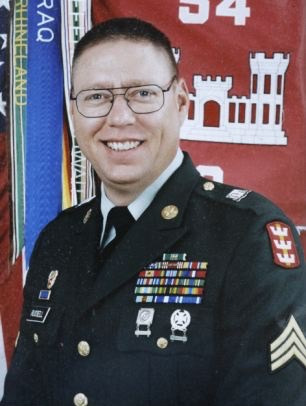
On May 11, 2009, SSG John Russell gunned down five of his fellow comrades at a mental health clinic at Camp Liberty in Iraq with his M-16. It was revealed that he had an argument with someone at the clinic, left, and came back with his gun. His crimes were determined to be premeditated. He was arrested and subsequently charged with murder and aggravated assault of another soldier that was seriously injured. Days before the killings witnesses noticed that he was distant and having suicidal thoughts. He was also scheduled to leave Iraq in a few days. He was tried for the murders of his fellow comrades and found guilty. He was sentenced to life in prison. But his family feels that the Army should also take responsibility for their actions. The family believes that John was broken and not treated for the injuries he sustained in combat, in the line of duty. SSG Russell was being treated for symptoms associated with Post Traumatic Stress with medications but it is believed that the psychotropics the military psychiatrists prescribed to him may have played a role in his actions. He was described as a kind, caring man up until the day he committed the unforeseen murders against his fellow soldiers.
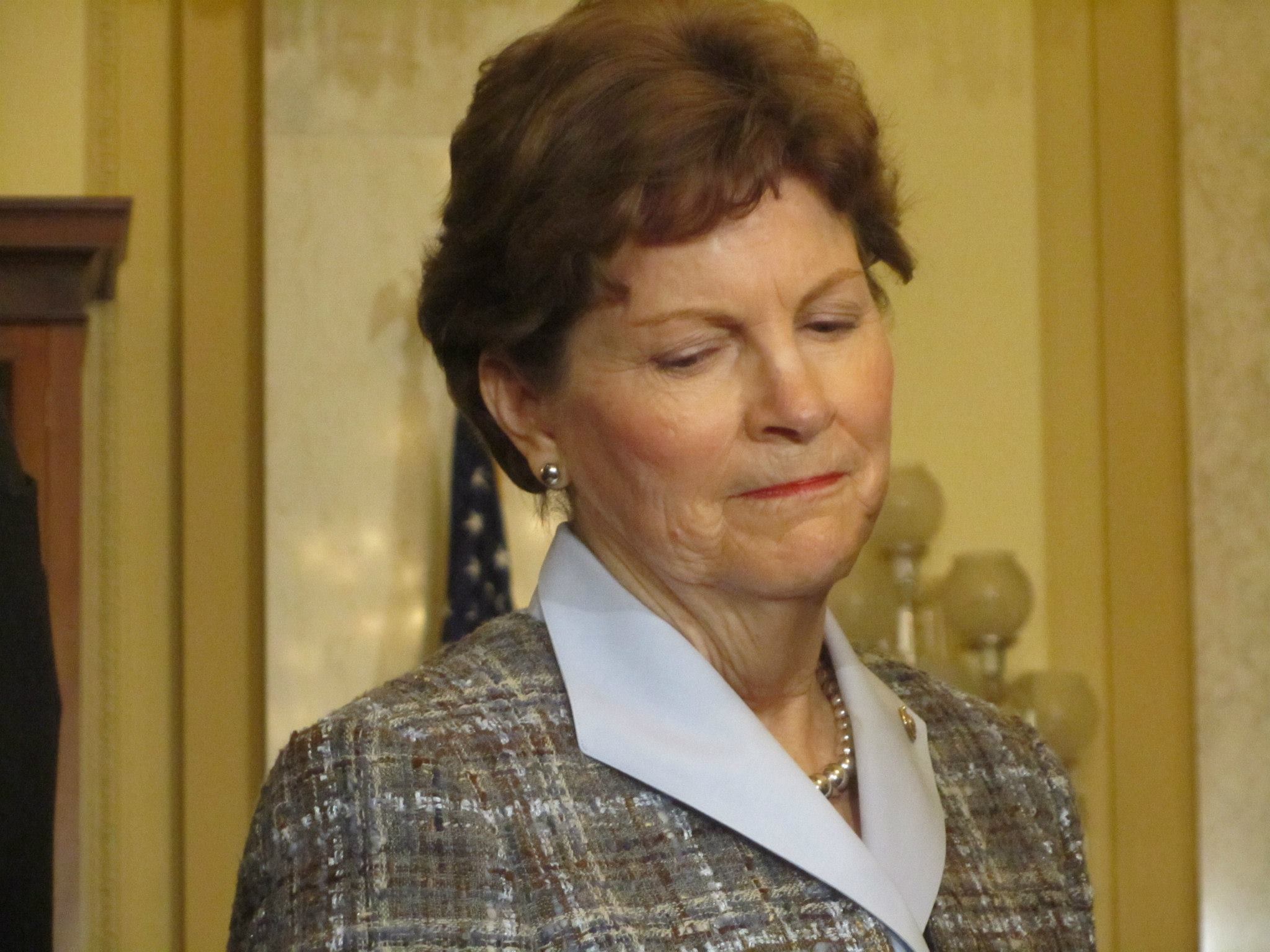
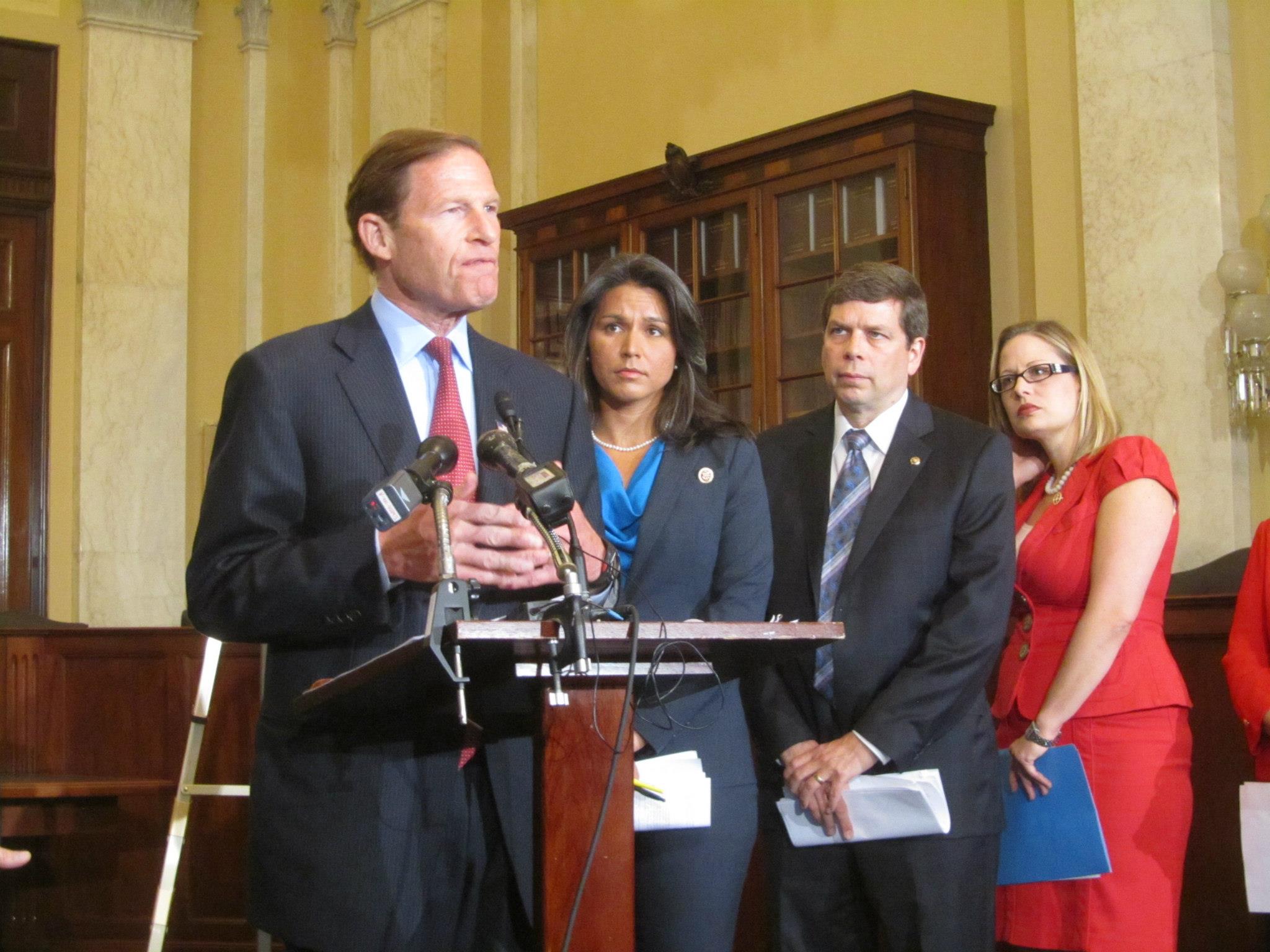
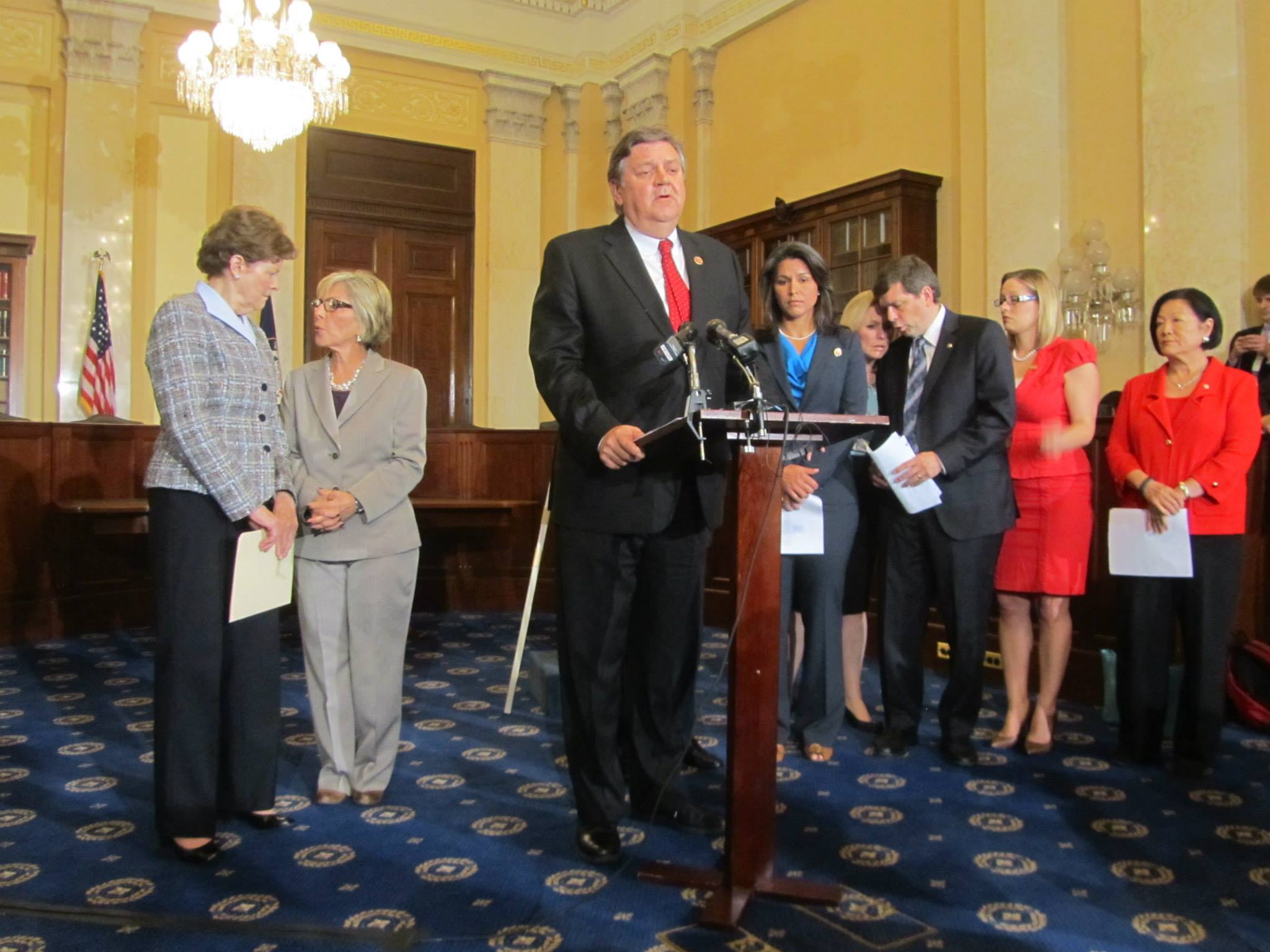
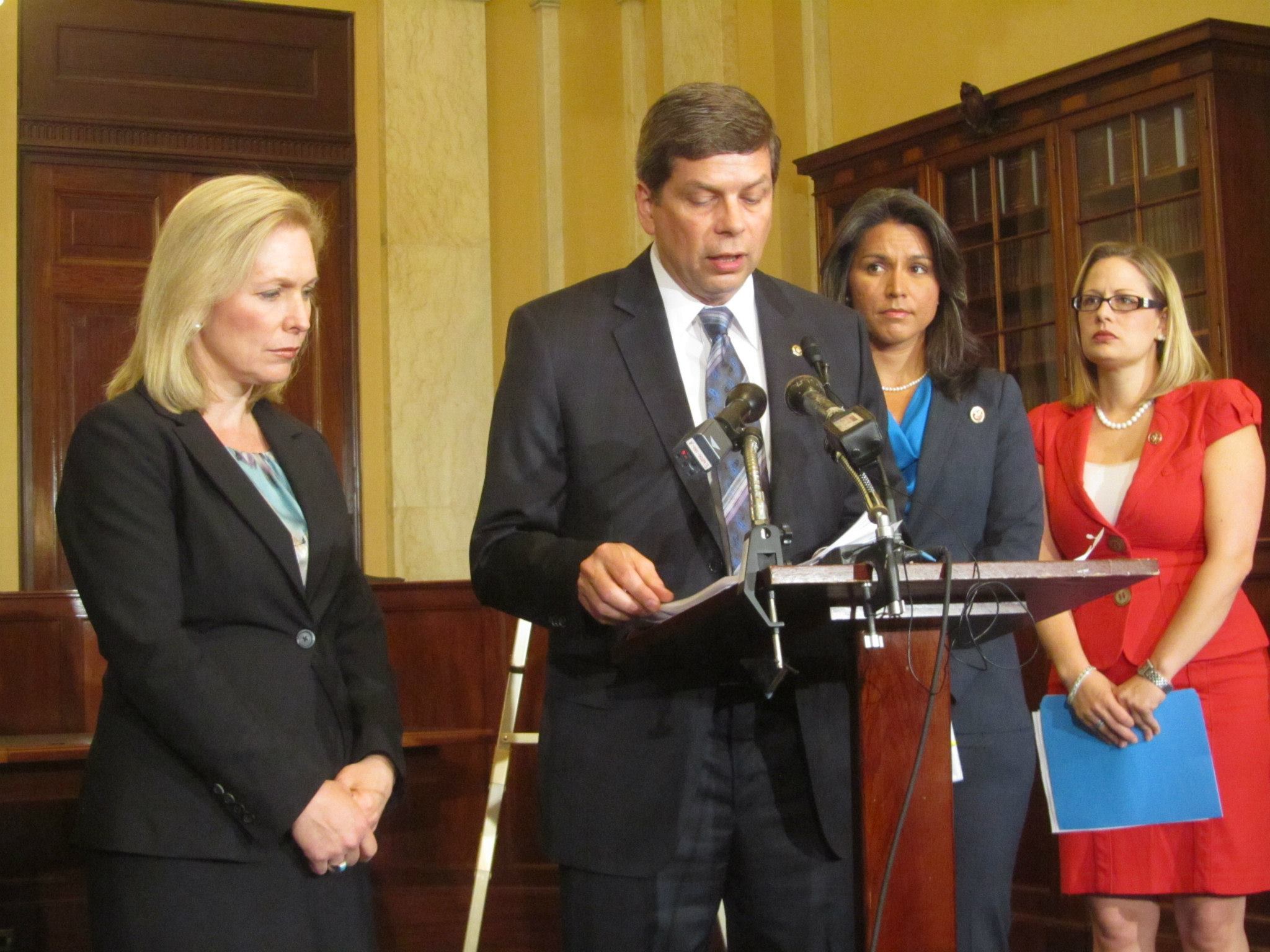
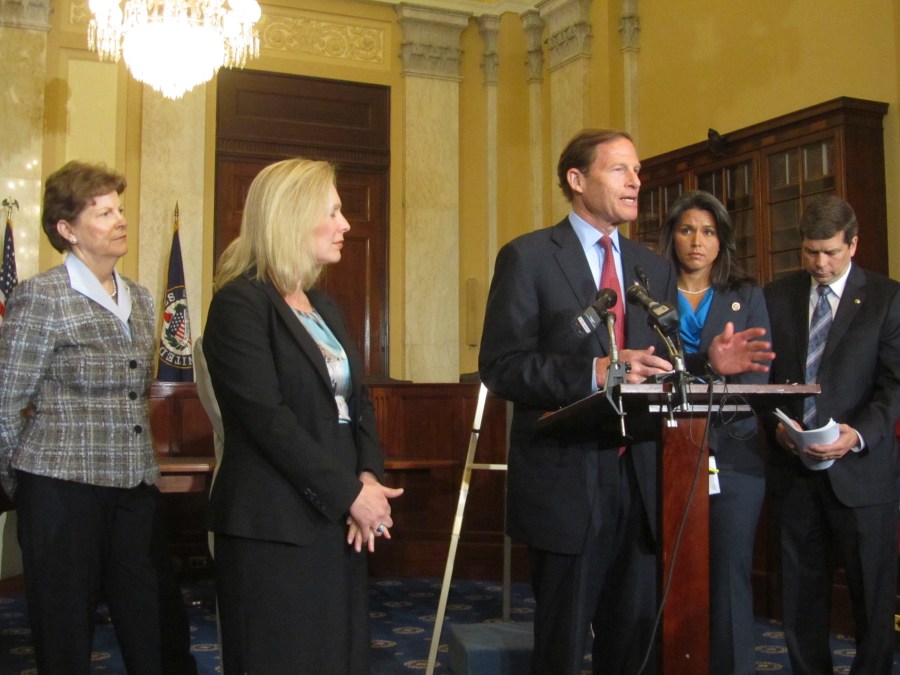
Washington D.C. – During a news conference today, U.S. Senators Susan Collins and Kirsten Gillibrand (D-NY), along with a bipartisan group of their colleagues in the Senate and House, announced new legislation that would reform the military justice system by removing the prosecution of all crimes punishable by one year or more in confinement from the chain of command, except crimes that are uniquely military in nature, such as disobeying orders or going Absent Without Leave.
Senators Collins and Gillibrand were joined by survivors of sexual assault in the military, including Jennifer Norris of Maine, and by representatives from organizations who assist victims of Military Sexual Trauma. The Military Justice Improvement Act would for the first time remove the decision whether to take a case to special or general court-martial completely out of the chain of command and give that discretion to experienced military prosecutors for all crimes punishable by one year or more in confinement, except crimes that are uniquely military in nature, such as disobeying orders or going AWOL.
“To be sure, the vast, overwhelming majority of our military personnel are honorable, conscientious, and respectful individuals, not rapists or harassers. It is for their sake that the pattern of covering up, blaming the victim, and failing to provide even the most basic protections that has been all too common for far too long must end,” said Senator Collins. “What does it say about us as a people, as the nation, as the foremost military in the world when some of our service members have more to fear from their fellow soldiers than from the enemy? This epidemic of sexual abuse cannot stand. We must ensure that justice is swift and certain to the criminals who have perpetuated these crimes.”
With tears streaming down her face, Jennifer Norris, a former Technical Sergeant in the Air Force, describes her harrowing experience with sexual assault and the difficulty she had in seeking justice within the military chain of command, saying, “The system is rigged against the victims” and in favor of the “often higher-ranking perpetrators.” [VIDEO]
Norris, who did not serve in Hawaii, said she’d been reluctant to report the rape because, “in the Air Force, I witnessed first hand what happens to those who stepped forward to report their assaults. I did not want to be stigmatized for reporting my assault — as I tried to move forward with my career. Instead, the best option for me was to try and endure it, to suck it up and try and make it until I could get transferred somewhere else — only to have it happen over and over again, like a recurring nightmare.”
She never did get justice, she said, even when she did come forward. “My perpetrators were allowed to resign in lieu of Administrative Hearings, which would have become a matter of public record. My command never offered the chance to proceed with a court martial.”
She said, “If the chain of command had been removed from handling sexual assault cases before I was attacked I believe justice would have been served or perhaps it would have been prevented in the first place.”
“At first I was too afraid to report my assault to my chain of command, but two years later I was forced to report due to the escalation of the behavior and the fear that I would be raped again.” -Jennifer Norris (Civil Beat, May 16, 2013)
Gillibrand: “I’m Distressed That The Victims’ Voices Aren’t Being Heard In This Debate
With tears streaming down her face, Jennifer Norris, a former Technical Sergeant in the Air Force, describes her harrowing experience with sexual assault and the difficulty she had in seeking justice within the military chain of command, saying, “The system is rigged against the victims” and in favor of the “often higher-ranking perpetrators.” [VIDEO]
New legislation would make it easier for victims of sexual assaults in the military to come forward.
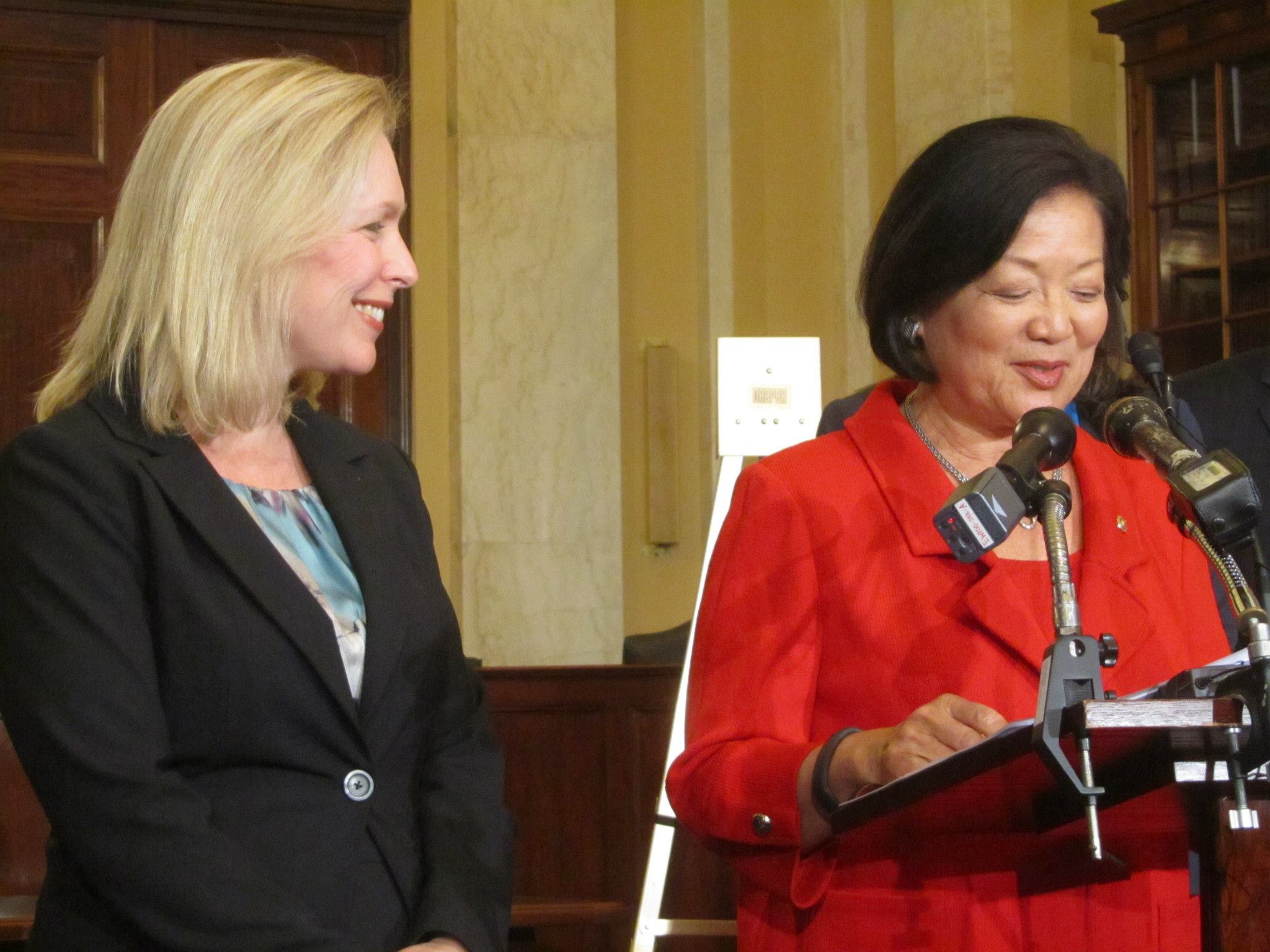
“WASHINGTON, D.C. — A burgeoning scandal over sexual assaults in the military is fueling calls from congressional lawmakers on both sides of the aisle to support a bill that gives victims greater confidence that they’ll get justice. At an emotional press conference on Thursday where former service members spoke of being sexually assaulted while in the military, Sen. Mazie Hirono and Rep. Tulsi Gabbard joined a bipartisan group in both chambers in pushing for reform. The issue was a personal one for Gabbard, who served two tours of duty in the Middle East with the National Guard. Though she was not available for comment Thursday, she told CNN earlier this month that rape culture was prevalent during her first deployment to Iraq, to the point where soldiers were trained on protecting themselves from other soldiers.”
At [the] press conference, Jennifer Norris said she was raped while serving in the U.S. Air Force. “At first I was too afraid to report my assault to my chain of command, but two years later I was forced to report due to the escalation of the behavior and the fear that I would be raped again,” she said. Norris…said she’d been reluctant to report the rape because, “in the Air Force, I witnessed first hand what happens to those who stepped forward to report their assaults. I did not want to be stigmatized for reporting my assault — as I tried to move forward with my career. Instead, the best option for me was to try and endure it, to suck it up and try and make it until I could get transferred somewhere else — only to have it happen over and over again, like a recurring nightmare.” –Honolulu Civil Beat (May 16, 2013)
U.S. Senator Mazie K. Hirono was joined today by victims of sexual assault in the military and organizations who assist victims of Military Sexual Trauma (MST) to announce new bipartisan, bicameral legislation that would reform the military justice system by removing the prosecution of all crimes punishable by one year or more in confinement from the chain of command, except crimes that are uniquely military in nature, such as disobeying orders or going Absent Without Leave. -Mazie Hirono (September 25, 2013)
Senator Mazie K. Hirono joined a diverse coalition, led by Senator Kirsten Gillibrand (D-NY), to call for the creation of a fair military justice system to reverse the systemic obstacles that sexual assault victims face. The Military Justice Improvement Act would remove the military’s chain of command’s sole decision-making power over whether cases move forward to trial. -Mazie Hirono (November 6, 2013)
Hirono Speaks In Support Of The Military Justice Improvement Act. -Mazie Hirono (November 14, 2013)
With Vote Looming, Hirono Urges Support For Military Justice Improvement Act -Mazie Hirono (November 20, 2013)
Before Senate Vote, Hirono Urges Colleagues To Pass Military Justice Improvement Act -Mazie Hirono (March 6, 2014)
PBS NewsHour: Hirono Fights For Military Justice Improvement Act -Mazie Hirono (March 7, 2014)
Senator Hirono Calls to Address Military Sexual Assault -Mazie Hirono (May 24, 2016)
Senator Hirono Presses Marine Corps Commandant for Commitment to Address Military Sexual Assualt -Mazie Hirono (March 14, 2017)
CBS News: Former Air Force Sgt. Jennifer Norris, a rape victim, said, “Blaming a civilian hook-up culture for the epidemic does nothing but contribute to victim blaming, excusing perpetrators, and it belittles the serious nature of these crimes.”
She said the system is rigged against low-ranking service members. “Commanders who are responsible for the resolution of these cases are far too often biased in favor of the often higher-ranking perpetrators,” she said.
Norris spoke at a press conference at which Sen. Kirsten Gillibrand and other members of Congress pushed legislation that would allow victims to bypass their commanders.
As far as how to make that happen, the senator said, “Allow them to report directly to a military lawyer, a trained prosecutor, someone who understands sexual assault, and is the one who will do the investigation and then decide whether or not to bring it to trial.”






 Sixteen years ago, Robert Shadley, then a major general in the Army, uncovered disturbing news from an important Army training facility at Aberdeen Proving Ground.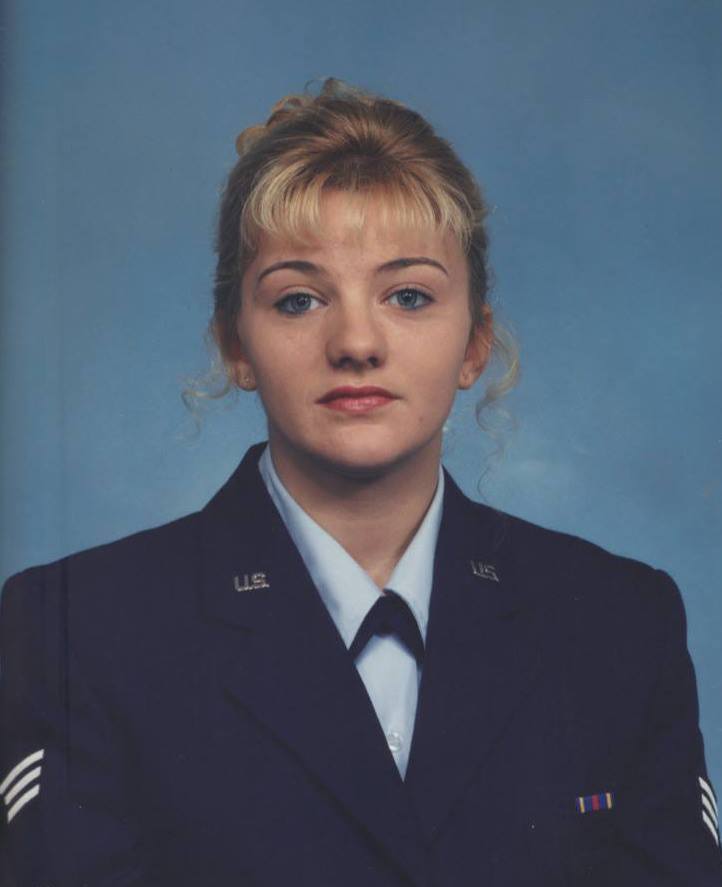

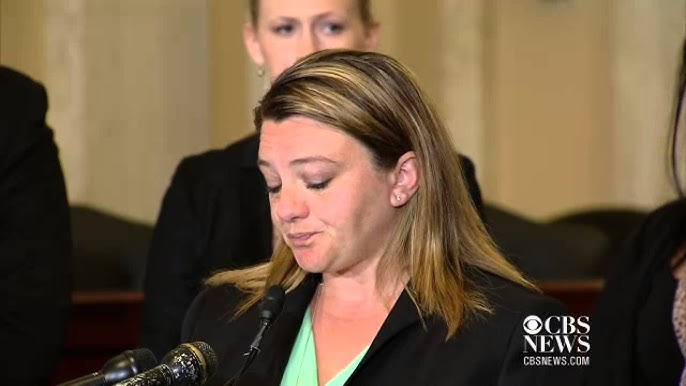









 With tears streaming down her face, Jennifer Norris, a former Technical Sergeant in the Air Force, describes her harrowing experience with sexual assault and the difficulty she had in seeking justice within the military chain of command, saying, “The system is rigged against the victims” and in favor of the “often higher-ranking perpetrators.” [

 CBS News: Former Air Force Sgt. Jennifer Norris, a rape victim, said, “Blaming a civilian hook-up culture for the epidemic does nothing but contribute to victim blaming, excusing perpetrators, and it belittles the serious nature of these crimes.”
 MILITARY JUSTICE FOR ALL