California student Julie Kibuishi is found dead in the bed of her friend, Sam Herr, a decorated war hero. But Sam is nowhere to be found. As police hunt for their prime suspect, they’ll find this case is far more complicated than it first appeared. -Curtain Call, The Perfect Murder (S3,E13)
Editor’s note: With a cable subscription, you can download the free ID Go app and watch Investigation Discovery programming at your convenience. And for those who do not have cable, you can watch “unlocked” episodes on the ID Go app including the latest premieres. For those who prefer commercial free programming during your binge session, Prime Video has an ID channel: ‘True Crime Files by Investigation Discovery” available for $3.99 a month. It’s a compilation of older seasons but totally worth the cost if you are a true crime addict. Download the ID Go app or purchase ID True Crime Files & binge away.
Marine Veteran & Civilian Contractor Kenneth Gadson Found Guilty of the Rape & Murder of Rina Shimabukuro; Sentenced to Life in Japanese Prison (December 1, 2017)
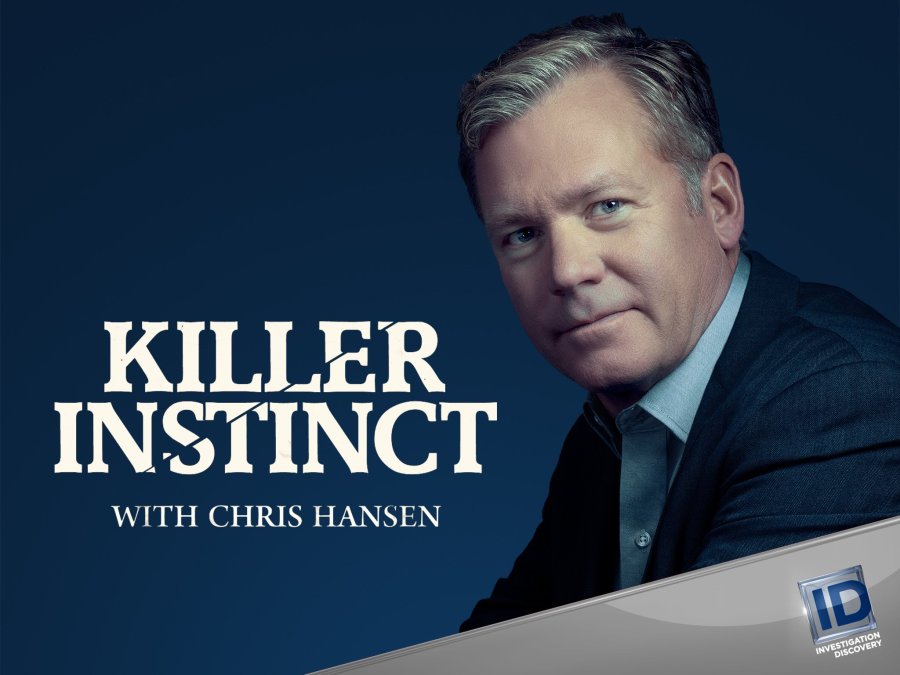
When an elderly Vietnam vet is stabbed to death, Seattle detectives expose a crime ring led by a Gypsy con woman and killer. Finally she’s exposed for defrauding millions from her victims and murdering those who’ve stood in her way. -Senseless in Seattle, Killer Instinct with Chris Hansen (S1,E5)
Editor’s note: With a cable subscription, you can download the free ID Go app and watch Investigation Discovery programming at your convenience. And for those who do not have cable, you can watch “unlocked” episodes on the ID Go app including the latest premieres. For those who prefer commercial free programming during your binge session, Prime Video has an ID channel: ‘True Crime Files by Investigation Discovery” available for $3.99 a month. It’s a compilation of older seasons but totally worth the cost if you are a true crime addict. Download the ID Go app or purchase ID True Crime Files & binge away.
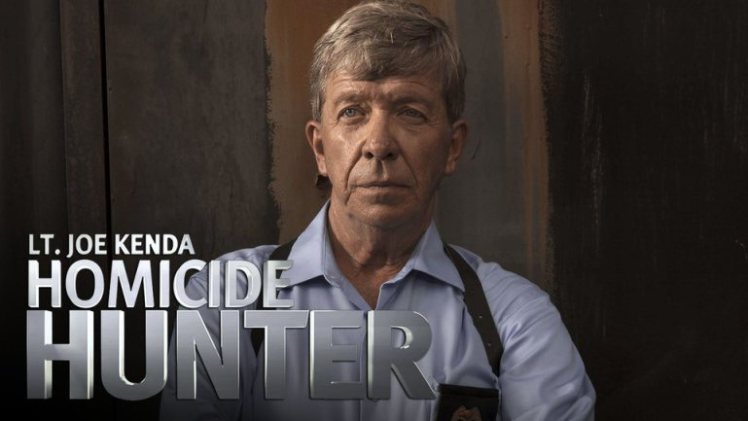
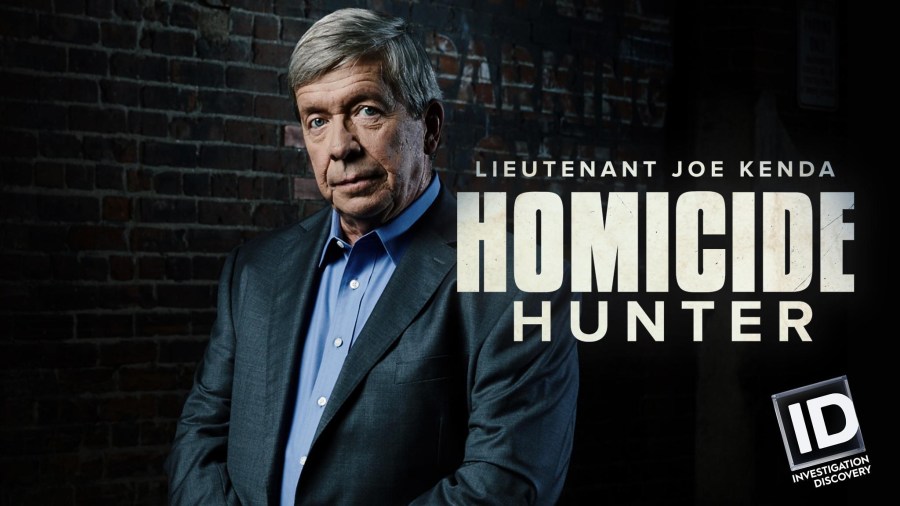
When a mother is killed, Lt Joe Kenda wonders if it’s a robbery gone wrong, until a slew of hateful messages surface. Then, patrols discover a body on a roadway after an evident hit-and-run, but the victim’s true cause of death turns the case on its head. -#1 Suspect, Homicide Hunter (S4,E9)
Editor’s note: With a cable subscription, you can download the free ID Go app and watch Investigation Discovery programming at your convenience. And for those who do not have cable, you can watch “unlocked” episodes on the ID Go app including the latest premieres. For those who prefer commercial free programming during your binge session, Prime Video has an ID channel: ‘True Crime Files by Investigation Discovery” available for $3.99 a month. It’s a compilation of older seasons but totally worth the cost if you are a true crime addict. Download the ID Go app or purchase ID True Crime Files & binge away.
The corpse of Jamie Foster is found hidden under a blanket. But when Lt. Joe Kenda digs deeper, he discovers that Foster’s business put him in close quarters with a host of unsavory characters. -Poker Face, Homicide Hunter (S4,E5)
Military retiree Jamie Foster, 68, was found fatally shot in his Colorado Springs home in 1988. He was shot twice, once in the head, and investigators discovered his safe was missing from the home. Friends shared Jamie was dating a young woman named Leone “Oni” Jones who also happened to be addicted to drugs, crack specifically. Kenda couldn’t find Oni but he started canvassing pawn shops and learned Michael Parsons suddenly had cash he usually didn’t have. When Kenda interviewed Parsons, he learned Parsons helped Leone remove a safe from Jamie’s house. They opened the safe and found $900; Leone gave Parson’s $300. The safe was still at Parson’s home.
Parson’s was arrested and charged with accessory to first degree murder and third degree burglary. They put out a warrant for Leone Jones. A couple days later, she called the police department and surrendered. After the murder, she fled to Kansas, claiming she was fearful the men who killed Jamie would kill her too. Kenda didn’t believe her. He suspected she wanted money for drugs, went to Jamie’s home for cash, killed Jamie and took his safe. Although Leone refused to confess to the crime during the interrogations, she finally offered up the confession Kenda wanted during her trial. She pleaded guilty to second degree murder and was sentenced to 24 years in prison.
Editor’s note: With a cable subscription, you can download the free ID Go app and watch Investigation Discovery programming at your convenience. And for those who do not have cable, you can watch “unlocked” episodes on the ID Go app including the latest premieres. For those who prefer commercial free programming during your binge session, Prime Video has an ID channel: ‘True Crime Files by Investigation Discovery” available for $3.99 a month. It’s a compilation of older seasons but totally worth the cost if you are a true crime addict. Download the ID Go app or purchase ID True Crime Files & binge away.
In Photos: The Epidemic of Military Sexual Assault
Some 26,000 women [and men] are sexually assaulted in the military every year. Photojournalist Mary Calvert documented some of their stories.
“Why is this happening? To answer that question, Mary Calvert met with survivors and went to congressional hearings on military sexual assault. The women she met connected her with more women, and she photographed them in their homes and communities. Through her work, she learned that just 1 in 7 victims of sexual assault in the military reported the attack; of those assaults that were reported, just 1 in 10 ever saw a trial.”
“I get emails, and comments from people saying, ‘I was sexually assaulted in the military and I’ve never told anybody and when I saw these pictures and read these stories I felt more courage to go out and get some help.'” -World Press Photo Foundation (May 18, 2017)
Navy veteran, Patrick Fleming was found brutally stabbed to death in a Seattle elderly home. Detectives are lead to a con-artists named Monica, but DNA from the scene belongs to a man. Soon a call from the lab helps solve this bizarre whodunnit. -Misfortune Teller, Dead of Night (S2,E8)
Editor’s note: With a cable subscription, you can download the free ID Go app and watch Investigation Discovery programming at your convenience. And for those who do not have cable, you can watch “unlocked” episodes on the ID Go app including the latest premieres. For those who prefer commercial free programming during your binge session, Prime Video has an ID channel: ‘True Crime Files by Investigation Discovery” available for $3.99 a month. It’s a compilation of older seasons but totally worth the cost if you are a true crime addict. Download the ID Go app or purchase ID True Crime Files & binge away.
ID Go: When a young college student is abducted from a friend’s home in the middle of the night, the city of Reno lives in fear of who might be next. Dogged investigation leads detectives to a serial rapist who’s just escalated to murder. -Vanished in Reno, Unusual Suspects (S6,E1)
“The bill mandates a DNA cheek-swab whenever a person is booked for a felony arrest. If the arrest is deemed legitimate, the DNA would be cross-referenced with DNA from other crime scenes to see if the arrestee was involved. The proposal is named after Brianna Denison who was raped and murdered by James Biela in Reno in 2008. Proponents believe such a law may have saved Denison because Biela had a prior felony arrest.”
Editor’s note: With a cable subscription, you can download the free ID Go app and watch all of the Investigation Discovery programming at your convenience. And for those who do not have cable, you can watch “unlocked” episodes on the ID Go app including the latest premieres. Download the ID Go app and binge away. For those who prefer commercial free programming during your binge session, Prime Video has an ID channel: ‘True Crime Files by Investigation Discovery” available for $2.99 a month. It’s a compilation of older seasons but totally worth the cost if you are a true crime addict.
Jennifer Norris: Even with 1 out of 3 women facing sexual assault in the military, the Defense Department refuses to hold sexual predators accountable within the military justice system. -The Real News Network (August 8, 2013)
NOOR: One in three–that’s the astounding number of women who have been sexually assaulted in the military, a rate twice as high as civilian numbers. Those are astonishing, especially in light of the fact that only 10 percent of reported incidents go to trial. This harsh reality has put the Defense Department in the hot seat with Congress, pressuring them to make substantive changes. Now Defense Secretary Chuck Hagel is planning a new round of sexual assault policies that include expanding an advocacy program for victims to all military branches and recurring inspector-general audits of all closed investigations. Now joining us to unpack this and respond to this latest news is Jennifer Norris. She has served 15 years in the U.S. Air Force and retired for PTSD due to military sexual trauma. She started working for the Military Rape Crisis Center as a national victim advocate for active duty and veterans in 2011, and she’s testified before Congress to support the passage of the Military Justice Improvement Act and STOP Act. So, Jennifer, you know firsthand what it’s like to deal with being sexually assaulted in the military. Can you share some of your stories? You were drugged and raped by your recruiter and also sexually assaulted by an instructor. Can you describe, as much as, of course, you feel comfortable, what happened in these incidents and the challenges you faced in getting accountability for what happened to you?
NORRIS: Well, I guess you can start out by saying that I was completely naive to what rape or assault or harassment or violence of any kind was. I was a small town girl. I just didn’t get–I didn’t grow up with that kind of stuff. So when I joined the military, it came as quite a surprise to me that I was being randomly targeted by predators who were basically not going to take no for an answer, no matter what. And I was trapped in the situation. And the only way to get out of it was to report. And, of course, we’re too scared to report, because we see what happens to other people that report. And just this past year, it’s been confirmed once again that 62 percent of those folks in the military that don’t report don’t report due to a fear of retaliation, whether it includes losing your career, getting treated like crap, getting isolated from others, whatever it might be. And the reason I’m telling you this is this is what happened to me. I had four different perpetrators approach me within my first two years of service, but I didn’t dare say anything, because I was afraid it would have negative repercussions on my career. But by the fourth predator, who was escalating and becoming more and more abusive–of which I could not escape, because when you’re in the military, you can’t just quit your job; you’ve got to go back to work with these folks the next day, even if he did attempt to rape you the night before, which is exactly what happened to me. And I just got to a point where I said, I can’t do this anymore. I’m either getting out of the military or, you know, something’s got to give. And this whole time, I wasn’t thinking about reporting at all, because I knew if I did that, my career would be over. But in the end I ended up reporting all four of them. And sure enough, I got retaliated against so badly by those in my squadron that I ended up having to transfer to another duty station that was four hours away.
NOOR: One rule under consideration by Secretary of Defense Chuck Hagel would be to expand the role that victims have throughout the court-martial process, including the sentencing phase. In a handful of cases that have come under congressional focus, senior commanders have actually overturned convictions of their subordinates. What do you make of this proposal?
NORRIS: At this point, they’ve had since Tailhook to deal with this situation. All this stuff should have been done back in 1992, when they told the American public it would be done by then. And instead we’ve got 2013, and now it’s become an epidemic that’s not only impacted our soldiers, both males and females, but also civilians, children, wives. They’re all–nobody’s immune. Predators do not discriminate. And if you don’t stop them, they only escalate and progress. And there’s been basically no accountability for these predators. As you stated earlier, a 10 percent conviction rate, a lot of that for charges lesser than what they were originally accused for. And where do they go when they leave the military? Your neighborhood. That’s why we’re at where we’re at today. We don’t want to hear what the Department of Defense has to say anymore. I don’t want to hear zero-tolerance one more time. I can’t take it. As a survivor, I cannot take it, based on what I do every day with my clients and see how badly they’re being treated by their command simply because they reported a sexual assault or harassment. There is a hardcore retaliation happening now. There was in the past. Part of the retaliation that I experienced was I got beat by one of the predator’s friends for reporting. These people are scared to come forward. So the DOD has lost their chance. They’ve lost the trust. Now it’s time for someone else to come in, which is why we’re pushing the Military Justice Improvement Act. We no longer want those commanders to be gatekeepers of justice. They’re not professionals. They don’t know how to investigate. Therefore they should not be involved in any of the process, aside from maybe knowing that there’s a predator within their ranks. We want to give the victim confidentiality. We want them to be able to have an impartial person that’s going to decide whether or not they’re going to push forward with a case and how they can do that without beating up the victim in the process. The only way we’re going to be able to clean this mess up is to move forward with prosecutions and get these people jailed. We certainly don’t want to just start kicking them out and tossing them out, ’cause then they’re moving to your neighborhood. The DOD has got to deal with this. And we don’t trust them at this point, hence the reason we want the STOP Act, which would provide the civilian oversight to hold them accountable on every single move they make when it comes to trying to discharge a soldier or punish one, because we’ve basically been dealing with (A) you’re all of a sudden a bad person if you reported a sexual assault, and then the retaliation begins, and eventually you can lose your career. They’re going to use, like, some mental diagnosis to get rid of you with, right, saying it’s a pre-existing condition, when in fact it wasn’t; it’s PTSD from getting gang raped. Right? We want them to be held accountable to someone when they make these decisions, just decide for themselves that, oh, well, I’ll just get rid of her ’cause I don’t feel like dealing with this, or I’ll just get rid of him because, you know, if I have a rape under my command it’s going to make me look bad. We want to yank these commanders out of this situation and give real justice to the victims and caring.
NOOR: And as you stated, changes to this policy action has been promised for a very long time now. What do you account for these delays? And talk–and so far the White House has been silent. Can you respond to the White House and just the delays that have been going on for years now?
NORRIS: Well, first of all, it’s pretty upsetting as a survivor to know that they knew about this in ’92. And don’t tell me they didn’t have enough money to be able to get experts to tell them that predators, there’s few and far between, but they can do lots and lots of damage if not stopped. Well, now, because they haven’t stopped them, they’re now in our higher-ranking positions like Colonels, like commanders, like SARC coordinators, because they never were held accountable. And so they’ve let it spin out of control like this now. And we’re saying, you’ve had your chance. It’s too late. We need to take care of this, because it’s basically at a point where if these guys just decide, oh, well, we’ll just toss them out as we find out about this stuff, they’re just basically pushing it off to the civilian sector. So Obama not standing up right now, it’s upsetting, because him of all people should know that, you know, if you just toss people out of the military because you don’t want to deal with them, it just becomes someone else’s problem. And so we’re basically–everywhere this predator goes, they’re causing a path of destruction. That’s costing everybody more money, because the people to begin with that should have dealt with it didn’t. We need to go back. We need to find out who was raped, when, by who. And we’ll probably find that these same predators have multiple victims across branches. And then we could possibly move forward with one case against one predator with, you know, ten victims, for example. And I don’t understand why people aren’t talking about this, why they’re not saying, why Obama isn’t saying, I want you to go back and determine who these people are that are being accused. It doesn’t mean they’re automatically guilty. But why can’t we start tracking who’s doing what and when it was done and what the patterns are and start getting these guys so we can move forward with an awesome military?
NOOR: This issue has gained a lot of traction recently, a lot more than it had in the past. You had the documentary The Invisible War that came out. You’ve had hearings in Congress. What more pressure–like, how much more pressure is it going to take to get these changes put in place?
NORRIS: Well, I mean, what it’s going to take is the American people, which is what our country’s all about anyways. So while these guys, while the Department of Defense and Congress are dragging their feet on making these changes, they’re hurting people. Whether they want to admit it or not, they are. And we feel, as survivors, it needs to be dealt with immediately. It needs to be a national emergency where we make sure that everybody is good to go and they’re not trapped under some predator that they can’t escape from, and if they are, that they’re not going to get retaliated against for turning them in. Right? We take it that seriously, that in order–’cause they haven’t done anything since Tailhook. So you go back 25 years and imagine the destruction and amount of damage that’s been done by not holding anyone accountable. They have gotten better and better and better at what they do. And we often see them using alcohol and drugs as their weapons. But then we hear the military saying, oh, well, don’t drink, ’cause you might get raped, or be careful no one puts anything your drink, like it’s somehow the victim’s responsibility to make sure they don’t get raped. We still haven’t even gotten there yet. So the DOD has had their chance. We’ve had it. And, of course, they’re in good with Congress. Some people in Congress, this is how it works. It’s all about the power. And we got shut down by Senator Carl Levin, who has recently promoted three other senators to fight keeping things in the chain of command, which is–basically what they’re saying is, we’re going to keep it in the chain of command even though we know that 62 percent won’t report to this commander because they’re afraid of retaliation. That’s what they’re telling us survivors. And that’s what the American public needs to know. The only way we can get this now is the support of the American public. That’s why we’re out here right now pushing it, trying to get it, and asking people to contact their senators and representatives and ask them to pass the Military Justice Improvement Act, which would remove all violent crimes from the chain of command. And then, once we get that barrier broken down, we’ll start pushing for the civilian oversight that the STOP Act would call for.
NOOR: Jennifer Norris, thank you so much for joining us and sharing that very powerful story.







 MILITARY JUSTICE FOR ALL