A Maine law could have forced the Lewiston mass shooter into psychiatric treatment. Why wasn’t it used?

A Maine law could have forced the Lewiston mass shooter into psychiatric treatment. Why wasn’t it used?
The New York Times Magazine: The Army Thought He Was Faking His Health Issues. Turns Out He Had Chronic Lead Poisoning.
My Toxic Exposure Story:
After Lead Poisoning Symptoms Dismissed by PTSD Diagnosis, It Results in Brain Inflammation, Fatigue, Muscle Weakness, Digestion Issues & Chronic Pain
I Watched My Father Die From a Brutal & Painful Battle with Terminal Bone Cancer… And My Toxic Military Leadership Kicked Me While I Was Down
My Treatment to Prevent Cancer:
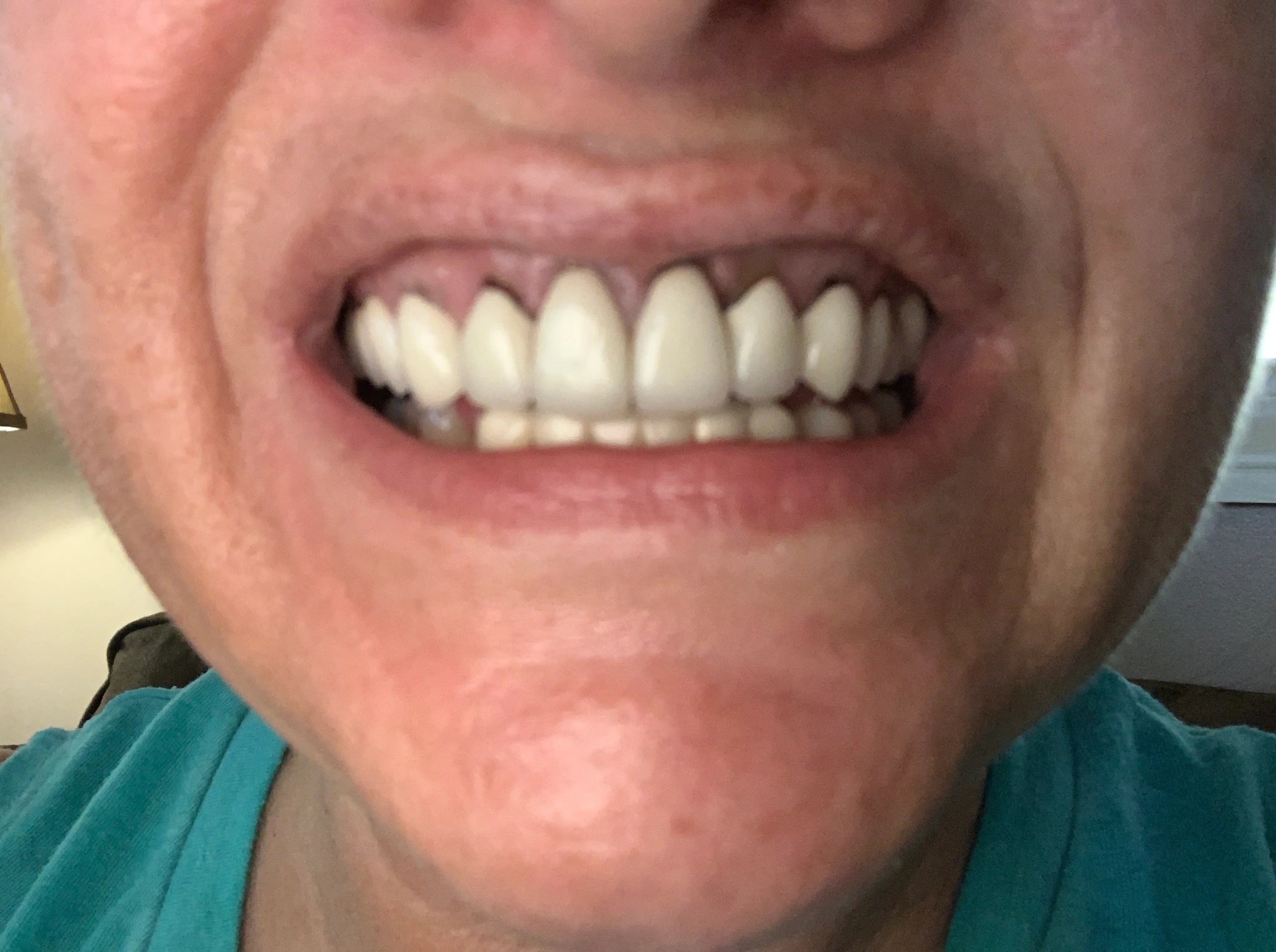
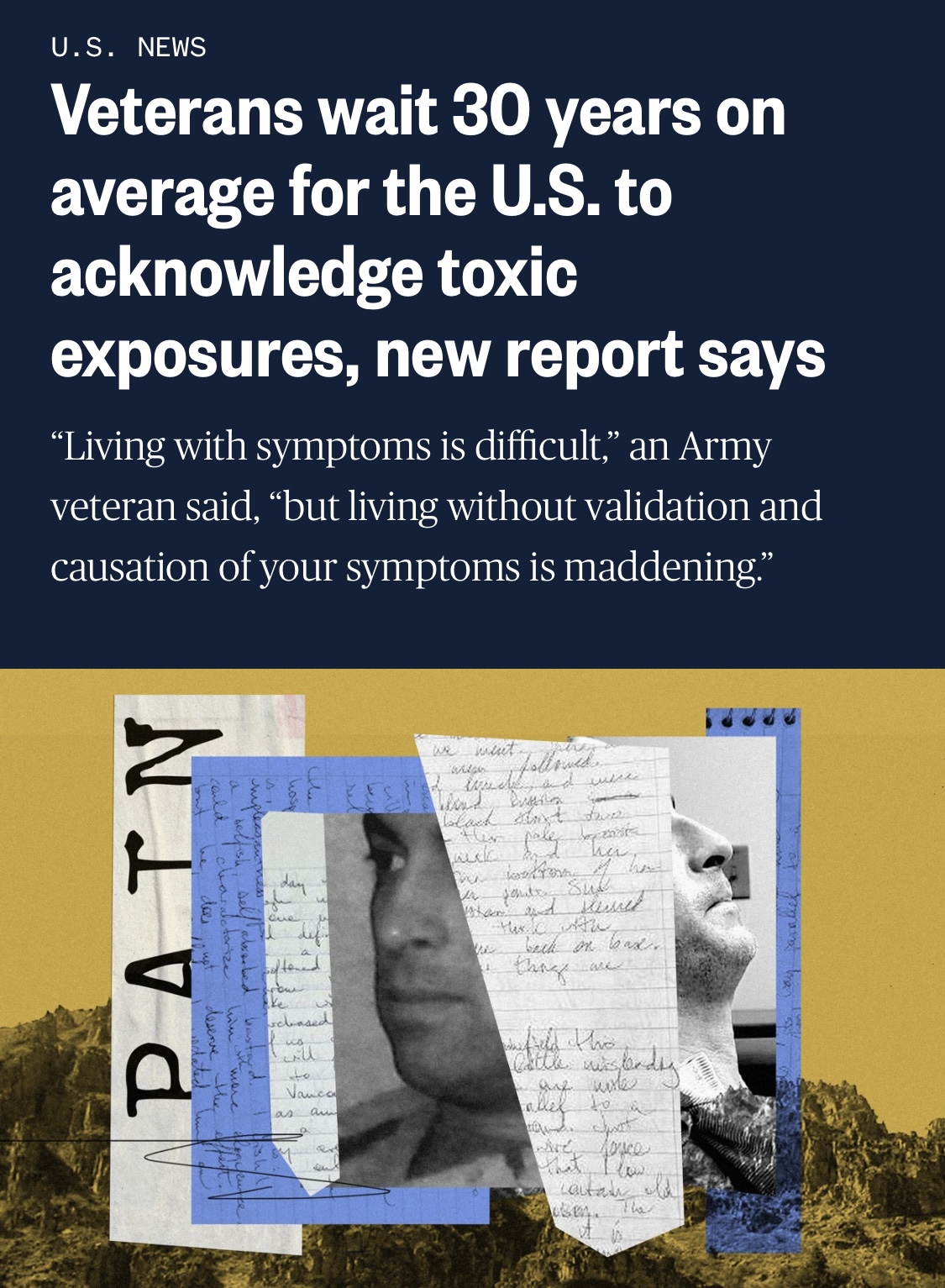
“Living with symptoms is difficult,” an Army veteran said, “but living without validation and causation of your symptoms is maddening.”
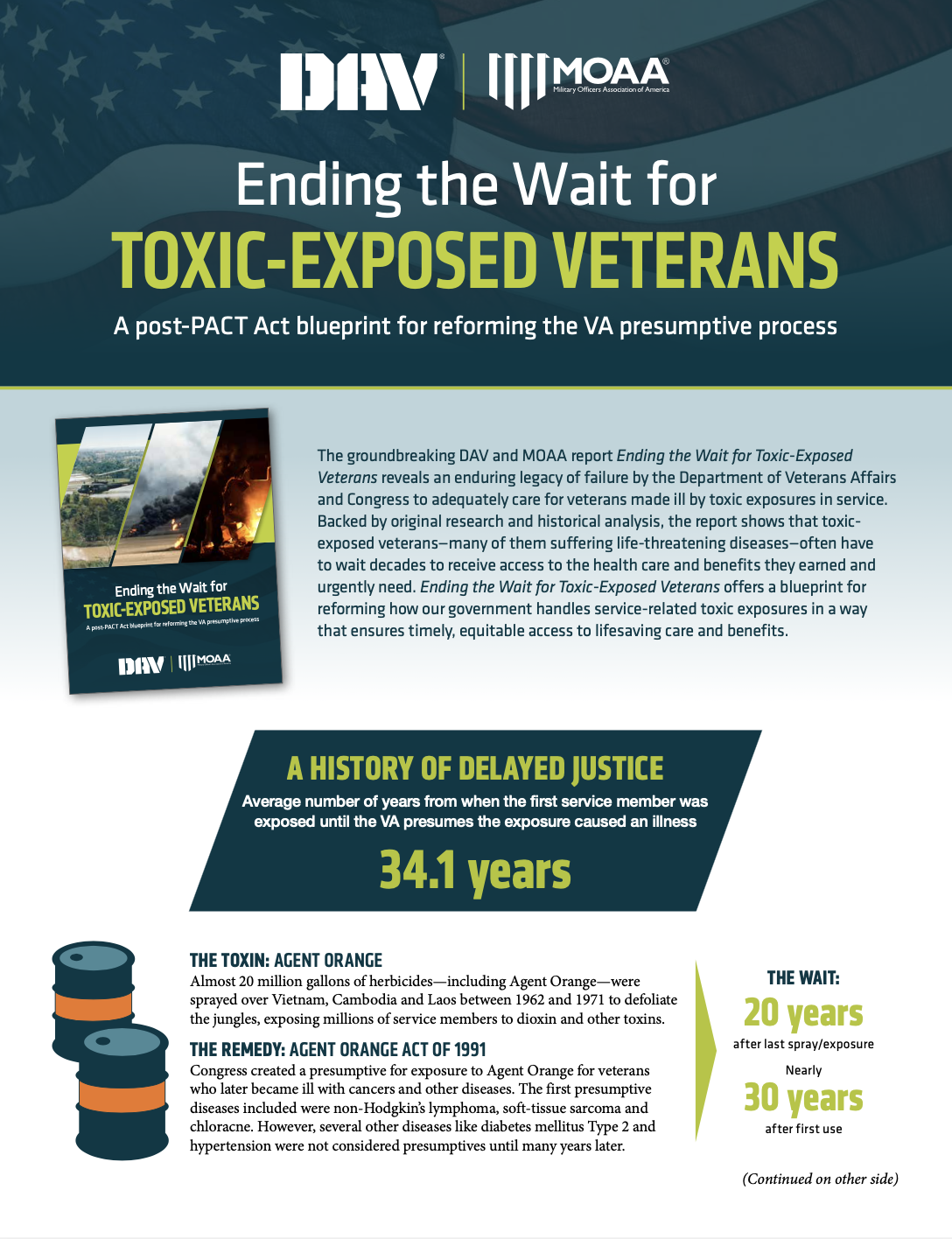
REPORT: Ending the Wait for Toxic-Exposed Veterans
INFOGRAPHICS: A Century of Military Toxic Exposures and Presumptives
According to NBC News:
“…The symptoms emerged one by one throughout the pages: stomach cramps, incessant headaches and extreme exhaustion. By the time [Mark] Jackson made it back to Melbourne, Florida, in April 2004, the former marathoner said he could barely walk up a flight of stairs.”
“Jackson filed for disability compensation for all his ailments but said he only got approved for the thyroid disease. He is among many veterans who say they are waiting for the government to recognize that their illnesses are related to military toxic exposure, advocates say.”
“A report released Wednesday found that sick veterans have waited an average of 31.4 years from when they first made contact with dangerous toxins on duty to when the government acknowledged they were exposed.”
“Most recently, in August 2022, lawmakers passed the PACT Act, which expanded benefits to millions of veterans exposed to burn pits in Iraq and Afghanistan and other toxic substances. Before then, advocates said it was challenging for veterans to prove their sickness was related to their service in order to receive disability compensation. ‘In both those instances, and for many other military toxic exposures, it took decades for the VA and Congress to finally act,’ Wednesday’s report said. ‘Some died before achieving justice.'”
“Veterans exposed on U.S. soil have had to wait even longer.”
“In one of the largest water contamination cases in U.S. history, up to 1 million people who lived or worked at Camp Lejeune from 1953 to 1987 may have been exposed to a drinking water supply contaminated with chemicals that have been linked to severe health problems, including cancers and birth defects, federal health officials said.”
“The agency [VA] said it is conducting a scientific review to determine whether there is a relationship between toxic exposures and three conditions — acute leukemias, chronic leukemias, and multiple myeloma outside of the head and neck — for service members who deployed to Uzbekistan and other locations.”
RELATED LINKS:
The Army Thought He Was Faking His Health Issues. Turns Out He Had Chronic Lead Poisoning.
Why Are Military Women Affected by Toxic Exposure More than Men?
‘Ending the Wait’: How MOAA Is Making a Difference for Toxic-Exposed Veterans
Ending the Wait for Toxic-Exposed Veterans – DAV
Guest post by Kelli Brewer, DeployCare.org
Simple Kindness: Easy Ways to Repay Our Veterans for Their Service
It can be very difficult for the average American, especially those with no military experience, to appreciate the mental, physical, and financial impact that years of military service can have. The situation comes into focus when you consider that there are more than 1.3 million men and women on active duty, with more than 800,000 in the country’s reserve forces.
Post-traumatic stress disorder, family problems, and lack of employment opportunities can place a huge obstacle in the way of returning service members who just want things to return to normal. Unfortunately, it’s often not that easy, especially for those who return with debilitating injuries. If you’re looking for a way to help out, here are a few ideas.
Say ‘Thank You’
The Vietnam War experience taught Americans that returning service members can be seriously affected by the nature of their return. If it’s critical or indifferent, veterans may feel unsupported and unappreciated. And while today’s military personnel typically don’t face the kind of harsh criticism that confronted Vietnam-era servicemen and servicewomen, they can still be powerfully impacted by a lack of support and understanding. If you want to help a veteran, acknowledge their service by shaking their hand or offering a sincere “Thank you.”
The Health Care They Need
Veterans, particularly seniors, need to understand how their health insurance works. For those enrolled in Medicare Part A or B, there are several out-of-pocket costs, and to complicate matters further, plans often change from year to year. Fortunately, you can enroll in a Medigap plan, which may provide more of the benefits you need. For example, Plan F covers the deductible that comes with Medicare Part B, though certain changes to this particular benefit will go into effect beginning in 2020. Knowing your coverage and understanding how Medicare functions is essential for getting the most out of your coverage.
Help Veterans Reintegrate Socially
A soldier who returns home without a job or without access to social services may feel lost and alone. Consider organizing an event for returning service members, perhaps schedule an evening at the movies, an informal dinner setting, or get together every week at a nearby coffee shop. Make it a venue where everyone can talk about their experiences, hopes, and frustrations.
If you have a relationship with a veteran, offer to help out in specific ways. For example, if your friend has trouble scheduling a medical or therapy appointment, reach out by offering to babysit or offer to give them a ride if they lack transportation. There are many ways to volunteer, just by making efforts of simple goodwill.
Finding Work
Veterans often find that the skills they learned in the military don’t translate well into steady employment once they’re discharged. That can be especially true of veterans who lack a degree or some form of higher education. If you’re a business owner or have access to human resources personnel at work, why not put in a good word for a veteran who’s having trouble latching on somewhere? Your company will earn tax credits for hiring veterans. Sometimes, a foot in the door is all a veteran needs to impress a prospective employer.
Be a Willing Listener
You don’t have to be close friends with a service member who just needs a sympathetic ear. Give a veteran an opportunity to share their experiences. You really don’t need to say much, just be present in the moment and listen without judging or criticizing. It’s a simple but important gesture because many have no one to talk to, no outlet for their frustrations and anxieties.
Simple gestures are sometimes the best way to help veterans, service members, and their families. Be willing to provide the kind of support and assistance you’d offer to anyone. It’ll make you feel great and it’s a great way to thank our military heroes for their service.
By Patricia Kime (April 3, 2019)
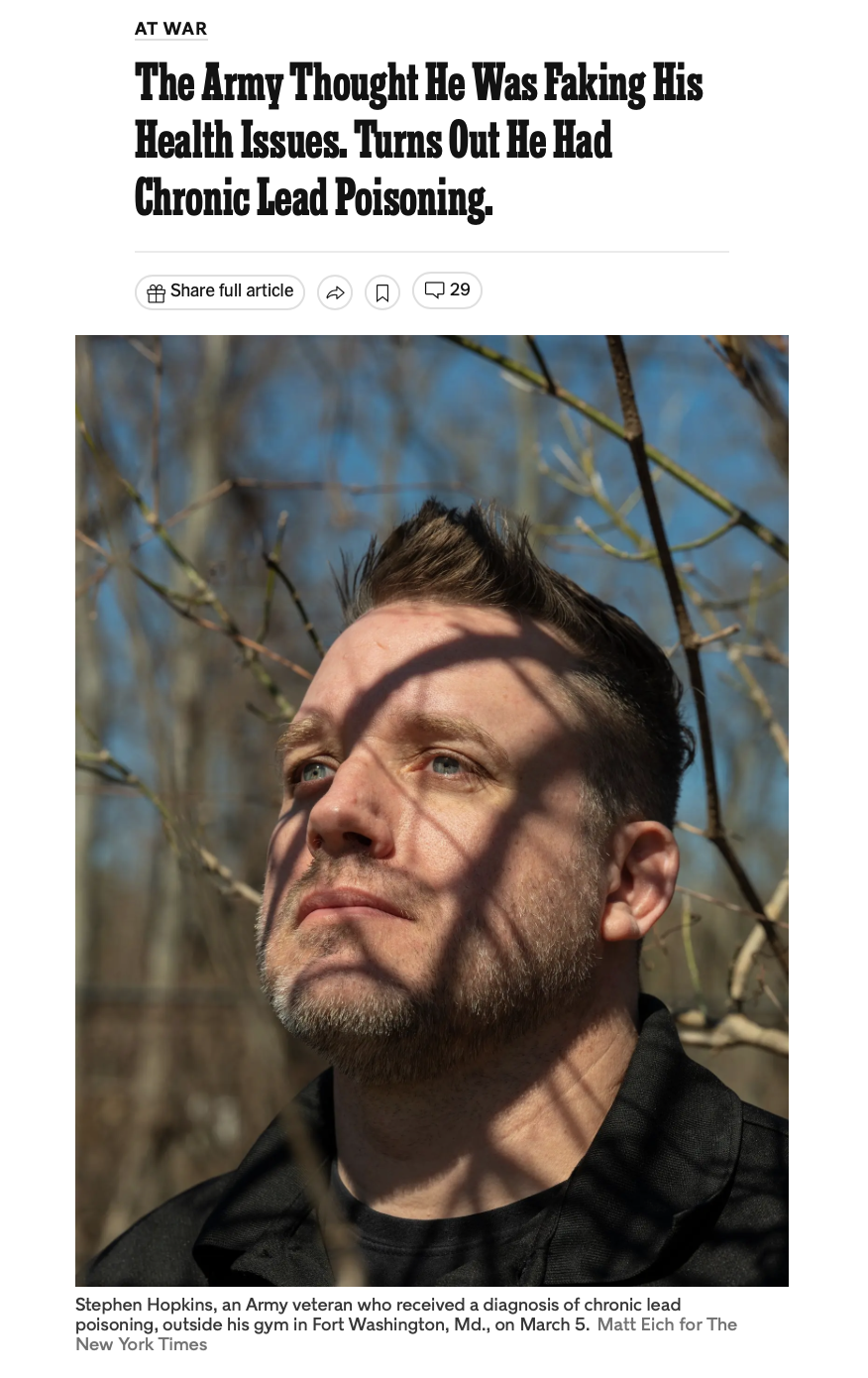
“…In 2005, Hopkins began experiencing wild swings in blood pressure. And he had other symptoms: crippling nausea, constant dizziness, a skyrocketing heart rate. He was given a diagnosis of common high blood pressure, and for a while he felt better by keeping himself on a high dose of a medication for that condition. He was on deployment in Afghanistan when the nausea returned, with migraine symptoms, abnormal thirst and muddled thinking. Medical tests were inconclusive, leading military doctors and commanders to suspect depression, post-traumatic stress disorder or, worse, “malingering” — the medical term for soldiers who feign sickness to shirk duty.”
“While the number of affected soldiers is small, the diagnosis can be life-changing to these troops, who for years have wrestled with unexplained symptoms that mimic traumatic brain injury or PTSD, including impaired concentration, anger, anxiety and impulsivity, as well as physical manifestations like tremors, high blood pressure, low sperm count and peripheral neuropathy.”
“Lead exposure is a known hazard of military service: The United States armed forces have fired billions of rounds of ammunition containing the toxic material since entering Afghanistan in October 2001. Troops are exposed to the metal while shooting indoors and outside; gathering shell casings; smoking, chewing tobacco or eating on ranges; cleaning their weapons; and living and fighting in polluted environments. But lead monitoring and testing programs at the Defense Department have focused primarily on service members who work on firing ranges and on the civilian staff at ranges, who are regulated by Occupational Safety and Health Administration guidelines. Defense Department policy requires service members who may be exposed to high levels of airborne lead for 30 or more days a year to get a blood test for lead, with follow-up tests at least annually.”
“After he diagnosed Hopkins and another service member with chronic lead poisoning, Dorrance contacted the office of the surgeon at Special Operations Command, the Environmental Health unit at Fort Bragg and officials at Navy and Marine Corps Public Health Command to request that more troops be tested and the problem be researched. But six years after the issue was first raised, little progress has been made. The Department of Defense, which until last year annually tested blood lead levels in just 1,200 out of almost three million troops and civilian employees, has found very few cases of lead poisoning, leading Army officials to believe that there isn’t a widespread problem.”
“Dorrance and Dr. Mark Hyman, director of the Center for Functional Medicine at the Cleveland Clinic, argue that this theory is wrong — and that they have the patients to prove it. Pointing to a growing body of research that suggests that lead in the bones may be more toxic than once thought, they say physicians should be considering lead poisoning as a possible cause for many unexplained symptoms in service members, especially uncontrolled hypertension, fatigue and brain fog. ‘These soldiers are breaking down, and they go to doctor after doctor after doctor, and every single one of them misses what is going on,’ Hyman said. ‘These soldiers aren’t getting the proper care. It’s a huge blind spot.'”
Read more from the NY Times here: The Army Thought He Was Faking His Health Issues. Turns Out He Had Chronic Lead Poisoning.
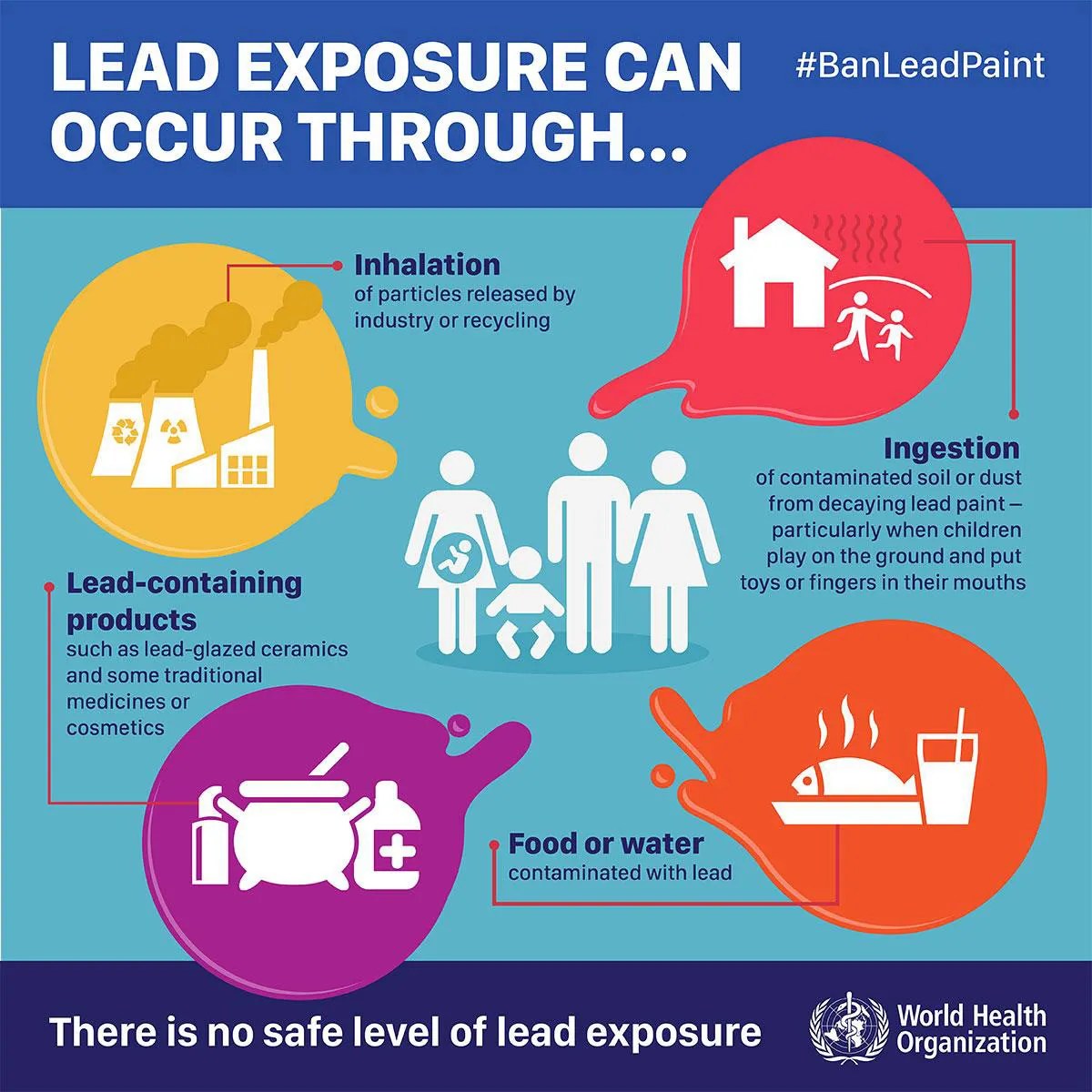
Lead Poisoning Symptoms:
1. Decreased cognitive abilities, especially reduced ability to focus on, learn, and remember new things
2. Fatigue
3. Irritability
4. Abdominal pain or “stomach aches”
5. Headache
6. Constipation
7. Loss of appetite
8. Tingling in the hands or feet
Learn more here: Symptoms of Lead Poisoning
Related Stories:
After Lead Poisoning Symptoms Dismissed by PTSD Diagnosis, It Results in Brain Inflammation, Fatigue, Muscle Weakness, Digestion Issues & Chronic Pain
I Watched My Father Die From a Brutal & Painful Battle with Terminal Bone Cancer… And My Toxic Military Leadership Kicked Me While I Was Down
NBC News: Veterans Wait 30 Years on Average for the U.S. to Acknowledge Toxic Exposures (September 18, 2024)
How Lead Poisoning Is Treated And How to Reduce Your Risk
 MILITARY JUSTICE FOR ALL