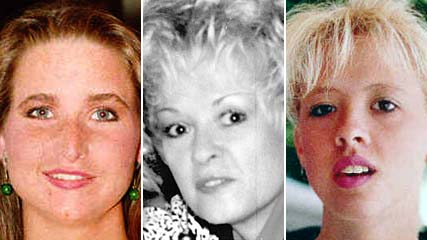
Air Force Spouse Kathryn Eastburn & Daughters Cara & Erin Found Murdered in Fayetteville, NC Home; Youngest Toddler Jana Discovered Unharmed (May 9, 1985)

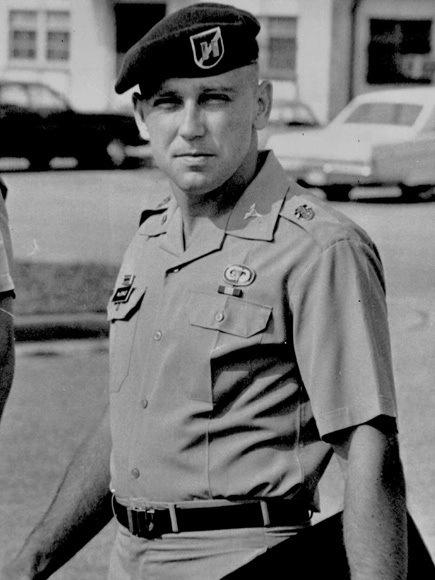
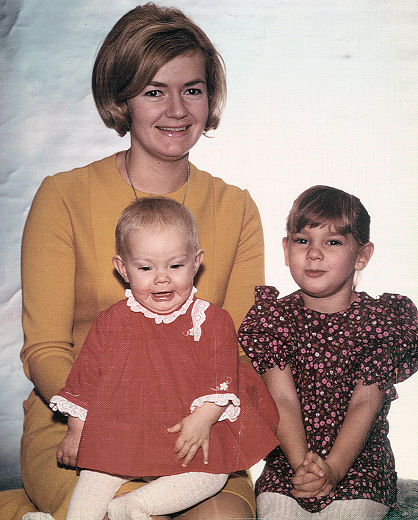
The murder of a military wife and two of her young daughters in Fayetteville, North Carolina in 1985 was still making headlines twenty-five years later. The loss of his children and his wife Kathryn would forever haunt former Air Force Captain Gary Eastburn. Katie captivated him from the moment they met and the two got married shortly before Gary joined the United States Air Force. Eleven years later, Captain Eastburn was stationed at Pope Air Force Base in North Carolina as an Air Traffic Control supervisor. By then, the couple had three daughters: five year old Cara, three year old Erin, and Jana who was just under the age of two. They lived on Summerhill Road near the Fort Bragg Army post.

In the spring of 1985, Gary Eastburn was nearing the end of a training program at Maxwell Air Force Base in Alabama. Every Thursday night, Gary called Kathryn from the barrack’s payphone. One week, he couldn’t reached Kathryn and after frantically calling her for a couple days unable to reach her, Gary asked a neighbor to check in on his wife. The neighbors had grown concerned as well when they noticed that the newspaper had not been picked up for a couple days and they heard a child crying. They called the police who went into the Eastburn’s home and discovered Kathryn, Cara, and Erin had been murdered and the youngest toddler, Jana, was crying and severely dehydrated. They would learn that the baby was only hours from death.

The Fayetteville Police Department investigators discovered that Kathryn Eastburn had been raped and murdered. Her underwear had been cut off her, her blouse and bra were ripped opened, her throat was slit, and she had multiple stab wounds. Erin was found in her mother’s room stabbed to death and her throat slashed. And Cara was found in her own bed as if she was hiding underneath a blanket. She too had been stabbed multiple times and her throat was cut. Police believe the surviving toddler was in her crib for nearly three days before neighbors found her. Gary Eastburn received the dreadful call that there had been a death in the family while he was still at Maxwell. Investigators asked him to return home immediately because detectives wanted to give him the news in person.

Desperate police turned to the only living witness, Jana, to see if she remembered anything. The police took Jana to a child psychologist to determine what, if anything, she might know. The police deduced that the child heard the killer but could not identify him; she was just too young. An older Jana admits that she doesn’t remember anything now either. Police theorized that the baby was young and couldn’t identify the intruder which is probably why she was spared. In the meantime, a neighbor came forward claiming he saw a man leaving the Eastburn residence around 3 a.m. and was able to give a description of a suspect who drove a white Chevrolet Chevette. Kathryn also told Gary about a man who came and looked at the family dog they were trying to find a home for. His name was Timothy Hennis and the composite drawing inspired by the neighbor looked just like him.

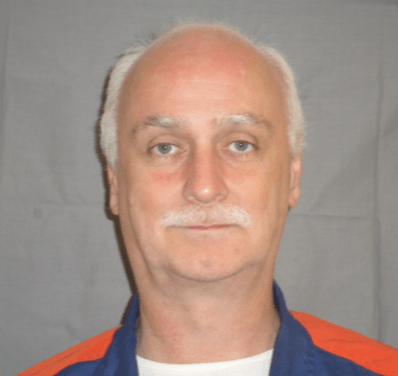
Timothy Hennis was questioned and asked to give hair, blood, and fingerprint samples. When the detectives escorted Hennis back to his car, they discovered he drove a white Chevrolet Chevette. Later that night, Timothy Hennis was arrested. Hennis was an Army Sergeant stationed at Fort Bragg. Someone had used Kathryn’s stolen ATM card and a witness identified Hennis as the person who used the ATM right before she did at the time of the transaction. At every turn, the evidence overwhelmingly brought them back to Hennis. The prosecutors were puzzled why Hennis would commit such a heinous crime given he had no history of violence. They learned that he had approached a woman for sex that same night and theorized that when he was rejected, he decided to target Kathryn Eastburn.

A trial began roughly a year after the murders in 1986. Hennis’ attorney was quick to point out that the prosecution didn’t have any physical evidence linking Hennis to the murders to include fingerprints, hair, and foot prints. This was at a time before there was any routine DNA testing, therefore even semen found in Kathryn’s body led police nowhere. There was a significant amount of physical evidence showing that a male suspect was in the Summerhill Road house and it wasn’t Gary Eastburn or Timothy Hennis. Hennis’ attorney also pointed out that there was no possible way someone could leave that house without transferring evidence to their personal belongings. On July 4, 1986, the jury returned it’s verdict and Timothy Hennis was found guilty on all counts. Four days later, Hennis was sentenced to death.

While Timothy Hennis was sitting on death row, he received a letter from someone claiming to have committed the crimes. This person appeared to show remorse because Hennis was serving time for his crimes. In spite of the verdict, Hennis’ attorney and wife Angela continued to claim that Hennis was not the killer. As a result, Hennis’ attorney fought to have the murder conviction overturned and filed an appeal. The attorney felt he did not provide adequate representation in the first case and admitted that it was a heavy burden to carry. In a precedent setting decision, the Supreme Court overturned the guilty verdict. It found the prosecutors used information to inflame the jury, a graphic parade of disturbing images taken at the crime scene. After two years on death row, Hennis was awarded a new trial.

The second trial began in 1989, four years after the murders. The prosecution’s case was still strong and the star witness was back to swear that he saw Hennis leaving the Eastburn home on the night in question. In this new trial, the defense delivered compelling theories of their own. They produced a witness who claimed to have seen another man (not matching the description of Timothy Hennis) near the Eastburn home. The defense also reminded the jury there was no physical evidence connecting Hennis to the murders. Additionally, they opined there were others who could have committed the crimes including the person who wrote to Hennis while he was in prison. And in this case, Hennis took the witness stand and denied having anything to do with the murders. On April 19, 1989, a jury found Timothy Hennis not guilty on the triple murder charges and set him free.

Gary Eastburn wasn’t convinced of Hennis’ innocence because he never once apologized to the family for their loss. The verdict just didn’t sit right with Gary and he strongly believed that Hennis was guilty despite the jury’s decision. Gary admits he was angry after the verdict but he knew he had to let it go for his health. A month after Hennis was released from prison, ‘A Current Affair’ paid Hennis and his wife to appear on the program. Hennis suggested the prosecution wanted to pin the murder on anyone so they could get it out of the news; he also denied committing the murders. Timothy Hennis was free and for over twenty years no new suspects emerged. Whoever committed the murders in Fayetteville had gotten away with murder until one day a cold case detective took another look at the case.

After the murders, Gary Eastburn was transferred to a military base north of London, England where he met an English nurse and married her in 1991. Jana was 8 years old and now had a step-mother. Timothy Hennis returned to his family and resumed a career in the Army which often took him away from home. He served in the first Desert Storm war, he served in the war in Somalia, he got promoted multiple times, and had nothing but good marks from military leadership. Journalist Scott Whisnant wrote a book called ‘Innocent Victims’ which was later featured as a television movie. The point of view of the book was that Timothy Hennis was not guilty of these crimes. Investigators never read the book or saw the show. They claimed they were not interested in fiction; instead they were annoyed and pissed.

Twenty years later, new detectives were working on cold cases and decided to take a second look at the Eastburn murders. A cold case investigator found the one clue that could lead them to the killer, a vaginal swab from Kathryn Eastburn. In the 1980s, DNA testing was not available but now it was and they sent it to the lab. The lab testing revealed that the vaginal swab from Kathryn was a match to Timothy Hennis’ DNA. Still, Hennis’ attorney wasn’t convinced because he didn’t understand how someone could commit such a heinous crime then go twenty five years without committing another one and also lead an exemplary life. Billy Richardson believed the sample may have been contaminated and he pointed out that the lab that conducted the testing had been called into question on numerous occasions.

Author Scott Whisnant also believed that something was wrong and Hennis couldn’t have committed these crimes. He asked: “How could he be guilty of this? How could he fool everyone all these years?” Meanwhile, investigators contacted Gary Eastburn to inform him they got a match to Timothy Hennis. Eastburn admitted he had given up hope and the new information was overwhelming. But one thing stood in the way of justice: the Constitution. Hennis had been found not guilty by the State of North Carolina and they were prohibited from trying him a second time because of the double jeopardy clause. But the State found a loophole and because Timothy Hennis was a retired Army soldier, the Army could try him. They ordered Hennis out of retirement and back into uniform to stand trial in the military justice system.

Hennis retired in Washington state in a community near Seattle which was a shock to Gary Eastburn because that’s where he and his wife had settled and Jana and her boyfriend had settled. They learned that Hennis lived 30 minutes away from them. Jana was shocked he lived so closely to them because he was walking free in a community near her. But the Army would soon move Hennis; he was ordered back to Fort Bragg to face triple murder charges. After two decades of freedom, Hennis was being tried for the murders of Kathryn, Cara and Erin Eastburn, a third time for the same crime, except this time in a military court martial. If convicted, Hennis could again face the death penalty again. Hennis’ attorney was stunned that in America, Hennis could be charged for a third time for the same crime.

Billy Richardson referred to the double jeopardy clause in the US Constitution and reminded the public it doesn’t say anything about jurisdiction. He tried to get a federal court to intervene on the issue but failed. And in this third Hennis trial, there would be a new witness, Jana, the only survivor that night. She wanted the jury to know how this crime impacted her life. The trial began in the spring of 2010 and Timothy Hennis’ wife and grown daughter continued to stand by his side. They believed he was innocent. Hennis’ new attorney, Frank Spinner, argued at trial that the facts of Hennis’ life do not paint the portrait of a man who could commit such a heinous crime. He questioned how a man who led such an exemplary life could be the same person who would commit three murders in one night.

Timothy Hennis served his country with distinction, raised his family, and never committed another crime in the twenty five years after the Eastburn murders. And yet on one single night, Hennis slaughtered a family? The prosecutors said the motive didn’t matter because there was DNA linking Hennis to the murders. Spinner reminded jurors that DNA does not mean a case is open and shut. He argued that the DNA does not mean Hennis raped and murdered Kathryn Eastburn because Hennis admitted to consensual sex with her. Hennis suggested Kathryn was lonely while her husband was away at training. Gary Eastburn was angry the defense would have the audacity to suggest that Kathryn was a ‘whore’. Hennis’ old attorney Billy Richardson shared that Hennis denied having sex with Kathryn twenty years ago.
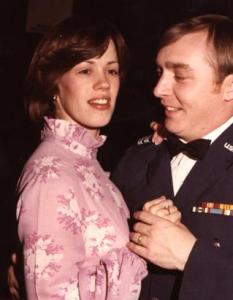
IMG_5116
Kathryn and Gary Eastburn

The military panel didn’t believe Timothy Hennis and they found him guilty of the murders of Kathryn, Cara and Erin Eastburn. Hennis was lead away in handcuffs and for the second time in his life, he was sentenced to death. Timothy Hennis maintains his innocence, filed an appeal, and is fighting for a reversal of his conviction. Gary and his daughter Jana spoke to the press minutes after the verdict and expressed empathy for Timothy’s family despite their belief that justice was finally served. Jana Eastburn admitted she feels more at peace knowing that Hennis is behind bars. As of 2011, Timothy Hennis appealed his conviction and challenged the federal ruling regarding the double jeopardy clause. Timothy Hennis remains on military death row at Fort Leavenworth in Kansas.

Source: 20/20 on ID ‘Witness’

In 1985, a young military wife and two of her three little girls are viciously murdered in their home. In a twisted case filled with unusual suspects, the man who gets convicted goes free. But nothing is what it seems. -20/20 on ID

MJFA Links:
Air Force Spouse Kathryn Eastburn & Daughters Cara & Erin Found Murdered in Fayetteville, NC Home; Youngest Toddler Jana Discovered Unharmed (May 9, 1985)
A Military Jury Delivered a Guilty Verdict in a Death Penalty Trial to Retired Army MSG Timothy Hennis for the Triple Murders of Kathryn, Cara & Erin Eastburn (April 8, 2010)
In 3rd Trial, Retired Army MSG Timothy Hennis Sentenced to Death by Military Court Martial for the Murders of Kathryn, Cara & Erin Eastburn in Fayetteville, NC (April 15, 2010)
Four Service Members on Military Death Row at Fort Leavenworth, Army Private John Bennett was Last Military Execution by Hanging in 1961
Violent Crime, Non Combat Death and Suicide at Fort Bragg, North Carolina (US Army)

Related Links:

1986
Death sentence sought
Jury in Hennis trial visits area where murder victims lived
Hennis Receives Death Sentence

1988
STATE of North Carolina v. Timothy Baily HENNIS

1989
Triple murder retrial to start
Witness firm on identification of murder suspect
Witness shaky on identifying Hennis

1996
Reversal of ‘Victims’: Made-for-TV Justice
ABC explores ex-city man’s prison plight MUG: Hennis BOX: On TV “Innocent Victims” airs at 8 p.m. Sunday and Monday on ABC, Rochester cable channels 5 and 6

2007
GI cleared in 1989 faces murder court-martial
Accusations follow ex-soldier
Expert links soldier to 1985 killings
DNA hearing wraps up
Acquitted of murder, he now faces Army justice
Ex-soldier faces trial in decades-old deaths
Army to try soldier who was acquitted of 1985 slayings

2008
3 capital murder trials to put Army in spotlight

2009
Army holds hearing for soldier charged in 1985 murders

2010
Judge Delays Murder Trial For Recalled Soldier
Rochester native accused in N.C. triple murder
Why ‘exonerated’ needs to be used sparingly
Federal judge: Hennis court-martial can proceed
Soldier acquitted in 3 deaths faces military trial
Hennis court-martial begins at Fort Bragg
Twenty-five years later, third trial begins in triple slaying
Hennis Trial Underway
Army presents its case in trial over 1985 killings
Hennis jury shown clothes of victims
Army expert: DNA from scene matches NC soldier
Friends, family testify for convicted NC soldier
Family testifies in Hennis sentencing
Military jury finds Hennis guilty of murder
Jury considers death for Hennis
Soldier Gets Death Sentence in Military Court after Civil Acquittal
Ex-Lakewood resident gets death in 1985 slayings
Soldier gets death sentence in 1985 Fayetteville triple slaying
Soldier sentenced to die for 1985 triple murder
For 2nd Time, Man Sentenced to Death for Murders
Prosecutor Emphasizes DNA in Hennis Closing
At 3rd Trial, Sergeant Guilty of 1985 Triple Murder
In 3rd Trial, Conviction in Murders From 1985
Military Jury Finds Hennis Guilty of Murder
Hennis found guilty of decades-old murders
Military Jury Convicts Soldier of Murder 20 Years After his Civilian Acquittal
Soldier’s family pleads for jury to spare his life
25 years later, widower recalls slain family
Father, daughter tell of pain 1985 triple murder caused
A murder conviction, but pain still felt
Tim Hennis case to be featured on 20/20

2011
NC soldier: SBI lab problems should mean new trial
Court-martial murder conviction appealed
Ex-Soldier Convicted Twice of Eastburn Triple Murder Appeals Again
Three Trials for Murder: In the name of justice, did the military sidestep double jeopardy?

2012
‘Unusual Suspects’: Military Man Convicted & Sentenced To Death Twice, Acquitted Once 
Court Rules Against Ex-Soldier in NC Triple Murder
Fort Bragg commander approves Timothy Hennis conviction, death sentence
An Execution Draws Closer
Timothy HENNIS, Petitioner–Appellant, v. Frank HEMLICK; Patrick Parrish, Colonel; Lloyd J. Austin, III, General; John McHugh, Honorable, Respondents–Appellees
Timothy Hennis v. Frank Hemlick et al. (US Court of Appeals)

2013
Nidal Hasan, and the 5 other men on the military’s death row

2014
Master sergeant on death row files new petition
Former Fort Bragg soldier again appeals conviction
Master sergeant on death row files new petition
What to Watch on Sunday: CNN’s ‘Death Row Stories’ looks at Hennis case in NC
Triple murder suspect goes from guilty to innocent and back to guilty
NC triple murder suspect goes from guilty to innocent and back to guilty

2015
10 Mysteries Resolved By Unbelievable Surprise Twists
CNN special with local attorney set for tonight
Timothy Hennis seeks relief in federal court; former Fort Bragg soldier questions Army’s jurisdiction in court-martial
Timothy Hennis case: Federal judge dismisses latest appeal
On military death row, execution is anything but guaranteed
Fair and Impartial? Military Jurisdiction and the Decision to Seek the Death Penalty
TIMOTHY B. HENNIS, Petitioner, v. ERICA NELSON, Commandant, USDB-Ft. Leavenworth, Respondent
Setting the Right Example: Removing the Military Death Penalty

2016
Eastburn Murders Expose a Loophole in the Law
Army court upholds death sentence of former Bragg soldier
Appeal by former Fort Bragg soldier who murdered mother and 2 daughters was rejected in military court
Timothy Hennis’ death sentence fits his gruesome crimes, court rules
Army CCA affirms death for Hennis
Army court upholds death sentence of former Bragg soldier
A look at the 6 inmates on US military death row

2017
Court-martialing retirees? ‘Fat Leonard’ cloud still looms for many current and former sailors
Hennis lawyers argue for more resources in murder appeal
Innocent Victims: The Horrific Eastburn Family Murders
The Eastburn Family Murders and The Three Trials of Staff Sergeant Tim Hennis
Army moves closer to first execution in 50 years; Ronald Gray on death row since 1988
Tim Hennis and the Eastburn Murders
Episode 3: The Case of Timothy Hennis | Death’s Door
The Many Trials of Tim Hennis
Episode 28: The Eastburn Family Murders | In Sight Pod
028 The Eastburn Family Murders | In Sight: A True Crime Podcast
United States v. Timothy Hennis | US Court of Appeals for the Armed Forces
US Appellee v. Timothy B. HENNIS, Master Sergeant, United States Army, Appellant | US Court of Appeals for the Armed Forces

Death Penalty Information Center:
Description of Cases for those Sentenced to Death in U.S. Military
Former Death Row Inmate Acquitted in One Court, Now Convicted in Another

Video Links:
3 People on Death Row Who May Be Innocent Part 2
Unusual Suspects: Mother’s Day Murders (Investigation Discovery)
20/20 on ID: Witness | Investigation Discovery
Death Row Stories: Hennis Trailer | CNN
I did the crime…you’re doin’ the time | Death Row Stories | CNN
Death penalty case’s ‘Perry Mason moment’ | Death Row Stories | CNN
Timothy Hennis Double Jeopardy | Death Row Stories | CNN
Timothy Hennis | Death Row Stories | Netflix
Innocent Victims | ABC Television Movie

Book:
Innocent Victims: The True Story of the Eastburn Family Murders (Google)
Innocent Victims: The True Story of the Eastburn Family Murders (Amazon)
Army Veteran Michael Silka Died After a Stand Off with Police; Silka Murdered Eight Manley Hot Springs Residents & Trooper Troy L. Duncan (May 19, 1984)

Michael Alan Silka
Michael Alan Silka, U.S. Army Veteran

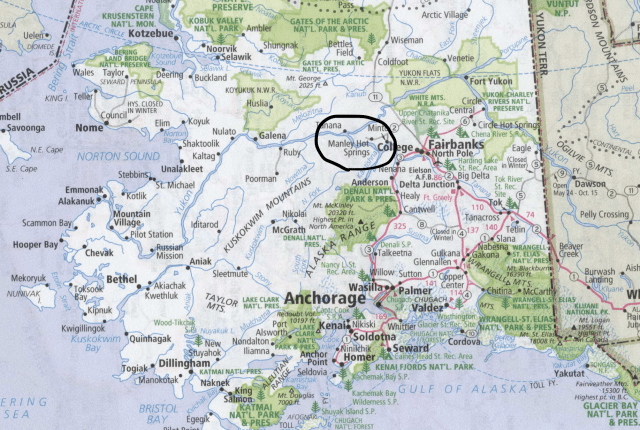
Manley Hotsprings, Alaska is in the middle of nowhere and at the end of the road. In 1984, Manley had a population of maybe 50. Fairbanks was the closest city and roughly a five hour drive or 150 miles away. In the spring of 1984, the residents of Manley were anxiously awaiting for spring. When the rivers start flowing, transportation on the river became available and that’s important to the Manley Springs community. On May 17, 1984, Vietnam veteran Larry Joe McVey, 37, and Dale Madajski, 24, went to the boat landing about a quarter mile out of town. Later that afternoon when the men failed to return, the wives began to wonder what was keeping them. They drove to the landing and found Joe’s boat still on the trailer. They knew something was wrong because the pair left their beer in the truck. One of the wives also noticed another local’s car at the landing. Albert Hagen Jr., 27, was visiting his parents in Manley and went to the river that morning after he cleared out some brush from their land. Given the unusually warm weather, maybe the three of them went somewhere together…

But by noon the next day, there was no sign of the three men. That afternoon friends and family of the missing gathered together out of concern. They were terrified something horrible happened to their loved ones. They realized others in Manley had vanished too. The families were worried about the Kleins because no one had heard from them. They were last seen riding their four wheeler to the landing. Their four-wheeler was parked at the landing but they were not there. Community members assumed they went to their property up river. The family left town on occasion but always asked someone to take care of their dog while they were gone. Frantic, several of the towns people went to the Kleins to check in on them, and they found the dog. They knocked on their door and nobody answered. Meanwhile, others headed to the boat launch in hopes the missing had returned. And while there, they noticed an unattended vehicle, that of a stranger who had arrived in Manley Springs only a few days earlier.

The stranger had been in town for a few days so everyone got used to him; he set up camp at the landing. It wasn’t unusual to see him at the landing or in town. But the newcomer was among the many who were missing. Six people were missing, nearly 1/10 of the town was unaccounted for, and the alarm bells were going off. Meanwhile, folks in Manley had no idea what happened down river in the tiny town of Hopkinsville. Roger Culp had called the place home for years but no one had seen or heard from Roger in more than a week. Roger’s neighbor also noticed their moose hide was missing from the line at her cabin. She was immediately suspicious that Michael Silka had taken it. She went to his cabin to confront him. While she was there, she noticed a funny mound of snow at his place. She found another mound of fresh snow behind the cabin too. Silka was nowhere to be found. She questioned neighbors about his whereabouts but nobody saw him. The neighbor left and returned to the cabin again and this time she saw blood.

The neighbor ran back to her cabin to get her husband because she knew something was wrong. When they arrived at Silka’s cabin, their first thought was he probably killed an animal but they were uneasy about why he would hide it. They took another look in Michael’s cabin; this time he answered the door. He said he took the moose hide with the understanding that they gave it to him and he said he would return it. Later that day, authorities checked out Silka’s cabin but there was no response. They found blood and fresh mounds of snow too, When they investigated the mounds, they found the moose hide. They knocked on Silka’s door once more and this time he answered; he had been there all along. Silka said he shot a moose and the hide dripped blood. The police didn’t find anything suspicious and assumed the case was closed and left. It was not uncommon for people to go missing in Alaska but this many missing in one little Alaska town was alarming. Six people disappeared in Manley and residents were going to look for them.

They found Michael Silka’s vehicle at the landing and turned his license number over to police; they thought he was suspect. The police learned Silka, 25, was the same man who raised eyebrows in nearby Hopkinsville. In Hopkinsville, Roger Culp was missing. Police searched the community after a resident saw blood in the snow. A week later, another resident told the police about a scary incident they had with Michael Silka. Roger and Michael had words and Roger followed Silka back to his cabin, then the resident heard gun shots. There was no 911 where she lived so she locked herself in her cabin. Armed with the new information, police wanted to talk to Michael Silka again. When the police arrived at his cabin, he was gone and his car was gone. The police spent two days combing the area around Silka’s cabin and found patches of blood. A lab confirmed it was human blood. The police didn’t have a body but they wanted to speak with Silka. They were going to start with a conversation with him about the missing Roger Culp.

Map of Alaska
State of Alaska Map

The community suspected Michael Silka had evil intentions and it was going to be hours before a team of Alaska State Troopers would show up. In the early morning hours of May 19, 1984, Alaska State Troopers arrive at Manley by helicopter and auto. The troopers set up a roadblock at the only road that left town. When the helicopter took off and landed, it stirred up the snow and pools of blood began to emerge. They also found some 44 caliber shells. They knew this was the crime scene. Near the river bank troopers found the Klein’s four wheeler hidden in the brush and Joe’s hat. They also found drag marks to the water’s edge. At this point, they don’t know if the missing are dead or if Silka was holding them hostage. They took to the sky and ground to search for Silka. Shortly after they started searching, the troopers unexpectedly stumbled upon a woman at the river’s edge waving for help. She told them her husband had gone to town and didn’t return home; she last saw her husband Fred Burk, 27, two days ago.

Over a dozen Alaska State Troopers armed with weapons and combat gear converged on Manley Hot Springs. But they had no idea the suspected killer they were seeking was a former military man. After running his plates, they learned Michael Silka joined the Army after he graduated from high school in Illinois. He did a tour of duty at Fort Wainwright in Fairbanks. Before making his way to Manley, he spent a few months holed up in a remote Canadian town. He lived in a hotel room, used cash for everything, and stayed to himself. People noticed he carried a number of shotguns in his vehicle. Silka had minor criminal offenses for fire arms in his past. He loved fire arms but came from a place guns were frowned upon. His dream was to move to Manley Hot Springs to live off the land. The troopers learned he had trouble with law enforcement all the way from Illinois, to Canada, and in Alaska. As troopers set out to find Michael Silka, they were keenly aware they were up against a dangerous set of circumstances. They were dealing with a dangerous suspect who used the brush as cover.

The troopers scour the area and suddenly the pilot spotted a man in a flat bottom boat towing a canoe. The pilot recognized Michael Silka. He also observed an arsenal of weapons in the boat. Armed with M-16s, the troopers orchestrated a plan. They used two helicopters to keep him surrounded but Silka got out of the boat on the edge of the river bank. He immediately picked up a weapon and began shooting at the troopers. Silka had the upper hand so the helicopter pulled back. He shot at the helicopter quite a few times and positioned himself for a gun battle. The troopers were not going to act unless acted upon. But Silka strategically positioned himself by taking cover in the thick brush as he shot at the helicopter again. As the helicopter was backing away, they realized they had been hit and that Trooper Troy Duncan, 34, was shot. Seconds later, another trooper started shooting back with a M-16 in fully auto. Silka was hit five times and died instantly. They then turned their attention to their comrade but he was already gone.

Trooper Duncan was the fourth trooper to die in the line of duty in Alaska. In the days after the carnage, the residents set out to find the missing. Divers attempted to look in the river but the silt pulled them down to the bottom. It was impossible to find them if they were in the river. Investigators contended that Silka got in an argument with Joe and Dale down at the boat dock and the argument most likely led to Silka using his gun to settle the score. He lost his temper and shot them. The other residents showed up when he was dragging the bodies to the river. He had to keep killing people to get rid of the evidence. Fred Burk had the unfortunate experience of running into Silka too. Michael shot him so he could take his boat. Thankfully by the end of the summer, the river had given up the bodies of Joe, Dale, Lyman Klein, 31, and Fred Burk. All of them had been shot in the head. Lyman’s pregnant wife Joyce and their son Marshall were never found and the bodies of Albert Hagan Jr. and Roger Culp never surfaced either.

The total number of Silka’s victims may never be known. In the days before Silka was making his way to Manley, Fred Burk and his mother-in-law saw the drifter’s vehicle parked some 30 miles outside of town. They noticed three people in the front seat, one they later identified as Silka. They observed that the two people with him look petrified. To this day, no one knows what happened to those two people or who they were. At the request of his father, Michael Silka was buried in the National Cemetery in Sitka, Alaska. He was an honorably discharged soldier and had that right. But what’s even more ironic about that is the State Trooper Training Academy is right next door to the cemetery. A retired Alaska State Trooper said they had to unmark the grave for whatever reason.

Source: Frozen Carnage, Ice Cold Killers, Investigation Discovery

Podcast:

This week we focus on a heinous & horrific crime as well as the killing spree committed by a wandering “mountain man”. Get ready for scary mysteries Twisted Two’s. -Michael Silka, Scary Mysteries Podcast (July 4, 2018)

Investigation Discovery:

Manley Hot Springs, Alaska is a remote mountain hide-a-way known for simplicity and solitude. But, that innocent existence is shattered when a newcomer goes on rampage and guns down residents one by one, ultimately taking out one tenth of the town. -Frozen Carnage, Ice Cold Killers (S1,E5)

Editor’s note: With a cable subscription, you can download the free ID Go app and watch Investigation Discovery programming at your convenience. And for those who do not have cable, you can watch “unlocked” episodes on the ID Go app including the latest premieres. For those who prefer commercial free programming during your binge session, Prime Video has an ID channel: ‘True Crime Files by Investigation Discovery” available for $3.99 a month. It’s a compilation of older seasons but totally worth the cost if you are a true crime addict. Download the ID Go app or purchase ID True Crime Files & binge away.

Related Links:
Obituary: Michael Alan Silka (1968-1984)
Murderpedia: Michael Alan Silka
Manley Victim is Found
Mass murder in Alaska: Suspect, 9 others dead
Massacre: Slain drifter believed mass murderer in Alaskan town
Alaska town is still haunted by the horror of mass murder
Memories of Springtime Murders Chill Small Alaskan Town
Violent crime in Alaska:Are loners and outcasts drawn to America’s frontier?
At Road’s End, There’s No One Left to Flee From
Michael Alan Silka and the Firefight at Manley
Gunfights on Guns.com: Wilderness Manhunts
The Tiny Town In Alaska With A Terribly Creepy Past
Murder in Alaska: Crazy in the ’80’s
Murders at Manley Hot Springs
Today in Horror History: Michael Alan Silka (May 19, 1984)
10 Ice Cold Killers From Alaska That Will Make You Fear The Last Frontier
Here’s a look at rampage killings that have occurred in the United States since the 1940s
Here’s a look at rampage killings that have occurred in the United States since the 1940s 2
By the numbers: America’s deadliest mass shootings | CBS News
Man killed by police after killing spree
Yours in Murder: Michael Silka | Apple Podcasts
10 Small Towns Devastated By Sudden Killing Sprees
5 Devastating Small Town Crimes
Becoming a Practical Rifleman
Murders In The United States: Crimes, Killers And Victims Of The Twentieth Century
Manley Hot Springs Rampage: Michael Alan Silka killed at least 9 people in a three hour rampage
A history of Alaska State Troopers’ line-of-duty deaths
Trooper Troy Lynn Duncan | Officer Down Memorial Page
Frozen Carnage | Ice Cold Killers | Investigation Discovery (S1,E5)
Frozen Carnage | Ice Cold Killers | Investigation Discovery (website)
Frozen Carnage | Ice Cold Killers | Investigation Discovery (Amazon)
Twisted 2s #33 Damon & Devon Routier & Michael Silka | Scary Mysteries Podcast
Book: Murder at 40 Below: True Crime Stories from Alaska by Tom Brennan
Ice Cold Killers Premiered ‘Frozen Carnage’ on Investigation Discovery: Army Veteran Michael Silka Went on Killing Spree in Alaska (January 8, 2013)

Army Reserve Veteran Robert C. Hansen Sentenced to 461 Years Plus Life in Prison, No Parole for Murders of Multiple Women in Alaska (February 28, 1984)

Robert Hansen was a mild-mannered family man with a passion for hunting. A master at his trade, Hansen sought a more challenging prey – his fellow human. Hansen kidnapped women, set them loose in the Alaskan wilderness, and hunted them down for sport. -Hunting Humans, Ice Cold Killers (S1, E1)

Serial killer and Army Reserves veteran Robert C. Hansen confessed to the murder of 17 women and the kidnapping and rape of another 30 women in Alaska. But the authorities believe there are many more victims and their cases are still open. Hansen was officially charged with the abduction and rape of Cindy Paulson and the murders of Joanna Messina, Sherry Morrow, Paula Goulding, and the unidentified body known as “Eklutna Annie.” On February 28, 1984, Robert Hansen was sentenced to 461 years plus life in prison with no parole. Hansen led the police to 17 grave sites he marked on a map but only 12 of his victims bodies were recovered. Robert Hansen’s health was declining for over a year when he died of natural causes on August 21, 2014 at the age of 75.

In 1982, two off-duty police officers were hunting for wild game. As darkness fell and they headed home, they made a gruesome discovery. They knew enough to back away and dispatched the Alaska State Troopers to the scene. The crime scene investigators unearthed the partial bones of a woman buried in a shallow grave. They also found bones scattered around the surrounding area. In Alaska, wild game won’t hesitate to drag off the evidence. They also found a 223 caliber bullet casing. The victim was bound and blind folded at the time of death, and she was shot three times. She was identified as Sherry Morrow; Sherry was drawn to Alaska for the easy money. She worked as an exotic dancer in a seedy area of Anchorage known as ‘Fourth Avenue’. Police looked to see if anyone else in that community had disappeared under similar circumstances. Before the discovery of Sherry’s body, none of the missing persons reports were linked or suggestive of murder. Morrow’s case inspired police to take a look at the cold case files.

Two years before Morrow’s body was found, construction workers found the partial remains of a woman buried in a shallow grave; her body was desecrated by wild life and her bones were scattered. Police couldn’t make an identification and dubbed their Jane Doe “Eklutna Annie”. Nobody ever came forward with information about Annie. Police were concerned they were dealing with a brutal killer so they started canvassing the area where the dancers spent their time. Sherry’s co-workers feared the worst because a number of women had gone missing and they were never heard from again. Over the next several years, five more dancers went missing. Police suspected Sherry and Annie’s cases were connected. They were all victims from the beginning because everyone preyed on these girls, including the bar owners and pimps. Several dancers reported seeing the same man and provided police with a physical description. Police learned of a third body found in a gravel pit near where Eklutna Annie’s body was found.

The victim was identified as Joanna Messina. She was a canary worker who was last seen leaving the dock with her dog and a red haired man her co-workers couldn’t identify. Messina was shot and killed with a 22, not a 223. Two more women vanished and were never seen or heard from again. The blindfolds at the crime scenes told the police a lot about the killer. He was a sexual sadist who wanted complete control. He derived pleasure from his victim’s fear and pain and disposed of their bodies in isolated areas in Alaska. Nine months later, a truck driver found a frantic hand-cuffed woman running in the road; someone with a gun ducked out of site. The trucker took her to a nearby hotel where she was safe and called the Anchorage police. The police found a 17-year-old woman still in handcuffs and in shock. She told the officers she was a topless dancer down on 4th Avenue; she said she was propositioned by a red haired man in his 40s the night before. She confessed that she accepted the stranger’s offer.

Once inside the man’s car, she said the man pulled a gun on her. He kidnapped her, handcuffed her, and told her if she cooperated and did what he wanted, she wouldn’t be harmed. He took her to a middle class house in Muldoon. He held her hostage in a basement filled with mounted heads of animals. He brutalized her for hours. He chained her to beam in the basement and repeatedly sexually assaulted her. She told the police he was going to fly her to his cabin in the woods, promising to release her if she cooperated. Once at the airport, the kidnapper shoved her in a small plane and began loading supplies. The second he turned his back, she made her escape. Hoping to corroborate her account, investigators took her to the airfield to find the plane. She identified a plane owned by Robert Hansen; he was a 50 year-old avid hunter and local business man. Hansen owned a well established bakery, had lot of friends, and went to church. By all accounts, he was an upstanding member of the community.

When questioned by police, Hansen was outraged and insisted the dancer was lying to extort money from him. He also questioned whether it was even possible to rape a prostitute. He claimed he had an alibi and told investigators his wife and children were in Europe and he spent the night playing poker with friends. When questioned, the two men substantiated his story. Hansen allowed authorities to search his home but they didn’t find evidence of what the victim described. She also refused to take a polygraph and this made the police wonder if she fabricated the story. It was a “he said, she said” case because they had no evidence. Citing a lack of evidence, the prosecutor dropped the case. Three months later, Alaska State Troopers discovered the partially decomposed remains of another woman in a shallow grave. She was identified as a missing dancer from the Fourth Avenue district. Investigators found a blindfold buried among the remains. An autopsy revealed Paula Goulding had also been shot by a 223 caliber bullet.

Initially, the police didn’t link the cases but the use of the 223 caliber bullet helped them realize they were dealing with a serial killer who was targeting exotic dancers in Anchorage. Troopers contacted the Federal Bureau of Investigation for assistance; agents created a behavioral profile of the serial killer. The killer believed he was invincible because he picked the perfect victims. He chose the dancers on Fourth Ave because he thought no one would care if they were missing. They started looking into Robert Hansen’s past. They learned he was abused as a child and had very low self-esteem. He was always considered small and had few friends; he was often ridiculed by his peers. After graduating from high school, Hansen enlisted in the Army Reserve and went to basic training at Fort Dix. He later received advanced training as a military police officer at Fort Knox. While enlisted in the Army, he was known to frequent prostitutes. He told fellow soldiers, he found them dissatisfying and yearned to take control of the situation.

Despite his strict up bringing and disciplined military structure, the profilers learned Hansen had a number of run-ins with the law. He served time for arson and theft but he appeared to have long since left that life behind. In 1967, he married and moved to Alaska. He was a functioning member of society. They believe his low self-esteem would drive him to live in a place like Alaska. His former neighbor told investigators he loved the thrill of the hunt; and he was always looking for the bigger hunt. He was an avid trophy hunter. Hansen’s weak point was women because he was unsuccessful with them. He hunted where most of the victims were found. “Perhaps Hansen tired of game and turned to more interesting prey like humans.” Humans create a much greater challenge to the hunter. Police deduced he most likely had trophies from his hunts for humans. The killer was a sexual sadist, proficient, and more successful over time. Authorities threatened the two men who alibied him with jail time if they didn’t come clean about the night the dancer was abducted.

Both friends quickly broke down and said they were covering for him because they thought he was a legitimate guy. They believed him when he said he thought the dancers were trying to extort him. The police asked Hansen to come down to the station and executed a search warrant. An officer searched the attic and in the rafters he found a bag of jewelry. And nestled with his bag of trophies, they found IDs belonging to the victims and newspaper clippings. Authorities also found a trophy map with locations of where he killed his victims. Hansen tracked his kills. The most critical find was a 223 caliber mini 14 rifle. The rifle was sent to the crime lab for further analysis. The 223 matched perfectly with the round they found in Eklutna. Robert Hansen was charged with assault and kidnapping. Despite his pleas of innocence, the evidence was mounting against him. The District Attorney agreed to charge Hansen with four murders: Sherry Morrow, Eklutna Annie, Joanna Messina, and Paula Goulding. Hansen accepted a plea deal. Police believe he chose prostitutes because they represent the evil in humans.

Robert Hansen chose prostitutes because they will go anywhere for anything and when they disappear, no one cares. He admitted he controlled the game from the point of abduction. He was the predator and they were they prey. He killed Eklutna Annie first. Then he abducted Sherry Morrow. He took most of his victims to his remote cabin and brutalized them for hours before he stripped them naked, blindfolded them and then released them in the woods. He turned them loose, gave them a head start, and hunted them down. He was a trophy hunter. He then collected things off the girls so he could re-live the events. Robert Hansen’s killing spree lasted twelve years in Alaska. Hansen confessed to 17 killings but it is believed he had many more victims. He eventually lead police to 15 gravesites unknown to investigators. Unfortunately, investigators only recovered 7 bodies likely due to the veracious animal activity in the Alaskan wilderness. Robert Hansen was sentenced to 461 years plus life in prison with no chance of parole.

Source: Hunting Humans, Ice Cold Killers, Investigation Discovery

Victims:
Andrea “Fish” Altiery (disappeared 12/2/81, unknown if body recovered)
Roxanne Easlund, 24 (disappeared 6/28/1980, unknown if body recovered)
Megan Emerick, 17 (suspected abduction on 7/7/73, body never recovered)
Angela Feddern, 24 (disappeared February 1983, body found)
DeLynn “Sugar” Frey (disappeared September 1983, body found)
Lisa “Betty” Futrell, 41 (disappeared 9/7/1980, body found)
Malai Larsen, 28 (disappeared June 1981, body found)
Paula Goulding (disappeared 4/25/83, body found)
Sue Luna, 23 (disappeared 5/16/82, body found)
Joanna Messina (disappeared 5/19/1989, body found)
Sherry Morrow, 23 (disappeared 11/17/81, body found)
Tamara Pederson, 20 (disappeared August 1982, body found)
Mary Kathleen Thill, 23 (suspected abduction on 7/5/75, body never recovered)
Cecelia “Beth” Van Zanten, 17 (suspected abduction on 12/22/71, body found)
Theresa Watson (disappeared 4/29/83, body found)
“Eklutna Annie” (real name unknown, disappeared 11/1979, body found)
Cindy Paulson (abducted & raped on 6/13/1983, escaped & survived)

List compliments of The Frozen Ground.

In the News:

A Killer Among Us: Inside the Hunt for an Alaska Serial Killer (June 11, 2017, KTUU-Channel 2, Anchorage, Alaska)

The Frozen Ground Movie (2012)

THE FROZEN GROUND Official Trailer (2013)

The Frozen Ground – Clip 3 | Lionsgate

The Frozen Ground (2012) – Chained Scene (1/10) | Movieclips

The Frozen Ground (2012) – The Lucky One Scene (2/10) | Movieclips

The Frozen Ground (2012) – Pole Dancing Scene (3/10) | Movieclips

The Frozen Ground (2012) – Hunting Her Scene (4/10) | Movieclips

The Frozen Ground (2012) – On the Run Scene (5/10) | Movieclips

The Frozen Ground (2012) – Shock at the Strip Club Scene (6/10) | Movieclips

The Frozen Ground (2012) – The Interrogation Scene (7/10) | Movieclips

The Frozen Ground (2012) – From Bad to Worse Scene (8/10) | Movieclips

The Frozen Ground (2012) – He’s Coming Scene (9/10) | Movieclips

The Frozen Ground (2012) – Truth Comes Out Scene (10/10) | Movieclips

Based on a true story. An Alaskan State Trooper (Nicholas Cage) must partner with a near victim and the only witness to escape the clutches of the serial killer in order to bring the murderer to justice. -The Frozen Ground

Frozen Ground – Examining the Frozen Ground

Editor’s note: With a cable subscription, you can download the free ID Go app and watch all of the Investigation Discovery programming at your convenience. And for those who do not have cable, you can watch “unlocked” episodes on the ID Go app including the latest premieres. Download the ID Go app and binge away. For those who prefer commercial free programming during your binge session, Prime Video has an ID channel: ‘True Crime Files by Investigation Discovery” available for $2.99 a month. It’s a compilation of older seasons but totally worth the cost if you are a true crime addict.

Related Links:
If film makes Hansen’s victims real, the story’s worth retelling
Photos: Alaska serial killer Robert Hansen and his victims
Serial killer Hansen dies; ‘World is better without him,’ trooper says
Robert Hansen: A Serial Killer in Alaska
Robert Hansen, the ‘Butcher Baker’ hid his evil side to lure, hunt and murder at least 17 women in Alaska
The Frozen Ground: Gruesome True Story of Serial Killer Robert Hansen
Alaska Serial Killer Robert Hansen Dies at 75
‘Frozen Ground’ serial killer Hansen dead
Alaska serial killer Robert Hansen dies at 75
Robert Hansen, convicted serial killer in Alaska, dies at 75
Robert Hansen dead: Alaska’s ‘butcher baker’ murderer who hunted his female victims dies in prison of natural causes
Alaska serial killer Robert Hansen, ‘the Butcher Baker,’ dies at 75
Infamous Alaska serial killer the ‘Butcher Baker’, who murdered 17 women and raped 30 others in the 1970s, dies
Robert Hansen, notorious Alaska serial killer, dead at 75
Alaska serial killer Robert Hansen dies, decades after confessing to murders
Robert Hansen — The Serial Killer Who Hunted His Victims Like Animals
This Serial Killer Hunted His Victims Like Animals in the Alaskan Wilderness
The Twisted Case of Robert Hansen, an Alaskan Serial Killer Who Hunted Down His Victims
Robert Christian Hansen (February 15, 1939 – August 21, 2014), known in the media as the “Butcher Baker“, was an American serial killer.
10 Ice Cold Killers From Alaska That Will Make You Fear The Last Frontier
50 horrifying serial killers from each state
Serial KIller: *Butcher Baker* Robert Hansen killed at least 17 women, sentenced to years in prison; Died 8/21/2014
Robert Hansen | Murderpedia
EP.#11: Robert Hansen “The Butcher Baker” | True Crime Guys Podcast
Ep 80 Robert Hansen | True Crime Podcast
Serial Killer Robert Hansen “The Butcher Baker” – Murder With Friends
Ep. 19 Robert C Hansen | The Strange Land Podcast
44 – The Butcher Baker Robert Hansen | Make Me a Fan Podcast
Robert Hansen | SERIAL KILLER FILES #5
Episode 309: Robert Hansen Part II – Gross Truncations | The Last Podcast on the Left
A Killer Among Us: Inside the Hunt for an Alaska Serial Killer
Robert Hansen – Serial Killer Documentary
Robert Hansen (The Butcher Baker) – Serial killer who hunted humans
15 Disturbing Facts About ‘The Butcher Baker’ Robert Hansen
The Frozen Ground – Teaser Trailer
The Frozen Ground – Trailer
THE FROZEN GROUND Official Trailer (2013)
The Frozen Ground Official Trailer #1 (2013) – Nicolas Cage, Vanessa Hudgens Movie HD
The Frozen Ground – Official Trailer (2013) HD
The Frozen Ground Movie CLIP – She Stays On The List (2013) – Nicolas Cage Movie HD
The Frozen Ground Movie CLIP – I Didn’t Shoot Anybody (2013) – Nicolas Cage Movie HD
The Frozen Ground Movie CLIP – The Archive (2013) – Nicolas Cage Movie HD
The Frozen Ground Exclusive Official Clip (2013) – Vanessa Hudgens, Nicolas Cage movie HD
The Frozen Ground- Clip 3- Opening Nationwide In Theaters and On Demand August 23!
The Frozen Ground (2012) – Chained Scene (1/10) | Movieclips
The Frozen Ground (2012) – The Lucky One Scene (2/10) | Movieclips
The Frozen Ground (2012) – Pole Dancing Scene (3/10) | Movieclips
The Frozen Ground (2012) – Hunting Her Scene (4/10) | Movieclips
The Frozen Ground (2012) – On the Run Scene (5/10) | Movieclips
The Frozen Ground (2012) – Shock at the Strip Club Scene (6/10) | Movieclips
The Frozen Ground (2012) – The Interrogation Scene (7/10) | Movieclips
The Frozen Ground (2012) – From Bad to Worse Scene (8/10) | Movieclips
The Frozen Ground (2012) – He’s Coming Scene (9/10) | Movieclips
The Frozen Ground (2012) – The Truth Comes Out Scene (10/10) | Movieclips
The Frozen Ground | YouTube Movies
The Frozen Ground | Amazon Prime Video
Nicolas Cage Interview – The Frozen Ground (JoBlo.com)
Nicolas Cage – The Frozen Ground Exclusive Interview
Vanessa Hudgens Interview – The Frozen Ground (JoBlo.com)
The Frozen Ground: Vanessa Hudgens Interview
Frozen Ground – Examining the Frozen Ground
Hunting Humans | Ice Cold Killers | Investigation Discovery (S1,E1)
Hunting Humans | Ice Cold Killers | Investigation Discovery (website)
Hunting Humans | Ice Cold Killers | Investigation Discovery (Amazon)
Army Reserve Veteran Robert C. Hansen Sentenced to 461 Years Plus Life in Prison, No Parole for Murders of Multiple Women in Alaska (February 28, 1984)
Ice Cold Killers Premiered ‘Hunting Humans’ on ID: After Multiple Disappearances, Alaska Authorities on Hunt for Serial Killer (January 24, 2012)

Former Fort Bragg Army Doctor Capt. Jeffrey MacDonald Convicted of Homicide of Wife Colette and Two Daughters; Sentenced to Life in Prison (August 29, 1979)

jeffrey-macdonald-435
Capt. Jeffrey MacDonald, U.S. Army (photo: The Fayetteville Observer, N.C.)

Dr. Jeffrey MacDonald, was convicted on August 29, 1979 for the murders of his wife, Colette, and his two daughters, Kimberley and Kristen, at Fort Bragg, North Carolina. The murders occurred on February 17, 1970 while Captain MacDonald was serving as a doctor for Green Berets in the Army. Captain MacDonald was court martialed but a military judge did not find sufficient evidence to proceed with a trial. Captain MacDonald was honorably discharged from the Army. After persistence from Colette’s family, prosecutors in Fayetteville, North Carolina began to pay attention to the homicide case and eventually charged Jeffrey MacDonald with the murders of his family. MacDonald was found guilty by a jury of his peers and received three life sentences. Jeffrey MacDonald maintains his innocence to this day and continues to appeal his convictions.

Investigation Discovery: 

An army surgeon, Jeffrey MacDonald, is the lone survivor of a brutal 1970 home invasion that claims the lives of his wife and daughters. But authorities doubt his story of murderous hippies and believe MacDonald is the culprit. -Jeffrey MacDonald: The Accused, People Magazine Investigates (S1,E11)

Editor’s note: With a cable subscription, you can download the free ID Go app and watch Investigation Discovery programming at your convenience. And for those who do not have cable, you can watch “unlocked” episodes on the ID Go app including the latest premieres. For those who prefer commercial free programming during your binge session, Prime Video has an ID channel: ‘True Crime Files by Investigation Discovery” available for $3.99 a month. It’s a compilation of older seasons but totally worth the cost if you are a true crime addict. Download the ID Go app or purchase ID True Crime Files & binge away.

Related Links:
Doctor Guilty in 1970 Murder of Wife and Children
MacDonald Family
The Jeffrey MacDonald Information Site
Jeffrey MacDonald on Dick Cavett
Jeffrey MacDonald “Kills” One Of His “Assailants”
In 1979, Observer Editor Rick Thames interviewed MacDonald
On-Scene Detective Identifies Cult Members Responsible for 1970 MacDonald ‘Green Beret’ Murders & Army/Police Complicity in Cover-up
Three Trials for Murder
The Devil and Jeffrey MacDonald
The Fort Bragg murders: is Jeffrey MacDonald innocent?
Since 1979, Brian Murtagh has fought to keep convicted murderer Jeffrey MacDonald in prison
Jeffrey MacDonald DNA: Army Doctor Convicted Of Killing Pregnant Wife, Kids Could Clear Name
Larry King Live – Jeffrey MacDonald: In his own words
Maybe Jeffrey MacDonald was innocent after all
DNA and the Jeffrey MacDonald investigation
After 35 years, ‘Fatal Vision’ author, killer meet again
The Devil’s in the Details: Errol Morris on the Jeffrey MacDonald Case
Richard Herman Attorney on CNN Live: Army Doctor Jeffrey MacDonald Case Reopened
The Jeffrey MacDonald Case – A Round Table discussion with Richard Cahn
How I Changed My Mind About the Jeffrey MacDonald Murder Case
Allen Rogers talks about his friend Dr. Jeffrey MacDonald
The controversial case of Dr. Jeffrey MacDonald
The MacDonald Family Murders
The Fort Bragg murders: Is Jeffrey MacDonald innocent?
Federal judge upholds Jeffrey MacDonald murder conviction; his attorney talks about appeal
The Murders of Colette, Kimberley, and Kristen MacDonald
Former prosecutor Jim Blackburn on the Jeffrey MacDonald case
Did Jeffrey MacDonald Kill His Family? Or Was It A Group of Manson Family-Esque, LSD-Raving Hippies
Lawyers for Dr. Jeffrey MacDonald, Fighting in Court Filing to Overturn 1979 Conviction for Murdering Family, Say Prosecutors Hid Evidence
People Magazine Investigates Green Beret Jeffrey MacDonald’s family murder conviction
Ex-Army surgeon pursues appeal, insists he’s innocent in “Fatal Vision” killings
Jeffrey MacDonald gets new court hearing in ‘Fatal Vision’ murder case
MacDonald hearing, likely last chance for exoneration set for Thursday
Green Beret doctor who claims hippies killed his wife and children in 1970 vows to fight on in bid to clear his name despite latest rejection
Captain Jeffrey MacDonald – 40 Years Later
Jeffrey MacDonald gets new evidence hearing after 40 years
Kathryn MacDonald & Dr Jeff MacDonald Ft Bragg Murders
Crimes And Criminals: Jeffrey MacDonald (YouTube)
20/20: Fort Bragg Murders (YouTube)
Fatal Vision – Jeffrey MacDonald Film
False Witness – Trailer on YouTube
False Witness the Movie (YouTube)
Jeffrey MacDonald ‘Fatal Vision’ Murder Case to Get TV Remake
‘Fatal Vision’ becomes final: Jeffrey MacDonald murders get movie treatment again
Timeline of events in the Jeffrey MacDonald case
Violent Crime, Non Combat Death & Suicide at Fort Bragg
Investigation Discovery Greenlights Scripted True-Crime Movie ‘Final Vision’ Starring Scott Foley and Dave Annable
NC’s infamous Jeffrey MacDonald case has inspired another TV movie, airing Sunday
Scott Foley, Dave Annable to Star in Jeffrey MacDonald True Crime Murder Movie on Investigation Discovery
Scott Foley and Dave Annable Share Their Thoughts on the Psychological Thriller Final Vision
Scott Foley To Star In ‘Fatal Vision’ TV Movie Based On Joe McGinniss Book For Investigation Discovery
Scandal’s Scott Foley to Star in True Crime TV Movie Fatal Vision
‘Final Vision’ stars debate Jeffrey MacDonald’s guilt or innocence
‘Final Vision’ Movie: Playing a Real Person Was a ‘Challenge’ Says Scott Foley
See Scandal’s Scott Foley as Convicted Killer Jeffrey MacDonald, Who Maintains His Innocence
Scott Foley isn’t totally convinced convicted killer Jeffrey MacDonald is guilty
My worst moment: ‘Scandal’s’ Scott Foley gets hot under the collar
TV: Actors took honest approaches to ‘Final Vision’
Final Vision Fails to Shed New Light on a Famous Family Murder Case
How did Final Vision pull off its brutal murder scene?
Watch Investigation Discovery’s New True Crime Dramas with 1 Click Now on ID Go!
“Final Vision” Sunday, December 10th from 8–10pm EST Investigation Discovery Must See!
Jeffrey MacDonald: People Magazine Investigates
Sneak Peek: Investigation Discovery’s Final Vision
Jeffrey MacDonald: The Accused | People Magazine Investigates (YouTube)
Jeffrey MacDonald: The Accused | People Magazine Investigates (website)
Jeffrey MacDonald: The Accused | People Magazine Investigates (Amazon Prime)

Dishonorably Discharged Army Veteran Robert Cox is a Person of Interest in the Disappearance of ‘The Springfield Three’ in 1992

Robert Craig Cox, US Army
Robert Cox, US Army Veteran

Sherrill Levitt, Stacy McCall, and Suzie Streeter vanished from Sherrill Levitt’s Springfield, Missouri home on June 7, 1992. Dishonorably discharged Army veteran Robert Craig Cox was named a person of interest in their disappearance. Cox not only had a history of violence and run ins with the law but he was living in the Springfield, Missouri area at the time of ‘The Springfield Three’ disappearance and coincidentally worked with Stacy McCall’s father. While serving in the Army, Cox pleaded guilty to kidnapping and assault with a deadly weapon in California. He was sentenced to nine years in prison and dishonorably discharged from the Army, ironically after being named ‘Soldier of the Year’ in 1979. Cox was also a suspect in the death of 19 year old Sharon Zellers who disappeared after leaving work at Walt Disney World on December 30, 1978. Zellar’s badly beaten body was found several days later near Orlando, Florida in an orange grove. Cox was in central Florida visiting his parents and as a result became a suspect because he was staying in a motel close to the grove. Hospital staff also reported Robert Cox to authorities because part of his tongue had been bitten off by someone else, despite his claims that he bit his own tongue off. A case against Cox was never pursued by Florida authorities due to lack of evidence, therefore the case went unsolved for a decade. But after Cox was released from prison in California in 1986, Florida authorities charged Cox with Sharon Zeller’s murder and he was convicted and sentenced to death in 1988. Although in a rare ruling, the Florida Supreme Court overturned the murder conviction and death sentence arguing that prosecutors only had circumstantial evidence which was not enough to convict in a criminal case. Robert Cox was released in 1989 and then moved to Springfield, Missouri where he worked with Stacy McCall’s father. Although questioned in the disappearance of the three women, Cox has not admitted to any wrongdoing and authorities have found no evidence linking him to their disappearance. To this day, ‘The Springfield Three’ have not been found and no one has been charged with any crimes.

tumblr_inline_notncnAEp51tqjwql_540
Stacy McCall, Sherrill Levitt, and Suzie Streeter went missing from Springfield, Missouri on June 7, 1992.

Related Links:
The Springfield Three
Streeter Family Blog: Person of Interests
Cox Receives Death For ’78 Fatal Beating
9 Years Later, A Murder Conviction Circumstantial Case Convicts Ex-soldier Of Beating Teen-age Girl
Man Awaiting Florida Execution Is Ordered Acquitted in ’79 Killing
Court Orders Innocent for ‘Soldier of the Year’
Robert Cox: Circumstances of the Offense
Inmates freed from death row at a glance
Three Missing Women: Ten Years Later – Part 1 of 5
Pokin Around: 3 missing women; here, then suddenly nowhere
Disappeared, Investigation Discovery
Clues to the Springfield Three
The Springfield Three: Sherrill Levitt
Sleuth Won’t Give Up on Women Missing for 17 Years
Whatever happened to the Springfield Three?
The Bizarre, Tragic Disappearance of the Springfield Three
25 years after three Springfield women went missing, the tips still trickle in
BrainScratch: The Springfield Three
Disappeared- The Springfield Three


More than 15 years after the disappearance of “The Springfield Three”, clues to their location may lie beneath a parking garage at Cox Hospital. Will investigators find the answers they need to bring the missing women home? -Investigation Discovery

Colette, Kimberley & Kristen MacDonald Murdered in NC Home; Former Army Captain Jeffrey MacDonald Convicted of Homicide, Sentenced to Life (February 17, 1970)

Dr. Jeffrey MacDonald, was convicted on August 29, 1979 of the murders of his wife, Colette, and his two daughters, Kimberley and Kristen, at Fort Bragg, North Carolina. The murders occurred on February 17, 1970 while Captain MacDonald was serving as a doctor for Green Berets in the Army. Captain MacDonald was court martialed but a military judge did not find sufficient evidence to proceed with a trial. Captain MacDonald was honorably discharged from the Army. After persistence from Colette’s family, prosecutors in Fayetteville, North Carolina began to pay attention to the homicide case and eventually charged Jeffrey MacDonald with the murders of his family. MacDonald was found guilty by a jury of his peers and received three life sentences. Jeffrey MacDonald maintains his innocence to this day and continues to appeal his convictions.

False Witness:

Trailer: Special Forces Captain and Princeton man Jeffrey MacDonald has been in Federal prison since 1979 for murdering his wife and two young daughters in his quarters at Ft. Bragg eight years earlier, but his conviction might be vacated pursuant to evidence. -False Witness, YouTube Movies (December 4, 2012)

Special Forces Captain and Princeton man Jeffrey MacDonald has been in Federal prison since 1979 for murdering his wife and two young daughters in his quarters at Ft. Bragg eight years earlier, but his conviction might be vacated pursuant to evidence presented for the first time in Federal Court in September, 2012. -False Witness, YouTube Movies (December 4, 2012)

Investigation Discovery:

An army surgeon, Jeffrey MacDonald, is the lone survivor of a brutal 1970 home invasion that claims the lives of his wife and daughters. But authorities doubt his story of murderous hippies and believe MacDonald is the culprit. -The Accused, People Magazine Investigates (January 9, 2017)

The ID Original Movie, FINAL VISION tells the true story of Jeffrey MacDonald, a handsome, Ivy League-educated U.S. Army Green Beret doctor, who was convicted of brutally murdering his pregnant wife and two young daughters in the middle of the night. -Final Vision, Investigation Discovery (December 3, 2017)

ID Go: A writer is enlisted by a former Green Beret who stands accused of murdering his family to cover his trial and proclaim his innocence, but the tables turn when the writer has doubts. -Final Vision, Investigation Discovery (December 10, 2017)

Editor’s note: With a cable subscription, you can download the free ID Go app and watch all of the Investigation Discovery programming at your convenience. And for those who do not have cable, you can watch “unlocked” episodes on the ID Go app including the latest premieres. Download the ID Go app and binge away. For those who prefer commercial free programming during your binge session, Prime Video has an ID channel: ‘True Crime Files by Investigation Discovery” available for $2.99 a month. It’s a compilation of older seasons but totally worth the cost if you are a true crime addict.

Related Links:
MacDonald Family
The Jeffrey MacDonald Information Site
Jeffrey MacDonald on Dick Cavett
Jeffrey MacDonald “Kills” One Of His “Assailants”
In 1979, Observer Editor Rick Thames interviewed MacDonald
On-Scene Detective Identifies Cult Members Responsible for 1970 MacDonald ‘Green Beret’ Murders & Army/Police Complicity in Cover-up
Three Trials for Murder
The Devil and Jeffrey MacDonald
The Fort Bragg murders: is Jeffrey MacDonald innocent?
Since 1979, Brian Murtagh has fought to keep convicted murderer Jeffrey MacDonald in prison
Jeffrey MacDonald DNA: Army Doctor Convicted Of Killing Pregnant Wife, Kids Could Clear Name
Larry King Live – Jeffrey MacDonald: In his own words
Maybe Jeffrey MacDonald was innocent after all
DNA and the Jeffrey MacDonald investigation
After 35 years, ‘Fatal Vision’ author, killer meet again
The Devil’s in the Details: Errol Morris on the Jeffrey MacDonald Case
Richard Herman Attorney on CNN Live: Army Doctor Jeffrey MacDonald Case Reopened
The Jeffrey MacDonald Case – A Round Table discussion with Richard Cahn
How I Changed My Mind About the Jeffrey MacDonald Murder Case
Allen Rogers talks about his friend Dr. Jeffrey MacDonald
The controversial case of Dr. Jeffrey MacDonald
The MacDonald Family Murders
The Fort Bragg murders: Is Jeffrey MacDonald innocent?
Federal judge upholds Jeffrey MacDonald murder conviction; his attorney talks about appeal
The Murders of Colette, Kimberley, and Kristen MacDonald
Former prosecutor Jim Blackburn on the Jeffrey MacDonald case
Did Jeffrey MacDonald Kill His Family? Or Was It A Group of Manson Family-Esque, LSD-Raving Hippies
Lawyers for Dr. Jeffrey MacDonald, Fighting in Court Filing to Overturn 1979 Conviction for Murdering Family, Say Prosecutors Hid Evidence
People Magazine Investigates Green Beret Jeffrey MacDonald’s family murder conviction
Ex-Army surgeon pursues appeal, insists he’s innocent in “Fatal Vision” killings
Jeffrey MacDonald gets new court hearing in ‘Fatal Vision’ murder case
MacDonald hearing, likely last chance for exoneration set for Thursday
Green Beret doctor who claims hippies killed his wife and children in 1970 vows to fight on in bid to clear his name despite latest rejection
Captain Jeffrey MacDonald – 40 Years Later
Jeffrey MacDonald gets new evidence hearing after 40 years
Kathryn MacDonald & Dr Jeff MacDonald Ft Bragg Murders
Crimes And Criminals: Jeffrey MacDonald (YouTube)
Jeffrey MacDonald ‘Fatal Vision’ Murder Case to Get TV Remake
‘Fatal Vision’ becomes final: Jeffrey MacDonald murders get movie treatment again
Timeline of events in the Jeffrey MacDonald case
Violent Crime, Non Combat Death & Suicide at Fort Bragg
The Accused | People Magazine Investigates | Investigation Discovery (S1,E11)
Trailer | Final Vision | Investigation Discovery
Final Vision | Investigation Discovery
Trailer | False Witness | YouTube Movies
False Witness | YouTube Movies

Green Beret Doctor Capt. Howard Levy Convicted in Court-martial for Willfully Disobeying Orders & Making Disloyal Statements About U.S. Policy in Vietnam (June 2, 1967)

History-channel-logo-1

“Capt. Howard Levy, 30, a dermatologist from Brooklyn, is convicted by a general court-martial in Fort Jackson, South Carolina, of willfully disobeying orders and making disloyal statements about U.S. policy in Vietnam. Levy had refused to provide elementary instruction in skin disease to Green Beret medics on the grounds that the Green Berets would use medicine as ‘another tool of political persuasion’ in Vietnam.” Read more from This Day in History here.

Related Links:
1967 Press Photo Howard Levy
Captain Howard Levy
My Visit With Capt. Howard Levy
ACLU History: The Military
GI opposition to the Vietnam War, 1965-1973
Timeline of the G.I. Antiwar Movement
Parker v. Levy (1974)
Vietnam War | National Archives
Green Berets End Testimony in Levy Case
The Press of Peace
The Trial of Captain Levy: II
Court Rejects Cases Challenging Legality of the War
A system of law, tried and found guilty
Vietnam: Where Are They Now?
Following Up | The New York Times
The Real Story of Vietnam Veterans Against the War
Sir! No Sir! | Seattle Weekly
How GI Resistance Altered The Course Of History: “Sir, No Sir,” A Timely Film
Watada, the War and the Law | The Nation
Super Troopers | Village Voice
Back to ‘nam: Cinema looks at the USA’s other hated war
Fonda’s antiwar years are being lived anew
New life for anti-war film Pentagon suppressed
Civil rights-era lawyer for Bond, Ali dies in Fla.
Charles Morgan Jr., 78; was famed civil rights era lawyer
A Memorial Day Remembrance of Peace Activist Soldiers
Please Don’t Thank Me For My Service
The GI Revolt That Ended the Vietnam War
Attica hostages died of gunshots, not cut throats as originally reported in 1971
NY Times Belated obituary for ex-Green Beret, antiwar activist Donald Duncan
Vietnam and the Soldiers’ Revolt
Opinion: Honoring GIs and veterans who fought for peace in Vietnam
I’m Pretty Sure Sergeant Greenwald Tried To Kill Me.
The Look Magazine article from 1968
Vietnam Vets Return to My Lai, Where US Slaughtered 500 Civilians
The Vietnam War and the US Soldiers’ Revolt
Reflections on the Anti-War Documentary, Sir! No Sir!
Dr. Howard Levy Refuses Orders Over Vietnam War; Charges U.S. War Crimes
War Crimes and Vietnam: The “Nuremberg Defense” and the Military Service Resister
Vietnam War on Trial: The Court-Martial of Dr. Howard B. Levy
May 10, 1967: Army Captain Howard Levy Refuses to Train Green Berets During Vietnam War
The Court-Martial of Captain Levy: Medical Ethics vs. Military Law
Book: Sir! No Sir! – The Suppressed Story of the GI Movement to End the War in Vietnam
Movie of the Month: Sir! No Sir! | Portland Public Library
Movie: Sir! No Sir! | The New Yorker

Army Veteran Larry Ranes Murdered Gary Smock, Charles Snyder, and Air Force Service Member Vernon LeBenne After Jailed and Discharged from Military for Violence (1964)

Screen Shot 2017-04-02 at 2.33.08 PM
Larry Ranes, US Army Veteran

Brothers Larry and Danny Ranes grew up in Kalamazoo, Michigan. They were the product of a divorce after their father abandoned them and left one day to start a new relationship with a woman in Florida. In high school, Larry and Danny dated the same girl, Paula. She went back and forth between the two brothers. She really liked Larry and Danny really liked her but after graduation, Larry enlisted in the Army in 1962. One night, Larry got drunk and because one of his buddies stole his chips, he flipped out on all his friends. It was reported that he ran after them with a knife, was hauled off by the military police, and spent the rest of his stint in the brig until he was discharged. When he got home, he had nowhere to go and no sense of direction; he felt disgraced. Paula was now dating his brother Danny so he started dating someone else, an older woman. He eventually proposed to her but she rejected him. He was devastated and felt completely aimless and done with life.

Gary Smock, 34, was found tied up and murdered in his vehicle on the side of the road in Kalamazoo, Michigan on May 30, 1964. Gary’s wife reported him missing and while she was at the police station, she learn that his car has been spotted on the side of the road and he was dead. He had been tied up, robbed, and shot in the head with a 22 caliber. Detectives begin their investigation by piecing together the last hours of Gary’s life. That same morning, a group of fisherman found Charles Snyder, a gas station attendant who had been shot in Elkhart, Indiana. It appeared to be another robbery/homicide. Investigators wondered if the two murders were connected considering the motive was robbery and a 22 caliber was used in both crimes. On April 6, 1964 Vernon LeBenne, 23, was found robbed and shot at a Battle Creek, Michigan gas station he worked at part-time. Vernon was an active duty Air Force member stationed at the Fort Custer Training Center in Michigan. When he was found the next day, he was still alive but in a coma; he died twelve hours later. The police were never able to question him but were concerned all three murders were connected.

Five days later, Larry Ranes called the police claiming that he wanted to commit suicide. Police arrived at his home and found him alive. He was taken to the police station, questioned, and admitted to killing Gary Smock and Charles Snyder. Larry admitted killing Gary because he was upset that he was making noise in the trunk of his own car. He then admitted to driving to Elkhart and robbing and killing a gas station attendant Charles Synder. Ironically, he was waved through a police roadblock with Gary’s body in his trunk. The police didn’t suspect him because he was cool, calm and collected. Larry also admitted to killing airman Vernon LeBenne. Initially he declined a defense attorney so the prosecution ordered a psychiatric evaluation. He told the psychiatrist that he never thought his life would amount to much especially after getting discharged from the military. He had no sense of direction. He admitted feeling worthless and that it sent him into a bad place. He tried to take his own life before and was sent to a hospital for two weeks but he felt that nobody paid attention to his needs.

In September 1964, Larry was charged with Gary Smock’s murder. The defense claimed he was temporarily insane at the time of the crime. They claimed that he was taking his resentment’s towards his abusive, alcoholic dad who abandoned him out on Gary Smock. The jury didn’t buy it and he was found guilty of murder in 1964 and sentenced to life in prison. Meanwhile with Larry out of the picture, Danny married his high school sweetheart Paula. They had two children but Paula still daydreamed about Larry and wrote to him while he was in prison. Danny eventually found the love letters between his brother and wife and the two of them begin fighting regularly; Danny left the marriage. Danny decided to move to Wyoming and while there, he committed a crime. He abducted a couple of teenagers, released them and then turned himself in. It is believed that he secretly hoped Paula would like him more now that he committed a crime like his brother Larry. Paula and Danny tried the relationship again and had a third child but it didn’t work. After divorcing Paula, Danny committed another crime and was arrested for felonious assault of a child.

In 1971, seven years after Larry’s murder conviction, he appealed his case and was granted a re-trial. Meanwhile Danny is released from prison in 1972 for his felony crimes and moved back to Kalamazoo, Michigan. Danny learned Larry was back in the papers because of his re-trial and within a month, he committed another crime. A man reported his wife and child were missing and the next day a woman reported that she found a baby walking around unsupervised covered in blood. The police found his mother Patricia Howk stabbed to death in the woods; she had been murdered but there were no suspects. A few months later, some citizens found a car in the woods with two dead decomposed bodies inside: Linda Clark and Claudia Bidstrup from Chicago, Illinois. They were on their way to Ann Arbor, Michigan. Police were concerned that these two murders were connected to Patricia Howk. Finally, Kalamazoo Police received a tip that helped them solve the cases. Brent Koster informed investigators that he was an accomplice to the violent rapes and murders of Linda Clark and Claudia Bidstrup with Danny Ranes.

Brent Koster testified that Danny bragged about killing Patricia Howk. He claimed he admitted to attacking her as she was getting in her car. Patricia fought back so he stabbed her in the back and twisted the knife until she was dead. On July 6, 1972, Linda Clark and Claudia Bidstrip pulled into the gas station where Danny Ranes was working. Danny pretended to check their oil but instead took one of the spark plug wires out. The car wouldn’t start so he told them to pull around the back of the gas station. After they were isolated, the pair pulled knives on them and took turns raping them. They murdered them a few hours later and dumped their bodies near the Kalamazoo River. Brent Koster agreed to a plea deal in exchange for his full cooperation and during this exchange admitted to one more murder. The two picked up, raped, and murdered Patricia Fearnow who was hitchhiking on the campus of Western Michigan University. Brent Koster was sentenced to life for the second degree murder of Linda Clark. Danny Ranes changed his ‘not guilty’ plea to ‘no contest’ and received two additional life sentences for the murders of Linda Clark and Claudia Bidstrup. And finally Larry Ranes’ insanity defense fell apart and he pleaded guilty to the murder of Gary Smock and was sentenced to life.

Related Links:
Larry and Danny Ranes
Sibling Rivals and Murder Games
Source: Crime spree suspect also set fire in Cooper Twp.
Suspect in Kalamazoo Co crime spree is related to convicted serial killers
Formal charges in crime spree could come today


For one family in Michigan, winning isn’t everything, it is the only thing. But when one competition heats up, they end up doing the unthinkable. The small, Midwestern town the family calls home will come face to face with multiple rounds of pure evil. -Investigation Discovery

Fort Hood Army Deserters George York & James Latham Killed Seven People in Multiple States in Two Weeks; Sentenced to Death in Kansas (May 24, 1961)

US Army Seal

Army soldiers George York and James Latham went Absent without Leave (AWOL) from Fort Hood in Texas on May 24, 1961. In two weeks, they killed seven people in multiple states:

  1. Edward Guidroz (bludgeoned to near death), Louisiana
  2. Althea Ottavio (robbed and strangled), Georgia
  3. Patricia Hewitt (robbed and strangled), Georgia
  4. John Whittaker (robbed, shot, and killed), Tennessee
  5. Albert Reed (stole car, murdered), Illinois
  6. Martin Drenovac (stole gas, murdered), Illinois
  7. Rachel Moyer (molested and murdered), Colorado
  8. Otto Ziegler (murdered), Kansas

On May 24, 1961, York and Latham deserted for the last time. They set out for York’s Florida hometown. Somewhere along the way, they morphed into indiscriminate killers. -NY Daily News

Related Links:
George York and James Latham
State of Kansas v. James Latham & George York (1962)
James Douglas Latham and George Ronald York, Petitioners, v. Sherman H. Crouse, Warden, Kansas State Penitentiary, Lansing, Kansas, Respondent (1964)
In Cold Blood “The Corner”
One Night on a Kansas Farm
Killer’s sister: ‘In Cold Blood’ inaccurate
Killing the “In Cold Blood” killers: The secret remnants of a grisly execution
Two racist, mentally disturbed AWOL soldiers go on killing rampage across the country in 1961
A history of capital punishment in Kansas through 1994
Road Trip to Hell: Men Who Murdered 7 During Cross-Country Killing Spree are Executed by Hanging
Spree Killers: George Ronald York and James Douglas Latham killed 9 people in a multi-state killing spree; Both were executed on 6/22/1965
Glimpse from the gallows

Army Pvt. John Bennett Executed by Hanging at U.S. Disciplinary Barracks, Fort Leavenworth for Raping White Girl in Austria (April 13, 1961)

Photo by Shane Aldendorff on Pexels.com

“John Bennett, a black man, was hanged for raping a white girl in Austria. During the six years between his trial and death, eight other soldiers were executed, all of them black. Six white prisoners were on death row during those years. Some had killed little girls or had killed more than once. None were executed. President Dwight Eisenhower commuted the sentences of four. Two were spared by the courts. Today, six soldiers are on military death row–four black, one Asian, one white.” (update: 4 soldiers are on death row now)

Evidence in Bennett’s case revealed mental defects in the young man and his family, defects that today would probably spare his life. He also almost certainly suffered from epilepsy, which his defenders cited as further evidence of mental illness. Even Dr. Karl Menninger, the country’s preeminent psychiatrist, twice sought to save the life of this ‘undistinguished epileptic Negro soldier.The court-martial was held in Austria. The trial lasted five days, with little defense. The jury deliberated just 25 minutes.

Read more from Richard A. Serrano (LA Timeshere or here and check out Serrano’s book ‘Summoned at Midnight: A Story of Race and the Last Military Executions at Fort Leavenworth’ here.

Related Links:
Pvt John Arthur Bennett (April 13, 1961)
Pvt. John Bennett is the Only U.S. Soldier Executed for Rape in Peacetime
Pvt. John Bennett Is the Only U.S. Soldier Executed for Rape in Peacetime
Bush OKs Execution for Army Private on Death Row 
1961: John A. Bennett, the last American military execution (so far)
The Rare Case Of The Military Execution 
A look at the last U.S. soldier executed by the military 
Soldiers Sentenced to Die, but No Executions on Military Death Row Since 1961 
A look at the 6 inmates on US military death row
Servicemen on Death Row; 6 killers await as mil­i­tary jus­tice crawls
Judge lifts execution stay for ex-soldier in military prison
U.S. Military Could Execute Ex-Soldier for First Time Since 1961 
Army moves closer to first execution in 50 years; Ronald Gray on death row since 1988 
These are the 4 inmates on the military’s death row 
Haunted by the Story of John Bennett and Other Black Soldiers’ Lives on Death Row
Resuming federal executions unlikely to affect military death row
Summoned at Midnight: A Story of Race and the Last Military Executions at Fort Leavenworth 
Crimelines True Crime Podcast w/ Death’s Door Podcast Featured the Last Military Execution of Army Private John Bennett in 1961 (April 22, 2018)
Four U.S. Service Members on Military Death Row at Fort Leavenworth, Kansas; Army Private John Bennett was Last Military Execution by Hanging in 1961
Seven Intriguing True Crime Podcasts Spotlighting Active Duty Military Suicide, Missing, and Murder Cases