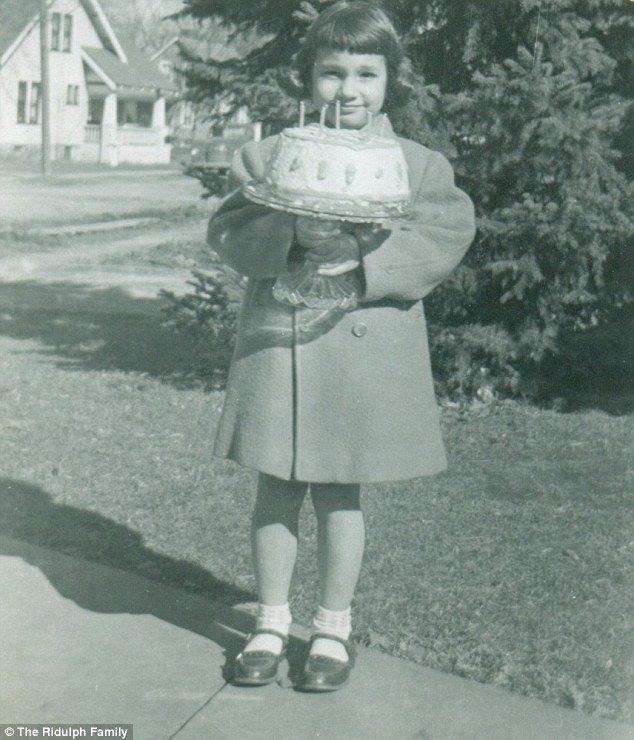
Cold Case: Maria Ridulph of Illinois Reported Missing and Later Found Fatally Stabbed; Air Force Veteran John Tessier Wrongfully Convicted of Homicide and Set Free (1957)

1415749226165_Image_galleryImage_Jack_McCullough_as_a_Hugh
Maria Ridulph, 7, Illinois

Maria Ridulph, 7, disappeared on December 3, 1957 in Sycamore, Illinois. She was found stabbed to death a few months later. Air Force veteran John Tessier (aka Jack McCullough) of Seattle, Washington, 17 at the time, was convicted in 2012 of the kidnapping and murder of Maria and sentenced to life in prison. It was the oldest cold case in the country to be solved but soon that victory would be lost and conviction overturned on appeal. A prosecutor found evidence that supported McCullough’s long-held alibi that he had been 40 miles away at the time of the disappearance. As a matter of fact, the former Captain was enlisting in the Air Force and left for active duty service a few days later. A certificate of innocence was issued and Jack McCullough was set free on April 15, 2016. Despite the past sexual abuse of minors allegations, which McCullough doesn’t deny, he wants to clear his name of the homicide. McCullough is suing the State of Illinois for wrongful conviction. The case remains unsolved to this day.

Related Links:
Jack McCullough: The Last Man Standing
48 Hours: Cold as Ice
Jack McCullough Case: A Timeline
Footsteps in the Snow: The Cold Case Murder of Maria Ridulph
Train ticket could solve 50-year Maria Ridulph murder mystery
Maria Ridulph Alleged Killer Arrested: How Cops Finally Found Jack McCullough
Man guilty of murder in 1957
Jack McCullough, 72, convicted in 1957 murder of Maria Ridulph, 7
Former cop convicted in 1957 murder of 7-year-old Illinois girl
McCullough gets life for 1957 killing of 7-year-old
Ex-police officer convicted in murder of 7-year-old Illinois girl ,Maria Ridulph, snatched from a small-town street corner 55 years ago
Oldest U.S. cold case closed in Illinois
The murder that became the oldest solved cold case in America
Illinois: People v. McCullough (2015)
Newly discovered evidence in one of the oldest unsolved crimes in U.S. history to ever make it to trial means a 76-year-old convicted and sentenced to life in the 1957 slaying of a 7-year-old Illinois girl has a chance to go free
Prosecutor moves to dismiss 1957 cold case murder conviction
Police eye new suspect over 1957 murder of seven-year-old girl after receiving an anonymous letter in the mail possibly naming her real killer
Illinois prosecutor: Wrong man convicted of 1957 murder of 7-year-old girl
Judge: I’m not ready to free ’57 cold case convict
Jack McCullough freed after conviction vacated in ’57 Sycamore murder
Prosecutor: Man wrongly convicted of 1957 cold-case murder
Man wrongfully convicted in 1957 cold case murder declared innocent
Schmack: Jack McCullough falsely convicted in 1957 Maria Ridulph murder
Man wrongfully convicted in 1957 cold case killing of Maria Ridulph, 7, ruled innocent
Jack McCullough Free After Judge Orders New Trial In 1957 Murder Of Maria Ridulph
Wrong Man Convicted of 1957 Murder in Illinois, Prosecutor Says
Seattle man wrongly convicted in 1957 child’s killing goes free
Schmack Posits McCullough’s Innocence
The Sad Tale Of Maria Ridulph’s Disappearance And The Trial Of Jack McCullough
The Bizarre Murder Of Maria Ridulph — Still Unsolved!
Police eye new suspect in 1957 abduction, murder of 7-year-old girl
Man wrongfully convicted in coldest murder case: ‘I want my name back’
Maria Ridulph A Tragic Case
BrainScratch: Maria Ridulph


2017 Illinois History Fair State Superior documentary on the longest cold case in US history. Produced by River Ridge High School Hanover, Illinois.
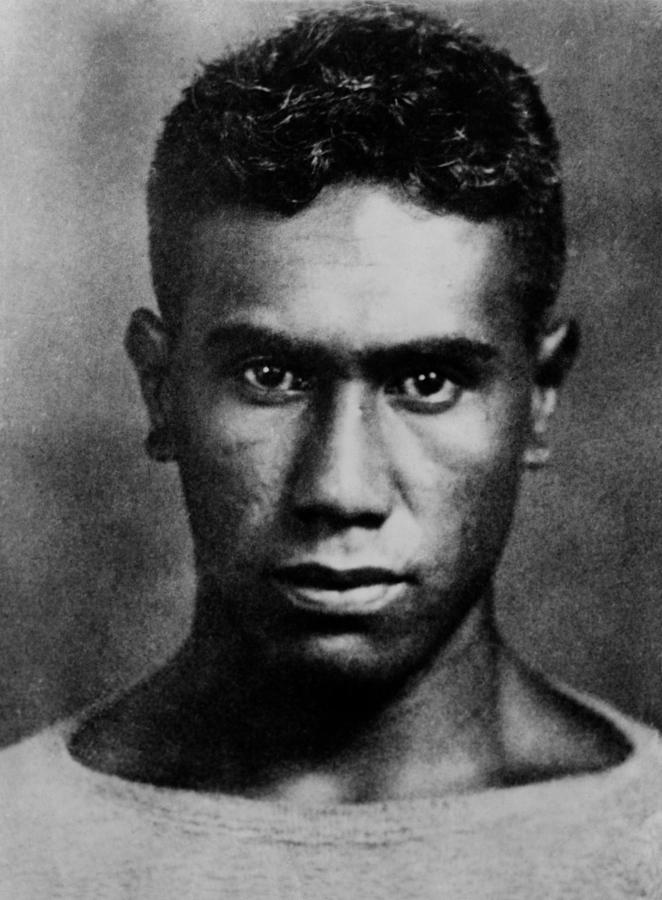
Joseph Kahahawai Murdered by Naval Officer Tommy Massie and Grace Fortescue in Hawaii After Hung Jury for the Alleged Gang Rape of Thalia Massie (1931)

joe-kahahawai
Joseph Kahahawai, Jr.

On the evening of September 12, 1931, Thalia Massie was walking home from a party she attended in Honolulu when she says she was pulled into some bushes and gang raped by some natives of Hawaii. She told her husband Tommie Massie, a Naval Officer who worked on a submarine, that she was raped. He immediately wanted justice for his young wife and insisted on calling the police. Thalia came from a very prominent family and led a privileged life that honored privacy; she did not want this information to go public. Once the Navy found out, they contacted the police department in an effort to exert pressure to get a conviction so their image was not impacted and the spouses felt safe again. As a result, the allegations were taken very seriously by the police and the case was investigated. Another woman reported that same night that she had been harassed by a group of Hawaiian natives and the police couldn’t help but suspect the two cases were related. After interviewing this woman, they were able to determine who one of the men were because she was able to provide a license plate number. The police brought the first suspect into the station for questioning and were able to find out who the other individuals were.

All of them were placed in a line-up together and Thalia Massie was asked to choose the men she thought were the ones who raped her. She picked two of the five men. Regardless the police charged all five men with rape and took them to trial. In the meantime, Thalia’s mother, Grace Fortescue, came to support her daughter through the trial. In the end, all five of the men were set free due to a hung jury; the jurors were deadlocked six to six. Tommy Massie and Grace Fortescue were especially upset with the outcome of the case and believed these men were guilty and only free because of a technicality. But what they didn’t consider is that Thalia’s identification of the accused was not credible because she could not see well without her glasses, it was dark that night, and she was only able to identify two of five individuals in a flawed police line-up. The other mitigating factors were no semen was found inside Thalia when the doctor’s performed an examination and she had bathed after the alleged rape so that evidence was lost.

Before Honolulu civilian investigators even initiated a second trial, Tommy and Grace decided they would get confessions from the accused so this time it would ensure a guilty verdict. They decided they would pretend to be the police and abduct Joseph Kahahawai with the help of one of Tommy’s Navy co-workers. They took Joseph back to the Massie home, held him at gunpoint, and asked him to admit to the crime. Joseph refused to admit guilt and would not sign the statement admitting guilt. He also let them know they cannot hold him captive because they are not the police. Joseph attempted to leave and it was at this point that he was shot and killed in a foiled abduction to elicit a confession gone wrong. In the meantime, Joseph’s cousin contacted the police to report that Tommy Massie abducted Joseph. Tommy Massie and Grace Fortescue were caught red-handed with Joseph’s dead body in the car after the Massie vehicle was spotted and police pulled them over. The two were on their way to a location where they could have dumped Joseph’s body and he would never be found again.

Tommy Massie and Grace Fortescue were both arrested for the homicide of Joseph Kahahawai. The Navy personnel, spouses, and other white people treated them as if they were celebrities. The duo never thought the jury would convict but they did. They convicted them of manslaughter and sentenced them to 10 years. Unfortunately, the Governor of Hawaii pardoned them and reduced the sentence to 1 hour in jail. They were freed after abducting and murdering a man they were not even really sure was a perpetrator. Despite evidence that a rape may have never happened, it didn’t matter to Tommy and Grace. They wanted someone to pay for the crimes against Thalia and believed it was the truth. Supporters celebrated the victory with them. It appeared that Joseph Kahahawai’s life didn’t even matter to them, but his life did matter to those native to Hawaii. Hawaiian natives knew that the island was safe prior to Hawaii becoming a territory of the United States. This was the case that changed the image of Hawaii, now a paradise lost to the natives.

Related Links:
Trouble in Paradise
Massie Case Revisited
Massie Trials (1931 & 1932)
Getting Away with Murder: The Massie Case
The Crime That Changed the Islands
The Massie case: Injustice and courage
Rich, Famous, and Questionably Sane
Civil rights and murder in 1931 Hawaii
LAW ’N HISTORY: Thalia lied, Joe died
The legacy of the Massie-Kahahawai case, 80 years on
Local Story: The Massie-Kahahawai Case and the Culture of History
The 1932 murder that exposed the hole in Hawaii’s idyllic facade
Post Time: Palm Beach suicide had link to race-charged Hawaii trials
Post Time: The Thalia Affair, Part 2: A trial, a murder, another trial
Thalia Massie: White Navy Wife Blamed Hawaiian So-Called Thugs in Alleged Rape


Honolulu, HA, 1931: When the young aristocratic wife of a Naval Lieutenant is discovered bruised and beaten by the side of a dark road, a hackneyed scheme and a trigger-happy hand will lead to the most sensational murder trial in Hawaii’s history. -Investigation Discovery